Home Visit
 Upload









Web Stories





Latest Blogs

Azee 500: How It Helps With Infections And Dosage Information
Azee 500 is an antibiotic used to treat certain bacterial infections. It contains azithromycin 500 mg, a macrolide antibiotic that helps stop the growth of bacteria. Doctors may prescribe Azee 500 for infections of the throat, chest, lungs, ear, skin and some sexually transmitted infections. Azee 500 is not useful for viral infections such as the common cold or flu. It should be taken only when prescribed by a doctor. Taking antibiotics without the right medical advice can make infections harder to treat in the future. What Is Azee 500 Tablet? Azee 500 tablet contains azithromycin 500 mg. It belongs to a group of antibiotics called macrolides. These medicines are used when the infection is caused by bacteria that are likely to respond to azithromycin. Azee 500 tablet is a prescription medicine. Your doctor will decide whether you need it based on your symptoms, examination and, in some cases, test results. How Azee 500 Works Azee 500 works by blocking bacterial protein synthesis. Bacteria need certain proteins to grow, multiply and survive. Azithromycin binds to bacterial ribosomes, which are the parts of bacteria that help make these proteins. When protein production is blocked, bacteria cannot multiply properly. This helps your immune system control and clear the infection. This is why Azee 500 can help with bacterial infections but does not work against viruses. Uses Of Azee 500 Tablet Common Azee 500 tablet uses include treatment of bacterial infections such as: Throat infection Tonsillitis Pharyngitis Sinus infection Ear infection Chest infection Bronchitis Pneumonia Skin and soft tissue infections Certain sexually transmitted infections Typhoid fever, when advised by a doctor Azee 500 may be used as a throat infection medicine or chest infection antibiotic only when the infection is bacterial and your doctor finds it suitable. When Do Doctors Prescribe Azee 500? Doctors may prescribe Azee 500 when they suspect or confirm a bacterial infection. It may be considered when you have: Fever with signs of bacterial throat infection Persistent cough with suspected bacterial chest infection Sinus pain with bacterial sinusitis Ear pain due to bacterial ear infection Skin redness, swelling or pus due to bacterial infection Certain sexually transmitted infections Specific infections where azithromycin is recommended Not every cough, cold or sore throat needs an antibiotic. Many are viral and improve with rest, fluids and supportive care. Dosage And How To Take Azee 500 Azee 500 tablet dosage depends on the type of infection, your age, weight, medical history and other medicines you take. Follow your doctor’s instructions exactly. Keep these points in mind: Take Azee 500 only when prescribed. Take it at the same time each day. Swallow the tablet whole with water. Do not crush, chew or break it unless advised. It may be taken with or without food. Taking it with food may reduce stomach discomfort. Complete the full course as advised. Do not stop early just because you feel better. Do not take an extra tablet if you miss a dose. Do not share it with anyone else. If you miss a dose, take it when you remember. If it is almost time for the next dose, skip the missed dose and continue your normal schedule. Do not double the dose. How Long Does Azee 500 Take To Work? Azee 500 starts acting after it is absorbed into your body. Many people begin to feel better within a few days. Fever, throat pain, cough or swelling may gradually reduce as the bacterial infection comes under control. However, feeling better does not always mean the infection is fully treated. Continue the medicine for the duration prescribed by your doctor. If symptoms do not improve within a few days or become worse, contact your doctor. Benefits Of Azee 500 In Treating Infections When used correctly, Azee 500 can help by: Treating susceptible bacterial infections Reducing infection-related symptoms Helping control bacterial growth Supporting recovery from throat, chest, ear and skin infections Offering convenient dosing in many treatment plans Helping prevent infection from worsening when prescribed appropriately The benefit depends on whether the bacteria causing the infection are sensitive to azithromycin. Possible Side Effects Of Azee 500 Like all medicines, Azee 500 side effects can occur. Many are mild and settle after the course is completed. Common Azee 500 side effects include: Nausea Vomiting Diarrhoea Stomach pain Indigestion Headache Dizziness Loss of appetite Seek medical help if you notice severe diarrhoea, watery or bloody stools, yellowing of the eyes or skin, dark urine, severe weakness, rash, swelling of the face or throat, breathing difficulty, palpitations, fainting or severe dizziness. Who Should Avoid Azee 500? Azee 500 may not be suitable for everyone. Tell your doctor if you: Are allergic to azithromycin or other macrolide antibiotics Have liver disease Have severe kidney disease Have a history of jaundice after taking azithromycin Have heart rhythm problems Have low potassium or magnesium levels Have myasthenia gravis Are pregnant Are breastfeeding Are taking medicines for heart rhythm, migraine, cholesterol, gout or blood thinning Your doctor may choose another medicine or monitor you more closely. Precautions And Drug Interactions Important precautions include: Do not take Azee 500 without a prescription. Tell your doctor about all medicines you take. Avoid antacids close to the dose unless your doctor advises otherwise. Inform your doctor if you have heart disease or irregular heartbeat. Report severe diarrhoea during or after treatment. Avoid alcohol if it worsens stomach upset or dehydration. Do not use leftover antibiotics from an old prescription. Do not stop the course without medical advice. Store the medicine away from heat, moisture and children. Azee 500 may interact with medicines such as antacids, digoxin, warfarin, colchicine and medicines that affect heart rhythm. Your doctor will assess these risks before prescribing it. Antibiotic Resistance And Proper Use Antibiotic resistance happens when bacteria change and stop responding well to medicines that once worked against them. This can happen when antibiotics are used too often, used for viral infections, taken in the wrong dose or stopped too early. To reduce this risk, take Azee 500 only when prescribed. Complete the course as advised. Do not pressure your doctor for antibiotics when they are not needed. Proper use helps protect your health and keeps antibiotics effective for the future. When To See A Doctor See a doctor if you have high fever, breathing difficulty, chest pain, severe throat pain, pus on the tonsils, ear discharge, worsening cough, blood in sputum, dehydration, severe diarrhoea, persistent vomiting or symptoms that do not improve after starting treatment. You should also seek medical advice if symptoms return soon after completing the course. Your doctor may recommend tests to confirm the infection and choose the right treatment. Key Takeaways Azee 500 contains azithromycin 500 mg. Azee 500 is used for selected bacterial infections. Azee 500 tablet uses include throat, chest, ear, skin and some sexually transmitted infections. Azee 500 does not treat viral cold or flu. Azee 500 tablet dosage should be followed exactly as prescribed. Common Azee 500 side effects include nausea, diarrhoea and stomach pain. Serious symptoms such as palpitations, severe diarrhoea or allergic reaction need urgent medical care. Correct antibiotic use helps reduce antibiotic resistance. Conclusion Bacterial infections can be treated effectively when the right antibiotic is used at the right dose and for the right duration. Azee 500 can be useful for certain infections, but it should never be taken casually or without medical advice. Metropolis Healthcare supports better health decisions with accurate diagnostic testing, preventive health checkup options, full body checkups and reliable reports. With convenient booking through the website, app, call or WhatsApp, along with home sample collection and quick turnaround time, Metropolis Healthcare helps you stay informed and manage your health proactively. FAQs About Azee 500 Tablet What Is Azee 500mg Used For? Azee 500 mg is used to treat certain bacterial infections. These may include infections of the throat, chest, lungs, ear, skin and some sexually transmitted infections. It should be used only when prescribed. Is Azee 500 Good For Cough? Azee 500 may help if the cough is due to a bacterial chest infection and your doctor prescribes it. It does not help with most viral coughs, common cold or flu. How Many Times A Day Should I Take Azee 500? The usual schedule is decided by your doctor. Many azithromycin regimens are once daily, but you should follow the exact Azee 500 tablet dosage prescribed for your condition. Is Azee Good For Stomach Infection? Azee 500 may be used for some bacterial stomach or intestinal infections when advised by a doctor. It is not suitable for every stomach infection or diarrhoea. Can Azee Be Used For Throat Infection? Azee 500 can be used for some bacterial throat infections if prescribed by a doctor. Many throat infections are viral and do not need antibiotics.

Azithromycin 500 Tablet: Dosage Guide And Common Uses
Azithromycin 500 is a prescription antibiotic used to treat many bacterial infections. It belongs to a group of medicines called macrolide antibiotics. Doctors may prescribe it for infections affecting the throat, lungs, ears, nose, skin, and some sexually transmitted infections. Azithromycin 500 uses are only for bacterial infections. It does not work for viral infections such as the common cold, flu, or most viral coughs. Taking antibiotics without medical advice can increase side effects and may also contribute to antibiotic resistance. If your doctor has prescribed azithromycin 500 tablet, take it exactly as advised. Complete the full course, even if you start feeling better. What Is Azithromycin 500 Tablet? Azithromycin 500 tablet contains azithromycin 500 mg as its active ingredient. It is an antibiotic used for bacterial infection treatment. It may be prescribed as a respiratory infection medicine, throat infection antibiotic, or treatment for certain skin, ear, sinus, and sexually transmitted bacterial infections. The exact use depends on your symptoms, medical history, examination findings, and sometimes test results. Azithromycin 500 tablet is not habit-forming. However, it should not be used casually or repeated without a doctor’s advice. How Azithromycin 500 Works Bacteria need certain proteins to grow, multiply, and spread. Azithromycin 500 works by stopping bacteria from making these proteins. This slows bacterial growth and helps your immune system clear the infection. Because it acts against specific bacteria, azithromycin is useful only when the infection is bacterial. If your illness is viral, azithromycin 500 will not treat the cause. Uses Of Azithromycin 500 Tablet Common azithromycin 500 tablet uses may include: Bacterial throat infections Tonsillitis caused by bacteria Sinus infections when bacterial infection is suspected Ear infections Chest infections such as bronchitis or pneumonia, when prescribed Skin and soft tissue infections Certain eye infections, in suitable forms Typhoid fever, when advised by a doctor Certain sexually transmitted bacterial infections Some dental or oral bacterial infections, if clinically appropriate Azithromycin 500 uses should always be decided by a doctor. The medicine may not be suitable for every bacterial infection. When Do Doctors Prescribe Azithromycin 500? Doctors may prescribe azithromycin 500 when: Your symptoms suggest a bacterial infection You have a throat, sinus, ear, lung, or skin infection that needs antibiotics A bacterial infection is confirmed through tests You cannot take another antibiotic due to allergy or tolerance issues The suspected bacteria may respond to azithromycin You have certain sexually transmitted infections that require antibiotic treatment Your infection is not improving with supportive care alone Your doctor may advise tests such as a throat swab, sputum test, blood test, urine test, or culture in some cases. Dosage And How To Take Azithromycin 500 Azithromycin 500 tablet dose must be prescribed by your doctor. General instructions include: Take azithromycin 500 exactly as advised. Swallow the tablet whole with water. Do not crush, chew, or break it unless your doctor advises it. Take it at the same time each day. It may be taken with or without food. Take it with food if it causes stomach upset. Avoid taking antacids at the same time. Keep a proper gap if your doctor advises antacid use. Do not skip doses. Do not take two doses together to make up for a missed dose. Complete the full course prescribed by your doctor. Do not share your antibiotic with anyone else. Many people are prescribed azithromycin once daily for a short course, but the dose and duration depend on the infection being treated. How Long Does Azithromycin Take To Work? Azithromycin starts acting after you take it, but symptoms may take time to improve. Many people begin to feel better within a few days. Fever, throat pain, cough, swelling, or discharge may not disappear immediately. This does not always mean the medicine is not working. However, if symptoms worsen or do not improve after a few days, contact your doctor. Do not stop azithromycin 500 early unless your doctor tells you to. Stopping early may allow bacteria to survive and the infection may return. Benefits Of Azithromycin In Treating Infections Azithromycin 500 may offer these benefits when prescribed correctly: Helps treat selected bacterial infections Works against many common respiratory bacteria May be useful for throat, ear, sinus, lung, and skin infections Often has a short dosing schedule Usually taken once daily in many conditions Can help reduce fever, pain, swelling, and infection-related discomfort May be used for certain sexually transmitted bacterial infections Supports recovery when taken at the right dose and duration The benefit depends on correct diagnosis and proper use. It should not be taken for viral cough, cold, or flu. Possible Side Effects Of Azithromycin 500 Azithromycin 500 tablet side effects may include: Nausea Vomiting Diarrhoea Stomach pain Headache Dizziness Loss of appetite Change in taste Skin rash Itching Oral thrush or fungal infection Serious side effects are less common, but they need urgent medical attention. Seek help if you notice: Severe diarrhoea, especially watery or bloody stools Fast, pounding, or irregular heartbeat Fainting or severe dizziness Swelling of the face, lips, tongue, or throat Difficulty breathing Severe skin rash, peeling, or blisters Yellowing of the skin or eyes Dark urine Severe weakness Worsening muscle weakness Who Should Avoid Azithromycin 500? Azithromycin 500 may not be suitable for everyone. Tell your doctor before taking it if: You are allergic to azithromycin or other macrolide antibiotics You have had jaundice or liver problems after taking azithromycin You have liver disease You have severe kidney disease You have heart rhythm problems You have a history of prolonged QT interval You have low potassium or magnesium levels You have myasthenia gravis You are pregnant You are breastfeeding You are taking medicines that affect heart rhythm You are taking blood thinners or other long-term medicines Your doctor will decide if azithromycin 500 is safe for you or if another antibiotic is more suitable. Precautions And Drug Interactions Follow these precautions while taking azithromycin 500: Take it only with a valid prescription. Tell your doctor about all medicines and supplements you take. Inform your doctor if you take antacids, blood thinners, digoxin, colchicine, ciclosporin, tacrolimus, or medicines for irregular heartbeat. Avoid taking aluminium or magnesium-containing antacids close to your azithromycin dose. Avoid alcohol if it worsens nausea, dizziness, or stomach discomfort. Drink enough fluids if you have diarrhoea. Do not use leftover antibiotics. Do not repeat azithromycin for every cough or sore throat. Store the medicine as advised on the pack. Keep it away from children. If you develop severe diarrhoea, rash, breathing difficulty, fainting, or signs of liver problems, seek medical care. Antibiotic Resistance And Proper Use Antibiotic resistance happens when bacteria change and become harder to treat. This can happen when antibiotics are used too often, used incorrectly, stopped early, or taken for viral illnesses. Azithromycin 500 should be used only when needed and prescribed. Taking it for viral fever, cold, or flu will not help and may make future bacterial infections harder to treat. Complete the prescribed course. If side effects are troubling you, speak to your doctor instead of stopping the medicine on your own. When To See A Doctor See a doctor if you have high fever, worsening cough, breathing difficulty, chest pain, severe throat pain, pus, swelling, painful urination, skin infection, or symptoms that are not improving. Seek urgent medical care if you have difficulty breathing, severe allergic reaction, fainting, irregular heartbeat, severe diarrhoea, blood in stools, yellow eyes, dark urine, confusion, or severe weakness. If you do not feel better after a few days of taking azithromycin 500, your doctor may reassess your condition and advise further tests or a different treatment. Key Takeaways Azithromycin 500 is a prescription antibiotic. Azithromycin 500 tablet uses include selected bacterial infections of the throat, lungs, ears, sinus, skin, and some sexually transmitted infections. It does not work for viral cold, flu, or most viral coughs. Azithromycin 500 tablet dose must be decided by your doctor. Take it at the same time each day and complete the full course. Common azithromycin 500 tablet side effects include nausea, diarrhoea, vomiting, and stomach pain. Avoid taking antacids too close to your dose. Tell your doctor if you have liver disease, kidney disease, heart rhythm problems, pregnancy, or breastfeeding. Proper antibiotic use helps reduce antibiotic resistance. Metropolis Healthcare supports better health decisions with accurate diagnostic testing, full body checkups, speciality testing, home sample collection, quick turnaround time, and easy booking through the website, app, call, and WhatsApp. A preventive health checkup can help you stay informed about your health markers and support timely medical care. FAQs About Azithromycin 500 Tablet What Is Azithromycin 500 Mg Used For? Azithromycin 500 mg is used to treat selected bacterial infections. These may include throat infections, respiratory infections, sinus infections, ear infections, skin infections, and some sexually transmitted infections when prescribed by a doctor. Can I Take Azithromycin 500 For A Cough? You should not take azithromycin 500 for a cough unless a doctor prescribes it. Many coughs are caused by viral infections, allergies, pollution, asthma, or acid reflux. Azithromycin helps only when a bacterial infection is likely or confirmed. Can You Take Azithromycin 500 For 3 Days? Some people may be prescribed azithromycin 500 once daily for 3 days, but this depends on the infection and your doctor’s judgement. Do not decide the duration on your own. Follow the prescribed course exactly. What Should You Avoid While Taking Azithromycin? Avoid taking aluminium or magnesium-containing antacids close to your azithromycin dose. Avoid self-medicating with other antibiotics. Limit alcohol if it worsens side effects. Tell your doctor about all medicines you take, especially heart rhythm medicines, blood thinners, digoxin, colchicine, and immunosuppressants. Is Azithromycin A Very Strong Antibiotic? Azithromycin is an effective antibiotic for selected bacterial infections, but it is not the best choice for every infection. Its strength depends on the bacteria causing the illness and whether those bacteria are sensitive to azithromycin. Your doctor will decide if it is suitable for you.

Betnesol Tablets: What They Are And When To Use Them
Betnesol tablet is a prescription corticosteroid tablet used to reduce inflammation and control severe allergic or immune-related conditions. It contains betamethasone, a steroid medicine that can calm swelling, redness, itching, pain and immune system overactivity. Doctors may prescribe Betnesol tablet for severe allergies, asthma flare-ups, inflammatory skin conditions, autoimmune diseases, blood disorders and other conditions where inflammation needs to be controlled quickly. It is a useful medicine when used correctly, but it should not be taken casually or stopped suddenly without medical advice. What Is Betnesol Tablet? Betnesol tablet contains betamethasone. It belongs to a group of medicines called corticosteroids. These medicines act like natural steroid hormones made by your adrenal glands. Betnesol tablet is not the same as painkillers, antibiotics or simple allergy tablets. It works deeper in the immune and inflammatory pathways of your body. This is why it can help in serious inflammatory conditions, but also why it must be used carefully. How Betnesol Works Betnesol works by reducing the release of chemical messengers that cause inflammation. These chemical messengers are responsible for swelling, redness, itching, tenderness and allergic-type reactions. It also suppresses an overactive immune response. This can be helpful in autoimmune and inflammatory conditions where the immune system attacks or irritates healthy tissues. Because it affects immunity, Betnesol may also make it harder for your body to fight infections. Uses Of Betnesol Tablet Common Betnesol tablet uses include: Severe allergic reactions Asthma flare-ups Skin inflammation Severe eczema or dermatitis Rheumatoid arthritis Autoimmune diseases such as systemic lupus erythematosus Ulcerative colitis or other inflammatory bowel conditions Certain kidney inflammation conditions Certain blood disorders Eye inflammation, when advised by a doctor Some connective tissue disorders Supportive treatment in selected serious medical conditions Betnesol may also be considered an allergy treatment medicine in severe allergy cases. However, mild allergy symptoms are often managed with other medicines first. When Do Doctors Prescribe Betnesol? Doctors may prescribe Betnesol when inflammation or immune overactivity is significant. It may be used when you have: Severe swelling or allergic reaction Breathing difficulty related to asthma flare-up Severe skin inflammation or itching Painful inflammatory joint symptoms Autoimmune disease flare-up Inflammation affecting the bowel, kidney, eye or blood A condition where rapid steroid action is needed Betnesol tablet should be used only under medical supervision. Your doctor will decide whether a corticosteroid tablet is needed or whether another treatment is safer. Dosage And How To Take Betnesol Betnesol tablet dosage depends on your condition, severity of symptoms, age, weight, medical history and treatment response. Your doctor will decide the right dose and duration. Follow these points: Take Betnesol exactly as prescribed. Take it at the same time each day if advised. Swallow the tablet with water, unless your doctor gives different instructions. It may be taken with or after food to reduce stomach discomfort. Do not increase the dose on your own. Do not stop suddenly unless your doctor tells you. If you miss a dose, ask your doctor or pharmacist what to do. Do not share this medicine with anyone else. Keep follow-up appointments if you are taking it for more than a few days. Your doctor may gradually reduce the dose before stopping it, especially if you have taken it for longer or at a higher dose. How Long Does Betnesol Take To Work? Betnesol can start reducing inflammation within hours, but the time you feel better depends on your condition. Severe allergy symptoms may improve faster, while autoimmune or inflammatory conditions may take longer to settle. Do not take extra tablets for quicker relief. If symptoms are not improving or are getting worse, speak to your doctor. Benefits Of Betnesol In Treating Inflammation And Allergies Betnesol tablet benefits may include: Fast reduction in severe inflammation Relief from swelling, redness and itching Better control of severe allergic reactions Support during asthma flare-ups when prescribed Reduced immune overactivity in autoimmune conditions Relief from symptoms affecting the skin, joints, bowel or other organs Useful short-term control during disease flare-ups The benefits are strongest when Betnesol is used for the right reason, in the right dose and for the right duration. Possible Side Effects Of Betnesol Betnesol tablet side effects can vary depending on dose and duration. Short courses may cause fewer side effects, while long-term use increases the risk. Possible side effects include: Upset stomach Increased appetite Weight gain Mood changes Difficulty sleeping Increased blood sugar Increased blood pressure Fluid retention Acne Increased risk of infection Reduced bone density Muscle weakness Delayed wound healing Eye problems such as glaucoma or cataract risk with long-term use Menstrual changes Withdrawal symptoms if stopped suddenly Contact your doctor if side effects are troubling, persistent or severe. Who Should Avoid Betnesol? Betnesol may not be suitable for everyone. Tell your doctor if you: Are allergic to betamethasone or any steroid medicine Have an untreated infection Have tuberculosis or recent exposure to tuberculosis Have diabetes Have high blood pressure Have heart disease Have liver disease Have kidney disease Have osteoporosis Have glaucoma Have a stomach ulcer Have epilepsy Have thyroid problems Have a history of severe mental health symptoms Are pregnant Are breastfeeding Have recently taken or plan to take a vaccine Your doctor may still prescribe it in some cases, but only after weighing benefits and risks. Precautions And Drug Interactions Important precautions include: Do not stop Betnesol suddenly without medical advice. Avoid close contact with people who have chickenpox, measles or serious infections. Tell your doctor if you develop fever, sore throat or signs of infection. Inform your doctor before any vaccine. Share your full medicine list with your doctor. Avoid alcohol if it worsens stomach irritation. Monitor blood sugar if you have diabetes. Monitor blood pressure if you have hypertension. Ask your doctor about bone health if you need long-term treatment. Carry steroid information if your doctor advises it. Betnesol may interact with medicines for diabetes, blood pressure, blood thinning, epilepsy, tuberculosis, fungal infections, HIV, pain, inflammation and some vaccines. It can also interact with diuretics and medicines that affect potassium levels. Risks Of Long-Term Steroid Use Long-term steroid use can increase the risk of bone thinning, weight gain, high blood sugar, high blood pressure, mood changes, eye problems, muscle weakness and infections. It can also reduce your body’s natural steroid production. This is why doctors use the lowest effective dose for the shortest suitable time. If you need Betnesol for a longer period, your doctor may advise monitoring tests, preventive health checkup support, bone health assessment and regular review. When To See A Doctor See a doctor urgently if you have breathing difficulty, swelling of the face or throat, severe rash, chest pain, severe infection symptoms, black stools, severe stomach pain, confusion, vision changes, severe mood changes or symptoms that worsen after starting treatment. Also speak to your doctor if you want to stop Betnesol, have missed several doses, or have been taking it longer than advised. Key Takeaways Betnesol tablet contains betamethasone. It is a corticosteroid tablet used to reduce inflammation and immune overactivity. Betnesol tablet uses include severe allergies, asthma flare-ups and autoimmune conditions. Betnesol tablet dosage must be decided by a doctor. Do not stop Betnesol suddenly without medical advice. Betnesol tablet side effects are more likely with higher doses or long-term use. It can increase infection risk and affect blood sugar, blood pressure and bone health. Regular medical review is important if you need steroid treatment for longer. Conclusion Betnesol tablet can be highly effective for serious inflammation and severe allergic conditions when used correctly. It is not a medicine for casual self-treatment. The safest approach is to take it only under medical supervision, follow the prescribed dose and report side effects early. Metropolis Healthcare supports proactive health management through reliable diagnostic testing, full body checkups and preventive health checkup options. If you have recurrent allergy symptoms, chronic inflammation, diabetes, high blood pressure or need ongoing wellness monitoring, timely testing can help you and your doctor make informed decisions. With easy booking through the website, app, call or WhatsApp, home sample collection and accurate reports, Metropolis Healthcare helps you stay aware of your health markers. FAQs About Betnesol Tablet What Is Betnesol Tablet Used For? Betnesol tablet is used to treat severe inflammation, allergic conditions, asthma flare-ups, autoimmune diseases and certain disorders affecting the skin, blood, bowel, kidney, joints or other organs. It should be taken only when prescribed. Why Is Betnesol 12 Mg Given During Pregnancy? Betnesol 12 mg is usually given as an injection during pregnancy in specific situations, such as when there is a risk of preterm birth. It helps the baby’s lungs mature before delivery. This is different from taking Betnesol tablets on your own. It should be given only under obstetric care. Is Betnesol Tablet Safe For Kidney Patients? Betnesol may be used in some kidney-related inflammatory conditions, but kidney patients should take it only under medical supervision. Your doctor may monitor kidney function, blood pressure, fluid balance and other health markers. How Long Can You Take Betnesol For? The duration depends on your condition. Some people need it only for a short course, while others may need a longer plan with careful monitoring. Do not continue Betnesol longer than prescribed and do not stop it suddenly without your doctor’s advice. Is Betnesol A Strong Steroid? Yes, Betnesol contains betamethasone, which is a potent corticosteroid. It can be very effective, but it also needs careful use because higher doses or long-term use can increase the risk of side effects.

Cetirizine Tablets: How They Help Relieve Allergy Symptoms
Cetirizine tablet is an antihistamine tablet used to relieve allergy symptoms such as sneezing, runny nose, itchy eyes, watery eyes, skin itching, rashes, and hives. It helps when your body reacts to allergens such as dust, pollen, pet dander, insect bites, or certain foods. Cetirizine tablet is commonly used as an allergy relief medicine because it works quickly and usually provides relief for about 24 hours. However, it can make some people feel sleepy, so you should take it carefully, especially before driving or operating machinery. What Is Cetirizine Tablet? Cetirizine tablet is a medicine used to manage allergic conditions. Cetirizine tablet composition usually contains cetirizine hydrochloride, commonly in a 10 mg strength. Cetirizine tablet belongs to a group of medicines called antihistamines. These medicines reduce the effect of histamine, a chemical released by your body during an allergic reaction. Histamine can cause sneezing, itching, swelling, watery eyes, and skin irritation. Cetirizine tablet is not a steroid and it is not an antibiotic. It does not treat bacterial infections or viral infections. It mainly helps control allergy symptoms. How Cetirizine Works When you come in contact with an allergen, your immune system may overreact and release histamine. This chemical binds to receptors in your body and causes allergy symptoms. Cetirizine tablet blocks histamine H1 receptors. This reduces the action of histamine and helps relieve symptoms such as sneezing, runny nose, itching, watery eyes, and hives. Cetirizine tablet does not cure the allergy itself. It controls symptoms while the trigger is present or while your body is reacting to the allergen. Uses Of Cetirizine Tablet Cetirizine tablet uses may include: Sneezing due to allergies Runny nose caused by allergic rhinitis Blocked or itchy nose linked to allergies Itchy, red, or watery eyes Hay fever or seasonal allergy symptoms Dust allergy symptoms Pet dander allergy symptoms Skin itching Hives or urticaria Mild allergic skin rashes Itching from insect bites Allergy-related swelling and irritation Cetirizine tablet uses are mainly for allergic symptoms. If you have fever, thick nasal discharge, severe throat pain, breathing difficulty, or symptoms that keep worsening, you may need medical evaluation. When Should You Take Cetirizine? You can take cetirizine tablet when allergy symptoms begin or when you expect exposure to a known allergen. For example, some people take it during pollen season, after dust exposure, or when hives appear. If you have frequent allergies, your doctor may advise taking cetirizine tablet regularly for a few days or weeks. If your symptoms occur only occasionally, your doctor may suggest taking it only when needed. Cetirizine tablet can be taken with or without food. Some people prefer taking it in the evening because it can cause sleepiness. Follow your doctor’s or pharmacist’s advice. Recommended Dosage And How To Take It Cetirizine tablet dosage depends on your age, symptoms, kidney function, liver health, and medical history. General instructions include: Take cetirizine tablet only as advised by your doctor or pharmacist. Adults are often advised cetirizine 10 mg once daily, but your dose may differ. Swallow the tablet whole with water. Do not crush, chew, or break it unless your doctor advises it. Take it at the same time each day if you need regular use. Take it with food if it causes stomach discomfort. Do not take more than the recommended dose. If you miss a dose, take it when you remember, unless it is nearly time for the next dose. Do not take two doses together to make up for a missed dose. Ask your doctor before giving cetirizine tablet to children. People with kidney disease may need a lower dose or a different treatment plan. Do not self-adjust cetirizine tablet dosage if you have kidney or liver problems. How Long Does Cetirizine Take To Work? Cetirizine tablet usually starts working within about 20 to 60 minutes. Many people feel noticeable relief within an hour. The effect of cetirizine tablet usually lasts for about 24 hours. This is why it is commonly taken once daily. However, the response can vary from person to person. If your symptoms do not improve after a few days, or if they keep returning, speak to your doctor. You may need allergy testing, trigger control, or a different medicine. Benefits Of Cetirizine For Allergy Relief Cetirizine tablet may offer these benefits: Helps reduce sneezing Helps control runny nose Relieves itchy or watery eyes Reduces skin itching Helps manage hives May reduce allergy-related swelling Usually works within an hour Often gives 24 hour symptom relief Can be taken with or without food Useful for seasonal and year-round allergies Usually less sedating than many older antihistamines Cetirizine tablet works best when you also reduce exposure to allergy triggers such as dust, pollen, mould, pet dander, and smoke. Possible Side Effects Of Cetirizine Cetirizine tablet side effects are usually mild, but they can happen. Common cetirizine tablet side effects may include: Sleepiness Tiredness Dry mouth Headache Dizziness Nausea Sore throat Stomach discomfort Diarrhoea General feeling of weakness Less common but serious reactions need urgent care. Seek medical help if you notice: Breathing difficulty Swelling of the face, lips, tongue, or throat Severe rash Severe dizziness Fainting Trouble passing urine Unusual confusion Severe sleepiness Worsening allergic symptoms Avoid alcohol while taking cetirizine tablet because it may increase drowsiness. Who Should Avoid Cetirizine? Cetirizine tablet may not be suitable for everyone. Speak to your doctor before taking it if: You are allergic to cetirizine You are allergic to hydroxyzine or similar antihistamines You have kidney disease You have liver disease You are pregnant You are breastfeeding You are elderly You have epilepsy or a history of seizures You have difficulty passing urine You need to drive or operate machinery You regularly take sleeping pills, sedatives, or alcohol You are taking multiple long-term medicines Children should take cetirizine tablet only in the dose advised by a doctor or pharmacist. Precautions And Drug Interactions Follow these precautions while taking cetirizine tablet: Avoid alcohol because it can increase sleepiness. Do not drive if cetirizine tablet makes you drowsy or dizzy. Tell your doctor about all medicines and supplements you take. Be careful if you take sedatives, sleeping pills, antidepressants, or anxiety medicines. Tell your doctor if you have kidney or liver disease. Stop cetirizine tablet before allergy testing if your doctor advises it. Do not take extra doses for faster relief. Do not use it for unexplained swelling or severe allergic reactions without medical care. Store the medicine away from heat, moisture, and children. If you need cetirizine tablet every day for a long time, consult your doctor to confirm the cause of your allergy symptoms and review your treatment plan. When To See A Doctor See a doctor if your allergy symptoms are severe, frequent, or not improving with cetirizine tablet. You should also seek medical advice if you have wheezing, breathlessness, chest tightness, repeated hives, facial swelling, or symptoms after eating a particular food. Seek urgent medical help if you have swelling of the lips, tongue, or throat, difficulty breathing, fainting, or sudden widespread rash. These may be signs of a serious allergic reaction. If allergies keep coming back, your doctor may suggest allergy tests, lifestyle changes, nasal sprays, eye drops, or other treatments. Key Takeaways Cetirizine tablet is an antihistamine tablet used for allergy relief. Cetirizine tablet composition usually includes cetirizine hydrochloride. Cetirizine tablet uses include sneezing, runny nose, itchy eyes, watery eyes, hives, and skin itching. Cetirizine tablet usually starts working within about an hour. Its effect may last around 24 hours. Cetirizine tablet side effects may include sleepiness, dry mouth, headache, and tiredness. Avoid alcohol while taking cetirizine tablet. People with kidney disease, liver disease, pregnancy, breastfeeding, or seizure history should consult a doctor before use. Do not drive if cetirizine tablet makes you sleepy. Frequent allergy symptoms may need proper diagnosis and long-term trigger control. Metropolis Healthcare supports proactive health management with accurate diagnostic testing, full body checkups, speciality testing, home sample collection, quick turnaround time, and easy booking through the website, app, call, and WhatsApp. A preventive health checkup can help you stay informed about your health markers and manage your wellbeing with timely medical guidance. FAQs About Cetirizine Tablet What Is A Cetirizine Tablet Used For? Cetirizine tablet is used to relieve allergy symptoms such as sneezing, runny nose, itchy nose, watery eyes, skin itching, hives, and mild allergic rashes. It works by blocking histamine, a chemical involved in allergic reactions. Is Cetirizine 10 Mg Sleepy? Cetirizine 10 mg can make some people feel sleepy or tired. It is usually less sedating than older antihistamines, but drowsiness can still happen. Avoid driving, alcohol, or machinery if you feel sleepy after taking it. Can I Take Cetirizine Every Day? Some people may take cetirizine tablet every day for a short period during allergy season or for ongoing hives, if advised by a doctor. Do not use it daily for a long time without medical guidance, especially if you have kidney or liver disease. How Long Does Cetirizine Take To Work? Cetirizine tablet usually starts working within about 20 to 60 minutes. Its effect may last around 24 hours, so many people take it once daily. Is Cetirizine For Cold Or Allergy? Cetirizine tablet is mainly for allergy symptoms. It may help sneezing or runny nose if these are allergy-related. It does not cure a viral cold, flu, or infection.
Alkasol Syrup: What It Is And How It Helps With Stomach Issues
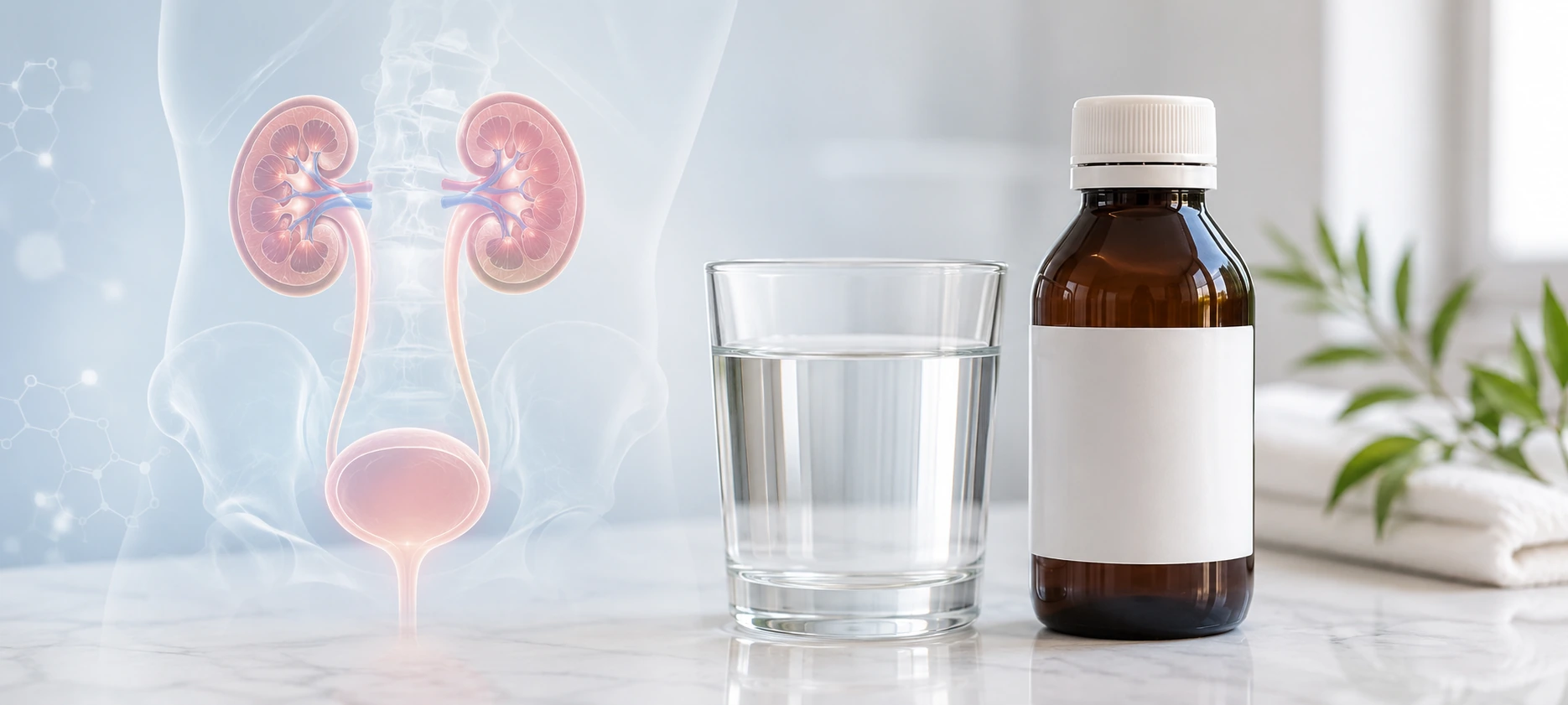
Alkasol syrup is a commonly used medicine that contains disodium hydrogen citrate. It is mainly used as a urinary alkaliser, which means it makes your urine less acidic. This can help relieve burning urination, support urinary tract infection care, reduce uric acid-related discomfort, and help prevent certain kidney stones. Many people also search for Alkasol syrup for stomach issues because it may sometimes ease acidity-like discomfort. However, Alkasol syrup is not primarily a stomach medicine. Its main action is on urine pH and urinary health. If you have frequent acidity, stomach pain, bloating, vomiting, or indigestion, you should not use Alkasol syrup as a long-term home remedy without medical advice. What Is Alkasol Syrup? Alkasol syrup is a liquid medicine used to reduce excess acidity in urine. The active ingredient in Alkasol syrup is disodium hydrogen citrate. This makes Alkasol syrup composition simple and focused on urine alkalisation. Alkasol syrup is often advised for burning urination, painful urination, urinary tract infections, kidney stone prevention, and high uric acid-related problems such as gout. It may also be used in some conditions where the body or urine has excess acidity. Although some people think of Alkasol syrup as an acidity medicine, it should not be confused with regular antacids used mainly for stomach acid. Alkasol syrup works by changing urine acidity, not by treating all stomach problems. How Alkasol Syrup Works Alkasol syrup works by making the urine more alkaline. When urine becomes less acidic, it may reduce burning and stinging during urination. It may also help the kidneys remove excess uric acid through urine. This action can be useful in people who are prone to uric acid crystals or certain kidney stones. Less acidic urine can make it harder for some crystals to form. Alkasol syrup may also have a mild alkalising effect in the body after it is metabolised. This is why some people may feel relief from mild acid-related stomach discomfort. Still, stomach relief is not the main purpose of Alkasol syrup. If your symptoms are mostly acidity, reflux, or indigestion, your doctor may suggest a more suitable treatment. Uses Of Alkasol Syrup Alkasol syrup uses may include: Burning sensation while passing urine Painful or difficult urination Supportive care in urinary tract infections Prevention of certain kidney stones Management of uric acid-related urine problems Support in gout management when advised by a doctor Urinary acidosis or excess urine acidity Mild urinary discomfort linked to acidic urine Alkasol syrup is not an antiparasitic medicine worms treatment. It is also not an intestinal parasite treatment. If you suspect worm infection, stomach infection, or intestinal parasites, you need a different medical evaluation and treatment. When Should You Take Alkasol Syrup? You should take Alkasol syrup only as advised by your doctor. It is usually taken after meals with water or juice. Taking Alkasol syrup after food may reduce stomach discomfort, nausea, or loose stools. Do not take Alkasol syrup just because you have stomach pain or acidity. Stomach symptoms can have many causes, including gastritis, food intolerance, infection, gallbladder disease, acid reflux, ulcers, or medicine-related irritation. Alkasol syrup may not help these conditions and may delay the right care if used incorrectly. If you have burning urination, lower abdominal discomfort, cloudy urine, fever, or back pain, consult a doctor. Alkasol syrup may reduce burning, but it does not replace antibiotics if a bacterial urinary tract infection needs treatment. Recommended Dosage And How To Take It Alkasol syrup dosage depends on your age, health condition, urine acidity, kidney function, and doctor’s advice. General use instructions include: Take Alkasol syrup only in the dose prescribed by your doctor. Shake the bottle well before use. Measure the dose with a proper measuring cup or spoon. Mix the dose in a full glass of water or juice. Take it after meals to reduce stomach upset. Drink enough water during the day unless your doctor has restricted fluids. Do not take extra doses for faster relief. Do not use it for longer than advised. If you miss a dose, take it when you remember, unless it is almost time for the next dose. Do not double the dose to make up for a missed dose. Never guess the dose for children, pregnant women, elderly people, or people with kidney disease. How Long Does Alkasol Syrup Take To Work? Alkasol syrup may start working within a short time after intake because it acts by changing urine acidity. Some people may feel relief from burning urination within a few hours. However, the cause of the symptom matters. If burning is due to highly acidic urine, relief may be faster. If it is due to infection, stones, dehydration, or inflammation, Alkasol syrup alone may not be enough. If symptoms continue for more than one or two days, or if you have fever, chills, blood in urine, severe pain, or back pain, see a doctor promptly. Benefits Of Alkasol For Urinary Health Alkasol syrup may offer the following benefits when used correctly: Helps make urine less acidic May reduce burning during urination Supports urinary comfort in selected cases Helps remove excess uric acid through urine May help prevent certain uric acid stones Supports gout-related urinary uric acid management May reduce discomfort caused by acidic urine Easy to take when diluted properly in water or juice Alkasol syrup works best when taken with adequate hydration and medical guidance. Possible Side Effects Of Alkasol Syrup Alkasol syrup side effects may include: Stomach pain Nausea Vomiting Diarrhoea Frequent urination Tiredness Gas or abdominal discomfort Unpleasant taste Electrolyte imbalance if used incorrectly Worsening symptoms in people with kidney disease Most mild Alkasol syrup side effects improve after dose adjustment or stopping the medicine, but you should not make changes without medical advice. Seek medical help if you notice swelling, breathing difficulty, severe weakness, confusion, severe vomiting, irregular heartbeat, reduced urination, or worsening kidney-related symptoms. Who Should Avoid Alkasol Syrup? Alkasol syrup may not be suitable for everyone. Speak to your doctor before taking it if: You have kidney disease You have severe kidney impairment You have heart disease You have high blood pressure You are on a low-sodium diet You have swelling in the legs or body You have dehydration You have liver disease You are pregnant You are breastfeeding You have high potassium levels You have a history of electrolyte imbalance You are allergic to disodium hydrogen citrate or similar medicines You have severe or unexplained stomach pain Alkasol syrup should be used carefully in elderly people and people with long-term medical conditions. Precautions And Drug Interactions Before taking Alkasol syrup, tell your doctor about all medicines, supplements, and herbal products you use. Alkasol syrup can affect urine pH and body salt balance, which may influence how some medicines work. Important precautions include: Do not self-medicate for repeated urinary symptoms. Do not use Alkasol syrup as a substitute for antibiotics in confirmed bacterial UTI. Avoid using it for stomach pain without knowing the cause. Drink enough water unless your doctor has advised fluid restriction. Avoid taking more than the prescribed dose. Tell your doctor if you take medicines for kidney disease, heart disease, blood pressure, diabetes, gout, or infections. Consult your doctor before use during pregnancy or breastfeeding. Store Alkasol syrup below the advised temperature and away from children. If you are prone to kidney stones, your doctor may advise urine tests, kidney function tests, imaging, or dietary changes based on the stone type. When To See A Doctor See a doctor if burning urination is severe, frequent, or keeps returning. You should also seek medical care if you have fever, chills, lower back pain, blood in urine, vomiting, severe stomach pain, reduced urination, or swelling. You should also consult a doctor if you are taking Alkasol syrup but your symptoms do not improve. Repeated urinary burning may be due to infection, stones, dehydration, diabetes, sexually transmitted infections, or other urinary tract problems. Proper diagnosis is important. For stomach issues, see a doctor if you have persistent acidity, black stools, blood in vomit, unexplained weight loss, difficulty swallowing, repeated vomiting, or severe abdominal pain. Key Takeaways Alkasol syrup contains disodium hydrogen citrate. Alkasol syrup composition makes it a urinary alkaliser. Alkasol syrup uses mainly include burning urination, urinary discomfort, kidney stone prevention, gout-related uric acid support, and urine acidity management. Alkasol syrup is not mainly a stomach medicine. It may offer mild relief in some acid-related stomach discomfort, but this is not its primary role. Alkasol syrup dosage should always follow medical advice. Alkasol syrup side effects may include stomach pain, nausea, vomiting, and diarrhoea. People with kidney disease, heart disease, high blood pressure, dehydration, pregnancy, or breastfeeding should consult a doctor before use. Repeated urinary or stomach symptoms need proper diagnosis. Metropolis Healthcare supports proactive health management with reliable diagnostic testing, full body checkups, speciality testing, home sample collection, quick turnaround time, and easy booking through website, app, call, and WhatsApp. A preventive health checkup can help you track important health markers and take timely steps for your wellbeing. FAQs About Alkasol Syrup What Is Alkasol Syrup Used For? Alkasol syrup is used to make urine less acidic. It may help with burning urination, urinary discomfort, urinary tract infection support, uric acid-related problems, gout support, and prevention of certain kidney stones when advised by a doctor. Is Alkasol Good For Urine Burning? Alkasol syrup may help reduce burning urination if the discomfort is linked to acidic urine. However, burning urine can also happen due to infection, stones, dehydration, or other causes. If symptoms continue or return, consult a doctor. How Many Days To Take Alkasol? The number of days depends on your condition and doctor’s advice. Do not take Alkasol syrup for longer than prescribed. If symptoms do not improve, seek medical evaluation instead of extending the course on your own. What Color Is Your Urine After Alkasol? Alkasol syrup usually does not cause a specific urine colour change. Your urine colour may vary depending on hydration, food, medicines, vitamins, and infection. Dark urine, red urine, or blood in urine should be checked by a doctor. How Long Does Alkasol Take To Work? Alkasol syrup may start working within a short time by making urine less acidic. Some people may feel relief within a few hours. If burning or pain continues, the cause may need further diagnosis and treatment.

10 Surprising Health Benefits Of Eating Potatoes
Potato is one of the most loved vegetables in Indian homes. From aloo sabzi and poha with potato to aloo paratha, sambar, cutlets, curries, baby potatoes, and chaat, potato fits easily into daily meals. Yet, potato is often seen as unhealthy. This is not fully true. A potato becomes unhealthy mainly when it is deep fried, overloaded with butter, or eaten in very large portions. When boiled, baked, steamed, or lightly cooked with spices, potato can be a filling and nutritious part of your diet. The key is how you cook potato, how much you eat, and what you eat it with. Are Potatoes Healthy? Yes, potatoes can be healthy when eaten in the right way. Potato is a starchy vegetable, which means it gives your body energy through carbohydrates. It also contains fibre, potassium, vitamin C, vitamin B6, and natural plant compounds. Potato nutrition is especially useful for people who need affordable, filling, and easy to cook foods. For Indian families, potato can work well in a balanced thali when paired with dal, curd, vegetables, salad, and whole grains like roti, brown rice, or millets. If you have diabetes, kidney disease, obesity, or heart disease, you do not always need to avoid potato completely. But you should check your portion size and cooking method. Your doctor or dietitian can guide you based on your health markers. A Nutritious Powerhouse Potato nutrition is more than just carbohydrates. A potato gives you energy, but it also supports digestion, muscle function, immunity, and fullness. Potato skin contains fibre and antioxidants, so keeping the skin on can improve the nutrient value. Just wash the potato well before cooking. Coloured types of potatoes, such as red or purple potato varieties, may contain more antioxidants than white potato varieties. For many Indian households, potato benefits include affordability, availability, taste, and easy use in both simple and festive meals. These potato benefits make it a practical food when eaten with care. 100g Potato Calories And Macronutrients The values below are approximate and may change based on variety and cooking method. Nutrient In 100g Boiled Potato Approximate Value Calories 87 kcal Carbohydrates 20 g Protein 1.9 g Fat 0.1 g Fibre 1.8 g Potassium 379 mg Vitamin C 13 mg 100g potato calories are moderate when the potato is boiled or steamed. The problem often starts when potato is fried in excess oil. If you are tracking potato calories, focus on both the quantity and cooking method. How Many Calories In A Medium Potato? A medium potato usually weighs around 150 g. So, 1 potato calories may be around 110 to 140 kcal if it is boiled or baked without extra fat. The exact value depends on size and variety. If the same potato is turned into fries, chips, tikki, or pakora, the calories can rise sharply because of oil. This is why potato calories should always be understood along with preparation style. For most healthy adults, one small to medium potato can fit into a balanced meal. You can pair it with protein and fibre, such as dal, sprouts, paneer, curd, eggs, fish, chicken, or vegetables. Boiled Potato Calories Vs. Fried Potato Calories Boiled potato calories are usually lower because no extra oil is added. Boiled potato calories for 100 g are around 87 kcal. Fried potato calories can be much higher due to oil absorption. Deep fried potato snacks may also contain more salt. Boiled, steamed, roasted, or air fried potato is a better choice for daily meals. Fried potato can be enjoyed occasionally, but portion control matters. Health Benefits Of Eating Potatoes Here are 10 important potato benefits that may surprise you. Supports Steady Energy: Potato provides complex carbohydrates. These help give your body energy for work, study, exercise, and daily activities. Keeps You Full For Longer: One of the useful potato benefits is satiety. A boiled potato can keep you full and may reduce unnecessary snacking when eaten in a balanced meal. Supports Digestive Health: Potato contains fibre, especially when eaten with skin. Cooked and cooled potato may also form resistant starch, which supports good gut bacteria. Helps Muscle Function: Potato is rich in potassium. Potassium supports muscle contraction, nerve function, and fluid balance. Supports Heart Health: Potato benefits the heart when cooked with less oil and salt. Its potassium and fibre may support healthy blood pressure and cholesterol balance as part of an overall healthy diet. Provides Vitamin C: Potato contains vitamin C, which supports immunity, skin health, and antioxidant protection. Naturally Gluten Free: Potato is naturally gluten free. This makes it useful for people with gluten sensitivity or coeliac disease, as long as it is not cooked with gluten containing ingredients. Supports Workout Recovery: Potato provides carbohydrates and potassium. This may help replenish energy after exercise, especially when paired with protein. Budget Friendly Nutrition: Among everyday vegetables, potato is affordable and widely available. These potato benefits matter for Indian families looking for filling, nutritious meals. Easy To Add To Healthy Meals: Potato can be boiled, roasted, steamed, or added to vegetable dishes. The best potato benefits come when you avoid deep frying and heavy toppings. Different Types Of Potatoes And Their Benefits There are many types of potatoes used in Indian kitchens. White potato is common and works well in sabzi, curry, cutlets, and mash. Baby potatoes are smaller and often used in dum aloo or roasted dishes. Red potato and purple potato varieties may offer more antioxidants because of their colour pigments. Sweet potato is different from regular potato, but it is also nutritious. Sweet potato contains beta carotene, fibre, and natural sweetness. You can include sweet potato in chaat, tikki, or roasted snacks. Different types of potatoes have different textures. Waxy potato varieties hold shape better in salads and curries. Starchy potato varieties become soft and fluffy, so they work well for mash and baked dishes. Knowing the types of potatoes helps you choose the right one for your meal. How To Incorporate Potatoes Into Your Diet? You can enjoy potato in healthier ways with small changes. Add boiled potato to poha with peas, peanuts, and vegetables. Make aloo sabzi with less oil and more spices, tomato, peas, or methi. Use baby potatoes in roasted dishes instead of deep fried snacks. Pair potato with dal, curd, or paneer for a more balanced meal. Eat potato with skin when possible, after washing it well. Use boiled and cooled potato in a salad with curd, onion, coriander, and lemon. Choose baked or air fried potato wedges instead of regular fries. Avoid eating potato chips, fries, and aloo bhujia too often. Keep portions moderate if you are watching blood sugar or weight. Include sweet potato sometimes for variety. Potato benefits are best when potato is part of a balanced plate, not the only major food in the meal. Conclusion Potato does not deserve its unhealthy image when it is cooked wisely. Boiled, baked, roasted, or steamed potato can provide energy, fibre, potassium, vitamin C, and fullness. The real concern is not potato itself, but excess oil, large portions, and frequent deep fried snacks. If you are managing diabetes, weight, cholesterol, blood pressure, or kidney health, it helps to know your health numbers. Routine blood tests and full body checkups can guide better food choices. Metropolis Healthcare offers 4,000+ tests, full body checkups, accurate reports, quick turnaround time, expert pathologists, and convenient home sample collection through a strong network of 10,000 touchpoints. You can book through the website, app, call, or WhatsApp and stay informed about your health while making better everyday nutrition choices. FAQ Can Eating Potatoes Help With Weight Loss? Potato may support weight loss when boiled or baked and eaten in controlled portions. It is filling, so it may reduce hunger between meals. Avoid fried potato, chips, and heavy toppings if you are trying to lose weight. Are Potatoes Good For Heart Health? Potato can be good for heart health when cooked with less oil and salt. It contains potassium and fibre, which support heart and blood pressure health. For better potato benefits, pair it with vegetables, dal, and lean protein. What Is The Nutritional Value Of A 100g Potato? Approximate values for 100 g boiled potato are: Calories: 87 kcal Carbohydrates: 20 g Protein: 1.9 g Fat: 0.1 g Fibre: 1.8 g Potassium: 379 mg Vitamin C: 13 mg 100g potato calories can vary slightly based on the type and cooking method. How Many Calories Are In A Boiled Potato? Boiled potato calories depend on size. A 100 g boiled potato has around 87 kcal. A medium boiled potato may have around 110 to 140 kcal. If you are counting 1 potato calories, weigh the potato for better accuracy. Can Potatoes Cause Bloating? Potato usually does not cause bloating for everyone. Some people may feel bloated if they eat large portions, eat potato with heavy fried foods, or have digestive conditions. If bloating is frequent, speak to your doctor to understand the cause.

8 Matcha Tea Benefits: Boost Your Health And Energy Naturally
Matcha tea has become popular among people who want a steady energy boost, better focus, and a simple way to add antioxidants to their daily routine. It has a rich green colour, earthy taste, and a unique preparation style that makes it different from regular tea. Many matcha tea benefits come from its natural plant compounds, especially catechins, caffeine, and L-theanine. Together, these may support alertness, heart health, metabolism, and overall wellness. Still, matcha tea is not a cure for any health condition. It works best when you enjoy it as part of a balanced diet, regular movement, good sleep, and preventive health checkups. What Is Matcha Tea? Matcha tea is a powdered form of green tea made from the leaves of the Camellia sinensis plant. The leaves are shade-grown before harvest, then steamed, dried, and ground into a fine green powder. Unlike regular green tea, where you steep the leaves and discard them, matcha tea is made by whisking the powder into water or milk. This means you consume the whole leaf in powdered form. Because of this, matcha tea may offer a more concentrated amount of some nutrients and plant compounds. The flavour of matcha tea is often described as earthy, grassy, slightly bitter, and mildly sweet. Good quality matcha tea usually has a bright green colour and a smooth taste. How Is Matcha Different From Green Tea? Matcha tea and Green Tea come from the same plant, but they are prepared and consumed differently. Matcha tea is made from finely ground tea leaves, while regular Green Tea is usually made by steeping leaves in hot water. Matcha tea lets you consume the whole leaf, while regular Green Tea extracts compounds into water. Matcha tea often contains more caffeine than regular Green Tea. Matcha tea contains L-theanine, which may help support calm alertness. Matcha tea has a richer colour and stronger taste. Matcha tea is commonly used in lattes, smoothies, desserts, and breakfast bowls. Both can be part of a healthy lifestyle. Your choice depends on your taste, caffeine tolerance, and wellness goals. Matcha Tea Benefits Here are 8 matcha tea benefits that may support your health and energy naturally. Rich In Antioxidants Matcha tea is known for its antioxidant content. It contains catechins, including EGCG, which help protect cells from damage caused by free radicals. This is one of the most discussed matcha tea benefits because antioxidants support long-term wellness and healthy ageing. Supports Calm Energy Matcha tea contains caffeine, but it also contains L-theanine. This amino acid may help promote a calm, focused state. Many people find that matcha tea gives them steady energy without the sudden crash they may feel after strong coffee. May Improve Focus And Attention The caffeine and L-theanine in matcha tea may support attention, reaction time, and mental clarity. This makes matcha tea a popular choice for work, study, or morning routines. These matcha tea benefits are most useful when you also get enough sleep and eat well. May Support Heart Health Some matcha green tea benefits are linked to the broader benefits of green tea compounds. Regular intake of tea rich in catechins may support healthy cholesterol levels and blood vessel function. However, matcha tea should not replace prescribed medicines or a heart-healthy diet. May Support Metabolism Matcha tea powder benefits may include gentle support for metabolism. Green tea compounds have been studied for their role in fat oxidation and energy use. However, matcha tea will not cause major weight loss on its own. It may help when combined with a balanced diet and regular exercise. May Support Liver Health In Moderation Some research suggests that green tea compounds may support liver health. However, very high intakes of concentrated green tea extracts may not be safe for everyone. Drinking matcha tea in moderate amounts is different from taking high-dose supplements. If you have liver disease, ask your doctor before adding matcha tea regularly. May Support Skin Wellness The antioxidants in matcha tea may help support skin health by reducing oxidative stress. This does not mean matcha tea can replace sunscreen, hydration, or skincare. But as part of a nutrient-rich diet, it may contribute to overall skin wellness. Easy To Add To Your Routine One practical matcha tea benefit is that it is easy to use. You can drink matcha tea hot or cold, add it to smoothies, or make a light matcha latte. This makes it simple to include in your wellness routine without major changes. Types Of Matcha And Their Health Benefits Matcha tea is usually available in different grades. Ceremonial grade matcha tea is often used for traditional drinking. It is usually smoother, brighter, and less bitter. Culinary grade matcha tea is commonly used in lattes, smoothies, baking, and desserts. Both types may offer matcha tea benefits, but quality matters. Choose matcha tea powder that is fresh, bright green, and from a trusted source. Dull or brownish powder may be old or lower in quality. Avoid assuming that more matcha tea is always better. The benefits come with regular, moderate intake, not excessive consumption. How To Enjoy Matcha Tea You can enjoy matcha tea in many simple ways. Whisk half to one teaspoon of matcha tea powder with hot water. Use water that is hot but not boiling to avoid bitterness. Add warm milk or plant-based milk for a matcha latte. Blend matcha tea into a smoothie with banana or berries. Add it to oats or yoghurt bowls. Use a small amount in homemade desserts. Avoid adding too much sugar, syrup, or whipped cream. Drink it earlier in the day if caffeine affects your sleep. For a smoother taste, sift the matcha tea powder before whisking. Matcha Tea Vs Regular Green Tea: Which Is Better? Matcha tea and regular Green Tea both have their place in a healthy diet. Matcha tea may offer a more concentrated source of certain compounds because you consume the whole powdered leaf. It also has more caffeine, which may be helpful for alertness but may not suit everyone. Regular Green Tea may be gentler if you are sensitive to caffeine. It is also easier to drink several times a day without consuming too much caffeine. So, which is better? The answer depends on your body. If you want a stronger taste and more focused energy, matcha tea may suit you. If you prefer a lighter drink, regular Green Tea may be better. Common Misconceptions About Matcha Tea There are many claims about matcha tea online. Some are useful, while others may be exaggerated. Matcha tea does not detox your body on its own. Your liver and kidneys already do that work. Matcha tea does not melt belly fat. Matcha tea is not caffeine-free. Matcha tea is not suitable for unlimited daily intake. Matcha tea cannot replace sleep, exercise, or medical care. Matcha tea is not automatically healthy if mixed with too much sugar. Matcha tea may not suit people with caffeine sensitivity, anxiety, acidity, pregnancy concerns, or certain health conditions. The best way to enjoy matcha tea benefits is to keep your intake moderate and listen to your body. How Much Matcha Tea Should You Drink? For most healthy adults, 1 to 2 cups of matcha tea a day is usually a reasonable amount. This depends on how strong you make it and how much caffeine you get from other sources such as coffee, cola, energy drinks, or chocolate. If you are pregnant, breastfeeding, sensitive to caffeine, taking medicines, or managing a health condition, speak to your doctor before drinking matcha tea regularly. Avoid drinking matcha tea late in the evening, as it may affect sleep. Also avoid taking it along with iron-rich meals if you have iron deficiency, as tea compounds may reduce iron absorption. Conclusion Matcha tea can be a healthy addition to your routine when consumed in moderation. The key matcha tea benefits include antioxidant support, calm energy, better focus, gentle metabolism support, and easy use in daily meals. Matcha green tea benefits are best seen when you combine them with a balanced lifestyle. Wellness is not only about what you drink each day. It is also about understanding your body. Regular health checkups can help you track important markers such as blood sugar, cholesterol, liver function, kidney function, vitamin levels, and inflammation. Metropolis Healthcare makes preventive health monitoring simple with full body checkups, 4,000 plus tests, speciality testing, expert pathologists, accurate reports, quick turnaround time, and convenient home sample collection. You can book tests through the website, app, call, or WhatsApp, helping you stay informed and proactive about your health. FAQ Does Matcha Tea Help You Lose Weight? Matcha tea may support weight management when combined with a healthy diet and regular exercise. Some matcha tea benefits are linked to metabolism and fat oxidation, but the effect is usually modest. Matcha tea cannot replace calorie balance, strength training, walking, sleep, or medical advice for weight concerns. How Much Matcha Tea Should I Drink A Day? You can usually drink 1 to 2 cups of matcha tea a day if you tolerate caffeine well. Start with a small amount and see how your body responds. If you feel anxious, restless, acidic, or sleepless, reduce your intake. Can Matcha Tea Cause Side Effects? Yes, matcha tea can cause side effects in some people. These may include acidity, nausea, headache, sleep trouble, fast heartbeat, anxiety, or loose stools. High intake may increase caffeine-related side effects. People with liver disease, pregnancy, breastfeeding, severe acidity, or medicine interactions should check with a doctor. References Kochman J, Jakubczyk K, Antoniewicz J, Mruk H, Janda K. Health benefits and chemical composition of matcha green tea: a review. Molecules. 2020;26(1):85. PMID: 33375458. Haskell CF, Kennedy DO, Milne AL, Wesnes KA, Scholey AB. The effects of L-theanine, caffeine and their combination on cognition and mood. Biol Psychol. 2008;77(2):113-122. PMID: 18006208. Kuriyama S, Shimazu T, Ohmori K, Kikuchi N, Nakaya N, Nishino Y, Tsubono Y, Tsuji I. Green tea consumption and mortality due to cardiovascular disease, cancer, and all causes in Japan. JAMA. 2006;296(10):1255-1265. PMID: 16968850. Hursel R, Viechtbauer W, Westerterp-Plantenga MS. The effects of green tea on weight loss and weight maintenance: a meta-analysis. Int J Obes. 2009;33(9):956-961. PMID: 19597519. EFSA Panel on Dietetic Products, Nutrition and Allergies. Scientific opinion on the safety of caffeine. EFSA Journal. 2015;13(5):4102.