Home Visit
 Upload






Preventive Healthcare
Holi 2026: Date, Significance, Health Tips, And Safe Celebration Guide
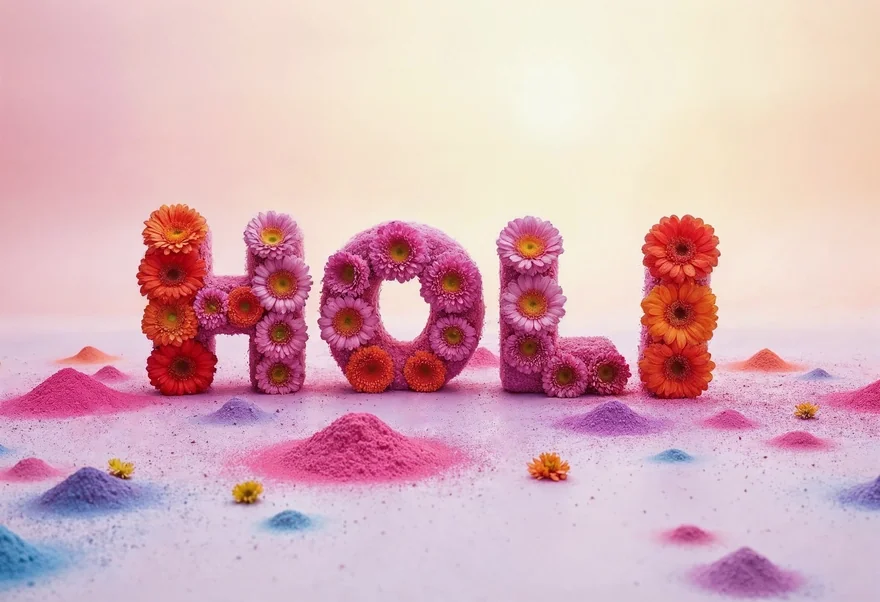
Table of Contents
Holi 2026 will be celebrated on Wednesday, March 4, 2026, with Holika Dahan on Tuesday, March 3, 2026. The festival marks the victory of good over evil, the arrival of spring, and the strengthening of relationships through colours, sweets, music, and togetherness. As it coincides with National Safety Day, it serves as a reminder to celebrate responsibly.
Choose organic colours to reduce the risk of skin allergies, apply coconut or almond oil to protect your skin and hair, wear sunglasses for eye safety, stay hydrated, avoid water balloons to prevent injuries, and ensure children and elderly family members are supervised. Wash off colours gently with lukewarm water and mild cleansers, and respect personal boundaries during celebrations. With mindful preparation and simple health precautions, you can enjoy a colourful, safe, and joyful Holi festival in India.
When Is Holi 2026?
Holi 2026 will be celebrated on Wednesday, March 4, 2026, with Holika Dahan observed on the evening of Tuesday, March 3, 2026. The festival falls on the Purnima or Full Moon day of the Hindu month of Phalguna, which usually occurs in late February or early March. In 2026, celebrations take place in early March as winter transitions into spring in most parts of India. While Holi is widely celebrated across India and most states observe school and bank holidays, the exact public holiday dates may vary slightly based on regional calendars. Since seasonal changes during this time can affect immunity, skin health, and hydration levels, it is important to take simple health precautions while celebrating.
What Is The Significance Of Holi?
Holi is one of India’s most vibrant and meaningful festivals. Beyond colours and celebrations, it carries deep cultural, spiritual, and social significance rooted in tradition and positivity.
- Victory of Good Over Evil: Holi marks the triumph of righteousness over wrongdoing through the legend of Prahlad and Holika. The ritual of Holika Dahan symbolises the burning away of negativity and evil.
- Arrival of Spring and New Beginnings: Celebrated on the Full Moon of Phalguna, Holi welcomes the spring season, symbolising renewal, growth, and fresh starts.
- Forgiveness and Relationship Renewal: The festival encourages people to let go of past grievances, forgive one another, and strengthen personal and social bonds.
- Unity and Social Harmony: Known as the Festival of Colours, Holi breaks social barriers and brings communities together in celebration, regardless of age or background.
- Divine Love and Joy: Holi also commemorates the playful bond of Radha and Krishna, with colours representing love, happiness, and togetherness.
- Celebration of Positivity: Through music, sweets, and vibrant gulal, Holi spreads joy, optimism, and a sense of shared celebration.
In essence, Holi is not just about playing with colours. It is a celebration of hope, harmony, renewal, and the power of goodness in everyday life.
Historical Background Of Holi
Holi is an ancient Indian festival rooted in Hindu mythology. It is mainly associated with the story of Prahlad and Holika, where Prahlad’s faith protected him from fire while Holika was destroyed, symbolising the victory of good over evil. This event is remembered through Holika Dahan, when bonfires are lit to burn away negativity.
Another popular legend connects Holi to the playful love of Radha and Krishna, which inspired the tradition of playing with colours. Over time, Holi became a joyful spring festival that promotes forgiveness, renewal, and togetherness across communities in India.
The Spirit Of Holi – A Festival Of Colors
Holi, known as the Festival of Colors, is a celebration of joy, love, and togetherness. Rooted in the legend of Prahlad and Holika, it symbolises the victory of good over evil and the arrival of spring. The festival begins with Holika Dahan and continues with Rangwali Holi, when people apply gulal, share sweets, and celebrate with music and laughter. The colours represent harmony and equality as social barriers fade and communities come together in the spirit of forgiveness and happiness.
Holi 2026 Health And Safety Tips
Holi 2026 is a time for celebration, colours, and togetherness. However, small precautions can help you enjoy the festival without affecting your skin, eyes, or overall health.
- Choose herbal or organic colours to reduce the risk of skin allergies and irritation.
- Apply coconut or almond oil on skin and hair before playing to prevent colour absorption.
- Wear full-sleeved cotton clothes to minimise direct skin exposure.
- Use sunglasses to protect your eyes from dry gulal and dust particles.
- Avoid throwing water balloons to prevent injuries.
- Stay hydrated by drinking enough water and fresh fluids.
- Avoid overexposure to the sun to reduce the risk of dehydration.
- Change out of wet clothes immediately to prevent chills and infections.
- Supervise children and ensure elderly family members are comfortable.
- Respect personal boundaries and celebrate responsibly.
By following these simple health and safety tips, you can celebrate Holi 2026 with confidence, comfort, and complete peace of mind.
Protect Your Skin Before Holi
Pre-Holi skin care is essential to prevent rashes, dryness, and stubborn colour stains. A few simple steps before you step out can protect your skin and make colour removal easier later.
- Oil Your Skin and Hair: Apply coconut or almond oil generously on your face, arms, legs, and scalp at least 30 minutes before playing. This creates a protective layer and reduces colour absorption.
- Moisturise Deeply: Use a thick moisturiser, especially if you have dry or sensitive skin. Well-hydrated skin is less likely to get irritated.
- Apply Sunscreen: Holi is usually celebrated outdoors. Use a broad-spectrum sunscreen to protect your skin from sun damage and tanning.
- Wear Full-Sleeved Cotton Clothes: Cotton is breathable and gentle on the skin. Full sleeves reduce direct exposure to colours.
- Protect Nails and Lips: Apply lip balm to prevent dryness and use clear nail polish to avoid staining.
Taking these precautions helps maintain healthy skin and reduces the risk of post-Holi irritation or allergies.
Stay Safe During The Holi Celebrations
While Holi is full of fun and excitement, staying alert and mindful can prevent injuries and health issues. Simple precautions during the celebrations can make a big difference.
- Use Only Safe Colours: Play with herbal or organic gulal to reduce the risk of allergies and skin reactions.
- Protect Your Eyes: Wear sunglasses and avoid rubbing your eyes if colour enters them. Rinse gently with clean water if needed.
- Avoid Water Balloons: They can cause serious eye and facial injuries.
- Stay Hydrated: Drink water, coconut water, or fresh fluids regularly, especially during outdoor celebrations.
- Limit Sun Exposure: Take breaks in shaded areas to avoid dehydration and fatigue.
- Avoid Slippery Surfaces: Wet floors can increase the risk of falls and injuries.
- Supervise Children and Elderly: Ensure they are comfortable and not exposed to excessive noise or crowding.
- Respect Consent: Always seek permission before applying colour to someone.
Celebrating responsibly ensures that Holi remains joyful, safe, and memorable for everyone.
Post-Holi Skincare Tips
After the celebrations, your skin and hair need gentle care to recover from colour exposure and sun. Avoid harsh treatments and focus on soothing and restoring moisture.
- Rinse First with Plain Water: Wash off excess colour with lukewarm water before using any cleanser.
- Use a Mild Cleanser: Choose a gentle soap or face wash to avoid further irritation.
- Do Not Scrub Aggressively: Harsh scrubbing can damage the skin barrier and cause redness or rashes.
- Soothe with Aloe Vera or Calming Gel: This helps reduce irritation and restores skin comfort.
- Moisturise Deeply: Apply a nourishing moisturiser or light oil to restore hydration.
- Use a Mild Shampoo: Wash hair gently and follow with a conditioner to reduce dryness.
- Avoid Heat Styling: Let your hair air dry and avoid straighteners or dryers for a few days.
Gentle post-Holi care helps your skin and hair recover faster and keeps them healthy after the festivities.
Common Health Issues During Holi
While Holi is a festival of joy and colours, certain health problems are commonly seen due to synthetic colours, sun exposure, and crowded celebrations.
Common health concerns during Holi include:
- Skin allergies and rashes: Itching, redness, burning, dryness, and contact dermatitis.
- Eye irritation: Redness, watering, pain, or conjunctivitis from colour exposure.
- Respiratory issues: Sneezing, coughing, throat irritation, or asthma flare-ups from inhaling dry powder.
- Hair and scalp problems: Dryness, dandruff, and scalp irritation.
- Stomach infections: Vomiting or diarrhoea due to contaminated food or water.
- Dehydration and fatigue: Headache, weakness, and excessive sweating from long hours in the sun.
- Minor injuries: Bruises or eye injuries from water balloons and slippery surfaces.
With mindful precautions and early attention to symptoms, most Holi-related health issues can be easily prevented or managed.
Allergies Triggered By Holi Colors
Synthetic Holi colours can trigger allergic reactions, especially in people with sensitive skin, asthma, or existing allergies.
Common symptoms include:
- Itching, redness, rashes, or burning sensation on the skin
- Watery, red, or irritated eyes
- Sneezing, coughing, or throat irritation
- Nasal congestion or asthma flare-ups
Using herbal colours, applying oil before playing, wearing protective clothing, and washing gently afterward can reduce the risk. Seek medical care if symptoms are severe or do not improve.
Skin Conditions Triggered By Holi Colors
Chemical-based Holi colours can irritate the skin and worsen existing skin problems, especially in people with sensitive or acne-prone skin.
Common skin conditions include:
- Allergic contact dermatitis: Redness, itching, swelling, and burning sensation.
- Hives: Raised, itchy red patches on the skin.
- Acne flare-ups: Pimples due to clogged pores and trapped bacteria.
- Dry and flaky skin: Roughness and irritation caused by harsh chemicals.
- Pigmentation and sunburn: Dark patches from sun exposure combined with colour use.
- Secondary infections: Bacterial or fungal infections if colours enter cuts or broken skin.
- Worsening of eczema or psoriasis: Flare-ups due to chemical irritation.
Using herbal colours, protecting your skin before playing, and following gentle post-Holi care can help prevent most of these issues. Consult a doctor if symptoms are severe or do not improve.
Dehydration And Heat Stroke During Holi
Holi is often celebrated outdoors, and with rising March temperatures, dehydration and heat exhaustion can become real risks.
Common warning signs include:
- Excessive sweating
- Intense thirst or dry mouth
- Dizziness or headache
- Weakness or fatigue
- Nausea or confusion
If someone develops high body temperature, confusion, or faints, seek immediate medical attention. Simple hydration and sun precautions can help you celebrate Holi safely and comfortably.
Eye Irritation From Holi Colors
During Holi, dry gulal and chemical colours can accidentally enter the eyes and cause irritation. Quick and gentle care can prevent further damage.
Common symptoms include:
- Redness and excessive watering
- Burning or itching sensation
- Blurred or unclear vision
- Gritty feeling in the eye
Wearing sunglasses and using herbal colours can help protect your eyes. If pain, swelling, or blurred vision continues, consult a doctor promptly to avoid complications.
Respiratory Issues From Airborne Chemicals
During Holi, inhaling fine colour powder can irritate the airways, especially in people with asthma, allergies, or sinus problems.
Common symptoms include:
- Coughing
- Wheezing
- Shortness of breath
- Throat irritation
- Chest tightness
Using herbal colours, covering your nose and mouth, and avoiding heavy colour spraying can reduce the risk. Seek medical help immediately if breathing difficulty or severe wheezing occurs.
Injury From Water Balloons And Holi-Related Accidents
Water balloons and rough play during Holi can lead to serious injuries, especially when thrown at high speed or at the face.
Common injuries include:
- Eye injuries and vision damage
- Bruises and minor cuts
- Slips and falls on wet surfaces
- Ear injuries from impact
- Head injuries in severe cases
High-impact balloons can potentially cause serious eye injury, including vision damage. Throwing balloons at moving vehicles can also lead to road accidents and serious harm.
FAQs
What Are The Common Illnesses After Holi?
After Holi, common problems include skin rashes, eye irritation, cough or breathing discomfort, dehydration, and mild stomach infections. Consult a doctor if symptoms are severe or do not improve.
How Can I Protect My Eyes During Holi?
Wear protective sunglasses and avoid contact lenses while playing Holi. If colour enters your eyes, do not rub them and rinse gently with clean water. Consult a doctor if redness, pain, or blurred vision continues.
Are There Any Safe Alternatives To Chemical Holi Colors?
Yes, you can use organic or herbal colours made from natural ingredients like turmeric, beetroot, marigold, or neem. These are safer for the skin, easier to wash off, and environmentally friendly compared to chemical-based colours.