Home Visit
 Upload






Preventive Healthcare
World No Tobacco Day 2026: Theme, Importance, Health Risks And Tests You
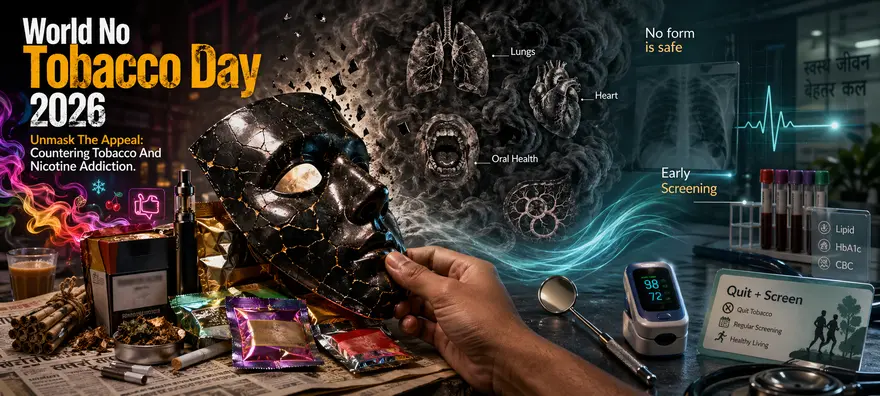
Table of Contents
- What Is World No Tobacco Day?
- When Is World No Tobacco Day 2026 Celebrated?
- World No Tobacco Day 2026 Theme
- Why This Day Is Important
- Health Risks Of Tobacco Use
- Common Awareness Messages Shared On This Day
- Which Tests Are Done For Tobacco-Related Health Risks?
- When Should You Get Tested?
- Benefits Of Quitting Tobacco
- How You Can Participate In World No Tobacco Day
- Role Of Preventive Healthcare In Early Detection
- Key Takeaways
- Conclusion
- FAQs About World No Tobacco Day 2026
World No Tobacco Day is observed every year to raise awareness about the harmful effects of tobacco and nicotine addiction. It is also a reminder that tobacco affects almost every part of your body, not just your lungs.
Tobacco use can increase your risk of cancer, heart disease, stroke, lung disease, poor oral health, reduced fertility and several long-term health problems. The good news is that quitting tobacco can improve your health at any age. Timely health checks can also help detect early signs of tobacco-related damage.
What Is World No Tobacco Day?
World No Tobacco Day is a global health awareness day led by the World Health Organization. It is observed every year on 31 May.
The day encourages people, families, healthcare providers and communities to understand the risks of tobacco use. It also highlights the need to protect children and young people from nicotine addiction, including newer products such as e-cigarettes, vapes and nicotine pouches.
World No Tobacco Day is not only for people who smoke. It is also important for people who use smokeless tobacco, people exposed to second-hand smoke and families supporting someone who wants to quit.
When Is World No Tobacco Day 2026 Celebrated?
World No Tobacco Day 2026 will be observed on Sunday, 31 May 2026.
The day is marked across the world through awareness campaigns, health education activities, community programmes and tobacco cessation support initiatives.
World No Tobacco Day 2026 Theme
The World No Tobacco Day 2026 theme is Unmask The Appeal: Countering Tobacco And Nicotine Addiction.
This theme focuses on how tobacco and nicotine products are often made to look attractive, modern or harmless. Flavours, packaging, digital promotion and product design can make these products more appealing, especially to young people.
The theme encourages you to look beyond the appeal and understand the real health risks of nicotine and tobacco addiction.
Why This Day Is Important
World No Tobacco Day is important because it helps:
- Raise awareness about tobacco-related diseases
- Educate people about nicotine addiction
- Encourage people to quit smoking and smokeless tobacco
- Protect young people from tobacco marketing
- Support families affected by tobacco-related illness
- Promote early screening for tobacco-related health risks
- Reduce exposure to second-hand smoke
- Encourage healthier communities
Health Risks Of Tobacco Use
Tobacco can affect your health in many ways. The risk is not limited to cigarettes. Bidis, cigars, hookah, chewing tobacco, gutkha, khaini, pan masala with tobacco and other forms of tobacco can also harm your body.
Common tobacco and smoking health risks include:
- Lung cancer
- Oral cancer
- Throat cancer
- Oesophageal cancer
- Chronic obstructive pulmonary disease
- Chronic bronchitis
- Emphysema
- Heart attack
- Stroke
- High blood pressure
- Poor blood circulation
- Reduced lung capacity
- Gum disease and tooth loss
- Delayed wound healing
- Reduced immunity
- Fertility problems
- Pregnancy-related complications
- Increased risk of diabetes complications
The harmful effects of tobacco can also affect people around you through second-hand smoke. Children, older adults and people with asthma or heart disease may be more vulnerable.
Common Awareness Messages Shared On This Day
World No Tobacco Day campaigns often share simple but powerful messages such as:
- Tobacco kills, quitting saves lives
- Nicotine addiction can be treated
- No form of tobacco is safe
- Smokeless tobacco can cause cancer
- Vaping is not harmless
- Second-hand smoke affects your family too
- Quitting improves lung and heart health
- Early screening can help detect hidden health risks
- Support matters when someone is trying to quit
- A tobacco-free life is possible
Which Tests Are Done For Tobacco-Related Health Risks?
Your doctor may recommend tests based on your age, symptoms, tobacco history, family history and overall health. These tests help assess the impact of tobacco on the lungs, heart, blood vessels, metabolism and organs.
Common tests include:
- Pulmonary Function Test: Also called PFT or spirometry, this test checks how well your lungs are working. It measures how much air you can breathe in and out, and how fast you can exhale.
- Chest X-Ray: This imaging test may help detect visible lung changes, infections or other chest-related concerns.
- Low-Dose CT Scan: This may be advised for some high-risk people to screen for lung cancer. Your doctor will decide if you are eligible based on your smoking history and age.
- Pulse Oximetry: This test measures oxygen saturation in your blood.
- Complete Blood Count: This checks haemoglobin, red blood cells, white blood cells and platelets. Smoking may affect blood thickness and oxygen transport.
- Lipid Profile: This checks cholesterol levels. Smoking can lower good cholesterol and increase cardiovascular risk.
- High-Sensitivity CRP: This test may help assess inflammation linked to heart disease risk.
- Blood Sugar And HbA1c: These tests help assess diabetes risk and long-term blood sugar control.
- Liver Function Test: This checks how well your liver is working.
- Kidney Function Test: This helps assess kidney health and overall metabolic status.
- Oral Cancer Screening: This is important if you use chewing tobacco, gutkha, khaini or pan masala with tobacco.
- Cancer Screening Tests: A doctor may recommend a cancer test based on your symptoms, tobacco exposure and risk profile.
These tests do not replace medical advice. They help your doctor understand your health better and plan the next steps.
When Should You Get Tested?
You should speak to a doctor about testing if you:
- Smoke cigarettes, bidis or cigars
- Use chewing tobacco, gutkha or khaini
- Use tobacco daily or frequently
- Have used tobacco for many years
- Have a persistent cough
- Feel breathless during routine activity
- Notice chest discomfort
- Have blood in sputum
- Have mouth ulcers that do not heal
- Notice white or red patches in the mouth
- Have unexplained weight loss
- Feel unusually tired
- Have high blood pressure, diabetes or cholesterol concerns
- Have a family history of cancer or heart disease
You should seek urgent medical care if you have severe chest pain, severe breathlessness, sudden weakness, fainting, coughing up blood or symptoms that feel like a medical emergency.
Benefits Of Quitting Tobacco
Quitting tobacco can benefit your body in many ways. Some improvements begin within days, while others happen over months and years.
Benefits may include:
- Better breathing
- Improved oxygen levels
- Lower heart rate and blood pressure over time
- Reduced risk of heart attack and stroke
- Lower risk of lung cancer and oral cancer
- Improved sense of taste and smell
- Better oral health
- Improved stamina
- Better skin health
- Reduced cough and phlegm
- Better fertility and pregnancy outcomes
- Protection for your family from second-hand smoke
- Better long-term quality of life
Quitting may feel difficult, but support can make it easier. Your doctor may suggest counselling, nicotine replacement therapy or other evidence-based methods.
How You Can Participate In World No Tobacco Day
You can support World No Tobacco Day 2026 in practical ways:
- Learn about the risks of tobacco and nicotine addiction
- Share reliable awareness messages
- Encourage a loved one to seek help for quitting
- Avoid judging someone who is trying to quit
- Keep your home and car smoke-free
- Talk to young people about the risks of vaping and nicotine
- Choose tobacco-free social spaces
- Participate in awareness programmes
- Book a health checkup if you have a long tobacco history
- Celebrate small progress if you are quitting
Role Of Preventive Healthcare In Early Detection
Preventive healthcare plays an important role in identifying health risks before they become severe. Tobacco-related damage may not always cause symptoms in the early stages. Regular health screening can help you stay informed about your lung health, heart health, blood sugar, cholesterol, liver function, kidney function and inflammation markers.
A full body checkup can be a useful starting point if you want a broad view of your health. If you have a long history of smoking or tobacco use, your doctor may also suggest specific lung, heart or cancer-related screening tests.
Early detection does not mean you should panic. It means you have a chance to take timely action, quit tobacco, monitor your health and reduce future risks.
Key Takeaways
- World No Tobacco Day 2026 will be observed on 31 May 2026.
- The World No Tobacco Day 2026 theme is Unmask The Appeal: Countering Tobacco And Nicotine Addiction.
- Tobacco affects the lungs, heart, blood vessels, mouth, throat and several organs.
- No form of tobacco is safe.
- Smoking health risks include cancer, heart disease, stroke and chronic lung disease.
- Smokeless tobacco can cause serious oral and throat-related diseases.
- Tests such as PFT, chest X-ray, lipid profile, CBC, HbA1c and oral screening may help assess tobacco-related risks.
- Quitting tobacco can improve your health at any age.
- Preventive healthcare and regular screening can support early detection and better health decisions.
Conclusion
World No Tobacco Day 2026 is a reminder to look beyond the appeal of tobacco and nicotine products. The harmful effects of tobacco can be serious, but quitting and timely health screening can help you protect your future health.
Metropolis Healthcare supports preventive health management with accurate testing, expert pathologists, quick turnaround time and convenient home sample collection. With 4,000 tests, full body checkups and easy booking through website, app, call and WhatsApp, Metropolis helps you stay informed about your health markers and take proactive steps towards a tobacco-free life.
FAQs About World No Tobacco Day 2026
Which City In India Smokes The Most?
Smoking patterns can vary across surveys, age groups and types of tobacco use. India also has a high burden of smokeless tobacco use, so focusing only on smoking may not show the full picture. If you are looking at tobacco risk, it is important to include cigarettes, bidis, chewing tobacco, gutkha, khaini and other tobacco products.
What Happens After Quitting Tobacco?
After quitting tobacco, your body begins to recover gradually. Breathing may improve, cough may reduce, blood circulation may get better and your risk of heart disease, stroke and cancer starts to decrease over time. You may also notice better taste, smell, stamina and oral health. Withdrawal symptoms can happen, but they usually improve with time and support.
When Should I Get Tested For Lung Health?
You should consider lung health testing if you smoke, have smoked for many years, use tobacco regularly or have symptoms such as persistent cough, breathlessness, wheezing, chest discomfort or reduced exercise tolerance. Your doctor may recommend a pulmonary function test, chest X-ray or other tests based on your risk.
Is Smokeless Tobacco Safer Than Smoking?
No. Smokeless tobacco is not safe. It can increase the risk of oral cancer, gum disease, tooth loss, throat-related cancers and other health problems.
Can Vaping Harm Your Health?
Yes. Vaping can expose you to nicotine and other chemicals. Nicotine is addictive and can affect the brain, heart and overall health. Young people are especially vulnerable to nicotine addiction.
Can Tests Show Damage Caused By Smoking?
Some tests can help detect signs of tobacco-related damage, such as reduced lung function, abnormal cholesterol levels, inflammation, high blood sugar, low oxygen levels or suspicious oral changes. Your doctor will choose the right tests based on your symptoms and tobacco history.