 Home Visit
 Upload









Latest Blogs

Could you be Addicted to the Internet, This is How it Feels and Tips to Help Yourself
Internet addiction disorder Find yourself distracted and restless to check your smartphone while being in an office meeting? Cannot sleep without moving to the next level of your current favorite online game? Well, it might be Internet Addiction Disorder. It refers to an excessive, problematic, compulsive use of the internet. It is a growing problem in today’s time, affecting adolescents and adults likewise. How does Internet addiction affect you? It might not appear as a grave concern at first but eventually the ill effects become quite prominent as they begin impacting your day-to-day life: Reduces your ability to concentrate and think deeply or creatively: The persistent pings or notifications of your smartphone can distract while you are trying to focus on important tasks, impede your work, and interfere with those quiet moments that are quintessential to creative thinking. Precipitates loneliness and depression: You may feel quite engaged and lost in yourself while being online, but the overuse ultimately results in negative feelings such as loneliness and depression. You may be trying to kill the boredom with the internet, but it can actually make you feel even worse due to feeling guilty of wasting your time on useless stuff. Also, social media predisposes users, especially teens, to compare their life and experiences unfavorably with their peers, that promotes feelings of failure, loneliness and depression. Fuels anxiety and reduces me- time: One study has found that compulsive use of smartphones tends to make people more anxious and perform poorly on assigned tasks. The heavier a person’s phone use, the less time one gets for self-care. Linger on the Internet for hours and end up having guilt? Make a healthy use of this “online” time and book yourself a comprehensive health checkup. Book here. Increases stress: You may have FOMO (fear of missing out) if you miss out on that one buzz! You may feel pressured to always be online and continually checking and responding to pings. This habit can lead to higher stress levels and even burnout in the long run. Interrupts your sleep: Overuse of smartphones is a well-known culprit to disrupt your sleep. It can impact your memory, metabolism, energy levels, and reduce your cognitive and learning skills. Can give withdrawal symptoms just like any other addiction: When you try to cut back on your smartphone use, it is not unlikely to get restless, angry or irritable, sleep deprived and anxious Change your internet use, one step at a time Unlike other substance addiction, it is impossible and impractical to completely refrain from your smartphones and internet. It has become a part and parcel of life, so the trick is to modify your internet usage step by step and cut back to more healthy levels of use. Fix times when you cannot use your smartphone: Keep your phone out of your easy reach while you need to attend an important meeting or assignment. This applies to household work as well. Schedule internet use for certain free times of day, once you’ve completed an assignment or finished a chore. Do not sleep with your smartphones or tablets: Screens of digital devices emit blue light, which can disrupt your sleep. Do not use any screen 1-2 hours before you sleep. Turn your devices off or at least leave them in another room overnight. Forego eBooks on your phone or tablet at night and read directly from a book. Have alternative ways to fill the free time: Feeling bored? Use this time to nurture a hobby or cultivate a new hobby, meditate, read a book, or chat with friends in person. Use the free time to get indulged in healthier activities. This helps resist the urge to use the internet. Remove unnecessary, social media / shopping / gaming apps from your phone: It is okay to keep some apps to serve your needs. But it is not important to have numerous apps that are just there to eat your time away. If you find yourself compulsively checking social media apps, challenge yourself and stray away from opening them for some specified time period or a day. Remember what you see of others on social media is hardly a reflection of their lives- it is merely exaggerating the happy aspects of their lives, and brushing over the disappointments. Instead, speak to an elderly or a friend about any issues you might be facing. Have a sense of self-worth. Make use of technology to beat technology: there are various apps that can automatically limit when you’re able to access your phone. Even smartphones are coming with features to avoid internet addiction. Make use of such useful features. Cull your fear of missing out: It is okay to miss out on certain breaking news, or that new gossip. Accept that you were doing more meaningful stuff at those times. Seek help from mental health experts: If you think self-help is not enough to overcome the internet addiction disorder, consult an expert. Cognitive-behavioral therapy is an important modality for treatment of smartphone and Internet addiction. Nowadays, specialists offer digital detox programs to help you disconnect from digital media and stay connected with your inner self. Group therapy can also give you a moral boost in curbing your internet and phone use. An expert can also help you learn healthier ways of coping with negative feelings including depression, stress, or anxiety, or depression. Make sure to keep a check on your Internet use habits. Have a healthy mind and body- both online and offline!

Monsoon Diseases Prevention: Simple Health Tips to Stay Monsoon Ready
There starts the drizzle and here we start craving for the pakodas and waiting for the rain dance! Monsoon and rains have got such a positive and refreshing vibes that you can’t help but plan to sneak out from your daily (& monotonous) routine. However, with those rain showers, comes humidity and an environment that may promote growth of microorganisms and put you at risk of developing various health ailments. From seasonal cough and cold to stomach infections, from mosquito-borne diseases to liver inflammation- are all the repercussions of not taking enough care of yourself during monsoon. Fighting a fever and not sure what is causing that? Find out the culprit with our all-new Fever panel tests. Here, we have enlisted simple yet important health tips that keep you monsoon ready (and disease free). Take a look! 1. Increase your vitamin C intake You must have noticed that rain is the time of the year when viral fever, cold, and allergic reactions are most prevalent. To help keep these infections at bay, one thing that you must have is a strong immunity. There isn’t an exact definition of “how strong” your immune system should be to fend off germs but it is an established fact that people with a healthy immune system seldom fall sick as compared to people who have a weak immunity. That’s where vitamin C can be helpful- to keep your immune cells healthy. It is one of the most important immunity-boosting nutrients. Several studies have stated that vitamin C can prevent colds in some specific cohorts. Splurge on those oranges, lemons, fresh green vegetables and broccolis to have a Vitamin C rich diet. 2. Make sure you take enough fluids (even without feeling thirsty) The weather being cool, you may not feel thirsty often. However, ensure to drink plenty of water during the monsoon. Most people sweat a lot due to the humid weather of the rainy season and miss replenishing fluids. Keeping well hydrated helps flush out toxins from your body too. Nevertheless, stay vigilant of the type of water you drink. Many illnesses like hepatitis A, typhoid, cholera are waterborne and quite rampant during the monsoon season. If you aren’t sure of the water quality in your area, boil the drinking water to kill disease-causing germs and eliminate other impurities. Get your water filters serviced on time so that they do their job effectively and you get clean drinking water. 3. Had a rain dance? Get a shower at once Do take a relaxing warm water bath to disinfect your body after getting drenched in rain or playing in the puddles. It decreases the risk of catching skin and fungal infections. Add a disinfectant to bathing water if possible. 4. Stay protected of mosquitoes Continuous rains and improper drainage allow water to accumulate and serve as a breeding ground for mosquitoes. These tiny insects are well capable of giving you serious health troubles including malaria, dengue, chikungunya, etc. Ensure that there is no open water storage in your home. Change and clean water of coolers. Wear full-sleeve clothes and use mosquito repellents. Using mosquito nets is also a good idea. 5. Don’t let monsoon lure you into street food You aren’t sure what type of water your favourite street food vendor has used while preparing that aloo chaat. You cannot guarantee how well he would have washed the vegetables that go into the bhaji. Also, the food items can be exposed to the open air. Every time you fall for a street food item, you are more likely to contract a gut infection. 6. Clean your raw fruits and vegetables well Scrub your fruits and vegetables under running water thoroughly. Germs may thrive on the skins of fruits and vegetables. Try consuming well-cooked or boiled vegetables. It is not necessary to use a vegetable wash but washing vegetables and fruits in warm saline water is a good practice to follow. 7. Keep yourself physically active within home Rain and COVID situations might not allow you to venture outdoors. But, remember exercising not only helps you maintain weight, but it is great for your immune system as well. It improves your blood circulation and triggers release of the happy hormone (serotonin). You can try side stretching, jumping rope, yoga asanas, and dance. 8. Hand hygiene is crucial not only for COVID but also for monsoon illnesses Your hands are the main mode of transferring germs into your body. Wash or sanitize your hands before you eat something or even during travel. It is not only important for preventing spread of COVID-19 but also to keep other communicable germs at bay. COVID is far from over as yet!. Make sure to get tested if you experience the symptoms. Book a home sample collection here. A little care goes a long way in helping you stay healthy during monsoon. Make sure to prioritise your health and enjoy every season to the fullest. Explore preventive health checkups here.
Holi Safety Tips: Skin Problems, Hair Woes, Breathing Issues, And More.
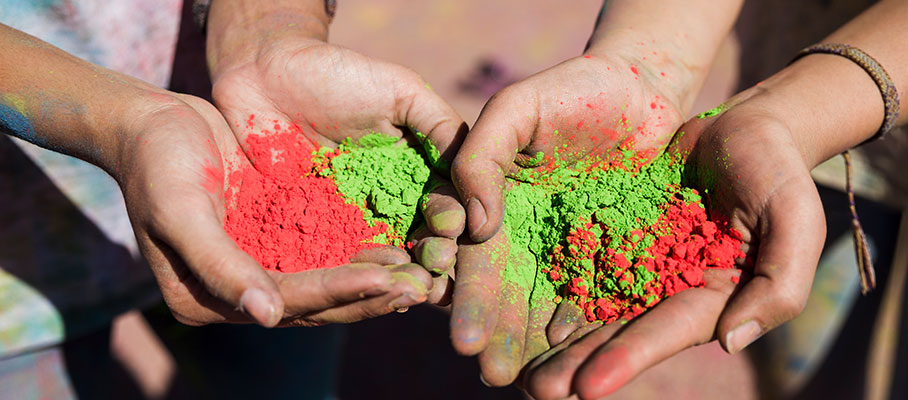
The spring season is already here and Holi, the festival of colors, is ready to welcome the spring with colors, happiness, gujiyas, and warmth of relationships! But natural, organic colors being demoded, it brings along the fear of toxic colors, skin allergies, hair woes, respiratory troubles, and much more for many of you. Make this Holi health wali with our top health packages, curated especially for you. Explore here. While you gear up to play the second Holi amid the pandemic, we have curated quick, most practical tips to help you stay safe during Holi 2021. Here you go: Holi Safety Tip #1 Most of the colors being sold and used these days during Holi contain toxic agents and chemical solvents. The scented dry color (gulaal) might even have glass particles. These chemical-laden and abrasive Holi colors when applied on your skin can cause rashes, minor cuts, allergies, and discoloration. Some people might even develop severe skin reactions like blisters. While you cannot enforce everyone to use organic Holi colors, the best way to protect your skin is to cover the skin as much as you can. Wear full sleeves clothes. Also, it is extremely important to prep your skin in pre-holi times. Apply coconut oil (or mustard oil) on the face and other exposed areas. This will form a protective shield on your skin against toxic colors. If you think you are getting severe skin problems while playing Holi, connect to a doctor. Do not apply any random homemade pack as it can do more harm than good. People having oily skin can apply sunscreen on the skin in place of oil or thick moisturizers. In addition, prefer the sun blockage when you are going out in the sun for playing Holi. Feared that your sunscreen will block the UVB light and lower vitamin D levels? Please note that practically, very few people put on enough sunscreen to block all UV rays. You can opt for the morning sun rays before 10 am to fill your vitamin D stores. Bonus Tip for Post Holi Skin Care Apply a paste of curd and gram flour, or raw milk and gram flour on your skin (including face) after playing Holi. This not only helps take out the colors but naturally moistens the skin and improves its texture. Holi Safety Tip #2 The Hair Guard Simply shampooing your hair after Holi may not suffice since by then your hair and scalp have already been exposed to the harmful chemicals. Massage your hair and scalp generously with any hair oil before playing holi to protect them against any damage. Colors can make dry hair extra dry and prone to damage and breakage. Oiling will not only nourish them from inside but also grease them that helps take out the colors much easily. Holi Safety Tip #3 Overeating is still a sin Just when you were very well pursuing your weight loss journey and keeping your blood sugar levels in control, the yummy gujiyas get you derailed! This is extremely important for diabetics. It might be okay to have a bit depending on your health goals, but over consuming the sweets, snacks, and other delicacies can cause your blood sugar levels to overshoot. The festivals will come and go, but your good health is going to stay with you, helping you enjoy many more festivities coming across. Remember, it is important to keep track of your fasting and post meal blood sugar values so that you know where you stand and you don’t overdo the fun. Holi Safety Tip #4 Your eyes are precious It is not uncommon to splash colors in the eyes while playing holi. Ensure to close your eyes when someone is applying colors on your face. The best way to protect your eyes during holi is to wear a sunglass. In case you get colors in your eyes, do not rub and immediately wash it off with plain running water. Apply tear drops to help clear any residues in forms of tears. Holi Safety Tip #5 Breathe it right As stated earlier, toxic agents and chemicals in the holi colors can cause an array of allergies. The symptoms can range from mild ones limited to skin like rashes and itching to moderate and severe ones involving lungs and other organs. You can experience sneezing, coughing and difficulty breathing. Please note allergic signs like breathing issues may demand urgent medical attention as you may not be able to assess the severity of an allergic reaction yourself. If you think your symptoms are severe and are worsening over time, reach out to an expert without delay. Holi Safety Tip #6 Remember the new normal The COVID-19 cases have seen a surge in the current time. New variants have been identified that are more infectious and might escape the immune system. Avoid large gatherings and celebrations with unknown people. Keep sanitizing your hands from time to time. Playing holi in smaller groups while following precautions can help you keep check on spread of the pandemic. It is far from over as yet, let’s be vigilant. If you develop any symptoms such as fever, cough, loss of smell, etc., get yourself tested for COVID-19 immediately and self-isolate while the results are awaited. We wish you a very Happy Holi! Let this festival of colors wash away all your health issues and bless you with healthy body and mind.

Top 9 Blood Tests Name List to Keep You Healthy, Happy, and Active
Regular blood testing is an important way to keep track of your overall well-being. Getting testing regularly can help you visualize the changes your body undergoes as you age and empower you to make informed decisions about your health. Blood tests provide a crucial picture of your overall health and well-being. These investigations aid in the early identification of an illness, which in turn, can avoid its progression into more severe stages. They can also help you in putting a tab on how well your body responds to different treatments for your diseases. How Often Should You be Tested? Your doctor can usually recommend getting your routine blood testing done at least once a year. Other causes that can prompt you to take blood tests are: If you desire a change in lifestyle patterns. Abnormalities in different parameters such as high-density lipoprotein (HDL) and low-density lipoprotein (LDL) can help you alter your diet or fitness plan If you are experiencing unusual, persistent symptoms such as fatigue, abnormal weight gain or loss, or new pain If you are at an increased risk of certain conditions due to family history or lifestyle habits. If you want to assess or reduce the risk of diseases or complications as regular blood tests can identify the warning signs of most of the diseases. Here is the list of the top ten routine blood tests that have a pivotal role in maintaining good health and stay worry-free of the sneaking health concerns: 9 Important Blood Tests 1. Complete Blood Count (Hemogram) A routine complete blood count test measures levels of different components of every major cell in your blood, including: Red blood cells (RBCs) White blood cells (WBCs) Platelets Hemoglobin (protein in RBCs) Hematocrit Mean corpuscular volume and some more blood parameter. The abnormal levels of these lab tests can indicate: Lack of enough blood cells Nutritional deficiencies, such as vitamin B6 or B12 Tissue inflammation Iron deficiency Signs of an infection Heart conditions 2. Electrolytes Panel A basic electrolytes test comprises of measurement of certain mineral compounds in the blood, such as: Sodium Potassium Magnesium Chloride Abnormality in these parameters suggests dehydration, malnutrition, or hormone imbalances, etc. 3. Liver Panel A liver panel or liver function test checks different parameters such as enzymes, proteins, and other substances produced by the liver. Some of the important values that a liver function test provides include: Albumin Alkaline phosphatase (ALP) Alanine aminotransferase (ALT) Aspartate aminotransferase (AST) Bilirubin Raised levels of these components can indicate liver diseases such as fatty liver, hepatitis, cirrhosis, etc., while reduced ALP (Alkaline Phosphatase Test) levels could be a diagnostic marker of bone metabolic disorders. 4. Lipid Panel This test determines the levels of different types of cholesterol and related fats in the blood. It usually includes: HDL or “good” cholesterol LDL or “bad” cholesterol Triglycerides Total cholesterol. This panel is done to assess the risk of heart diseases, especially in older individuals. The results of this test can also influence and improve your lifestyle choices. 5. Thyroid Panel A thyroid panel, or thyroid function tests, evaluates how well your thyroid is producing and reacting to certain hormones. It includes: Triiodothyronine (T3): This hormone in combination with T4 regulates your heart rate and body temperature. Thyroxine (T4): Along with T3, this hormone regulates your metabolism. Thyroid-stimulating hormone (TSH): This hormone modulates the levels of hormones your thyroid releases. Abnormal levels of these hormones can result into numerous conditions, like low protein levels, thyroid growth disorders, and abnormal levels of sex hormones including testosterone or estrogen. 6. Diabetes Panel Diagnostic tests for diabetes include fasting plasma glucose (FPG), post-meal blood glucose, and glycated hemoglobin (HbA1c) tests. Your clinician will evaluate your test results and determine how well controlled your blood sugar is. HbA1c test evaluates the amount of glucose in the body and is mainly done to monitor the sugar control of a diabetic patient. They can also aid in analysing possible diabetes or pre-diabetic individual. 7. Test for Essential Nutrients Blood tests assessing the body’s levels of certain nutrients like iron, vitamin D, vitamin B12, and magnesium are important, as these are crucial for optimal bodily functions. Most people are deficient in these nutrients for different reasons, hence, it is imperative to evaluate these levels and supplement them when they are not adequate. Supplementation of these nutrients can prevent several disorders such as iron deficiency anemia, risk of falls, fractures, acute or chronic pain etc. 8. Inflammatory Markers Tests for inflammatory markers include C-reactive protein (CRP) and homocysteine. Raised levels of CRP is indicative of inflammation in the body and is related with an increased risk of cardiac events, artery inflammation, inflammatory bowel disease (IBD), rheumatoid arthritis or depression. Elevations in the level of homocysteine, a common amino acid suggest a spectrum of conditions such as stroke and heart disease, vitamin B6, B12 and folate status, and kidney diseases. 9. Coagulation Panel Coagulation tests include prothrombin time (PT) test and international normalized ratio (INR), these two measure the ability of your body to clot blood and the time taken for blood clotting. Clotting is a crucial process for the body and these blood tests can prevent you from bleeding out in case of an injury, surgical procedure, etc. In addition, outcome of these tests can diagnose any underlying conditions associated with improper clotting, such as: Acute myeloid leukemia Hemophilia Thrombosis Liver conditions Vitamin K deficiency. Takeaway Diagnostic tests are often described with a slogan like “prevention is better than cure”. Early diagnosis of certain diseases can offer prevention against its progression into a more severe form. However, these lab tests are often not suitable to make a final diagnosis. Numerous blood tests are used initially to detect any abnormality, which is further correlated with other investigations with the help of a healthcare professional to obtain a final diagnosis. The majority of blood tests require fasting for 8–12 hours, which can ensure that the results of the test are free from any variables including vitamins, proteins, and other nutrients, so as to make your test results as accurate as possible. Hence, it is necessary to get routine blood tests done at least once a year. Always take your doctor’s advice to understand whether you require any other tests to ensure optimal health.

Home Remedies To Cure Dandruff Naturally
Confused about what is causing you an itchy scalp? Dandruff should not be taken lightly as it denotes a microinflammation, which might be easily overlooked as there are no readily observable symptoms. Apart from dry and itchy scalp, there are a few other causes of dandruff which are: Prolonged period of stress Parkinson’s or illness such as eczema Harsh or irregular brushing Lack of nutrients such as vitamin B12 Unadvised or irregular use of hair care products Pollution and heat You are more likely to have dandruff if your scalp feels oily or your hair looks greasy at most times. At times you may also experience intense itching even when the scalp does not feel dry. In extreme cases, it can show up severe itching and worsened flakes over time or as large areas of redness or swelling on the scalp. Many of you resort to using multiple antidandruff products to get rid of the problem temporarily, but do you know there are several effective and easy-to-implement home remedies that can help you save that money you spend on hair care products? Causes of Dandruff and Itchy Scalp Understanding the underlying causes of dandruff and an itchy scalp can help you choose the best home remedies for dandruff to tackle the issue. There are several factors that contribute to dandruff, from dry skin to fungal infections. Let’s check out these causes in more detail to help you find the right solution for your scalp. Dry Scalp A dry scalp is one of the most frequent causes of dandruff. When your scalp lacks moisture, it can cause the skin to flake, which often looks like dandruff. This issue is especially common during colder months or in environments with low humidity. Dry weather or low humidity can deplete your scalp’s moisture, leading to dryness and flaking. Harsh hair care products and shampoos can further dry out the scalp, causing irritation. Over-washing your hair can lead to a dry scalp, removing essential oils that keep your skin hydrated. Fungal Infections Fungal infections, particularly a yeast-like fungus called Malassezia, can lead to dandruff. This fungus naturally lives on the scalp but, when it grows out of control, it can lead to scalp irritation, itching, and flaking. Malassezia feeds on oils from your scalp, causing an overproduction of skin cells that leads to flakes. The overgrowth of Malassezia can cause itching, redness, and inflammation on the scalp. People with oily skin or hair are more likely to experience fungal infections that result in dandruff. Product Buildup Product buildup on your scalp can also lead to dandruff-like symptoms. When you use too many hair products, or don't rinse them out thoroughly, they can accumulate and cause irritation, leading to flakiness and an itchy scalp. Hair gels, sprays, and mousses can leave residue that blocks pores and irritates the scalp. Not washing your hair often enough can lead to buildup of oils, dirt, and styling products, which can contribute to dandruff. Not shampooing often enough can cause oil and product residue to accumulate, creating an ideal environment for dandruff Skin Conditions Certain skin conditions can also cause dandruff. Conditions like psoriasis and eczema can lead to dry, irritated skin that flakes off, mimicking the appearance of dandruff. Psoriasis causes thick, scaly patches that can appear on the scalp and look like dandruff. Eczema leads to dry, itchy patches of skin, which may affect your scalp and cause flakes to appear. Seborrheic dermatitis is another common condition that results in red, inflamed, flaky skin on the scalp, causing dandruff. Diet and Lifestyle Your diet and overall lifestyle can have a significant impact on your scalp health. Poor nutrition, high levels of stress, and dehydration can contribute to dandruff and scalp dryness. A poor diet lacking in essential nutrients, such as vitamins B and E, can lead to an unhealthy scalp. Stress can trigger dandruff flare-ups, as it can disrupt the balance of oils on your scalp. Dehydration can make your scalp dry and prone to flaking, especially in colder months. 10 Home Remedies for Dandruff and Itchy Scalp If you’re dealing with dandruff and an itchy scalp, you don’t have to rely on harsh chemicals. There are several home remedies for dandruff that can help soothe your scalp and keep flakes under control. These remedies are simple, natural, and effective. Let’s take a look at 10 natural remedies for dandruff that you can try at home. 1. Tea Tree Oil: Tea tree oil is known for its antifungal and antimicrobial properties, making it an excellent dandruff remedy. It helps fight the fungal infections that cause dandruff, while also soothing the scalp. • Add a few drops to your shampoo or dilute with a carrier oil and massage it into your scalp. • Leave it on for 10–15 minutes before rinsing. 2. Apple Cider Vinegar: Apple cider vinegar helps restore the pH balance of your scalp and reduces the growth of yeast, which can cause dandruff. • Mix equal parts apple cider vinegar and water and apply to your scalp. • Let it sit for 10–15 minutes before rinsing with cool water. 3. Coconut Oil: Coconut oil is an excellent moisturiser that can help alleviate dry scalp and reduce dandruff. It also has antifungal properties that can help treat dandruff caused by fungal infections. • Warm up some coconut oil and massage it into your scalp. • Leave it on for 30 minutes or overnight before washing out. 4. Aloe Vera: Aloe vera has soothing and anti-inflammatory properties, making it perfect for calming an itchy, irritated scalp. It can also help prevent dandruff flare-ups. • Apply fresh aloe vera gel directly to your scalp. • Leave it on for 15–20 minutes before rinsing. 5. Lemon Juice: The acidity in lemon juice helps restore the pH balance of your scalp and can reduce dandruff. • Apply fresh lemon juice to your scalp and massage gently. • Leave it on for 5–10 minutes before rinsing with cool water. 6. Baking Soda: Baking soda acts as an exfoliant and helps remove dead skin cells, reducing flakiness and itching on your scalp. • Wet your hair and rub a small amount of baking soda into your scalp. • Massage gently and rinse thoroughly with water. 7. Yoghurt and Honey: Yoghurt is soothing for the scalp, and honey helps moisturise and hydrate the skin, making this combination an excellent remedy for dandruff. • Mix two tablespoons of honey with a quarter cup of plain yogurt. • Apply to your scalp and leave it on for 15–20 minutes before washing it out. 8. Neem Oil: Neem oil has powerful antifungal properties that can help treat dandruff caused by fungal infections like Malassezia. • Massage neem oil into your scalp and leave it on for at least 30 minutes before washing out. • Repeat twice a week for the best results. 9. Fenugreek Seeds: Fenugreek seeds are rich in antioxidants and proteins that can help soothe an irritated scalp and prevent dandruff. • Soak a handful of fenugreek seeds overnight, then grind them into a paste. • Apply to your scalp and leave it on for 30 minutes before rinsing. 10. Olive Oil: Olive oil is an excellent natural moisturiser for dry scalp, helping to reduce flakiness and itching. • Warm up a small amount of olive oil and massage it into your scalp. • Leave it on for 30 minutes before washing it out. How to Cure Dandruff Permanently? While dandruff is often a recurring issue, it is possible to manage it effectively and reduce the likelihood of it returning. To cure dandruff permanently, consistency is key. A combination of proper treatments, healthy habits, and effective home remedies for dandruff can provide long-lasting relief. Identify the root cause: Whether it's a fungal infection, dry scalp, or a skin condition, understanding the cause will help you select the best treatment. Use the right products: Opt for a mild, antifungal shampoo that contains ingredients like ketoconazole, zinc pyrithione, or selenium sulfide to treat dandruff effectively. Hydrate and nourish your scalp: Use oils and moisturising treatments to keep your scalp hydrated and healthy, which can prevent dryness and flakiness. Manage stress: Since stress can trigger dandruff flare-ups, consider stress-reduction techniques like yoga, meditation, or deep breathing. Tips for Preventing Dandruff and Itchy Scalp To keep dandruff at bay and maintain a healthy scalp, it’s important to adopt a few simple preventive measures. These habits can help keep your scalp free from irritation, dryness, and flakes. Wash your hair regularly: Keep your scalp clean by washing your hair 2-3 times a week with a gentle, moisturising shampoo. Avoid scratching: Scratching your scalp can worsen irritation and contribute to hair fall. Try not to scratch, even when your scalp feels itchy. Use natural products: Choose shampoos and conditioners with natural ingredients to avoid irritating your scalp. Stay hydrated: Drink plenty of water to keep your skin and scalp moisturised. Reduce stress: Practice relaxation techniques to prevent stress-related dandruff flare-ups. By following these tips and trying some of the home remedies for dandruff and itchy scalp, you can prevent future outbreaks and maintain a healthy, flake-free scalp. Conclusion Dandruff and itchy scalp are common issues, but with the right natural treatments, you can find relief. From simple home remedies for dandruff like coconut oil and tea tree oil to lifestyle changes, these remedies can help soothe irritation and reduce flakes. Incorporating these steps into your routine will not only tackle dandruff but also improve overall scalp health. If you're looking for more personalised solutions and professional health insights, Metropolis Healthcare offers comprehensive diagnostic services, helping you monitor your health and prevent conditions like dandruff from worsening. Their reliable reports and expert advice ensure you’re on the right path to wellness. FAQs Can lemon remove dandruff? Lemon has natural acidic properties that can help balance the pH of your scalp and reduce dandruff effectively. Can dandruff cause hair fall? Dandruff itself doesn't directly cause hair fall, but scratching can damage hair follicles, and inflammation from conditions like seborrheic dermatitis may contribute to temporary hair shedding and loss. Which fruit is good for dandruff? Fruits rich in vitamins, such as oranges, lemons, and avocados, can nourish the scalp and reduce dandruff symptoms. Is dandruff bad for your hair? Dandruff can cause scalp irritation and itchiness, leading to hair breakage or thinning if not managed properly over time. Which oil is best for dandruff? Coconut oil, tea tree oil, and olive oil are excellent for treating dandruff due to their soothing and antifungal properties. Tea tree oil should always be diluted before use to avoid irritation.

6 things you absolutely need to get healthier than ever in 2021
While working in a full-time office role, Jitin made sure to take small bursts of movement by taking stairs, taking a stroll along the office premises after lunch, and walk to his colleagues for that short discussion. But when the work from home started, his movements started to flunk. He only recognised that it is time to get back to a healthier routine when chronic back pain and digestion problems started to impact his daily routine. If you are also one of those people who feel that 2020 badly affected their physical and mental health, take a step back and think, are you motivated enough to make 2021 the healthiest year of your life? Echoed a “Yes” from your inside? Then do read further to know how to have a healthy and happy new year in a true sense. Here are 6 things you certainly need to do to get healthier than ever in 2021: Do not forget the pandemic isn’t over yet First things first. If 2020 was about survival, 2021 is going to be about endurance. We have to make sure that we continue keeping all the precautions needed to save yourselves from COVID-19. Stay at least 6 feet from other people who are not from your household in both indoor and outdoor spaces. Avoid crowds. Do wear masks while you are heading out for a public place. And, do not ignore COVID-19 testing if you or a loved one show symptoms of the infection. Also, wash your hands often. Redefine exercise and workout You certainly do not need to hit the gym for achieving your exercise goals. Just invest a little bit of time with yourself. Analyze if you really like working out indoors or outdoors. Pick up one activity you absolutely love and pair your daily dose of exercise with that. You can listen to your favorite podcast while using the treadmill at home, or you can do stretching exercises while cooking that recipe you love. Set a health goal and track it Setting goals hold relevance not only in professional life but also in personal day-to-day life. You must know what you are aiming for. This goal or health number need not always be a weight loss goal. The idea is to feel healthier and stronger inside out. It can be having a healthy hemoglobin count, achieving better blood sugar values, or getting your cholesterol levels on track. Give enough importance to your health The previous year has taught us about the importance of a healthy body and mind. Let’s embrace this learning and carry it forward this year too. Ensure to take loads of immunity-boosting foods, avoid eating junk food items, do not ignore any of the symptoms that might be causing unknown harm to your body, and very important, check with your doctor and know about how frequently you should take a complete body health test. Do not be one of those who only take a health test when something is wrong. Take control and look for health test packages that are curated to suit your age requirements in advance. Amid the fast-paced life and sedentary routine, it has become quite common to fall prey to lifestyle-related conditions such as diabetes, hypertension, and high cholesterol levels. Regularly seeing your doctor and getting health tests done can help detect potential health issues before they become chronic conditions and allow you take right steps well within time. You can get the right treatment quickly and avoid any complications. Prepare to fail. It is part of succeeding Your mental health needs attention too. Do not punish yourself if you missed sticking to a new routine- whether it's eating less sugar or learning something new at the job. Mental health experts say the key is to accept failure as a part of the process. Acknowledge the fact that at some point you might mess up, things might not fall in the right place. Just keep patience, get back to taking steps toward your goal, and don't beat yourself up. Get enough sleep Adults need at least 7 hours of sleep per night. For a healthier sleep, be consistent. Go to bed at the same time each night and get up at the same time each morning, including on the weekends. What happens when you don’t get enough sleep? Sleep not only affects your productivity and emotional balance but your brain and heart health, immune system, creativity, vitality, metabolism and weight also. No other activity imparts so many benefits with so little effort! Make sure to keep your cellphones aside at least 1 hour before you hit the bed. The blue light from screens interferes with quality sleep and disrupts your sleep schedule. The final message No doubt 2020 had been tough for many of us, but not giving up to the hardship is what we humans are known for! Let us convert the negative experiences into positive light, and welcome 2021 with an energized spirit, where we all and our loved ones enjoy good health- both physical and mental. Wish you a very happy and happy new year 2021! May you be the healthiest version of yourself, this year.
Winter Skin Care Routine - Tips for Healthy and Hydrated Skin
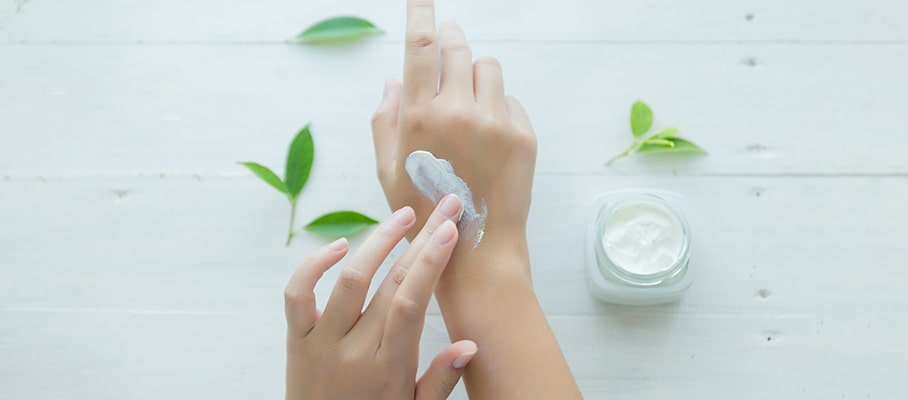
Love winter but hate the arid air damaging your skin? Fear the skin dryness that comes along with the winter and looking for winter skincare tips? Already facing skin problems due to winter and need an effective solution? Winter asks for an essential skincare routine Winter air is dry and the humidity level drops drastically. This dry, cold air causes the upper layers of your skin to lose moisture. The dry skin is more prone to itch, inflame, and develop a rash. Hence, winter can make your skin trouble in many ways. People having sensitive skin or eczema are more prone to develop skin issues in winter and require extra care for the skin. Skincare routine in winter It is essential to take care of your skin in winter be it at home or outside. To help you keep skin woes at bay, we have compiled the five most useful dos and don’ts for winter skincare. Follow this super easy set of skincare tips and enjoy the best of your skin this winter. Do: Moisturize more Moisturizers rehydrate the skin layers and seal in the moisture. This is the first step in combating dry skin. In general, the thicker and greasier a moisturizer, the more effective it will be. The best time to apply a moisturizer is immediately after bathing when your skin is still damp. Don’t: Ignore the product label It is good to know what is in the products you put on your skin. Check the labels of every skincare product and ensure they don’t contain any harsh or stripping ingredients such as alcohol or sulfates. Look for nourishing and hydrating ingredients such as ceramides glycerin, sorbitol, hyaluronic acid, and lecithin, silicone, lanolin, and mineral oil. Emollients, such as linoleic, linolenic, and lauric acids, are also good as they help smooth skin by filling in the spaces between skin cells. Do: Customize your skincare If you have oily skin, skip oil-based, greasy preparations, and opt for sunscreen. People with dry and normal skin can choose out of petroleum jelly and moisturizing oils (such as mineral oil), which prevent water loss without clogging pores. Don’t: Skimp on an active lifestyle As inviting as a cozy blanket is in winter, you should still motivate yourself to keep moving and sit less. Keeping physically active is extremely beneficial to our skin. It improves blood flow and helps your damaged skin cells repair themselves, leaving a rejuvenated blush. Go for a light jog or a simple walk, or stick to the comfort of your home and indulge in a yoga session. Do: Seek expert care for prolonged and problematic symptoms While it is common to have dry skin in winter, your skin issues might also be caused due to an underlying health condition. If you think natural remedies and the usual skincare routine aren’t helping, consult a dermatologist. For severe dry skin, your clinician may prescribe a cream containing lactic acid, urea, or corticosteroids. You may also be advised to take some tests to rule out medical conditions that can cause dry skin, including thyroid conditions, diabetes, psoriasis, and atopic dermatitis. You can now book a thyroid profile or diabetes test at the comfort of your home. Don’t: Skip hydration You can easily slack off on your water intake during winter. Keep a water bottle near you throughout the day so you aren’t skipping on drinking enough water. Indulge in more herbal tea including green tea and chamomile for a warm winter drink that benefits the skin. Do: Wear your sunscreen Think sunscreen is just for summertime? Absolutely not! Winter sun can still damage your skin. Apply a broad-spectrum sunscreen to your face and your hands about 30 minutes before going outside. Reapply frequently if you have to stay outside a long time. Sun protection is equally important in winter. Don’t: Take a long, hot shower Indulging in the hot shower for too long can be detrimental to your skin. It can compromise the lipid layer of your skin, can actually be drying out your skin, and cause irritation and water loss. Try to use lukewarm water and don’t stay under the water any longer than necessary. Do: Ditch irritating clothing Keeping yourself well-covered is important, but be gentle with your skin while opting for winter clothing. Wear cotton or silk under wool or other rough materials if your skin is sensitive to woolens. Use gentle laundry detergent labeled "hypoallergenic." Don’t: Wear wet gloves or socks The skin on your hands is thinner than on most parts of the body and has fewer oil glands. Hence, it is harder to keep your hands moist, especially in dry winter. This can lead to itchiness and cracking. Wear gloves when you go outside, but make sure to avoid wet gloves and socks. These can irritate your skin and cause itching, cracking, sores, or even a flare-up of skin conditions like eczema. Hope you find these skin care tips for winter pretty useful. Remember, you need to take care of your overall health so that the healthy you reflect through your skin! Eat healthy, exercise, and keep infections at bay. Need to book a full body checkup? Book here.





