Home Visit
 Upload






Preventive Healthcare
Brain Function Explained: Roles, Regions, and How It Works
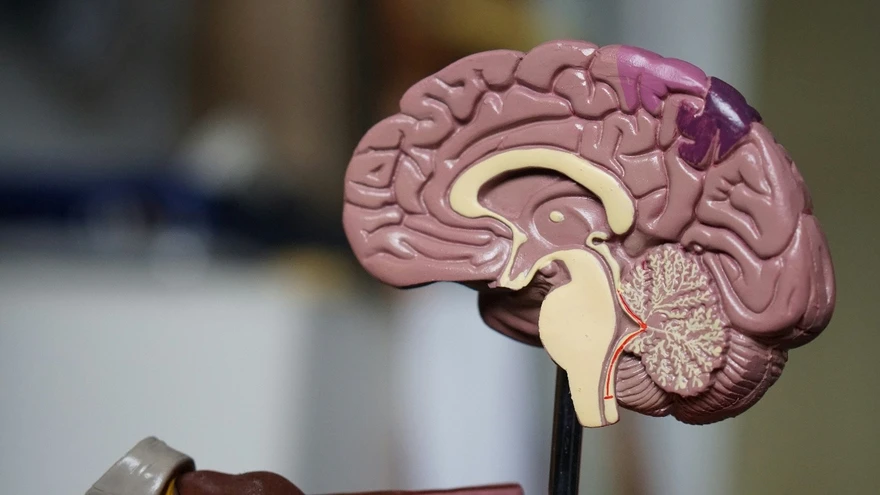
Table of Contents
- What Is Brain Function?
- What Does the Brain Control?
- Major Parts of the Brain and Their Roles
- Brain Lobes and What Each One Does
- Inside the Brain: Key Structures You May Hear About
- Limbic System: Emotions and Memory
- Gray Matter vs White Matter
- How the Brain Works: Neurons, Signals, and Networks
- Brain Development Across Life
- What Can Affect Brain Function Day to Day?
- Common Conditions Affecting Brain Function
- Symptoms That May Suggest Brain Function Is Affected
- How Doctors Evaluate Brain-Related Symptoms
- Brain Health Basics: Simple Habits That Support Brain Function
- Final Takeaway
- FAQs
Your brain is the control centre of your body. It keeps you alive by managing automatic tasks like breathing, heartbeat, and temperature regulation. At the same time, it drives the abilities that shape your everyday life, like thinking, learning, memory, emotions, language, decision-making, and movement.
In simple terms, brain function is the combined work of many brain regions that receive information from your senses and body, process it, and send commands through the nervous system.
This guide explains brain anatomy and function in a clear, patient-friendly way. You will learn what the brain controls, what the major brain parts do, how brain signalling works, what can affect brain function day to day, warning signs that need urgent care, and how doctors evaluate brain-related symptoms.
Medical note: This content is for general awareness and does not replace medical advice. If you have sudden or severe symptoms, seek urgent medical care.
What Is Brain Function?
Brain function refers to how the brain controls and coordinates vital body processes and mental abilities by receiving signals, interpreting them, and sending instructions. The brain and spinal cord together form the central nervous system (CNS), which communicates with the rest of the body through nerves.
In one line: Brain function is how your brain keeps your body running and enables thinking, feeling, sensing, and moving.
What Does the Brain Control?
Brain function covers a wide range of responsibilities. It helps to think of them in four groups.
Vital Automatic Functions
These are processes you do not consciously control, such as:
- Breathing and breathing rhythm
- Heart rate and blood pressure regulation
- Body temperature control
- Sleep and wake cycles
- Swallowing and protective reflexes like coughing
Cognition and Emotion
These include:
- Attention and concentration
- Learning and memory
- Language and communication
- Planning, judgement, and decision-making
- Emotions, mood, and stress response
- Creativity and problem-solving
Movement and Coordination
Movement takes more than muscle strength. It also needs timing and precision:
- Voluntary movement like walking, writing, and speaking
- Posture and balance
- Fine motor control like buttoning a shirt or typing
Sensory Processing
The brain interprets signals from:
- Vision and hearing
- Touch, pain, and temperature
- Taste and smell
- Body awareness, meaning your sense of position and movement
Major Parts of the Brain and Their Roles
Most basic brain diagrams describe three major parts: the cerebrum, cerebellum, and brainstem. Each has a distinct job, and they work together constantly.
Cerebrum (Largest Part)
The cerebrum is the largest part of the brain and handles many higher functions. It plays a key role in:
- Thinking, learning, memory, and attention
- Emotions and behaviour
- Interpreting sensory information
- Starting voluntary movement
The cerebrum is divided into two hemispheres, left and right. Some functions may be more dominant on one side in many people, such as language. Still, most daily tasks involve both hemispheres working together.
The hemispheres share information through bundles of nerve fibres that help messages move across the brain efficiently.
Cerebellum (Coordination and Balance)
The cerebellum sits toward the back of the brain. It is best known for:
- Coordinating movement so it is smooth and accurate
- Maintaining balance and posture
- Supporting motor learning, meaning skills improve with practice
Brainstem (Vital Life Functions and Relay)
The brainstem connects the brain to the spinal cord. It supports essential functions, including:
- Breathing
- Heart rate and blood pressure regulation
- Wakefulness and basic alertness
- Swallowing and other reflexes
It also acts as a relay pathway, carrying messages between the brain and the rest of the body.
Brain Lobes and What Each One Does
The cerebrum’s outer layer, called the cerebral cortex, is commonly described in four lobes. Each lobe is specialised, which is why “brain lobe functions” is such a useful way to understand the brain.
Frontal Lobe
The frontal lobe is associated with:
- Planning, reasoning, and decision-making
- Personality and behaviour
- Voluntary movement
- Attention and self-control
- Speech production in many people
Parietal Lobe
The parietal lobe helps with:
- Processing touch, pain, and temperature
- Body awareness, like knowing where your limbs are without looking
- Spatial perception, meaning understanding where you are relative to objects
Temporal Lobe
The temporal lobe supports:
- Hearing and sound processing
- Memory and recall
- Emotion-related processing
- Language comprehension in many people
Occipital Lobe
The occipital lobe is primarily responsible for:
- Visual processing and interpretation
Quick Reference Table (Brain Parts and Functions)
|
Brain Lobe |
Main Roles |
Examples of What May Be Affected if the Lobe Is Not Working Well |
|
Frontal |
Planning, behaviour, movement, speech production |
Poor planning, personality changes, movement difficulty |
|
Parietal |
Touch processing, body awareness, spatial skills |
Trouble sensing touch or position, clumsiness in spatial tasks |
|
Temporal |
Hearing, memory, language comprehension |
Memory issues, difficulty understanding speech |
|
Occipital |
Vision |
Trouble interpreting visual information |
Note: Symptoms can overlap and can also occur due to many non-brain causes. Always consult a clinician for diagnosis.
Inside the Brain: Key Structures You May Hear About
Beyond the lobes, deeper brain structures help regulate sensation, hormones, sleep, emotion, and memory.
Thalamus
The thalamus acts like a relay station for sensory information, sending signals onward for processing.
Hypothalamus and Pituitary Gland
The hypothalamus helps regulate core body functions such as:
- Hunger and thirst
- Temperature regulation
- Sleep patterns
- Stress response
It works closely with the pituitary gland, which influences many hormone-driven functions throughout the body.
Hippocampus
The hippocampus is strongly linked to learning and memory formation, especially forming new memories.
Amygdala
The amygdala is involved in emotion processing, especially emotional learning and threat-related responses.
Limbic System: Emotions and Memory
The limbic system is a network of brain structures that work together to support emotion, motivation, learning, and memory. It includes areas such as the amygdala, hippocampus, and parts that interact closely with the hypothalamus.
In everyday terms, the limbic system helps you:
- Attach emotions to experiences, which influences what you remember
- Learn from rewards and threats, shaping habits and decision-making
- Regulate stress responses that affect sleep, appetite, and focus
Because the limbic system is closely linked to stress hormones and sleep regulation, ongoing stress and poor sleep can affect mood, memory, and mental clarity in noticeable ways.
Gray Matter vs White Matter
Gray matter is heavily involved in processing and interpretation.
White matter helps transmit signals between brain regions. Think of it as the communication network linking different processing areas.
Both are essential for healthy brain function.
How the Brain Works: Neurons, Signals, and Networks
Neurons and Supporting Cells
The brain contains billions of neurons, which are nerve cells responsible for sending and receiving signals. It also contains supporting cells that help maintain a healthy environment, support connections, and protect nerve tissues.
Electrical Signals and Chemical Messengers
Brain communication happens in two steps:
- Electrical signals travel through neurons.
- Neurotransmitters, which are chemical messengers, carry messages across tiny gaps between neurons called synapses.
This fast signalling is what allows you to react quickly, learn new things, remember, control movement, and regulate emotions.
Networks, Not Single Centres
Many abilities are not controlled by one single spot in the brain. Instead, brain function relies on networks of regions working together. For example:
- Speaking involves language planning, motor control, hearing feedback, memory, and attention.
- Balance involves sensory input from the eyes and inner ear, cerebellar coordination, and muscle feedback.
Left Brain vs Right Brain
It is common to hear “left brain is logical” and “right brain is creative.” There can be some specialisation, but most real skills use both sides working together.
Brain Development Across Life
Early Development to Teens
From infancy through adolescence, the brain rapidly develops connections and refines them through learning and experience.
Maturation Into the Mid to Late 20s
Brain development continues beyond the teenage years. The prefrontal cortex, important for planning, prioritising, decision-making, and impulse control, continues to mature into the mid to late 20s.
Ageing and Brain Function
With ageing, some people notice slower recall or processing speed. Still, sudden confusion or rapid loss of daily functioning is not typical and should be evaluated.
What Can Affect Brain Function Day to Day?
Many everyday factors influence how you feel mentally, especially your energy, focus, mood, and clarity.
Sleep and Circadian Rhythm
Sleep supports attention, memory, mood regulation, and reaction time. Poor sleep can lead to brain fog, irritability, and low mental stamina.
Nutrition and Key Nutrients
The brain needs steady energy and essential nutrients. In some people, deficiencies may contribute to fatigue, poor concentration, mood changes, or nerve-related symptoms. Nutrients often discussed in brain health include:
- Vitamin B12
- Iron
- Vitamin D
- Omega-3 fats through diet
Supplements should be taken only when needed and ideally under medical guidance.
Stress and Mental Health
Stress can affect sleep, attention, memory retrieval, and emotional regulation. Persistent anxiety or low mood can feel like poor concentration and mental fatigue. If symptoms are ongoing, professional support can help.
Physical Activity and Blood Flow
Regular movement supports cardiovascular health and can improve sleep quality, mood, and energy, which in turn affects daily brain function.
Metabolic Health
Metabolic issues can contribute to fatigue and reduced mental clarity in some people. Examples include blood sugar fluctuations and thyroid hormone imbalance. If symptoms persist, discuss a clinician-guided evaluation.
Alcohol, Substances, and Medications
Alcohol and certain substances can affect memory, reaction time, sleep, and coordination. Some prescription medications can also cause drowsiness, dizziness, or cognitive side effects. Do not stop or change prescribed medication without medical advice.
Common Conditions Affecting Brain Function
Many conditions can affect brain function directly or indirectly. Some develop gradually, while others appear suddenly and need urgent care. Below are examples clinicians commonly consider when symptoms involve memory, balance, speech, strength, sensations, mood, or alertness.
Stroke and Transient Ischaemic Attack (TIA)
A stroke occurs when blood flow to part of the brain is interrupted or when bleeding occurs in the brain. A TIA is sometimes called a mini-stroke and can cause temporary symptoms that resolve, but it still needs urgent medical evaluation because it can signal a higher stroke risk.
Common warning signs include sudden facial drooping, weakness on one side, speech difficulty, and sudden vision changes.
Seizures and Epilepsy
Seizures occur due to abnormal electrical activity in the brain. They can cause convulsions, staring spells, confusion, unusual sensations, or brief loss of awareness. Epilepsy is typically diagnosed when a person has a tendency for recurrent unprovoked seizures.
Migraine and Other Headache Disorders
Migraine is more than a headache. It can involve nausea, sensitivity to light or sound, and in some people, aura symptoms like visual changes or tingling. Severe or unusual headaches should be evaluated, especially if sudden or associated with weakness, fever, confusion, or neck stiffness.
Concussion and Head Injury
Even a mild head injury can affect concentration, memory, reaction time, sleep, and mood for days or weeks. Red flags after a head injury include worsening headache, repeated vomiting, confusion, seizures, weakness, or increasing drowsiness.
Neurodegenerative Conditions
Conditions such as Alzheimer’s disease and Parkinson’s disease can affect memory, movement, behaviour, or daily functioning over time. Early evaluation matters because some contributing factors are treatable, and planning and support can improve quality of life.
Infections and Inflammation Affecting the Brain
Infections like meningitis and encephalitis can affect brain function and may cause fever, severe headache, confusion, seizures, neck stiffness, or sensitivity to light. These symptoms require urgent medical assessment.
Metabolic and Hormonal Causes
Brain fog, fatigue, dizziness, and memory lapses can sometimes be linked to non-brain causes such as thyroid imbalance, vitamin B12 deficiency, anaemia, electrolyte imbalance, liver or kidney dysfunction, or blood sugar fluctuations. This is why clinicians often include targeted blood tests during evaluation.
Note: Symptoms alone cannot confirm the cause. A clinician’s assessment, and tests when appropriate, help clarify what is going on.
Symptoms That May Suggest Brain Function Is Affected
Common, Non-Specific Symptoms
These symptoms can have many causes, including lifestyle factors:
- Brain fog or poor concentration
- Headaches
- Dizziness
- Memory lapses
- Sleep disturbances
- Mood changes
- Fatigue and low mental stamina
If symptoms persist, worsen, or interfere with daily life, consult a clinician.
Red Flag Symptoms That Need Urgent Medical Care
Seek emergency help immediately if you notice:
- Sudden weakness or numbness, especially on one side of the body
- Facial drooping
- Difficulty speaking or understanding speech
- Sudden severe headache
- Seizure
- Fainting or loss of consciousness
- Sudden vision loss or major vision changes
- Sudden trouble walking, severe dizziness, or loss of balance or coordination
If you are in India, you can call 112 for emergency assistance.
How Doctors Evaluate Brain-Related Symptoms
History and Neurological Exam
Clinicians typically start with questions like:
- When did the symptoms begin, sudden or gradual?
- Are symptoms constant or episodic?
- Any triggers such as sleep loss, infection, stress, or medication changes?
- Any associated symptoms such as fever, weight changes, weakness, or speech issues?
A neurological exam may assess strength, sensation, reflexes, coordination, balance, speech, and memory.
Imaging and Specialised Tests (When Needed)
Depending on symptoms, a doctor may recommend tests such as CT or MRI scans, and sometimes EEG in specific situations.
Lab Tests That Can Support Evaluation
Blood tests can help identify factors that may contribute to symptoms like fatigue, brain fog, dizziness, or weakness. A clinician may recommend:
- Complete Blood Count (CBC) to look for patterns that may suggest anaemia or infection
- Thyroid Profile (TSH, T3, T4) to assess thyroid balance
- Vitamin B12 to check for deficiency linked to nerve-related symptoms
- Vitamin D often checked in persistent fatigue and general health evaluations
- Blood Glucose or HbA1c to assess blood sugar control
- Lipid Profile to support long-term cardiovascular risk assessment
- Electrolytes (Sodium, Potassium, Calcium, Magnesium) since imbalances can contribute to weakness, fatigue, or confusion
- CRP in appropriate clinical contexts to assess inflammation
If your clinician advises testing, you can book these blood tests with Metropolis Healthcare and review the results with your doctor for interpretation and next steps.
Brain Health Basics: Simple Habits That Support Brain Function
Keep a Consistent Sleep Routine
Aim for regular sleep and wake timings. If sleep is poor, reduce caffeine late in the day and limit screen time before bed.
Eat a Balanced, Varied Diet
Include proteins, whole grains, fruits, vegetables, and healthy fats. If you follow a restrictive diet or suspect deficiencies, speak with a clinician about appropriate testing.
Stay Physically Active
Even moderate activity supports mood, energy, and sleep quality.
Manage Stress Proactively
Breathing exercises, journaling, physical activity, social connection, and professional support can all help.
Protect Your Head
Wear helmets for two-wheelers and sports, wear seatbelts, and take head injuries seriously.
Keep Chronic Conditions Under Control
Work with your clinician to manage blood pressure, diabetes, thyroid disorders, and other long-term conditions that affect overall wellbeing.
Final Takeaway
Brain function is not one single action. It is a coordinated system involving specialised regions that work together every second. Understanding the brain’s parts and functions helps you recognise what is normal, what may be influenced by lifestyle factors, and when symptoms need medical attention.
If you are experiencing persistent fatigue, brain fog, dizziness, or memory changes, a clinician-guided evaluation, including relevant blood tests, can help identify contributing factors and guide next steps.
FAQs
How much does the human brain weigh?
In adults, the brain typically weighs about 1.3 to 1.4 kilograms, roughly 3 pounds, with normal variation across individuals. Brain weight does not determine intelligence. Brain function depends more on neural connections, network efficiency, health, and life experience.
What Is Brain Function in Simple Words?
Brain function is how your brain keeps your body running and enables thinking, memory, emotions, senses, and movement.
What Are the Three Main Parts of the Brain and Their Functions?
The cerebrum supports thinking and voluntary actions, the cerebellum coordinates balance and movement, and the brainstem controls vital automatic functions like breathing and heart rate.
Which Brain Lobe Controls Vision, Memory, and Speech?
Vision is mainly processed in the occipital lobe. Memory involves the temporal lobe and deeper structures like the hippocampus. Speech typically involves frontal and temporal regions for production and comprehension.
How Do Neurons Communicate?
Neurons communicate through electrical signals within the neuron and neurotransmitters across synapses between neurons.
What Is the Difference Between Gray Matter and White Matter?
Gray matter is more involved in processing information, while white matter helps transmit signals between brain regions.
Is the Left Brain Logical and the Right Brain Creative?
There can be some specialisation, but most tasks use both sides working together.
At What Age Does the Brain Fully Develop?
Many parts of the brain continue maturing into the mid to late 20s, especially areas involved in planning and self-control.
What Causes Brain Fog?
Brain fog can be linked to poor sleep, stress, dehydration, medication effects, and medical factors like vitamin deficiencies or thyroid imbalance. If it persists, consult a clinician.
When Should I Worry About Memory Problems?
If memory changes are sudden, worsening, or affecting daily life, or if they occur with red flag symptoms, seek medical evaluation.
Which Blood Tests Might a Doctor Suggest for Fatigue or Brain Fog?
Common tests include CBC, thyroid profile, vitamin B12, vitamin D, glucose or HbA1c, electrolytes, and sometimes CRP depending on symptoms.