Home Visit
 Upload






Preventive Healthcare
Cold Urticaria: What It Is, Why It Happens & How to Manage It
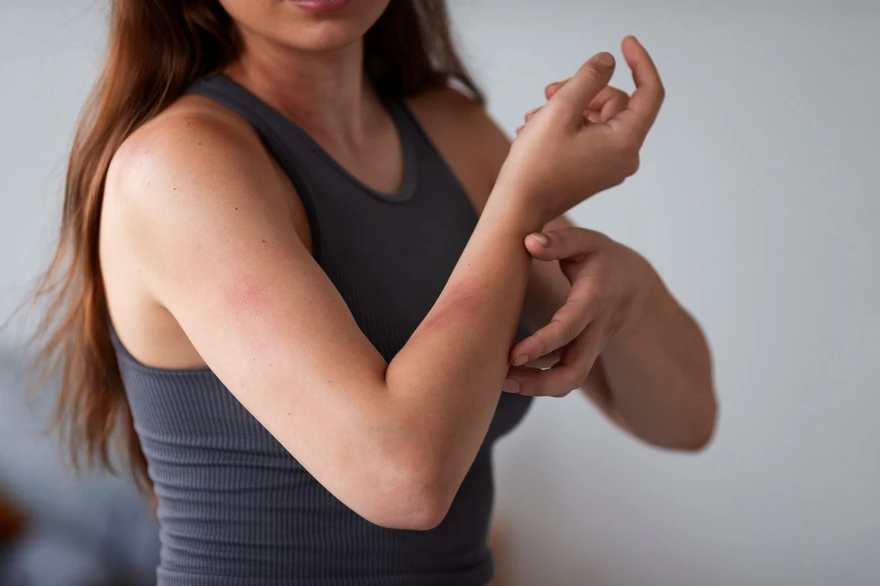
Table of Contents
- What is Cold Urticaria?
- How Cold Urticaria Affects the Body
- Types of Cold Urticaria
- Cold Urticaria Symptoms
- Common Triggers of Cold Urticaria
- What Causes Cold Urticaria?
- Cold Stimulation Test (Ice Cube Test)
- Complications of Cold Urticaria
- Cold Urticaria Treatment Options
- Home Remedies & Self-Care Tips for Cold Urticaria
- When to See a Doctor?
- How Cold Urticaria is Diagnosed
- Tests for Cold Urticaria
- Cold Urticaria in Children: What Parents Should Know
- Cold Urticaria Outlook & Long-Term Management
- Conclusion
- FAQs
What is Cold Urticaria?
Cold urticaria is a type of physical urticaria in which exposure to cold air, water, or objects triggers an allergic skin reaction, causing sudden hives, redness, and swelling within minutes. The immune system mistakenly treats cold exposure as a harmful stimulus, triggering mast cells in the skin to release histamine and other inflammatory mediators that dilate blood vessels and leak fluid into surrounding tissues. While most cases are mild and self-limiting, severe reactions may involve systemic symptoms and require immediate medical care.
How Cold Urticaria Affects the Body
Cold urticaria sets off an inflammatory cascade when the skin encounters cold. Mast cells release histamine and other mediators, causing small blood vessels to dilate and leak fluid into the skin, leading to raised, itchy hives that usually resolve while most cases are mild and self-limiting, severe reactions may involve systemic symptoms and require immediate medical care. In severe reactions, this process can involve the lungs and cardiovascular system, triggering breathing difficulty, low blood pressure, or even anaphylaxis, which requires urgent medical care.
Types of Cold Urticaria
Several forms of cold urticaria exist, each with distinct features:
- Primary acquired cold urticaria: Most common; triggered by direct cold exposure.
- Secondary cold urticaria: Linked to underlying conditions like infections or blood disorders.
- Familial Cold Autoinflammatory Syndrome (FCAS): A rare inherited autoinflammatory disorder that causes hives, fever, and joint pain after generalized cold exposure.
Cold Urticaria Symptoms
Recognising cold urticaria symptoms helps you identify when you're experiencing this condition.
The primary manifestations include:
- Rapid appearance of hives or welts after cold exposure
- Itching, burning, or stinging sensation
- Swelling of hands, face, lips, or eyelids
- Redness or patches on exposed skin
- In severe cases: breathing difficulty, dizziness, or fainting after sudden cold exposure
As per the National Organisation for Rare Disorders (NORD), cold urticaria accounts for a small subset of chronic inducible urticarias and can cause rapid hives and swelling within minutes of cold exposure, with some patients experiencing systemic reactions. NORD notes that both typical and atypical forms exist, and that the condition may be primary or secondary to other diseases, though its exact cause remains unclear.
Common Triggers of Cold Urticaria
Any sudden drop in temperature can trigger cold urticaria. Most reactions occur when the skin warms after exposure to cold.
Some common triggers include:
- Cold water exposure (e.g., swimming, washing hands, or being caught in rain)
- Cold weather or wind
- Prolonged exposure to air-conditioned environments
- Holding cold objects (ice, frozen foods, metal cans)
- Cold drinks or ice cream contacting the lips.
- Sudden temperature change from warm to cold
What Causes Cold Urticaria?
The exact cause of cold urticaria is unclear, but it is thought to involve abnormal mast cell activation, where cold exposure triggers histamine release and inflammation. In some people, cold may provoke an IgE-mediated autoimmune response that makes mast cells overly sensitive, while secondary cold urticaria can be linked to infections, autoimmune diseases, or blood disorders.
Cold Stimulation Test (Ice Cube Test)
Doctors use a simple test to diagnose cold urticaria:
- An ice cube is placed inside a plastic bag.
- The bag is applied to the skin—usually the forearm—for 1–5 minutes.
- After removing the ice, the skin is observed for the development of a raised, itchy wheal.
- A raised, red welt confirms the diagnosis of cold urticaria.
When Doctors Recommend the Test
This test is recommended when a person develops unexplained hives or chronic hives after cold exposure or when there is a suspected severe reaction to cold water.
Complications of Cold Urticaria
While many people experience mild reactions, cold urticaria can lead to serious complications:
- Severe allergic reaction (anaphylaxis)
- Difficulty breathing or shortness of breath after sudden full-body cold exposure
- Rapid drop in blood pressure
- Fainting episodes
- Swelling of the throat or tongue
- Danger during cold-water swimming or diving
Cold Urticaria Treatment Options
Effective cold urticaria treatment focuses on symptom management and prevention. Treatment approaches include:
- Antihistamines: The first-line treatment to reduce hives and itching.
- Leukotriene modifiers: For people who don’t respond to antihistamines.
- Omalizumab: Used in chronic or severe cases.
- Emergency epinephrine: For patients with a history of severe reactions.
- Avoiding known triggers and maintaining warmth: Key components of long-term management.
Home Remedies & Self-Care Tips for Cold Urticaria
Managing cold urticaria involves practical strategies to minimise exposure and reduce symptom severity.
Daily Precautions
- Dress in layers during winter.
- Use gloves, scarves, and face coverings.
- Warm the car before stepping outside to reduce cold shock.
- Avoid sudden exposure to cold water.
Lifestyle & Prevention Tips
- Test the water temperature with your hand before bathing.
- Avoid ice-cold drinks if lip swelling occurs.
- Carry prescribed antihistamines (and an epinephrine auto-injector if advised) when travelling.
- Inform swimming instructors or companions about your condition.
When to See a Doctor?
Seek medical help if symptoms occur frequently or if hives appear without clear triggers. Immediate care is needed if cold exposure leads to:
- Difficulty breathing
- Fainting
- Swelling of the throat
- Severe dizziness or low blood pressure
How Cold Urticaria is Diagnosed
Healthcare providers use a systematic approach to diagnose cold urticaria:
- Detailed medical history
- Ice cube test
- Physical examination
- Laboratory tests to rule out secondary causes
- Allergy evaluation, if needed
Tests for Cold Urticaria
- ABPA Panel Test: Blood panel to assess allergy to Aspergillus in patients with asthma-like or respiratory symptoms.
- Alternaria Alternata (Specific IgG): Checks IgG antibodies to Alternaria mould linked with environmental allergy.
- Aspergillus fumigatus(Specific IgG): Measures IgG to A. fumigatus to assess possible mould-related allergy.
- Allergen, Individual-Microorganism Cladosporium Herbarum fungus: Evaluates IgE response to circulating allergen-specific IgE for Cladosporium herbarum (Fungus).
- Allergen, Individual-Microorganism Penicillium Notatum fungus (Penicillium chrysogenum): Screens for specific IgE antibodies to Penicillium mould as part of allergy workup.
Medical History Evaluation
Doctors ask about symptoms, exposure patterns, family history, and past allergic conditions.
Physical Exam & Lab Tests
During physical examination, your doctor assesses your skin condition, checks for signs of other allergic diseases, and evaluates your overall health status. Laboratory tests may include:
- CBC (Complete Blood Count) Test
- Thyroid Profile Test (TFT)
- Autoimmune screening (e.g., ANA test) to detect possible systemic causes
- Tests for infections with an Opportunistic Infection Panel
- Screening for chronic hives or associated disorders
Cold Urticaria in Children: What Parents Should Know
Cold urticaria can affect children, requiring special considerations for management and safety. Parents should watch for symptoms after cold exposure and teach children to recognise early warning signs.
- Children may experience more intense or unpredictable reactions to cold exposure.
- Swelling around the lips or hands after ice cream is common.
- Avoid swimming in cold water unless a doctor clears it.
- Keep emergency medication handy in case of severe reactions.
- Most children outgrow cold urticaria within a few years, though monitoring is advised.
Cold Urticaria Outlook & Long-Term Management
The outlook for cold urticaria differs from person to person. Many improve over time, and some go into complete remission within a few years, while others may have symptoms for longer and need ongoing management. With the right treatment, trigger avoidance, and regular medical follow-up, most people can maintain a good quality of life and continue normal activities with sensible precautions.
Conclusion
Cold urticaria can usually be well managed with proper diagnosis, preventive care, and ongoing treatment where needed. Recognising your triggers early and consulting a doctor if reactions are frequent or severe helps prevent complications and supports safer day-to-day living.
As a trusted diagnostic partner, Metropolis Healthcare offers 4,000+ tests, full-body checkups, specialised allergy and immunology testing, and strong home sample collection across 10,000+ touchpoints, with quick turnaround and accurate results. You can book tests conveniently via website, app, WhatsApp, or phone, making it easier to get timely, reliable reports that support your doctor in managing cold urticaria effectively.
FAQs
What triggers cold urticaria the most?
The most common triggers include sudden exposure to cold air, cold water, cold wind, and contact with cold objects. Swimming in cold water is among the strongest triggers due to the rapid temperature drop.
Can cold urticaria be cured permanently?
There is no permanent cure, but symptoms can be effectively controlled. Many people with primary cold urticaria improve over 5–10 years.
Is cold urticaria a serious condition?
It can be serious if it triggers whole-body reactions, such as fainting or breathing difficulties, especially after swimming. Most cases are mild but require caution.
How long does a cold urticaria reaction last?
Localised reactions usually last 1–2 hours. More severe reactions may last longer and require medical attention.
Can you swim if you have cold urticaria?
Swimming should be avoided in cold water. If approved by a doctor, warm-water swimming may be safe under supervision.
What foods should be avoided with cold urticaria?
- Ice-cold drinks
- Ice cream, if it triggers lip swelling
- Frozen foods that require handling