Home Visit
 Upload








Web Stories





Latest Blogs

Tonsils: Function, Anatomy And When Removal May Be Needed
Your tonsils are small but important parts of your immune system. They sit at the back of your throat and help trap germs that enter through your mouth and nose. In early life, they play an active role in helping your body recognise and respond to infection. Most of the time, your tonsils do their job quietly. But they can sometimes become swollen, infected, or enlarged. This may lead to repeated throat infections, trouble swallowing, bad breath, or disturbed sleep. Understanding what tonsils do, what normal tonsils look like, and when treatment may be needed can help you know when to seek medical advice. What Are Tonsils? Tonsils are two small pads of lymphoid tissue at the back of your throat. They are also called palatine tonsils. If you open your mouth wide and look in the mirror, you may be able to see one on each side. In simple terms, tonsils act like filters. They help catch bacteria and viruses before these germs move deeper into your body. Where Are Tonsils Located? Your tonsils are in your throat, just behind the soft palate. There is one on each side. Many people also search for “tonsils in neck”, but your tonsils are not in your neck. The swollen lumps you may feel in your neck during an infection are usually lymph nodes, not the tonsils themselves. Tonsil Anatomy Your tonsils are soft, oval-shaped masses of tissue. They sit within the side walls of the throat and are part of a wider protective ring of lymphoid tissue. This ring also includes the adenoids higher up behind the nose and the lingual tonsils near the base of the tongue. Because of where they sit, your tonsils are in an ideal position to respond early to germs that enter through breathing, eating, or drinking. What Do Normal Tonsils Look Like? Normal tonsils are usually pink and similar in colour to the rest of the throat. They may vary a little in size from person to person. Healthy tonsils are not usually very red, very swollen, or covered with white patches. If you notice marked redness, pus, or one tonsil that looks very different from the other, it is sensible to get it checked. What Is The Function Of Tonsils? The main function of tonsils is to help protect you from infection. They trap germs that enter through your mouth or nose and help your immune system respond. This does not mean your tonsils prevent every infection. It means they are one of the body’s early defence points. Tonsils In The Immune System Your tonsils contain immune cells such as white blood cells. These cells help recognise bacteria and viruses and support the production of antibodies. This immune activity is especially important in childhood, when your body is still learning to identify common infections. As you grow older, other parts of your immune system take on more of this work. That is one reason why removing the tonsils, when medically needed, usually does not cause major long-term immune problems. Common Tonsil Problems Tonsils can be affected by several conditions. Some are common and mild. Others need closer medical attention. Tonsillitis Tonsillitis means inflammation or infection of the tonsils. It can be caused by viruses or bacteria. Typical symptoms include a sore throat, pain when swallowing, fever, swollen tonsils, and swollen glands in the neck. Some people also notice white or yellow patches on the tonsils. Tonsillitis is common in children, but adults can get it too. Enlarged Tonsils Sometimes your tonsils become larger than usual. This may happen during or after repeated infections, or simply because some people naturally have larger tonsils. Enlarged tonsils can make swallowing uncomfortable. In some cases, they can narrow the airway and contribute to loud snoring or sleep problems. Tonsil Stones Tonsil stones are small, firm collections of trapped debris that form in the tiny folds of the tonsils. They are usually not dangerous, but they can be annoying. Common symptoms include bad breath, a bad taste in the mouth, throat discomfort, and the feeling that something is stuck at the back of your throat. If you get tonsil stones often, good oral hygiene becomes especially important. Other Less Common Tonsil Conditions Some less common but important tonsil problems include peritonsillar abscess, which is a pocket of infection near the tonsil, and Tonsil Cancer, which is rare but should not be ignored. A peritonsillar abscess can cause severe pain, difficulty swallowing, muffled voice, and swelling on one side of the throat. Tonsil Cancer may cause one tonsil to stay larger than the other, a persistent sore throat, ear pain, or a lump in the neck. These symptoms can have other causes too, but they should always be assessed if they do not settle. Symptoms Of Tonsil Problems Tonsil symptoms vary depending on the cause, but common signs include: Sore throat Pain when swallowing Red or swollen tonsils White or yellow patches on the tonsils Fever Bad breath Swollen glands in the neck Snoring or noisy breathing A feeling of blockage in the throat In children, enlarged tonsils may also lead to mouth breathing, restless sleep, or daytime irritability. When Should You See A Doctor For Tonsil Problems? Many short-lived throat infections improve with rest, fluids, and supportive care. But some symptoms need medical review. Seek Medical Advice If You Have You should see a doctor if: Your sore throat is severe or keeps returning Swallowing is very painful You keep getting Tonsillitis Your fever does not improve Your bad breath or tonsil stones keep coming back One tonsil looks much larger than the other Snoring or poor sleep seems linked to enlarged tonsils Emergency Warning Signs Get urgent medical care if you have: Trouble breathing Difficulty swallowing saliva Drooling Severe swelling on one side of the throat A muffled voice Difficulty opening your mouth These symptoms may suggest a deeper infection or airway obstruction and should not be ignored. Can Tonsils Cause Sleep Apnoea? Yes, they can. Enlarged tonsils can narrow the airway and interfere with normal breathing during sleep. This is especially important in children. Large tonsils may cause loud snoring, restless sleep, pauses in breathing, mouth breathing, or poor daytime concentration. In some cases, removing the tonsils, and sometimes the adenoids as well, can help improve sleep-disordered breathing. When Is Tonsil Removal Considered? Doctors do not remove tonsils just because they are visible or mildly enlarged. Tonsillectomy is usually considered only when the problem is frequent, persistent, or affecting breathing, sleep, or daily life. Tonsil Removal Criteria Removal may be considered if you have: Recurrent Tonsillitis Chronic throat symptoms that do not improve Enlarged tonsils causing breathing or swallowing problems Sleep apnoea linked to enlarged tonsils Recurrent peritonsillar abscess Persistent troublesome tonsil stones in selected cases Concern about a serious underlying condition such as Tonsil Cancer How Often Is “Too Often” For Tonsillitis? A commonly used guide for recurrent Tonsillitis is: 7 or more episodes in 1 year 5 or more episodes a year for 2 years 3 or more episodes a year for 3 years Your doctor will still consider the full picture, including severity, time lost from school or work, sleep symptoms, and whether antibiotics or other treatments have helped. Tonsillectomy: What The Surgery Involves A tonsillectomy is surgery to remove the tonsils. It is usually done under general anaesthesia, so you are asleep during the procedure. The operation itself is fairly common. Surgeons use different techniques, but the aim is the same: to remove the tonsil tissue safely and control bleeding. Depending on your symptoms, the surgeon may also discuss whether the adenoids need treatment at the same time. Tonsillectomy Recovery Process Recovery after tonsillectomy usually takes about 10 to 14 days. It is normal to have throat pain during this period. Pain may also spread to the ears. Swallowing can feel uncomfortable, but drinking enough fluids is very important. Soft foods, regular pain relief as advised, and rest usually help. You may also notice white healing patches in the throat during recovery. This is usually part of normal healing, not always a sign of infection. Children and adults can both recover well, but adults sometimes find recovery more uncomfortable. Possible Tonsillectomy Risks And Complications Tonsillectomy is commonly performed, but like any surgery, it does carry some risks. Possible complications include: Bleeding Pain Dehydration if drinking is difficult Infection Temporary bad breath during healing Rare anaesthetic-related problems Bleeding after surgery is the complication that needs the most attention. If you notice fresh bleeding from the mouth or throat after a tonsillectomy, seek urgent medical help. How To Keep Your Tonsils Healthy You cannot prevent every tonsil problem, but a few habits can help reduce your risk: Wash your hands regularly Avoid sharing utensils, bottles, or food during infections Stay well hydrated Maintain good oral hygiene Seek treatment early for repeated throat infections Avoid smoking and exposure to second-hand smoke Good oral care may also help reduce the chance of recurring tonsil stones. Conclusion Your tonsils are a normal part of your immune defence. They help your body respond to germs, especially in childhood. But when they become repeatedly infected, enlarged, or troublesome, they can affect your comfort, sleep, and overall wellbeing. If you have frequent throat infections, ongoing bad breath from tonsil stones, loud snoring, or one-sided tonsil changes that do not settle, it is worth getting medical advice. Early assessment can help you understand whether you need simple treatment, closer follow-up, or referral to an ENT specialist. If your doctor advises tests to look for infection or related concerns, Metropolis Healthcare offers reliable diagnostic support, expert pathology, convenient home sample collection, and easy booking options. You can also explore more health articles on the Metropolis website to stay informed about symptoms, prevention, and timely care. FAQs What Happens During A Tonsillectomy? During a tonsillectomy, a surgeon removes your tonsils while you are under general anaesthesia. The procedure is usually done through the mouth, so there are no external cuts. You are monitored closely after surgery before going home or staying for observation, depending on your condition. How Long Does It Take To Recover From A Tonsillectomy? Most people need around 10 to 14 days to recover. Throat pain is common during this time, and you may also feel pain in your ears. Drinking fluids, taking pain relief as advised, and resting are important. What Happens If Tonsils Are Not Removed? If your tonsil problems are mild, you may never need surgery. But if you have recurrent Tonsillitis, breathing problems during sleep, or repeated abscesses, leaving the tonsils in place may mean ongoing symptoms and repeated treatment. Can Tonsils Grow Back After Removal? Usually, no. But in uncommon cases, a small amount of tonsil tissue can remain and enlarge later, especially after partial removal techniques. If symptoms return after surgery, your doctor can assess the cause. Are Tonsils And Adenoids The Same? No. Tonsils are the two pads of tissue you can see at the back of the throat. Adenoids are higher up behind the nose and cannot usually be seen through the mouth. Both are part of the same broad immune defence system.

Blood: Components, Functions And Common Tests
Blood is vital to life. It moves through your body all day, carrying oxygen, nutrients, hormones, and many other substances your cells need to work properly. It also helps protect you from infection and prevents too much bleeding after an injury. When you understand what blood is made of and what common blood tests show, it becomes easier to understand your health. It can also help you know when a simple blood test may be useful. What Is Blood? Blood is a specialised liquid connective tissue. It flows through your heart and blood vessels and supports almost every organ in your body. The amount of blood in the human body varies from person to person, but in adults it usually makes up around 7% to 8% of body weight. On average, adults have about 4 to 5 litres of blood. Blood may look simple, but it has a complex role in keeping you well. Where Is Blood Found And How Does It Move In Your Body? Blood travels through your circulatory system. Your heart pumps it through arteries, veins, and tiny capillaries. Arteries carry oxygen-rich blood away from your heart. Veins bring blood back towards your heart. Capillaries connect the two and allow oxygen, nutrients, and waste products to move between your blood and tissues. This constant movement is what allows blood to link your lungs, digestive system, kidneys, liver, brain, muscles, and other organs. What Is The Composition Of Blood? The composition of blood includes a liquid part and a cellular part. Whole blood is made up of plasma and formed elements. Plasma makes up about 55% of blood. The remaining 45% is made up mainly of blood cells and platelets. These include red blood cells, white blood cells, and platelets. Understanding this basic composition of blood helps explain why one blood test can give clues about oxygen delivery, immunity, inflammation, clotting, and more. Components Of Blood Plasma Plasma is the pale yellow liquid part of blood. It is mostly water, but it also carries proteins, salts, nutrients, hormones, antibodies, and waste products. Its main job is transport. Plasma carries blood cells throughout your body and helps move substances to the organs that need them. Red Blood Cells A red blood cell carries oxygen from your lungs to the tissues in your body. It also helps carry carbon dioxide back to your lungs so you can breathe it out. Red blood cells contain haemoglobin, an iron-rich protein that gives blood its red colour. A healthy red blood cell count helps your body make energy efficiently. If your red blood cell count or haemoglobin level is too low, it may suggest anaemia. This is one reason a complete blood count is commonly advised when you feel tired or weak. White Blood Cells White blood cells help defend your body against infections and other threats. Some people also call them white cells. These cells are part of your immune system. Different types of white blood cells have different jobs. Some attack bacteria, some help fight viruses, and others help control immune responses. If your white cells are too high or too low, it can point towards infection, inflammation, or certain blood-related conditions. Platelets Platelets are tiny cell fragments that help your blood clot. When a blood vessel is damaged, platelets gather at the site and help form a plug. This process helps stop bleeding and supports healing. If your platelet count is too low, you may bruise or bleed more easily. If it is too high, your doctor may want to check for conditions linked with abnormal clotting. Functions Of Blood The function of blood goes far beyond circulation alone. Blood has three broad roles in your body: transport, protection, and regulation. It transports oxygen from your lungs to your tissues. It carries nutrients from your digestive system to your cells. It also moves waste products towards the kidneys, liver, and lungs so they can be removed. Blood protects you by carrying white cells, antibodies, and clotting factors. It helps regulate body temperature, fluid balance, and acid-base balance. In simple terms, the function of blood is to keep your body supplied, protected, and balanced. How Blood Works In The Body Transporting Oxygen And Nutrients Your lungs add oxygen to blood, and your digestive system adds nutrients. Blood then delivers both to your tissues. Red blood cells are especially important here because they carry oxygen using haemoglobin. Without enough healthy red blood cells, your body may not get the oxygen it needs. Blood’s Role In Immunity Blood is central to your immune defence. White blood cells move through the bloodstream and tissues looking for germs, abnormal cells, and signs of inflammation. This is why blood tests are often used when your doctor wants to look for infection or monitor how your immune system is responding. Regulating Body Temperature And Balance Blood helps move heat around your body, which supports temperature control. It also helps maintain fluid balance and carries substances that affect pH and many internal processes. This steady regulation is part of what keeps your body functioning normally from moment to moment. Where Blood Cells Are Made Most blood cells are made in your bone marrow, which is the soft tissue inside certain bones. Bone marrow contains stem cells that develop into red blood cells, white blood cells, and platelets. Your body keeps making new blood cells because older ones naturally wear out over time. This constant renewal is important for oxygen transport, clotting, and immune defence. Common Blood Tests And Their Functions Blood tests can reveal a great deal about your health. They may help your doctor assess your general health, check for infection or inflammation, look for anaemia, or monitor long-term conditions. What Is A Complete Blood Count (CBC)? A complete blood count, or CBC, is one of the most common blood tests. It measures different parts of your blood, including red blood cells, white blood cells, haemoglobin, haematocrit, and platelets. A CBC may help detect anaemia, infection, inflammation, bleeding problems, and some bone marrow or blood disorders. It is often part of routine health checks and is also useful when you have fatigue, fever, weakness, bruising, or unexplained symptoms. Blood Tests For Infection And Inflammation Doctors may use blood tests to look for signs of infection and inflammation. A white blood cell count is one common example. Other tests, such as CRP and ESR, may also be used when your doctor wants to see whether there is inflammation somewhere in your body. These tests do not always show the exact cause, but they can provide useful clues. Blood Tests For Anaemia And Nutrient Deficiencies If you have tiredness, breathlessness, weakness, pale skin, or poor concentration, your doctor may check for anaemia. A CBC is often the starting point. Depending on the results, they may also advise iron studies, vitamin B12, or folate testing. These tests help identify common reasons for anaemia and guide the next steps. Blood Tests For Clotting And Bleeding Problems If you bleed easily, bruise often, or are taking medicines that affect clotting, your doctor may order clotting tests such as PT or INR. These tests help show whether your blood is clotting at the expected rate. They can be useful in the evaluation of bleeding problems, clotting disorders, and treatment monitoring. Blood Tests Used To Detect Or Monitor Blood Disorders Some blood tests help detect or monitor inherited and acquired blood disorders. For example, doctors may use targeted tests when they suspect conditions such as Thalassemia or Sickle Cell Disease. These conditions affect haemoglobin or red blood cells and may need specialised follow-up. In some cases, screening begins because of symptoms. In others, it may be advised because of family history, pregnancy planning, or abnormal routine blood results. Blood Type And Rh Factor Human blood is grouped into four main ABO types: A, B, AB, and O. Blood is also classified as Rh positive or Rh negative, depending on whether the Rh factor is present on red blood cells. This matters because blood type compatibility is important during transfusions. It also matters in pregnancy, because Rh incompatibility can sometimes affect the baby if it is not recognised and managed properly. Why Knowing Your Blood Type Matters Knowing your blood type can be useful in emergencies, before surgery, during pregnancy, and if you ever need a transfusion. It can also matter if you plan to donate blood. While hospitals and blood banks always test blood before transfusion, it is still useful for you to know your own blood group and Rh status. Why Blood Donors Are Important Blood donation saves lives. Donated blood may be needed in emergencies, major surgery, childbirth complications, cancer care, severe anaemia, and some long-term blood disorders. It can also support people living with Thalassemia or Sickle Cell Disease, who may sometimes need repeated transfusions as part of their care. This is why regular blood donors remain so important to healthcare systems. What Happens During The Blood Donation Process? The blood donation process is usually simple. You first register and answer a few health questions. Your haemoglobin and basic health status are checked to make sure donation is safe for you. After that, the blood is collected, and you are asked to rest briefly and have fluids. The actual donation usually takes only a short time, although the full visit may take longer. When Should You Get Your Blood Tested? A blood test may be useful during a routine check-up, but it can also be advised when you have symptoms or a known health concern. Your doctor may recommend testing if you have: Fatigue or weakness Frequent infections Easy bruising or bleeding Pale skin Unexplained weight loss Ongoing fever Suspected anaemia A family history of blood disorders such as Thalassemia or Sickle Cell Disease The right test depends on your symptoms and medical history. FAQs How Is Blood Type Determined? Blood type is determined by checking whether certain markers, called antigens, are present on your red blood cells. This identifies your ABO group and your Rh status. What Is The Rh Factor In Blood? The Rh factor is a protein found on the surface of red blood cells in some people. If you have it, you are Rh positive. If you do not, you are Rh negative. What Is The Normal Range For Red Blood Cell Count? Normal ranges can vary slightly between laboratories. In general, common reference ranges are about 4.7 to 6.1 million cells per microlitre for adult males and 4.2 to 5.4 million cells per microlitre for adult females. Your doctor will interpret your result in the context of your age, sex, symptoms, and lab method. How Does Blood Clotting Work? When a blood vessel is injured, platelets collect at the site and begin forming a plug. Clotting proteins in your plasma then help stabilise that plug so bleeding can stop and healing can begin. Why Do I Need To Fast Before A Blood Test? Not every blood test requires fasting. A CBC usually does not. But some tests, such as fasting blood sugar or certain lipid tests, may require you not to eat or drink anything except water for several hours. Fasting helps reduce the effect of recent food intake on the result. What Does A CBC Test Show? A CBC shows the number and size of different blood cells and related measurements. It gives information about red blood cells, white blood cells, haemoglobin, haematocrit, and platelets. Can Blood Tests Detect Anaemia Or Infection? Yes, they often can. A CBC may suggest anaemia through low haemoglobin or low red blood cell levels. It may also show changes in white cells that suggest infection or inflammation. Your doctor may then advise additional tests if needed. The Bottom Line Blood supports every part of your body. It carries oxygen and nutrients, helps protect you from infection, regulates internal balance, and helps stop bleeding after injury. When something changes in your blood, even a simple test can offer useful clues about your health. If your doctor advises a CBC or another blood test, it is worth taking seriously. Timely testing can help identify problems such as anaemia, infection, clotting issues, or inherited conditions like Thalassemia and Sickle Cell Disease. For convenient diagnostic support, you can explore Metropolis Healthcare’s blood tests and health checkups. Metropolis offers 4,000+ tests, NABL and CAP-accredited quality systems, expert pathology support, and convenient booking through the website, app, phone, or WhatsApp, along with home sample collection through its wide network across India. You can also explore more health articles on the Metropolis website to stay informed and proactive about your well-being.

Clitoris: Anatomy, Function And Sexual Health Basics
Health Basics The clitoris is a normal and important part of your sexual anatomy. Its main role is pleasure. Although many people think of it as only the small part visible from the outside, most of the clitoris lies inside your body. Understanding the clitoris can help you better understand your body, sexual response, and overall vulvar health. It can also make it easier to recognise when something does not feel right, such as pain, itching, swelling, or reduced sensitivity. What Is The Clitoris? The clitoris is a highly sensitive sexual organ. In simple terms, it is the main pleasure centre of the vulva. It contains a dense network of nerves and erectile tissue that responds to touch and sexual arousal. When people use the word “clit”, they usually mean the small visible part at the top of the vulva. But that is only one part of the full structure. It is also important to know that the clitoris is not the same as the vagina. The clitoris is part of the vulva, which is the outer genital area. Many people confuse this with the vagina structure, but the vagina is the internal muscular canal, while the clitoris is an external and internal pleasure organ. Where Is The Clitoris Located? The clitoris is located at the top of the vulva, where the inner lips meet. It sits above the urethral opening, which is where urine leaves your body. In a female body, only the glans of the clitoris is usually visible from the outside. The rest extends internally around the vaginal opening. Clitoris Anatomy The clitoris is more complex than it looks from the outside. It has both external and internal parts. External Anatomy Of The Clitoris The part you can usually see is called the glans clitoris. This is a small, very sensitive area at the top of the vulva. It is often partly covered by a fold of skin called the clitoral hood. The clitoral hood helps protect the glans from constant friction. In some people, it covers more of the glans. In others, less. Both can be normal. Internal Anatomy Of The Clitoris Most of the clitoris lies inside the body. The internal structure includes: The body of the clitoris Two crura, or leg-like extensions Two vestibular bulbs, which sit beside the vaginal opening These internal parts are made of erectile tissue. During arousal, blood flow increases to this tissue, which can make the area swell and become more sensitive. What Does A Normal Clitoris Look Like? There is no single “ideal” appearance. A normal clitoris can vary in size, visibility, and hood coverage. Some people can easily see the glans, while in others it is more hidden. There are also no recognised medical “types of clitoris” in the way social media sometimes suggests. Normal variation is common. What matters more is whether the area feels comfortable and whether any new change, swelling, pain, or skin change needs attention. What Is The Function Of The Clitoris? The main function of the clitoris is sexual pleasure. It is designed to respond to stimulation and arousal. This is different from organs that mainly support reproduction. The clitoris does not play a direct role in menstruation, pregnancy, or urination. Its primary purpose is sexual sensation and response. Clitoral Sensitivity And Sexual Response The clitoris is often described as the most sensitive part of the vulva. That sensitivity explains why it plays such an important role in arousal and orgasm for many women. Why The Clitoris Is So Sensitive The glans of the clitoris contains a very high concentration of nerve endings. This is why even light touch may feel intense. For some people, direct stimulation feels pleasurable. For others, it may feel too strong or even uncomfortable. That difference is normal. Sensitivity varies from person to person and may also vary across the menstrual cycle, with age, or depending on arousal and lubrication. Clitoral Erection And Blood Flow Like other erectile tissue, the clitoris responds to sexual arousal by filling with blood. This can make the clitoral tissues swell and become firmer and more sensitive. This increase in blood flow is part of the normal sexual response. It can also contribute to lubrication and greater sensitivity in the surrounding vulvar tissues. The Clitoris And Orgasm For many women, the clitoris plays a central role in orgasm. Some need direct or indirect clitoral stimulation to reach orgasm. Others may experience orgasm through other forms of stimulation that still involve the internal clitoral structures. There is no single “correct” way to experience pleasure or orgasm. Responses vary widely. Some women orgasm easily, while others may take longer or may not always orgasm. This does not automatically mean there is a problem. It is also normal for orgasm to happen without penetration. Penetration is not essential for clitoral orgasm. Clitoral Stimulation And Sexual Pleasure Clitoral stimulation can be part of solo or partnered sexual activity. What feels comfortable or pleasurable depends on the individual. What Can Influence Comfort And Pleasure A few factors can affect how clitoral stimulation feels: Pressure Speed or rhythm Lubrication Arousal level Hormonal changes Comfort with your body Communication with a partner A gentler approach may feel better for some people, especially if the area is very sensitive. When Stimulation Feels Uncomfortable If stimulation feels painful rather than pleasurable, the cause may be simple, such as too much pressure, dryness, friction, or irritation from soaps, lubricants, or condoms. Ongoing discomfort should not be ignored. Pain during or after stimulation can also happen with infections, skin conditions, hormonal dryness, vulvodynia, or other causes of vulvar pain. Common Myths About The Clitoris There is a lot of confusion around the clitoris. A few common myths are worth clearing up. Myth 1: The clitoris is only the tiny part you can see. In reality, the visible glans is only a small part of the full structure. Myth 2: The clitoris and vagina are the same. They are different structures with different roles. Myth 3: Pain during stimulation is normal. Mild temporary soreness after strong friction may happen, but repeated pain is not something you should ignore. Myth 4: Everyone should reach orgasm in the same way. Sexual response differs from person to person. There is no single standard. Common Clitoral Symptoms And Possible Causes The clitoris and nearby vulvar skin can be affected by several conditions. Some are mild and temporary. Others need medical assessment. Pain, Soreness Or Tenderness Pain in the clitoral area may happen because of: Friction or overstimulation Minor injury Irritation from products Yeast infection or other infection Skin conditions affecting the vulva Nerve-related pain If the pain keeps coming back, lasts several days, or affects daily life, it is worth seeing a doctor. Itching, Swelling Or Redness These symptoms may be linked to: Contact irritation from soaps, sprays, pads, or detergents Yeast infection Other vulvovaginal infections Inflammatory skin conditions Allergic reactions If itching or swelling is persistent, or if you also have discharge, burning, or sores, medical advice is important. Numbness Or Reduced Sensitivity Temporary reduced sensitivity may happen after intense stimulation. But numbness that continues, or a noticeable drop in sensitivity that affects sexual wellbeing, deserves assessment. Hormonal changes, nerve problems, pain disorders, or psychological stress can all affect sexual sensation. How Age, Hormones And Menopause Can Affect Clitoral Sensitivity Hormones can influence vulvar and clitoral comfort. Oestrogen helps keep vulvar and vaginal tissues healthy. When oestrogen levels fall, such as during perimenopause and menopause, the tissues may become drier, thinner, or more easily irritated. This can lead to soreness, itching, pain during sex, or reduced comfort with stimulation. Some women also notice changes in arousal or sensitivity over time. These changes are common and often manageable. If symptoms are affecting your comfort or sexual health, it is worth discussing them with a doctor. Clitoral Health And Sexual Dysfunction Clitoral health is part of overall sexual health. Pain, dryness, reduced sensitivity, difficulty with arousal, or delayed orgasm can affect your comfort and confidence. Sexual difficulties can have physical causes, emotional causes, or both. Common contributors include stress, relationship concerns, medication side effects, hormonal changes, chronic pain, and untreated vulvar conditions. If these concerns are new, persistent, or distressing, you do not have to ignore them. Support is available. How To Maintain Clitoral And Vulvar Health Simple habits can help reduce irritation and support comfort. Everyday Care Tips You can help protect the area by: Avoiding harsh soaps and fragranced products Wearing breathable cotton underwear Changing out of damp clothes promptly Using lubrication if dryness is a problem Avoiding excessive friction Cleaning gently, not aggressively Why General Vulvar Health Matters The clitoris does not function in isolation. Its comfort is affected by the health of the surrounding vulva and nearby tissues. If the vulvar skin is irritated or inflamed, the clitoral area may also feel sore or sensitive. That is why good vulvar care matters just as much as attention to the clitoris itself. When To See A Doctor About Clitoral Health You should seek medical advice if you have: Ongoing pain or soreness Persistent itching, swelling, or redness A lump, growth, or skin change Repeated irritation after sex Unusual discharge or sores nearby Ongoing numbness or reduced sensitivity New sexual pain or difficulty reaching orgasm that is causing distress A gynaecologist or another doctor with experience in vulvar health can help identify the cause and guide treatment. Is Clitoral Surgery Ever Needed? Surgery involving the clitoris is uncommon and is usually considered only for selected medical reasons, not routine sexual concerns. In some cases, treatment may be discussed for structural problems, clitoral hood adhesions, injury, or certain uncommon medical conditions. Because the clitoris is highly sensitive and important to sexual function, any surgical decision should be made carefully with specialist advice. Conclusion The clitoris is a normal, healthy, and important part of your body. Its main role is sexual pleasure, but it is also part of your broader vulvar health. Only a small part is visible from the outside, and natural variation in appearance is common. If you have pain, itching, swelling, numbness, or other persistent symptoms, it is best not to ignore them. Early medical advice can help you understand the cause and get the right treatment. If your doctor recommends testing for infection, hormonal concerns, or related health issues, Metropolis Healthcare offers reliable diagnostic support, expert pathology, convenient home sample collection, and easy booking options. You can also explore more health articles on the Metropolis website for trusted information on intimate health and wellbeing. FAQs What Is The Function Of The Clitoris During Sex? The clitoris is the main pleasure organ of the vulva. During sex or sexual stimulation, it responds to touch and increased blood flow, which can contribute to arousal and orgasm. How Do I Know If My Clitoris Is Swollen Or Infected? You may notice redness, swelling, pain, itching, tenderness, or irritation. If these symptoms do not settle, or if you also have discharge, burning, sores, or fever, you should see a doctor. Can Clitoral Sensitivity Change With Age? Yes. Sensitivity can change with age, hormones, health conditions, medication use, and menopause. Some women notice dryness or reduced comfort over time. How Does Menopause Affect Clitoral Health? Menopause can lower oestrogen levels, which may make vulvar and vaginal tissues drier, thinner, and more easily irritated. This can affect comfort, arousal, and sexual sensation. Can Clitoral Stimulation Help With Delayed Orgasm? For some women, clitoral stimulation plays an important role in orgasm. If delayed orgasm is new, persistent, or distressing, a doctor can help look for physical or emotional contributors. Is It Normal To Experience Numbness In The Clitoris? Brief reduced sensitivity after strong stimulation can happen. But numbness that continues or becomes frequent is not something to ignore. Can Clitoral Orgasm Happen Without Penetration? Yes. Many women can experience orgasm through clitoral stimulation without penetration.

Calcium Score Test: What It Means, Normal Range, And How To Read Your Report
If your doctor has mentioned a calcium score test, you may be wondering what it shows and whether you really need it. This test is designed to look for calcium deposits in the arteries that supply blood to your heart. These deposits can be a sign of plaque build-up and early coronary artery disease. A calcium score test can be useful when your future heart risk is not clearly low or clearly high. It does not diagnose every kind of heart problem, but it can add important information to your overall risk assessment. That can help you and your doctor make more informed decisions about prevention. What Is A Calcium Score Test? A calcium score test is a specialised CT scan of the heart. You may also see it called a coronary artery calcium scan, coronary calcium score, heart calcium score, or CT calcium score test. If you have ever wondered what is CT score in a heart report, it usually refers to the amount of calcified plaque seen in the coronary arteries. Many reports use a number called the Agatston score. The higher the score, the more calcium has been found. This test does not use contrast dye in most cases. It is quick, painless, and non-invasive. Why Is A Calcium Score Test Important? A calcium score test helps estimate your future risk of heart attack or other cardiovascular events. It is especially helpful when your doctor wants to refine your risk rather than rely only on factors such as age, cholesterol, blood pressure, diabetes, smoking, or family history. For some people, the result may offer reassurance. For others, it may support earlier action, such as stricter lifestyle changes or a discussion about statins and other preventive treatment. In simple terms, the calcium score test helps move the conversation from general risk to more personalised risk. Who May Benefit From A Heart Calcium Score Test? This test is often considered for adults who are about 40 to 70 years old and do not have symptoms of heart disease, but do have risk factors that increase concern. You may benefit if you have one or more of these factors: High cholesterol High blood pressure Diabetes Smoking or a past history of smoking Excess weight Low physical activity A family history of early heart disease It is often most useful when your risk appears borderline or intermediate and the next step is not obvious. Who Should Not Rely On This Test Alone? A calcium score test is not the right choice for everyone. If you have chest pain, breathlessness on exertion, or other symptoms that may suggest heart disease, you may need a different kind of evaluation. This test is mainly for people without symptoms. It may also be less useful if you already have known coronary artery disease, have had a heart attack, have a stent or bypass surgery, or are already clearly in a high-risk group where preventive treatment would be advised anyway. Pregnant women should not usually have this scan because CT involves radiation. How Does A CT Calcium Score Test Work? What Happens During The Scan You lie on a scanning table while the machine takes images of your heart. Small sticky electrodes may be placed on your chest so the scan can be timed with your heartbeat. The actual scan usually takes only a few minutes. The full visit often takes about 10 to 15 minutes. You may be asked to hold your breath briefly while the images are taken. How To Prepare For A Calcium Score Test Preparation is usually simple. Many centres do not require any major preparation, but some may ask you to avoid caffeine, smoking, food, or drink for a few hours before the scan. You may also be asked to remove metal items such as jewellery or glasses. It is best to follow the exact instructions given by the imaging centre. What Happens After The Test You can usually return to normal activities straight away. There is no recovery period in most cases. Your images are then reviewed and a report is prepared for your doctor. Understanding Your Calcium Score Report Your report usually gives a coronary artery calcium score, often called an Agatston score. This number reflects how much calcified plaque is seen in your coronary arteries. A higher score does not mean you are having a heart attack now. It means your long-term risk may be higher because there is more evidence of coronary artery disease. Calcium Score 0 A score of 0 means no detectable coronary calcium was found. This is generally considered very reassuring. For many people, it suggests a very low near-term risk of heart attack. Still, it does not completely rule out all plaque, especially soft plaque that has not calcified yet. Calcium Score 1 To 99 This range suggests a mild amount of plaque. It means some coronary calcium is present. Your doctor may look more closely at your age, cholesterol levels, blood pressure, diabetes status, smoking history, and family history before deciding what to do next. Calcium Score 100 To 299 This range suggests a moderate plaque burden. At this level, your doctor is more likely to view the result as clinically meaningful and may discuss stronger preventive steps. Calcium Score 300 Or 400 And Above A high score suggests a large amount of calcified plaque. Many reports and centres describe scores above 400 as extensive coronary calcium. This usually points to a higher risk category and often leads to a more detailed prevention plan. What Is The CT Score Normal Range? If you are searching for the CT score normal range, the key point is simple: a score of 0 is generally considered normal for this test. Anything above 0 means some coronary calcium has been detected. The significance depends on how high the number is and on your overall cardiovascular risk profile. How A Calcium Score Affects Heart Disease Risk A calcium score is not interpreted on its own. Your doctor reads it alongside your blood pressure, cholesterol, blood sugar, smoking history, age, weight, family history, and other clinical factors. That is why two people with the same heart calcium score may not receive exactly the same advice. One person may be advised to focus on lifestyle changes. Another may be advised to start or intensify preventive treatment. The main value of the test is that it helps guide decision-making when the answer is not already obvious. Calcium Score Test Vs Other Heart Tests A calcium score test is not the same as a stress test or CT coronary angiography. A calcium score test looks for calcified plaque. It does not directly show how much an artery is narrowed. It also does not assess blood flow the way a stress test can. CT coronary angiography is a different imaging test that usually uses contrast dye and can show the artery lumen in more detail. That test is more useful when doctors want to assess narrowing or blockage directly. Routine blood tests such as a lipid profile do not show plaque, but they are still important because they help measure risk factors that contribute to plaque build-up. What Are The Risks And Limitations Of A Calcium Score Test? This scan uses a relatively low dose of radiation, but it is still radiation. That is why the test should be done only when it is likely to add useful information. Because contrast dye is not usually used, you do not have the side effects linked with contrast injections. The biggest limitation is that the test does not detect soft, non-calcified plaque. It also does not tell your doctor with certainty whether a specific artery is severely blocked. So while the calcium score test is valuable, it is only one part of a larger heart risk assessment. How Often Should You Repeat A Calcium Score Test? Repeat testing is not needed for everyone. If your first score is 0, some doctors may consider repeating it after a few years if your overall risk profile still makes the question relevant. If your score is already abnormal, repeat testing is often less useful than focusing on treatment and risk reduction. The timing should always depend on your doctor’s advice and your individual risk factors. When Should You Speak To A Doctor About A CT Calcium Score Test? It may be worth discussing this scan with your doctor if: You are in midlife and have multiple heart risk factors Your cholesterol or blood pressure raises concern, but your treatment plan is still uncertain You have a strong family history of early heart disease You want a more personalised estimate of coronary artery disease risk If you have chest pain or other symptoms, do not rely on this test alone. You may need a more urgent and different evaluation. FAQs How Do I Prepare For A Calcium Score Test? Preparation is usually minimal. You may be asked to avoid caffeine, smoking, food, or drink for a few hours before the test, depending on the centre. Wear comfortable clothing and follow the instructions given when you book. What Are The Risks Of The Calcium Score Test? The main risk is low-level radiation exposure. The test is usually considered safe when used appropriately, but it is not recommended during pregnancy. It also has limitations because it cannot detect all types of plaque. Is The Calcium Score Test Covered By Insurance? Coverage varies by insurer, plan, country, and imaging centre. Because it is often used as a preventive or screening-style test, some plans may not cover it fully. It is sensible to check with both your insurer and the imaging centre before booking. What Is A Normal CT Score? For a coronary calcium scan, a normal result is generally a score of 0. Does A Heart Calcium Score Mean I Have A Blocked Artery? Not necessarily. It means calcified plaque has been found. It does not directly show the exact degree of blockage. How Long Does A CT Calcium Score Test Take? The scan itself usually takes only a few minutes. The full visit is often around 10 to 15 minutes. Can I Resume Normal Activities After The Test? Yes. Most people can return to normal activities straight away. The Bottom Line A calcium score test can be a useful tool when your future heart risk is not entirely clear. It helps show whether calcified plaque is already present in your coronary arteries and gives your doctor another way to personalise prevention. A score of 0 is generally reassuring. Higher scores do not mean disaster, but they do mean the conversation about prevention becomes more important. The test works best when it is interpreted in the context of your full health picture. If your doctor is assessing your overall heart risk, Metropolis Healthcare can support the blood-based side of that evaluation through services such as lipid testing, cardiac risk profile testing, and preventive health checkups. With NABL and CAP-accredited labs, expert pathology support, easy booking through the website, app, call, and WhatsApp, plus home sample collection for blood-based tests, Metropolis helps make preventive care more accessible. For a calcium score scan itself, follow your doctor’s advice and book it at an appropriate imaging centre if recommended. References Arnett DK, Blumenthal RS, Albert MA, et al. 2019 ACC/AHA Guideline on the Primary Prevention of Cardiovascular Disease. Circulation. 2019;140(11):e596-e646. PMID: 30879355. American Heart Association. Coronary Artery Calcium Test. Last reviewed February 21, 2025. Radiological Society of North America, American College of Radiology. Cardiac CT for Calcium Scoring. RadiologyInfo.org. Updated March 25, 2024. Maron DJ, Budoff MJ, Sky JC, et al. Coronary Artery Calcium Staging to Guide Preventive Interventions: A Proposal and Call to Action. JACC Adv. 2024;3(11):101287. PMID: 39385944.
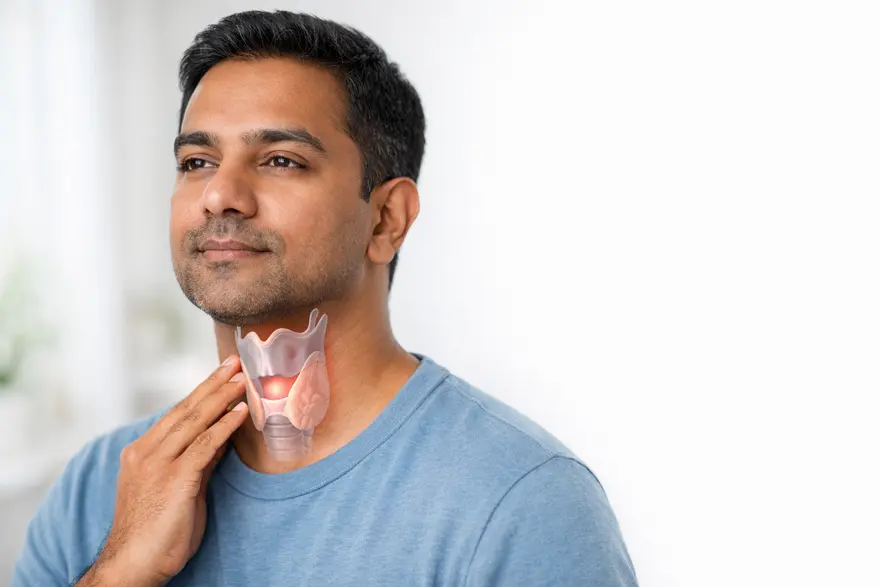
Adam’s Apple: What It Is And Why It Varies
If you have ever noticed a small bump at the front of the throat, you may have wondered what it is and why it seems more visible in some people than others. This bump is commonly called the Adam’s apple. It is a normal part of throat anatomy and is linked to the voice box. Many people associate the Adam’s apple with men, but that is not entirely accurate. Everyone has the same basic throat structure, including the cartilage that forms this prominence. The main difference is that it becomes more visible in some people, especially after puberty. In most cases, this is completely normal. However, if you notice pain, swelling, or difficulty swallowing, it is best to get it checked by a doctor. What Is The Adam’s Apple? The Adam’s apple is the visible prominence at the front of the throat. The medical term for it is the laryngeal prominence. It is formed by the thyroid cartilage, which wraps around the larynx, also known as the voice box. You can think of it as a protective shield for the delicate structures involved in speech and breathing. In some people, this cartilage creates a noticeable bump. In others, it is less visible, even though the same structure is present. Where Is The Adam’s Apple Located? The Adam’s apple sits at the front of your neck, just above the thyroid gland and in front of the larynx. If you gently touch the middle of your throat while speaking or humming, you may feel movement in this area. Its exact appearance depends on your anatomy. Some people have a clearly visible prominence, while others only feel it rather than see it. What Is The Adam’s Apple Made Of? The Adam’s apple is made of thyroid cartilage. Cartilage is a strong yet flexible tissue that helps support and protect parts of the body. The thyroid cartilage is the largest cartilage in the larynx. It is formed by two plates that meet at the front of the neck. Where these plates join, they create the outward projection known as the Adam’s apple. What Does The Adam’s Apple Do? The main function of the Adam’s apple is to protect the larynx and vocal cords. These structures are essential for speaking, breathing, and swallowing safely. It also helps support the overall framework of the voice box. In medicine, this area can serve as an important external landmark during examination and certain emergency airway procedures. For most people, though, its everyday importance is simply protective. Why Is It Called The Adam’s Apple? The name Adam’s apple is not a medical term. It is believed to come from an old cultural and religious association linked to the story of Adam and the forbidden fruit. Over time, the term became widely used in everyday language. In clinical settings, doctors are more likely to refer to it as the laryngeal prominence or thyroid cartilage. Why Does The Adam’s Apple Vary In Size? The size of the Adam’s apple varies because people have different throat anatomy. The shape and angle of the thyroid cartilage differ from person to person, which affects how much it projects outward. Puberty also plays a major role. During adolescence, the larynx grows and changes under the influence of hormones. In some individuals, especially males, this growth is more pronounced, making the Adam’s apple easier to see. Neck structure, body build, and the amount of soft tissue in the area can also affect how visible it appears. A larger or smaller Adam’s apple is usually just a normal anatomical difference. It does not automatically say anything about your health. Adam’s Apple In Males And Females Both males and females have thyroid cartilage and a larynx. The difference is usually in how prominent the Adam’s apple looks after puberty. In many males, the larynx grows more during puberty, and the angle of the thyroid cartilage becomes sharper. This often makes the Adam’s apple more visible. In females, the same structure is present, but it is often less noticeable because the cartilage projects less. That said, there is a wide range of normal. Some women have a visible Adam’s apple, and some men have one that is barely noticeable. Does Everyone Have An Adam’s Apple? Yes, everyone has the structure that is commonly called the Adam’s apple. What differs is whether it stands out visibly on the outside of the neck. This is why it is not correct to say that only men have an Adam’s apple. The anatomy is present in all people. The prominence simply varies. Does The Adam’s Apple Affect Your Voice? The Adam’s apple is connected to changes in the voice, but it is not the only factor. During puberty, the larynx grows and the vocal cords become longer and thicker, which can contribute to a deeper voice. This is why a more visible Adam’s apple and voice deepening often happen around the same time. Still, the size of the Adam’s apple alone does not determine how your voice sounds. Voice quality depends on several factors, including the size and function of the larynx and vocal cords. Can The Adam’s Apple Change Over Time? Yes, it can become more noticeable at certain stages of life. The biggest change usually happens during puberty when the larynx grows. Later in life, age-related changes in cartilage may slightly alter how the area feels or looks. Body weight can also affect visibility. For example, if you lose weight, the Adam’s apple may appear more prominent because there is less soft tissue covering the neck. A gradual change is often harmless. A sudden new swelling, tenderness, or change in the area should not be ignored. Adam’s Apple And Gender Identity For some people, the appearance of the Adam’s apple is more than just an anatomical feature. It can affect how they feel about their face, neck, and gender expression. This may be especially relevant for transgender and gender-diverse individuals. Some people may feel uncomfortable with a prominent Adam’s apple and may wish to explore options to reduce its appearance. Others may not be concerned by it at all. Both experiences are valid. This is a personal issue, and any decisions around appearance or gender-affirming care should be discussed with a qualified specialist who can explain the risks, benefits, and expected outcomes clearly. Is Pain Or Swelling Of The Adam’s Apple Normal? A visible Adam’s apple on its own is usually normal. Pain, tenderness, or swelling in that area is different and deserves attention, especially if it does not go away. Sometimes the discomfort may not be coming from the cartilage itself. The throat, larynx, thyroid gland, or surrounding tissues may be inflamed or irritated, which can make the area around the Adam’s apple feel sore. Causes Of Adam’s Apple Pain Or Swelling Several issues can cause pain or swelling around the Adam’s apple area, including: Sore throat or throat infection Laryngitis, which is inflammation of the voice box Thyroid inflammation, also called thyroiditis Acid reflux that irritates the throat or oesophagus Enlarged thyroid gland, also known as goitre Local irritation after excessive voice use Less commonly, a growth or tumour in the throat or thyroid area Not every sore throat or swollen neck is serious. Even so, symptoms that persist, worsen, or return repeatedly should be evaluated. Medical Conditions Related To The Adam’s Apple The Adam’s apple itself is not usually the problem. More often, nearby structures cause symptoms in this region. Laryngitis can lead to throat discomfort, hoarseness, and tenderness around the larynx. Thyroiditis may cause pain and swelling lower in the front of the neck, which some people interpret as Adam’s apple pain. Goitre and thyroid nodules can also change the contour of the neck and create a feeling of fullness. In rare cases, more serious conditions such as thyroid cancer or laryngeal cancer may cause persistent swelling, voice changes, or trouble swallowing. That does not mean every symptom points to something serious, but ongoing symptoms should not be dismissed. If a doctor suspects a thyroid issue, they may recommend blood tests, imaging, or a tft test as part of the evaluation. Can The Adam’s Apple Be Reduced Or Altered? Yes, the Adam’s apple can be altered through surgery in selected cases. Some people seek this for cosmetic reasons or as part of gender-affirming care. A procedure may reduce the visible prominence of the thyroid cartilage. This should only be considered after consultation with an experienced specialist, because the area is close to the vocal cords and other important structures. The aim is not only appearance but also preserving normal voice and airway function. Surgery is not needed for a naturally prominent Adam’s apple unless it is causing emotional distress or forms part of a carefully considered treatment plan. When To See A Doctor You should seek medical advice if you notice: Persistent pain or tenderness in the front of the throat Swelling that does not settle A new lump in the neck Hoarseness or voice changes that last more than a few weeks Trouble breathing Fever with throat pain or neck swelling Unexplained weight loss Symptoms that keep returning It is always better to check symptoms early, especially when the throat, voice, or thyroid area is involved. Conclusion The Adam’s apple is a normal part of your throat anatomy. It is made of thyroid cartilage, protects the voice box, and becomes more visible in some people than in others. Its size can vary with puberty, hormones, and natural body structure. That variation is usually nothing to worry about. What matters most is not how prominent it looks, but whether you develop symptoms such as pain, swelling, voice change, or swallowing problems. If you do, timely medical advice can help identify the cause and guide the next steps. If you need a medical evaluation for throat or thyroid-related concerns, Metropolis Healthcare offers access to 4,000+ tests, expert-led diagnostics, convenient home sample collection, and easy booking through the website, app, call, or WhatsApp. This can make it simpler to take the next step with confidence. FAQs What Is The Adam’s Apple Made Of? The Adam’s apple is made of thyroid cartilage, which is part of the larynx or voice box. It is a strong, flexible structure that helps protect the vocal cords. Why Do Men Have A Bigger Adam’s Apple? Men often develop a more prominent Adam’s apple during puberty because the larynx grows more under the influence of hormones. This change can also happen alongside voice deepening. Can Women Have An Adam’s Apple? Yes, women also have the same thyroid cartilage and laryngeal structure. It is often less visible, but some women do have a noticeable Adam’s apple. Does The Adam’s Apple Affect Voice? It is linked to voice change because it reflects growth of the larynx during puberty. However, voice depends on the size and function of the larynx and vocal cords, not just the visible prominence. Is Swelling Of The Adam’s Apple Serious? It can be harmless in some cases, but persistent swelling should be checked. Inflammation, thyroid problems, infection, or other conditions in the throat or neck can cause swelling in that area. References Lungova V, Thibeault SL. Mechanisms of larynx and vocal fold development and pathogenesis. Cell Mol Life Sci. 2020;77(19):3781-3795. PMID: 32253462. Zamponi V, Mazzilli R, Mazzilli F, Fantini M. Effect of Sex Hormones on Human Voice Physiology: From Childhood to Senescence. Hormones (Athens). 2021;20(4):691-696. PMID: 34046877. Glikson E, Sagiv D, Eyal A, Wolf M, Primov-Fever A. The Anatomical Evolution of the Thyroid Cartilage From Childhood to Adulthood: A Computed Tomography Evaluation. Laryngoscope. 2017;127(10):E354-E358. PMID: 28608401. Sturm A, Chaiet SR. Chondrolaryngoplasty: Thyroid Cartilage Reduction. Facial Plast Surg Clin North Am. 2019;27(2):267-272. PMID: 30940393. Schouela N, Woo MY, Pan A, Cheung WJ, Perry JJ. Perceived Versus Actual Cricothyroid Membrane Landmarking Accuracy by Emergency Medicine Residents and Staff Physicians. CJEM. 2020;22(4):523-527. PMID: 32038001. Bindra A, Braunstein GD. Thyroiditis. Am Fam Physician. 2006;73(10):1769-1776. PMID: 16734054.

Collarbone: Anatomy, Fracture Symptoms & Healing
Your collarbone, also called the clavicle, is a small but important bone that helps your shoulder move smoothly and stay stable. You have one collarbone on each side of your upper chest. Even though it is slender, it plays a major role in how your arm connects to the rest of your body. Because the collarbone sits close to the skin and takes force during falls or direct impact, it is also one of the bones most likely to get injured. A collarbone fracture can be painful and alarming, but with timely diagnosis and the right care, many people recover well. What Is The Collarbone? The collarbone is a long, slightly curved bone that connects your arm to your trunk. The medical term for it is the clavicle. It forms part of the shoulder girdle and helps hold your shoulder in the right position. This support allows you to lift, reach, push, and pull with better control. Where Is The Collarbone Located? The collarbone sits at the base of your neck and runs across the top of your chest. It connects the breastbone in the centre of your chest to the shoulder blade on the outer side. Because it lies just under the skin, you can usually feel it easily. In many people, it is also clearly visible. Anatomy Of The Collarbone The clavicle has a gentle S shape. It has three main parts: The inner end, which joins the breastbone The middle shaft, which is the long central part The outer end, which joins the shoulder blade The inner end forms the sternoclavicular joint, and the outer end forms the acromioclavicular joint. Strong ligaments help keep these joints stable. Several muscles also attach to the collarbone, including muscles that help move your shoulder, chest, and neck. This is why even a small injury in this area can affect how comfortably you move your arm. What Does The Collarbone Do? The collarbone function is more important than many people realise. It helps: Support your shoulder Keep your arm positioned away from your chest for better range of movement Transfer force from your arm to the rest of your skeleton Protect nerves and blood vessels that pass underneath it In simple terms, the collarbone acts like a brace that helps your shoulder work efficiently. Common Collarbone Injuries And Conditions The most common problem affecting the collarbone is a fracture. This usually happens after trauma, such as a fall or a sports injury. Other conditions can also affect the clavicle, including: Shoulder separation involving the acromioclavicular joint Osteoarthritis in nearby joints Overuse-related pain around the outer end of the clavicle Rarely, infection or bone tumours For most readers, the main concern is usually a broken collarbone. What Is A Collarbone Fracture? A collarbone fracture means the bone has cracked or broken. The break may be small and stable, or the bone pieces may shift out of place. Some fractures happen in one clean line, while others are more complex and involve multiple fragments. The exact pattern affects treatment and healing. Causes Of Collarbone Fractures Most collarbone fractures happen because of trauma. Common causes include: Falling directly onto the shoulder Falling onto an outstretched hand A direct blow during contact sports Road traffic accidents Less commonly, birth-related injury in newborns The collarbone is designed to transmit force, so when a sudden impact travels through the shoulder, this bone may break. Symptoms Of A Collarbone Fracture Collarbone fracture symptoms usually appear quickly after the injury. Common signs include: Sudden pain over the collarbone Swelling and tenderness Bruising Difficulty moving the arm A grinding or clicking feeling A visible bump or deformity The shoulder looking lower or more forward than usual These are common bone fracture symptoms that should not be ignored, especially after a fall or direct hit. Types Of Collarbone Fractures Doctors often describe collarbone fractures by where they happen: Middle third fractures: These occur in the central part of the bone and are the most common Lateral third fractures: These happen closer to the shoulder Medial third fractures: These occur near the breastbone and are less common Fractures may also be called: Non-displaced: The bone is broken but still in line Displaced: The broken ends have moved out of alignment Comminuted: The bone has broken into more than two pieces How A Collarbone Fracture Is Diagnosed If you have pain, swelling, or deformity after an injury, a doctor will usually ask how the injury happened and examine your shoulder, arm, and collarbone. Early diagnosis matters because it helps confirm the type of fracture and guides the best treatment plan. It also helps identify more serious injuries involving nearby nerves, blood vessels, or the skin. Tests To Check For Clavicle Conditions An X-ray is the most common test used to confirm a collarbone fracture. In more complex cases, your doctor may also request an MRI or a CT scan for a more detailed view. These tests can also help assess other clavicle conditions if the problem is not a straightforward fracture. Treatment Options For Collarbone Fracture Treatment depends on where the bone is broken, how much it has moved, your age, your activity level, and whether nearby tissues are affected. Many collarbone fractures can be treated without surgery. Non-surgical treatment may include: A sling to support the arm Rest and activity restriction Ice packs to reduce swelling Pain relief medicines Gentle exercises at the right stage of recovery Surgery may be considered if the fracture is badly displaced, the skin is under pressure, the bone has pierced the skin, or the injury involves important nearby structures. In these cases, the bone may be fixed with plates, screws, or other devices. Healing Time For A Collarbone Fracture Healing time varies, but many adults recover in around 6 to 8 weeks. Children often heal faster. Even when the bone starts healing within this period, returning to heavy lifting, contact sports, or intense upper body exercise may take longer. Your recovery time depends on the severity of the fracture and how well your rehabilitation progresses. Recovery And Rehabilitation Recovery does not end when the pain starts to settle. Once your doctor says it is safe, you may need to begin gentle movements to prevent stiffness and rebuild strength. Recovery and rehabilitation may include: Gradual shoulder exercises Range of movement work Strengthening exercises later on Follow-up checks to make sure healing is progressing well It is important not to rush back into strenuous activity too early. Doing too much too soon can delay recovery or worsen the injury. Possible Complications Most people heal well, but complications can happen in some cases. These may include: Delayed healing Bone healing in a poor position Ongoing pain Stiffness or weakness A noticeable lump at the fracture site Rarely, injury to nearby nerves or blood vessels This does not mean complications are common, but it does mean proper follow-up is important. Can A Collarbone Fracture Heal Improperly? Yes, a collarbone fracture can sometimes heal improperly. If the bone heals in the wrong position, this is called malunion. If it does not heal fully, this is called nonunion. This is more likely in some displaced fractures or when healing is disrupted. Signs that healing may not be progressing normally include ongoing pain, persistent weakness, or poor shoulder function after the expected recovery period. How To Prevent Collarbone Injuries You cannot prevent every accident, but you can reduce your risk with a few practical steps: Wear protective gear during contact sports Improve balance and home safety to help prevent falls Use proper technique during sport and exercise Maintain bone strength through regular activity and good nutrition Address issues such as vitamin D deficiency if your doctor identifies them Healthy bones are better able to cope with stress and recover after injury. When To See A Doctor You should seek medical care if you have: Severe pain after a fall or blow to the shoulder Swelling or bruising over the collarbone A visible bump or deformity Difficulty moving your arm Tingling, numbness, or weakness in the arm or hand Skin stretched tightly over the bone Breathing difficulty or chest symptoms after trauma A broken collarbone should be assessed promptly so that the injury is treated correctly from the start. Conclusion Your collarbone is a key part of shoulder movement and upper body support. It connects your shoulder to your chest, helps protect important structures underneath, and allows your arm to move more freely. Because of its position, it is also vulnerable to injury, especially fractures after falls or direct impact. The good news is that many collarbone fractures heal well with the right diagnosis, support, and follow-up care. If you notice pain, swelling, a visible deformity, or trouble moving your arm after an injury, do not delay medical attention. If your doctor advises blood tests as part of bone health assessment or recovery support, Metropolis Healthcare offers 4,000+ tests, expert-led diagnostics, convenient home sample collection, and easy booking through the website, app, call, or WhatsApp, making it easier for you to take the next step with confidence. FAQs How Long Does A Collarbone Fracture Take To Heal? Many adults heal in around 6 to 8 weeks, while children often heal faster. Full recovery for sport or heavy lifting may take longer. Can A Collarbone Fracture Heal Without Surgery? Yes, many collarbone fractures heal without surgery. A sling, pain relief, rest, and guided exercises are often enough for stable fractures. Is A Broken Collarbone Serious? It can be serious depending on the type of break and whether nearby tissues are affected. Even when the injury is not severe, it still needs proper assessment and treatment. Can You Move Your Arm With A Broken Collarbone? You may still be able to move it a little, but movement is often painful and limited. Trying to use the arm too much can worsen discomfort. Does A Collarbone Fracture Leave A Bump? Yes, it can. A bump may appear where the bone heals. In many cases it becomes less noticeable over time, though some people continue to have a visible lump. References Toogood P, Horst P, Samagh S, Feeley BT. Clavicle fractures: a review of the literature and update on treatment. Phys Sportsmed. 2011;39(3):142-150. PMID: 22030950. van der Meijden OA, Gaskill TR, Millett PJ. Treatment of clavicle fractures: current concepts review. J Shoulder Elbow Surg. 2012;21(3):423-429. PMID: 22063756. Ropars M, Thomazeau H, Huten D. Clavicle fractures. Orthop Traumatol Surg Res. 2017;103(1 Suppl):S53-S59. PMID: 28043849. Frima H, van Heijl M, Michelitsch C, van der Meijden O, Beeres FJP, Houwert RM. Clavicle fractures in adults; current concepts. Eur J Trauma Emerg Surg. 2020;46(3):519-529. PMID: 30944950.

Omega-3 Capsule Benefits: Uses, Best Time To Take, And Daily Dosage
Omega-3 fatty acids are healthy fats that your body needs but cannot make in enough amounts on its own. You can get them from foods such as oily fish, walnuts, chia seeds, and flaxseeds. But if your diet does not regularly include these foods, omega 3 capsules can be a practical way to improve your intake. Many people take omega 3 fatty acid capsules for general wellness, heart support, brain health, and joint comfort. At the same time, it is important to keep expectations realistic. Omega-3 capsules can support health, but they are not a cure-all and they should not replace a balanced diet, medical treatment, or professional advice. What Are Omega-3 Fatty Acids? Omega-3 fatty acids are a group of essential fats that play an important role in many body functions. They are found in cell membranes throughout your body and are especially important in the brain, eyes, heart, and blood vessels. The body can make only very small amounts of some forms from others, so regular dietary intake matters. This is why omega-3-rich foods, and in some cases supplements, are commonly recommended as part of a healthy lifestyle. Types Of Omega-3 In Capsules ALA ALA, or alpha-linolenic acid, is found mainly in plant foods such as flaxseeds, chia seeds, and walnuts. EPA EPA, or eicosapentaenoic acid, is mainly found in marine sources. It is commonly linked with heart health and inflammation support. DHA DHA, or docosahexaenoic acid, is also mainly found in marine sources. It is a major structural fat in the brain and retina. Most omega 3 capsules and fish oil supplements mainly provide EPA and DHA. Some vegetarian products use algal oil, which is a plant-based source of DHA and sometimes EPA. What Do Omega-3 Capsules Do In The Body? Omega-3 capsules help supply fats that are involved in cell structure, chemical signalling, and normal body function. They support healthy cell membranes and play a role in the heart, blood vessels, brain, eyes, and immune system. They are also often described as anti-inflammatory fatty acids because they are involved in pathways that help regulate the body’s inflammatory response. That does not mean they work like painkillers, but it does help explain why they are studied in areas such as heart health, joint discomfort, and recovery. 10 Health Benefits Of Omega-3 Capsules Support Heart Health Omega-3 capsules are widely used for heart health support. The clearest benefit is their ability to help lower triglyceride levels, which are a type of fat in the blood. This is one reason doctors may discuss omega-3 intake when reviewing lipid health. Help Manage High Triglycerides This is one of the better-supported uses of omega-3 supplementation. While over-the-counter supplements are not the same as prescription omega-3 products, EPA and DHA are known to help reduce triglyceride levels when used appropriately. Support Brain Function DHA is a structural part of the brain, so adequate omega-3 intake matters for normal brain function. This is one reason omega-3s are often discussed in relation to memory, focus, and long-term cognitive health. May Support Mental Wellbeing Some research suggests omega-3 supplementation may help improve depressive symptoms in some adults, especially when intake is otherwise low. However, omega-3 capsules should be seen as supportive, not as a replacement for proper mental health care. May Help With Joint Comfort Because omega-3s are involved in inflammation regulation, they may help with joint comfort in some people. If you already have joint pain or arthritis symptoms, supplements may be a useful addition to your wider care plan, but they should not replace medical advice or treatment. Support Eye Health DHA is present in high amounts in the retina, which is why omega-3s are often linked with eye health. Their role in eye structure is clear, even though supplement studies for specific eye conditions have shown mixed results. May Support Skin Health Omega-3s may support the skin barrier, hydration, and overall skin comfort. This is one reason they are sometimes discussed in relation to dry or easily irritated skin. May Support Better Sleep Some studies suggest omega-3 intake may support sleep quality, although the evidence is not equally strong across all age groups and all sleep problems. It is best to think of this as a possible supportive benefit rather than a guaranteed effect. Support Pregnancy And Early Development DHA is important during pregnancy because it contributes to early brain and eye development. If you are pregnant, planning pregnancy, or breastfeeding, it is best to discuss the right supplement type and dose with your doctor before starting. May Support Exercise Recovery Omega-3 capsules are also used by physically active people who want support with recovery after training. Their role in inflammation regulation may help with post-exercise soreness and recovery in some situations. Best Time To Take Omega-3 Capsules There is no single perfect time that suits everyone. The best time to take omega 3 capsules is the time you can take them consistently. For many people, taking omega 3 capsules with a meal works best. This may improve comfort and make the supplement easier to tolerate. Morning or night can both be fine, as long as you take them regularly. Why Taking Omega-3 With Food Is Better Taking omega-3 capsules with food may help reduce side effects such as fishy burps, mild nausea, or stomach discomfort. Many people also find that taking them with a main meal helps them remember the habit more easily. Can You Take Omega-3 On An Empty Stomach? You can, but it may not suit everyone. Some people notice more burping, reflux, or stomach upset when they take omega-3 capsules without food. If that happens to you, try taking them after breakfast, lunch, or dinner instead. How Much Omega-3 Should You Take Daily? There is no single official recommended daily amount for EPA and DHA that applies to every healthy adult. The right dose depends on your diet, your health goal, and the specific product you are using. It is also important to read the label carefully. One capsule may contain much less EPA and DHA than you expect. The fish oil amount and the actual EPA and DHA amount are not always the same. Recommended Dosage For General Health For general wellness, many products are formulated to provide around 250 to 500 mg of combined EPA and DHA per day. Some people may need more under medical supervision, especially for specific lipid issues. You should avoid increasing your dose casually just because a product is labelled as stronger or more concentrated. Higher amounts are not always better, and they may not be suitable if you take certain medicines. Are Omega-3 Capsules Better Than Food Sources? Food should usually come first. Oily fish, nuts, and seeds provide omega-3s along with other nutrients that support overall health. Capsules can still be useful if you do not eat fish, follow a restricted diet, dislike seafood, or need a more reliable routine. They are best viewed as a supplement to your diet, not a substitute for healthy eating. Possible Side Effects Of Omega-3 Capsules Most side effects are mild. Common ones include: Fishy aftertaste Burping Mild nausea Stomach discomfort Loose stools in some people These effects are often easier to manage when you take the capsule with food. If symptoms continue, you may need to review the product quality, dose, or formulation. Who Should Avoid Omega-3 Capsules? You should speak to a doctor before taking omega-3 capsules if you: Take blood thinners or medicines that affect clotting Have a bleeding disorder Have a fish or shellfish allergy, depending on the product source Are preparing for surgery Are pregnant or breastfeeding Have a long-term medical condition and take regular medicines This is especially important if you are already being assessed for other nutritional concerns such as vitamin D deficiency, because your doctor may want to review your overall supplement plan rather than adding products one by one. How To Choose Omega-3 Capsules When choosing omega 3 capsules, look beyond the front label. Check: The actual EPA and DHA amount per serving The source, such as fish oil or algal oil Purity and quality testing Whether the product suits your dietary needs Whether the dose fits your health goal A product with a very large total fish oil number is not automatically better if the EPA and DHA content is low. Conclusion Omega-3 capsules can be a useful addition to your routine when your diet does not provide enough omega-3-rich foods. They may support heart health, brain function, eye health, skin health, joint comfort, and overall wellbeing. The strongest supplement evidence is for helping lower triglycerides, while other benefits are often more modest and depend on the person, the dose, and the reason for use. The best approach is to treat omega-3 supplements as part of a bigger health picture that includes balanced meals, movement, good sleep, and appropriate medical care. If you take regular medicines, are pregnant, or are choosing supplements for a specific health concern, it is sensible to get professional advice first. If your doctor recommends nutritional evaluation as part of your health plan, Metropolis Healthcare offers a wide range of diagnostic tests, convenient home sample collection, and easy booking through the website, app, call, or WhatsApp, helping you take the next step with confidence. FAQs Is It Safe To Take Omega-3 Capsules Daily? For many people, daily use is generally well tolerated when taken as directed. But if you take blood thinners, have bleeding concerns, or are pregnant, you should check with your doctor first. How Long Does Omega-3 Take To Show Benefits? It depends on why you are taking it. Some people notice better tolerance or routine within days, but measurable changes in omega-3 levels and health effects usually take several weeks or longer. Can Omega-3 Cause Weight Gain? Omega-3 capsules are not usually taken in amounts that would directly cause weight gain. They still contain calories, but when used as directed they are not generally considered a cause of unwanted weight gain. Are Omega-3 Capsules Good For Skin? They may help support skin hydration, the skin barrier, and overall skin comfort. Results vary from person to person, so it is best to think of them as supportive rather than a quick fix. Should Omega-3 Be Taken In The Morning Or Night? Morning or night can both work. What matters more is taking your capsule consistently and, for many people, with food to improve comfort. References Khan SU, Lone AN, Khan MS, Virani SS, Blumenthal RS, Nasir K, Miller M, Michos ED, Ballantyne CM, Boden WE, Bhatt DL. Effect of Omega-3 Fatty Acids on Cardiovascular Outcomes: A Systematic Review and Meta-Analysis. EClinicalMedicine. 2021;38:100997. PMID: 34505026. Hu Y, Hu FB, Manson JE. Marine Omega-3 Supplementation and Cardiovascular Disease: An Updated Meta-Analysis of 13 Randomized Controlled Trials Involving 127,477 Participants. J Am Heart Assoc. 2019;8(19):e013543. PMID: 31567003. Nevins JEH, Donovan SM, Snetselaar L, Dewey KG, Novotny R, Stang J, Taveras EM, Kleinman RE, Bailey RL, Raghavan R, Obbagy JE, Butera G, Terry N. Omega-3 Fatty Acid Dietary Supplements Consumed During Pregnancy and Lactation and Child Neurodevelopment: A Systematic Review. J Nutr. 2021;151(11):3483-3494. PMID: 34383914. Dai Y, Liu J. Omega-3 Long-Chain Polyunsaturated Fatty Acid and Sleep: A Systematic Review and Meta-Analysis of Randomized Controlled Trials and Longitudinal Studies. Nutr Rev. 2021;79(8):847-868. PMID: 33382879. Deng W, Yi Z, Yin E, Lu R, You H, Yuan X. Effect of Omega-3 Polyunsaturated Fatty Acids Supplementation for Patients With Osteoarthritis: A Meta-Analysis. J Orthop Surg Res. 2023;18(1):381. PMID: 37226250. Norouziasl R, Zeraattalab-Motlagh S, Jayedi A, Shab-Bidar S. Efficacy and Safety of n-3 Fatty Acids Supplementation on Depression: A Systematic Review and Dose-Response Meta-Analysis of Randomised Controlled Trials. Br J Nutr. 2024;131(4):658-671. PMID: 37726108. Thomsen BJ, Chow EY, Sapijaszko MJ. The Potential Uses of Omega-3 Fatty Acids in Dermatology: A Review. J Cutan Med Surg. 2020;24(5):481-494. PMID: 32463305. Offman E, Marenco T, Ferber S, Johnson J, Kling D, Curcio D, Davidson M. Steady-State Bioavailability of Prescription Omega-3 on a Low-Fat Diet Is Significantly Improved With a Free Fatty Acid Formulation Compared With an Ethyl Ester Formulation: The ECLIPSE II Study. Vasc Health Risk Manag. 2013;9:563-573. PMID: 24124374.