Home Visit
 Upload







Web Stories





Latest Blogs
Cocoa Powder Benefits: What Science Says About This Antioxidant-Rich Superfood
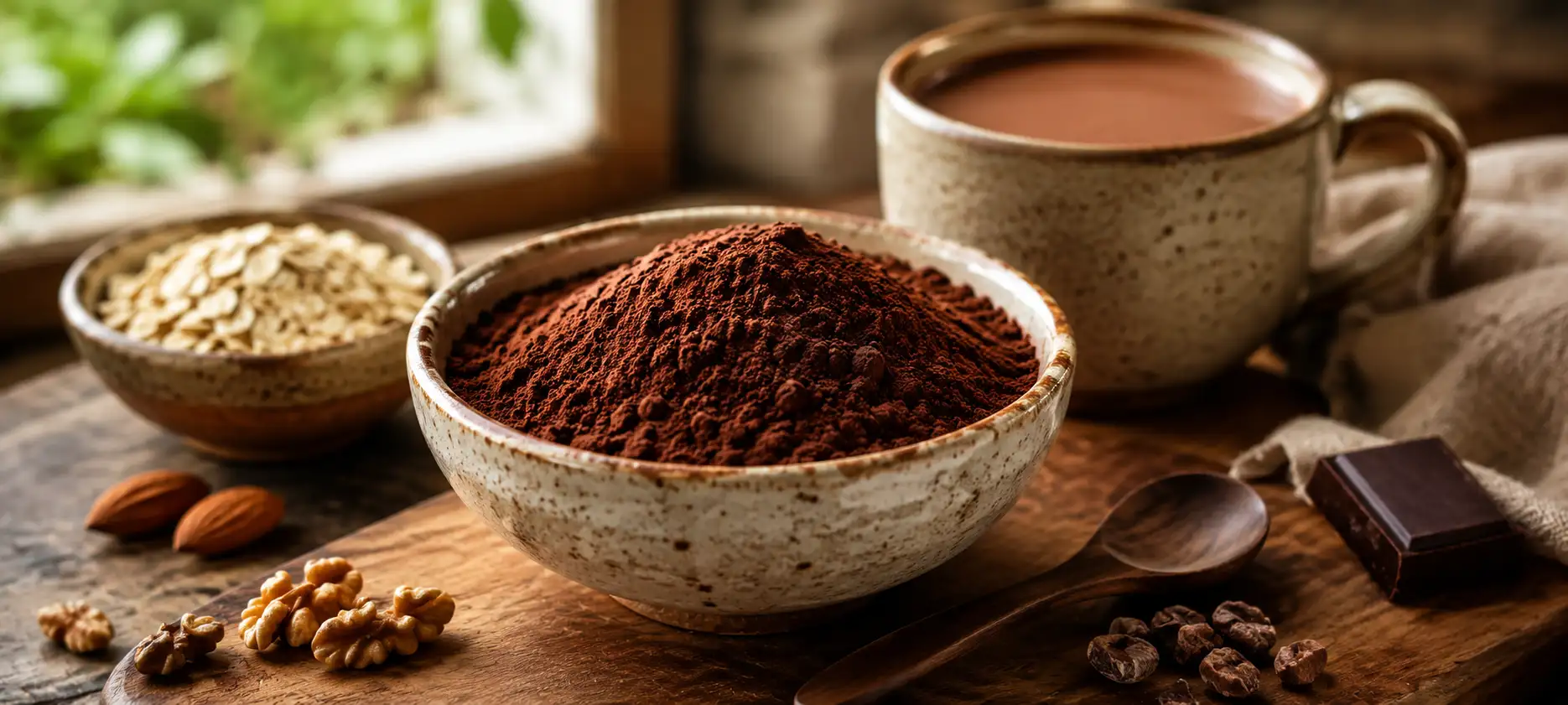
What Is Cocoa Powder And How Is It Made? Cocoa powder is made from the beans of the cacao tree, Theobroma cacao. These beans grow inside the cocoa fruit, a pod-like fruit filled with seeds and soft pulp. After harvesting, the beans are fermented, dried, roasted and pressed to remove much of the cocoa butter. The remaining solids are ground into a fine brown powder. Pure cocoa powder is different from sweetened drinking mixes. It has no added sugar and has a deep, slightly bitter taste. You can use it in warm drinks, smoothies, oats, baked foods and desserts. The main cocoa powder benefits come from flavanols, a group of plant compounds with antioxidant action. It also provides fibre, magnesium, iron, potassium and zinc. Natural unsweetened varieties usually retain more flavanols than heavily processed Dutch-processed varieties. Dark chocolate also contains cocoa solids, but it usually includes sugar and cocoa butter. This makes cocoa powder a more flexible option when you want rich flavour with better control over sugar and calories. Cocoa Powder Nutrition: Key Nutrients In Cocoa Cocoa powder nutrition is useful because even a small serving provides minerals and fibre. The values below are approximate for one tablespoon of unsweetened cocoa powder. Nutrient Approximate Amount Cocoa powder calories 12 calories Carbohydrate 3 g Fibre 2 g Protein 1 g Fat Less than 1 g Iron 0.7 mg Magnesium 26 mg Potassium 82 mg Phosphorus 40 mg Cocoa powder nutrition can vary by brand and processing method. Check the label carefully because some products contain added sugar, milk solids or flavouring. Top 5 Health Benefits Of Cocoa Powder The best cocoa powder benefits are linked with pure, unsweetened use in moderate portions. It can support a healthy diet, but it cannot replace medical care. Supports Heart Health One of the most studied cocoa powder benefits is heart support. Cocoa flavanols may help the body produce nitric oxide. This helps blood vessels relax and may support healthy blood flow and blood pressure. Provides Antioxidant Support Cocoa is rich in polyphenols. These antioxidants help fight free radicals that can damage cells. This is why cocoa powder benefits are often linked with reduced oxidative stress and inflammation. May Support Brain Function Cocoa flavanols may improve blood flow to the brain. This may help support attention, memory and mental performance, especially when your overall lifestyle is healthy. May Support Mood Cocoa contains theobromine and other natural compounds. Some studies suggest cocoa-rich foods may support mood in the short term. This is one of the cocoa powder benefits many people notice because the taste can also feel comforting. May Help Weight Management Cocoa powder gives a strong flavour with very few calories when used without sugar. Fibre may also help you feel full. These cocoa powder benefits are useful only when your total diet supports a healthy calorie balance. Overall, cocoa powder benefits are strongest when you avoid excess sugar, cream, syrup and highly processed mixes. Cocoa Powder Calories And How To Use It In Your Diet Cocoa powder calories are low compared with many sweetened cocoa-based foods. One tablespoon has about 12 calories. This makes it useful when you want a rich taste without turning your snack or drink into a high-sugar choice. You can add cocoa powder to milk, curd, oats, smoothies or homemade energy bites. You can also sprinkle it over banana, strawberries or nuts. For a warm drink, mix it with milk and a small amount of jaggery, dates or another sweetener if needed. The cocoa powder benefits reduce when the drink is loaded with sugar, cream or sweet syrups. Keep portions small and pair it with protein, fibre or healthy fats for better satiety. How Many Calories Are In Cocoa Powder? One teaspoon has about 4 calories. One tablespoon has about 12 calories. Two tablespoons have about 24 calories. Sweetened mixes can have many more calories. Calories increase when you add full-fat milk, cream, sugar or chips. Cocoa powder calories should be seen along with product quality. Unsweetened products give you better control over taste, sugar and total energy intake. Cocoa Powder: How To Choose The Best Type Choose natural unsweetened cocoa powder for regular use. It usually has a sharper taste and lighter colour, but it may retain more flavanols. Dutch-processed cocoa is treated to reduce acidity and create a smoother taste. It works well in baking, but processing may reduce some antioxidant content. Read the ingredient list. The best product should contain only cocoa. Avoid products with added sugar, artificial flavours or hydrogenated fats if your goal is health. If you enjoy Dark chocolate, choose a higher cocoa percentage and keep the portion small. Dark chocolate can fit into a balanced diet, but it is more calorie-dense than cocoa powder. Cocoa products can sometimes contain traces of heavy metals from soil or processing. This is not a reason to panic. It simply means you should avoid overuse, choose trusted brands and eat a varied diet. Cocoa powder comes from the cocoa fruit, but it is still a concentrated ingredient. Use it for flavour and nutrients while continuing to eat fruits, vegetables, pulses, nuts and whole grains. Conclusion Cocoa powder benefits your diet by adding antioxidants, minerals, fibre and a rich taste with very few calories. It may support heart health, brain function, mood and weight management when used in its pure, unsweetened form. Good nutrition works best when paired with preventive health tracking. Metropolis Healthcare offers full body checkups, speciality testing, 4,000 tests, home sample collection, quick turnaround time and reliable reports. With easy booking through the website, app, call and WhatsApp, Metropolis Healthcare helps you stay informed about your health markers while you build better daily habits. FAQ Is Cocoa Powder Good For Weight Loss? Cocoa powder can support weight loss when it replaces high-sugar drinks or desserts. It is low in calories and has a rich taste. Still, cocoa powder benefits weight management only when your overall diet, activity, sleep and health status are aligned. Can Cocoa Powder Help With Anxiety? Cocoa powder may support mood because it contains flavanols, theobromine and other natural compounds. However, it is not a treatment for anxiety. If anxiety affects your sleep, work or daily routine, speak to a mental health professional. What Is The Difference Between Dark Chocolate And Cocoa Powder? Cocoa powder is made from cocoa solids after much of the cocoa butter is removed. Dark chocolate contains cocoa solids, cocoa butter and usually sugar. So, one is richer, while the other gives more control over sugar and fat. Can I Drink Cocoa Powder With Milk? Yes, you can drink cocoa powder with milk. Mix it with warm or cold milk and keep added sugar low. You can also use toned milk, unsweetened plant milk or curd-based smoothies, depending on your preference. References Ried K, Fakler P, Stocks NP. Effect of cocoa on blood pressure. Cochrane Database Syst Rev. 2017;4:CD008893. PMID: 28439881. Fraga CG, Litterio MC, Prince PD, Calabró V, Piotrkowski B, Galleano M. Cocoa flavanols: effects on vascular nitric oxide and blood pressure. J Clin Biochem Nutr. 2011;48(1):63-67. PMID: 21297914. Mastroiacovo D, Kwik-Uribe C, Grassi D, et al. Cocoa flavanol consumption improves cognitive function, blood pressure control, and metabolic profile in elderly subjects. Am J Clin Nutr. 2015;101(3):538-548. PMID: 25733639. Fusar-Poli L, Gabbiadini A, Ciancio A, Vozza L, Signorelli MS, Aguglia E. The effect of cocoa-rich products on depression, anxiety, and mood: A systematic review and meta-analysis. Crit Rev Food Sci Nutr. 2022;62(28):7905-7916. PMID: 33970709. Hands JM, Anderson ML, Cooperman T, et al. A multi-year heavy metal analysis of 72 dark chocolate and cocoa products in the USA. Front Nutr. 2024;11:1366231. PMID: 39144282.

15 Butterfly Pea Flower Benefits: Antioxidants, Brain Health, And Traditional Uses Reviewed
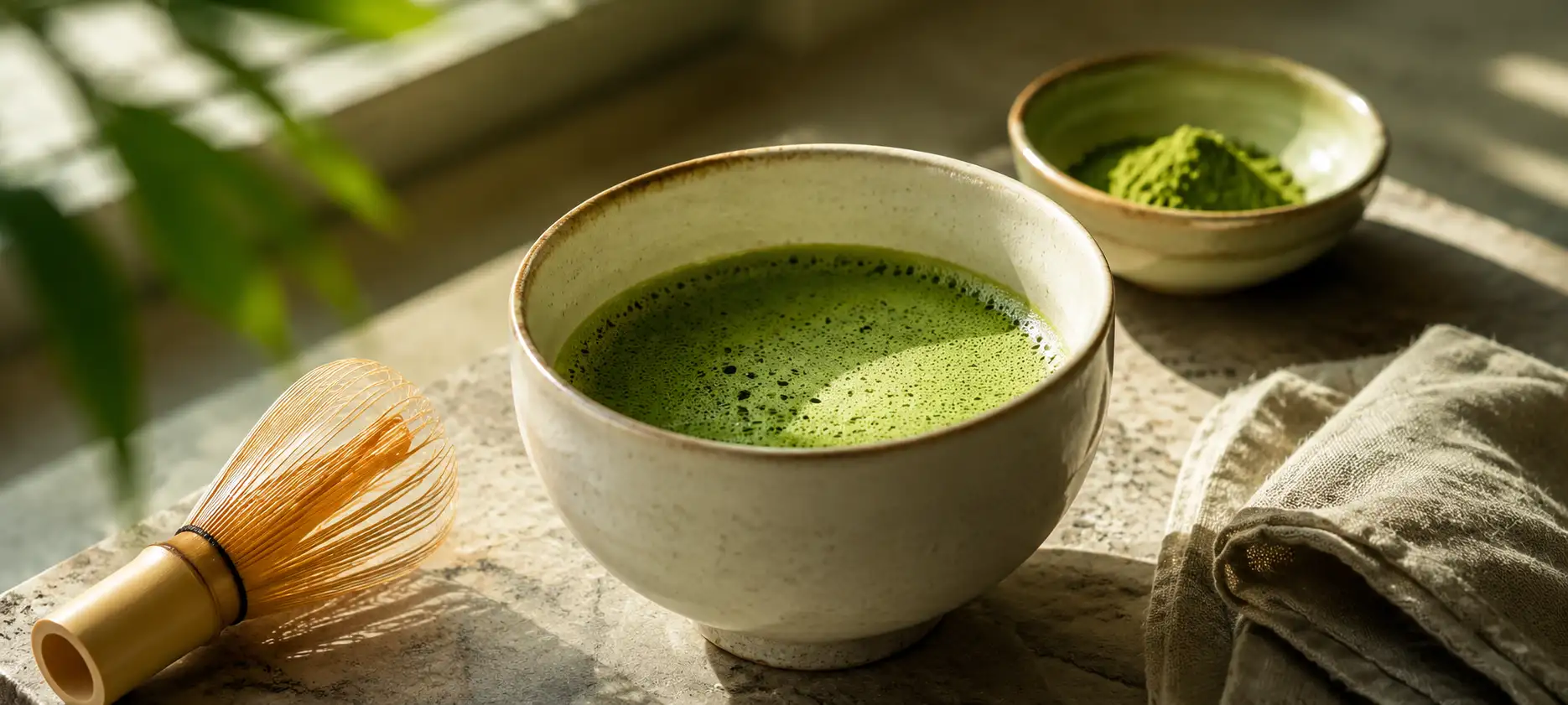
Butterfly pea flower is known for its bright blue colour, calming tea, and use in traditional wellness practices. Also called Clitoria ternatea, this flower is often used to make blue tea, a caffeine-free herbal drink with a mild earthy taste. Many butterfly pea flower benefits are linked to its natural plant compounds, especially anthocyanins. These are antioxidants that help protect your cells from oxidative stress. While butterfly pea flower is not a cure for any illness, it may support your overall wellness when used in moderation as part of a balanced lifestyle. What Is Butterfly Pea Flower? Butterfly pea flower is a tropical flowering plant with vivid blue petals. It is commonly used in India, Southeast Asia, and other parts of Asia as a herbal drink, natural food colour, and traditional remedy. The deep blue colour of butterfly pea flower comes from pigments called ternatins, a type of anthocyanin. When lemon or another acidic ingredient is added to butterfly pea flower tea, the colour can change from blue to purple or pink. This makes it popular in teas, coolers, smoothies, desserts, and wellness drinks. Butterfly pea flower is naturally caffeine-free. This means you can enjoy it during the day or evening without the stimulating effect of regular tea or coffee. Top 15 Health Benefits Of Butterfly Pea Flower Here are the top butterfly pea flower benefits you should know, along with what current understanding suggests. Rich In Antioxidants Butterfly pea flower contains anthocyanins, flavonoids, and phenolic compounds. These antioxidants help fight free radicals, which can damage cells over time. A diet rich in antioxidant foods may support healthy ageing and general wellness. May Support Brain Health In Ayurveda, butterfly pea flower has been used as a Medhya Rasayana, which refers to herbs traditionally used for memory and intellect. Early research suggests that compounds in Clitoria ternatea may influence brain chemicals linked to learning and memory. However, more human studies are needed. May Help You Feel Calm Butterfly pea flower tea is often used as a soothing drink. Since it is caffeine-free, it may help you relax without making you feel overstimulated. Many people enjoy butterfly pea flower tea in the evening as part of a calming routine. Supports Skin Health The antioxidants in butterfly pea flower may help protect skin cells from oxidative stress. This may support a fresher and healthier-looking complexion. It is also used in some skincare products for its colour and plant compounds. May Support Hair Health Butterfly pea flower has been used traditionally in hair care. Its bioflavonoids may support scalp health and healthy-looking hair. Some people use butterfly pea flower in herbal rinses, oils, or shampoos. May Help With Inflammation Balance Butterfly pea flower contains plant compounds with anti-inflammatory potential. This does not mean it can treat inflammatory diseases, but it may be a useful part of an overall anti-inflammatory diet that includes fruits, vegetables, nuts, seeds, and whole grains. May Support Blood Sugar Balance Some early studies suggest that butterfly pea flower extract may help reduce post-meal glucose and insulin spikes. This does not replace diabetes care, medicines, or regular monitoring. If you have diabetes or are taking medicines for blood sugar, speak to your doctor before using butterfly pea flower regularly. May Support Heart Wellness The antioxidants in butterfly pea flower may help protect blood vessels from oxidative stress. A heart-friendly lifestyle still depends on a balanced diet, regular movement, good sleep, stress control, and routine health checks. May Aid Digestion Butterfly pea flower tea is traditionally used as a gentle digestive drink. It may feel soothing after meals for some people. If you have ongoing acidity, bloating, loose stools, pain, or appetite changes, it is best to seek medical advice. May Support Eye Health Anthocyanins are often linked with eye and blood vessel health. Butterfly pea flower contains these pigments, so it may support eye wellness as part of a nutrient-rich diet. It should not be used as a treatment for vision problems. May Help With Hydration Butterfly pea flower tea can be a pleasant way to increase your fluid intake. You can drink it hot or cold. Try not to add too much sugar, as that can reduce its wellness value. May Support Weight Management Efforts Butterfly pea flower is low in calories when consumed without sugar. It may be a better choice than sugary drinks. However, it does not directly cause weight loss. Healthy weight management still needs balanced meals, portion control, regular activity, and adequate sleep. Useful As A Natural Food Colour Butterfly pea flower is widely used as a natural blue colour in foods and drinks. It can add colour to rice, smoothies, lattes, desserts, ice cubes, and mocktails without synthetic colouring. May Support Liver And Detox Pathways Indirectly Butterfly pea flower is sometimes described as a detox drink. Your liver and kidneys already manage detoxification. Still, antioxidant-rich drinks can support a healthy lifestyle when they replace sugary beverages and are taken in moderation. Adds Variety To A Healthy Diet One of the practical butterfly pea flower benefits is that it makes healthy drinks more enjoyable. Its colour, mild taste, and caffeine-free nature can help you reduce dependence on sugary or high-caffeine beverages. Butterfly Pea Flower Side Effects Butterfly pea flower is generally considered safe for most healthy adults when consumed in moderate amounts. However, butterfly pea flower side effects may occur in some people, especially with excess intake. Possible butterfly pea flower side effects include nausea, stomach discomfort, loose stools, or allergic reactions. Stop using it if you notice itching, swelling, breathing difficulty, rash, or any unusual symptom. Pregnant and breastfeeding women should avoid regular use unless advised by a doctor, as there is not enough safety data. People taking medicines for diabetes, blood thinning, blood pressure, or chronic conditions should also speak to a healthcare professional before using butterfly pea flower often. Avoid eating the seeds or pods unless you are sure they are food-safe and properly prepared. The dried petals used for tea are the most common form. How To Use Butterfly Pea Flower In Your Diet You can add butterfly pea flower to your routine in simple ways: Butterfly Pea Flower Tea: Steep dried butterfly pea flower petals in hot water for five to ten minutes. Strain and drink plain, or add lemon and a small amount of honey. Iced Tea: Brew butterfly pea flower tea, cool it, and serve with mint, lemon, or ginger. Smoothies: Add cooled butterfly pea flower tea to fruit smoothies for colour and antioxidants. Lattes: Mix brewed butterfly pea flower with warm milk or plant milk. Rice And Desserts: Use brewed butterfly pea flower as a natural colour in rice dishes, puddings, or desserts. Infused Ice Cubes: Freeze brewed butterfly pea flower tea and add the cubes to water or lemonade. If you are trying it for the first time, start with a small amount. One cup a day is usually enough for most people. Avoid making it very concentrated or drinking many cups daily. For more details on this herbal drink, you can also explore Metropolis Healthcare’s guide on Blue Tea Benefits. Traditional Uses Of Butterfly Pea Flower Butterfly pea flower has a long history in traditional systems of medicine. In Ayurveda, it is known as Aparajita and has been used for memory, calmness, and general wellness. In Southeast Asia, butterfly pea flower is used in teas, rice dishes, desserts, and cosmetic preparations. Traditional use gives useful cultural context, but it does not always mean a benefit is proven in humans. Many studies on butterfly pea flower are early, lab-based, or animal-based. This is why it is best to use butterfly pea flower as a supportive wellness ingredient, not as a replacement for medical treatment. Conclusion Butterfly pea flower is a beautiful herbal ingredient with antioxidant value, traditional uses, and a calming caffeine-free profile. It may support wellness when used sensibly, but it should not replace medical care, prescribed medicines, or routine health checks. Your everyday habits matter. A balanced diet, good sleep, regular exercise, and preventive health screening can help you stay informed about your health. Metropolis Healthcare supports proactive wellness with full body checkups, 4,000 tests, speciality testing, home sample collection, quick turnaround time, accurate reports, and easy booking through the website, call, app, and WhatsApp. With a strong home collection network and 10,000 touchpoints, Metropolis makes routine health monitoring simple and accessible. FAQ What Are The Benefits Of Butterfly Pea Flower Tea? Butterfly pea flower tea may support antioxidant intake, relaxation, hydration, and overall wellness. It is caffeine-free and may be a good alternative to sugary drinks. Some early research also suggests possible support for brain health and blood sugar balance, but more human studies are needed. Can Butterfly Pea Flower Help With Weight Loss? Butterfly pea flower may support weight management only indirectly. If you drink unsweetened butterfly pea flower tea instead of sugary drinks, it can help reduce calorie intake. However, it is not a weight-loss treatment. Sustainable weight management depends on food habits, physical activity, sleep, stress control, and health monitoring. Is Butterfly Pea Flower Safe To Consume Daily? For most healthy adults, moderate intake of butterfly pea flower tea is usually safe. One cup a day is a reasonable amount for many people. However, daily use may not be suitable if you are pregnant, breastfeeding, allergic to similar plants, or taking medicines for diabetes, blood thinning, or chronic health concerns. References Oguis GK, Gilding EK, Jackson MA, Craik DJ. Butterfly Pea (Clitoria ternatea), a Cyclotide-Bearing Plant With Applications in Agriculture and Medicine. Front Plant Sci. 2019;10:645. Mukherjee PK, Kumar V, Kumar NS, Heinrich M. The Ayurvedic medicine Clitoria ternatea: From traditional use to scientific assessment. J Ethnopharmacol. 2008;120(3):291-301. Jain NN, Ohal CC, Shroff SK, Bhutada RH, Somani RS, Kasture VS, Kasture SB. Clitoria ternatea and the CNS. Pharmacol Biochem Behav. 2003;75(3):529-536. U.S. Food and Drug Administration. Butterfly Pea Flower Extract, Colour Additive Status. 2021.
10 Ice Apple (Tadgola) Benefits: Nutrition, Hydration, And Summer Health Advantages
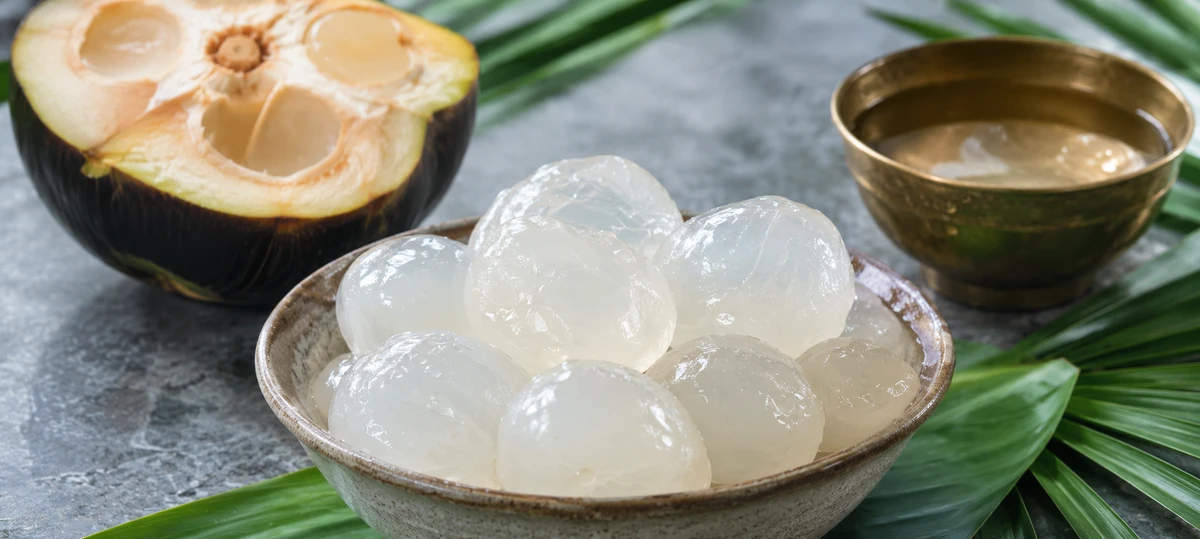
Ice apple, also known as Tadgola, is one of the most loved summer fruits in India. It is soft, juicy, mildly sweet, and cooling. Many people look forward to eating ice apple during the hot months because it feels refreshing and light on the stomach. If you have ever wondered what is ice apple, it is the jelly-like fruit found inside the Palmyra palm fruit. Ice apple fruit is known as Nungu in Tamil Nadu, Tadgola in Maharashtra, and Taal in some parts of India. Its high water content makes ice apple a natural summer snack that supports hydration and comfort during heat. Tadgola is also low in calories and contains useful nutrients such as potassium, calcium, iron, and small amounts of vitamins. While it is not a cure for any health condition, regular intake of ice apple in moderation can be a healthy addition to your summer diet. What Is Ice Apple (Tadgola)? Ice apple is the tender, translucent fruit found inside the Palmyra palm, scientifically known as Borassus flabellifer. It has a soft jelly-like texture and a mildly sweet taste. Tadgola is usually available in summer and is commonly sold fresh by local vendors. The ice apple fruit has a thin outer skin that is removed before eating. Inside, the fruit is cool, watery, and easy to chew. This makes ice apple a suitable choice for people who want a light and hydrating snack during hot weather. Tadgola is often eaten fresh, added to drinks, mixed into fruit bowls, or used in simple summer desserts. Since ice apple spoils quickly, it is best eaten fresh and hygienically handled. How Is Ice Apple Grown? Ice apple grows inside the fruit of the Palmyra palm tree. The Palmyra palm grows well in warm, tropical regions. The tree produces large, dark fruits during summer. Each fruit contains soft jelly-like seed sockets, which are eaten as Tadgola. The tender part is removed carefully from the hard outer shell. Fresh ice apple is usually sold soon after harvesting because it has a short shelf life. Fully mature parts of the fruit and ice apple seed are used differently in some traditional foods. Ice Apple Nutrition Profile Ice apple nutrition makes it a smart summer choice when eaten fresh and in the right quantity. Its biggest strength is its water content. Tadgola also offers natural sugars, a small amount of fibre, and minerals that may support hydration and general wellness. Nutrient Approximate Value Per 100 g Calories 40 to 45 kcal Water 85% to 95% Carbohydrates 9 to 11 g Protein Less than 1 g Fat Very low Fibre Around 1 g Potassium Moderate amount Calcium Small amount Iron Small amount Vitamin C Small amount These values can vary based on the size, freshness, and maturity of the ice apple fruit. Ice Apple Calories Ice apple calories are low when compared with many processed summer snacks. One medium ice apple may contain around 25 to 40 calories, depending on size. Around 100 g of Tadgola may provide about 40 to 45 calories. Ice apple has very little fat. It contains natural carbohydrates that offer quick energy. Its high water content can help you feel refreshed without feeling heavy. Because ice apple calories are low, Tadgola can fit well into a balanced diet. However, portion control is still important, especially if you have diabetes or need to monitor carbohydrate intake. Vitamins And Minerals In Ice Apple Tadgola is not a very high vitamin fruit, but it offers small amounts of useful nutrients. Potassium may support fluid balance in the body. Calcium supports bones and teeth as part of an overall healthy diet. Iron helps support normal red blood cell function. Vitamin C supports immune function and skin health. Natural plant compounds may add to the antioxidant value of ice apple. For best nutrition, eat ice apple with a varied diet that includes vegetables, pulses, whole grains, nuts, seeds, and other seasonal fruits. 10 Health Benefits Of Ice Apple Here are the top ice apple benefits that make Tadgola a popular summer fruit. Supports Hydration Ice apple has a high water content, which makes it useful during summer. Tadgola can help replace some fluids lost through sweating and may support better hydration when paired with enough water. Helps Cool The Body Ice apple is traditionally valued as a cooling fruit. Eating Tadgola fresh may help you feel more comfortable during hot weather. It can be a better choice than sugary cold drinks. May Support Electrolyte Balance Ice apple contains minerals such as potassium. Potassium helps maintain fluid balance and supports normal muscle and nerve function. This makes Tadgola a refreshing summer option after outdoor activity. Aids Digestion Ice apple contains water and a small amount of fibre. This combination may support smoother digestion and help reduce feelings of heaviness. Tadgola is also gentle for many people when eaten fresh and in moderation. May Help Manage Acidity And Heat Discomfort Many people eat ice apple to feel relief from summer-related stomach discomfort. Its cooling nature and high water content may help you feel lighter when your meals are simple and balanced. Supports Weight Management Ice apple benefits people who want a light snack. Tadgola is low in calories and high in water, which may help manage hunger between meals. It is best eaten plain, without added sugar or syrup. Provides Quick Natural Energy Ice apple contains natural carbohydrates. This can give you a gentle energy lift without the heaviness of fried snacks. Tadgola can be a good mid-morning or evening summer snack. May Support Skin Health Hydration is important for healthy skin. Since ice apple helps add fluids to your diet, it may support skin freshness during summer. Its small amount of vitamin C also supports normal collagen formation. May Support Urinary Comfort Due to its high water content, ice apple may support healthy fluid intake. Good hydration helps your body pass urine regularly. If you have burning urination, fever, or pain, speak to a doctor instead of relying only on Tadgola. Can Be A Pregnancy-Friendly Summer Fruit In Moderation Fresh Tadgola may be enjoyed during pregnancy if it is clean, fresh, and eaten in safe portions. It may help with hydration and light snacking. However, pregnant women should avoid stale or unhygienically cut ice apple and follow medical advice for their diet. How To Include Ice Apple In Your Diet Ice apple tastes best when eaten fresh. You can include Tadgola in simple ways. Eat fresh ice apple as a mid-morning snack. Add chopped Tadgola to a bowl of seasonal fruits. Blend ice apple with coconut water for a cooling drink. Add Tadgola to curd for a light summer bowl. Use ice apple in homemade popsicles without added sugar. Add it to a smoothie with banana or mango if you need more energy. Avoid adding too much sugar, condensed milk, or syrup. Do not eat ice apple that smells sour, feels sticky, or looks discoloured. If you have diabetes, kidney disease, digestive issues, or are on a restricted diet, ask your doctor or dietitian about the right portion for you. Ice Apple Seed: Benefits And Uses The term ice apple seed can refer to the tender jelly-like part eaten as Tadgola or the more mature seed found inside the Palmyra fruit. The tender ice apple seed is eaten fresh because it is soft, watery, and cooling. It provides hydration, mild sweetness, and a light texture. In some regions, the mature parts of the Palmyra fruit are used in traditional foods. However, the mature ice apple seed is not the same as the soft Tadgola you eat fresh. It may need proper preparation before use. For safety, it is best to eat fresh ice apple from clean sources and avoid experimenting with raw mature seeds unless prepared traditionally and hygienically. Conclusion Ice apple, or Tadgola, is a refreshing summer fruit that supports hydration, light digestion, and healthy snacking. The main ice apple benefits come from its high water content, low calories, and gentle natural sweetness. It is best eaten fresh, clean, and plain. Good health also depends on knowing your body from the inside. Along with a balanced diet, seasonal fruits, regular activity, and enough water, preventive health screening can help you stay informed about your key health markers. Metropolis Healthcare offers full body checkups, routine blood tests, speciality testing, home sample collection, quick turnaround time, and reliable reports. With easy booking through the website, app, call, and WhatsApp, Metropolis makes proactive health monitoring simple and convenient for you and your family. FAQ Is Ice Apple Good For Hydration? Yes, ice apple is good for hydration because it has a high water content. Tadgola can be a refreshing summer snack, especially when you are exposed to heat. Still, it should not replace plain water. Drink enough water through the day and use ice apple as an additional hydrating food. What Are The Side Effects Of Eating Ice Apple? Ice apple is usually safe when eaten fresh and in moderation. Eating too much Tadgola may cause stomach discomfort, loose stools, or bloating in some people. Stale or unhygienically handled ice apple can also increase the risk of stomach infection. Avoid ice apple if it smells fermented or has an unusual texture. How Many Calories Does One Ice Apple Contain? Ice apple calories depend on the size of the fruit. One medium ice apple may contain around 25 to 40 calories. Around 100 g of Tadgola usually provides about 40 to 45 calories. This makes ice apple a low-calorie summer fruit when eaten plain. Can Ice Apple Be Eaten During Pregnancy? Yes, ice apple can be eaten during pregnancy if it is fresh, clean, and consumed in moderation. Tadgola may help with hydration and can be a light summer snack. Pregnant women should avoid pre-cut fruit kept in the open for long hours. If you have gestational diabetes or any pregnancy-related concern, check with your doctor before adding ice apple regularly. References Longvah T, Ananthan R, Bhaskarachary K, Venkaiah K. Indian Food Composition Tables 2017. Hyderabad: National Institute of Nutrition, Indian Council of Medical Research; 2017. Hossain MS, et al. Nutritional and pharmacological properties of palmyra palm. Food Chemistry Advances. 2023. Pammi N, Bhukya KK, Lunavath R, Bhukya B. Bioprospecting of Palmyra Palm (Borassus flabellifer Linn.) Nectar: Unveiling the Probiotic and Therapeutic Potential of the Traditional Rural Drink. Front Microbiol. 2021;12:683996. PMID: 34262545.
Protein In Chicken: How Much You Get Per 100g And How Cooking Affects It
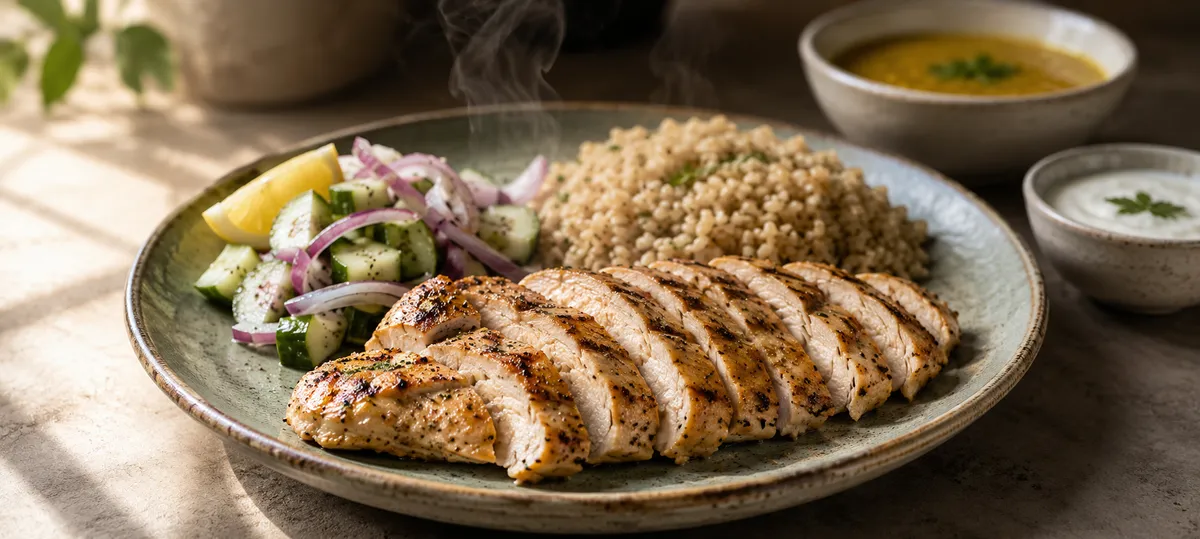
Chicken is one of the most popular protein foods for people who want to build muscle, manage weight, recover after exercise, or simply eat a balanced diet. It is easy to cook, widely available, and rich in high-quality protein. If you are tracking your diet, you may often ask, how much protein in 100g chicken? The answer depends on the cut, whether it is raw or cooked, and how it is prepared. In general, protein in 100g chicken ranges from about 24g to 32g when cooked, with chicken breast usually offering the highest protein content. How Much Protein Is In 100g Of Chicken? Protein in 100g of chicken depends mainly on the cut. Cooked chicken breast has the most protein, while thighs, drumsticks, and wings have slightly less protein and more fat. On average, protein in 100g chicken is: Chicken Cut Protein Per 100g Cooked Chicken Approximate Calories Chicken Breast, Skinless 31g to 32g 165 kcal Chicken Thigh, Skinless 24g to 26g 175 to 210 kcal Chicken Drumstick, Skinless 24g to 27g 150 to 180 kcal Chicken Wing, Meat And Skin 24g 200 to 250 kcal So, if you are wondering how much protein in 100g chicken, the simple answer is about 24g to 32g, based on the cut and cooking method. Why Chicken Is A Good Protein Source? Chicken is a good protein source because it gives your body essential amino acids. These are the building blocks your body needs for muscles, tissues, enzymes, hormones, and immune health. Key reasons chicken is a preferred protein food include: It provides complete protein with all essential amino acids. It is leaner than many red meats, especially when you choose skinless breast. It is versatile and can be grilled, boiled, roasted, baked, or added to curries. It supports muscle repair after exercise. It can help you feel full for longer. It fits into many Indian meals, from simple grilled chicken to home-style curry. Protein in 100g chicken also makes portion planning easier. You can estimate your intake without overcomplicating your diet. Protein In 100g Chicken Breast Cooked Vs. Raw Many people get confused because raw chicken and cooked chicken show different protein values per 100g. This happens because chicken loses water during cooking. Chicken Breast Form Protein Per 100g What It Means Raw Chicken Breast 22g to 24g Contains more water, so protein is less concentrated Cooked Chicken Breast 31g to 32g Loses water during cooking, so protein becomes more concentrated 100g Raw Chicken After Cooking About 75g Cooked Weight Total protein stays almost the same 100g Cooked Chicken Breast About 31g to 32g Protein Usually comes from more than 100g raw chicken Protein in 100g chicken breast cooked is higher than raw chicken by weight because cooked chicken has less water. Cooking does not add protein. It simply reduces moisture. How Cooking Affects Protein Content Cooking changes the weight of chicken more than it changes the total protein. When you grill, roast, bake, or air-fry chicken, water evaporates. This makes the cooked piece smaller and denser. So, 100g cooked chicken gives you more protein than 100g raw chicken. Boiling or poaching may cause a small amount of nutrients to move into the cooking liquid. If you use the broth, you retain more of those nutrients. Frying or cooking chicken in butter, cream, or heavy gravies adds calories and fat. This may reduce the protein-to-calorie benefit of the meal. For accurate tracking, be consistent. Either weigh chicken raw and use raw values, or weigh it cooked and use cooked values. Nutritional Breakdown Of Chicken Chicken is best known for protein, but it also provides other nutrients that support daily health. Nutrient In Chicken Why It Matters Protein Supports muscle repair, strength, satiety, and tissue health Vitamin B6 Helps energy metabolism and nervous system function Vitamin B12 Supports red blood cells and nerve health Niacin Helps convert food into energy Selenium Supports antioxidant defence and thyroid function Phosphorus Supports bones, teeth, and energy metabolism Iron And Zinc Support immunity and oxygen transport, though amounts vary by cut Protein in 100g of chicken is the main reason it is included in many fitness and wellness diets, but its micronutrients also add value. Chicken Breast Vs. Other Cuts: Protein Comparison Chicken Cut Protein Level Fat Level Best For Chicken Breast Highest Lowest if skinless Weight management, lean muscle, high-protein meals Chicken Thigh Moderate to high Higher than breast Better flavour, balanced meals, higher calorie needs Drumstick Moderate to high Moderate Everyday meals, mixed diets Wings Moderate Higher, especially with skin Occasional meals, best when not deep-fried Is Chicken A Good Source Of Protein? Yes, chicken is a good source of protein. It is especially useful if you want a complete protein that is easy to include in lunch or dinner. However, balance matters. Your meal should also include vegetables, whole grains or millets, pulses, curd, nuts, seeds, and healthy fats. Chicken can support your protein goals, but it should not replace variety in your diet. Your protein needs depend on your body weight, age, activity level, health status, and fitness goals. A healthy adult may need about 0.8g protein per kg body weight per day as a basic guideline. People who exercise intensely, are recovering from illness, or are trying to build muscle may need more under professional guidance. Benefits Of Eating Protein-Rich Chicken Eating protein-rich chicken in the right portion can support your health in several ways: Helps build and maintain muscle mass. Supports recovery after exercise. Helps you feel fuller for longer. Supports healthy weight management when cooked with less oil. Helps preserve muscle during weight loss. Provides essential amino acids for tissue repair. Can be part of a balanced diet for active adults. Is easy to pair with vegetables, salads, soups, rice, rotis, and millet-based meals. To get the best benefit, choose grilled, baked, boiled, roasted, or lightly cooked chicken more often. Limit deep-fried chicken and creamy gravies if you are watching calories, cholesterol, or weight. Conclusion Protein in 100g chicken usually ranges from 24g to 32g when cooked. Chicken breast gives the highest protein, while thighs, drumsticks, and wings provide slightly less protein with more fat. If you are tracking protein closely, remember that cooking reduces water and changes weight, so raw and cooked values are not the same. Eating enough protein is only one part of good health. Regular exercise, balanced meals, sleep, hydration, and preventive health checks all matter. Metropolis Healthcare supports proactive wellness with full body checkups, 4,000 tests, speciality testing, home sample collection, quick turnaround time, accurate reports, and easy booking through the website, call, app, and WhatsApp. With a strong home collection network and 10,000 touchpoints, Metropolis makes routine health monitoring simple and accessible. FAQs: Common Questions About Protein In Chicken Does Cooking Chicken Reduce Its Protein Content? Cooking does not significantly reduce the total protein in chicken. It mainly reduces water content. This is why protein in 100g chicken breast cooked appears higher than in 100g raw chicken breast. The protein is more concentrated because the cooked chicken weighs less. Can I Eat Chicken Daily To Meet My Protein Needs? You can eat chicken regularly if it suits your health, food preferences, and dietary pattern. Choose lean cuts, avoid excess oil, and include enough vegetables and fibre-rich foods. If you have kidney disease, high cholesterol, gout, or any medical condition, speak to your doctor or dietitian about the right amount for you. How Much Protein Does A Chicken Breast Contain? A cooked skinless chicken breast usually contains about 31g to 32g protein per 100g. A medium cooked chicken breast may provide around 50g to 55g protein, depending on its size. Protein in 100g chicken breast cooked is one of the highest among common chicken cuts. Is Chicken A Good Source Of Protein For Muscle Gain? Yes, chicken is a good protein source for muscle gain because it provides complete protein and essential amino acids. To build muscle, you also need strength training, enough total calories, good sleep, and a balanced diet. Chicken alone will not build muscle unless your overall routine supports it. How Much Protein In 100g Chicken Is Enough For A Meal? For many adults, 100g cooked chicken can provide about 24g to 32g protein. This can be a useful protein portion for one meal. Your exact needs may be higher or lower depending on your weight, activity level, and health goals.
Tomato Benefits: What Lycopene And Other Nutrients Do For Your Health
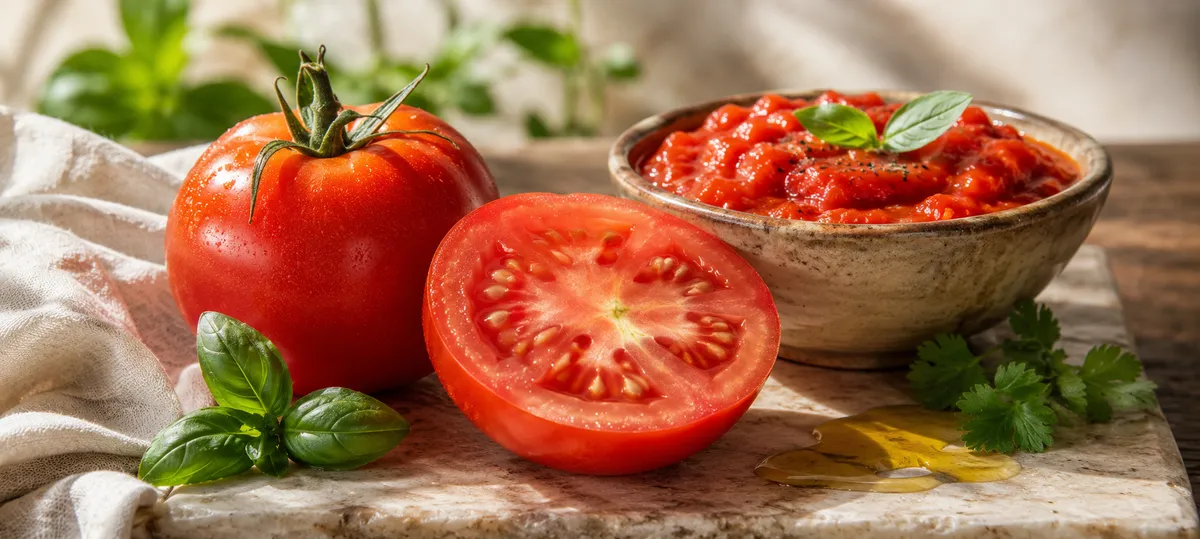
Tomatoes are simple, everyday foods, but their health value is often underestimated. Whether you add them to salads, soups, curries, sandwiches or sauces, they bring hydration, fibre, vitamins, minerals and antioxidants to your plate. One common question is tomato fruit or vegetable. Botanically, tomato is a fruit because it grows from the flower of the plant and contains seeds. In everyday cooking, it is used like a vegetable because of its savoury taste. This is why the tomato fruit or vegetable question has both a scientific and a culinary answer. The main tomato benefits come from lycopene, vitamin C, potassium, folate, fibre and other plant compounds. Together, these nutrients may support heart health, skin health, digestion, hydration and general wellness when tomatoes are eaten as part of a balanced diet. Tomato Nutrition: Packed With Essential Nutrients Tomato nutrition is especially useful because tomatoes are low in calories and high in water. They are also naturally rich in antioxidants. Lycopene, the red pigment in tomatoes, is one of the most studied nutrients in tomatoes. Tomatoes also contain vitamin C, which supports immunity and collagen formation. Potassium helps maintain normal fluid balance and supports healthy blood pressure. Fibre supports digestion and can help you feel full for longer. Folate supports normal cell function. Tomato nutrition is not about one nutrient alone. It is the combination of water, fibre, vitamins, minerals and antioxidants that makes tomatoes a smart everyday choice. Nutritional Value Of Tomatoes Per 100g Here is the approximate tomato nutritional value per 100g of raw, red, ripe tomato. Nutrient Approximate Value Per 100g Energy 18 kcal Water 94.5 g Carbohydrate 3.9 g Fibre 1.2 g Natural Sugars 2.6 g Protein 0.9 g Fat 0.2 g Potassium 237 mg Vitamin C 13.7 mg Folate 15 mcg Vitamin K 7.9 mcg Lycopene About 2,570 mcg The tomato nutritional value per 100g can vary slightly depending on ripeness, variety and preparation method. Still, this table gives you a clear idea of why tomatoes are considered a nutrient-dense food. What Lycopene Does For Your Health Lycopene is a carotenoid, which is a natural plant pigment. It gives red tomatoes their colour and acts as an antioxidant. Antioxidants help protect your cells from oxidative stress, a process linked with ageing and several long-term health conditions. One interesting point is that cooked tomatoes may offer better lycopene absorption than raw tomatoes. Heat helps release lycopene from the tomato structure. Adding a small amount of healthy fat, such as olive oil, may further improve absorption because lycopene is fat-soluble. This does not mean raw tomatoes are less useful. Raw and cooked tomatoes offer different benefits. A balanced diet can include both. Lycopene And Heart Health Some of the most important tomato benefits are linked with heart health. Lycopene and other tomato compounds may help support healthy blood vessels and reduce oxidative stress. Tomatoes also provide potassium, which supports normal blood pressure when your overall diet is balanced. Tomatoes are naturally low in sodium and calories. Replacing highly processed snacks or salty sauces with fresh tomato-based options can support healthier eating patterns. Lycopene And Cancer Prevention Research on lycopene and cancer prevention is promising, especially for prostate health, but it is not a cure or guaranteed protection. Tomatoes may support cell health because they contain antioxidants and anti-inflammatory compounds. It is best to think of tomatoes as one part of a protective diet. A diet rich in fruits, vegetables, whole grains, pulses, nuts, seeds and healthy fats is more useful than depending on any single food. Benefits Of Eating Raw Tomatoes The benefits of eating raw tomatoes are mainly linked to hydration, vitamin C and fibre. Raw tomatoes are easy to add to meals and need very little preparation. Key benefits of eating raw tomatoes include: They help keep you hydrated because they contain a high amount of water. They provide vitamin C, which supports immune function and skin health. They add fibre to your meals, which supports digestion. They are low in calories, which can help with weight management when used as part of a balanced diet. They add freshness and flavour without needing excess salt or sugar. They provide antioxidants such as lycopene, beta-carotene, lutein and zeaxanthin. For best results, wash tomatoes well and eat them with other nutritious foods, such as cucumber, sprouts, curd, lentils, whole grains or healthy fats. Tomato Side Effects: Are There Any Risks? Tomatoes are safe for most people. However, tomato side effects can occur in some cases. Because tomatoes are acidic, they may trigger discomfort in people with acid reflux or sensitive digestion. Some people may also notice mouth irritation after eating raw tomatoes. Tomato side effects are usually mild, but you should pay attention to your body. If tomatoes repeatedly cause burning, bloating, itching, swelling or stomach discomfort, reduce intake and speak to a doctor. Are Tomatoes Acidic? Yes, tomatoes are naturally acidic. This is why they may trigger acidity, heartburn or reflux symptoms in some people. Cooked tomato sauces, ketchup and spicy tomato preparations may be more troublesome for people with reflux because they are often concentrated and may include chilli, salt or sugar. If you have acidity, try smaller portions. You can also pair tomatoes with less spicy foods and avoid lying down soon after eating. Can Tomatoes Trigger Allergies? Tomato allergy is uncommon, but it can happen. Some people may also experience oral allergy syndrome, especially with raw tomatoes. Possible symptoms include: Itching or tingling in the mouth Swelling of lips, tongue or throat Skin redness or hives Throat irritation Stomach discomfort in some cases Seek urgent medical help if you have breathing difficulty, throat swelling, dizziness or a severe reaction after eating tomatoes. How To Include Tomatoes In Your Diet Tomatoes are versatile and easy to include in Indian meals. You can use both raw and cooked forms. Try these simple ideas: Add sliced tomatoes to salads, sandwiches and wraps. Use tomatoes in dals, curries, soups and stews. Make fresh tomato chutney with herbs and spices. Prepare homemade tomato soup with less salt. Add tomatoes to poha, upma, oats or vegetable pulao. Cook tomato puree with a small amount of healthy fat to improve lycopene absorption. Use fresh salsa instead of sugary or salty packaged sauces. Avoid relying too much on packaged tomato sauces, ketchup or ready-made pastes, as they may contain added sugar, salt and preservatives. FAQ Are Tomatoes Good For Weight Loss? Yes, tomatoes can support weight loss because they are low in calories, high in water and provide fibre. They can help add volume to meals without adding many calories. However, weight loss depends on your overall diet, activity, sleep and health status. Can Tomatoes Help With Skin Health? Tomatoes may support skin health because they contain vitamin C, lycopene and other antioxidants. Vitamin C supports collagen formation, while lycopene helps fight oxidative stress. Tomatoes cannot replace sunscreen or skincare, but they can be part of a skin-friendly diet. Are Cooked Tomatoes Better Than Raw Tomatoes? Cooked tomatoes may offer better lycopene absorption. Raw tomatoes provide more fresh flavour and vitamin C. Both are useful. The best approach is to include both raw and cooked tomatoes in your diet. What Organ Is Tomato Good For? Tomatoes may be especially useful for the heart because of lycopene, potassium and antioxidants. They may also support skin, eyes and digestion. However, no single food targets only one organ. Overall dietary pattern matters more. Which Is Better, Cucumber Or Tomato? Both are healthy. Cucumber is very hydrating and light. Tomato offers more lycopene, vitamin C and antioxidants. Instead of choosing one, you can eat both together in salads, raita or sandwiches. Is Tomato A Fruit Or A Vegetable? The tomato fruit or vegetable answer depends on context. Botanically, tomato is a fruit because it contains seeds and develops from a flower. In cooking, it is treated as a vegetable because it is used in savoury dishes. Conclusion Tomatoes are affordable, versatile and nutrient-rich. The key tomato benefits come from lycopene, vitamin C, potassium, fibre and other antioxidants. Eating tomatoes regularly, in both raw and cooked forms, can support a balanced and heart-friendly diet. Good nutrition works best when paired with preventive healthcare. Routine blood tests and full body checkups help you understand important health markers before symptoms appear. Metropolis Healthcare offers 4,000 tests, full body checkups, home sample collection, quick turnaround time and reliable reports through a strong network of 10,000 touchpoints. You can book easily through the website, app, call or WhatsApp and take a more proactive approach to your health. References Collins EJ, Bowyer C, Tsouza A, Chopra M. Tomatoes: An extensive review of the associated health impacts of tomatoes and factors that can affect their cultivation. Biology. 2022;11(2):239. PMID: 35205102. Story EN, Kopec RE, Schwartz SJ, Harris GK. An update on the health effects of tomato lycopene. Annu Rev Food Sci Technol. 2010;1:189-210. PMID: 22129335. Cheng HM, Koutsidis G, Lodge JK, Ashor A, Siervo M, Lara J. Tomato and lycopene supplementation and cardiovascular risk factors: A systematic review and meta-analysis. Atherosclerosis. 2017;257:100-108. PMID: 28129549. Arballo J, Amengual J, Erdman JW Jr. Lycopene: A critical review of digestion, absorption, metabolism, and excretion. Antioxidants. 2021;10(3):342. PMID: 33668819.

Montelukast Sodium And Levocetirizine Hydrochloride Tablets: Uses, Dosage, Side Effects And Alternatives
Montelukast sodium and levocetirizine hydrochloride tablets are commonly prescribed for allergy-related symptoms such as sneezing, nasal blockage, itching, watery eyes and runny nose. This combination may also help people who have allergic rhinitis along with mild asthma symptoms, when a doctor finds it suitable. Allergies can make daily life uncomfortable. You may feel tired, blocked, itchy or unable to sleep well because of repeated sneezing or congestion. The right treatment, along with trigger control and regular health monitoring, can help you feel more in control. This article explains montelukast sodium and levocetirizine hydrochloride tablets uses, dosage, side effects, precautions and possible alternatives in simple terms. What Are Montelukast And Levocetirizine? Montelukast and levocetirizine are two different medicines combined in one tablet. Montelukast is a leukotriene receptor antagonist. Leukotrienes are chemicals released by your body during an allergic reaction. They can cause swelling inside the nose, mucus formation and tightening of the airways. Levocetirizine is a second-generation antihistamine. It blocks histamine, another chemical involved in allergy symptoms. Histamine is mainly responsible for sneezing, itching, watery eyes and runny nose. Together, montelukast sodium and levocetirizine hydrochloride tablets act on two allergy pathways. This dual action may offer better symptom control for some people than using one medicine alone. Montelukast Sodium And Levocetirizine Hydrochloride Tablets Uses Montelukast sodium and levocetirizine hydrochloride tablets uses may include: Seasonal allergic rhinitis, also called hay fever Perennial allergic rhinitis caused by dust mites, mould, pet dander or indoor allergens Sneezing, nasal itching, watery eyes and runny nose Nasal congestion linked to allergy Allergic Skin Conditions such as hives, itching and raised red patches, when advised by a doctor Allergy-related cough or throat irritation in selected cases Supportive control of asthma symptoms in people who also have allergic rhinitis Montelukast sodium and levocetirizine hydrochloride tablets are not meant for sudden breathing difficulty or an acute asthma attack. If you have asthma, keep your rescue inhaler as prescribed by your doctor. How Do Montelukast Sodium And Levocetirizine Hydrochloride Tablets Work? Montelukast sodium and levocetirizine hydrochloride tablets work by reducing the effect of two allergy chemicals. Levocetirizine blocks histamine. This helps reduce sneezing, itching, watery eyes and runny nose. Montelukast blocks leukotrienes. This helps reduce deeper inflammation, nasal swelling, mucus formation and airway sensitivity. This is why the combination may be useful when allergies cause both quick symptoms, such as sneezing, and longer-lasting symptoms, such as congestion. Dosage Of Montelukast Sodium And Levocetirizine Hydrochloride Tablets The dosage of montelukast sodium and levocetirizine hydrochloride tablets must be decided by your doctor. Many adult combinations contain montelukast 10 mg and levocetirizine 5 mg, usually taken once daily, often in the evening. Do not start this medicine on your own. Do not take more than the prescribed dose. Higher doses may increase the risk of drowsiness, headache, restlessness or other side effects. For children, the dose depends on age, weight, symptoms and the exact formulation. Paediatric use should always be guided by a doctor. If you miss a dose, take the next dose at the regular time. Do not take two doses together to make up for a missed dose. What Tests Are Affected By Taking Montelukast And Levocetirizine? Montelukast sodium and levocetirizine hydrochloride tablets usually do not affect most routine blood tests. However, levocetirizine is an antihistamine and may affect allergy skin tests by reducing the skin reaction to allergens. If you are scheduled for allergy skin prick testing, tell your doctor that you are taking this medicine. Your doctor may ask you to stop antihistamines for a few days before the test. Do not stop any medicine without medical advice. Blood-based allergy tests, complete blood count, liver function tests and kidney function tests are generally not affected in the same way as skin tests. Still, always share your full medicine list before any test. What Tests Should Be Done In Case Of A Montelukast And Levocetirizine Overdose? An overdose of montelukast sodium and levocetirizine hydrochloride tablets needs medical attention. Symptoms may include severe drowsiness, agitation, restlessness, vomiting, stomach pain, headache or unusual behaviour. There is no routine home test to confirm overdose. At a clinic or emergency unit, the doctor may assess your pulse, blood pressure, breathing, oxygen levels and level of alertness. Depending on symptoms, tests may include: Kidney function test Liver function test Electrolytes Blood sugar Complete blood count ECG, if there are concerning symptoms Urine output monitoring Take the medicine strip or bottle with you so the healthcare team can check the exact strength and number of tablets. Side Effects Of Montelukast Sodium And Levocetirizine Hydrochloride Tablets Most people tolerate montelukast sodium and levocetirizine hydrochloride tablets well when used as prescribed. Some side effects may still occur. Common side effects may include: Sleepiness or tiredness Dry mouth Headache Dizziness Nausea or vomiting Stomach pain Diarrhoea or constipation Mild cough or throat discomfort Less common but important side effects may include: Mood changes Anxiety Irritability Unusual dreams Sleep disturbance Confusion Hallucinations Suicidal thoughts or behaviour Trouble passing urine Swelling of the face, lips, tongue or throat Severe rash or breathing difficulty Seek urgent medical help if you notice severe allergy symptoms, sudden swelling, breathing difficulty or worrying changes in mood or behaviour. Substitute Medications For Montelukast And Levocetirizine Substitutes for montelukast sodium and levocetirizine hydrochloride tablets depend on your symptoms and diagnosis. Do not replace this medicine without consulting your doctor. Possible alternatives may include: A single antihistamine for mild allergy symptoms Steroid nasal sprays for allergic rhinitis Saline nasal sprays or rinses Eye drops for allergic conjunctivitis Other asthma controller medicines, if asthma is present Allergen immunotherapy in selected people Trigger avoidance and environmental control Your doctor will choose an option based on your age, symptom severity, asthma history, kidney health, pregnancy status and other medicines you take. Precautions And Warnings Before taking montelukast sodium and levocetirizine hydrochloride tablets, tell your doctor if you: Have kidney disease Have liver disease Are pregnant or breastfeeding Have a history of anxiety, depression, sleep disturbance or mood changes Have difficulty passing urine Take alcohol, sleeping pills or sedatives Have asthma or aspirin sensitivity Are giving the medicine to a child Are taking other allergy or cold medicines Levocetirizine can cause drowsiness in some people. Avoid driving or operating machinery until you know how it affects you. Avoid alcohol because it can increase sleepiness. Montelukast should not be used as a rescue medicine for sudden asthma symptoms. If your breathing worsens, follow your asthma action plan and seek medical help. Frequently Asked Questions Can Montelukast And Levocetirizine Be Taken Together? Yes, montelukast and levocetirizine can be taken together when prescribed by a doctor. The combination is often used for allergic rhinitis and allergy-related symptoms because both medicines work in different ways. Is Montelukast Safe For Children? Montelukast may be prescribed to children in age-appropriate doses. However, it should only be used under medical supervision. Parents should watch for mood changes, sleep problems, agitation or unusual behaviour and report them promptly. How Long Should I Take Montelukast? The duration depends on your condition. Some people need it for a short allergy season. Others may need longer treatment for ongoing allergic rhinitis or asthma-related control. Follow your doctor’s advice and do not stop suddenly without checking. What Should I Do If I Miss A Dose Of Montelukast And Levocetirizine? Take your next dose at the usual time. Do not double the dose. Taking extra tablets can increase side effects such as drowsiness, headache or restlessness. Can I Take This Medicine For A Runny Nose Due To A Cold? A runny nose due to allergy is different from a runny nose due to a viral cold. Montelukast sodium and levocetirizine hydrochloride tablets are mainly used for allergy-related symptoms. Speak to your doctor if you have fever, body ache, thick discharge or symptoms lasting longer than expected. Can This Medicine Help Allergic Skin Conditions? Levocetirizine may help reduce itching and hives in some Allergic Skin Conditions. Montelukast may be added in selected cases. If you have repeated hives, swelling or severe itching, you should get medical advice to identify the trigger. Conclusion Montelukast sodium and levocetirizine hydrochloride tablets can help manage allergic rhinitis, runny nose, sneezing, nasal blockage, itching and some Allergic Skin Conditions when used correctly. The medicine can be useful, but it must be taken under medical guidance, especially in children, pregnant women, older adults and people with kidney problems or mood-related concerns. Along with treatment, it helps to stay aware of your health markers. Routine blood tests, full body checkups and allergy-related investigations can support early detection, preventive care and better long-term wellness. Metropolis Healthcare makes this easier with NABL and CAP-accredited labs, expert pathologists, 4,000+ tests, accurate reports, quick turnaround time and home sample collection. You can book tests through the website, app, call or WhatsApp, with access supported by a strong network of 10,000 touchpoints. References U.S. Food and Drug Administration. FDA requires Boxed Warning about serious mental health side effects for asthma and allergy drug montelukast and advises restricting use for allergic rhinitis. FDA Drug Safety Communication. 2020. DailyMed. Montelukast sodium tablets prescribing information. U.S. National Library of Medicine. DailyMed. Levocetirizine dihydrochloride tablets prescribing information. U.S. National Library of Medicine. Kim CK, Hwang Y, Song DJ, Yu J, Sohn MH, Park YM, Lim DH, Ahn K, Rha YH. Efficacy and safety of montelukast plus levocetirizine combination therapy compared to montelukast monotherapy for allergic rhinitis in children. Allergy Asthma Immunol Res. 2024;16(6):652-667. DOI: 10.4168/aair.2024.16.6.652. Bylappa BK, et al. A randomized, multicenter, double-blind, phase III study to evaluate the efficacy and safety of a fixed-dose combination of montelukast and levocetirizine in patients with perennial allergic rhinitis and mild to moderate asthma. Clinical Therapeutics. 2018.

Cheston Cold Tablet: Uses, Dosage, Benefits And Side Effects Explained
Cheston Cold is a commonly used medicine for short term relief from cold, flu like symptoms, and allergy related discomfort. When you have a stuffy nose, sneezing, watery eyes, mild fever, headache, or body ache, Cheston Cold may help you feel more comfortable while your body recovers. It is important to remember that Cheston Cold does not cure the common cold, flu, or allergy. It helps manage symptoms. Most colds are caused by viruses and improve with rest, fluids, and time. You should use Cheston Cold only as advised by your doctor or as directed on the pack. What Is Cheston Cold Tablet? Cheston Cold tablet is a combination medicine. This means it may contain more than one active ingredient to target different symptoms at the same time. Depending on the formulation, the Cheston Cold composition may include ingredients such as paracetamol, phenylephrine, and an antihistamine such as cetirizine or another similar medicine. Some packs may also include other ingredients. Always check the strip, carton, or patient leaflet before taking it. This matters because different Cheston Cold formulations may have different effects, side effects, and precautions. If you are unsure about your pack, ask your doctor or pharmacist before taking it. Cheston Cold Tablet Uses In Medical Treatment Cheston Cold tablet uses are mainly linked to symptom relief. It may help when cold or allergy symptoms affect your daily routine. Common Cheston Cold tablet uses include: Blocked or stuffy nose Runny nose Sneezing Watery eyes Mild fever Headache Mild body ache Sinus congestion Throat discomfort linked to post nasal drip Cheston Cold is usually taken for a short period. If your symptoms last longer than a few days, keep coming back, or become worse, it is better to speak with a doctor. Cheston Cold Uses For Fever Cheston Cold may help reduce mild fever if the formulation contains paracetamol. Paracetamol works by helping lower body temperature and easing pain. Do not take another medicine that also contains paracetamol at the same time unless your doctor tells you to. Taking too much paracetamol can harm your liver. Cheston Cold Uses For Sore Throat Cheston Cold may ease throat discomfort when it is related to a cold, allergy, or mucus dripping from the back of the nose. It may also reduce mild throat pain if paracetamol is present in the formulation. A sore throat that is severe, lasts more than a few days, comes with high fever, or causes difficulty swallowing needs medical attention. Cheston Cold Uses For Cough Cheston Cold is not a direct cough medicine in all formulations. It may help cough if your cough is due to post nasal drip, sneezing, blocked nose, or throat irritation. If you have a deep cough, chest tightness, wheezing, green or bloody phlegm, breathing difficulty, or cough lasting more than a week, consult a doctor. Cheston Cold Uses For Congestion Cheston Cold may help with nasal and sinus congestion if the formulation contains phenylephrine. Phenylephrine is a decongestant. It helps reduce swelling in the nasal passages, which may make breathing through the nose easier. This effect is temporary. It does not treat the cause of the infection or allergy. Off Label Uses For Cheston Cold Do not use Cheston Cold for off label purposes unless your doctor advises it. Avoid using it for sleep, long term allergy control, chronic sinus problems, or repeated fever without medical advice. If you need Cheston Cold often, your symptoms may need a proper diagnosis. How Cheston Cold Works In The Body Cheston Cold works through its ingredients. The exact action depends on the Cheston Cold composition in your pack. Paracetamol helps reduce fever, headache, body ache, and mild pain. Phenylephrine helps ease a blocked nose by reducing swelling in blood vessels inside the nasal passages. Antihistamines such as cetirizine help reduce sneezing, runny nose, and watery eyes by blocking the action of histamine. Histamine is a chemical your body releases during allergic reactions. Together, these ingredients may give broader relief than a single ingredient medicine. They should still be used carefully. Cheston Cold Tablet Quick Facts Medicine type: Combination cold and allergy symptom relief medicine Common use: Cold, allergy symptoms, mild fever, stuffy nose, and sinus congestion Common route: Oral tablet Cheston Cold composition: Varies by formulation, so check your pack label Drowsiness: Possible, especially if the formulation contains an antihistamine Alcohol: Best avoided Driving: Avoid driving if you feel sleepy, dizzy, or less alert Cheston Cold expiry duration: Check the expiry date on the strip or carton. Do not use after expiry Duration of use: Use for the shortest time needed, unless your doctor advises otherwise Diseases That May Improve With Cheston Cold Tablet Cheston Cold may help manage symptoms linked to: Common cold Allergic rhinitis Seasonal allergies Flu like illness with mild fever and body ache Sinus congestion Runny nose with sneezing Watery eyes due to allergy It is not an antibiotic. It will not treat bacterial infections. It also does not replace testing or treatment when symptoms suggest flu, COVID, dengue, malaria, throat infection, or another illness. Cheston Cold Tablet Dosage Guide The right Cheston Cold dosage depends on your age, symptoms, health condition, and the exact formulation. Always follow your doctor’s advice or the instructions on the pack. Do not take extra tablets to get faster relief. This can increase the risk of side effects and overdose. Correct Dosage Of Cheston Cold Swallow the tablet whole with water. Do not crush or chew it unless the label says so. You may take it with food if it upsets your stomach. Do not combine it with other cold, flu, allergy, or fever medicines without checking the ingredients. Avoid taking more than the recommended dose. Recommended Frequency And Timing Cheston Cold is usually taken only when symptoms are present. Your doctor may suggest a specific timing based on your symptoms. If you miss a dose, do not double the next one. Take the next dose only if it is still needed and allowed as per your schedule. Dosage For Children Vs Adults Adults and children above 12 years should use Cheston Cold only as directed. For children, the dose must be based on age, weight, and formulation. Do not give adult Cheston Cold tablets to young children. Combination cold medicines can cause serious side effects in young children if used incorrectly. Always ask a paediatrician before giving any cold medicine to a child. Cheston Cold Tablet Side Effects Cheston Cold tablet side effects are usually mild when the medicine is used correctly for a short time. Still, not everyone reacts the same way. Possible Cheston Cold tablet side effects include: Sleepiness Tiredness Dry mouth Dizziness Headache Nausea Upset stomach Restlessness Trouble sleeping Fast heartbeat or palpitations Mild rise in blood pressure in some people Stop taking the medicine and seek medical help if you notice swelling of the face or lips, breathing difficulty, severe rash, confusion, fainting, severe vomiting, yellowing of the eyes, or severe abdominal pain. Who Should Not Take Cheston Cold Tablet? You should speak with a doctor before taking Cheston Cold if you have: High blood pressure Heart disease Liver disease Kidney disease Thyroid disease Diabetes Glaucoma Enlarged prostate or difficulty passing urine History of seizures Alcohol dependence Allergy to any ingredient in the tablet You should also consult a doctor before using Cheston Cold during pregnancy or breastfeeding. Older adults may be more sensitive to sleepiness, dizziness, confusion, and urinary problems. They should use this medicine only with medical advice. Medicines That Interact With Cheston Cold Tell your doctor or pharmacist if you are taking any other medicines. Cheston Cold may interact with: Other medicines containing paracetamol Other cold and flu medicines Antidepressants, especially MAO inhibitors Sleeping pills Anti anxiety medicines Alcohol Blood pressure medicines Medicines for heart rhythm problems Other antihistamines Certain painkillers and fever medicines Taking more than one medicine with the same ingredient is a common reason for accidental overdose. Tests That May Be Affected By Cheston Cold Most routine blood tests are not directly affected by short term, correct use of Cheston Cold. However, you should inform your doctor or lab team that you are taking it. Some points to know: Antihistamines may affect allergy skin test results and may need to be stopped before testing, if your doctor says it is safe. Paracetamol overuse may affect liver function markers. Severe overdose can affect liver, kidney, and blood clotting test results. Phenylephrine may affect blood pressure and pulse readings in some people. Never stop a prescribed medicine before a test unless your doctor or testing centre advises it. Symptoms Of Cheston Cold Overdose A Cheston Cold overdose can happen if you take too many tablets, take doses too close together, or combine it with other medicines containing similar ingredients. Possible overdose symptoms include nausea, vomiting, stomach pain, extreme sleepiness, restlessness, fast heartbeat, high blood pressure, sweating, confusion, dizziness, and fainting. Paracetamol overdose can be dangerous because serious liver injury may not cause strong symptoms at first. If you think you have taken too much Cheston Cold, seek urgent medical help even if you feel well. What Tests Should Be Done In Case Of A Cheston Cold Overdose? A doctor may advise tests based on the time and amount taken. These may include: Serum paracetamol level Liver function test Kidney function test PT INR or coagulation profile Electrolytes Blood glucose ECG if there are palpitations or heart symptoms Blood pressure and pulse monitoring Timely testing helps doctors decide the safest treatment plan. Substitute Medicines For Cheston Cold Do not switch to a substitute medicine on your own. Many cold medicines look similar but have different ingredients, strengths, and precautions. If Cheston Cold does not suit you, ask your doctor or pharmacist for an option based on your symptoms, age, health conditions, and current medicines. This is especially important if you have high blood pressure, liver disease, kidney disease, pregnancy, breastfeeding, or long term medication use. When Should You See A Doctor? You should see a doctor if you have: Fever for more than 3 days Very high fever Breathing difficulty Chest pain Severe throat pain Ear pain Facial pain or swelling Symptoms lasting more than 7 days Symptoms that improve and then worsen again Repeated cold or allergy symptoms Fever with rash, severe weakness, or dehydration You should also consider testing if your symptoms could be due to flu, COVID, dengue, malaria, or another infection common in your area. Conclusion Cheston Cold can help you manage common cold, allergy, mild fever, stuffy nose, and sinus congestion symptoms for a short period. It works best when used carefully, in the right dose, and only when needed. At the same time, recurring fever, repeated allergies, ongoing throat pain, frequent fatigue, or symptoms that do not improve should not be ignored. Regular health monitoring can help you understand your body better and act early. Metropolis Healthcare supports preventive health with reliable diagnostic services, full body checkups, speciality testing, home sample collection, and accurate reports. With 4,000 plus tests, expert pathologists, quick turnaround time, and easy booking through the website, app, call, or WhatsApp, Metropolis makes proactive health management simpler and more accessible for you. FAQ Is Cheston Cold Tablet Safe For Children? Cheston Cold should not be given to children unless a doctor advises it. Children need age and weight based dosing. Adult cold tablets are not suitable for young children. How Long Does Cheston Cold Take To Work? You may start feeling some symptom relief within a few hours. The exact time can vary based on your symptoms, formulation, and body response. Can Cheston Cold Reduce Fever? Yes, Cheston Cold may reduce mild fever if it contains paracetamol. If fever is high, lasts more than 3 days, or comes with severe weakness, rash, breathlessness, or confusion, consult a doctor. Does Cheston Cold Cause Acidity? Some people may feel nausea, stomach discomfort, or acidity like symptoms. Taking it after food may help. If symptoms persist, speak with your doctor. Can Cheston Cold Be Taken With Other Medications? Do not combine Cheston Cold with other medicines without checking with a doctor or pharmacist. This is especially important for other cold medicines, allergy medicines, fever medicines, antidepressants, blood pressure medicines, and alcohol. What Happens If You Overdose On Cheston Cold? Overdose can cause sleepiness, restlessness, vomiting, fast heartbeat, high blood pressure, liver injury, or other serious problems. Seek urgent medical help if you think you have taken too much. Disclaimer This article is for awareness only and does not replace medical advice. Always consult your doctor before starting, stopping, or changing any medicine.