Home Visit
 Upload






Preventive Healthcare
8 Matcha Tea Benefits: Boost Your Health And Energy Naturally
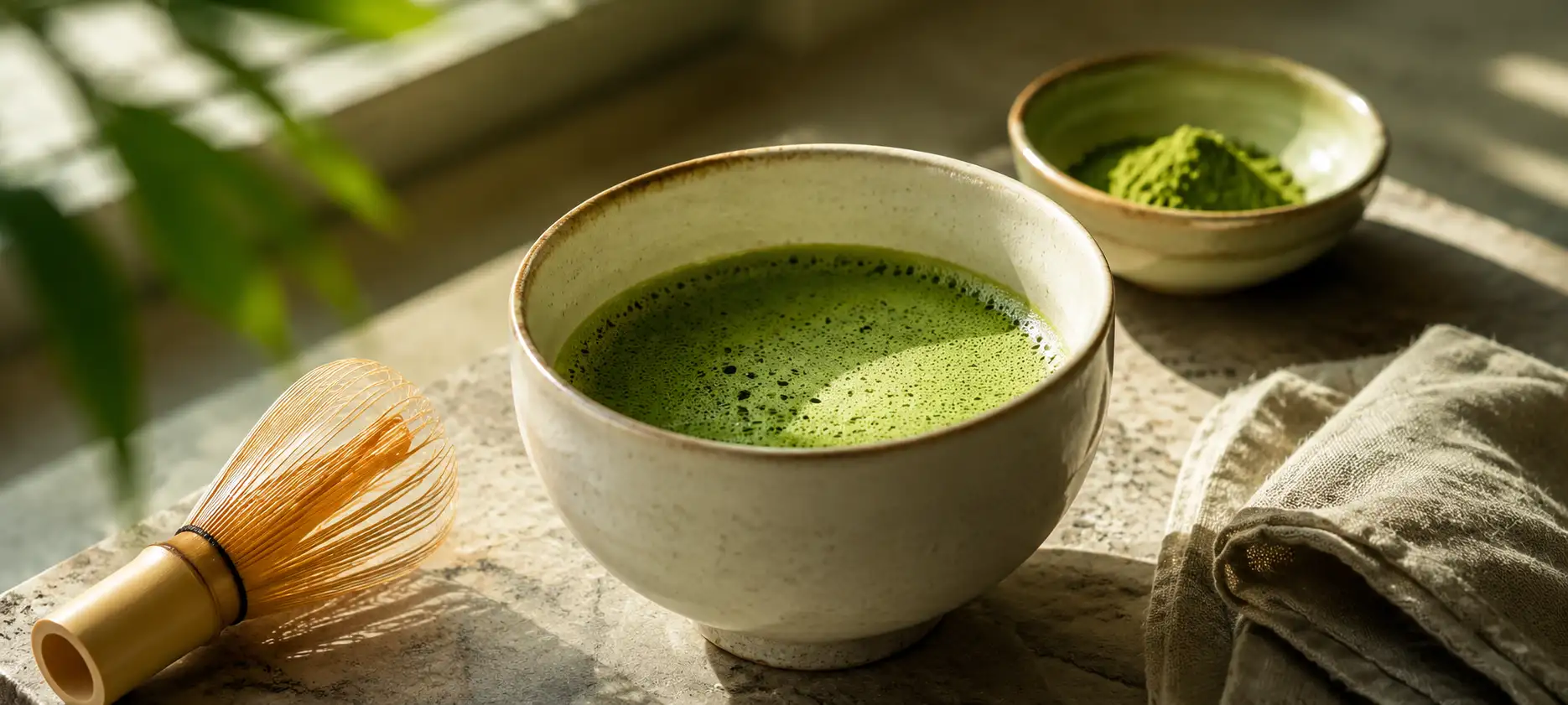
Table of Contents
Matcha tea has become popular among people who want a steady energy boost, better focus, and a simple way to add antioxidants to their daily routine. It has a rich green colour, earthy taste, and a unique preparation style that makes it different from regular tea.
Many matcha tea benefits come from its natural plant compounds, especially catechins, caffeine, and L-theanine. Together, these may support alertness, heart health, metabolism, and overall wellness. Still, matcha tea is not a cure for any health condition. It works best when you enjoy it as part of a balanced diet, regular movement, good sleep, and preventive health checkups.
What Is Matcha Tea?
Matcha tea is a powdered form of green tea made from the leaves of the Camellia sinensis plant. The leaves are shade-grown before harvest, then steamed, dried, and ground into a fine green powder.
Unlike regular green tea, where you steep the leaves and discard them, matcha tea is made by whisking the powder into water or milk. This means you consume the whole leaf in powdered form. Because of this, matcha tea may offer a more concentrated amount of some nutrients and plant compounds.
The flavour of matcha tea is often described as earthy, grassy, slightly bitter, and mildly sweet. Good quality matcha tea usually has a bright green colour and a smooth taste.
How Is Matcha Different From Green Tea?
Matcha tea and Green Tea come from the same plant, but they are prepared and consumed differently.
- Matcha tea is made from finely ground tea leaves, while regular Green Tea is usually made by steeping leaves in hot water.
- Matcha tea lets you consume the whole leaf, while regular Green Tea extracts compounds into water.
- Matcha tea often contains more caffeine than regular Green Tea.
- Matcha tea contains L-theanine, which may help support calm alertness.
- Matcha tea has a richer colour and stronger taste.
- Matcha tea is commonly used in lattes, smoothies, desserts, and breakfast bowls.
Both can be part of a healthy lifestyle. Your choice depends on your taste, caffeine tolerance, and wellness goals.
Matcha Tea Benefits
Here are 8 matcha tea benefits that may support your health and energy naturally.
Rich In Antioxidants
Matcha tea is known for its antioxidant content. It contains catechins, including EGCG, which help protect cells from damage caused by free radicals. This is one of the most discussed matcha tea benefits because antioxidants support long-term wellness and healthy ageing.
Supports Calm Energy
Matcha tea contains caffeine, but it also contains L-theanine. This amino acid may help promote a calm, focused state. Many people find that matcha tea gives them steady energy without the sudden crash they may feel after strong coffee.
May Improve Focus And Attention
The caffeine and L-theanine in matcha tea may support attention, reaction time, and mental clarity. This makes matcha tea a popular choice for work, study, or morning routines. These matcha tea benefits are most useful when you also get enough sleep and eat well.
May Support Heart Health
Some matcha green tea benefits are linked to the broader benefits of green tea compounds. Regular intake of tea rich in catechins may support healthy cholesterol levels and blood vessel function. However, matcha tea should not replace prescribed medicines or a heart-healthy diet.
May Support Metabolism
Matcha tea powder benefits may include gentle support for metabolism. Green tea compounds have been studied for their role in fat oxidation and energy use. However, matcha tea will not cause major weight loss on its own. It may help when combined with a balanced diet and regular exercise.
May Support Liver Health In Moderation
Some research suggests that green tea compounds may support liver health. However, very high intakes of concentrated green tea extracts may not be safe for everyone. Drinking matcha tea in moderate amounts is different from taking high-dose supplements. If you have liver disease, ask your doctor before adding matcha tea regularly.
May Support Skin Wellness
The antioxidants in matcha tea may help support skin health by reducing oxidative stress. This does not mean matcha tea can replace sunscreen, hydration, or skincare. But as part of a nutrient-rich diet, it may contribute to overall skin wellness.
Easy To Add To Your Routine
One practical matcha tea benefit is that it is easy to use. You can drink matcha tea hot or cold, add it to smoothies, or make a light matcha latte. This makes it simple to include in your wellness routine without major changes.
Types Of Matcha And Their Health Benefits
Matcha tea is usually available in different grades. Ceremonial grade matcha tea is often used for traditional drinking. It is usually smoother, brighter, and less bitter. Culinary grade matcha tea is commonly used in lattes, smoothies, baking, and desserts.
Both types may offer matcha tea benefits, but quality matters. Choose matcha tea powder that is fresh, bright green, and from a trusted source. Dull or brownish powder may be old or lower in quality.
Avoid assuming that more matcha tea is always better. The benefits come with regular, moderate intake, not excessive consumption.
How To Enjoy Matcha Tea
You can enjoy matcha tea in many simple ways.
- Whisk half to one teaspoon of matcha tea powder with hot water.
- Use water that is hot but not boiling to avoid bitterness.
- Add warm milk or plant-based milk for a matcha latte.
- Blend matcha tea into a smoothie with banana or berries.
- Add it to oats or yoghurt bowls.
- Use a small amount in homemade desserts.
- Avoid adding too much sugar, syrup, or whipped cream.
- Drink it earlier in the day if caffeine affects your sleep.
For a smoother taste, sift the matcha tea powder before whisking.
Matcha Tea Vs Regular Green Tea: Which Is Better?
Matcha tea and regular Green Tea both have their place in a healthy diet. Matcha tea may offer a more concentrated source of certain compounds because you consume the whole powdered leaf. It also has more caffeine, which may be helpful for alertness but may not suit everyone.
Regular Green Tea may be gentler if you are sensitive to caffeine. It is also easier to drink several times a day without consuming too much caffeine.
So, which is better? The answer depends on your body. If you want a stronger taste and more focused energy, matcha tea may suit you. If you prefer a lighter drink, regular Green Tea may be better.
Common Misconceptions About Matcha Tea
There are many claims about matcha tea online. Some are useful, while others may be exaggerated.
- Matcha tea does not detox your body on its own. Your liver and kidneys already do that work.
- Matcha tea does not melt belly fat.
- Matcha tea is not caffeine-free.
- Matcha tea is not suitable for unlimited daily intake.
- Matcha tea cannot replace sleep, exercise, or medical care.
- Matcha tea is not automatically healthy if mixed with too much sugar.
- Matcha tea may not suit people with caffeine sensitivity, anxiety, acidity, pregnancy concerns, or certain health conditions.
The best way to enjoy matcha tea benefits is to keep your intake moderate and listen to your body.
How Much Matcha Tea Should You Drink?
For most healthy adults, 1 to 2 cups of matcha tea a day is usually a reasonable amount. This depends on how strong you make it and how much caffeine you get from other sources such as coffee, cola, energy drinks, or chocolate.
If you are pregnant, breastfeeding, sensitive to caffeine, taking medicines, or managing a health condition, speak to your doctor before drinking matcha tea regularly.
Avoid drinking matcha tea late in the evening, as it may affect sleep. Also avoid taking it along with iron-rich meals if you have iron deficiency, as tea compounds may reduce iron absorption.
Conclusion
Matcha tea can be a healthy addition to your routine when consumed in moderation. The key matcha tea benefits include antioxidant support, calm energy, better focus, gentle metabolism support, and easy use in daily meals. Matcha green tea benefits are best seen when you combine them with a balanced lifestyle.
Wellness is not only about what you drink each day. It is also about understanding your body. Regular health checkups can help you track important markers such as blood sugar, cholesterol, liver function, kidney function, vitamin levels, and inflammation.
Metropolis Healthcare makes preventive health monitoring simple with full body checkups, 4,000 plus tests, speciality testing, expert pathologists, accurate reports, quick turnaround time, and convenient home sample collection. You can book tests through the website, app, call, or WhatsApp, helping you stay informed and proactive about your health.
FAQ
Does Matcha Tea Help You Lose Weight?
Matcha tea may support weight management when combined with a healthy diet and regular exercise. Some matcha tea benefits are linked to metabolism and fat oxidation, but the effect is usually modest. Matcha tea cannot replace calorie balance, strength training, walking, sleep, or medical advice for weight concerns.
How Much Matcha Tea Should I Drink A Day?
You can usually drink 1 to 2 cups of matcha tea a day if you tolerate caffeine well. Start with a small amount and see how your body responds. If you feel anxious, restless, acidic, or sleepless, reduce your intake.
Can Matcha Tea Cause Side Effects?
Yes, matcha tea can cause side effects in some people. These may include acidity, nausea, headache, sleep trouble, fast heartbeat, anxiety, or loose stools. High intake may increase caffeine-related side effects. People with liver disease, pregnancy, breastfeeding, severe acidity, or medicine interactions should check with a doctor.
References
- Kochman J, Jakubczyk K, Antoniewicz J, Mruk H, Janda K. Health benefits and chemical composition of matcha green tea: a review. Molecules. 2020;26(1):85. PMID: 33375458.
- Haskell CF, Kennedy DO, Milne AL, Wesnes KA, Scholey AB. The effects of L-theanine, caffeine and their combination on cognition and mood. Biol Psychol. 2008;77(2):113-122. PMID: 18006208.
- Kuriyama S, Shimazu T, Ohmori K, Kikuchi N, Nakaya N, Nishino Y, Tsubono Y, Tsuji I. Green tea consumption and mortality due to cardiovascular disease, cancer, and all causes in Japan. JAMA. 2006;296(10):1255-1265. PMID: 16968850.
- Hursel R, Viechtbauer W, Westerterp-Plantenga MS. The effects of green tea on weight loss and weight maintenance: a meta-analysis. Int J Obes. 2009;33(9):956-961. PMID: 19597519.
- EFSA Panel on Dietetic Products, Nutrition and Allergies. Scientific opinion on the safety of caffeine. EFSA Journal. 2015;13(5):4102.