Home Visit
 Upload






Preventive Healthcare
10 Surprising Health Benefits Of Eating Potatoes
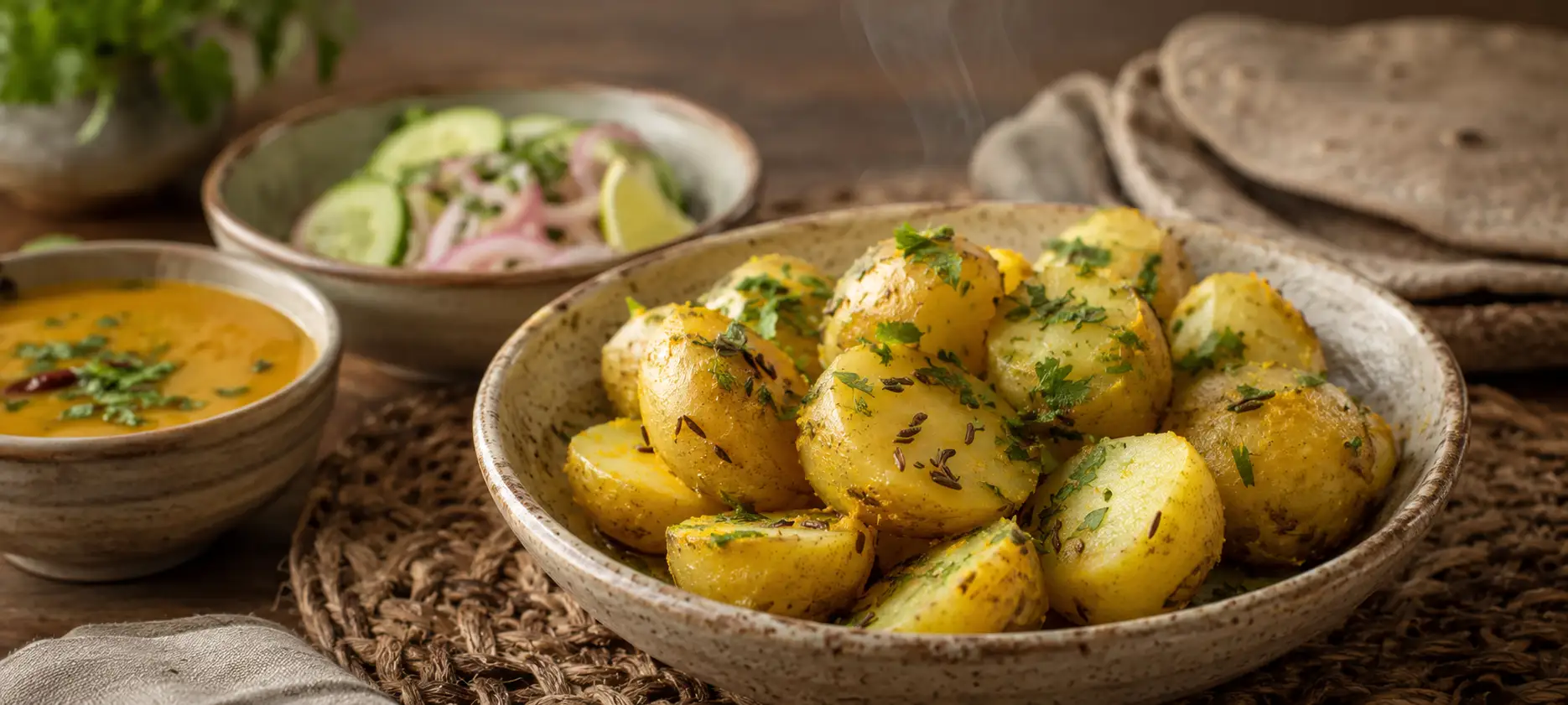
Table of Contents
- Are Potatoes Healthy?
- A Nutritious Powerhouse
- 100g Potato Calories And Macronutrients
- How Many Calories In A Medium Potato?
- Boiled Potato Calories Vs. Fried Potato Calories
- Health Benefits Of Eating Potatoes
- Different Types Of Potatoes And Their Benefits
- How To Incorporate Potatoes Into Your Diet?
- Conclusion
- FAQ
Potato is one of the most loved vegetables in Indian homes. From aloo sabzi and poha with potato to aloo paratha, sambar, cutlets, curries, baby potatoes, and chaat, potato fits easily into daily meals.
Yet, potato is often seen as unhealthy. This is not fully true. A potato becomes unhealthy mainly when it is deep fried, overloaded with butter, or eaten in very large portions. When boiled, baked, steamed, or lightly cooked with spices, potato can be a filling and nutritious part of your diet.
The key is how you cook potato, how much you eat, and what you eat it with.
Are Potatoes Healthy?
Yes, potatoes can be healthy when eaten in the right way. Potato is a starchy vegetable, which means it gives your body energy through carbohydrates. It also contains fibre, potassium, vitamin C, vitamin B6, and natural plant compounds.
Potato nutrition is especially useful for people who need affordable, filling, and easy to cook foods. For Indian families, potato can work well in a balanced thali when paired with dal, curd, vegetables, salad, and whole grains like roti, brown rice, or millets.
If you have diabetes, kidney disease, obesity, or heart disease, you do not always need to avoid potato completely. But you should check your portion size and cooking method. Your doctor or dietitian can guide you based on your health markers.
A Nutritious Powerhouse
Potato nutrition is more than just carbohydrates. A potato gives you energy, but it also supports digestion, muscle function, immunity, and fullness.
Potato skin contains fibre and antioxidants, so keeping the skin on can improve the nutrient value. Just wash the potato well before cooking. Coloured types of potatoes, such as red or purple potato varieties, may contain more antioxidants than white potato varieties.
For many Indian households, potato benefits include affordability, availability, taste, and easy use in both simple and festive meals. These potato benefits make it a practical food when eaten with care.
100g Potato Calories And Macronutrients
The values below are approximate and may change based on variety and cooking method.
|
Nutrient In 100g Boiled Potato |
Approximate Value |
|
Calories |
87 kcal |
|
Carbohydrates |
20 g |
|
Protein |
1.9 g |
|
Fat |
0.1 g |
|
Fibre |
1.8 g |
|
Potassium |
379 mg |
|
Vitamin C |
13 mg |
100g potato calories are moderate when the potato is boiled or steamed. The problem often starts when potato is fried in excess oil. If you are tracking potato calories, focus on both the quantity and cooking method.
How Many Calories In A Medium Potato?
A medium potato usually weighs around 150 g. So, 1 potato calories may be around 110 to 140 kcal if it is boiled or baked without extra fat. The exact value depends on size and variety.
If the same potato is turned into fries, chips, tikki, or pakora, the calories can rise sharply because of oil. This is why potato calories should always be understood along with preparation style.
For most healthy adults, one small to medium potato can fit into a balanced meal. You can pair it with protein and fibre, such as dal, sprouts, paneer, curd, eggs, fish, chicken, or vegetables.
Boiled Potato Calories Vs. Fried Potato Calories
- Boiled potato calories are usually lower because no extra oil is added.
- Boiled potato calories for 100 g are around 87 kcal.
- Fried potato calories can be much higher due to oil absorption.
- Deep fried potato snacks may also contain more salt.
- Boiled, steamed, roasted, or air fried potato is a better choice for daily meals.
- Fried potato can be enjoyed occasionally, but portion control matters.
Health Benefits Of Eating Potatoes
Here are 10 important potato benefits that may surprise you.
- Supports Steady Energy: Potato provides complex carbohydrates. These help give your body energy for work, study, exercise, and daily activities.
- Keeps You Full For Longer: One of the useful potato benefits is satiety. A boiled potato can keep you full and may reduce unnecessary snacking when eaten in a balanced meal.
- Supports Digestive Health: Potato contains fibre, especially when eaten with skin. Cooked and cooled potato may also form resistant starch, which supports good gut bacteria.
- Helps Muscle Function: Potato is rich in potassium. Potassium supports muscle contraction, nerve function, and fluid balance.
- Supports Heart Health: Potato benefits the heart when cooked with less oil and salt. Its potassium and fibre may support healthy blood pressure and cholesterol balance as part of an overall healthy diet.
- Provides Vitamin C: Potato contains vitamin C, which supports immunity, skin health, and antioxidant protection.
- Naturally Gluten Free: Potato is naturally gluten free. This makes it useful for people with gluten sensitivity or coeliac disease, as long as it is not cooked with gluten containing ingredients.
- Supports Workout Recovery: Potato provides carbohydrates and potassium. This may help replenish energy after exercise, especially when paired with protein.
- Budget Friendly Nutrition: Among everyday vegetables, potato is affordable and widely available. These potato benefits matter for Indian families looking for filling, nutritious meals.
- Easy To Add To Healthy Meals: Potato can be boiled, roasted, steamed, or added to vegetable dishes. The best potato benefits come when you avoid deep frying and heavy toppings.
Different Types Of Potatoes And Their Benefits
There are many types of potatoes used in Indian kitchens. White potato is common and works well in sabzi, curry, cutlets, and mash. Baby potatoes are smaller and often used in dum aloo or roasted dishes. Red potato and purple potato varieties may offer more antioxidants because of their colour pigments.
Sweet potato is different from regular potato, but it is also nutritious. Sweet potato contains beta carotene, fibre, and natural sweetness. You can include sweet potato in chaat, tikki, or roasted snacks.
Different types of potatoes have different textures. Waxy potato varieties hold shape better in salads and curries. Starchy potato varieties become soft and fluffy, so they work well for mash and baked dishes. Knowing the types of potatoes helps you choose the right one for your meal.
How To Incorporate Potatoes Into Your Diet?
You can enjoy potato in healthier ways with small changes.
- Add boiled potato to poha with peas, peanuts, and vegetables.
- Make aloo sabzi with less oil and more spices, tomato, peas, or methi.
- Use baby potatoes in roasted dishes instead of deep fried snacks.
- Pair potato with dal, curd, or paneer for a more balanced meal.
- Eat potato with skin when possible, after washing it well.
- Use boiled and cooled potato in a salad with curd, onion, coriander, and lemon.
- Choose baked or air fried potato wedges instead of regular fries.
- Avoid eating potato chips, fries, and aloo bhujia too often.
- Keep portions moderate if you are watching blood sugar or weight.
- Include sweet potato sometimes for variety.
Potato benefits are best when potato is part of a balanced plate, not the only major food in the meal.
Conclusion
Potato does not deserve its unhealthy image when it is cooked wisely. Boiled, baked, roasted, or steamed potato can provide energy, fibre, potassium, vitamin C, and fullness. The real concern is not potato itself, but excess oil, large portions, and frequent deep fried snacks.
If you are managing diabetes, weight, cholesterol, blood pressure, or kidney health, it helps to know your health numbers. Routine blood tests and full body checkups can guide better food choices.
Metropolis Healthcare offers 4,000+ tests, full body checkups, accurate reports, quick turnaround time, expert pathologists, and convenient home sample collection through a strong network of 10,000 touchpoints. You can book through the website, app, call, or WhatsApp and stay informed about your health while making better everyday nutrition choices.
FAQ
Can Eating Potatoes Help With Weight Loss?
Potato may support weight loss when boiled or baked and eaten in controlled portions. It is filling, so it may reduce hunger between meals. Avoid fried potato, chips, and heavy toppings if you are trying to lose weight.
Are Potatoes Good For Heart Health?
Potato can be good for heart health when cooked with less oil and salt. It contains potassium and fibre, which support heart and blood pressure health. For better potato benefits, pair it with vegetables, dal, and lean protein.
What Is The Nutritional Value Of A 100g Potato?
Approximate values for 100 g boiled potato are:
- Calories: 87 kcal
- Carbohydrates: 20 g
- Protein: 1.9 g
- Fat: 0.1 g
- Fibre: 1.8 g
- Potassium: 379 mg
- Vitamin C: 13 mg
100g potato calories can vary slightly based on the type and cooking method.
How Many Calories Are In A Boiled Potato?
Boiled potato calories depend on size. A 100 g boiled potato has around 87 kcal. A medium boiled potato may have around 110 to 140 kcal. If you are counting 1 potato calories, weigh the potato for better accuracy.
Can Potatoes Cause Bloating?
Potato usually does not cause bloating for everyone. Some people may feel bloated if they eat large portions, eat potato with heavy fried foods, or have digestive conditions. If bloating is frequent, speak to your doctor to understand the cause.