Home Visit
 Upload






Preventive Healthcare
15 Butterfly Pea Flower Benefits: Antioxidants, Brain Health, And Traditional Uses Reviewed
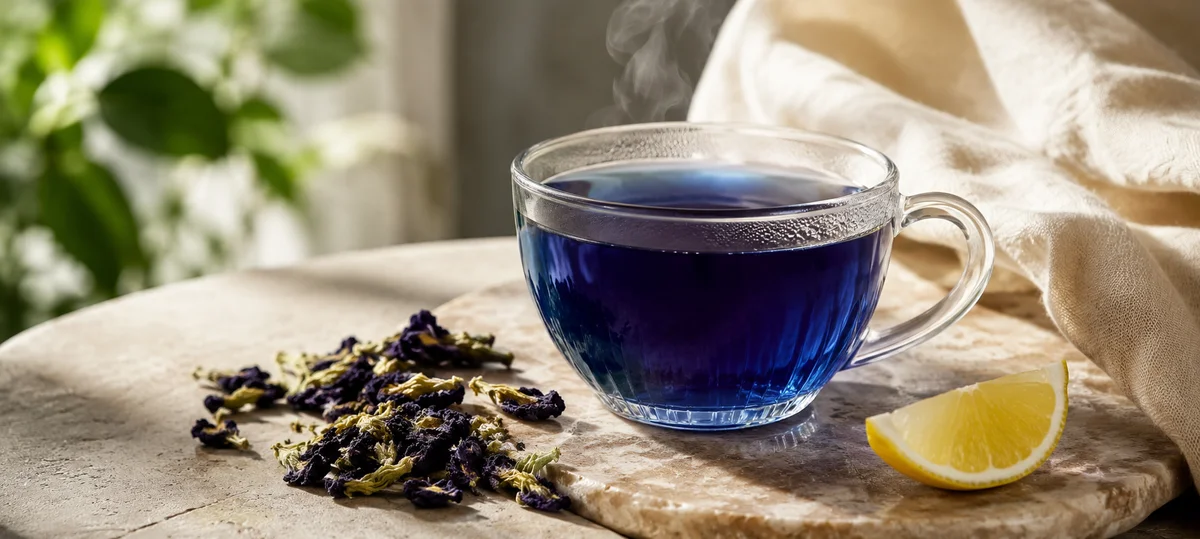
Table of Contents
Butterfly pea flower is known for its bright blue colour, calming tea, and use in traditional wellness practices. Also called Clitoria ternatea, this flower is often used to make blue tea, a caffeine-free herbal drink with a mild earthy taste.
Many butterfly pea flower benefits are linked to its natural plant compounds, especially anthocyanins. These are antioxidants that help protect your cells from oxidative stress. While butterfly pea flower is not a cure for any illness, it may support your overall wellness when used in moderation as part of a balanced lifestyle.
What Is Butterfly Pea Flower?
Butterfly pea flower is a tropical flowering plant with vivid blue petals. It is commonly used in India, Southeast Asia, and other parts of Asia as a herbal drink, natural food colour, and traditional remedy.
The deep blue colour of butterfly pea flower comes from pigments called ternatins, a type of anthocyanin. When lemon or another acidic ingredient is added to butterfly pea flower tea, the colour can change from blue to purple or pink. This makes it popular in teas, coolers, smoothies, desserts, and wellness drinks.
Butterfly pea flower is naturally caffeine-free. This means you can enjoy it during the day or evening without the stimulating effect of regular tea or coffee.
Top 15 Health Benefits Of Butterfly Pea Flower
Here are the top butterfly pea flower benefits you should know, along with what current understanding suggests.
Rich In Antioxidants
Butterfly pea flower contains anthocyanins, flavonoids, and phenolic compounds. These antioxidants help fight free radicals, which can damage cells over time. A diet rich in antioxidant foods may support healthy ageing and general wellness.
May Support Brain Health
In Ayurveda, butterfly pea flower has been used as a Medhya Rasayana, which refers to herbs traditionally used for memory and intellect. Early research suggests that compounds in Clitoria ternatea may influence brain chemicals linked to learning and memory. However, more human studies are needed.
May Help You Feel Calm
Butterfly pea flower tea is often used as a soothing drink. Since it is caffeine-free, it may help you relax without making you feel overstimulated. Many people enjoy butterfly pea flower tea in the evening as part of a calming routine.
Supports Skin Health
The antioxidants in butterfly pea flower may help protect skin cells from oxidative stress. This may support a fresher and healthier-looking complexion. It is also used in some skincare products for its colour and plant compounds.
May Support Hair Health
Butterfly pea flower has been used traditionally in hair care. Its bioflavonoids may support scalp health and healthy-looking hair. Some people use butterfly pea flower in herbal rinses, oils, or shampoos.
May Help With Inflammation Balance
Butterfly pea flower contains plant compounds with anti-inflammatory potential. This does not mean it can treat inflammatory diseases, but it may be a useful part of an overall anti-inflammatory diet that includes fruits, vegetables, nuts, seeds, and whole grains.
May Support Blood Sugar Balance
Some early studies suggest that butterfly pea flower extract may help reduce post-meal glucose and insulin spikes. This does not replace diabetes care, medicines, or regular monitoring. If you have diabetes or are taking medicines for blood sugar, speak to your doctor before using butterfly pea flower regularly.
May Support Heart Wellness
The antioxidants in butterfly pea flower may help protect blood vessels from oxidative stress. A heart-friendly lifestyle still depends on a balanced diet, regular movement, good sleep, stress control, and routine health checks.
May Aid Digestion
Butterfly pea flower tea is traditionally used as a gentle digestive drink. It may feel soothing after meals for some people. If you have ongoing acidity, bloating, loose stools, pain, or appetite changes, it is best to seek medical advice.
May Support Eye Health
Anthocyanins are often linked with eye and blood vessel health. Butterfly pea flower contains these pigments, so it may support eye wellness as part of a nutrient-rich diet. It should not be used as a treatment for vision problems.
May Help With Hydration
Butterfly pea flower tea can be a pleasant way to increase your fluid intake. You can drink it hot or cold. Try not to add too much sugar, as that can reduce its wellness value.
May Support Weight Management Efforts
Butterfly pea flower is low in calories when consumed without sugar. It may be a better choice than sugary drinks. However, it does not directly cause weight loss. Healthy weight management still needs balanced meals, portion control, regular activity, and adequate sleep.
Useful As A Natural Food Colour
Butterfly pea flower is widely used as a natural blue colour in foods and drinks. It can add colour to rice, smoothies, lattes, desserts, ice cubes, and mocktails without synthetic colouring.
May Support Liver And Detox Pathways Indirectly
Butterfly pea flower is sometimes described as a detox drink. Your liver and kidneys already manage detoxification. Still, antioxidant-rich drinks can support a healthy lifestyle when they replace sugary beverages and are taken in moderation.
Adds Variety To A Healthy Diet
One of the practical butterfly pea flower benefits is that it makes healthy drinks more enjoyable. Its colour, mild taste, and caffeine-free nature can help you reduce dependence on sugary or high-caffeine beverages.
Butterfly Pea Flower Side Effects
Butterfly pea flower is generally considered safe for most healthy adults when consumed in moderate amounts. However, butterfly pea flower side effects may occur in some people, especially with excess intake.
Possible butterfly pea flower side effects include nausea, stomach discomfort, loose stools, or allergic reactions. Stop using it if you notice itching, swelling, breathing difficulty, rash, or any unusual symptom.
Pregnant and breastfeeding women should avoid regular use unless advised by a doctor, as there is not enough safety data. People taking medicines for diabetes, blood thinning, blood pressure, or chronic conditions should also speak to a healthcare professional before using butterfly pea flower often.
Avoid eating the seeds or pods unless you are sure they are food-safe and properly prepared. The dried petals used for tea are the most common form.
How To Use Butterfly Pea Flower In Your Diet
You can add butterfly pea flower to your routine in simple ways:
- Butterfly Pea Flower Tea: Steep dried butterfly pea flower petals in hot water for five to ten minutes. Strain and drink plain, or add lemon and a small amount of honey.
- Iced Tea: Brew butterfly pea flower tea, cool it, and serve with mint, lemon, or ginger.
- Smoothies: Add cooled butterfly pea flower tea to fruit smoothies for colour and antioxidants.
- Lattes: Mix brewed butterfly pea flower with warm milk or plant milk.
- Rice And Desserts: Use brewed butterfly pea flower as a natural colour in rice dishes, puddings, or desserts.
- Infused Ice Cubes: Freeze brewed butterfly pea flower tea and add the cubes to water or lemonade.
If you are trying it for the first time, start with a small amount. One cup a day is usually enough for most people. Avoid making it very concentrated or drinking many cups daily.
For more details on this herbal drink, you can also explore Metropolis Healthcare’s guide on Blue Tea Benefits.
Traditional Uses Of Butterfly Pea Flower
Butterfly pea flower has a long history in traditional systems of medicine. In Ayurveda, it is known as Aparajita and has been used for memory, calmness, and general wellness. In Southeast Asia, butterfly pea flower is used in teas, rice dishes, desserts, and cosmetic preparations.
Traditional use gives useful cultural context, but it does not always mean a benefit is proven in humans. Many studies on butterfly pea flower are early, lab-based, or animal-based. This is why it is best to use butterfly pea flower as a supportive wellness ingredient, not as a replacement for medical treatment.
Conclusion
Butterfly pea flower is a beautiful herbal ingredient with antioxidant value, traditional uses, and a calming caffeine-free profile. It may support wellness when used sensibly, but it should not replace medical care, prescribed medicines, or routine health checks.
Your everyday habits matter. A balanced diet, good sleep, regular exercise, and preventive health screening can help you stay informed about your health. Metropolis Healthcare supports proactive wellness with full body checkups, 4,000 tests, speciality testing, home sample collection, quick turnaround time, accurate reports, and easy booking through the website, call, app, and WhatsApp. With a strong home collection network and 10,000 touchpoints, Metropolis makes routine health monitoring simple and accessible.
FAQ
What Are The Benefits Of Butterfly Pea Flower Tea?
Butterfly pea flower tea may support antioxidant intake, relaxation, hydration, and overall wellness. It is caffeine-free and may be a good alternative to sugary drinks. Some early research also suggests possible support for brain health and blood sugar balance, but more human studies are needed.
Can Butterfly Pea Flower Help With Weight Loss?
Butterfly pea flower may support weight management only indirectly. If you drink unsweetened butterfly pea flower tea instead of sugary drinks, it can help reduce calorie intake. However, it is not a weight-loss treatment. Sustainable weight management depends on food habits, physical activity, sleep, stress control, and health monitoring.
Is Butterfly Pea Flower Safe To Consume Daily?
For most healthy adults, moderate intake of butterfly pea flower tea is usually safe. One cup a day is a reasonable amount for many people. However, daily use may not be suitable if you are pregnant, breastfeeding, allergic to similar plants, or taking medicines for diabetes, blood thinning, or chronic health concerns.
References
- Oguis GK, Gilding EK, Jackson MA, Craik DJ. Butterfly Pea (Clitoria ternatea), a Cyclotide-Bearing Plant With Applications in Agriculture and Medicine. Front Plant Sci. 2019;10:645.
- Mukherjee PK, Kumar V, Kumar NS, Heinrich M. The Ayurvedic medicine Clitoria ternatea: From traditional use to scientific assessment. J Ethnopharmacol. 2008;120(3):291-301.
- Jain NN, Ohal CC, Shroff SK, Bhutada RH, Somani RS, Kasture VS, Kasture SB. Clitoria ternatea and the CNS. Pharmacol Biochem Behav. 2003;75(3):529-536.
- U.S. Food and Drug Administration. Butterfly Pea Flower Extract, Colour Additive Status. 2021.