Home Visit
 Upload






Preventive Healthcare
Blue Tea Benefits: Why This Colourful Brew Is A Health Booster
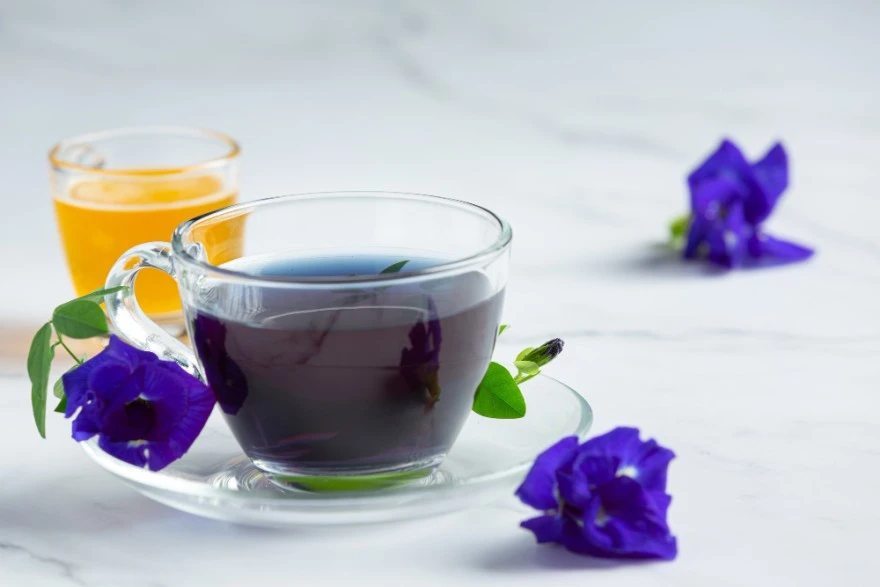
Table of Contents
What Is Blue Tea?
Blue tea (butterfly pea flower tea) is a naturally caffeine-free herbal infusion made from the dried flowers of the butterfly pea plant (Clitoria ternatea), which is native to Southeast Asia. The vivid blue colour of the tea comes from natural pigments called anthocyanins, making it a stunning addition to any tea collection. Beyond its eye-catching hue, blue flower tea is known for its earthy flavour and potential health benefits, thanks to its rich antioxidant profile.
Traditionally, butterfly pea flowers have been used in Ayurvedic and folk medicine to support vitality and overall health. Today, blue tea is enjoyed as a unique alternative to traditional teas and is even used as a natural food colourant. Its growing popularity stems from both its visual appeal and the numerous butterfly pea flower benefits it offers.
10 Blue Tea Health Benefits
Here are some of the blue tea benefits:
1. Rich in antioxidants
One of the key butterfly pea flower benefits is its high content of antioxidants, particularly anthocyanins and polyphenols. These powerful compounds help neutralise harmful free radicals in the body, protecting cells from oxidative stress and damage. By incorporating antioxidant-rich blue tea into your diet, you may help support overall cellular health and potentially lower the risk of various chronic diseases.
2. Promotes heart health
The anthocyanins found in blue flower tea may have a positive impact on heart health. These natural antioxidants are known to help reduce inflammation and support healthy cholesterol levels, both of which are important for maintaining cardiovascular health. Some studies have also indicated that butterfly pea flower extract may help regulate blood pressure and improve blood lipid profiles after meals, suggesting potential benefits for overall heart function.
3. Manages blood sugar
Preliminary studies suggest that blue flower tea extract may help improve antioxidant levels and influence blood sugar and insulin response
Research indicates that blue flower tea extract may help stabilise blood sugar levels. Preliminary studies suggest that butterfly pea flower extract may help to improve the antioxidant levels and influence blood sugar and insulin response, which may reduce the risk of developing diabetes. However, if you have diabetes or are at risk, consult your doctor before using blue tea as a complementary approach to managing your blood sugar.
4. Boosts brain health
Blue tea is also valued for its potential to support brain health. The antioxidants in butterfly pea flowers, such as anthocyanins and flavonoids, are believed to help reduce oxidative stress and inflammation in the brain—two factors linked to cognitive decline. Traditionally used as a natural brain tonic, blue flower tea is believed to support mental clarity and memory, though modern research is still evolving, and support overall brain function.
5. Improves hair & skin
The antioxidants in blue flower tea, particularly anthocyanins and flavonoids, may promote healthy hair growth and protect your skin from premature ageing. These compounds help combat damage from free radicals, which can contribute to hair loss and the breakdown of collagen in the skin. Butterfly pea flower benefits are also popular ingredients in many cosmetic and skincare products due to their potential anti-ageing and skin-nourishing properties.
6. Prevents obesity
Blue tea may support weight management by promoting a healthy metabolism and helping to reduce fat accumulation in the body. Its natural antioxidant and anti-inflammatory properties can also contribute to overall wellness, which plays a role in maintaining a healthy weight. When combined with a balanced diet and regular physical activity, incorporating blue flower tea into your routine may be a helpful addition to a weight management plan.
7. Anti-inflammatory effects
Butterfly pea flowers contain significant anti-inflammatory compounds, which may help reduce inflammation throughout the body. Chronic inflammation is linked to various health issues, including heart disease, diabetes, and certain cancers. By drinking blue tea regularly, you may help combat inflammation and potentially lower your risk of these conditions.
8. Improves digestive health
Traditional medicine and some scientific evidence suggest that blue tea may have benefits for digestive health. The tea is believed to aid digestion, promote diuresis (increased urine production), and help relieve gastrointestinal discomfort.
The anti-inflammatory and antioxidant properties of blue flower tea may also contribute to its potential gut-health benefits. If you experience frequent digestive issues, consider adding blue tea to your diet as a gentle, natural way to support your digestive system.
9. Reduces stress
Butterfly pea flower tea contains phytochemicals such as flavonoids and anthocyanins, which are believed to exert calming effects on the nervous system. These compounds may help modulate stress responses by reducing oxidative stress and supporting neurotransmitter balance.
Traditionally used to promote mental relaxation and emotional well-being, blue tea benefits are increasingly recognised for their potential role in supporting stress management. Incorporating it into a daily routine may offer a natural way to promote relaxation and enhance overall mental clarity.
10. May help prevent cancer cell growth
Some studies have shown that certain compounds in blue tea may help inhibit the growth of cancer cells. The antioxidant and anti-inflammatory properties of the tea are believed to play a role in this potential cancer-fighting effect.
However, it's important to note that more studies are needed to confirm the butterfly pea flower benefits for cancer prevention. While drinking blue tea may offer some protection against cancer, it should not be considered a substitute for conventional cancer treatment.
Potential Side Effects
Blue flower tea is generally safe for most people when consumed in moderation. However, there are a few potential side effects and precautions to be aware of:
- Digestive issues: Some individuals may experience mild nausea or stomach discomfort, particularly if consumed in large amounts.
- Allergic reactions: Those with allergies to plants in the Fabaceae family should use caution, as allergic responses are possible, though rare.
- Blood pressure effects: Blue tea may lower blood pressure, so individuals taking antihypertensive medications should consult a doctor to avoid possible interactions.
- Pregnancy and breastfeeding: There is limited scientific data on the safety of butterfly pea flower during pregnancy and lactation, so medical advice is recommended before use.
As with any herbal product, it's best to use blue tea as part of a balanced lifestyle and not as a replacement for medical treatment.
How to Make Blue Tea?
Preparing a cup of blue tea is a simple process. Here's a step-by-step guide:
- Use 1 teaspoon (2–4 dried flowers, or ~2–3 grams) of dried butterfly pea flowers to a tea infuser or directly to a cup.
- Pour 1 cup (240 mL) of hot water over the flowers.
- Allow the tea to steep for 10–15 minutes to extract the full flavour and colour.
- Strain the tea into your cup, and enjoy your blue flower tea hot, or pour it over ice for a refreshing cold brew.
Tip: Adding a squeeze of lemon or lime juice to your blue tea will change its colour from blue to purple due to the pH-sensitive nature of the anthocyanin pigments. You can also sweeten your tea with a touch of honey if desired.
As a leading chain of diagnostic labs across India, Metropolis Healthcare is committed to empowering patients with the knowledge and tools they need to take control of their health. With a team of qualified blood collection technicians and advanced diagnostic labs, Metropolis Healthcare offers accurate pathology testing and convenient at-home sample collection services. Take the first step towards a healthier you by visiting the Metropolis Healthcare website or downloading the user-friendly Metropolis TruHealth app today.
FAQs
How to make blue tea?
To make blue tea, simply steep 1 teaspoon of dried butterfly pea flowers in a cup of hot water for 10–15 minutes. Strain the tea and enjoy it hot or iced. You can add lemon juice or honey to taste.
Is blue tea healthier than green tea?
Both blue tea and green tea offer unique health benefits. Blue tea is caffeine-free and rich in anthocyanins and polyphenols, while green tea contains catechins and a moderate amount of caffeine. The choice between the two depends on your personal health goals and preferences.
Is blue tea good for the brain?
Blue tea contains neuroprotective antioxidants, particularly anthocyanins and flavonoids. These compounds help reduce oxidative stress and support cognitive function, potentially improving memory, mental clarity, and overall neurological well-being. However, more research is needed to confirm the blue tea benefits for the brain.
Who should not drink blue pea tea?
Pregnant or breastfeeding women, individuals with allergies to legumes, and those taking medications or with chronic illnesses should consult a doctor before drinking blue tea. It's always best to seek personalised medical advice.
Which is the healthiest tea to drink daily?
The healthiest tea to drink daily varies depending on individual needs and preferences. Green tea, black tea, and herbal teas like blue flower tea each offer unique health benefits. The key is to consume tea in moderation and choose a variety that aligns with your health goals.
References
• https://ijbs-udayana.org/index.php/ijbs/article/view/486/489
• https://pmc.ncbi.nlm.nih.gov/articles/PMC6546959/
• https://pubmed.ncbi.nlm.nih.gov/18926895/
• https://ijpsr.com/bft-article/a-review-article-on-antioxidant-profile-of-blue-tea-polyphenols-in-the-treatment-of-various-diseases/
• https://pmc.ncbi.nlm.nih.gov/articles/PMC9436976/