Home Visit
 Upload







Web Stories




Latest Blogs
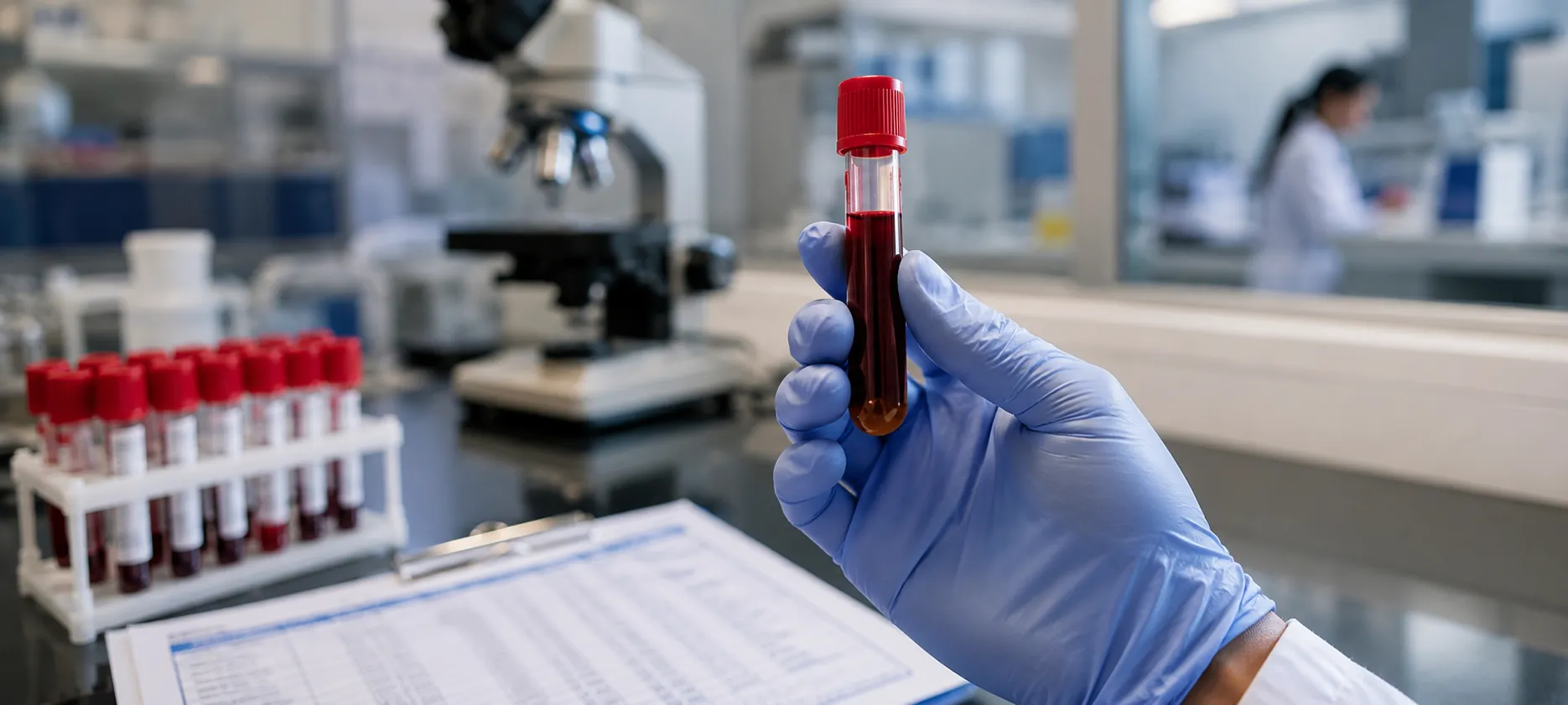
Blood Tests For Cancer: How They Detect Different Types Of Cancer
A blood test for cancer can give important clues about your health. It can show abnormal blood cell levels, tumour markers, organ function changes, proteins, or cancer related genetic material in the blood. However, blood tests do not diagnose most cancers on their own. They are usually one part of a larger evaluation that may include physical examination, imaging, biopsy, bone marrow tests, genetic tests, and specialist review. Blood tests are especially useful for detecting some blood cancers, monitoring treatment response, checking recurrence, and understanding how cancer or treatment is affecting the body. What Is A Blood Test For Cancer And How Does It Work? A blood test for cancer is a laboratory test that checks your blood sample for signs that may be linked with cancer. These signs may include unusual blood cell counts, abnormal proteins, tumour markers, circulating tumour cells, or fragments of cancer DNA. Some blood tests look for direct changes in blood cells. Others look for substances released by cancer cells or by the body in response to cancer. A blood test for cancer markers may help doctors decide whether further tests are needed. It may also help monitor treatment progress or check if cancer has returned after treatment. Why Blood Tests Are Used In Cancer Detection Blood tests may be used to: Check for abnormal blood cell counts Detect possible signs of blood cancer Measure tumour markers Assess liver and kidney function before treatment Understand how the body is responding to cancer treatment Track whether cancer is reducing, stable, or progressing Monitor for recurrence after treatment Support diagnosis along with imaging and biopsy Help guide treatment decisions in selected cancers Check overall health before surgery, chemotherapy, radiation, or targeted therapy Blood tests are helpful, but they are not a replacement for a full medical evaluation. Which Blood Test For Cancer Is Most Commonly Used? The most commonly used blood test in cancer evaluation is the Complete Blood Count, also called CBC Test. A CBC Test measures red blood cells, white blood cells, haemoglobin, haematocrit, and platelets. It can help detect possible blood cancers such as leukaemia, lymphoma, and multiple myeloma. It can also show anaemia, infection, bleeding risk, or treatment related changes. For solid cancers, such as prostate cancer, ovarian cancer, breast cancer, lung cancer, or colon cancer, a CBC alone is usually not enough. Doctors may use tumour marker tests, imaging, biopsy, or other specialised tests based on symptoms and risk factors. Types Of Blood Tests For Cancer Detection Common blood tests used in cancer care include: Complete Blood Count: Measures blood cells and can help detect blood cancers or treatment related changes. Tumour Marker Tests: Measure substances that may be higher in some cancers, such as PSA, CA-125, CEA, AFP, or CA 19-9. Blood Protein Tests: Check abnormal protein patterns that may be seen in multiple myeloma and some other blood disorders. Peripheral Blood Smear: Allows specialists to look at blood cells under a microscope for abnormal shapes, sizes, or immature cells. Flow Cytometry: Helps identify certain types of leukaemia and lymphoma by studying markers on blood or bone marrow cells. Liquid Biopsy: Looks for circulating tumour DNA or cancer related genetic changes in the blood. Circulating Tumour Cell Tests: Detect cancer cells that have broken away from a tumour and entered the bloodstream. Liver And Kidney Function Tests: Do not diagnose cancer directly, but help assess organ function before and during treatment. What Types Of Cancer Can Be Detected Through Blood Tests? Blood tests may help in the evaluation of several cancers, including: Leukaemia: A CBC may show very high or very low white blood cells, anaemia, low platelets, or abnormal immature cells. Lymphoma: Blood tests may show abnormal blood counts, high LDH, or other changes, but biopsy is usually needed for confirmation. Multiple Myeloma: Blood protein tests, serum electrophoresis, calcium levels, kidney function tests, and blood counts may provide important clues. Prostate Cancer: PSA testing may show raised prostate specific antigen levels. However, high PSA can also occur due to non cancer causes. Ovarian Cancer: CA-125 Test may be used in selected cases, especially for monitoring treatment or recurrence. It is not a standalone screening test for everyone. Liver Cancer: AFP may be used along with imaging and clinical assessment. Colorectal Cancer: CEA may help monitor treatment response or recurrence, but it is not used alone to diagnose colon cancer. Testicular Cancer: AFP, beta hCG, and LDH may help in diagnosis, staging, and monitoring. Some newer blood tests aim to detect signals from multiple cancers, but many are still used carefully and need follow up testing. How Accurate Is A Blood Test For Cancer Detection? The accuracy of a blood test for cancer depends on the type of test, the cancer type, the stage of disease, and the reason for testing. Some tests are useful for certain cancers but not for others. For example, a CBC can help detect blood cancers, but it cannot reliably detect most solid tumours. Tumour markers may rise in cancer, but they can also rise due to non cancer conditions such as inflammation, infection, benign growths, liver disease, prostate enlargement, or endometriosis. A normal blood test also does not always rule out cancer. This is why doctors interpret blood test results with symptoms, examination findings, imaging, biopsy, and medical history. Can Blood Tests Alone Diagnose Cancer? In most cases, no. Blood tests alone cannot confirm cancer. A confirmed cancer diagnosis usually needs tissue or cell examination. This may be done through a biopsy, bone marrow test, surgical sample, or cytology, depending on the suspected cancer. Blood tests can raise suspicion, support diagnosis, guide further testing, help monitor treatment, and detect recurrence. They are an important part of cancer care, but they are rarely the only test needed. When Should You Consider A Blood Test For Cancer? You may need a blood test if you have: Unexplained weight loss Persistent fatigue Fever that does not settle Night sweats Unusual bleeding or bruising Long lasting swelling of lymph nodes Repeated infections Persistent abdominal bloating Blood in urine or stool Change in bowel habits Persistent pain without clear reason Loss of appetite Family history of certain cancers Previous cancer treatment and need for monitoring Abnormal imaging result Doctor advised screening or follow up These symptoms do not always mean cancer. Many common conditions can cause similar symptoms. A doctor can help decide which blood test for cancer or other test is suitable. How To Prepare For A Blood Test For Cancer Follow Your Doctor’s Instructions Some tests need fasting, while others do not. Confirm this before your appointment. Share Your Medical History Tell your doctor about current symptoms, past illnesses, surgeries, cancer history, and family history. List All Medicines And Supplements Some medicines may affect test results. Do not stop any medicine unless your doctor advises it. Stay Hydrated Drink water unless fasting instructions say otherwise. Avoid Heavy Exercise Before Testing Intense exercise may affect some blood values. Carry Previous Reports Older blood reports, imaging scans, biopsy reports, or treatment records help doctors compare results. Ask About Follow Up Understand when results are expected and what the next step may be. What Happens After An Abnormal Cancer Blood Test Result? An abnormal result does not always mean cancer. Your doctor will review the result along with your symptoms, age, sex, risk factors, examination findings, and previous reports. You may be advised to repeat the blood test, do imaging such as ultrasound, CT, MRI, or PET scan, undergo biopsy, meet a specialist, or take additional tests such as tumour markers, bone marrow examination, or genetic testing. The next step depends on which value is abnormal and what cancer or non cancer condition is suspected. Benefits And Limitations Of Blood Tests For Cancer Benefits Limitations Simple and quick sample collection Cannot diagnose most cancers alone Helps detect blood cell abnormalities Normal results do not always rule out cancer Useful for blood cancers such as leukaemia and lymphoma Tumour markers can rise due to non cancer causes Helps monitor treatment response Some cancers do not produce measurable markers Helps check recurrence in selected cancers Results need expert interpretation Can assess kidney, liver, and overall health before treatment Additional tests such as imaging or biopsy may be needed Useful in follow up care Not every person needs every cancer blood test Are Blood Tests Used For Cancer Monitoring And Recurrence? Yes. Blood tests are often used after a cancer diagnosis to monitor treatment response, side effects, and recurrence. For example, tumour markers may be tracked over time in selected cancers. A falling marker may suggest response to treatment, while a rising marker may suggest recurrence or progression. However, one result is usually not enough. Doctors look at trends, symptoms, scans, and clinical findings. Blood tests may also help monitor anaemia, infection risk, platelet count, liver function, kidney function, and nutritional status during cancer treatment. Preventive Health Checkups And Early Cancer Detection Preventive health checkups can help identify health changes early. They may include a CBC Test, liver function, kidney function, blood sugar, and other routine markers. These tests may not screen for all cancers, but they can reveal abnormalities that need further evaluation. Cancer screening should be based on age, sex, family history, symptoms, lifestyle risk, and doctor advice. Some cancers need specific screening tests, such as Pap smear, HPV testing, mammography, colonoscopy, PSA testing, or targeted imaging. Metropolis Healthcare supports preventive health management with 4,000 tests, full body checkups, speciality testing, home sample collection, accurate results, quick turnaround time, and easy booking through website, call, app, and WhatsApp. With a strong home collection network and 10,000 touchpoints, Metropolis can help you monitor important health markers through tests such as CBC Test, Tumor Marker Test, and CA-125 Test when advised by your doctor. FAQ Can Cancer Be Detected During A Blood Test? Yes, some cancers can show signs in blood tests. Blood cancers such as leukaemia, lymphoma, and multiple myeloma may cause abnormal blood counts or abnormal proteins. Some solid cancers may show raised tumour markers. However, most cancers need imaging, biopsy, or other tests for confirmation. What Is The Biggest Indicator Of Cancer? There is no single biggest indicator of cancer. Warning signs may include unexplained weight loss, persistent fatigue, unusual bleeding, a lump, long lasting fever, night sweats, change in bowel habits, persistent pain, or abnormal test results. The most important step is to see a doctor if symptoms continue or worsen. What Are The Top 3 Causes Of Cancer? Cancer usually develops due to a mix of genetic, lifestyle, environmental, and biological factors. Major preventable risk factors include tobacco use, infections linked with cancer, unhealthy diet, excess body weight, alcohol use, physical inactivity, and UV radiation. Family history and ageing can also increase risk. What Food Kills Cancer Cells In The Body? No food can reliably kill cancer cells in the body. A healthy diet can support overall health, immunity, treatment recovery, and weight management, but it cannot replace medical cancer treatment. A balanced diet with vegetables, fruits, whole grains, pulses, nuts, lean proteins, and adequate hydration is helpful for general wellness. What Is The New Blood Test For Cancer? Newer blood tests include liquid biopsy and multi cancer early detection tests. These tests look for cancer related DNA, proteins, or other signals in the blood. Some are used in selected patients to guide treatment or monitor cancer. Others are still being studied for early detection. Any abnormal result needs careful follow up with a doctor. References National Cancer Institute. Tests and procedures used to diagnose cancer. Updated 2023. National Cancer Institute. Tumor markers in cancer diagnosis and treatment. Updated 2023. Mayo Clinic Staff. Cancer blood tests: Lab tests used in cancer diagnosis. Updated 2024. Cleveland Clinic. Blood tests for cancer: Diagnosis and screening. Updated 2024. National Cancer Institute. Tumor marker tests in common use. Updated 2023.

Best Fat Loss Exercises To Burn Belly Fat Fast
Belly fat is one of the most common fitness concerns. It can affect how you feel, how your clothes fit, and sometimes, how confident you feel in your body. But it is important to know one thing clearly: you cannot reduce belly fat only by doing stomach exercises. The best fat loss exercise plan is one that helps you burn overall body fat. This includes cardio, strength training, HIIT, full body movements, a balanced fat loss diet, good sleep, stress control, and regular consistency. You do not need extreme workouts or expensive equipment to start. Many effective fat loss exercises at home can help you build strength, burn calories, and improve your overall fitness when done correctly. What Are The Best Fat Loss Exercises To Burn Belly Fat Fast? The best exercises for fat loss are full body movements that increase your heart rate, use large muscle groups, and help you burn calories. These include brisk walking, jumping jacks, squats, lunges, mountain climbers, burpees, push ups, planks, cycling, swimming, and strength training exercises. HIIT workouts and compound strength movements are especially useful because they work many muscles at once. However, no exercise can directly melt fat from your belly alone. Belly fat reduces when your overall body fat reduces. For the best results, combine exercise with healthy eating, proper hydration, enough protein, and regular sleep. How Does Fat Loss Exercise Help Reduce Belly Fat? Fat loss exercise helps your body use more energy. When you burn more calories than you consume over time, your body starts using stored fat for fuel. This can include fat around your belly, hips, thighs, arms, and other areas. Exercise also helps improve insulin sensitivity, heart health, muscle strength, stamina, and mood. Strength training is especially helpful because muscle tissue uses more energy than fat tissue, even at rest. Core exercises like planks and bicycle crunches are useful too. They strengthen your abdominal muscles, improve posture, and support your back. But they should be part of a full body fat loss workout, not the only exercise you do. Types Of Fat Loss Exercises You Should Include A balanced fat loss workout should include different types of movement. This helps you burn calories, build muscle, protect your joints, and avoid boredom. Cardio-Based Fat Loss Exercises Cardio exercises increase your heart rate and help your body burn calories. These are often considered the best exercise for fat loss when combined with diet and strength training. Good cardio exercises include: Brisk walking Jogging Cycling Swimming Dancing Stair climbing Skipping Low impact aerobics Marching in place Fast walking on an incline Start with a pace that feels manageable. You should feel slightly breathless, but still able to speak in short sentences. Strength Training For Full Body Fat Loss Exercise Strength training helps you build lean muscle and improve body shape. It also supports long term fat loss by improving your resting energy use. Useful strength exercises include: Squats Lunges Push ups Glute bridges Dumbbell rows Shoulder presses Deadlifts Step ups Planks Resistance band exercises You can use body weight, dumbbells, resistance bands, or gym machines. If you are a beginner, focus on correct form before increasing intensity. HIIT Workouts For Faster Fat Burn HIIT stands for High-Intensity Interval Training. It includes short bursts of hard exercise followed by short recovery periods. Examples include: 30 seconds jumping jacks, 30 seconds rest 30 seconds mountain climbers, 30 seconds rest 20 seconds burpees, 40 seconds rest 30 seconds squat jumps, 30 seconds rest 30 seconds high knees, 30 seconds rest HIIT can be effective, but it is intense. If you have heart disease, joint pain, uncontrolled diabetes, high blood pressure, or are new to exercise, speak to your doctor before starting high intensity workouts. 10 Best Fat Loss Exercise At Home You can do these fat loss exercises at home without equipment. Start slowly and increase the number of rounds as your stamina improves. Jumping Jacks Stand tall, jump your feet out, raise your arms, and return to the starting position. This improves heart rate and warms up your full body. High Knees Run in place while lifting your knees towards your chest. Keep your core tight and move at a steady pace. Bodyweight Squats Stand with feet shoulder width apart. Bend your knees and push your hips back as if sitting on a chair. Squats work your thighs, hips, glutes, and core. Reverse Lunges Step one leg back and lower your body gently. Return to standing and repeat on the other side. Lunges help strengthen your lower body. Mountain Climbers Start in a plank position and bring one knee at a time towards your chest. This works your core, shoulders, and legs while raising your heart rate. Modified Burpees Stand tall, place your hands on the floor, step your feet back into a plank, step forward again, and stand up. Beginners can avoid the jump. Push Ups Push ups work your chest, shoulders, arms, and core. You can start with knee push ups if regular push ups feel difficult. Plank Hold your body in a straight line on your forearms or hands. Keep your stomach firm and avoid dropping your hips. Bicycle Crunches Lie on your back and move opposite elbow towards opposite knee. This strengthens the abdominal and side waist muscles. Glute Bridges Lie on your back with knees bent. Lift your hips, squeeze your glutes, and lower slowly. This supports your hips, lower back, and core. Full Body Fat Loss Workout Plan Before every workout, warm up for 5 to 10 minutes. You can march in place, do arm circles, walk slowly, or perform light mobility movements. After the workout, cool down and stretch gently. Beginner Fat Loss Workout Routine Do this 3 to 4 days a week. March in place: 1 minute Bodyweight squats: 10 reps Wall push ups: 10 reps Glute bridges: 12 reps Step ups or stair walking: 1 minute Plank: 15 to 20 seconds Rest: 60 seconds Repeat: 2 to 3 rounds Intermediate Fat Loss Workout Split Do this 4 to 5 days a week. Jumping jacks: 45 seconds Squats: 15 reps Reverse lunges: 10 reps each side Push ups: 10 to 12 reps Mountain climbers: 30 seconds Plank: 30 to 45 seconds Rest: 45 seconds Repeat: 3 to 4 rounds Advanced Fat Loss Workout Plan Do this 4 to 5 days a week, only if your fitness level allows it. Burpees: 10 reps Jump squats: 12 reps Push ups: 15 reps Mountain climbers: 45 seconds Walking lunges: 12 reps each side Plank shoulder taps: 30 seconds Bicycle crunches: 20 reps Rest: 30 to 45 seconds Repeat: 4 to 5 rounds Weekly Fat Loss Workout Schedule Day Workout Focus Monday Cardio and core Tuesday Strength training Wednesday Brisk walking or low intensity cardio Thursday HIIT or full body circuit Friday Strength training Saturday Long walk, cycling, swimming, or dance Sunday Rest, stretching, or yoga Common Mistakes That Slow Down Belly Fat Loss Small mistakes can slow your progress even when you exercise regularly. Ignoring Diet And Nutrition Exercise works best when your diet supports your goal. If you eat more calories than your body needs, belly fat loss becomes slower. Avoid these common diet mistakes: Skipping protein Drinking too many sugary drinks Eating large portions of fried snacks Depending only on a fat loss drink Using fat loss tablets without medical advice Expecting a fat loss belt to burn belly fat Eating very little and then overeating later A fat loss diet should include balanced meals with protein, vegetables, whole grains, fruits, healthy fats, and enough water. Overtraining Without Recovery More exercise is not always better. Your body needs rest to repair muscles, balance hormones, and maintain energy. Overtraining can lead to: Tiredness Poor sleep Body pain Low motivation Increased hunger Higher injury risk Take at least 1 to 2 lighter days each week. Sleep well and stretch after workouts. Only Doing Crunches For Belly Fat Crunches can strengthen your abdominal muscles, but they do not directly burn belly fat. If your routine includes only sit ups, crunches, or planks, your calorie burn may be limited. For better results, combine: Cardio Strength training HIIT Core work Healthy eating Daily movement How To Combine Diet And Fat Loss Exercise For Faster Results Exercise and diet work together. Exercise helps you burn calories and build strength. Food gives your body the nutrients it needs to recover and function well. To support fat loss: Eat protein with every main meal Add vegetables to lunch and dinner Choose whole grains over refined grains Limit sugary drinks and sweets Use healthy fats in small portions Avoid extreme crash diets Keep a regular meal pattern Track your progress through waist size, energy, strength, and clothes fit Protein Intake And Fat Loss Protein helps you feel full and supports muscle repair after exercise. Good protein choices include: Dal Lentils Beans Curd Paneer Eggs Fish Chicken Soy Tofu Nuts and seeds in small portions If you exercise regularly, your protein needs may be higher. A nutrition expert can help you choose the right amount for your body weight and health goals. Importance Of Sleep And Stress Management Poor sleep and high stress can make fat loss harder. They may increase hunger, cravings, tiredness, and emotional eating. Helpful habits include: Sleeping at a regular time Reducing screen use before bed Practising deep breathing Walking outdoors Doing yoga or stretching Taking rest days Avoiding late night heavy meals Stress control is not just good for your mind. It also supports better food choices and regular exercise. Hydration And Metabolism Water helps your body function well during exercise. Dehydration can make you feel tired, dizzy, or less focused. Simple hydration tips include: Drink water through the day Carry a bottle when you exercise Drink more in hot weather Limit sugary drinks Choose water instead of high calorie beverages You do not need a special fat loss drink to reduce belly fat. Plain water, balanced meals, and consistent movement are more useful. How Long Does It Take To Lose Belly Fat With Exercise? The time needed to lose belly fat depends on your starting weight, diet, age, hormones, sleep, stress, activity level, and medical history. Some people notice better stamina within 2 to 3 weeks. Visible waist changes often take longer. A steady approach is safer and more sustainable than rapid weight loss. Focus on progress signs such as: Better energy Improved sleep Looser clothes Better strength Lower waist measurement Improved blood test markers Better consistency with meals and workouts If you have sudden weight gain, unexplained weight loss, tiredness, irregular periods, diabetes, thyroid concerns, or other symptoms, speak to your doctor. Best Time To Do Fat Loss Exercise For Maximum Results The best time to exercise is the time you can follow consistently. Morning workouts may help some people stay disciplined. Evening workouts may suit others better because the body feels warmer and more active. Choose a time based on: Your work schedule Your energy level Meal timing Sleep routine Family responsibilities Safety and comfort Avoid intense exercise immediately after a heavy meal. Keep a small gap and listen to your body. Conclusion The best way to burn belly fat is to focus on overall fat loss, not only abdominal exercises. A complete plan should include cardio, strength training, HIIT when suitable, a balanced fat loss diet, good sleep, stress control, and regular health monitoring. Metropolis Healthcare can support your wellness journey with preventive health checkups, full body checkups, speciality testing, and reliable reports. With 4,000+ tests, expert pathologists, NABL and CAP accredited labs, easy booking through the website, call, app, and WhatsApp, and home sample collection through a strong network of 10,000 touchpoints, Metropolis makes proactive health monitoring simple and accessible. If you are working on weight management, routine blood tests can help you understand important health markers such as blood sugar, lipid profile, liver function, thyroid function, and vitamin levels. People exploring GLP-1 Agonists, a GLP-1 Diet, the GLP 1 Test Package, or the GLP-1 Monitor Package can also use structured health tracking to stay informed and make safer decisions with medical guidance. FAQ What Is The Most Effective Fat Loss Exercise? The most effective fat loss exercise is usually a combination of cardio, strength training, and full body movements. Brisk walking, squats, lunges, burpees, mountain climbers, push ups, and cycling are useful options. The best exercise is one you can do safely and regularly. Can I Do Fat Loss Exercise At Home Without Equipment? Yes, you can do fat loss exercise at home without equipment. Bodyweight exercises such as squats, lunges, push ups, planks, jumping jacks, high knees, mountain climbers, and glute bridges can help you burn calories and build strength. How Many Days A Week Should I Exercise For Fat Loss? Most adults can aim for at least 150 minutes of moderate intensity aerobic activity per week, along with muscle strengthening exercises on 2 or more days a week. If you are new to exercise, start with 3 days a week and build gradually. Do Ab Workouts Burn Belly Fat? Ab workouts strengthen your core, but they do not directly burn belly fat. Belly fat reduces when your total body fat reduces through calorie control, cardio, strength training, and consistent healthy habits. What Is GLP-1 (Glucagon-Like Peptide-1) And How Does It Support Fat Loss? GLP-1 is a natural hormone that helps regulate blood sugar, appetite, and fullness. GLP-1 Agonists are medicines that act like this hormone and may support weight management in selected people under medical supervision. They are not a replacement for healthy eating, exercise, or regular health monitoring. Can Rapid Weight Loss Cause Dumping Syndrome? Rapid weight loss itself does not usually cause dumping syndrome. Dumping syndrome is more commonly linked with rapid emptying of food from the stomach into the small intestine, often after stomach or weight loss surgery. Symptoms may include nausea, diarrhoea, bloating, cramps, dizziness, or tiredness after meals. If you have these symptoms, speak to your doctor. References World Health Organization. WHO guidelines on physical activity and sedentary behaviour. Geneva: World Health Organization; 2020. Parker T. What’s the best exercise to lose fat around your belly? British Heart Foundation. Updated 7 January 2026. Donnelly JE, Blair SN, Jakicic JM, Manore MM, Rankin JW, Smith BK. Appropriate physical activity intervention strategies for weight loss and prevention of weight regain for adults. Med Sci Sports Exerc. 2009;41(2):459-471. PMID: 19127177. Vispute SS, Smith JD, LeCheminant JD, Hurley KS. The effect of abdominal exercise on abdominal fat. J Strength Cond Res. 2011;25(9):2559-2564. PMID: 21804427. Ard J, Fitch A, Fruh S, Herman L. Weight loss and maintenance related to the mechanism of action of glucagon-like peptide 1 receptor agonists. Adv Ther. 2021;38(6):2821-2839. PMID: 33977495. National Institute of Diabetes and Digestive and Kidney Diseases. Definition and facts for dumping syndrome. Last reviewed January 2019.

Liraglutide For Weight Loss: Uses, Benefits, Dose And Side Effects
Liraglutide is a prescription injectable medicine used for weight management and type 2 diabetes care. For weight loss, it is usually used along with a reduced calorie diet, regular physical activity, and medical supervision. It belongs to a group of medicines called GLP-1 agonists. These medicines work on appetite, digestion, and blood sugar control. Liraglutide can support weight loss, but it is not a quick fix or a cosmetic slimming injection. It should only be used when prescribed by a qualified doctor. What Is Liraglutide? Liraglutide is a GLP-1 receptor agonist. GLP-1 is a natural hormone in your body that helps regulate appetite, insulin release, and how quickly food leaves your stomach. Liraglutide is given as a once daily injection under the skin. It is available in different strengths and brand forms depending on its use. For weight management, liraglutide is commonly associated with Saxenda, which contains liraglutide 3.0 mg as the target maintenance dose. Doctors may also use liraglutide for type 2 diabetes management at lower doses. The dose, purpose, and monitoring plan depend on your health needs. How Does Liraglutide Work For Weight Loss? Liraglutide helps with weight loss mainly by reducing appetite and increasing fullness. It slows stomach emptying, so you may feel satisfied for longer after meals. This can make it easier to eat smaller portions and follow a calorie controlled diet. It may also help improve some metabolic markers, especially in people with type 2 diabetes or weight related health risks. However, your results depend on your food habits, activity level, sleep, medical conditions, and how consistently you follow your doctor’s plan. Liraglutide For Weight Loss: Who Should Use It? Liraglutide for weight loss may be considered for: Adults with obesity Adults with excess weight and at least one weight related condition, such as high blood pressure, type 2 diabetes, or abnormal cholesterol Selected adolescents with obesity, only under specialist supervision People who have not achieved enough weight loss with lifestyle changes alone People who can follow regular medical review and dose monitoring People who understand that medicine must be combined with diet and exercise It is not suitable for everyone. Your doctor will check your weight history, BMI, waist measurement, medicines, diabetes status, kidney function, digestive history, and risk of side effects before prescribing it. Liraglutide Injection Uses: Medical And Weight Management Benefits Liraglutide injection may be used for: Supporting chronic weight management in suitable people Helping reduce appetite and food cravings Helping you feel full with smaller meals Improving blood sugar control in people with type 2 diabetes, when prescribed for that purpose Supporting cardiometabolic health in selected people with type 2 diabetes and heart disease risk Helping maintain weight loss when used with lifestyle changes Supporting better long term eating routines when combined with a GLP-1 diet plan Do not use liraglutide injection for casual weight loss, bodybuilding, or short term event based weight reduction. Liraglutide Benefits For Weight Loss Possible benefits of liraglutide include: Reduced appetite Better portion control Lower calorie intake Gradual weight loss when combined with diet and exercise Improved fullness after meals Possible improvement in waist measurement Better blood sugar control in suitable people Possible improvement in some cholesterol and blood pressure markers Support for long term obesity management when continued under supervision The benefits are usually gradual. Some people respond well, while others may not lose enough weight to continue treatment. Liraglutide Saxenda: What Is It And How Is It Different? Saxenda is a brand name for liraglutide used for chronic weight management. It contains liraglutide and is usually titrated up to 3.0 mg once daily if tolerated. Other liraglutide products may be used for type 2 diabetes at lower maximum doses. This is why you should not switch between liraglutide products on your own. You should also not combine Saxenda with another liraglutide medicine or another GLP-1 receptor agonist unless your doctor has clearly advised it. Liraglutide Injection: How To Use It Safely Use liraglutide only as prescribed. Your healthcare provider should teach you the correct injection method before your first dose. Check The Pen Make sure the medicine is clear and colourless. Do not use it if it looks cloudy, frozen, damaged, or expired. Choose The Injection Site Liraglutide is injected under the skin of your abdomen, thigh, or upper arm. Do not inject it into a vein or muscle. Rotate The Site Change the injection spot each day to reduce irritation, lumps, and soreness. Inject At The Same Time Daily You can take liraglutide with or without food. Choose a time that is easy to follow daily. Use A New Needle Each Time Do not reuse needles. Do not share your pen with anyone else. Dispose Of Needles Safely Use a proper sharps container. Do not throw loose needles into regular household waste. Know What To Do If You Miss A Dose Follow your doctor’s instructions. Do not double the next dose unless specifically advised. Track Symptoms Note nausea, vomiting, diarrhoea, abdominal pain, appetite changes, mood changes, and signs of dehydration. Liraglutide Dose For Weight Loss The usual liraglutide dose for weight loss starts low and increases gradually. This helps your body adjust and may reduce stomach related side effects. Never start directly at the full dose. Never increase the dose faster than prescribed. Recommended Liraglutide Dose Schedule (Weekly Breakdown) Week Usual Daily Dose Week 1 0.6 mg once daily Week 2 1.2 mg once daily Week 3 1.8 mg once daily Week 4 2.4 mg once daily Week 5 onwards 3.0 mg once daily If you cannot tolerate a higher dose, your doctor may delay the increase or review whether liraglutide is right for you. The 3.0 mg dose is the usual maintenance dose for weight management, but not everyone can tolerate it. Liraglutide Side Effects: Common vs Serious Like all medicines, liraglutide can cause side effects. Many are mild and improve as your body adjusts, especially during dose increases. Some side effects need urgent medical attention. Common Side Effects Of Liraglutide Common side effects may include: Nausea Vomiting Diarrhoea or diarrhea Constipation Indigestion Stomach pain Bloating Gas Reduced appetite Headache Dizziness Tiredness Injection site reaction Acid reflux You may reduce nausea by eating smaller meals, avoiding very oily foods, eating slowly, and stopping when you feel full. Serious Side Effects And When To See A Doctor Seek medical help quickly if you notice: Severe stomach pain, especially if it spreads to the back Persistent vomiting Symptoms of acute pancreatitis Signs of gallbladder disease, such as severe upper abdominal pain, fever, nausea, or yellowing of the skin Symptoms of dehydration, especially after vomiting or diarrhoea Reduced urination or swelling, which may suggest kidney impairment Fast or irregular heartbeat Severe allergic reaction, such as swelling of the face, lips, tongue, or throat A lump in the neck, hoarseness, trouble swallowing, or trouble breathing New or worsening depression, unusual mood changes, or suicidal thoughts Low blood sugar symptoms if you also take insulin or sulfonylureas Do not ignore severe or persistent symptoms. Your doctor may need to stop liraglutide or adjust your treatment plan. Who Should Avoid Liraglutide? Liraglutide may not be suitable if you: Are pregnant or planning pregnancy Are breastfeeding, unless your doctor advises otherwise Have a personal or family history of medullary thyroid cancer Have Multiple Endocrine Neoplasia syndrome type 2 Have had a serious allergic reaction to liraglutide Have a history of pancreatitis Have severe stomach emptying problems or gastroparesis Have gallbladder disease that needs active management Have kidney impairment or repeated dehydration Have serious liver disease Take insulin or sulfonylureas without close sugar monitoring Are already using another GLP-1 agonist Have a history of suicidal thoughts or severe depression Your doctor may still consider liraglutide in some situations with extra caution. Do not self decide. Liraglutide vs Other GLP-1 Drugs (Semaglutide, etc.) Medicine Type Dosing Pattern Common Use Key Point Liraglutide Once daily injection Weight management and type 2 diabetes, depending on dose and product Daily dosing and gradual dose increase Semaglutide Usually once weekly injection for weight management Weight management and type 2 diabetes, depending on product Longer acting than liraglutide Dulaglutide Once weekly injection Mainly type 2 diabetes Not primarily used as a weight loss medicine Tirzepatide Once weekly injection Type 2 diabetes and weight management, depending on approval and product Acts on GIP and GLP-1 pathways Exenatide Daily or weekly forms, depending on product Type 2 diabetes Older GLP-1 option The best medicine depends on your health profile, availability, cost, expected benefit, side effect risk, and doctor’s assessment. How Long Does Liraglutide Take To Show Weight Loss Results? Some people notice appetite changes within the first few weeks. Visible weight loss usually takes longer. Doctors often review progress after you have reached the maintenance dose and continued treatment for several weeks. If you do not lose enough weight after a defined trial period, your doctor may stop the medicine because continuing it may not give meaningful benefit. Your progress should be measured with more than the weighing scale. Waist size, blood sugar, cholesterol, blood pressure, energy, sleep, and eating behaviour also matter. Lifestyle Tips To Maximize Liraglutide Results To get better results with liraglutide, focus on habits you can sustain. Eat protein with each main meal Include vegetables, pulses, curd, eggs, fish, lean meat, paneer, tofu, or other suitable protein sources Reduce sugary drinks, sweets, fried snacks, and refined carbs Eat slowly and stop when comfortably full Drink enough water, especially if you have vomiting or diarrhoea Avoid heavy, greasy meals if nausea is present Follow a balanced GLP-1 diet instead of crash dieting Walk daily or follow your doctor’s exercise plan Add strength training if medically suitable Sleep 7 to 8 hours when possible Track your weight weekly, not several times a day Monitor glucose, cholesterol, kidney, and liver markers when advised Keep all follow up appointments Liraglutide supports weight management. Your routine makes the results more sustainable. Is Liraglutide Safe For Long-Term Use? Liraglutide can be used for long term weight management in suitable people under medical supervision. Regular review is important because your doctor must check whether the medicine is helping, whether side effects are manageable, and whether your health markers remain safe. Long term use may require monitoring for digestive symptoms, gallbladder disease, kidney function, blood sugar, heart rate, mood changes, and medicine interactions. If side effects become serious or weight loss is not meaningful, your doctor may change the plan. Conclusion Liraglutide can be a useful option for weight loss when obesity or excess weight is affecting your health. It works by reducing appetite, increasing fullness, and supporting better eating control. However, it must be used carefully, at the right dose, and only under medical guidance. Healthy weight management also depends on regular health monitoring. Metropolis Healthcare supports preventive healthcare with full body checkups, speciality testing, home sample collection, quick turnaround time, accurate results, and easy booking through the website, call, app, and WhatsApp. With 4,000 tests and a strong home collection network across 10,000 touchpoints, Metropolis can help you stay informed about key markers such as blood sugar, cholesterol, kidney function, liver function, and overall wellness. If you are starting or already using a GLP-1 based treatment, options such as the GLP 1 Test Package and GLP-1 Monitor Package can support proactive monitoring as part of your health journey. FAQ How Does Liraglutide Injection Help Reduce Appetite? Liraglutide acts like the natural GLP-1 hormone. It works on appetite centres in the brain, slows stomach emptying, and helps you feel full for longer. This may reduce hunger and make smaller meals feel more satisfying. Is Liraglutide The Same As Saxenda? Saxenda is a brand name for liraglutide used for weight management. Liraglutide is the active ingredient. Other liraglutide products may be used for type 2 diabetes at different doses, so you should not switch products without your doctor’s advice. Can Liraglutide Cause Dumping Syndrome? Liraglutide is not usually described as a direct cause of dumping syndrome. Dumping syndrome happens when food moves from the stomach to the small intestine too quickly, often after stomach or weight loss surgery. Liraglutide usually slows stomach emptying. However, its side effects, such as nausea, cramps, diarrhoea, and fullness, may feel similar in some people. Speak to your doctor if symptoms happen after meals or if you have had bariatric surgery. Is Liraglutide Safe Without Diabetes? Liraglutide can be prescribed for weight management in suitable people without diabetes. Your doctor will decide based on your BMI, health risks, medical history, current medicines, and side effect risk. You should not use it without medical supervision. What Is Dumping Syndrome And How Is It Related To GLP-1 Drugs? Dumping syndrome is a group of symptoms caused by rapid gastric emptying. Symptoms may include nausea, diarrhoea, stomach cramps, dizziness, sweating, and weakness after meals. GLP-1 drugs usually slow stomach emptying, so they work differently from the process that causes dumping syndrome. Still, digestive symptoms can overlap, which is why a doctor should review persistent post meal symptoms.

Top Blood Tests For Weight Loss
What Are Blood Tests For Weight Loss And Why Are They Important? Blood tests for weight loss are diagnostic tests that help you understand how your body is functioning from within. They can check your thyroid, blood sugar, cholesterol, liver function, kidney function, vitamin levels, iron levels, inflammation, and certain hormones. If you are trying to lose weight, these tests can help identify health issues that may make weight management harder. For example, thyroid imbalance, diabetes, insulin resistance, vitamin deficiency, anaemia, liver concerns, hormonal changes, or chronic inflammation may affect your energy, appetite, metabolism, and exercise capacity. Blood tests do not replace a healthy diet, physical activity, sleep, and stress control. But they can give your doctor useful information to create a safer and more personalised weight loss plan. How Blood Tests Help Identify Weight Loss Barriers Blood tests can help identify: Thyroid problems that may slow or speed up metabolism Diabetes or prediabetes that may affect weight and energy levels Insulin resistance that may make fat loss harder High cholesterol or triglycerides that may need lifestyle changes Low vitamin D or vitamin B12 that may cause tiredness Iron deficiency or anaemia that may reduce stamina Liver or kidney concerns that may affect overall health Hormonal changes that may influence appetite, body fat, and energy Inflammation markers that may suggest underlying health stress Health concerns linked with unexplained weight loss, such as hyperthyroidism, diabetes, depression, cancer, or digestive conditions Who Should Consider A Weight Loss Test? You may consider a weight loss test if you are not losing weight despite a balanced diet and regular exercise. You may also benefit from testing if you feel tired often, gain weight easily, lose weight without trying, feel unusually hungry or thirsty, have irregular periods, have a family history of diabetes or thyroid disease, or are planning a structured weight management programme. A blood test is also useful before starting a new diet, intense workout routine, or medically supervised weight loss plan. It helps you begin with a clear health baseline. Which Blood Test For Weight Loss Should You Take? The most useful blood tests for weight loss usually include thyroid profile, fasting blood sugar, HbA1c, fasting insulin, lipid profile, liver function test, kidney function test, CBC, vitamin D, vitamin B12, iron studies, and inflammation markers. Your doctor may recommend additional tests based on your age, symptoms, weight history, medical conditions, medicines, and family history. Complete List Of Blood Tests For Weight Loss Thyroid Profile This usually includes TSH, T3, and T4. Your thyroid controls many body functions, including metabolism and energy use. Hypothyroidism may make weight loss harder, while hyperthyroidism may cause unexplained weight loss, fast heartbeat, anxiety, and increased appetite. Fasting Blood Sugar This test checks your blood glucose after fasting. It can help detect diabetes or prediabetes, both of which can affect hunger, fatigue, and weight management. HbA1c Test HbA1c shows your average blood sugar level over the past 2 to 3 months. It is useful if your doctor wants to assess diabetes risk or long term blood sugar control. Fasting Insulin Fasting insulin can help assess how your body responds to insulin. High insulin levels may suggest insulin resistance, which can make weight loss more difficult for some people. Lipid Profile This test measures total cholesterol, LDL cholesterol, HDL cholesterol, and triglycerides. It helps assess heart health and fat metabolism. It is especially useful if you have belly fat, diabetes risk, high blood pressure, or a family history of heart disease. Liver Function Test This test checks markers such as ALT, AST, bilirubin, albumin, and alkaline phosphatase. Your liver plays an important role in digestion, nutrient processing, and fat metabolism. Abnormal results may need medical review. Kidney Function Test This includes markers such as creatinine, urea, and electrolytes. It helps assess kidney health before major dietary changes, high protein diets, or certain medications. Complete Blood Count A CBC checks haemoglobin, red blood cells, white blood cells, and platelets. It can help detect anaemia, infection, inflammation, or other blood related concerns that may affect energy and exercise capacity. Vitamin D Test Low vitamin D is common and may be linked with tiredness, poor muscle function, and low energy. Correcting deficiency may support overall wellness, although it should not be seen as a direct weight loss treatment. Vitamin B12 Test Vitamin B12 supports nerve health, red blood cell formation, and energy metabolism. Low levels may cause weakness, fatigue, tingling, or poor stamina. Iron Studies And Ferritin These tests help detect iron deficiency. Low iron or low ferritin may make you feel tired and reduce your ability to exercise consistently. C-Reactive Protein Or hs-CRP CRP or hs-CRP can indicate inflammation in the body. Long term inflammation may be linked with metabolic health concerns and should be interpreted by a doctor. Cortisol Test Cortisol is a stress hormone. Doctors may advise this test if there are symptoms suggesting adrenal or hormonal imbalance. It is not a routine test for everyone trying to lose weight. Sex Hormone Tests In selected cases, doctors may test testosterone, oestrogen, progesterone, LH, FSH, or prolactin. These may be useful for people with irregular periods, PCOS symptoms, low libido, fatigue, or suspected hormonal imbalance. GLP-1 Related Health Monitoring If you are exploring GLP-1 Agonists or following a GLP-1 Diet under medical guidance, your doctor may recommend tests to monitor blood sugar, kidney function, liver function, lipids, and nutritional status. A GLP 1 Test Package or GLP-1 Monitor Package may help support safer tracking. Weight Loss Test Packages: What Do They Include? Weight loss test packages usually combine key tests that help assess metabolic health. These may include thyroid profile, blood sugar tests, lipid profile, liver function, kidney function, CBC, vitamin levels, iron studies, and sometimes insulin or inflammation markers. A package can be useful because weight loss is rarely affected by one factor alone. Your energy, appetite, sleep, hormones, blood sugar, and nutrient levels can all play a role. Individual Tests Vs Full Weight Loss Packages Option What It Means Best For Individual Tests You choose specific tests such as thyroid profile, HbA1c, or lipid profile People with a known concern or doctor advised test Full Weight Loss Package A group of tests that checks multiple weight related health markers People starting a weight loss plan or facing unexplained weight changes Follow Up Testing Repeat testing after diet, exercise, medicines, or lifestyle changes People monitoring progress over time GLP-1 Monitoring Tests Tests that track health markers during GLP-1 based weight management People using GLP-1 Agonists under medical supervision How Often Should You Take Blood Tests For Weight Loss? The frequency depends on your health status and your doctor’s advice. If your results are normal and you are generally healthy, annual preventive testing may be enough. If you have diabetes, thyroid disease, high cholesterol, PCOS, obesity, fatty liver, or are taking weight loss medication, your doctor may advise testing every 3 to 6 months. Do not repeat tests too often without medical guidance. The goal is to track meaningful changes, not create unnecessary worry. How To Prepare For A Blood Test For Weight Loss Check If Fasting Is Needed Some tests, such as fasting blood sugar, fasting insulin, and lipid profile, may need fasting. Ask the lab or your doctor before the test. Drink Water You can usually drink plain water during fasting. Good hydration also makes blood collection easier. Avoid Heavy Meals The Night Before Very heavy, oily, or sugary meals may affect some test results. Avoid Alcohol Before Testing Alcohol may affect liver markers, triglycerides, and blood sugar. Inform The Lab About Medicines Tell your doctor or the lab if you take thyroid medicine, diabetes medicine, steroids, supplements, or weight loss medicines. Do Not Stop Medicines On Your Own Only stop or change medicines if your doctor tells you to. Avoid Intense Exercise Before Testing Heavy exercise just before testing may affect some markers. Keep your routine normal unless advised otherwise. Sleep Well Before The Test Poor sleep can affect blood sugar, stress hormones, and overall energy levels. What Do Blood Test Results Mean For Your Weight Loss Plan? Blood test results help your doctor understand what may be affecting your weight. For example, high HbA1c may suggest blood sugar concerns. Abnormal thyroid results may suggest thyroid imbalance. Low haemoglobin or ferritin may explain tiredness. High triglycerides or fatty liver markers may show the need for dietary and lifestyle changes. Your results should not be read in isolation. A doctor will consider your symptoms, weight pattern, waist size, medicines, age, family history, diet, sleep, and activity level before giving advice. How Doctors Use Blood Tests To Personalise Weight Loss Plans Doctors may use blood tests to: Identify medical barriers to weight loss Check if weight gain is linked with thyroid, diabetes, hormonal, or metabolic concerns Understand your risk of heart disease or fatty liver Detect vitamin or iron deficiencies Adjust your diet plan safely Decide if you need medication or specialist care Monitor progress during lifestyle changes Track safety during GLP-1 Agonists or other medically supervised weight loss treatments Investigate unexplained weight loss linked with hyperthyroidism, diabetes, depression, cancer, digestive disease, or other conditions Conclusion Blood tests for weight loss can help you understand your body better. They can identify hidden barriers such as thyroid imbalance, diabetes risk, insulin resistance, anaemia, nutrient deficiencies, liver concerns, kidney concerns, and hormonal changes. Metropolis Healthcare supports preventive health and weight management with 4,000+ tests, full body checkups, speciality testing, accurate reports, expert pathologists, NABL and CAP accredited labs, and convenient home sample collection. You can book tests easily through the website, call, app, and WhatsApp. With a strong home collection network and 10,000 touchpoints, Metropolis makes proactive health monitoring simple and accessible. If you are beginning a weight loss journey, routine health screening can help you make safer and more informed decisions. It can also support people exploring GLP-1 Agonists, a GLP-1 Diet, a GLP 1 Test Package, or a GLP-1 Monitor Package under medical guidance. FAQ Do I Need Fasting Before A Weight Loss Test? Some blood tests for weight loss may need fasting, especially fasting blood sugar, fasting insulin, and sometimes lipid profile. Other tests such as CBC, thyroid profile, vitamin D, and vitamin B12 may not always need fasting. Always confirm fasting instructions before your test. Which Tests Diagnose Dumping Syndrome? Dumping syndrome is usually diagnosed based on symptoms, medical history, and tests such as an oral glucose tolerance test or gastric emptying scan. It is more commonly seen after stomach or weight loss surgery. If you have dizziness, diarrhoea, cramping, sweating, or weakness after meals, speak to your doctor. What Is The 3-3-3 Rule For Fat Loss? The 3-3-3 rule for fat loss is a simple lifestyle approach that some people use. It often means 3 balanced meals, 3 litres of water, and 3 exercise sessions or movement blocks in a day or week, depending on the version being followed. It is not a medical rule. For safe fat loss, focus on a balanced diet, regular exercise, sleep, stress control, and medical guidance when needed. What Is The Best Test For Weight Loss? There is no single best test for weight loss. A useful weight loss test panel often includes thyroid profile, fasting blood sugar, HbA1c, fasting insulin, lipid profile, liver function test, kidney function test, CBC, vitamin D, vitamin B12, and iron studies. Your doctor can suggest the right tests based on your symptoms and goals. Is A CBC Blood Test For Weight Loss? A CBC is not a direct weight loss test, but it is useful in a weight loss evaluation. It checks haemoglobin, red blood cells, white blood cells, and platelets. It can help detect anaemia, infection, inflammation, or other concerns that may affect energy, stamina, and overall health. References World Health Organization. WHO guidelines on physical activity and sedentary behaviour. Geneva: World Health Organization; 2020. National Institute of Diabetes and Digestive and Kidney Diseases. Thyroid tests. National Institutes of Health. American Diabetes Association Professional Practice Committee. 2. Diagnosis and classification of diabetes: Standards of Care in Diabetes 2026. Diabetes Care. 2026;49(Suppl 1):S27-S34. National Heart, Lung, and Blood Institute. Blood cholesterol diagnosis. National Institutes of Health. MedlinePlus. Complete blood count. National Library of Medicine. National Institute of Diabetes and Digestive and Kidney Diseases. Diagnosis of dumping syndrome. National Institutes of Health. Apovian CM, Aronne LJ, Bessesen DH, McDonnell ME, Murad MH, Pagotto U, Ryan DH, Still CD. Pharmacological management of obesity: an Endocrine Society clinical practice guideline. J Clin Endocrinol Metab. 2015;100(2):342-362. PMID: 25590212.

Overweight vs Obese: What’s The Difference?
Overweight and obese are often used as if they mean the same thing. They are related, but they are not identical. Overweight means your body weight is higher than what is considered healthy for your height. Obese means there is a higher level of excess body fat that may affect your health more seriously. Doctors often use Body Mass Index, or BMI, as a simple screening tool to understand where your weight falls. However, BMI is only one part of the picture. Your waist size, body fat distribution, blood sugar, cholesterol, blood pressure, family history, and lifestyle also matter. Understanding the overweight and obesity difference can help you take the right steps at the right time. What Does Overweight Mean? Overweight means your body weight is above the healthy range for your height. This extra weight may come from body fat, muscle, bone, water, or a mix of these. In adults, overweight is commonly defined as a BMI between 25 and 29.9. In many Asian and Indian adults, health risks may begin at a lower BMI, so doctors may use lower cut offs while assessing risk. Being overweight does not always mean you are unhealthy. Some people may have a higher body weight because of muscle mass. Others may have normal blood reports and an active lifestyle. Still, being overweight can increase your risk of obesity and lifestyle related conditions over time. What Does Obese Mean? Obese means your body has excess fat accumulation that can increase the risk of health problems. In adults, obesity is commonly defined as a BMI of 30 or above by global standards. For Indian and many Asian adults, obesity related health risks can appear at lower BMI levels. This is because abdominal fat and metabolic risk may be higher even at a comparatively lower body weight. Obesity is now widely recognised as a chronic disease because it can affect many systems in the body, including the heart, blood vessels, liver, joints, hormones, sleep, and mental health. Overweight vs Obese: BMI Differences Explained Category Global Adult BMI Range Common Indian And Asian Risk Cut Offs What It Means Healthy Weight 18.5 to 24.9 18.5 to 22.9 Weight is generally within a healthier range Overweight 25 to 29.9 23 to 24.9 Weight is above the recommended range Obese 30 or above 25 or above Excess body fat may pose a higher health risk BMI is useful because it is simple and quick. However, it does not directly measure body fat. It also does not show where fat is stored. This is why a doctor may use BMI along with waist circumference, waist to hip ratio, blood tests, and clinical history. How Is BMI Calculated? Measure Your Weight Check your weight in kilograms. Measure Your Height Check your height in metres. Square Your Height Multiply your height by itself. Divide Weight By Height Squared BMI equals weight in kilograms divided by height in metres squared. Compare With BMI Categories Use the result as a screening guide, not as a final diagnosis. Example: If your weight is 80 kg and your height is 1.70 m, your BMI is 80 divided by 1.70 x 1.70, which is about 27.7. This falls in the overweight range by global adult BMI standards. Overweight And Obesity Difference Based On Body Fat Distribution The difference between overweight and obese is not only about body weight. Fat distribution also matters. Fat around the abdomen is more closely linked with type 2 diabetes, high blood pressure, fatty liver, abnormal cholesterol, and heart disease risk. This is often called central obesity or abdominal obesity. Two people can have the same BMI but very different health risks. A person with more muscle and less abdominal fat may have a different risk profile than a person with more waist fat, poor metabolic markers, and a sedentary lifestyle. This is why doctors look beyond the weighing scale. Causes Of Overweight vs Obesity Overweight and obesity can develop due to many factors, including: Eating more calories than your body uses Frequent intake of sugary drinks, fried snacks, sweets, and processed foods Large portion sizes Low physical activity Long sitting hours Poor sleep Stress eating or emotional eating Family history and genetics Hormonal conditions such as hypothyroidism or PCOS Certain medicines, including some steroids and antidepressants Age related loss of muscle mass Alcohol intake Limited access to healthy food or safe exercise spaces Repeated weight gain after crash diets Obesity is usually more complex than simple overeating. It may involve hormones, appetite regulation, metabolism, mental health, sleep, and environment. Health Risks: Overweight vs Obese Both overweight and obesity can affect health. The risk is usually higher with obesity, especially when abdominal fat is present. Possible health risks include: Type 2 diabetes High blood pressure High cholesterol Heart disease Stroke Fatty liver disease Sleep apnoea Joint pain and osteoarthritis Back pain Gallbladder disease PCOS and menstrual irregularities Fertility problems Pregnancy complications Certain cancers Low energy and reduced fitness Anxiety, low self esteem, or depression Not everyone with extra weight will develop these problems. However, regular monitoring helps detect risks early. Is Being Overweight Always Harmful? Being overweight is not always harmful in the same way for everyone. Your health depends on body composition, waist size, fitness level, blood pressure, blood sugar, cholesterol, liver function, sleep, and family history. For example, a physically active person with more muscle may have a higher BMI but lower body fat. On the other hand, someone with a normal BMI may still have high abdominal fat and abnormal health markers. This is why weight should be assessed with medical context. Why Obesity Is Considered A Disease Obesity is considered a chronic disease because it is linked with abnormal or excessive fat accumulation that can affect body function and increase long term health risks. It is not only a matter of willpower. Obesity can involve appetite hormones, insulin resistance, inflammation, genetics, sleep problems, mental health, medicines, and lifestyle factors. Recognising obesity as a disease helps reduce blame and encourages proper medical care. Overweight vs Obese: Symptoms And Warning Signs Overweight may not cause clear symptoms in the beginning. Obesity is more likely to cause visible and functional signs. Watch for: Increasing waist size Clothes becoming tight around the abdomen Breathlessness during routine activity Snoring or poor sleep Daytime tiredness Joint pain, knee pain, or back pain Excess sweating Low stamina Frequent acidity or indigestion Irregular periods Dark, thick skin patches around the neck or underarms Increased hunger or cravings Rising blood pressure High blood sugar or abnormal cholesterol Fatty liver on ultrasound or blood tests These signs do not confirm obesity by themselves. They suggest that a health review may be useful. How Doctors Diagnose Overweight And Obesity Doctors may use: BMI calculation Waist circumference Waist to hip ratio Body fat percentage, when available Blood pressure check Blood sugar tests HbA1c test Lipid profile Liver function tests Kidney function tests Thyroid tests, when needed PCOS evaluation, when symptoms suggest it Sleep apnoea assessment Review of current medicines Family and lifestyle history Diagnosis is not just about a number. It is about understanding your health risk and planning safe next steps. Treatment Options For Overweight vs Obesity Treatment depends on your BMI, waist size, health conditions, age, medicines, and weight history. Lifestyle Changes This includes healthy eating, regular exercise, better sleep, and stress control. It is the first step for both overweight and obesity. Medical Nutrition Guidance A dietitian or doctor can help you plan meals that reduce excess calories while still giving you enough protein, fibre, vitamins, and minerals. Physical Activity Plan Your plan may include walking, cardio, strength training, mobility exercises, or physiotherapy if you have joint pain. Behaviour Support This helps with emotional eating, cravings, binge eating, motivation, and long term habit change. Health Monitoring Regular tests can track blood sugar, cholesterol, liver function, kidney function, thyroid function, and other markers. Medicines For Weight Management In some cases, doctors may prescribe medicines. These may include GLP-1 agonists for suitable people, along with lifestyle changes. Bariatric Surgery Surgery may be considered for severe obesity or obesity with serious health conditions when other methods have not worked. This decision needs specialist evaluation. Lifestyle Changes To Manage Weight Effectively Small, steady changes are often more useful than strict short term diets. Eat more vegetables and whole foods Include protein in every main meal Choose whole grains over refined grains Limit sugary drinks and packaged snacks Reduce fried foods and sweets Practise portion control Drink enough water Eat slowly and stop when comfortably full Walk daily if medically suitable Add strength training two to three times a week Reduce long sitting time Sleep well Manage stress with breathing, yoga, meditation, or counselling Track your waist size and weight once a week Avoid crash diets Follow a sustainable plan such as a balanced GLP-1 Diet if you are using GLP-1 medicines under medical advice Overweight vs Obese: Which Requires Medical Attention? Both overweight and obesity can benefit from medical attention, but obesity usually needs more structured care. If you are overweight with normal health markers, your focus may be prevention. You can work on nutrition, exercise, sleep, and routine screening. If you have obesity, abdominal fat, high blood sugar, high cholesterol, high blood pressure, fatty liver, sleep apnoea, or joint pain, you should seek medical guidance. Early care can prevent complications and help you choose safe treatment options. When Should You Consult A Doctor? Consult a doctor if: Your BMI is in the obese range Your BMI is in the overweight range and your waist size is increasing You have high blood pressure You have high blood sugar or diabetes You have high cholesterol You have fatty liver You snore heavily or feel sleepy during the day You have knee pain, back pain, or reduced mobility You have PCOS symptoms You are gaining weight without clear reason You are taking medicines that may cause weight gain You have tried lifestyle changes but are not seeing progress You are considering weight loss medicines or GLP-1 agonists You want preventive screening before starting a weight loss plan Global vs Indian Perspective On Obesity Globally, overweight is commonly defined as BMI 25 to 29.9, and obesity as BMI 30 or above. These cut offs are widely used for adult screening. In India and many Asian populations, health risks may appear at lower BMI levels. This is because Asian Indians may have higher body fat percentage and more abdominal fat at a lower BMI compared with some other populations. This means an Indian adult with BMI 23 may already need lifestyle attention, and BMI 25 or above may suggest obesity related risk. Your doctor may use Indian or Asian cut offs along with waist size and blood test results. Final Takeaway: Understanding The Overweight And Obesity Difference The main overweight and obesity difference is the level of excess weight and related health risk. Overweight is usually a warning stage. Obesity is a more serious chronic condition linked with higher risk of diabetes, heart disease, fatty liver, joint problems, sleep apnoea, and other complications. Still, your BMI is not the whole story. Your waist size, body fat distribution, lifestyle, blood tests, and family history also matter. Metropolis Healthcare supports preventive health management with full body checkups, 4,000 tests, speciality testing, home sample collection, accurate results, quick turnaround time, and easy booking through website, call, app, and WhatsApp. With a strong home collection network and 10,000 touchpoints, Metropolis helps you monitor key markers such as blood sugar, cholesterol, liver function, kidney function, thyroid function, and overall wellness. If you are managing weight, starting a structured diet, or using medicines such as GLP-1 agonists under medical guidance, options such as the GLP 1 Test Package and GLP-1 Monitor Package can help you stay informed about your health markers. FAQ Can You Be Overweight But Still Healthy? Yes, some people can be overweight and still have normal blood pressure, blood sugar, cholesterol, fitness, and waist size. However, being overweight can increase future health risk, especially if abdominal fat is present. Regular checkups help you know whether your weight is affecting your health. Is Obesity Considered A Disease? Yes, obesity is considered a chronic disease. It involves excess fat accumulation that can affect body function and increase the risk of diabetes, heart disease, fatty liver, sleep apnoea, joint problems, and other conditions. It needs long term care, not blame. What BMI Is Considered Obese? By global adult standards, BMI 30 or above is considered obese. For Indian and many Asian adults, doctors may consider BMI 25 or above as obesity related risk because metabolic complications can occur at lower BMI levels. How Quickly Can Overweight Turn Into Obesity? There is no fixed timeline. It depends on calorie intake, physical activity, sleep, stress, hormones, medicines, and medical conditions. Slow weight gain over months or years can gradually move a person from overweight to obesity. Early lifestyle changes and regular monitoring can help prevent this progression. References World Health Organization. Obesity. WHO health topics. Centers for Disease Control and Prevention. Adult BMI categories. Updated March 19, 2024. National Institute of Diabetes and Digestive and Kidney Diseases. Definition and facts for adult overweight and obesity. Mahajan K, Batra A. Obesity in adult Asian Indians: the ideal BMI cut off. Indian Heart J. 2018;70(1):195-196. PMID: 29455779. World Obesity Federation. Obesity classification.

GLP-1 Side Effects: Short-Term And Long-Term
What Are GLP-1 Medications And How Do They Work? GLP-1 medications, also called GLP-1 receptor agonists, are medicines that act like a natural hormone called glucagon-like peptide-1. This hormone is released in your gut after you eat. GLP-1 helps your body release insulin when blood sugar rises. It also lowers glucagon, slows stomach emptying, and helps you feel full for longer. Because of these effects, GLP-1 medicines are used for type 2 diabetes and, in selected people, for weight management. Common GLP-1 medicines include semaglutide, liraglutide, dulaglutide, exenatide, and tirzepatide. Some are used for diabetes, some for obesity, and some for both depending on the dose and approval. These medicines can be effective, but they should be used only under medical supervision. They are not suitable for everyone. Why Understanding GLP-1 Side Effects Is Important GLP-1 medicines affect digestion, appetite, blood sugar, and weight. This is why they can also cause side effects, especially in the stomach and intestines. Most GLP-1 side effects are mild and improve as your body adjusts. However, some side effects need medical attention. Understanding these effects can help you use the medicine safely, follow the right diet, and know when to contact your doctor. It is also important to avoid self-medication. GLP-1 medicines should not be taken only for quick weight loss or without proper health screening. What Are The Most Common GLP-1 Side Effects? The most common GLP-1 side effects are digestive symptoms. These may include: Nausea Vomiting Diarrhoea Constipation Stomach pain Bloating Acidity or indigestion Burping Reduced appetite Feeling full quickly Fatigue Dizziness Headache Injection site discomfort, if the medicine is injectable These symptoms are more common when treatment starts or when the dose is increased. They may reduce over time with smaller meals, slower eating, and gradual dose escalation as advised by your doctor. Short-Term GLP-1 Side Effects You May Experience Short-term side effects usually appear during the first few days or weeks of treatment. They may also occur after a dose increase. Common short-term effects include: Nausea after meals Vomiting, especially after large or oily meals Loose stools or diarrhoea Constipation Abdominal discomfort Reduced hunger Early fullness Mild headache Tiredness Dizziness Low blood sugar, mainly in people with diabetes who also take insulin or sulfonylurea medicines Dehydration if vomiting or diarrhoea is frequent Food aversions or dislike for certain smells Mild symptoms can often be managed with diet changes and hydration. Severe vomiting, persistent diarrhoea, fainting, severe weakness, or very low blood sugar need medical attention. Long-Term GLP-1 Side Effects And Risks Long-term GLP-1 side effects are less common, but they need careful monitoring. Possible long-term risks include: Gallstones or gallbladder inflammation, especially with rapid weight loss Pancreatitis, which is inflammation of the pancreas Kidney stress or acute kidney injury linked with dehydration from vomiting or diarrhoea Severe constipation or worsening digestive symptoms Delayed stomach emptying or gastroparesis-like symptoms Possible worsening of diabetic retinopathy in some people with type 2 diabetes, especially if blood sugar improves very quickly Increased heart rate in some people Allergic reactions, such as swelling, rash, itching, or breathing difficulty Mood changes or suicidal thoughts, which need immediate medical attention Loss of lean muscle mass if weight loss happens without enough protein and strength training Facial volume loss due to rapid weight loss, sometimes called Ozempic face, although this can happen with rapid weight loss from any cause Some GLP-1 medicines carry a warning related to thyroid C-cell tumours seen in animal studies. Their relevance to humans is not fully known. These medicines are usually avoided in people with a personal or family history of medullary thyroid carcinoma or Multiple Endocrine Neoplasia syndrome type 2. Dumping Syndrome And GLP-1: Is There A Connection? Dumping syndrome and GLP-1 side effects can have some overlapping symptoms, such as nausea, diarrhoea, dizziness, sweating, and weakness after meals. However, they are not the same condition. GLP-1 medicines usually slow stomach emptying. Dumping syndrome happens when food moves too quickly from the stomach into the small intestine. If you have symptoms after meals, your doctor can help identify whether they are due to GLP-1 medicine, dumping syndrome, low blood sugar, digestive disease, or another cause. What Is Dumping Syndrome? Dumping syndrome is a group of symptoms caused by rapid gastric emptying. This means food moves too quickly from your stomach into your small intestine. It is more common after stomach or oesophageal surgery, including some weight loss surgeries. Symptoms may occur soon after eating or 1 to 3 hours after a meal. Symptoms may include nausea, diarrhoea, abdominal cramps, bloating, sweating, dizziness, weakness, fast heartbeat, and low blood sugar-like symptoms. Can GLP-1 Medications Cause Dumping Syndrome Symptoms? GLP-1 medications are not a typical cause of dumping syndrome because they slow stomach emptying rather than speed it up. However, they can cause symptoms that feel similar, such as nausea, diarrhoea, dizziness, weakness, or discomfort after meals. People with a history of bariatric surgery, digestive disorders, or low blood sugar episodes should discuss these symptoms with their doctor before and during GLP-1 treatment. Who Is At Higher Risk Of GLP-1 Side Effects? Some people may have a higher chance of side effects or may need closer monitoring. Higher risk groups include: People starting GLP-1 medicines for the first time People whose dose is increased too quickly People who eat large, oily, or very sweet meals People with type 2 diabetes using insulin or sulfonylureas People with previous pancreatitis People with gallstones or gallbladder disease People with severe digestive disorders People with gastroparesis People with kidney disease People with dehydration risk People with diabetic retinopathy People with a personal or family history of medullary thyroid carcinoma People with Multiple Endocrine Neoplasia syndrome type 2 People with active mood disorders or suicidal thoughts People planning surgery or procedures under anaesthesia Patients With Diabetes Vs Non-Diabetic Users People with diabetes may use GLP-1 medicines to improve blood sugar control and support weight management. In these patients, doctors may monitor blood sugar, HbA1c, kidney function, eye health, and the risk of hypoglycaemia, especially if insulin or sulfonylureas are also used. Non-diabetic users may use GLP-1 medicines for medically supervised weight management if they meet clinical criteria. In these users, doctors may focus on weight loss pace, hydration, nutrition, gallbladder symptoms, muscle health, and overall metabolic markers. In both groups, medical supervision is important. People With Existing Digestive Disorders People with digestive conditions may be more sensitive to GLP-1 side effects. This includes people with gastroparesis, severe reflux, chronic constipation, inflammatory bowel disease, previous bariatric surgery, or recurrent vomiting. If you already have digestive symptoms, tell your doctor before starting treatment. Your doctor may adjust the dose, suggest dietary changes, monitor symptoms closely, or choose another treatment. How To Manage And Reduce GLP-1 Side Effects Start With The Dose Your Doctor Prescribes Do not increase the dose on your own. A gradual increase helps your body adjust. Eat Smaller Meals Large meals can worsen nausea, bloating, and vomiting. Eat Slowly Stop when you feel full. Overeating can trigger discomfort because GLP-1 medicines slow stomach emptying. Avoid Oily And Fried Foods High fat meals can worsen nausea and indigestion. Limit Very Sweet Foods Sugary foods may worsen nausea, diarrhoea, or blood sugar swings in some people. Stay Hydrated Sip water through the day, especially if you have vomiting or diarrhoea. Prioritise Protein Protein helps preserve muscle during weight loss. Include dal, pulses, eggs, curd, paneer, tofu, fish, chicken, or other suitable protein sources. Add Strength Training Strength training helps reduce muscle loss during weight management. Avoid Alcohol Or Keep It Minimal Alcohol may worsen dehydration, nausea, blood sugar changes, and liver stress. Track Symptoms Note when symptoms occur, what you ate, and whether symptoms changed after dose escalation. Dietary Adjustments To Reduce Symptoms Diet changes can make GLP-1 treatment easier to tolerate. Helpful steps include: Eat 4 to 6 smaller meals instead of 2 large meals Choose bland foods when nausea is present Avoid fried snacks and heavy gravies Avoid overeating after long gaps Include protein in each main meal Choose cooked vegetables if raw foods cause bloating Drink water between meals instead of large amounts during meals Avoid lying down immediately after eating if you have reflux Reduce caffeine if it worsens acidity or nausea If you are following a GLP-1 Diet, ask a qualified professional to personalise it based on your health condition, medicines, food habits, and lab results. Dosage And Gradual Escalation Many GLP-1 side effects are dose related. This means symptoms may appear or worsen when the dose increases. Doctors usually start with a low dose and increase it slowly. This approach can reduce nausea, vomiting, and stomach discomfort. If symptoms are severe, your doctor may delay dose escalation, reduce the dose, or review whether the medicine is suitable for you. Do not skip, restart, or change doses without medical advice. When To Consult A Doctor Contact your doctor if you have: Severe or persistent vomiting Severe diarrhoea Signs of dehydration, such as very low urine, dizziness, or extreme weakness Severe abdominal pain, especially if it spreads to the back Yellowing of the skin or eyes Fever with abdominal pain Inability to pass stool or gas Repeated low blood sugar episodes Sudden vision changes Palpitations or a racing heartbeat at rest Swelling of the face, lips, tongue, or throat Breathing difficulty Severe rash or itching New or worsening depression Suicidal thoughts Symptoms before planned surgery or endoscopy If you are scheduled for surgery or a procedure under anaesthesia, tell your healthcare team that you are using a GLP-1 medicine. GLP-1 Side Effects Vs Benefits: Should You Be Concerned? GLP-1 medicines can offer important benefits for selected people with type 2 diabetes, obesity, or weight related health risks. They may help improve blood sugar control, support weight loss, reduce appetite, and improve some cardiometabolic markers. However, they are not risk free. The right approach is not fear, but careful use. You should take GLP-1 medicines only with medical guidance, proper dose escalation, diet support, symptom monitoring, and regular health checks. Metropolis Healthcare can support your health monitoring with reliable diagnostic testing, full body checkups, speciality testing, and convenient home sample collection. With 4,000+ tests, expert pathologists, NABL and CAP accredited labs, quick turnaround time, and easy booking through the website, app, call, and WhatsApp, Metropolis makes preventive health tracking simple and accessible. If you are using or considering GLP-1 Agonists, following a GLP-1 Diet, or exploring a GLP 1 Test Package or GLP-1 Monitor Package, regular testing can help you and your doctor track important markers such as blood sugar, HbA1c, kidney function, liver function, lipid profile, and nutritional status. References U.S. Food and Drug Administration. Wegovy prescribing information. Revised 2026. Catanese L, LeWine HE. GLP-1 diabetes and weight-loss drug side effects: Ozempic face and more. Harvard Health Publishing. 2024. Kim JA, Yoo HJ. Exploring the side effects of GLP-1 receptor agonist: to ensure its optimal positioning. Diabetes Metab J. 2025;49(4):525-541. Drucker DJ. Efficacy and safety of GLP-1 medicines for type 2 diabetes and obesity. Diabetes Care. 2024;47(11):1873-1888. PMID: 39331823. National Institute of Diabetes and Digestive and Kidney Diseases. Dumping syndrome. Last reviewed January 2019. Kindel TL, Wang AY, Wadhwa A, et al. Multisociety clinical practice guidance for the safe use of glucagon-like peptide-1 receptor agonists in the perioperative period. Clin Gastroenterol Hepatol. 2025;23(12):2083-2085. PMID: 39480373.

Ankle Pain: Common Causes And How To Treat It Effectively
Ankle pain can make even simple movements uncomfortable. You may feel pain while walking, climbing stairs, exercising, or standing for long hours. In many cases, ankle pain improves with rest and basic care. But sometimes, it may point to a sprain, ligament injury ankle, fracture, arthritis, tendon inflammation, or another medical condition that needs attention. Understanding the cause of your ankle pain can help you choose the right care and avoid further injury. What Is Ankle Pain? Ankle pain means any pain, soreness, stiffness, or discomfort in or around your ankle joint. Your ankle is made of bones, ligaments, tendons, muscles, nerves, and blood vessels. These structures work together to support your body weight and help you walk, run, jump, and balance. Pain can occur on the inner side, outer side, front, or back of the ankle. It may start suddenly after a twist or fall. It may also develop slowly because of overuse, poor footwear, arthritis, or long-term pressure on the joint. Mild pain often settles with home care. Severe pain, swelling, deformity, numbness, or difficulty putting weight on your foot should be checked by a doctor. Common Causes Of Ankle Pain The most common ankle pain causes include: Sprains: A sprain happens when the ankle ligaments stretch or tear. This usually occurs after the ankle twists, rolls, or turns awkwardly. It is one of the most common causes of ankle pain and swelling. Strains: A strain affects the muscles or tendons around the ankle. It may happen due to sudden movement, overuse, or exercise without proper warm-up. Fractures: A fracture is a crack or break in one of the ankle bones. It can cause severe pain, swelling, bruising, and difficulty standing or walking. Tendonitis: Tendonitis means inflammation of a tendon. Achilles tendonitis and other tendon problems may cause pain at the back or side of the ankle, especially after activity. Arthritis: Osteoarthritis, rheumatoid arthritis, and other forms of arthritis can affect the ankle. They may cause pain, stiffness, swelling, and reduced movement. Timely arthritis diagnosis can help manage symptoms better. Bursitis: Bursitis occurs when small fluid-filled sacs near the joint become inflamed. This can cause pain, swelling, and tenderness. Flat Feet Or High Arches: Poor foot alignment can place extra stress on the ankle joint and lead to pain over time. Gout: Gout can cause sudden, intense joint pain due to uric acid crystal deposits. Infection: An infected ankle may become red, warm, swollen, and painful. Fever may also occur. Nerve Compression: Conditions such as tarsal tunnel syndrome can cause ankle pain, tingling, burning, or numbness. Symptoms Associated With Ankle Pain Ankle pain may occur with other symptoms such as: Swelling around the ankle Bruising or redness Tenderness when touched Stiffness or reduced movement Pain while walking or standing Difficulty putting weight on the foot Warmth around the joint A popping sound or feeling during injury Instability or a feeling that the ankle may give way Numbness, tingling, or burning sensation Ankle swelling causes can include injury, inflammation, infection, arthritis, fluid retention, or poor circulation. Persistent swelling should not be ignored. Types Of Ankle Injuries Common types of ankle injuries include: Ankle Sprain: This is caused by stretched or torn ligaments. It may be mild, moderate, or severe. Ligament Tear: A severe sprain may involve a partial or complete ligament tear. This can make the ankle unstable. Ankle Fracture: This involves a broken bone in the ankle. It often needs imaging and medical treatment. Achilles Tendon Injury: This may cause pain at the back of the ankle or heel. A rupture can make walking difficult. Tendon Strain: Overuse or sudden movement can irritate or injure the tendons around the ankle. Stress Fracture: Repeated pressure from running, jumping, or long-distance walking can cause tiny cracks in the bone. Ankle Dislocation: This is a serious injury where the bones move out of position. It needs urgent medical care. How Ankle Pain Is Diagnosed A doctor will first ask about your symptoms, injury history, activity level, footwear, and any medical conditions. They may examine your ankle for swelling, bruising, tenderness, movement, stability, and ability to bear weight. Depending on your symptoms, you may need an X-ray to check for fracture, an ultrasound or MRI to assess ligaments and tendons, or blood tests if infection, gout, or inflammatory arthritis is suspected. Accurate ankle pain diagnosis helps decide whether you need rest, medicines, physiotherapy, bracing, or further treatment. Treatment Options For Ankle Pain Ankle pain treatment depends on the cause and severity of your symptoms. For mild sprains or strains, rest, ice, compression, and elevation may be enough. Pain relief medicines may help for a short period if suitable for you. Always follow the label or your doctor’s advice, especially if you have kidney disease, stomach ulcers, blood pressure problems, are pregnant, or take blood thinners. For moderate injuries, your doctor may suggest an ankle brace, splint, walking boot, or physiotherapy. Physiotherapy can help restore strength, flexibility, balance, and movement. For arthritis-related ankle pain, treatment may include medicines, exercise, weight management, supportive footwear, and sometimes injections. If pain is linked to gout, infection, or autoimmune disease, the underlying condition must be treated. Surgery is usually reserved for serious fractures, complete tendon or ligament tears, severe arthritis, or long-term instability that does not improve with other treatment. At-Home Care For Ankle Pain For sudden ankle pain or swelling after a minor injury, the RICE method may help during the early stage: Rest: Avoid activities that increase pain. Do not force yourself to walk through severe pain. Ice: Apply an ice pack wrapped in a cloth for 15 to 20 minutes at a time. Do this a few times a day during the first 24 to 48 hours. Compression: Use an elastic bandage to reduce swelling. It should feel supportive, not too tight. Elevation: Keep your ankle raised above heart level when possible to reduce swelling. You can also: Wear supportive footwear Avoid running or jumping until pain improves Start gentle movement only when it is comfortable Avoid massage or heat in the first 48 hours after a fresh injury Return to activity slowly Do not continue home care alone if the pain is severe, worsening, or not improving. Tips To Prevent Ankle Pain And Injuries You may not be able to prevent every injury, but these habits can lower your risk: Warm up before exercise Stretch your calf muscles and ankles regularly Build ankle strength and balance Wear well-fitted, supportive shoes Avoid worn-out footwear Be careful on uneven ground Use proper sports gear when needed Maintain a healthy body weight Increase exercise intensity gradually Rest when your ankle feels tired or painful Avoid ignoring repeated joint pain causes Complications Of Untreated Ankle Pain Ignoring ankle pain may lead to: Long-term swelling Chronic pain Weakness or stiffness Repeated ankle sprains Poor balance Reduced mobility Worsening arthritis Delayed fracture healing Tendon or ligament damage Difficulty returning to exercise or daily activities Early care can help protect your ankle and reduce the risk of long-term problems. When To See A Doctor For Ankle Pain See a doctor if your ankle pain lasts more than a few days, keeps coming back, or affects your normal activities. You should seek urgent care if you have severe pain after an injury, visible deformity, an open wound, fever, redness, warmth, numbness, or inability to put weight on the foot. You should also get medical advice sooner if you have diabetes, poor circulation, nerve problems, or a history of inflammatory arthritis. These conditions can increase the risk of complications. Key Takeaways Ankle pain can happen due to sprains, strains, fractures, tendonitis, arthritis, gout, infection, or nerve problems. Sprains are among the most common ankle pain causes. Swelling, bruising, stiffness, instability, and difficulty walking may occur with ankle pain. The RICE method can help with mild injuries in the early stage. Severe pain, deformity, fever, numbness, or inability to bear weight needs medical attention. Proper ankle pain diagnosis helps guide the right treatment. Supportive shoes, warm-ups, strengthening exercises, and weight management can help prevent future ankle problems. Routine health checks can help you stay aware of conditions that may affect joint and bone health. Conclusion Ankle pain is common, but it should not be ignored when it affects your movement or daily comfort. With timely care, most causes can be managed effectively. Healthy habits, safe movement, and early attention to symptoms can help protect your joints. Metropolis Healthcare supports proactive health management with reliable diagnostic testing, full body checkups, speciality testing, and convenient home sample collection. With easy booking through the website, app, call, and WhatsApp, and a strong network of touchpoints, Metropolis Healthcare helps you stay informed about your health markers and take better care of your overall well-being. FAQs About Ankle Pain How Do You Relieve Ankle Pain? You can relieve mild ankle pain with rest, ice, compression, and elevation. Avoid activities that worsen the pain. Supportive footwear and short-term pain relief medicines may help if suitable for you. If pain does not improve, gets worse, or affects walking, consult a doctor. What Causes Severe Pain In The Ankle? Severe ankle pain may be caused by a fracture, major sprain, ligament tear, tendon rupture, gout, infection, or arthritis flare-up. Pain after a fall, twist, or accident should be assessed, especially if you cannot stand or walk. Which Deficiency Causes Ankle Pain? Vitamin D deficiency may contribute to bone and muscle pain in some people. Low calcium or other nutritional problems may also affect bone health. However, ankle pain is more commonly caused by injury, overuse, arthritis, or inflammation. A doctor may suggest blood tests if a deficiency is suspected. Can Arthritis Affect The Ankle? Yes, arthritis can affect the ankle. Osteoarthritis may develop due to wear and tear or previous injury. Rheumatoid arthritis can cause inflammation in the ankle joint. Arthritis may lead to pain, stiffness, swelling, and reduced movement. How Long Does It Take For Ankle Pain To Heal? Healing time depends on the cause. Mild sprains may improve within a few days to a couple of weeks. Moderate injuries may take several weeks. Fractures, severe ligament injuries, tendon tears, or arthritis-related pain may need longer treatment and medical care.