Home Visit
 Upload








Web Stories




Latest Blogs

Upper Abdominal Pain: Common Causes And When To Seek Help
Upper abdominal pain is pain or discomfort felt between your ribs and your belly button. It may feel like burning, cramping, pressure, sharp pain, or a dull ache. In many cases, upper stomach pain is linked to gas, acidity, indigestion, or muscle strain. Sometimes, it may point to conditions affecting the stomach, liver, gallbladder, pancreas, or other organs. Most mild pain improves with rest, diet changes, and simple care. But severe, repeated, or worsening pain should be checked by a doctor. What Is Upper Abdominal Pain? Upper abdominal pain means discomfort in the upper part of your abdomen. This area contains many organs, including the stomach, liver, gallbladder, pancreas, spleen, parts of the intestine, and bile ducts. Pain in this area may also come from muscles, nerves, the chest, kidneys, or lungs. Because many organs are close together, the exact cause is not always clear at first. The location, type of pain, timing, and associated symptoms help your doctor understand the likely cause. Where Is Upper Abdominal Pain Felt? Upper abdominal pain is usually felt in one of three areas: Upper Middle Abdomen: This is also called the epigastric region. Epigastric region pain may be linked to indigestion, gastritis, acid reflux, ulcers, or pancreatic problems. Upper Right Abdomen: Pain here may be related to the liver, gallbladder, bile ducts, or sometimes the right kidney. Upper Left Abdomen: Pain here may be linked to the stomach, spleen, pancreas, left kidney, or muscles. Pain may stay in one place or spread to the chest, back, shoulder, or ribs. Common Causes Of Upper Abdominal Pain Common upper abdominal pain causes include: Indigestion: This can cause fullness, burning, burping, nausea, and discomfort after eating. Acid Reflux Or GERD: Acid reflux pain may feel like burning in the upper stomach or chest. Other GERD symptoms may include sour taste, burping, throat irritation, or pain after lying down. Gastritis: Inflammation of the stomach lining can cause burning or aching pain in the upper abdomen. Peptic Ulcers: Ulcers in the stomach or first part of the small intestine may cause burning or gnawing pain. Gas And Bloating: Trapped gas can cause pressure, cramps, and upper stomach discomfort. Gallstones: Gallstones may cause upper right abdominal pain, often after fatty meals. Pancreatitis: Inflammation of the pancreas may cause severe upper abdominal pain that can spread to the back. Liver Conditions: Hepatitis, fatty liver disease, or bile duct problems may cause pain or heaviness in the upper right abdomen. A liver function test may help assess liver health. Muscle Strain: Lifting, exercise, coughing, or sudden movement can strain upper abdominal muscles. Hiatal Hernia: This can cause reflux, chest discomfort, and upper abdominal pain. Kidney Problems: Kidney stones or infection may cause pain under the ribs or pain that spreads from the back to the front. Upper Abdominal Pain Based On Location The location of pain can offer useful clues: Upper Right Pain: May suggest gallstones, gallbladder inflammation, liver inflammation, bile duct blockage, or muscle strain. Upper Middle Pain: May suggest indigestion, gastritis, acid reflux, peptic ulcer, pancreatitis, or stomach irritation. Upper Left Pain: May suggest gastritis, stomach ulcer, pancreatic pain, spleen problems, gas, or muscle strain. Pain Spreading To The Back: May occur with pancreatitis, gallbladder disease, ulcers, or kidney stones. Pain Spreading To The Chest: May occur with acid reflux, but chest-related causes must be ruled out when symptoms are severe or unusual. What Are The Types Of Upper Abdominal Pain? Upper abdominal pain may feel different depending on the cause: Burning Pain: Often linked to acidity, GERD, gastritis, or ulcers. Cramping Pain: May occur with gas, indigestion, infection, or bowel irritation. Sharp Pain: May occur with gallstones, muscle strain, ulcers, or inflammation. Dull Aching Pain: May be linked to indigestion, liver inflammation, muscle strain, or chronic digestive problems. Pain In Waves: May occur when gallstones or gas cause spasms. Pain After Eating: May be linked to indigestion, reflux, gallbladder disease, or ulcers. Pain After Lying Down: May suggest acid reflux or GERD. Symptoms Associated With Upper Abdominal Pain Upper abdominal pain may occur with: Burning in the chest or upper stomach Burping or bloating Nausea or vomiting Loss of appetite Feeling full quickly Sour or bitter taste in the mouth Fever Yellowing of the eyes or skin Pain spreading to the back or shoulder Black stools or blood in vomit Unexplained weight loss Breathlessness or sweating Abdominal swelling Loose stools or constipation These symptoms help your doctor decide whether the cause is digestive, liver-related, gallbladder-related, pancreatic, muscular, or another condition. How Upper Abdominal Pain Is Diagnosed A doctor will ask where the pain is, when it started, how it feels, what triggers it, and whether it improves or worsens after food, rest, movement, or medicines. They may also ask about acidity, vomiting, fever, bowel habits, weight changes, alcohol use, medicines, and previous health conditions. A physical examination may be followed by tests such as blood tests, liver function test, pancreatic enzyme tests, stool tests, urine tests, ultrasound, X-ray, CT scan, endoscopy, or other tests based on your symptoms. Proper diagnosis helps avoid repeated self-medication and supports the right treatment. Treatment Options For Upper Abdominal Pain Upper abdominal pain treatment depends on the cause. If the pain is due to indigestion or acidity, your doctor may recommend antacids, acid-reducing medicines, meal changes, and avoiding trigger foods. If gastritis or ulcers are suspected, treatment may include medicines to reduce stomach acid and testing for bacterial infection when needed. If gallstones are the cause, treatment depends on severity. Some cases may need medicines, monitoring, or surgery. If pancreatitis is suspected, medical care is important. Treatment may include fluids, pain control, fasting for a short period under supervision, and treating the cause. If liver disease is suspected, your doctor may advise blood tests, imaging, lifestyle changes, medicines, or specialist care. If pain is due to muscle strain, rest, gentle movement, and appropriate pain relief may help. Do not take painkillers frequently without medical advice, especially if you have acidity, ulcers, kidney disease, liver disease, or are taking blood thinners. Dietary Changes To Reduce Upper Abdominal Pain These food habits may support upper stomach pain relief: Eat smaller meals. Avoid overeating. Reduce oily, fried, and spicy foods. Limit acidic foods if they trigger reflux. Avoid lying down soon after meals. Reduce carbonated drinks. Limit alcohol. Drink enough water. Eat slowly and chew properly. Keep a food diary to track triggers. Avoid late-night heavy meals. Choose light meals during flare-ups. Tips To Prevent Upper Abdominal Pain You can lower the risk of repeated pain by following these steps: Maintain a regular meal routine. Avoid long gaps between meals if they trigger acidity. Maintain a healthy weight. Exercise regularly. Manage stress. Avoid smoking. Limit alcohol. Use medicines only as advised. Treat acidity, constipation, and digestive issues early. Avoid tight clothing if reflux worsens after meals. Get routine health checkups if symptoms keep returning. Complications Of Untreated Abdominal Conditions Ignoring repeated or severe upper abdominal pain may lead to: Worsening acidity or GERD Stomach or duodenal ulcers Bleeding from ulcers Gallbladder infection Pancreatic inflammation Liver-related complications Poor appetite and weight loss Dehydration due to vomiting Delayed diagnosis of serious conditions Reduced quality of life due to repeated pain Early evaluation helps prevent avoidable complications. When To See A Doctor See a doctor if upper abdominal pain lasts more than a few days, keeps returning, becomes severe, or affects your daily routine. Seek urgent medical care if pain is sudden and intense, spreads to the chest, jaw, shoulder, or back, or occurs with breathlessness, sweating, dizziness, fainting, fever, repeated vomiting, black stools, blood in vomit, jaundice, or unexplained weight loss. You should also seek medical advice if you already have liver disease, gallbladder disease, heart disease, diabetes, kidney disease, or a history of ulcers. Key Takeaways Upper abdominal pain is felt between the ribs and the belly button. Common causes include indigestion, acid reflux, gastritis, ulcers, gas, gallstones, pancreatitis, liver conditions, and muscle strain. Pain location can help identify the possible cause. Upper middle pain is often linked to acidity, ulcers, gastritis, or pancreatic issues. Upper right pain may be linked to the liver or gallbladder. Severe, repeated, or worsening pain should be checked by a doctor. Blood tests, imaging, and endoscopy may help with diagnosis. Healthy eating, regular exercise, and routine checkups can support better digestive health. Conclusion Upper abdominal pain is common and often linked to digestive causes, but it should not be ignored when it is severe, persistent, or recurring. Paying attention to the location, pattern, and associated symptoms can help you seek the right care at the right time. Metropolis Healthcare supports preventive health management with reliable diagnostic testing, full body checkups, speciality tests, and accurate reports. With 4,000 tests, home sample collection, quick turnaround time, and easy booking through website, app, call, and WhatsApp, Metropolis Healthcare helps you stay informed about your health markers and take timely steps for your well-being. FAQs About Upper Abdominal Pain How To Relieve Upper Stomach Pain Immediately? For mild upper stomach pain, sit upright, sip water, avoid heavy food, and rest. If acidity is likely, an antacid may help if suitable for you. Avoid lying down immediately after eating. Seek medical care if the pain is severe, worsening, or linked with vomiting, fever, chest pain, breathlessness, or black stools. What Are Red Flags For Upper Abdominal Pain? Red flags include sudden severe pain, chest pain, breathlessness, sweating, dizziness, fainting, blood in vomit, black stools, fever, repeated vomiting, jaundice, unexplained weight loss, and pain that spreads to the back, shoulder, jaw, or arm. These symptoms need prompt medical attention. Why Does My Upper Stomach Hurt Near My Ribs? Pain near the ribs may come from acid reflux, gastritis, gas, gallbladder problems, liver inflammation, muscle strain, or sometimes chest-related causes. The side of pain, type of pain, and associated symptoms help identify the cause. Is Upper Abdominal Pain Related To Acidity Or Gas? Yes, acidity and gas are common causes of upper abdominal pain. Acidity may cause burning, sour taste, burping, and pain after meals or lying down. Gas may cause pressure, bloating, and cramps. Repeated or severe symptoms should still be evaluated. When Should I Worry About Upper Abdominal Pain? You should worry if the pain is severe, sudden, persistent, recurring, or associated with fever, vomiting, jaundice, black stools, blood in vomit, weight loss, chest pain, breathlessness, or dizziness. Medical evaluation is important in these cases.

Bleeding Gums: Why It Happens And How To Prevent It
Bleeding gums can feel alarming when you notice blood while brushing, flossing, eating, or rinsing your mouth. In many cases, it happens because of gum inflammation caused by plaque buildup. With the right oral care and timely dental advice, early gum problems can often be managed well. However, bleeding gums should not be ignored if they happen often, continue for more than a few days, or appear with swelling, pain, bad breath, or loose teeth. Sometimes, they may also be linked to vitamin deficiencies, medicines, diabetes, bleeding disorders, or other health conditions. What Are Bleeding Gums? Bleeding gums mean blood comes from the gum tissue around your teeth. It may happen while brushing, flossing, chewing hard food, or even without a clear trigger. Healthy gums are usually firm and do not bleed easily. When gums become inflamed, swollen, or infected, they may bleed with mild pressure. Bleeding gums are one of the common gingivitis symptoms and may also occur in more advanced periodontal disease. Common Causes Of Bleeding Gums Common bleeding gums causes include: Plaque Buildup: Plaque is a sticky layer of bacteria that forms on teeth and along the gumline. If it is not removed, it can irritate the gums. Gingivitis: This is early gum inflammation. It can cause red, swollen, tender gums that bleed easily. Periodontal Disease: Untreated gingivitis can progress to deeper gum infection that affects the tissues and bone supporting the teeth. Aggressive Brushing: Brushing too hard or using a hard-bristled toothbrush can injure delicate gum tissue. Incorrect Flossing: New or forceful flossing may cause temporary bleeding, especially if gums are already inflamed. Smoking Or Tobacco Use: Tobacco can affect gum health and slow healing. Vitamin Deficiency: Low vitamin C or vitamin K may increase the risk of gum bleeding in some people. Hormonal Changes: Pregnancy, puberty, menstruation, or menopause can make gums more sensitive. Certain Medicines: Blood thinners and some other medicines may increase bleeding tendency. Medical Conditions: Diabetes, blood clotting disorders, low platelet count, and some blood-related conditions may contribute to bleeding gums. Symptoms Associated With Bleeding Gums Bleeding gums may occur with: Red or swollen gums Tender gums Bleeding while brushing or flossing Bleeding while eating hard foods Bad breath Gum pain or soreness Receding gums Loose teeth Pus near the gumline Changes in bite or tooth position Mouth sores A metallic taste in the mouth Persistent symptoms should be checked by a dentist or doctor. Early Signs Of Gum Disease Early gum disease may not cause severe pain. Watch for: Gums that bleed easily Red, puffy, or shiny gums Gum tenderness Bad breath that does not improve Plaque or tartar buildup Gums pulling away from teeth Sensitivity near the gumline Mild pain while chewing Food getting stuck more often between teeth Early care can help prevent gum disease from becoming more serious. When To See A Dentist Or Doctor See a dentist if your gums bleed often, if bleeding continues for more than two weeks, or if you have swelling, pain, bad breath, loose teeth, or receding gums. You should also speak to a doctor if bleeding happens without brushing or injury, if you bruise easily, or if you take blood thinners. If you have diabetes, are pregnant, have a known bleeding disorder, or notice other symptoms such as fever, fatigue, weight loss, or frequent infections, do not delay medical advice. How Bleeding Gums Are Diagnosed A dentist will examine your teeth and gums, check for plaque and tartar, and look for signs of gingivitis or periodontal disease. They may measure gum pockets around your teeth to see if gum disease has progressed. If a dental cause is not clear, your doctor may suggest blood tests to check for vitamin deficiencies, diabetes, platelet count, clotting problems, or other health conditions. Your medicine history may also be reviewed. Treatment Options For Bleeding Gums Bleeding gums treatment depends on the cause. If plaque buildup or gingivitis is the cause, improved brushing, flossing, and professional dental cleaning may help. Your dentist may remove hardened tartar that cannot be removed at home. If periodontal disease is present, deep cleaning such as scaling and root planing may be advised. In more advanced cases, a gum specialist may recommend medicines, further procedures, or surgery. If bleeding is linked to vitamin deficiency, your doctor may advise diet changes or supplements after proper evaluation. If medicines are contributing to bleeding, your doctor may review your treatment plan. Do not stop prescribed medicines on your own. If diabetes, clotting problems, or another health condition is involved, managing the underlying condition is important. Home Remedies For Bleeding Gums Bleeding gums home remedies may help mild gum irritation, but they should not replace dental care if bleeding persists. Brush gently with a soft-bristled toothbrush. Floss carefully once daily. Rinse with warm salt water if it suits you. Apply gentle pressure with clean gauze if a small area is bleeding. Use a cold compress if bleeding follows minor injury. Avoid smoking or tobacco. Avoid very hard or sharp foods when gums are sore. Drink enough water to support oral hygiene. Visit a dentist if bleeding does not improve. People with high blood pressure or salt restrictions should ask their doctor before using frequent salt water rinses. Best Oral Hygiene Practices For Healthy Gums To keep your gums healthy: Brush twice daily. Use a soft-bristled toothbrush. Clean along the gumline gently. Floss once daily. Replace your toothbrush every three to four months. Use mouthwash if advised by your dentist. Clean your tongue. Avoid tobacco. Schedule regular dental checkups. Get professional cleaning as advised. Do not ignore early gum bleeding. Dietary Tips To Improve Gum Health Your diet can support healthy gums. Try to: Eat vitamin C-rich foods such as citrus fruits, amla, guava, capsicum, and leafy vegetables. Include vitamin K-rich foods such as spinach, broccoli, cabbage, and other greens. Choose calcium-rich foods for teeth and bone support. Eat enough protein to support tissue repair. Limit sugary snacks and drinks. Drink water after meals. Avoid frequent sticky sweets. Maintain balanced meals if you have diabetes. Complications Of Untreated Gum Problems Ignoring gum bleeding may lead to: Worsening gingivitis Periodontal disease Gum recession Persistent bad breath Gum infection Loose teeth Tooth loss Pain while chewing Bone loss around teeth Repeated dental infections Early treatment helps protect your gums, teeth, and overall oral health. Key Takeaways Bleeding gums are often caused by plaque buildup and gum inflammation. Gingivitis symptoms include red, swollen, tender gums that bleed easily. Untreated gum disease may progress to periodontal disease. Vitamin C deficiency, vitamin K deficiency, diabetes, medicines, and bleeding disorders may also cause gum bleeding. Gentle brushing, daily flossing, dental cleaning, and regular checkups can help. See a dentist if bleeding is frequent, unexplained, or lasts more than two weeks. Good oral hygiene and a balanced diet can reduce the risk of gum problems. Conclusion Bleeding gums are common, but they are not something to dismiss. They may be an early sign that your gums need attention. With daily oral care, a healthy diet, regular dental visits, and timely treatment, many gum problems can be controlled before they progress. Metropolis Healthcare supports proactive health management with reliable diagnostic testing, full body checkups, speciality testing, and convenient home sample collection. With easy booking through the website, app, call, and WhatsApp, and a strong network of touchpoints, Metropolis Healthcare helps you stay informed about your health markers and take better care of your overall well-being. FAQs About Bleeding Gums What Are Bleeding Gums A Symptom Of? Bleeding gums are commonly a symptom of gum inflammation, gingivitis, or periodontal disease. They may also be linked to aggressive brushing, vitamin deficiency, medicines, diabetes, hormonal changes, or bleeding disorders. A dentist or doctor can help identify the exact cause. How Do You Fix Bleeding Gums? You can fix bleeding gums by improving oral hygiene, brushing gently, flossing daily, and getting professional dental cleaning. If gum disease is present, your dentist may suggest deeper cleaning or further treatment. If the cause is medical, the underlying condition must be treated. Which Vitamin Deficiency Causes Gum Bleeding? Vitamin C deficiency and vitamin K deficiency may contribute to gum bleeding. Vitamin C supports gum tissue health, while vitamin K helps with normal blood clotting. Do not self-diagnose. A doctor may suggest tests if deficiency is suspected. Why Do My Gums Bleed When I Brush? Your gums may bleed while brushing because of plaque buildup, gingivitis, hard brushing, a hard-bristled toothbrush, or sensitive gum tissue. If bleeding happens often, it usually means your gums need better care and possibly a dental checkup. Are Bleeding Gums A Sign Of Serious Disease? Bleeding gums are often due to gum disease, which can become serious if untreated. In some cases, they may also be linked to diabetes, blood disorders, vitamin deficiencies, or medicines. Frequent or unexplained gum bleeding should be evaluated. How Can I Stop Bleeding Gums At Home? Brush gently with a soft-bristled toothbrush, floss carefully, rinse with warm salt water if suitable, avoid tobacco, and keep your mouth clean. These steps may help mild bleeding. If bleeding continues, see a dentist instead of relying only on home care.

Belching: Causes, Symptoms, And Effective Treatment Methods
Belching, also called burping, is a normal way for your body to release extra air from the stomach. You may belch after eating quickly, drinking fizzy drinks, chewing gum, or talking while eating. Occasional belching is common and usually harmless. However, frequent or excessive belching can feel uncomfortable. It may also happen with acidity, bloating, stomach gas buildup, food intolerance, or digestive conditions such as GERD, gastritis, or IBS symptoms. What Is Belching? Belching is the release of air from your stomach through your mouth. When you eat or drink, you naturally swallow some air. This air collects in the stomach. When pressure builds up, the body releases it as a belch. Belching is also known as eructation. It can happen after meals, after drinking carbonated beverages, or when excess air is swallowed. In most cases, it is not a cause for worry. But if it happens many times a day or comes with other symptoms, it may need medical evaluation. Why Does Belching Occur? Belching occurs when air builds up in the stomach or upper digestive tract. This may happen because of eating habits, certain foods and drinks, or an underlying digestive condition. A common reason is aerophagia, which means swallowing too much air. You may swallow more air when you eat fast, drink through a straw, chew gum, smoke, or feel anxious. Once this air collects in the stomach, your body releases it through burping. Common Causes Of Belching Common belching causes include: Eating Too Quickly: Fast eating makes you swallow more air with food. Talking While Eating: This increases air swallowing and may lead to frequent burping. Carbonated Drinks: Fizzy drinks release gas in the stomach. Chewing Gum Or Sucking Candies: These habits make you swallow air more often. Smoking: Smoking increases swallowed air and may irritate the digestive tract. Aerophagia: This is repeated air swallowing, often linked to stress, anxiety, or habit. Acid Reflux Or GERD: Stomach acid moving upward can cause belching, acidity, and sour burps. Gastritis: Inflammation of the stomach lining may cause burping, nausea, and upper stomach discomfort. Food Intolerance: Difficulty digesting certain foods, such as dairy or gluten-containing foods, may cause gas and belching. IBS: Some people with IBS symptoms may experience bloating, gas, and frequent belching. H. pylori Infection: This stomach infection can cause gastritis, ulcers, and digestive discomfort. Gastroparesis: Slow stomach emptying can lead to fullness, nausea, and burping. Small Intestinal Bacterial Overgrowth: Excess bacteria in the small intestine can produce gas and bloating. Symptoms Associated With Excessive Belching Excessive belching may occur with: Bloating Fullness after meals Upper abdominal discomfort Sour or bitter taste in the mouth Heartburn or acidity Nausea Stomach tightness Passing gas Burping soon after meals Regurgitation of food or fluid Loss of appetite Bad breath Chest discomfort linked to reflux Seek medical care if belching comes with severe chest pain, breathlessness, black stools, vomiting blood, unexplained weight loss, persistent vomiting, or severe abdominal pain. How Belching Is Diagnosed A doctor will ask how often you belch, when it happens, what foods trigger it, and whether you also have acidity, bloating, pain, nausea, vomiting, diarrhoea, constipation, or weight loss. They may examine your abdomen and review your diet, medicines, smoking habits, stress levels, and medical history. If symptoms are persistent, tests may be advised. These may include blood tests, stool tests, breath tests, upper GI endoscopy, tests for H. pylori, or investigations for food intolerance, reflux, or other digestive disorders. A proper diagnosis helps identify whether belching is due to swallowed air, stomach gas buildup, acid reflux, gastritis, food intolerance, or another digestive issue. Treatment Options For Excessive Belching Belching treatment depends on the cause. If belching is due to eating habits, your doctor may suggest slower eating, avoiding fizzy drinks, and reducing gum or hard candies. If acidity or GERD is the cause, treatment may include acid-reducing medicines, meal timing changes, and avoiding reflux triggers. If gastritis or ulcers are suspected, medicines to reduce stomach acid and treatment for H. pylori may be needed. If food intolerance is suspected, your doctor may advise dietary tracking and further evaluation. In some cases, a food intolerance test may help guide dietary changes. If IBS symptoms are present, treatment may include diet changes, stress management, medicines, and regular follow-up. If aerophagia is linked to anxiety or habit, breathing exercises, mindful eating, and behavioural techniques may help. Do not use long-term antacids, acid medicines, digestive tablets, or antibiotics without medical advice. How To Reduce Belching At Home You can try these steps for mild belching: Eat slowly. Chew food properly. Avoid talking while eating. Sit upright during meals. Avoid lying down soon after eating. Drink water slowly. Avoid drinking through a straw. Skip chewing gum. Avoid hard candies. Take a short walk after meals. Wear loose clothing around the stomach. Practise slow breathing if stress triggers burping. Keep a food diary to identify triggers. Foods And Drinks That Trigger Belching Some foods and drinks may increase gas or belching, especially if your digestion is sensitive. Common triggers include: Carbonated drinks Beer and alcohol Beans and lentils Cabbage Broccoli Cauliflower Onions Peas Milk and dairy products if lactose intolerant Fried foods Fatty foods Spicy foods Artificial sweeteners Very large meals Coffee in some people Triggers differ from person to person. Avoiding all these foods is not necessary unless they clearly worsen your symptoms. Lifestyle Changes To Prevent Belching These habits may help reduce frequent burping: Eat smaller meals. Avoid overeating. Maintain a healthy weight. Avoid smoking. Limit alcohol. Manage stress. Exercise regularly. Avoid tight belts or tight waistbands after meals. Treat constipation early. Sleep with your head slightly raised if reflux is frequent. Avoid late-night heavy meals. Review medicines with your doctor if symptoms started after a new medicine. Complications Of Persistent Belching Belching itself is usually not harmful. But persistent belching may point to an untreated digestive issue. Possible concerns include: Ongoing acidity or reflux Gastritis or stomach irritation Poor appetite Sleep disturbance due to reflux Repeated bloating and discomfort Anxiety about symptoms Delayed diagnosis of food intolerance or digestive disease Reduced quality of life Early evaluation can help treat the actual cause and reduce repeated discomfort. When To See A Doctor See a doctor if belching is frequent, persistent, worsening, or affecting your daily life. You should also seek medical advice if it occurs with abdominal pain, severe acidity, vomiting, diarrhoea, unexplained weight loss, fatigue, fever, trouble swallowing, blood in vomit, black stools, or ongoing bloating. Get urgent medical help if burping is accompanied by severe chest pain, sweating, breathlessness, dizziness, or pain spreading to the arm, jaw, back, or shoulder. Key Takeaways Belching is the body’s natural way of releasing swallowed air. Occasional burping is normal and usually harmless. Excessive belching may be caused by aerophagia, carbonated drinks, fast eating, acid reflux, gastritis, food intolerance, or IBS. Slower eating, avoiding fizzy drinks, and reducing gum or hard candies can help. Persistent belching with pain, vomiting, weight loss, blood in stool, or swallowing difficulty needs medical evaluation. Treatment depends on the underlying cause. Routine health checks and digestive evaluation can help identify issues early. Conclusion Belching is common, but frequent burping should not be ignored when it keeps returning or occurs with other digestive symptoms. Simple eating and lifestyle changes often help. If symptoms persist, proper diagnosis can identify whether the cause is acidity, gas, food intolerance, infection, or another digestive concern. Metropolis Healthcare supports preventive healthcare and ongoing wellness monitoring with accurate diagnostic testing, speciality tests, full body checkups, and reliable reports. With 4,000 tests, home sample collection, quick turnaround time, and easy booking through website, app, call, and WhatsApp, Metropolis Healthcare helps you stay informed and take timely steps for better health. FAQs About Belching How To Stop Belching Fast? To stop belching quickly, sit upright, drink water slowly, avoid more carbonated drinks, and take slow breaths. A short walk may help release trapped gas. Avoid lying down immediately after meals. If belching is frequent or painful, consult a doctor. Is A Burp The Same As A Belch? Yes, a burp and a belch mean the same thing. Both describe the release of extra air from the stomach through the mouth. Why Do I Keep Burping And My Stomach Is Bloated? Frequent burping with bloating may happen due to swallowed air, carbonated drinks, overeating, constipation, food intolerance, acid reflux, IBS, or stomach gas buildup. If it happens often, tracking food triggers and getting medical advice can help. What Causes Excessive Belching? Excessive belching may be caused by eating too fast, talking while eating, chewing gum, smoking, drinking fizzy drinks, aerophagia, acid reflux, gastritis, food intolerance, gastroparesis, or small intestinal bacterial overgrowth. Is Frequent Burping A Sign Of A Disease? Frequent burping is not always a sign of disease. It is often linked to eating habits or swallowed air. However, it may also occur with GERD, gastritis, ulcers, IBS, food intolerance, or infection. Medical evaluation is important if it is persistent or comes with other symptoms. Is Belching Related To Acidity Or Gas? Yes, belching can be related to both acidity and gas. Acid reflux may cause sour burps, heartburn, and chest or upper stomach burning. Gas buildup may cause bloating, pressure, and repeated burping.

Pale Stool: What It Means And When To See A Doctor
Pale stool can be surprising to notice, especially when your bowel movements usually look brown. A one time change may happen because of food, medicine, or a temporary digestive change. However, stool that is repeatedly pale, white, grey, or clay coloured may need medical attention. Pale stool often means that enough bile is not reaching your intestine. Bile helps digest fats and gives stool its normal brown colour. If bile flow is reduced or blocked, stool may lose its usual colour. This can happen due to liver, gallbladder, bile duct, or pancreatic problems. What Is Pale Stool? Pale stool means stool that looks much lighter than usual. It may appear light tan, grey, white, or clay coloured. Normal stool can vary in shade depending on your diet, hydration, and digestion, but it is usually brown. An occasional light coloured stool may not always be serious. But if pale stool continues for more than a few days, keeps coming back, or occurs with yellowing of the skin or eyes, dark urine, abdominal pain, fever, or unexplained weight loss, you should consult a doctor. What Causes Pale Or Clay Coloured Stool? Common pale stool causes include: Reduced Bile Flow: Stool may become pale when bile does not reach the intestine properly. Bile Duct Blockage: Gallstones, narrowing, inflammation, cysts, or tumours may block bile flow. Gallstones: These can block the ducts that carry bile and may cause pain, nausea, or jaundice. Liver Disease: Hepatitis, fatty liver disease, cirrhosis, or drug induced liver injury may affect bile production. Pancreatic Problems: Pancreatitis or growths near the pancreas may affect bile drainage. Certain Medicines: Some medicines may affect the liver or bile flow in some people. Alcohol Related Liver Injury: Excess alcohol can damage the liver and affect digestion. Inherited Or Structural Conditions: Some people may have bile duct problems present from birth. Infections: Viral hepatitis and other infections can affect liver function and stool colour. Role Of Bile In Stool Color Bile is a digestive fluid made by the liver and stored in the gallbladder. It helps break down fats and carries bilirubin, a substance that gives stool its brown colour. When bile production is reduced or bile flow is blocked, less bilirubin reaches the intestine. This can make stool look pale, grey, white, or clay coloured. This is why liver disease stool color changes can be an important sign to watch for. Symptoms Associated With Pale Stool Pale stool symptoms may occur alone or with other signs such as: Dark urine Yellowing of the skin or eyes Itching Nausea or vomiting Pain in the upper right abdomen Pain that spreads to the back or shoulder Fever or chills Loss of appetite Unexplained weight loss Fatigue or weakness Greasy or foul smelling stool Bloating or indigestion Bile duct blockage symptoms can include pale stool, dark urine, jaundice, itching, abdominal pain, fever, and nausea. How Pale Stool Is Diagnosed Your doctor will ask how long the stool colour change has been present, whether it happens often, and whether you have other symptoms. They may also ask about medicines, alcohol intake, diet, recent infections, travel, previous gallstones, liver disease, or family history. A physical examination may include checking your abdomen, eyes, skin, and signs of dehydration or jaundice. Since pale stool treatment depends on the cause, tests are often needed before deciding the next step. Treatment Options For Pale Stool Treatment depends on what is causing the stool colour change. If the cause is temporary and related to food or medicine, your doctor may review your diet or medicines and advise monitoring. Do not stop prescribed medicines without medical advice. If gallstones or bile duct blockage is present, treatment may involve medicines, endoscopic procedures, or surgery depending on the severity and location of the blockage. If hepatitis or liver inflammation is the cause, treatment may include antiviral medicines, stopping harmful substances, supportive care, or specialist management. If alcohol is affecting the liver, stopping alcohol and getting medical support is important. If pancreatic inflammation or a growth is suspected, your doctor may advise imaging, specialist consultation, and further treatment based on the diagnosis. What Tests Are Done For Pale Stool? Your doctor may recommend: Liver Function Test: This checks liver enzymes, bilirubin, and other markers related to liver and bile flow. Blood Tests: These may check infection, inflammation, blood count, clotting, and pancreatic enzymes. Stool Test: This may help assess infection, fat malabsorption, or digestive issues. Abdominal Ultrasound: This can help detect gallstones, bile duct swelling, or liver changes. CT Scan: This gives clearer images of the liver, gallbladder, pancreas, and bile ducts. MRI Or MRCP: These may be used to view the bile ducts in more detail. ERCP: This endoscopic test may help diagnose and treat some bile duct blockages. Viral Hepatitis Tests: These help detect hepatitis viruses if liver infection is suspected. Conditions Linked To Pale Stool Pale or clay coloured stool may be linked to: Gallstones Bile duct blockage Hepatitis Cirrhosis Fatty liver disease Drug induced liver injury Alcohol related liver disease Pancreatitis Bile duct narrowing Primary sclerosing cholangitis Cholestasis Biliary atresia in infants Tumours affecting the liver, bile ducts, gallbladder, or pancreas Not every case of pale stool means a serious condition, but persistent changes should be checked. Prevention Tips For Pale Stool You may not be able to prevent every cause, but these steps can support liver and digestive health: Eat a balanced diet with fibre, lean protein, fruits, vegetables, and whole grains. Limit fatty, fried, and highly processed foods. Maintain a healthy body weight. Avoid excessive alcohol. Do not misuse medicines or supplements. Take medicines only as advised. Get vaccinated against hepatitis A and hepatitis B if recommended. Practise safe hygiene to reduce infection risk. Do not share needles or personal items that may carry blood. Manage diabetes, cholesterol, and blood pressure. Get routine health checkups if you have liver, gallbladder, or pancreatic risk factors. Complications Of Ignoring Pale Stool If pale stool is due to an underlying condition, ignoring it may lead to: Worsening bile duct blockage Jaundice Liver inflammation Liver damage Infection in the bile ducts Poor fat digestion Vitamin deficiencies Pancreatic complications Severe abdominal pain Delayed diagnosis of serious disease Early evaluation can help identify the cause and reduce the risk of complications. When To See A Doctor See a doctor if pale stool lasts for more than a few days, keeps coming back, or has no clear food or medicine related reason. Seek medical care sooner if you also have yellow skin or eyes, dark urine, severe abdominal pain, fever, vomiting, unexplained weight loss, or extreme tiredness. If a baby or child has white, grey, or clay coloured stool, speak to a paediatrician promptly. Key Takeaways Pale stool may look white, grey, light tan, or clay coloured. It often happens when enough bile does not reach the intestine. Causes may include gallstones, bile duct blockage, liver disease, hepatitis, pancreatic conditions, or some medicines. Pale stool with jaundice, dark urine, fever, or abdominal pain needs medical attention. Diagnosis may include a liver function test, blood tests, stool test, ultrasound, CT scan, MRI, or ERCP. Treatment depends on the underlying cause. Healthy lifestyle habits and routine health checks can support liver and digestive health. Conclusion Pale stool is a change worth noticing. While one episode may not always be serious, repeated or persistent pale stool may point to a problem with bile flow, liver health, the gallbladder, the bile ducts, or the pancreas. Timely medical evaluation can help identify the cause and guide the right treatment. Metropolis Healthcare supports proactive health management with accurate diagnostic testing, liver function test options, stool test support, full body checkups, speciality testing, and reliable reports. With home sample collection and easy booking through the website, app, call, and WhatsApp, Metropolis Healthcare helps you stay informed about your health markers and take timely action. FAQs About Pale Stool Can Pale Stool Indicate Liver Problems? Yes, pale stool can sometimes indicate liver problems. If the liver does not produce enough bile, or if bile cannot flow properly, stool may become pale or clay coloured. Conditions such as hepatitis, cirrhosis, fatty liver disease, or bile duct problems may be involved. A liver function test can help assess liver health. What Virus Causes Pale Poop? Viral hepatitis can cause pale poop in some people because it affects the liver and bile production. Hepatitis A, hepatitis B, and hepatitis C are examples of viruses that can affect the liver. If pale stool occurs with jaundice, dark urine, fever, or fatigue, consult a doctor. Is Light-Colored Stool Dangerous? Light-colored stool is not always dangerous if it happens once and returns to normal. However, persistent pale, grey, white, or clay coloured stool may suggest a bile flow, liver, gallbladder, or pancreatic issue. It should be checked if it lasts more than a few days or appears with other symptoms. How Long Does Pale Stool Usually Last? If pale stool is due to a temporary diet or medicine related change, it may settle within a short time. If it continues for more than a few days, keeps recurring, or occurs with dark urine or jaundice, seek medical advice. Can Pale Stools Come And Go? Yes, pale stools can come and go depending on the cause. Occasional changes may be related to diet or medicines. Repeated episodes may suggest intermittent bile flow problems, gallstones, liver inflammation, or another condition that needs evaluation.
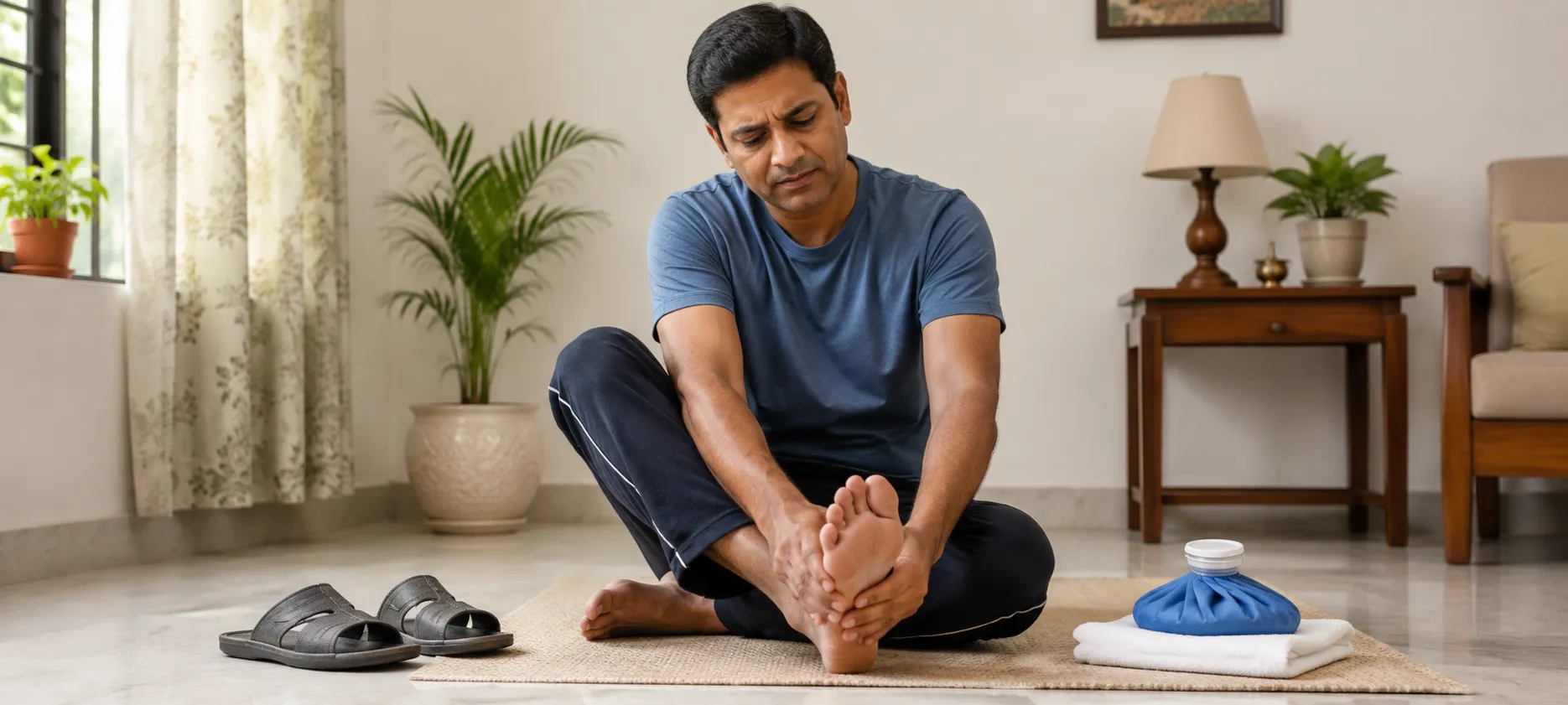
Foot Pain: Causes, Diagnosis, And Treatments You Need To Know
Foot pain can affect your heel, arch, toes, sole, or the top and sides of your foot. It may start after a long day of standing, a sudden injury, wearing tight shoes, or an underlying health condition. Since your feet carry your body weight every day, even mild pain can affect walking, balance, and daily comfort. Most foot pain improves with rest, better footwear, and simple care. But sudden, severe, repeated, or long-lasting pain should be checked by a doctor. What Is Foot Pain? Foot pain means discomfort anywhere in your foot. It can feel sharp, dull, burning, aching, throbbing, or stiff. It may affect one foot or both feet. Foot pain is common because your feet contain bones, joints, muscles, tendons, ligaments, nerves, blood vessels, and skin. A problem in any of these structures can cause pain. Identifying the cause is important because foot pain treatments depend on whether the pain is due to injury, overuse, inflammation, nerve problems, arthritis, gout, or poor footwear. Common Causes Of Foot Pain Common foot pain causes include: Overuse: Long hours of standing, walking, running, or exercise can strain the foot. Poor Footwear: Tight shoes, high heels, worn-out shoes, or shoes without arch support can increase pressure. Sprains And Strains: Sudden twisting or overstretching can injure ligaments, muscles, or tendons. Plantar Fasciitis: This causes pain in the heel or arch due to irritation of the tissue along the bottom of the foot. Common plantar fasciitis symptoms include heel pain during the first steps in the morning or after rest. Heel Spurs: Heel spur pain may occur when a bony growth forms under the heel, often along with plantar fasciitis. Arthritis: Arthritis can cause pain, swelling, stiffness, and reduced movement in the foot joints. An arthritis test may help when inflammatory arthritis is suspected. Gout: Gout often causes sudden, intense pain and swelling, commonly in the big toe. A uric acid test may help assess raised uric acid levels. Bunions: A bony bump near the big toe can cause pain, redness, and difficulty wearing shoes. Corns And Calluses: Thickened skin from pressure or friction can become painful. Flat Feet Or High Arches: Poor foot structure can strain muscles and joints. Nerve Problems: Diabetes-related neuropathy, tarsal tunnel syndrome, or nerve compression can cause burning, tingling, or numbness. Fractures: A broken bone or stress fracture can cause pain, swelling, and difficulty bearing weight. Foot Pain Based On Location The location of pain can help identify the cause: Heel Pain: May be due to plantar fasciitis, heel spur pain, Achilles tendonitis, bursitis, or heel fracture. Arch Pain: May occur with plantar fasciitis, flat feet, strain, or overuse. Toe Pain: May be caused by gout, bunions, ingrown toenail, hammertoe, fracture, or arthritis. Ball Of Foot Pain: May be linked to metatarsalgia, Morton’s neuroma, calluses, or high-impact activity. Top Of Foot Pain: May be due to tendonitis, stress fracture, tight footwear, arthritis, or injury. Side Of Foot Pain: May occur with tendon problems, stress fractures, bunions, or ankle-related issues. Burning Foot Pain: May suggest nerve irritation, diabetes-related neuropathy, or vitamin deficiency in some cases. Symptoms Associated With Foot Pain Foot pain symptoms may include: Swelling Redness Warmth Bruising Stiffness Tenderness Difficulty walking Pain while standing Pain after rest Burning or tingling Numbness Weakness Skin thickening Change in foot shape Pain that worsens with activity Pain that improves with rest Symptoms such as fever, open wounds, severe swelling, numbness, or inability to stand need medical attention. When To See A Doctor For Foot Pain See a doctor if foot pain lasts more than a few days, keeps returning, or affects walking. You should seek care sooner if the pain is sudden or severe, follows an injury, causes swelling or deformity, or makes it difficult to bear weight. You should also consult a doctor if you have diabetes, poor blood circulation, numbness, an open wound, signs of infection, or repeated pain in the joints. How Foot Pain Is Diagnosed A doctor will ask where the pain is, when it started, what makes it worse, and whether there was an injury. They may examine your foot for swelling, tenderness, skin changes, movement, strength, and walking pattern. Tests may include X-ray, ultrasound, MRI, blood tests, nerve tests, or evaluation for diabetes, gout, arthritis, or infection. Accurate diagnosis helps choose the right foot pain treatments instead of relying only on temporary pain relief. Treatment Options For Foot Pain Foot pain treatment depends on the cause and severity. Mild pain from overuse may improve with rest, ice, elevation, and supportive shoes. Pain due to plantar fasciitis may need stretching, heel support, physiotherapy, and activity changes. If arthritis is the cause, treatment may include medicines, exercises, weight management, supportive footwear, and monitoring through relevant tests. If gout is suspected, uric acid levels and diet may need review. For nerve pain, treatment focuses on managing the underlying cause, such as diabetes or nerve compression. Fractures may require immobilisation with a cast, boot, or splint. Severe bunions, tendon tears, or structural problems may sometimes need surgery. Do not take painkillers frequently without medical advice, especially if you have kidney disease, acidity, ulcers, liver disease, or take blood thinners. Exercises And Stretches For Foot Pain Gentle exercises may help some types of foot pain: Calf Stretch: Stretch the calf muscles to reduce pressure on the heel and arch. Plantar Fascia Stretch: Pull your toes gently towards you to stretch the sole. Towel Stretch: Use a towel around the foot to stretch the calf and arch. Toe Curls: Curl your toes around a towel to strengthen foot muscles. Ball Roll: Roll a tennis ball or frozen water bottle under the sole. Ankle Circles: Rotate the ankle gently to improve movement. Heel Raises: Rise slowly on your toes to strengthen the calf and foot. Stop any exercise that increases pain. Ask a physiotherapist or doctor before starting exercises after an injury. Tips To Prevent Foot Pain You can reduce your risk of foot pain by following these steps: Wear well-fitted shoes. Choose footwear with arch support and cushioning. Avoid standing for long hours without breaks. Stretch before exercise. Increase activity levels gradually. Replace worn-out shoes. Maintain a healthy body weight. Keep blood sugar under control if you have diabetes. Treat corns, calluses, and nail problems early. Avoid walking barefoot on hard surfaces for long periods. Use orthotic inserts if advised. Rest when pain starts instead of pushing through it. Complications Of Untreated Foot Pain Untreated foot pain may lead to: Long-term pain Poor walking pattern Reduced mobility Repeated injuries Worsening arthritis Increased pressure on knees, hips, or back Delayed fracture healing Foot deformity Infection in high-risk people Poor wound healing in diabetes Reduced quality of life Early care can help prevent small problems from becoming long-term issues. Key Takeaways Foot pain can affect the heel, arch, toes, sole, top, or sides of the foot. Common causes include overuse, poor footwear, plantar fasciitis, heel spurs, arthritis, gout, nerve problems, and injuries. Pain location can help identify the likely cause. Persistent, severe, or repeated pain should be checked. Foot pain relief may include rest, ice, supportive shoes, stretching, medicines, physiotherapy, or medical treatment. People with diabetes, poor circulation, or numbness should not ignore foot pain. Routine health checks can help detect conditions such as diabetes, gout, and arthritis earlier. Conclusion Foot pain is common, but it should not be ignored when it affects your daily movement or keeps coming back. The right diagnosis can help you understand whether the pain is due to overuse, footwear, injury, arthritis, gout, nerve problems, or another condition. Metropolis Healthcare supports preventive healthcare and ongoing wellness monitoring through accurate diagnostic testing, full body checkups, speciality tests, and reliable reports. With 4,000 tests, home sample collection, quick turnaround time, and easy booking through website, app, call, and WhatsApp, Metropolis Healthcare helps you stay informed and take timely steps for better health. FAQs About Foot Pain How To Reduce Pain In The Foot? You can reduce mild foot pain by resting, applying ice, elevating your foot, wearing supportive shoes, and avoiding activities that worsen pain. Gentle stretching may help some conditions. If pain is severe, persistent, or follows an injury, consult a doctor. What Vitamin Deficiency Causes Foot Pain? Vitamin D deficiency may contribute to bone, muscle, or joint pain in some people. Vitamin B12 deficiency may cause nerve symptoms such as burning, tingling, or numbness. However, foot pain is more commonly caused by injury, overuse, footwear issues, arthritis, gout, or nerve problems. Testing may help if deficiency is suspected. Why Does My Heel Hurt When I Walk? Heel pain while walking may be due to plantar fasciitis, heel spur pain, Achilles tendonitis, bursitis, stress fracture, or poor footwear. Pain that is worse during the first steps in the morning often suggests plantar fasciitis. How Can I Relieve Foot Pain At Home? For mild pain, rest your foot, apply ice for 15 to 20 minutes, keep it elevated, wear cushioned shoes, and avoid high-impact activity. You can also try gentle stretching and foot rolling. Do not continue home care alone if pain is severe, worsening, or not improving. Is Foot Pain A Sign Of Diabetes Or Arthritis? Foot pain can be linked to diabetes or arthritis, but not always. Diabetes may cause nerve pain, burning, numbness, or poor wound healing. Arthritis can cause joint pain, swelling, and stiffness. If you have repeated pain, numbness, swelling, or wounds that heal slowly, seek medical advice.
Heel Pain: Causes, Diagnosis, And Treatment Options
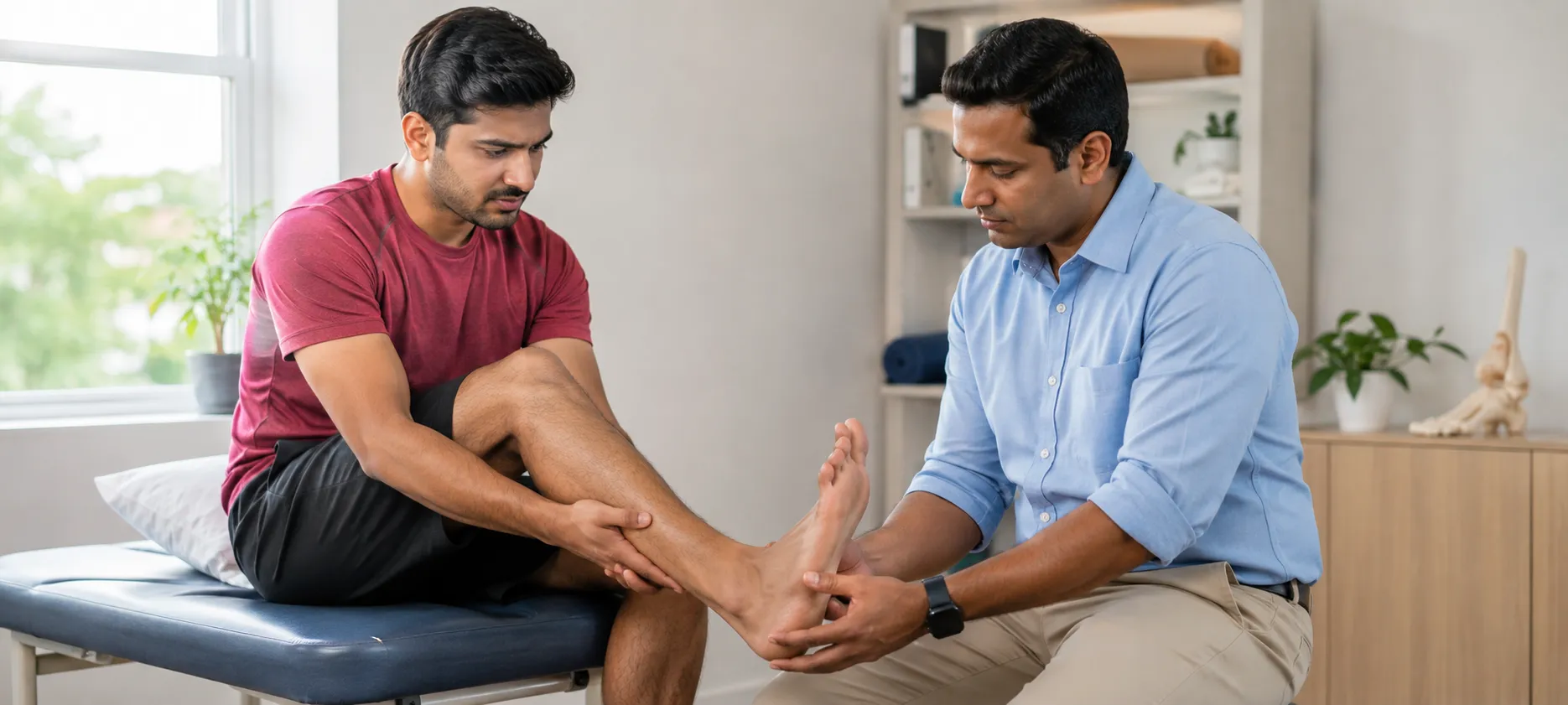
Heel pain is a common foot problem that can affect walking, exercise, work, and daily movement. You may feel pain under the heel, behind the heel, or around the sides of the heel. It may start suddenly after an injury or slowly build up due to repeated pressure, poor footwear, long hours of standing, or an underlying health condition. Most cases of heel pain improve with rest, footwear changes, stretching, and the right treatment. However, persistent or severe pain should not be ignored. Early diagnosis can help prevent chronic pain and long recovery. What Is Heel Pain? Heel pain means soreness, tenderness, stiffness, burning, or discomfort in or around the heel. Your heel bone supports much of your body weight when you stand, walk, run, or climb stairs. It is connected to muscles, tendons, ligaments, nerves, and soft tissues that help your foot absorb impact. Heel pain may affect the bottom of your heel, the back of your heel, or the area around the heel. The pain may feel sharp, dull, aching, throbbing, or stabbing. Some people notice pain mainly in the morning, while others feel it after standing or activity. Common Causes Of Heel Pain Common heel pain causes include: Plantar Fasciitis: This is one of the most common causes of heel pain. It occurs when the plantar fascia, a thick band of tissue under the foot, becomes irritated or inflamed. Plantar fasciitis heel pain is often worse with the first steps after waking up. Achilles Tendinitis: This affects the Achilles tendon at the back of the heel. It is common in runners, athletes, and people who suddenly increase activity. Heel Spurs: These are bony growths that may develop on the heel bone. Heel spur symptoms may include sharp pain, tenderness, or pain while standing, although some heel spurs do not cause symptoms. Bursitis: Inflammation of small fluid-filled sacs near the heel can cause swelling, tenderness, and pain. Stress Fracture: Repeated pressure from running, jumping, or long walking can cause tiny cracks in the heel bone. Heel Pad Bruise: Stepping on a hard surface or object may bruise the protective fat pad under the heel. Arthritis: Inflammatory or degenerative joint conditions may cause heel and foot pain. Your doctor may recommend an arthritis test if symptoms suggest joint inflammation. Gout: High uric acid levels can cause sudden joint pain and swelling. A uric acid test may be advised if gout is suspected. Sever’s Disease: This is a common cause of heel pain in active children and teenagers during growth years. Poor Footwear: Shoes without proper cushioning or arch support can increase pressure on the heel. Heel Pain Based On Location The location of pain can give clues about the cause: Pain Under The Heel: This may be due to plantar fasciitis, heel spur, heel pad bruise, or stress fracture. Pain At The Back Of The Heel: This may be linked to Achilles tendinitis, bursitis, Haglund’s deformity, or shoe irritation. Pain On The Side Of The Heel: This may occur due to stress injury, nerve irritation, tendon problems, or ankle instability. Morning Heel Pain: Pain with the first few steps after waking is commonly linked to plantar fasciitis. Heel Pain During Activity: This may happen due to Achilles tendon problems, stress fracture, poor footwear, or overuse. Heel Pain In Children: Active children may develop heel pain due to growth plate irritation, especially during sports. Symptoms Associated With Heel Pain Heel pain symptoms may include: Pain under or behind the heel Sharp pain with the first steps in the morning Pain after standing for long hours Pain during or after exercise Swelling around the heel Stiffness in the foot or ankle Tenderness when pressing the heel Burning or tingling sensation Difficulty walking normally Limping Tight calf muscles Pain that improves with rest but returns with activity If pain is severe, sudden, or linked with injury, swelling, redness, fever, numbness, or inability to bear weight, seek medical care. How Heel Pain Is Diagnosed A doctor will ask about your symptoms, when the pain started, where it is located, and what makes it better or worse. They may ask about your footwear, exercise routine, job, injury history, medical conditions, and body weight. During a physical examination, the doctor may check tenderness, swelling, ankle movement, foot posture, calf tightness, walking pattern, and ability to stand on your toes. In many cases, diagnosis can be made through history and examination. Imaging or blood tests may be advised if a fracture, arthritis, gout, infection, or another condition is suspected. Treatment Options For Heel Pain Heel pain treatment depends on the cause and severity. For plantar fasciitis, treatment often includes rest, stretching, ice, supportive footwear, arch support, and physiotherapy. Night splints or orthotic inserts may be advised if pain is worse in the morning. For Achilles tendinitis, activity modification, calf stretching, strengthening exercises, heel lifts, physiotherapy, and proper footwear may help. Sudden intense pain at the back of the ankle or difficulty pushing off the foot needs urgent evaluation. For heel spurs, treatment usually focuses on reducing stress on the surrounding soft tissues. Cushioning, orthotics, stretching, and physiotherapy may help. For stress fractures, rest from weight bearing activity is important. A walking boot or crutches may be needed depending on severity. For arthritis or gout, treatment may include medicines, lifestyle changes, footwear support, and tests to identify the underlying cause. Pain relief medicines may help for a short time if suitable for you. Always follow your doctor’s advice, especially if you have kidney disease, stomach ulcers, blood pressure problems, are pregnant, or take blood thinners. Surgery is rarely needed for heel pain. It may be considered only when severe symptoms do not improve with other treatments. Exercises And Stretches For Heel Pain Gentle exercises may help heel pain relief, especially when tight calf muscles or plantar fascia strain is involved. Do them only within comfort and stop if pain worsens. Calf Stretch: Stand facing a wall. Keep the painful foot behind you with the heel on the floor. Lean forward gently until you feel a stretch in the calf. Plantar Fascia Stretch: Sit down, cross one foot over the other knee, and gently pull the toes back toward the shin. Towel Stretch: Sit with your leg straight. Place a towel around the ball of your foot and gently pull it toward you. Frozen Bottle Roll: Roll your foot over a frozen water bottle for a few minutes to ease soreness. Toe Curls: Use your toes to scrunch a towel on the floor. Heel Raises: Hold a wall or chair and slowly raise and lower your heels to build calf strength. Avoid aggressive stretching, jumping, running, or barefoot walking if these increase pain. Tips To Prevent Heel Pain You can reduce your risk of heel pain with simple habits: Wear well-fitted shoes with cushioning and arch support. Avoid worn-out footwear. Warm up before exercise. Stretch your calves and feet regularly. Increase running or walking distance gradually. Avoid sudden increases in high-impact activity. Maintain a healthy body weight. Avoid standing barefoot on hard floors for long periods. Use supportive footwear at home if needed. Rest when your heel starts hurting. Replace sports shoes when they lose support. Manage diabetes, arthritis, gout, and other health conditions with medical guidance. Complications Of Untreated Heel Pain Ignoring heel pain may lead to: Chronic heel pain Difficulty walking Limping Reduced activity levels Weight gain due to inactivity Knee, hip, or back strain due to altered walking Worsening plantar fasciitis Achilles tendon damage Delayed healing of stress fracture Reduced sports performance Longer recovery time Early care can help you return to daily activities safely. When To See A Doctor For Heel Pain See a doctor if heel pain lasts more than a few weeks, keeps coming back, or affects walking. You should seek care sooner if the pain starts after an injury, if you cannot put weight on the foot, or if there is severe swelling, redness, warmth, numbness, fever, or visible deformity. If you have diabetes, poor circulation, nerve problems, inflammatory arthritis, or gout, do not delay medical advice for persistent foot or heel symptoms. Key Takeaways Heel pain may affect the bottom, back, or sides of the heel. Plantar fasciitis and Achilles tendinitis are common heel pain causes. Heel spur symptoms may include tenderness and pain while standing, but some spurs cause no pain. Diagnosis may involve physical examination, X-ray, ultrasound, MRI, or blood tests depending on the suspected cause. Most heel pain improves with rest, stretching, footwear support, ice, orthotics, and physiotherapy. Severe pain, swelling, injury, numbness, fever, or inability to walk needs medical attention. Supportive shoes, gradual exercise, stretching, and healthy weight management can help prevent heel pain. Conclusion Heel pain is common, but it should not be ignored when it affects walking, exercise, or daily comfort. Most causes can be managed well with early care, supportive footwear, stretching, and the right treatment plan. Paying attention to persistent pain can help prevent chronic problems and longer recovery. Metropolis Healthcare supports proactive health management with reliable diagnostic testing, full body checkups, speciality testing, and convenient home sample collection. With easy booking through the website, app, call, and WhatsApp, and a strong network of touchpoints, Metropolis Healthcare helps you stay informed about your health markers and take better care of your overall well-being. FAQs About Heel Pain How Do You Relieve Heel Pain? You can relieve mild heel pain by resting the foot, applying ice, wearing supportive shoes, and doing gentle calf and plantar fascia stretches. Avoid running, jumping, or standing for long hours until pain improves. If pain continues or worsens, see a doctor. Is Heel Pain Due To Uric Acid? Heel pain is not always due to uric acid. The most common causes are plantar fasciitis, Achilles tendinitis, heel spur, stress injury, or poor footwear. However, high uric acid can cause gout, which may lead to sudden joint pain, swelling, and redness. A doctor may advise a uric acid test if gout is suspected. What Is The Most Common Cause Of Heel Pain? Plantar fasciitis is one of the most common causes of heel pain, especially pain under the heel. It often causes sharp pain with the first steps after waking or after sitting for a long time. Why Does My Heel Hurt When I Walk Or Wake Up? Heel pain while walking or after waking may happen because the plantar fascia or Achilles tendon becomes tight during rest. When you take your first steps, the tissue stretches suddenly and causes pain. Repeated pressure, poor footwear, and tight calf muscles can make this worse. How Can I Treat Heel Pain At Home? You can try rest, ice, supportive footwear, gentle stretching, and avoiding activities that worsen pain. Do not walk barefoot on hard floors if it increases discomfort. Home care may help mild cases, but persistent or severe pain should be checked. Is Heel Pain Related To Plantar Fasciitis? Yes, heel pain is often related to plantar fasciitis. This condition affects the thick tissue under the foot and commonly causes pain under the heel. It is usually worse in the morning or after long periods of rest.

Protein In Egg White: Exactly How Much Is There And Is It Better Than Whole Eggs?
Egg white is one of the most popular high-protein foods, especially among people who want to build muscle, lose weight, or reduce fat intake. It is light, easy to cook, affordable, and widely available in Indian kitchens. But how much protein in 1 egg white is actually present? One large egg white gives about 3.6 grams of protein and around 17 to 18 calories. This makes egg white a concentrated source of protein with almost no fat and no cholesterol. However, whole eggs also have important nutrients. The yolk contains vitamins, minerals, healthy fats, choline, and antioxidants. So, the better choice depends on your health goal. How Much Protein Is In One Egg White? One large egg white contains about 3.6 grams of protein. A medium egg white may contain slightly less, while a very large egg white may contain slightly more. If you are checking protein in egg white for fitness or weight management, use this simple guide: 1 egg white: About 3.6 grams protein 2 egg whites: About 7.2 grams protein 3 egg whites: About 10.8 grams protein 4 egg whites: About 14.4 grams protein A whole large egg contains about 6 to 6.5 grams of protein. So, when you ask how much protein in 1 egg, the answer is higher than egg white alone because the yolk also contains protein. Protein Content In 1 Egg White: Boiled Vs Raw Raw Egg White: Contains about 3.6 grams of protein. Boiled Egg White: Contains about 3.6 grams of protein. Protein Difference: Cooking does not meaningfully reduce the amount of protein. Safety Difference: Boiled egg white is safer than raw egg white because heat reduces the risk of foodborne infection. Digestibility: Cooked egg white is generally easier and safer for your body to use. Practical Answer: Protein in one egg white boiled is almost the same as raw egg white, but boiled is the better choice for daily use. Egg White Nutrition Facts Egg white nutrition is simple. It is mostly water and protein, with very little fat, carbohydrate, or calories. Egg white is low in calories. Egg white is rich in high-quality protein. Egg white contains no cholesterol. Egg white has almost no fat. Egg white contains small amounts of potassium, sodium, magnesium, and riboflavin. Egg white does not contain the same range of vitamins and minerals found in the yolk. Egg white is not a complete replacement for whole egg nutrition. Egg White Calories And Nutritional Composition For one large egg white: Egg White Calories: Around 17 to 18 calories Protein: Around 3.6 grams Fat: Almost 0 grams Cholesterol: 0 milligrams Carbohydrate: Less than 1 gram Fibre: 0 grams Water: Major component Key Micronutrients: Small amounts of potassium, sodium, magnesium, and riboflavin This is why egg white calories are often discussed in weight loss and gym diets. You get useful protein without adding many calories. The Benefits Of Eating Egg Whites Egg white benefits are mainly linked to its protein quality, low calorie value, and low fat content. Supports Muscle Repair: The protein in egg white provides essential amino acids that help repair and maintain muscle tissue. Helps With Fullness: Protein can keep you full for longer and may reduce unnecessary snacking. Useful For Weight Management: Egg white calories are low, so it can fit into a calorie-controlled diet. Low In Fat: Egg white is a good option if you need a low-fat protein source. Cholesterol-Free: Egg white contains no cholesterol, unlike the yolk. Easy To Cook: You can add egg white to omelettes, bhurji, rolls, sandwiches, dosas, cheelas, and salads. Good For Athletes: Egg white can help increase protein intake without adding too much fat. Light On The Stomach: Many people find boiled egg white easy to eat, especially after workouts or as a breakfast add-on. Egg white benefits are useful, but you should not depend only on egg whites for nutrition. A balanced diet should also include dals, pulses, curd, paneer, fish, chicken, soy, nuts, seeds, fruits, vegetables, and whole grains, based on your food choices. Is Egg White Protein Better Than Whole Eggs? Egg white protein is better if your main goal is to get more protein with fewer calories, less fat, and no cholesterol. It is useful for people following a strict weight loss plan, a low-fat diet, or a fitness plan where protein intake is carefully tracked. Whole eggs are better if your goal is overall nutrition. The yolk contains vitamin A, vitamin D, vitamin B12, selenium, choline, healthy fats, and antioxidants. These nutrients are not present in meaningful amounts in egg white alone. So, egg white is not always better than whole egg. It is better for specific goals. For many people, a mix works well, such as one whole egg with two egg whites. Differences In Nutritional Profile Protein: Whole egg has more total protein than one egg white. Protein-To-Calorie Ratio: Egg white gives more protein for fewer calories. Calories: Egg white has far fewer calories than a whole egg. Fat: Egg white has almost no fat. Whole egg contains fat in the yolk. Cholesterol: Egg white has no cholesterol. Whole egg contains cholesterol in the yolk. Vitamins: Whole egg has more vitamins than egg white. Minerals: Whole egg offers a wider mineral profile. Choline: Whole egg contains choline, which supports brain and liver function. Satiety: Whole eggs may feel more satisfying because of their fat and nutrient content. Which Is Better For Weight Loss? Egg white may be better for weight loss if you want high protein with fewer calories. It can help you increase protein intake without adding much fat. However, whole eggs can also fit into a weight loss diet because they are filling and nutrient-rich. The best choice depends on your total calories, protein needs, cholesterol levels, activity, and medical history. If you have high cholesterol, diabetes, heart disease, kidney disease, or a specific diet plan, speak to your doctor or dietitian. Safety And Allergy Considerations Egg whites are safe for most people when cooked properly. However, there are a few things to keep in mind. Raw egg white is not recommended because it may carry a risk of Salmonella infection. It also contains avidin, a protein that can reduce biotin absorption when eaten raw in large amounts. Cooking helps reduce these concerns. Some people may also have egg allergy. Egg allergy can cause skin reactions, digestive symptoms, breathing difficulty, swelling, or other allergic symptoms. If you suspect an allergy, speak to your doctor. An Egg Allergy Test may help identify whether egg or egg components are triggering your symptoms. Conclusion Protein in egg white is useful, simple, and easy to include in your diet. One large egg white gives about 3.6 grams of protein with only around 17 to 18 calories. This makes egg white a good choice for people who want high-quality protein while controlling calories, fat, or cholesterol. Whole eggs, however, offer broader nutrition because the yolk contains important vitamins, minerals, choline, and healthy fats. For many people, combining whole eggs with extra egg whites gives the best balance of protein and nutrition. Your ideal diet depends on your health markers, fitness goals, allergies, and medical history. Regular health checkups can help you understand your cholesterol levels, blood sugar, kidney function, vitamin status, and overall wellness. Metropolis Healthcare offers 4,000+ tests, full body checkups, home sample collection, accurate reports, quick turnaround time, and easy booking through the website, app, call, and WhatsApp. With expert pathologists and a strong home collection network, Metropolis Healthcare can support your preventive health journey with reliable diagnostics. FAQ How Much Protein Is In One Egg White? One large egg white contains about 3.6 grams of protein. If you are asking how much protein in 1 egg white, this is the standard estimate used for a large egg. Smaller eggs may have slightly less protein. Are Egg Whites A Good Source Of Protein For Athletes? Yes, egg whites are a good source of protein for athletes. They provide high-quality protein with very low fat and calories. Athletes can use egg white as part of a balanced meal plan that also includes carbohydrates, healthy fats, fluids, and other protein sources. Can Egg Whites Be Eaten Raw? It is better not to eat raw egg whites. Raw egg white may increase the risk of Salmonella infection and may reduce biotin absorption because of avidin. Cooked egg white is safer and more suitable for regular use. How Do Egg Whites Help Build Muscle? Egg whites help build muscle by providing essential amino acids. These amino acids support muscle repair and maintenance after exercise. However, muscle gain also depends on strength training, total protein intake, enough calories, rest, and overall diet quality. Can I Eat 10 Egg Whites Per Day? Some people may be able to eat 10 egg whites per day, but it is not necessary for everyone. Ten egg whites provide about 36 grams of protein. Eating that many daily may reduce variety in your diet. It is better to get protein from different foods such as dals, pulses, dairy, soy, fish, chicken, nuts, and seeds, based on your dietary pattern. What Is The 5 5 5 Rule For Eggs? The 5 5 5 rule is a common method used for cooking hard-boiled eggs in some electric pressure cookers. It usually means 5 minutes of pressure cooking, 5 minutes of natural pressure release, and 5 minutes in cold water. It is a cooking method, not a nutrition rule. How Much Protein Is In 2 Full Eggs And 2 Egg Whites? Two full large eggs provide about 12 to 13 grams of protein. Two egg whites provide about 7.2 grams of protein. Together, 2 full eggs and 2 egg whites provide about 19 to 20 grams of protein. References Réhault-Godbert S, Guyot N, Nys Y. The Golden Egg: Nutritional Value, Bioactivities, And Emerging Benefits For Human Health. Nutrients. 2019;11(3):684. PMID: 30909449. Matsuoka R, Takahashi Y, Kimura M, Masuda Y, Kunou M. Heating Has No Effect On The Net Protein Utilisation From Egg Whites In Rats. ScientificWorldJournal. 2017;2017:6817196. PMID: 28337477.