Home Visit
 Upload






Preventive Healthcare
Protein In Egg White: Exactly How Much Is There And Is It Better Than Whole Eggs?
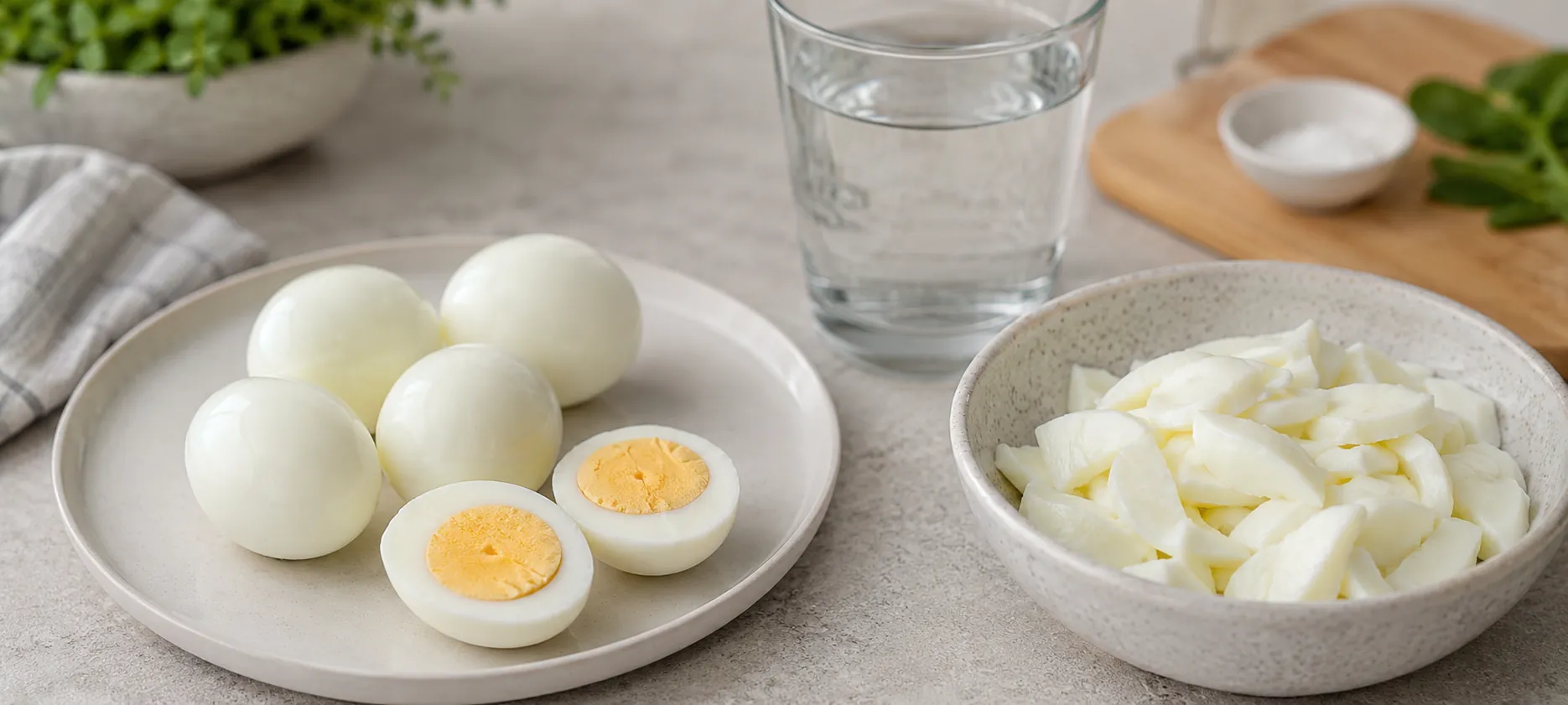
Table of Contents
Egg white is one of the most popular high-protein foods, especially among people who want to build muscle, lose weight, or reduce fat intake. It is light, easy to cook, affordable, and widely available in Indian kitchens.
But how much protein in 1 egg white is actually present? One large egg white gives about 3.6 grams of protein and around 17 to 18 calories. This makes egg white a concentrated source of protein with almost no fat and no cholesterol.
However, whole eggs also have important nutrients. The yolk contains vitamins, minerals, healthy fats, choline, and antioxidants. So, the better choice depends on your health goal.
How Much Protein Is In One Egg White?
One large egg white contains about 3.6 grams of protein. A medium egg white may contain slightly less, while a very large egg white may contain slightly more.
If you are checking protein in egg white for fitness or weight management, use this simple guide:
- 1 egg white: About 3.6 grams protein
- 2 egg whites: About 7.2 grams protein
- 3 egg whites: About 10.8 grams protein
- 4 egg whites: About 14.4 grams protein
A whole large egg contains about 6 to 6.5 grams of protein. So, when you ask how much protein in 1 egg, the answer is higher than egg white alone because the yolk also contains protein.
Protein Content In 1 Egg White: Boiled Vs Raw
- Raw Egg White: Contains about 3.6 grams of protein.
- Boiled Egg White: Contains about 3.6 grams of protein.
- Protein Difference: Cooking does not meaningfully reduce the amount of protein.
- Safety Difference: Boiled egg white is safer than raw egg white because heat reduces the risk of foodborne infection.
- Digestibility: Cooked egg white is generally easier and safer for your body to use.
- Practical Answer: Protein in one egg white boiled is almost the same as raw egg white, but boiled is the better choice for daily use.
Egg White Nutrition Facts
Egg white nutrition is simple. It is mostly water and protein, with very little fat, carbohydrate, or calories.
- Egg white is low in calories.
- Egg white is rich in high-quality protein.
- Egg white contains no cholesterol.
- Egg white has almost no fat.
- Egg white contains small amounts of potassium, sodium, magnesium, and riboflavin.
- Egg white does not contain the same range of vitamins and minerals found in the yolk.
- Egg white is not a complete replacement for whole egg nutrition.
Egg White Calories And Nutritional Composition
For one large egg white:
- Egg White Calories: Around 17 to 18 calories
- Protein: Around 3.6 grams
- Fat: Almost 0 grams
- Cholesterol: 0 milligrams
- Carbohydrate: Less than 1 gram
- Fibre: 0 grams
- Water: Major component
- Key Micronutrients: Small amounts of potassium, sodium, magnesium, and riboflavin
This is why egg white calories are often discussed in weight loss and gym diets. You get useful protein without adding many calories.
The Benefits Of Eating Egg Whites
Egg white benefits are mainly linked to its protein quality, low calorie value, and low fat content.
- Supports Muscle Repair: The protein in egg white provides essential amino acids that help repair and maintain muscle tissue.
- Helps With Fullness: Protein can keep you full for longer and may reduce unnecessary snacking.
- Useful For Weight Management: Egg white calories are low, so it can fit into a calorie-controlled diet.
- Low In Fat: Egg white is a good option if you need a low-fat protein source.
- Cholesterol-Free: Egg white contains no cholesterol, unlike the yolk.
- Easy To Cook: You can add egg white to omelettes, bhurji, rolls, sandwiches, dosas, cheelas, and salads.
- Good For Athletes: Egg white can help increase protein intake without adding too much fat.
- Light On The Stomach: Many people find boiled egg white easy to eat, especially after workouts or as a breakfast add-on.
Egg white benefits are useful, but you should not depend only on egg whites for nutrition. A balanced diet should also include dals, pulses, curd, paneer, fish, chicken, soy, nuts, seeds, fruits, vegetables, and whole grains, based on your food choices.
Is Egg White Protein Better Than Whole Eggs?
Egg white protein is better if your main goal is to get more protein with fewer calories, less fat, and no cholesterol. It is useful for people following a strict weight loss plan, a low-fat diet, or a fitness plan where protein intake is carefully tracked.
Whole eggs are better if your goal is overall nutrition. The yolk contains vitamin A, vitamin D, vitamin B12, selenium, choline, healthy fats, and antioxidants. These nutrients are not present in meaningful amounts in egg white alone.
So, egg white is not always better than whole egg. It is better for specific goals. For many people, a mix works well, such as one whole egg with two egg whites.
Differences In Nutritional Profile
- Protein: Whole egg has more total protein than one egg white.
- Protein-To-Calorie Ratio: Egg white gives more protein for fewer calories.
- Calories: Egg white has far fewer calories than a whole egg.
- Fat: Egg white has almost no fat. Whole egg contains fat in the yolk.
- Cholesterol: Egg white has no cholesterol. Whole egg contains cholesterol in the yolk.
- Vitamins: Whole egg has more vitamins than egg white.
- Minerals: Whole egg offers a wider mineral profile.
- Choline: Whole egg contains choline, which supports brain and liver function.
- Satiety: Whole eggs may feel more satisfying because of their fat and nutrient content.
Which Is Better For Weight Loss?
Egg white may be better for weight loss if you want high protein with fewer calories. It can help you increase protein intake without adding much fat. However, whole eggs can also fit into a weight loss diet because they are filling and nutrient-rich.
The best choice depends on your total calories, protein needs, cholesterol levels, activity, and medical history. If you have high cholesterol, diabetes, heart disease, kidney disease, or a specific diet plan, speak to your doctor or dietitian.
Safety And Allergy Considerations
Egg whites are safe for most people when cooked properly. However, there are a few things to keep in mind.
Raw egg white is not recommended because it may carry a risk of Salmonella infection. It also contains avidin, a protein that can reduce biotin absorption when eaten raw in large amounts. Cooking helps reduce these concerns.
Some people may also have egg allergy. Egg allergy can cause skin reactions, digestive symptoms, breathing difficulty, swelling, or other allergic symptoms. If you suspect an allergy, speak to your doctor. An Egg Allergy Test may help identify whether egg or egg components are triggering your symptoms.
Conclusion
Protein in egg white is useful, simple, and easy to include in your diet. One large egg white gives about 3.6 grams of protein with only around 17 to 18 calories. This makes egg white a good choice for people who want high-quality protein while controlling calories, fat, or cholesterol.
Whole eggs, however, offer broader nutrition because the yolk contains important vitamins, minerals, choline, and healthy fats. For many people, combining whole eggs with extra egg whites gives the best balance of protein and nutrition.
Your ideal diet depends on your health markers, fitness goals, allergies, and medical history. Regular health checkups can help you understand your cholesterol levels, blood sugar, kidney function, vitamin status, and overall wellness. Metropolis Healthcare offers 4,000+ tests, full body checkups, home sample collection, accurate reports, quick turnaround time, and easy booking through the website, app, call, and WhatsApp. With expert pathologists and a strong home collection network, Metropolis Healthcare can support your preventive health journey with reliable diagnostics.
FAQ
How Much Protein Is In One Egg White?
One large egg white contains about 3.6 grams of protein. If you are asking how much protein in 1 egg white, this is the standard estimate used for a large egg. Smaller eggs may have slightly less protein.
Are Egg Whites A Good Source Of Protein For Athletes?
Yes, egg whites are a good source of protein for athletes. They provide high-quality protein with very low fat and calories. Athletes can use egg white as part of a balanced meal plan that also includes carbohydrates, healthy fats, fluids, and other protein sources.
Can Egg Whites Be Eaten Raw?
It is better not to eat raw egg whites. Raw egg white may increase the risk of Salmonella infection and may reduce biotin absorption because of avidin. Cooked egg white is safer and more suitable for regular use.
How Do Egg Whites Help Build Muscle?
Egg whites help build muscle by providing essential amino acids. These amino acids support muscle repair and maintenance after exercise. However, muscle gain also depends on strength training, total protein intake, enough calories, rest, and overall diet quality.
Can I Eat 10 Egg Whites Per Day?
Some people may be able to eat 10 egg whites per day, but it is not necessary for everyone. Ten egg whites provide about 36 grams of protein. Eating that many daily may reduce variety in your diet. It is better to get protein from different foods such as dals, pulses, dairy, soy, fish, chicken, nuts, and seeds, based on your dietary pattern.
What Is The 5 5 5 Rule For Eggs?
The 5 5 5 rule is a common method used for cooking hard-boiled eggs in some electric pressure cookers. It usually means 5 minutes of pressure cooking, 5 minutes of natural pressure release, and 5 minutes in cold water. It is a cooking method, not a nutrition rule.
How Much Protein Is In 2 Full Eggs And 2 Egg Whites?
Two full large eggs provide about 12 to 13 grams of protein. Two egg whites provide about 7.2 grams of protein. Together, 2 full eggs and 2 egg whites provide about 19 to 20 grams of protein.
References
Réhault-Godbert S, Guyot N, Nys Y. The Golden Egg: Nutritional Value, Bioactivities, And Emerging Benefits For Human Health. Nutrients. 2019;11(3):684. PMID: 30909449.
Matsuoka R, Takahashi Y, Kimura M, Masuda Y, Kunou M. Heating Has No Effect On The Net Protein Utilisation From Egg Whites In Rats. ScientificWorldJournal. 2017;2017:6817196. PMID: 28337477.