Home Visit
 Upload






Preventive Healthcare
Corn (Maize) Health Benefits: Nutrition, Fibre, And Antioxidant Profile Explained
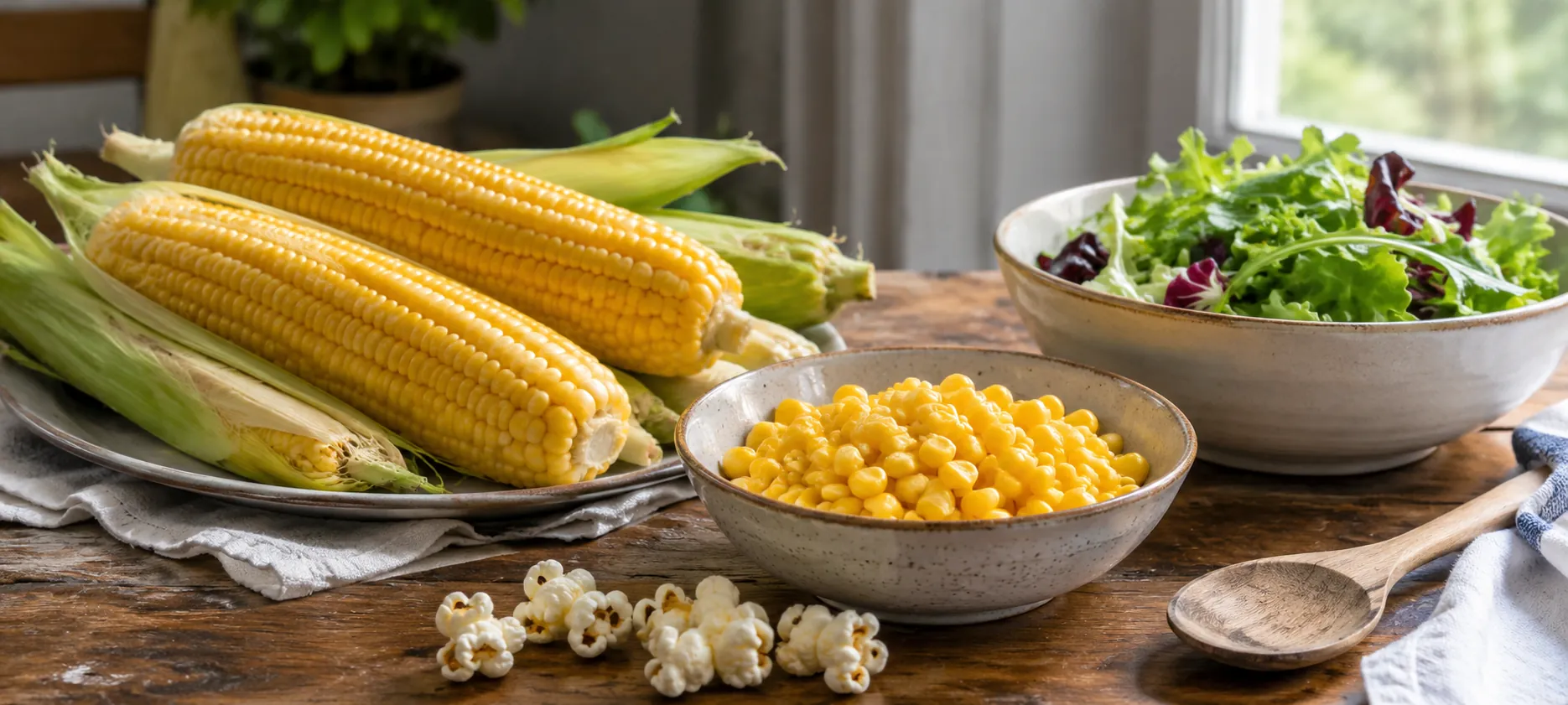
Table of Contents
Corn, also called maize, is one of the most widely eaten grains in the world. You may enjoy it as sweet corn, roasted bhutta, popcorn, cornmeal, tortillas, or even as part of breakfast cereals like corn flakes.
Corn is often seen as a comfort food, but it also has useful nutrition. It gives you energy, fibre, antioxidants, and small amounts of important vitamins and minerals. When eaten in the right form and portion, corn can be part of a healthy, balanced diet.
What Is Corn And Why Should You Eat It?
Corn is a cereal grain that comes from the maize plant. It is naturally gluten-free and can be eaten in many forms. Fresh corn, boiled sweet corn, roasted corn, air-popped popcorn, and whole-grain cornmeal are some of the healthier ways to include it in your meals.
The main benefits of eating corn come from its complex carbohydrates, fibre, and antioxidant content. It gives you steady energy and supports digestion. Yellow corn also contains lutein and zeaxanthin, two antioxidants that are important for eye health.
However, not every corn product gives the same benefit. Whole corn is more nutritious than refined corn products. Corn syrup, deep-fried corn snacks, heavily salted popcorn, and sugary corn flakes may not offer the same health value.
Nutritional Value Of Corn
Here is the approximate corn nutrition value for 100 grams of boiled yellow corn.
|
Nutrient |
Approximate Amount |
|
Calories |
96 kcal |
|
Carbohydrates |
21 g |
|
Protein |
3.4 g |
|
Fat |
1.5 g |
|
Fibre |
2.4 g |
|
Sugar |
4.5 g |
|
Water |
73% |
Corn also contains small amounts of potassium, magnesium, phosphorus, folate, vitamin C, and B vitamins. The exact value may change based on the type of corn, cooking method, and serving size.
10 Health Benefits Of Corn
Supports Digestive Health
Corn contains insoluble fibre, which adds bulk to your stool and supports regular bowel movements. This can help reduce constipation when corn is eaten as part of a fibre-rich diet.
Feeds Good Gut Bacteria
Some fibre in corn can support beneficial gut bacteria. These bacteria help maintain a healthy gut environment and support better digestion.
Gives You Steady Energy
Corn is rich in complex carbohydrates. These carbohydrates are digested more slowly than refined sugar, helping you feel energised for longer.
Supports Eye Health
Yellow corn contains lutein and zeaxanthin. These carotenoid antioxidants are found in the retina and may help protect your eyes from oxidative stress.
Provides Antioxidant Protection
Corn contains plant compounds such as ferulic acid, lutein, zeaxanthin, and anthocyanins in coloured varieties. These antioxidants help protect cells from damage caused by free radicals.
May Support Heart Health
The fibre in corn can support healthy cholesterol management when eaten as part of a balanced diet. Corn oil also contains plant sterols and polyunsaturated fats, but it should still be used in moderation.
Naturally Gluten-Free
Corn is a useful grain option if you have gluten sensitivity or coeliac disease. However, always check packaged corn products because some may contain added gluten or be processed with gluten-containing foods.
Helps With Satiety
The fibre and carbohydrates in corn can help you feel full. This may support portion control when corn replaces highly processed snacks.
Adds Variety To Your Diet
Corn is easy to include in Indian and global meals. You can use it in salads, soups, wraps, stir-fries, rotis, and snacks.
Can Be A Healthy Snack Option
Air-popped popcorn can be a light whole-grain snack when you avoid too much butter, salt, caramel, or cheese flavouring.
Corn Calories And Portion Control
Corn calories are moderate. About 100 grams of boiled yellow corn gives around 96 calories. A medium ear of corn usually fits well into a balanced meal.
Portion control matters because corn is still a carbohydrate-rich food. If you have diabetes, insulin resistance, or are trying to manage weight, you do not need to avoid corn completely. Instead, eat it in a measured portion and pair it with protein, vegetables, and healthy fats.
For example, you can combine boiled sweet corn with cucumber, tomato, sprouts, paneer, curd, or beans. This makes the meal more balanced and helps reduce sudden hunger later.
Types Of Corn And Their Nutritional Benefits
Corn comes in many forms, and each one has a different nutritional profile.
Sweet corn is the common yellow corn you eat boiled, steamed, or roasted. It has natural sweetness, fibre, and antioxidants.
Popcorn is a whole-grain form of corn. Air-popped popcorn can be healthy, but packaged popcorn may contain excess salt, butter, or flavouring.
Cornmeal and maize flour are used to make dishes such as makki roti, polenta, and porridge. Whole-grain versions retain more fibre than refined versions.
Coloured corn, such as purple, blue, red, or black corn, may contain anthocyanins. These are antioxidant pigments also found in some colourful fruits and vegetables.
Corn oil is extracted from corn germ. It contains polyunsaturated fats and plant sterols, but it is still a refined oil and should be used in limited amounts.
Corn flakes can be convenient, but many packaged varieties are refined and may contain added sugar. Choose low-sugar, higher-fibre options and pair them with milk, curd, nuts, or fruit.
How To Include Corn In Your Diet
- Add boiled sweet corn to salads with vegetables and lemon.
- Use roasted corn as an evening snack instead of fried snacks.
- Make vegetable soup with corn, beans, carrots, and peas.
- Add corn to whole-wheat wraps or homemade sandwiches.
- Choose air-popped popcorn without excess salt or butter.
- Use maize flour to make makki roti with vegetables and curd.
- Add corn to stir-fries with paneer, tofu, chicken, or pulses.
- Avoid making corn healthier by adding too much butter, cheese, salt, or mayonnaise.
Corn In Different Cuisines Worldwide
Corn is used in many cuisines because it is versatile and filling. In India, you may enjoy roasted bhutta, sweet corn chaat, makki roti, or corn pulao. In Mexican cuisine, corn is used in tortillas, tacos, and tamales. In Italian cooking, cornmeal is used to make polenta. In many countries, popcorn is eaten as a simple whole-grain snack.
The healthiest preparations are usually the simplest ones. Boiled, steamed, roasted, or air-popped corn is better than deep-fried or heavily processed corn foods.
Conclusion
Corn can be a healthy addition to your diet when you choose whole forms and eat it in sensible portions. It gives you fibre, energy, antioxidants, and useful plant compounds. It may support digestion, eye health, satiety, and overall wellness when included in a balanced meal plan.
Healthy eating is only one part of preventive healthcare. Regular health checkups can help you understand important health markers such as blood sugar, cholesterol, liver health, kidney function, and vitamin levels. Metropolis Healthcare offers 4,000 tests, full body checkups, speciality testing, home sample collection, quick turnaround time, and reliable reports. You can book tests easily through the website, app, call, or WhatsApp, making it simpler to stay informed about your health.
FAQs About Corn’s Health Benefits
Can Corn Help With Weight Loss?
Corn can support weight management when eaten in the right portion. Its fibre helps you feel full, which may reduce overeating. However, corn itself does not cause weight loss. For best results, eat it with vegetables and protein, and avoid high-calorie toppings like butter, cheese, and mayonnaise.
Is Corn A Good Source Of Antioxidants?
Yes, corn contains antioxidants such as lutein, zeaxanthin, ferulic acid, and anthocyanins in coloured varieties. Yellow corn is especially known for lutein and zeaxanthin, which are linked with eye health.
Does Corn Cause Bloating?
Corn may cause gas or bloating in some people, especially if eaten in large amounts. This is because the fibre in corn ferments in the gut. If you often feel bloated, start with smaller portions, chew well, and drink enough water.
What Are The Best Types Of Corn For Health?
Whole corn forms are usually the best. These include boiled sweet corn, roasted corn, air-popped popcorn, and whole-grain cornmeal. Try to limit corn syrup, fried corn snacks, sugary corn flakes, and highly processed corn products.
Does Corn Burn Belly Fat?
No, corn does not burn belly fat. No single food can target belly fat. Corn can be part of a balanced diet, but fat loss depends on your overall calorie intake, physical activity, sleep, stress control, and metabolic health.
Is It Healthier To Eat Raw Corn?
Fresh sweet corn can sometimes be eaten raw, but boiled, steamed, or roasted corn is easier to digest for most people. Cooking can also improve taste and food safety. Avoid eating corn that looks mouldy, smells unusual, or has been stored poorly.
References
- U.S. Department of Agriculture, Agricultural Research Service. FoodData Central. Sweet corn, yellow, cooked, boiled, drained, without salt. Accessed 2026.
- Mrowicka M, Mrowicki J, Kucharska E, Majsterek I. Lutein and zeaxanthin and their roles in age-related macular degeneration. Int J Mol Sci. 2022;23(6):3200. PMID: 35328633.
- Chew EY, Clemons TE, SanGiovanni JP, Danis RP, Ferris FL, Elman MJ, et al. Lutein plus zeaxanthin and omega-3 fatty acids for age-related macular degeneration: The Age-Related Eye Disease Study 2 randomized clinical trial. JAMA. 2013;309(19):2005-2015. PMID: 23644932.
- Vinelli V, Biscotti P, Martini D, Del Bo C, Marino M, Meroño T, et al. Effects of dietary fibers on short-chain fatty acids and gut microbiota composition in healthy adults: A systematic review. Nutrients. 2022;14(13):2559. PMID: 35807763.
- Aune D, Keum N, Giovannucci E, Fadnes LT, Boffetta P, Greenwood DC, et al. Whole grain consumption and risk of cardiovascular disease, cancer, and all cause and cause specific mortality: Systematic review and dose-response meta-analysis of prospective studies. BMJ. 2016;353:i2716. PMID: 27301975.