Home Visit
 Upload






Preventive Healthcare
Dilated Pupils: What Do They Indicate About Your Health?
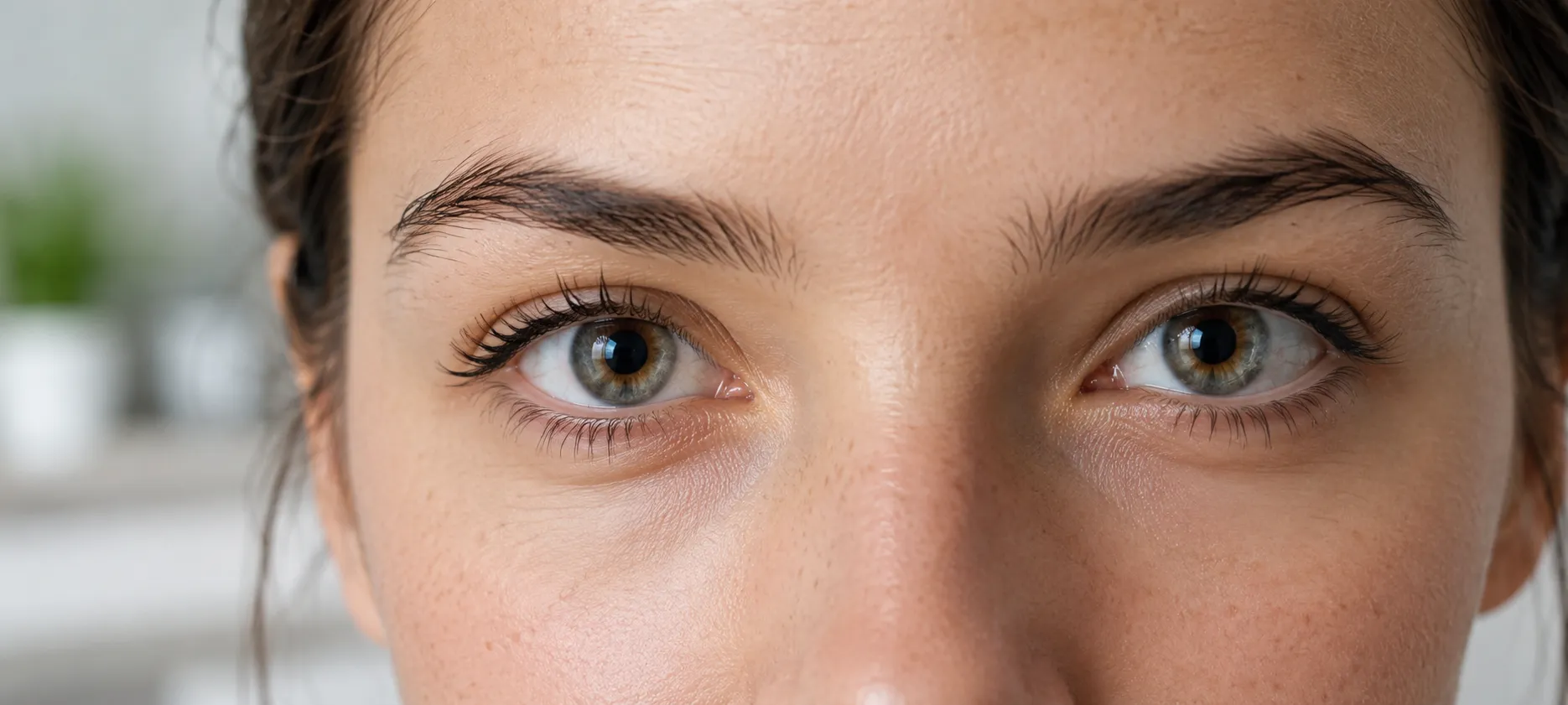
Table of Contents
- What Are Dilated Pupils?
- How Pupil Size Is Controlled
- Common Causes Of Dilated Pupils
- Symptoms Associated With Dilated Pupils
- Dilated Pupils In Different Lighting Conditions
- Medical Conditions Linked To Dilated Pupils
- How Dilated Pupils Are Diagnosed
- Treatment Options For Dilated Pupils
- Home Care And Safety Tips
- Complications Of Untreated Causes
- When To See A Doctor
- Key Takeaways
- Conclusion
- FAQs About Dilated Pupils
Dilated pupils can feel concerning when you notice them suddenly in the mirror or in someone close to you. In many cases, pupil dilation is a normal response to dim light, stress, strong emotions, or an eye examination. Sometimes, however, it may point to medicine effects, eye injury, migraine, or a neurological condition.
Dilated pupils are also called mydriasis. The key is to understand when this eye pupil size change is expected and when it needs medical attention.
What Are Dilated Pupils?
Dilated pupils mean the black centre of your eye looks larger than usual. The pupil is the opening that allows light to enter your eye. It normally becomes larger in dim light and smaller in bright light.
Mydriasis is the medical term for pupils that remain unusually large. It may affect one eye or both eyes. If one pupil is larger than the other, it is called anisocoria. Mild, long-standing anisocoria can be normal in some people, but a sudden difference in pupil size should be checked.
How Pupil Size Is Controlled
Your pupil size is controlled by muscles in the iris, which is the coloured part of your eye. These muscles respond to light and signals from your nervous system.
In bright light, pupils become smaller to limit light entry. In dim light, pupils become larger to let in more light. Pupils can also change during emotional stress, fear, excitement, focus, or pain. Because the brain and nerves help control the pupils, unusual dilation may sometimes reflect a neurological problem.
Common Causes Of Dilated Pupils
Common dilated pupils causes include:
- Low Light: Pupils naturally widen in dark surroundings so that more light can enter the eye.
- Eye Drops Used During An Eye Exam: Dilating drops are commonly used to examine the retina and optic nerve. Their effect may last for several hours.
- Medicines: Some antihistamines, antidepressants, anti-nausea medicines, anti-seizure medicines, decongestants, Parkinson’s medicines, and certain eye medicines can affect pupil size.
- Recreational Substances: Stimulants and hallucinogens may cause enlarged pupils.
- Stress Or Anxiety: The body’s fight or flight response can release adrenaline and temporarily dilate pupils.
- Eye Injury: Trauma can damage the iris muscles and affect how the pupil responds.
- Migraine: Some people may notice pupil changes with migraine or visual symptoms. If you have recurring headaches, understanding migraine causes can help you discuss symptoms better with your doctor.
- Head Injury: A head injury can affect the nerves or brain areas involved in pupil control.
Symptoms Associated With Dilated Pupils
Dilated pupils symptoms may include:
- Larger than usual pupils
- Sensitivity to light
- Blurred vision
- Difficulty focusing on nearby objects
- Eye discomfort in bright light
- Headache
- Dizziness
- Unequal pupil size
- Reduced response to light
- Vision changes
- Confusion or drowsiness after head injury
If dilated pupils occur with severe headache, weakness, confusion, eye pain, vision loss, or recent trauma, seek urgent medical care.
Dilated Pupils In Different Lighting Conditions
Pupil changes are usually normal when they match the lighting around you. Your pupils should get smaller in bright light and larger in dim light. If your pupils remain large in bright light, do not respond to light, or are suddenly unequal, it may suggest an abnormal pupil response.
A fixed dilated pupil can be more concerning, especially after an eye injury or head injury. It needs prompt medical evaluation.
Medical Conditions Linked To Dilated Pupils
Medical conditions linked to mydriasis may include:
- Eye Trauma: Injury can damage the iris or nearby structures.
- Adie’s Pupil: This condition affects how one pupil reacts to light and near focus.
- Anisocoria: This means unequal pupil size. It may be harmless or linked to eye or nerve problems.
- Migraine Or Ocular Migraine: Some migraine-related conditions may cause temporary visual changes and pupil changes.
- Microvascular Cranial Nerve Palsy: Reduced blood flow to nerves controlling eye movement and pupil response may affect pupil size.
- Head Injury: Trauma may affect brain pressure or nerve function.
- Stroke Or Brain Aneurysm: Sudden pupil changes with neurological symptoms need emergency care.
- Eye Inflammation Or Glaucoma: Some eye conditions can affect pupil shape, size, and response.
Neurological causes pupil dilation should always be assessed carefully, especially when symptoms appear suddenly.
How Dilated Pupils Are Diagnosed
A doctor or eye specialist will ask when the pupil change started, whether one or both eyes are affected, and whether you have taken any medicines or substances. They may also ask about eye injury, headache, migraine, vision changes, head injury, diabetes, blood pressure, or neurological symptoms.
The examination may include checking pupil size in bright and dim light, eye movements, vision, eye pressure, and the health of the retina and optic nerve. If a neurological cause is suspected, further tests such as imaging may be advised.
Treatment Options For Dilated Pupils
Dilated pupils treatment depends on the cause.
If pupil dilation is due to eye drops used during an examination, it usually settles on its own. You may be advised to wear sunglasses until light sensitivity improves.
If a medicine is causing dilation, your doctor may review the dose or suggest an alternative. Do not stop prescribed medicines without medical advice.
If the cause is eye injury, treatment may involve eye protection, medicines, or surgery depending on the damage.
If the cause is migraine, treatment may focus on migraine prevention, trigger management, and symptom control.
If neurological symptoms are present, urgent evaluation is needed. Treatment will depend on whether the cause is head injury, stroke, nerve palsy, or another condition.
If substance use is involved, medical support and rehabilitation may be needed.
Home Care And Safety Tips
While waiting for medical advice or recovery, these tips may help:
- Wear sunglasses in bright light.
- Avoid driving if your vision is blurred or light sensitive.
- Avoid using non-prescribed eye drops.
- Do not rub or press the eye.
- Rest your eyes if screens feel uncomfortable.
- Keep a list of medicines you take.
- Seek help if symptoms started after substance use.
- Get urgent care after head or eye injury.
- Follow your doctor’s advice after an eye examination.
Complications Of Untreated Causes
Ignoring abnormal pupil dilation may delay treatment for conditions that need care. Possible risks include:
- Ongoing blurred vision
- Increased light sensitivity
- Missed eye injury
- Worsening eye pressure in some eye conditions
- Delayed diagnosis of neurological problems
- Higher risk after untreated head injury
- Persistent visual discomfort
- Anxiety due to unexplained symptoms
Early evaluation helps identify whether the cause is harmless, temporary, or medically important.
When To See A Doctor
See a doctor if your pupils remain dilated without a clear reason, if one pupil is larger than the other, or if your pupils do not react to light. You should seek urgent care if dilation happens after a head injury or eye injury, or if it comes with severe headache, confusion, dizziness, weakness, eye pain, vomiting, or vision loss.
A sudden pupil change should not be ignored, especially when it is new for you.
Key Takeaways
- Dilated pupils are also called mydriasis.
- Pupils normally become larger in dim light and smaller in bright light.
- Eye drops, medicines, anxiety, substances, eye injury, migraine, and neurological problems can cause pupil dilation.
- Sudden, fixed, or unequal pupils need medical evaluation.
- Dilated pupils with headache, confusion, vision loss, eye pain, or trauma need urgent care.
- Treatment depends on the cause.
- Wearing sunglasses and avoiding driving can help when light sensitivity or blurred vision is present.
Conclusion
Dilated pupils are often harmless and temporary, but they can sometimes be an important health signal. Pay attention to when the change happens, whether one or both eyes are involved, and whether you have symptoms such as headache, eye pain, vision changes, confusion, or recent injury.
Metropolis Healthcare supports proactive health management with accurate diagnostic testing, full body checkups, speciality testing, and reliable reports. With easy booking through the website, app, call, and WhatsApp, along with convenient home sample collection and a strong network of touchpoints, Metropolis Healthcare helps you stay informed about your health markers and take timely action when needed.
FAQs About Dilated Pupils
What Do Dilated Pupils Mean With Drugs?
Some prescription medicines, over-the-counter medicines, and recreational substances can cause dilated pupils. This happens because they affect the nerves or muscles that control pupil size. If pupil dilation follows medicine use, speak to your doctor. If it follows recreational substance use or comes with confusion, chest pain, severe agitation, or breathing difficulty, seek urgent help.
What Causes Fixed Dilated Pupils?
Fixed dilated pupils may happen due to eye injury, certain medicines, nerve problems, or serious neurological causes such as head injury or increased pressure inside the skull. A fixed dilated pupil, especially if sudden or one-sided, should be checked urgently.
What Do Dilated Pupils Indicate?
Dilated pupils may simply indicate low light, stress, excitement, or recent eye drops. They may also indicate medicine effects, substance use, migraine, eye trauma, or neurological conditions. The meaning depends on whether the dilation is temporary, one-sided, sudden, or linked with other symptoms.
What Causes Sudden Pupil Dilation?
Sudden pupil dilation can be caused by light changes, anxiety, eye drops, medicine effects, migraine, eye injury, substance use, or head injury. Sudden dilation with severe headache, confusion, weakness, eye pain, or vision changes needs urgent medical attention.
Are Dilated Pupils Dangerous?
Dilated pupils are not always dangerous. They are often a normal response to dim light or eye examination drops. They become concerning when they are sudden, persistent, unequal, fixed, or linked with neurological or vision symptoms.
Can Anxiety Cause Dilated Pupils?
Yes, anxiety can cause temporary pupil dilation. During stress, your body releases adrenaline as part of the fight or flight response. This can make pupils larger for a short time. However, persistent or unusual pupil changes should still be checked.