Home Visit
 Upload






Preventive Healthcare
Top 25 Vitamin E Rich Foods: How To Meet Your Daily Needs Through Diet Alone
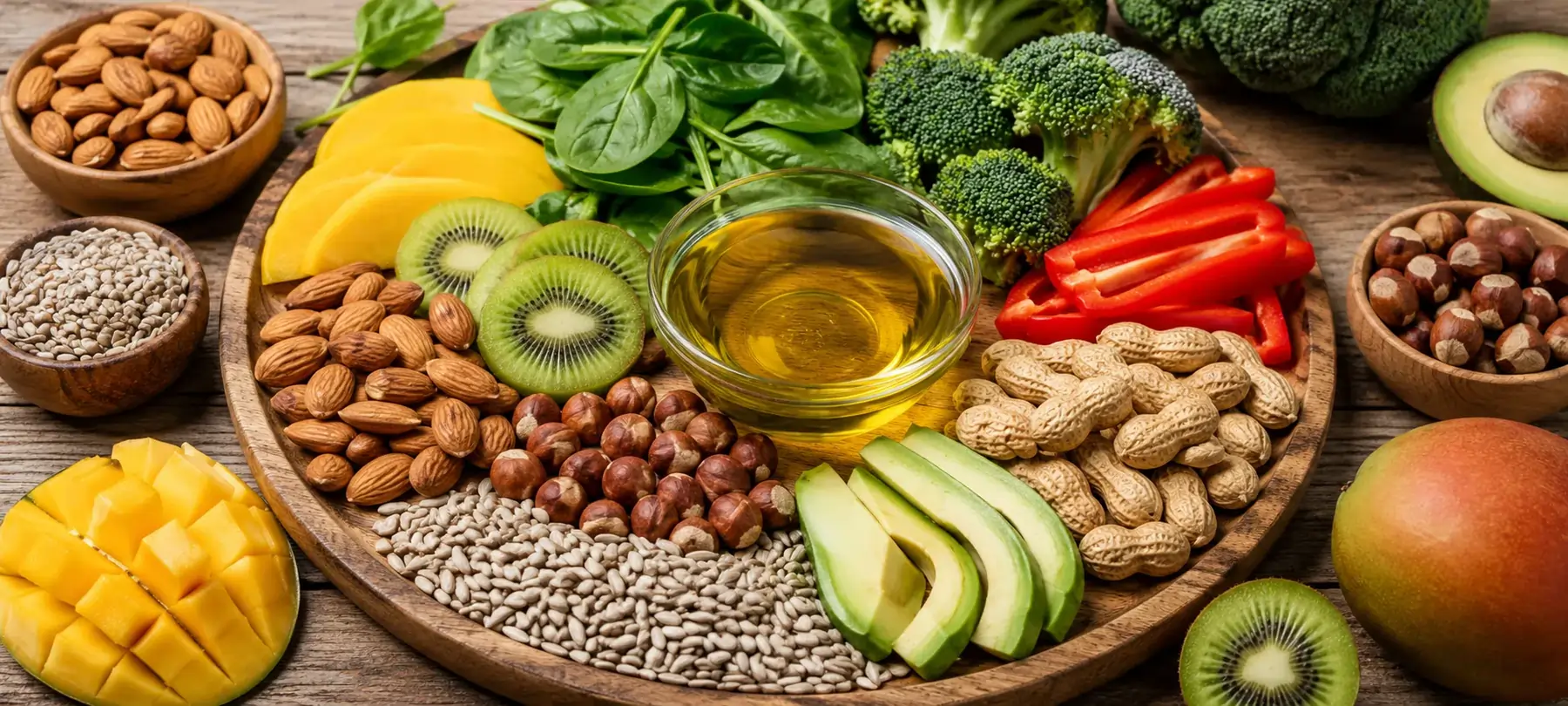
Table of Contents
- What Is Vitamin E And Why Is It Essential For Your Health?
- Top 25 Vitamin E Rich Foods: A List To Meet Your Daily Requirements
- Vitamin E Rich Foods For Vegetarians: Plant Based Sources
- How Much Vitamin E Do You Need Each Day?
- How To Maximize Vitamin E Absorption Through Your Diet
- Conclusion
- FAQ
- References
Vitamin E is an essential nutrient that supports cell protection, immunity, skin health, and overall wellness. Your body does not make vitamin E on its own, so you need to get it through food.
The good news is that vitamin e rich foods are easy to include in a regular diet. Nuts, seeds, plant oils, green vegetables, fruits, and some fish can all help you meet your needs. For most people, a balanced diet can provide enough vitamin E without supplements.
What Is Vitamin E And Why Is It Essential For Your Health?
Vitamin E is a group of fat soluble compounds. Alpha-tocopherol is the main form used by the human body. It works as an antioxidant and helps protect your cells from damage caused by free radicals.
Free radicals are unstable molecules produced during normal body processes and through exposure to pollution, smoke, ultraviolet rays, stress, and illness. When free radicals build up, they can contribute to oxidative stress. Vitamin E helps reduce this oxidative stress.
Vitamin E also supports immune function, blood vessel health, nerve function, and healthy skin. Since it is fat soluble, your body absorbs it better when you eat it with some dietary fat.
Antioxidant Benefits Of Vitamin E
The main benefit of vitamin E is its antioxidant action. It helps protect cell membranes, especially because they contain fats that can be affected by oxidative damage.
This does not mean vitamin E prevents every illness. It works best as part of an overall healthy diet that includes fruits, vegetables, whole grains, pulses, nuts, seeds, and healthy oils.
Vitamin E For Skin And Hair Health
Vitamin E is often linked with skin and hair health because it helps protect cells from oxidative stress. It supports the skin barrier and may help the skin manage damage caused by environmental stress.
However, vitamin E is not a quick fix for acne, pigmentation, wrinkles, hair fall, or hair thinning. These concerns may also be linked with hormones, genetics, iron levels, thyroid health, vitamin D, B12, stress, sleep, and other medical factors. If symptoms are persistent, it is better to check the cause instead of depending only on supplements or oils.
Top 25 Vitamin E Rich Foods: A List To Meet Your Daily Requirements
Here are 25 vitamin e rich foods that can help you meet your daily needs through diet.
- Wheat Germ Oil: One tablespoon is among the richest vitamin E sources and can provide more than a full day’s requirement.
- Sunflower Oil: One tablespoon provides a good amount of vitamin E and can be used in moderate quantities.
- Safflower Oil: This oil is another rich source of vitamin e and works well in small measured amounts.
- Rice Bran Oil: Rice bran oil contains vitamin E and other plant compounds. Use it in moderation as part of your cooking fat intake.
- Canola Oil: Canola oil provides some vitamin E and can be used in controlled quantities.
- Sunflower Seeds: A small handful gives a high amount of vitamin E. Add them to salads, oats, curd, or trail mix.
- Almonds: Almonds are one of the best known vitamin e rich foods. They also provide fibre, magnesium, and healthy fats.
- Hazelnuts: Hazelnuts contain vitamin E, healthy fats, and antioxidants.
- Pine Nuts: Pine nuts provide vitamin E and can be used in salads, dips, or pesto-style preparations.
- Peanuts: Peanuts are affordable, easy to find, and provide vitamin E, protein, and healthy fats.
- Peanut Butter: Natural peanut butter can contribute to vitamin E intake. Choose options with no added sugar or excess salt.
- Pistachios: Pistachios provide some vitamin E along with protein, fibre, and plant compounds.
- Brazil Nuts: Brazil nuts contain vitamin E and selenium. Eat them in small amounts because they are very high in selenium.
- Avocado: Avocado provides vitamin E, healthy fats, and fibre.
- Mango: Mango offers vitamin E along with vitamin C and carotenoids.
- Kiwi: Kiwi gives small amounts of vitamin E and is also rich in vitamin C.
- Blackberries: Blackberries provide vitamin E, fibre, and antioxidants.
- Red Sweet Pepper: Red sweet pepper is a useful vegetable source of vitamin E and vitamin C.
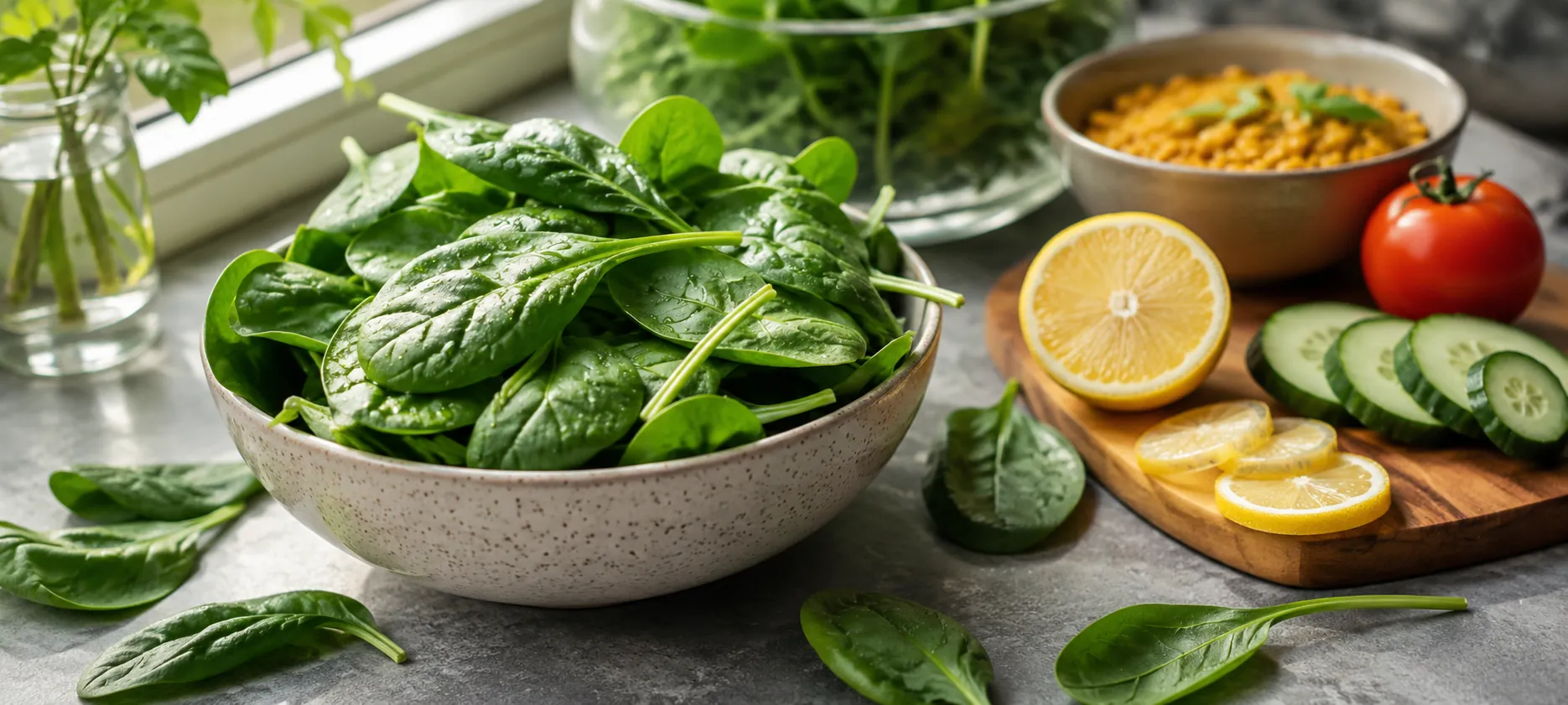
- Spinach: Spinach provides vitamin E, folate, iron, and vitamin K.
- Turnip Greens: These leafy greens contain vitamin E and other micronutrients.
- Broccoli: Broccoli gives small amounts of vitamin E along with fibre and vitamin C.
- Butternut Squash: Butternut squash provides vitamin E and carotenoids.
- Asparagus: Asparagus adds vitamin E, folate, and fibre to meals.
- Rainbow Trout: Rainbow trout is an animal based vitamin E source and also provides protein.
- Salmon: Salmon gives vitamin E, protein, and omega-3 fats.
Vitamin E Rich Foods For Vegetarians: Plant Based Sources
There are many vitamin e rich foods vegetarian diets can include. In fact, most top vitamin E sources are plant based.
- Sunflower seeds
- Almonds
- Hazelnuts
- Peanuts
- Peanut butter
- Pistachios
- Pine nuts
- Wheat germ oil
- Sunflower oil
- Safflower oil
- Rice bran oil
- Avocado
- Mango
- Kiwi
- Spinach
- Broccoli
- Red sweet pepper
- Turnip greens
- Butternut squash
- Asparagus
A simple vegetarian plate can include spinach sabzi, dal, roti, salad with sunflower seeds, and a small serving of almonds. This combination gives fibre, protein, minerals, and vitamin E.
How Much Vitamin E Do You Need Each Day?
The commonly used vitamin e daily requirement for adults is 15 mg per day. Pregnant adults also need 15 mg per day, while lactating adults need about 19 mg per day.
Most people can meet this through food. For example, sunflower seeds, almonds, wheat germ oil, sunflower oil, and hazelnuts are concentrated sources. You do not need to eat all of them every day. A mix of nuts, seeds, vegetables, and healthy oils across the week is more practical.
Daily Vitamin E Requirements For Different Age Groups
- 0 To 6 Months: 4 mg per day
- 7 To 12 Months: 5 mg per day
- 1 To 3 Years: 6 mg per day
- 4 To 8 Years: 7 mg per day
- 9 To 13 Years: 11 mg per day
- 14 Years And Above: 15 mg per day
- Pregnancy: 15 mg per day
- Lactation: 19 mg per day
How To Calculate Your Vitamin E Intake Based On Food Choices
- Start with your daily target. For most adults, this is 15 mg per day.
- Check the vitamin E content of common foods you eat.
- Add one strong source, such as sunflower seeds or almonds.
- Include vegetables such as spinach, broccoli, or red sweet pepper.
- Use measured amounts of cooking oil instead of adding excess oil.
- Track your intake for a few days if you are unsure.
- Speak to a doctor or dietitian if you have a fat absorption disorder or a restricted diet.
How To Maximize Vitamin E Absorption Through Your Diet
Vitamin E is fat soluble. This means your body absorbs it better when it is eaten with some fat. Many rich foods already contain natural fats, such as almonds, sunflower seeds, peanuts, hazelnuts, and avocado.
Low fat foods that contain vitamin E, such as spinach or broccoli, may be better absorbed when eaten with a small amount of oil, nuts, seeds, curd, avocado, or other healthy fat sources.
Avoid relying on supplements unless advised by a healthcare professional. High dose vitamin E supplements may increase the risk of side effects, especially if you take blood thinners or have certain medical conditions.
Best Foods To Pair With Vitamin E For Better Absorption
- Spinach with a small amount of oil or nuts
- Broccoli with sesame seeds or peanuts
- Salad with avocado and sunflower seeds
- Mango with curd and chopped almonds
- Wholegrain toast with peanut butter
- Vegetable stir-fry with measured sunflower or rice bran oil
- Smoothie bowl with nuts and seeds
- Dal or khichdi topped with roasted peanuts
Conclusion
Vitamin E is an important nutrient for cell protection, immunity, skin health, and overall wellness. The best way to get it is through a balanced diet that includes vitamin e rich foods such as sunflower seeds, almonds, hazelnuts, peanuts, spinach, avocado, mango, broccoli, and healthy plant oils.
Good nutrition is a strong foundation for preventive healthcare, but it is also important to monitor your health markers. If you have fatigue, hair fall, skin concerns, weakness, frequent illness, or dietary restrictions, routine blood tests can help identify possible deficiencies or underlying health issues. Metropolis Healthcare offers 4,000 tests, full body checkups, speciality testing, home sample collection, quick turnaround time, and reliable reports. You can book tests through the website, app, call, or WhatsApp, making preventive health monitoring simple and convenient.
FAQ
Can You Get Enough Vitamin E From Food Alone?
Yes, most people can get enough vitamin E from food alone. Nuts, seeds, plant oils, green vegetables, avocado, and some fruits can help you meet your daily requirement. Supplements are usually needed only when advised by a doctor, such as in some fat absorption problems.
What Foods Are High In Vitamin E And Antioxidants?
Sunflower seeds, almonds, hazelnuts, peanuts, avocado, spinach, red sweet pepper, mango, kiwi, and broccoli are good choices. These foods provide vitamin E along with other antioxidants, fibre, vitamins, and minerals.
How Does Vitamin E Benefit Skin Health?
Vitamin E supports skin health mainly through its antioxidant action. It helps protect skin cells from oxidative stress and supports the skin barrier. However, skin concerns can have many causes, so persistent acne, pigmentation, dryness, or hair fall should be assessed properly.
Can You Overdose On Vitamin E From Food?
It is very unlikely to get too much vitamin E from food alone. The concern is usually with high dose supplements. Taking vitamin E supplements without guidance can increase the risk of bleeding and may interact with certain medicines.
References
- National Institutes of Health, Office of Dietary Supplements. Vitamin E Fact Sheet for Health Professionals. Accessed 2026.
- U.S. Department of Agriculture, Agricultural Research Service. FoodData Central. Vitamin E alpha-tocopherol food component search. Accessed 2026.
- Rizvi S, Raza ST, Ahmed F, Ahmad A, Abbas S, Mahdi F. The role of vitamin E in human health and some diseases. Sultan Qaboos Univ Med J. 2014;14(2):e157-e165. PMID: 24790736.
- Keen MA, Hassan I. Vitamin E in dermatology. Indian Dermatol Online J. 2016;7(4):311-315. PMID: 27559512.
- National Institutes of Health, Office of Dietary Supplements. Dietary Supplement Fact Sheets. Accessed 2026.