Home Visit
 Upload






Preventive Healthcare
10 Cabbage Benefits: Why This Affordable Vegetable Is A Nutritional Powerhouse
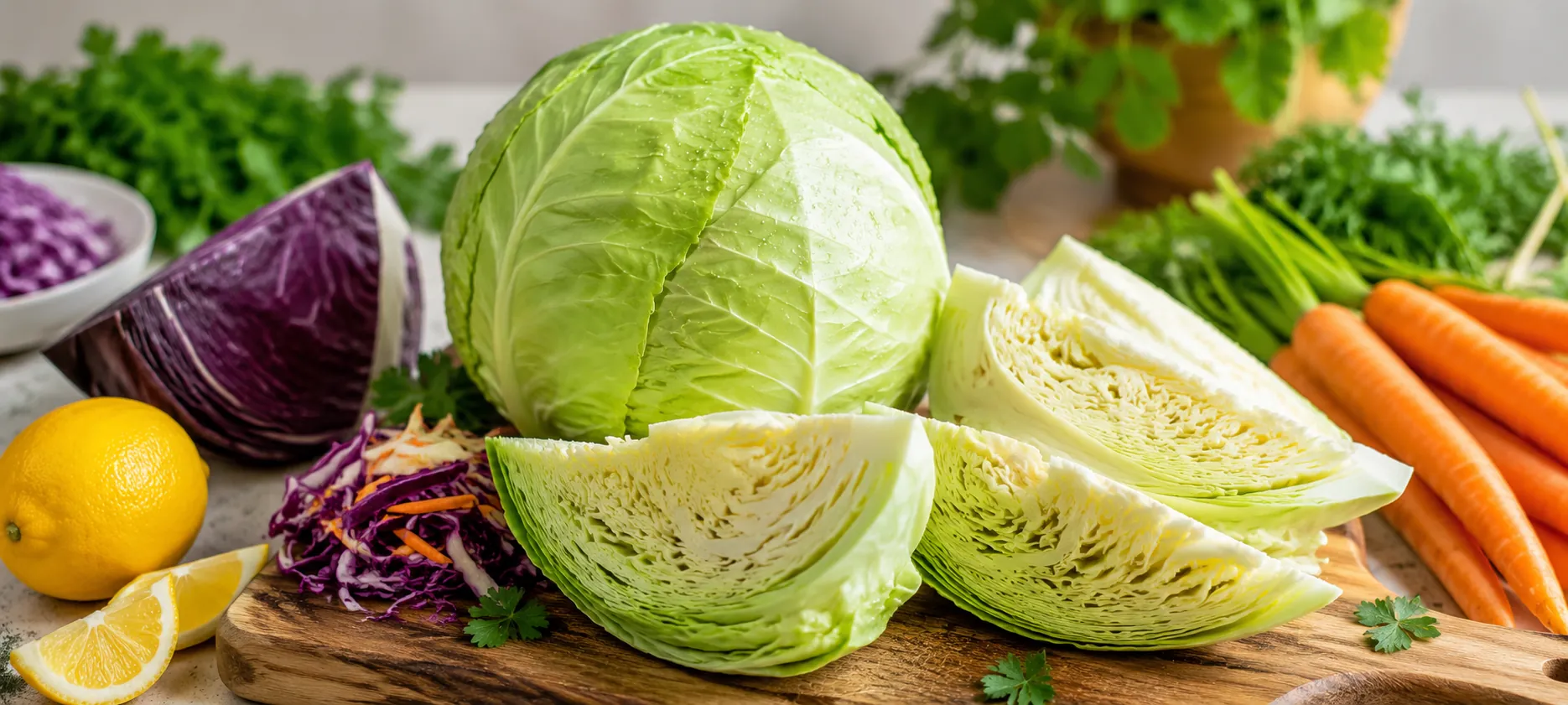
Table of Contents
Cabbage, also called patta gobhi in many Indian homes, is one of the most affordable and versatile vegetables. It is easy to cook, widely available, and fits into many everyday meals, from sabzi and paratha stuffing to soups, salads, rolls, stir fries, and fermented foods.
Despite being a common vegetable, cabbage is rich in nutrients. It contains fibre, vitamin C, vitamin K, folate, potassium, and plant compounds that support overall health. It is also low in calories, which makes it useful for people who want light, filling, and nutrient rich meals.
Here are the key cabbage benefits you should know.
What Is Cabbage?
Cabbage is a leafy cruciferous vegetable that belongs to the same family as cauliflower, broccoli, kale, radish, and Brussels sprouts. It grows as a dense head of tightly packed leaves.
Cabbage can be green, red, purple, white, or pale green. Some types have smooth leaves, while others have crinkled leaves. In Indian cooking, green cabbage is the most common, but red cabbage is also used in salads, stir fries, and health focused meals.
Cabbage can be eaten raw, cooked, steamed, stir fried, added to soups, or fermented. Its mild flavour makes it easy to combine with spices, dals, grains, and other vegetables.
Why Cabbage Is A Superfood
Cabbage is often called a superfood because it gives you many nutrients for very few calories. It is rich in fibre, vitamin C, vitamin K, antioxidants, and water. It also contains natural plant compounds found in cruciferous vegetables.
Superfood is not a medical term, but cabbage fits the idea well. It is affordable, accessible, easy to prepare, and nutrient dense. Unlike expensive health foods, cabbage can be included in regular home cooked meals without changing your food habits too much.
For many Indian households, cabbage is a practical way to improve vegetable intake while keeping meals simple and budget friendly.
Cabbage Nutrition Value, Calories And Macronutrient Breakdown
The nutrition value of cabbage can vary slightly based on variety, freshness, and cooking method. The table below gives an approximate value for 1 cup of raw chopped cabbage.
|
Nutrient |
Approximate Amount In 1 Cup Raw Cabbage |
Why It Matters |
|
Calories |
22 calories |
Helps keep meals light |
|
Carbohydrates |
5 grams |
Provides natural energy |
|
Fibre |
2 grams |
Supports digestion and fullness |
|
Protein |
1 gram |
Adds a small amount of plant protein |
|
Fat |
Almost 0 grams |
Naturally very low in fat |
|
Vitamin C |
Good amount |
Supports immunity, skin, and antioxidant protection |
|
Vitamin K |
Good amount |
Supports normal blood clotting and bone health |
|
Folate |
Small amount |
Supports cell function |
|
Potassium |
Small amount |
Supports fluid balance and blood pressure regulation |
|
Water |
High |
Supports hydration and meal volume |
Cabbage calories are low, which makes it useful in weight management diets. At the same time, cabbage nutrition includes important micronutrients and fibre, making it more valuable than just a filler vegetable.
Health Benefits Of Cabbage
- Supports Digestion: Cabbage contains dietary fibre, which helps add bulk to stool and supports regular bowel movements.
- Helps With Weight Management: Cabbage is low in calories and high in water. It can make meals feel fuller without adding too many calories.
- Supports Immunity: The vitamin C in cabbage supports normal immune function and helps protect cells from oxidative stress.
- Promotes Healthy Skin: Vitamin C helps your body make collagen, which supports skin structure and wound healing.
- Supports Heart Health: Cabbage contains fibre, potassium, and antioxidants that can fit well into a heart friendly diet.
- May Help Cholesterol Control: The soluble fibre and plant sterols in cabbage may support healthier cholesterol levels when combined with an overall balanced diet.
- Supports Bone Health: Cabbage provides vitamin K, which plays a role in bone health and normal blood clotting.
- May Help Reduce Inflammation: Cruciferous vegetables contain antioxidants and sulphur based compounds that may help the body manage oxidative stress.
- Supports Gut Health: Fibre in cabbage acts as food for beneficial gut bacteria, especially when your diet also includes other plant foods.
- Budget Friendly Nutrition: Cabbage is affordable and available in most markets, making it easier to eat vegetables regularly.
Cabbage is healthy, but it is not a cure for any disease. If you have digestive discomfort, thyroid disease, kidney disease, or take blood thinning medication, speak to your doctor before making major changes to your diet.
Different Types Of Cabbage And Their Unique Benefits
There are several types of cabbage, and each has a slightly different taste, texture, and nutrient profile.
Green cabbage is the most common type. It has smooth, pale green leaves and works well in sabzi, stir fries, soups, rolls, and parathas. It is light, mild, and easy to cook.
Red cabbage has a deep purple red colour due to anthocyanins, which are antioxidant plant pigments. It is often used raw in salads or lightly cooked in stir fries.
Savoy cabbage has crinkled leaves and a softer texture. It works well in soups, wraps, and steamed dishes.
Napa cabbage is lighter and more tender. It is common in East Asian cooking and works well in soups, salads, and fermented preparations.
Fermented cabbage, such as sauerkraut or kimchi style preparations, may provide probiotic benefits when prepared safely. However, some fermented versions can be high in salt, so portion control is important.
How To Incorporate Cabbage Into Your Diet
- Add chopped cabbage to regular vegetable sabzi.
- Use cabbage as a filling for parathas, rolls, or sandwiches.
- Add shredded cabbage to poha, upma, noodles, or fried rice.
- Make a simple cabbage and carrot salad with lemon juice.
- Add cabbage to clear soups for extra fibre and volume.
- Use cabbage leaves as wraps for paneer, tofu, chicken, or sprouts.
- Stir fry cabbage with garlic, mustard seeds, curry leaves, and spices.
- Add cabbage to dal based soups or mixed vegetable stews.
- Use red cabbage in salads for colour and crunch.
- Try fermented cabbage in small portions if it suits your digestion.
- Avoid overcooking cabbage if you want better texture and flavour.
- Introduce cabbage slowly if it causes gas or bloating.
Conclusion
Cabbage is affordable, easy to cook, and packed with useful nutrients. It is low in calories and provides fibre, vitamin C, vitamin K, potassium, folate, and antioxidants. These nutrients support digestion, immunity, skin health, heart health, gut health, and weight management.
The best way to enjoy cabbage is as part of a balanced diet. Add it to home cooked meals, combine it with other vegetables and protein sources, and avoid overloading it with oil, salt, or heavy sauces.
Good nutrition is an important part of preventive healthcare. Regular health checkups can help you understand your blood sugar, cholesterol, vitamin levels, liver function, kidney function, and overall wellness markers. Metropolis Healthcare offers 4,000+ tests, full body checkups, home sample collection, accurate reports, quick turnaround time, and easy booking through the website, app, call, and WhatsApp. With expert pathologists and a strong home collection network, Metropolis Healthcare can support your routine health monitoring with reliable diagnostics.
FAQ
Can Eating Cabbage Help With Digestion?
Yes, cabbage can help digestion because it contains fibre and water. Fibre supports regular bowel movements and helps maintain gut health. However, cabbage can cause gas or bloating in some people, especially if eaten in large amounts or introduced suddenly. Start with small portions and cook it well if your stomach is sensitive.
Is Cabbage Good For Weight Loss?
Yes, cabbage can be useful for weight loss because it is low in calories and high in fibre and water. It can make meals more filling without adding too many calories. However, cabbage alone does not cause weight loss. A balanced diet, regular physical activity, good sleep, and portion control are also important.
How Many Calories Are In A Cup Of Cabbage?
One cup of raw chopped cabbage has about 22 calories. This makes cabbage a low calorie vegetable that can be added to salads, soups, sabzi, stir fries, and weight management meals.
Can Cabbage Reduce Cholesterol?
Cabbage may support healthier cholesterol levels because it contains fibre and plant compounds. Soluble fibre can help reduce the absorption of cholesterol in the gut. However, cholesterol control depends on your full diet, activity level, body weight, genetics, and medical history. If you have high cholesterol, follow your doctor’s advice and monitor your lipid profile regularly.
References
- U.S. Department Of Agriculture, Agricultural Research Service. FoodData Central: Cabbage, Raw.
- National Institutes Of Health, Office Of Dietary Supplements. Vitamin C Fact Sheet For Health Professionals.
- National Institutes Of Health, Office Of Dietary Supplements. Vitamin K Fact Sheet For Health Professionals.
- Blekkenhorst LC, Bondonno CP, Lewis JR, et al. Cruciferous And Total Vegetable Intakes Are Inversely Associated With Subclinical Atherosclerosis In Older Adult Women. Journal Of The American Heart Association. 2018;7(8):e008391. PMID: 29622611.
- Aune D, Giovannucci E, Boffetta P, et al. Fruit And Vegetable Intake And The Risk Of Cardiovascular Disease, Total Cancer And All-Cause Mortality: A Systematic Review And Dose-Response Meta-Analysis Of Prospective Studies. International Journal Of Epidemiology. 2017;46(3):1029-1056. PMID: 28338764.