Home Visit
 Upload






Preventive Healthcare
Abdominal Distension: What Causes It And How Can It Be Treated?

Table of Contents
- What Is Abdominal Distension?
- Common Causes Of Abdominal Distension
- Symptoms Associated With Abdominal Distension
- When To See A Doctor
- How Abdominal Distension Is Diagnosed
- Treatment Options For Abdominal Distension
- At Home Treatment For Abdominal Distension Relief
- Dietary Tips To Reduce Abdominal Distension
- Lifestyle Changes To Prevent Abdominal Distension
- Complications Of Persistent Abdominal Distension
- Key Takeaways
- Conclusion
- FAQs About Abdominal Distension
Abdominal distension can make your stomach look swollen, tight, or larger than usual. It may happen after a heavy meal, during constipation, or because of trapped gas. In some cases, it can also be linked to fluid retention abdomen, digestive disorders, liver disease, or other medical conditions.
Most mild cases improve with simple changes. But persistent, painful, or sudden abdominal swelling should be checked by a doctor.
What Is Abdominal Distension?
Abdominal distension means visible or measurable swelling of your abdomen. Your stomach may look enlarged, feel tight, or feel stretched. It is different from ordinary fullness because the abdomen appears swollen outward.
Many people use the words bloating and distension together. Bloating is the feeling of fullness, pressure, or trapped gas. Distension is the visible increase in abdominal size. You may have one without the other, but they often happen together.
Common Causes Of Abdominal Distension
Common abdominal distension causes include:
- Gas Build-Up: Gas can collect in the digestive tract due to swallowed air, indigestion, certain foods, or slow digestion.
- Constipation: Stool build-up can make your abdomen feel heavy, tight, and swollen.
- Food Intolerances: Lactose intolerance, gluten sensitivity, or other food reactions can lead to gas and swelling.
- Irritable Bowel Syndrome: IBS symptoms may include abdominal pain, bloating, constipation, diarrhoea, or changes in bowel habits.
- Small Intestinal Bacterial Overgrowth: Excess bacteria in the small intestine can cause gas, bloating, pain, and distension.
- Fluid Retention Abdomen: Fluid build-up in the abdominal cavity, called ascites, may occur due to liver, kidney, heart, or other medical conditions.
- Weight Gain: Increased abdominal fat can make the abdomen appear enlarged and may affect digestion.
- Pregnancy: A growing uterus naturally increases abdominal size.
- Menstruation: Hormonal changes can cause water retention and bloating.
- Bowel Obstruction: A blockage in the intestine can cause severe swelling, pain, vomiting, and inability to pass stool or gas.
- Abdominal Masses Or Organ Enlargement: Enlarged organs, cysts, fibroids, or growths may cause persistent swelling.
- Infection Or Inflammation: Conditions affecting the abdominal lining or digestive organs may lead to swelling and pain.
Symptoms Associated With Abdominal Distension
Abdominal distension symptoms may include:
- Visible swelling of the abdomen
- Tightness or pressure in the stomach
- Feeling full quickly while eating
- Excess gas or flatulence
- Burping or belching
- Abdominal cramps or pain
- Constipation or diarrhoea
- Nausea or reduced appetite
- Acid reflux or heartburn
- Rumbling sounds from the stomach
- Sudden weight gain if fluid is building up
- Breathlessness in severe abdominal swelling
Symptoms that occur often or worsen over time should not be ignored.
When To See A Doctor
See a doctor if abdominal distension is persistent, painful, sudden, or keeps getting worse. You should also seek medical care if swelling occurs with fever, vomiting, blood in stool, unexplained weight loss, severe constipation, inability to pass gas, yellowing of the eyes, breathlessness, or a hard swelling in the abdomen.
If you already have liver disease, kidney disease, heart disease, inflammatory bowel disease, or cancer, new abdominal swelling should be assessed promptly.
How Abdominal Distension Is Diagnosed
A doctor will ask about your symptoms, diet, bowel habits, medicines, menstrual history, weight changes, and medical conditions. They may examine your abdomen to check for tenderness, gas, fluid, masses, or organ enlargement.
Depending on the suspected cause, tests may include blood tests, stool tests, urine tests, abdominal ultrasound, X-ray, CT scan, endoscopy, colonoscopy, or breath tests for food intolerance and bacterial overgrowth. If fluid retention abdomen is suspected, your doctor may recommend tests such as a liver function test, kidney function test, and imaging.
Correct abdominal distension diagnosis helps identify whether the cause is digestive, hormonal, fluid-related, inflammatory, or structural.
Treatment Options For Abdominal Distension
Abdominal distension treatment depends on the cause.
If gas or indigestion is the cause, your doctor may suggest dietary changes, anti-gas medicines, probiotics, digestive support, or treatment for acidity.
If constipation is the cause, treatment may include more fluids, fibre, physical activity, stool softeners, or laxatives when needed.
If food intolerance is suspected, you may need to identify and reduce trigger foods. Do not remove major food groups for long periods without guidance.
If IBS is the cause, treatment may include diet changes, stress management, medicines, and regular follow-up.
If ascites or fluid build-up is present, treatment may include salt restriction, diuretics, treatment of the underlying liver, heart, or kidney condition, and sometimes fluid drainage under medical supervision.
If a blockage, infection, severe inflammation, or mass is found, urgent medical treatment may be required.
At Home Treatment For Abdominal Distension Relief
For mild and occasional symptoms, these steps may help:
- Take a short walk after meals.
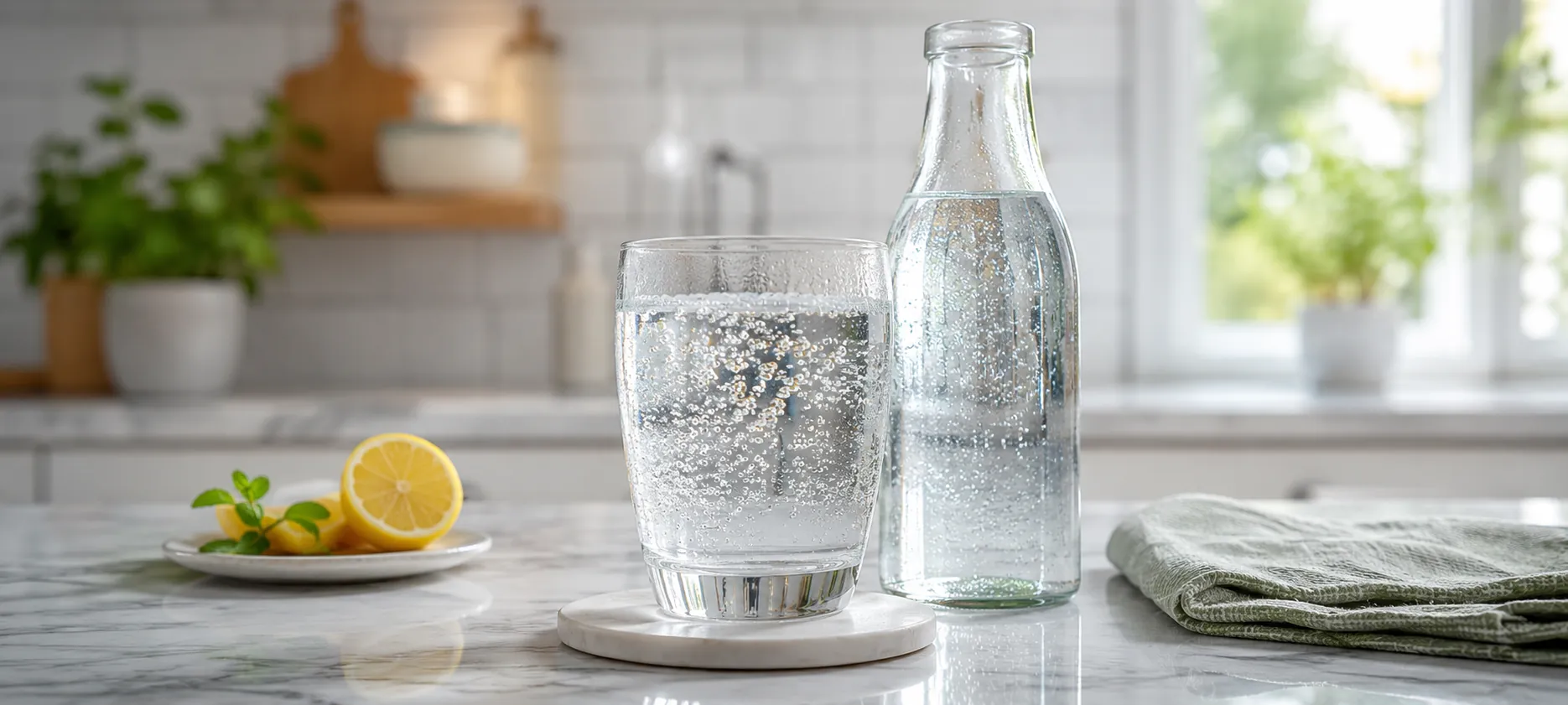
- Drink enough water through the day.
- Eat slowly and chew food well.
- Avoid lying down immediately after eating.
- Avoid carbonated drinks if they trigger gas.
- Limit chewing gum and drinking through straws.
- Try gentle abdominal movement or stretching.
- Manage constipation early.
- Keep a food and symptom diary.
- Avoid self-medicating for repeated symptoms.
Home care is useful for mild digestive bloating causes, but it is not a substitute for diagnosis when symptoms persist.
Dietary Tips To Reduce Abdominal Distension
Simple food habits can reduce discomfort:
- Eat smaller meals instead of very large meals.
- Limit fried, oily, and very spicy foods if they trigger symptoms.
- Reduce carbonated drinks.
- Identify foods that cause gas, such as beans, cabbage, onions, or certain dairy products.
- Increase fibre gradually if constipation is present.
- Drink water regularly.
- Avoid eating too quickly.
- Limit high-salt foods that may worsen water retention.
- Avoid unnecessary restrictive diets unless advised.
- Speak to a doctor or dietitian if symptoms continue.
Lifestyle Changes To Prevent Abdominal Distension
These habits can support better digestion:
- Exercise regularly.
- Avoid sitting for long periods after meals.
- Maintain a healthy body weight.
- Follow a regular meal schedule.
- Sleep well.
- Manage stress through breathing, yoga, walking, or relaxation.
- Avoid smoking.
- Limit alcohol.
- Review medicines with your doctor if bloating started after a new medicine.
- Treat recurring constipation early.
Complications Of Persistent Abdominal Distension
Untreated or persistent abdominal distension may lead to:
- Ongoing discomfort and reduced appetite
- Poor sleep and reduced quality of life
- Worsening constipation
- Nutritional problems if food intake drops
- Delayed diagnosis of liver, kidney, heart, or digestive disease
- Breathing difficulty in severe fluid build-up
- Pain from bowel obstruction or severe inflammation
- Anxiety due to recurring symptoms
Early evaluation helps prevent avoidable complications.
Key Takeaways
- Abdominal distension means visible swelling or enlargement of the abdomen.
- Common causes include gas, constipation, food intolerance, IBS, fluid build-up, and bowel obstruction.
- Bloating is a sensation, while distension is visible swelling.
- Mild cases may improve with diet, hydration, walking, and better eating habits.
- Persistent, painful, sudden, or worsening swelling needs medical evaluation.
- Diagnosis may include physical examination, blood tests, imaging, breath tests, or digestive tests.
- Preventive health checks can help detect underlying health issues earlier.
Conclusion
Abdominal distension is common, but it should be understood rather than ignored. Occasional swelling after meals may improve with simple changes. Persistent or painful swelling needs proper medical evaluation to identify the real cause.
Metropolis Healthcare supports preventive care and ongoing wellness monitoring with accurate diagnostic testing, full body checkups, speciality tests, and reliable reports. With 4,000 tests, home sample collection, quick turnaround time, and easy booking through website, app, call, and WhatsApp, Metropolis Healthcare helps you stay informed about your health and take timely action.
FAQs About Abdominal Distension
What Is The Difference Between Distension And Bloating?
Bloating is the feeling of fullness, tightness, or trapped gas in your abdomen. Distension means your abdomen is visibly swollen or enlarged. You can feel bloated without visible swelling, but both can occur together.
How Can I Reduce Abdominal Distention?
You can reduce mild abdominal distention by eating smaller meals, walking after meals, drinking enough water, avoiding carbonated drinks, managing constipation, and identifying trigger foods. If it keeps recurring, consult a doctor to find the cause.
What Are The 7 F's Of Abdominal Distention?
The common teaching list includes flatus, faeces, fluid, fat, fetus, full bladder, and fatal growth. These refer to gas, stool, fluid build-up, fat, pregnancy, urine retention, and serious causes such as tumours or masses.
Is Abdominal Distension A Sign Of A Serious Disease?
It can be, but not always. Many cases are due to gas, constipation, or food intolerance. However, persistent, painful, sudden, or worsening abdominal distension may indicate fluid build-up, bowel obstruction, infection, liver disease, or another condition that needs medical care.
How Can I Reduce Abdominal Bloating Quickly?
For quick relief, try walking, sipping warm water, avoiding more food for a short time, sitting upright, and gently moving your body. Avoid carbonated drinks and heavy meals. Seek medical help if bloating comes with severe pain, vomiting, fever, or inability to pass stool or gas.