Home Visit
 Upload






Preventive Healthcare
Urine Test: Normal Range, How it Works, Preparation, Tips and Results
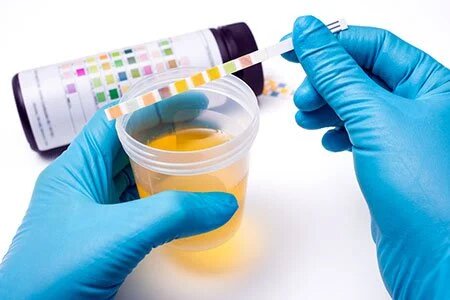
Table of Contents
- What is The Urine Routine Test?
- How Does The Urine Routine Test Work?
- How To Prepare For The Urine Routine Test?
- What Does A Urine Routine Test Measure?
- Tips For An Easy Urine Routine Test
- How Do You Analyse The Urine Routine Test Results?
- Normal Range for Urine Routine Test
- What Are The Uses of a Urine Routine Test?
- FAQs
You might have given a urine sample in a laboratory at least once in your life. Urine or pee is essential in eliminating the unnecessary substances produced during metabolic functions. It also regulates the balance of water in your body. Therefore, urine tests are required to diagnose diseases related to the metabolic and urinary systems.
So, how does a urine routine test work, and what do the results tell you?
What is The Urine Routine Test?
The urine routine test is analysed to diagnose various liver, kidney, and urinary tract diseases, etc. It is also used to monitor the progress of certain conditions. The urine test is performed to examine its odour, colour, and components. Your urine contains toxic components of food and medicine, which can tell a lot about your urinary and metabolic system.
The urine analysis is done as a part of a routine check-up or to analyse certain diseases like urinary tract infection (UTI), diabetes, and kidney or liver diseases in their early stages. It is also a part of pregnancy check-ups. Doctors also suggest taking routine urine tests before undergoing surgery.
How Does The Urine Routine Test Work?
The urine routine test is analysed in three ways, and your laboratory assistant may perform either or all of them.
- Visual test: When your laboratory assistant examines the odour, colour, and clarity of the urine with the naked eye, it is called a visual test. The colour of the urine depends on its concentration and ranges from pale yellow to amber. Your urine might turn reddish or brown if it has traces of blood in it. It is also associated with kidney diseases. Likewise, cloudy urine indicates a urinary tract infection.
- Microscopic test: Lab experts perform urine routine microscopy to examine substances in your urine. These substances are not visible to the naked eye; therefore, they must be analysed under a microscope. Some common substances found in urine are RBC, WBC, cells, mucus, bacteria, crystals, urinary casts, etc.
- Rapid urine test: A rapid urine test is performed to find the chemical components present in the urine. For the test, a dipstick strip is dipped in the urine for some time. After a while, the strip changes its colour depending on the urine concentration. Then the lab technician compares the strip colour to the colour table to analyse the chemical values in the urine. The rapid urine test is used to analyse urine pH levels, protein, sugar, RBC, WBC, nitrites, blood etc.
How To Prepare For The Urine Routine Test?
The urine routine test is performed to assess your health concerns, so you can eat and drink normal food before the test unless otherwise instructed. Make sure you do not eat foods that can alter your urine colour, like beets or food dyes. Also, you should tell your doctor about your medications, vitamins, and supplements before the test.
Your lab assistant will give you a container to collect the urine sample in. Follow these easy steps to collect your urine without contaminating it.
- Before peeing, wash your intimate area. It will ensure other bacteria do not contaminate your urine.
- A clean midstream is used to get accurate results. So, start peeing in the toilet, stop midstream, and collect your urine in the container.
- Hand over your sample to the lab assistant using proper hygiene practices.
What Does A Urine Routine Test Measure?
A urine routine test is a simple, non-invasive diagnostic tool that examines the physical, chemical, and microscopic properties of urine. It helps detect potential health problems in the early stages.
- This test measures various factors, including urine colour, clarity, pH level, specific gravity, presence of proteins, glucose, ketones, blood, bilirubin, nitrites, and leukocyte esterase.
- The microscopic analysis identifies red blood cells, white blood cells, epithelial cells, crystals, bacteria, and casts.
- These components provide valuable insights into urinary tract health, kidney function, metabolic status, and even systemic diseases.
Tips For An Easy Urine Routine Test
- Before going for the urine routine test, ensure you have enough fluids and water in your body to pass the urine easily.
- Keep your intimate area clean to ensure your urine is not infected.
- Always use the clean midstream method to get a urine sample. Midstream urine is the best way to get accurate results and diagnosis.
- Make sure you use a clean toilet to collect the urine sample, as you do not want it to be contaminated.
- Always wash your hands before and after collecting the sample.
- Follow hygiene practices to pass the container to the lab assistant.
- Inform your doctor about your diet, supplements, and medication before performing the urine test.
How Do You Analyse The Urine Routine Test Results?
The urine analysis will tell you what is going on in your body. Your doctor will compare the values determined in the test with the normal range to diagnose abnormalities in the urinary system.
pH values, for example, aid in determining the risk of a urine stone or a urinary tract infection; protein levels aid in evaluating kidney inflammation; blood sugar levels aid in the diagnosis of diabetes; and so on.
The diagnosis depends on why you took the urine routine test. Depending on the result, your doctor will advise you to take further steps, like if you need any more tests, a change in medication, or a new treatment.
Normal Range for Urine Routine Test
The urine test normal range typically includes:
- Colour: Pale yellow to amber
- Clarity: Clear
- pH: 4.6 to 8.0
- Specific Gravity: 1.005 to 1.030
- Protein: Negative
- Glucose: Negative
- Ketones: Negative
- Blood: Negative
- Nitrites: Negative
- Leukocyte Esterase: Negative
Microscopic examination should ideally show 0–5 red and white blood cells per high power field and no significant bacterial growth or abnormal casts. Deviations from these ranges may suggest underlying health issues.
What Are The Uses of a Urine Routine Test?
The urine routine test is widely used to support the diagnosis and monitoring of various health conditions. It provides valuable insights into kidney function, urinary tract health, and systemic diseases.
Uses of the urine routine test include:
- Helps detect urinary tract infections (UTIs)
- Assists in monitoring kidney health and function
- Supports the diagnosis of metabolic conditions like diabetes
- Identifies the presence of blood, protein, or abnormal substances in urine
- Aids in evaluating overall urinary system health
- Tracks treatment progress for urinary or kidney-related issues
FAQs
What will a urine test detect?
A urine test can detect urinary tract infections (UTIs), kidney disorders, diabetes, liver issues, dehydration, and metabolic conditions. It can also reveal the presence of blood, protein, glucose, and signs of inflammation or infection.
What if a urine test is positive?
If a urine test returns positive for substances like blood, nitrites, protein, or glucose, it may indicate infection, kidney disease, diabetes, or other conditions. A positive result often requires follow-up testing or medical intervention.
Why is the urine routine test important?
The urine routine test uses are vast. It helps monitor general health, detect infections, assess kidney function, and screen for systemic diseases. Regular testing can lead to early diagnosis and timely treatment.
How is the urine routine test different from a urine culture?
A urine routine test checks the physical and chemical composition of urine, while a urine culture specifically identifies bacterial growth to confirm infections and guide antibiotic treatment. Both tests serve different diagnostic purposes.
What should I do if my urine routine test shows abnormal results?
If your urine test report shows abnormal results, consult your doctor promptly. Further tests, lifestyle changes, or medications may be recommended based on the underlying cause.
Is it necessary to fast before a urine routine test?
No, fasting is generally not required before a urine routine test. However, always follow your doctor’s instructions if other tests are being conducted simultaneously.
Can a urine routine test detect pregnancy?
No, the urine routine test is not designed to detect pregnancy. Pregnancy detection requires a specialised urine pregnancy test that measures the hormone hCG.
Can certain foods affect the urine routine test?
Yes, foods like beets, asparagus, and certain vitamins can temporarily change urine colour or odour, which may affect the urine test report. Inform your doctor about recent dietary habits before testing.
How accurate is a urine routine test?
The urine routine test is generally accurate when collected and analysed properly. However, factors like contamination, improper collection, or delayed processing can affect results.
Can the urine routine test help diagnose kidney stones?
Yes, the urine routine test can suggest the possibility of kidney stones by detecting blood, crystals, or unusual pH levels. Further imaging like ultrasound or CT scans is needed for confirmation.
If you’re experiencing urinary symptoms or need a routine health check, you can book a Urine Routine Test today at an affordable urine routine test price.