 Home Visit
 Upload










Latest Blogs

Radish Benefits: Nutrition, Health Uses & How to Use It in Your Diet
What is Radish? Radish, known as mooli in India, is a crisp root vegetable from the Brassicaceae (mustard) family. With its peppery flavour and refreshing crunch, radish is a common part of salads, soups, and traditional Indian recipes. Available in various colours—white, red, purple, and black—radish offers more than taste. It is packed with essential nutrients that promote digestion, detoxification, and heart health. Both the root and leaves are edible and full of beneficial compounds such as antioxidants, fibre, and minerals. From aiding liver function to boosting immunity, radish benefits extend far beyond being a salad garnish—it’s a powerful, low-calorie vegetable that supports overall wellness. Nutritional Profile of Radish According to the National Institutes of Health (NIH), Radishes are low-calorie yet nutrient-dense; especially the leaves, which provide ~2× more vitamin C and 3–10× more calcium, magnesium, iron, zinc, riboflavin, and folate than the roots, supporting metabolism, heart health, digestion (including gut motility), and healthy blood sugar and blood pressure. Here’s what half a cup of raw radish typically contains: Nutrient Amount Health Role Calories 9 Low energy density; supports weight management Protein 0 g — Fat 0 g Naturally fat-free Carbohydrates 2 g Small carb load; low GI Fiber 0 g — Sugar 0 g No added sugar impact Cholesterol 0 mg Heart-friendly Sodium 23 mg Low sodium Here’s a snapshot of the micronutrients and bioactive compounds in radish, along with their key benefits. Nutrient (Grouped) Amount Health Role Vitamin C + Polyphenols (catechin, pyrogallol, vanillic acid) Present (amounts not specified) Antioxidant protection supports immunity and collagen B-vitamins (B1, B2, B3, B6, Folate) Present Energy metabolism, nerve function, and DNA synthesis Minerals (Potassium, Calcium, Iron, Manganese) Present Blood pressure regulation, bone health, oxygen transport, and antioxidant enzymes Glucosinolates & Isothiocyanates (incl. indole-3-carbinol, 4-MTBI*) Present Supports detox enzymes; studied for anti-cancer potential Natural nitrates Present May support healthy blood flow Coenzyme Q10 (CoQ10) Present Cellular energy and antioxidant support Radish's nutrition makes it an ideal food for hydration, digestion, and detoxification—especially in hot climates. Types of Radishes Radishes come in many varieties around the world, differing in size, colour, taste, and nutritional value. While all types belong to the Brassicaceae (mustard) family, their flavour profiles range from mild and sweet to pungent and spicy. These differences arise due to varying concentrations of glucosinolates — the natural compounds responsible for radish’s characteristic bite and health-promoting properties. Here are some of the most common types of radishes and their unique characteristics: 1. White Radish (Daikon or Mooli) The white radish, also known as daikon in Japan and mooli in India, is the most widely cultivated variety in Asia. It is long, cylindrical, and mild in flavour compared to red radish. White Radish Uses: Commonly used in Indian dishes like mooli paratha, sambar, and mooli achar (pickle), as well as in East Asian soups, stir-fries, and salads. Nutritional Note: Rich in fibre, vitamin C, and digestive enzymes that support liver detoxification. 2. Red Radish Perhaps the most recognisable type, red radish is small, round, and bright red with a crisp white interior. It has a peppery flavour that adds freshness and a bit of spice to dishes. Red Radish Uses: Commonly eaten raw in salads, sandwiches, or as a garnish. It pairs well with lemon and salt for a refreshing snack. Nutritional Note: High in antioxidants like anthocyanins, which give it the red hue and protect cells from oxidative stress. 3. Black Radish Known for its thick black skin and strong, earthy flavour, the black radish (also called Spanish radish) is valued in traditional medicine for its potent detoxifying and antimicrobial properties. Black Radish Uses: Usually consumed in small quantities due to its intensity — grated into salads, roasted, or juiced for liver cleansing. Nutritional Note: Rich in sulphur compounds and antioxidants that support bile production and liver health. 4. Watermelon Radish One of the most visually appealing varieties, the watermelon radish features a pale green exterior and a vibrant pink or magenta core — resembling a watermelon slice when cut. It has a mildly sweet, less peppery taste and a juicy crunch. Watermelon Radish Uses: Often featured in gourmet salads, poke bowls, and sushi for its colour and subtle flavour. Nutritional Note: Contains anthocyanins (the same pigments found in blueberries) that help reduce inflammation and support heart health. 5. Green Radish (Chinese Radish or Qing Luo Bo) This variety is light green on the outside and white inside, with a crisp texture and slightly sweet taste. Popular in Chinese and Korean cuisines, it is often used in soups, stews, and stir-fried dishes. Green Radish Uses: Added to noodle soups, fermented as kimchi, or cooked in broths to balance flavour. Nutritional Note: Provides a mix of vitamins A and C, along with fibre and minerals that aid digestion. 6. Purple Radish (Less Common but Nutritious) A relatively newer hybrid variety, purple radish combines the sweetness of white radish with the spice of red. Its violet pigment comes from anthocyanins, known for their anti-inflammatory and anti-ageing benefits. Uses: Perfect for adding colour to salads, soups, or roasted vegetable platters. Nutritional Note: High in antioxidants and vitamin C, it supports collagen formation and skin health. Each of these radish varieties provides similar nutritional benefits — including fibre, vitamin C, potassium, and antioxidants — but their phytochemical composition (such as glucosinolates and anthocyanins) varies slightly, influencing flavour and intensity. Health Benefits of Mooli (Radish) Radish is a nutrient-rich root vegetable that combines vitamins, minerals, antioxidants, and natural plant compounds to deliver multiple health benefits. Its high water and fibre content make it one of the most effective foods for cleansing, hydration, and metabolic balance. Here are the top radish health benefits supported by nutrition science and traditional dietary practices: 1. Supports Digestive Health Radish is excellent for maintaining a healthy digestive system. Its high fibre content promotes regular bowel movements and prevents constipation, while its natural enzymes enhance bile flow, aiding the digestion of fats and complex foods. Regular consumption of raw radish or radish juice also balances stomach acidity and reduces bloating, making it ideal for people with sluggish digestion or gastric discomfort. 2. Improves Liver and Kidney Function One of the most important radish benefits is its detoxifying action on the liver and kidneys. Studies note that radish stimulates bile secretion, helping the liver process fats and eliminate toxins efficiently. Its diuretic properties increase urine output, supporting kidney function and reducing water retention or mild swelling. Consuming radish regularly can thus help the body flush out waste and maintain healthy organ function. 3. Boosts Immunity Radish is rich in vitamin C, a key nutrient for immune defence, wound healing, and collagen synthesis. In addition, antioxidants like anthocyanins and flavonoids protect cells from oxidative stress and inflammation. A single serving of radish provides about 25% of the daily vitamin C requirement, helping the body resist infections and recover faster from seasonal illnesses. 4. Regulates Blood Pressure High blood pressure is often linked to excess sodium in the diet. The potassium content in radish counterbalances sodium, relaxes blood vessel walls, and maintains optimal fluid balance. This natural vasodilating effect supports heart health, improves circulation, and reduces the risk of hypertension-related complications. 5. Supports Weight Management With just 16 calories per 100 grams, radish is a low-calorie, high-fibre food that promotes fullness without adding extra fat or sugar. It slows digestion, curbing appetite and preventing overeating. Including radish recipes like salads, soups, or juices can help support weight-loss goals while providing essential nutrients and hydration. 6. Improves Skin Health Clear, glowing skin often reflects internal health. Radish helps purify the blood and flush toxins, preventing acne and dullness. Its vitamin C content promotes collagen synthesis, maintaining skin elasticity and delaying signs of ageing. The high water content also keeps skin hydrated, soft, and healthy, especially during dry or hot seasons. 7. Aids Blood Sugar Control Plant compounds like glucosinolates and isothiocyanates in radish may improve insulin sensitivity and slow carbohydrate absorption. This helps regulate post-meal blood sugar levels and may lower the risk of type 2 diabetes when included in a balanced, fibre-rich diet. 8. Enhances Heart Health Radish is beneficial for cardiovascular health due to its antioxidant and anti-inflammatory compounds. These reduce oxidative damage to LDL cholesterol, a major contributor to plaque build up in arteries. Regular intake helps maintain arterial flexibility, reduce inflammation, and support overall heart function — particularly when combined with a diet rich in leafy greens and whole grains. 9. Anti-inflammatory Properties The bioactive compounds in radish, including flavonoids, anthocyanins, and sulforaphane, have natural anti-inflammatory effects. They help relieve mild pain, tissue irritation, and swelling, supporting recovery after exercise or illness. Its detoxifying effect further reduces systemic inflammation linked to metabolic and lifestyle-related disorders. 10. Hydration and Detoxification Composed of about 95% water, radish helps maintain hydration and electrolyte balance, especially in summer. It acts as a natural coolant that soothes the stomach and prevents dehydration-related fatigue. Regular inclusion in meals aids detoxification by promoting urine output, flushing toxins, and supporting a healthy pH balance. How to Include Radish in Your Diet Radish is one of the most versatile vegetables that can easily be incorporated into everyday meals—whether raw, cooked, or fermented. Its crisp texture and mild peppery flavour add both nutrition and variety to your plate. Below are several delicious and healthy ways to include radish in your diet for maximum radish benefits. 1. Raw Salads Grated or thinly sliced radish adds crunch, flavour, and freshness to mixed salads. Combine it with cucumbers, carrots, tomatoes, and a squeeze of lemon for a quick detox salad. You can also sprinkle a pinch of rock salt or chaat masala for taste. Raw radish retains the highest amount of vitamin C and enzymes that aid digestion and immunity. 2. Radish Juice Freshly extracted radish juice, especially when blended with carrot or apple, provides potent radish juice benefits such as improved liver detoxification, better digestion, and relief from bloating. Drink a small glass in the morning or after meals to stimulate metabolism and cleanse the liver naturally. 3. Cooked Dishes Cooked radish loses some of its sharpness but retains its nutrients. It blends well in Indian and Asian cuisines. You can add radish cubes to sambar, curries, or stir-fries for texture and mild sweetness. Another popular option is mooli paratha—grated radish stuffed into whole wheat dough with spices—providing a filling, high-fibre meal ideal for breakfast or lunch. 4. Pickles (Achar) Fermented or spiced mooli achar is not just a flavourful accompaniment but also a natural probiotic that supports gut health. The fermentation process increases beneficial bacteria, improving digestion and nutrient absorption. Pair a spoonful of radish pickle with rice or paratha for added zest and gut-friendly nutrition. 5. Radish Leaves Don’t discard the greens! Radish leaves (mooli ke patte) are edible and highly nutritious. They’re an excellent source of iron, calcium, and antioxidants. Use them in stir-fries, dal, or soups to enhance flavour and add a mineral boost. A quick sauté with garlic, cumin, and mustard seeds makes a wholesome side dish. 6. Soups and Curries Radish adds mild sweetness and crunch to hot soups, stews, and broths. Try adding it to vegetable soups, lentil stews, or Asian-style miso soups. The fibre improves satiety while the natural enzymes aid digestion. Cooked radish is gentle on the stomach and ideal for people recovering from illness or following a detox plan. Precautions and Side Effects While radish is safe for most people, excessive consumption may cause minor side effects: Thyroid sensitivity: Large amounts may interfere with iodine absorption; those with hypothyroidism should eat radish in moderation. Gas or bloating: Overeating raw radish can cause temporary bloating. Gallstones: If you have gallstones, consult your doctor before drinking concentrated radish juice. Low blood pressure: Since radish helps lower blood pressure, people on antihypertensive medication should monitor intake. Allergic reactions: Rarely, some individuals may experience itching or irritation after handling or eating raw radish. Moderation and variety are key — radish is best enjoyed as part of a balanced diet. Conclusion Crisp, refreshing, and nutrient-packed, radish (mooli) is more than just a salad ingredient — it’s a natural detoxifier that supports digestion, liver health, and immunity. Including radish regularly in your meals can promote hydration, heart health, and overall wellness. From crunchy salads to fresh juices and traditional recipes, this humble root vegetable offers diverse radish health benefits for all ages. If you’re making dietary changes or managing conditions like thyroid imbalance, diabetes, or kidney disease, consult your doctor or nutritionist first. For accurate nutritional assessments or recommended lab tests, book home sample collection with Metropolis Healthcare — India’s trusted diagnostics partner with 4,000+ tests, 10,000+ collection points, and reliable reports via the Metropolis App, website, or WhatsApp. FAQs What are the main health benefits of radish? Supports digestion and detoxification Improves heart and liver function Boosts immunity and skin health Helps regulate blood sugar and blood pressure Can radish help with weight loss? Yes. Radish is low in calories and high in fibre and water, promoting satiety. Regular inclusion in salads or soups can assist healthy weight management. How should radish be consumed for maximum benefits? For maximum benefits, eat fresh radish raw or lightly cooked to preserve vitamin C and enzymes. Radish juice or salads before meals can aid digestion and detoxification. 4. Are radish leaves edible? Absolutely. Radish leaves (mooli ke patte) are edible and nutritious, providing iron, calcium, and antioxidants. Use them in stir-fries, soups, or parathas. 5. Can radish cause any side effects? Mild side effects like gas or bloating may occur if eaten in excess. People with thyroid disorders or gallstones should consult their doctor before consuming large amounts. References 1. https://pmc.ncbi.nlm.nih.gov/articles/PMC10385334/ 2. https://pmc.ncbi.nlm.nih.gov/articles/PMC12469553/ 3. https://www.nin.res.in/dietaryguidelines/pdfjs/locale/DGI24thJune2024fin.pdf 4. https://pmc.ncbi.nlm.nih.gov/articles/PMC6412475/

Atrial Flutter: Understanding the Causes, Symptoms, and Treatment Options
Atrial flutter is a type of heart rhythm disorder (arrhythmia) that affects the upper chambers of the heart, known as the atria. This condition can cause the heart to beat too quickly, leading to various symptoms and potential complications. Understanding atrial flutter, its causes, symptoms, and treatment options is crucial for managing this condition effectively. What is Atrial Flutter? Atrial flutter is a type of abnormal heart rhythm characterised by rapid and regular contractions of the atria. In this condition, the atria can beat at rates typically around 250–350 beats per minute, significantly faster than the normal range of 60–100 beats per minute. This rapid beating is caused by a reentrant electrical circuit, most often located in the right atrium, which overrides the heart's natural pacemaker, the sinoatrial node. Causes of Atrial Flutter Several factors can contribute to the development of atrial flutter. Some of the most common causes include: Heart disease: Conditions such as coronary artery disease, heart valve disorders, and congenital heart defects can increase the risk of developing atrial flutter. High blood pressure: Uncontrolled hypertension can lead to changes in the heart's structure and electrical system, making it more susceptible to arrhythmias. Chronic lung diseases: Conditions such as chronic obstructive pulmonary disease (COPD) and emphysema can increase right atrial pressure and predispose to atrial flutter. Thyroid disorders: An overactive thyroid gland (hyperthyroidism) can cause the heart to beat faster, potentially triggering atrial flutter. Alcohol and stimulant use: Excessive alcohol consumption and the use of stimulant drugs can irritate the heart and lead to atrial flutter. Types of Atrial Flutter There are two main types of atrial flutter: Typical atrial flutter: This is the most common type, accounting for about 90% of cases. It involves a circular electrical pathway in the right atrium, usually moving in a counterclockwise direction. Atypical atrial flutter: This less common type involves irregular electrical pathways in the right or left atrium. It is more likely to occur after heart surgery or other cardiac procedures. Risk Factors Several factors can increase your risk of developing atrial flutter, including: Advanced age Obesity Diabetes Sleep apnoea Heart disease Lung disease Thyroid disorders Excessive alcohol consumption Family history of arrhythmias Signs & Symptoms of Atrial Flutter The symptoms of atrial flutter can vary from person to person. According to a book published in NCBI, some common signs and symptoms include: Rapid, fluttering heartbeat Shortness of breath Chest pain or discomfort Light-headedness or dizziness Fatigue or weakness Anxiety or feeling of unease Reduced exercise tolerance It is important to note that some people with atrial flutter may not experience any symptoms at all. This is known as asymptomatic atrial flutter. Complications of Atrial Flutter If left untreated, atrial flutter can lead to several complications, such as: Stroke: The rapid heart rate can cause blood to pool in the atria, increasing the risk of blood clot formation. If a clot breaks off and travels to the brain, it can cause a stroke. Heart failure: Over time, the rapid heart rate can weaken the heart muscle, leading to heart failure. Atrial fibrillation: Up to 50% of individuals with atrial flutter may later develop atrial fibrillation, another type of arrhythmia characterised by irregular and rapid heart rhythms. How Atrial Flutter is Diagnosed? Diagnosing atrial flutter typically involves a combination of physical examination, medical history, and diagnostic tests. Your doctor will ask about your symptoms, risk factors, and any underlying health conditions. They will also listen to your heart and check for signs of an irregular or rapid heartbeat. Tests to Diagnose Atrial Flutter Several tests can help diagnose atrial flutter, including: Electrocardiogram (ECG): This is the primary tool for diagnosing atrial flutter. It records the heart's electrical activity and can identify the characteristic "sawtooth" pattern of atrial flutter waves. Holter monitor: This portable ECG device records your heart's activity over a 24-48 hour period, helping to detect intermittent episodes of atrial flutter. Echocardiogram: This ultrasound test provides images of the heart's structure and function, helping to identify any underlying heart conditions that may contribute to atrial flutter. Electrophysiology study: In some cases, your doctor may recommend this invasive test to map the heart's electrical pathways and identify the specific location of the abnormal circuit causing atrial flutter. Blood tests: Blood tests, such as electrolyte panels and thyroid function tests, help identify contributing factors like electrolyte imbalances or hyperthyroidism. Treatment Options for Atrial Flutter The treatment for atrial flutter aims to restore a normal heart rhythm, control the heart rate, and prevent complications. The specific treatment approach depends on factors such as the severity of symptoms, underlying causes, and overall health. Some common treatment options include: 1. Medications Anti-arrhythmic drugs: These medications help restore and maintain a normal heart rhythm by blocking abnormal electrical signals in the heart. Rate-control medications: Beta-blockers, calcium channel blockers, and digoxin can help slow down the heart rate and alleviate symptoms. Anticoagulants: Blood-thinning medications may be prescribed to reduce the risk of blood clots and stroke, especially if you have additional risk factors. 2. Electrical Cardioversion This procedure involves delivering a controlled electrical shock to the heart to reset its rhythm. It is typically performed under sedation and can quickly restore a normal heart rhythm. 3. Catheter Ablation In this minimally invasive procedure, a thin, flexible tube (catheter) is guided through the blood vessels to the heart. The catheter delivers radiofrequency energy to destroy the abnormal electrical pathways causing atrial flutter. Catheter ablation has a high success rate—typically over 90% for typical atrial flutter—and can provide long-term rhythm control and symptom relief. 4. Lifestyle Modifications Making healthy lifestyle changes can help manage atrial flutter and reduce the risk of complications. Some important modifications include: Maintaining a healthy weight Exercising regularly Managing stress Limiting alcohol consumption Quitting smoking Controlling underlying health conditions, such as high blood pressure and diabetes Prevention Tips While it may not always be possible to prevent atrial flutter, there are several steps you can take to lower your risk: Manage underlying health conditions, such as heart disease, high blood pressure, and diabetes. Maintain a healthy weight through a balanced diet and regular exercise. Limit alcohol consumption and avoid tobacco use. Treat sleep apnoea, if present. Manage stress through relaxation techniques, such as meditation or yoga. Conclusion Atrial flutter is a serious heart rhythm disorder that requires prompt diagnosis and treatment to prevent complications. By understanding the causes, symptoms, and treatment options for atrial flutter, you can take an active role in managing your heart health. If you experience symptoms of atrial flutter or have concerns about your heart rhythm, it is essential to consult with a healthcare professional. At Metropolis Healthcare, we recognise the critical role of precise diagnostics in detecting and managing cardiac rhythm disorders such as atrial flutter. With a presence in over 750 towns across India, backed by 220+ advanced laboratories, 4600+ service centres, and more than 10,000 touchpoints, we bring trusted diagnostic expertise closer to you. Our trained phlebotomists provide convenient at-home sample collection, while our state-of-the-art labs ensure accurate and timely cardiac health reports. FAQs What is the difference between atrial flutter and atrial fibrillation? Although both conditions involve abnormal heart rhythms, there are some key differences between atrial flutter and atrial fibrillation. Atrial flutter is characterised by a rapid but regular heart rhythm, while atrial fibrillation involves a rapid and irregular heart rhythm. Atrial fibrillation is more common and is associated with a higher risk of stroke. Can atrial flutter lead to a stroke? Yes, atrial flutter can increase the risk of stroke. The rapid heart rate can cause blood to pool in the atria, increasing the likelihood of blood clot formation. If a clot breaks off and travels to the brain, it can cause a stroke. Is atrial flutter curable? While medications can manage symptoms, catheter ablation can permanently eliminate the abnormal circuit in most cases, effectively curing typical atrial flutter causing the arrhythmia. However, some people may experience recurrent episodes and require ongoing management. How fast can atrial flutter get? In atrial flutter, the atria can contract at a rate of up to 300 beats per minute. However, the ventricles typically beat at a slower rate, often around 150 beats per minute, due to the heart's natural "gatekeeper" function. Can lifestyle changes prevent atrial flutter? While lifestyle changes cannot guarantee the prevention of atrial flutter, they can significantly lower your risk. Maintaining a healthy weight, exercising regularly, limiting alcohol consumption, and managing underlying health conditions can all help reduce the likelihood of developing this arrhythmia. References 1. https://www.heart.org/en/health-topics/arrhythmia/about-arrhythmia/atrial-flutter 2. https://www.mayoclinic.org/diseases-conditions/atrial-flutter/symptoms-causes/syc-20352586 3. https://www.nhlbi.nih.gov/health-topics/atrial-flutter 4. https://doi.org/10.1093/eurheartj/ehz467 5. https://www.metropolisindia.com/parameter/cardiac-health-checkup-packages 6. https://www.ncbi.nlm.nih.gov/books/NBK540985/
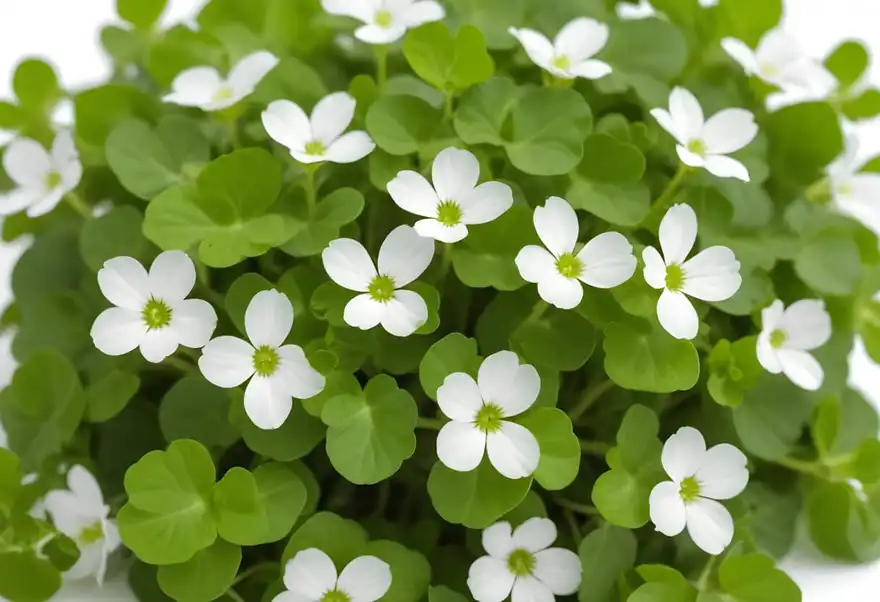
Brahmi Benefits: 10 Amazing Ways This Ayurvedic Brain Tonic Boosts Memory & Focus
What is Brahmi? Brahmi, scientifically known as Bacopa monnieri, is one of Ayurveda’s most celebrated herbs for mental clarity and brain health. The name brahmi originates from “Brahma,” symbolizing the creative energy of the universe, and true to its name, this small creeping plant is renowned for enhancing intellect and concentration. Traditionally used in Ayurvedic and Siddha medicine, brahmi has been prescribed for improving memory, relieving anxiety, and promoting overall wellness. Its active compounds, bacosides, are known to enhance communication between brain neurons, improving cognitive function and protecting the brain from oxidative stress. Modern research supports these ancient claims, showing that brahmi may help reduce anxiety, enhance learning capacity, and even prevent neurodegenerative conditions like Alzheimer’s and dementia. Top 10 Brahmi Benefits for Brain Health Brahmi (Bacopa monnieri) is revered in Ayurveda as a medhya rasayana, a brain tonic that revitalizes the mind and strengthens the nervous system. Modern studies now confirm its traditional reputation, highlighting brahmi’s ability to enhance memory, learning, focus, and stress resilience. Here are the top 10 proven benefits of this powerful Ayurvedic herb for brain health and overall well-being: 1. Boosts Memory and Focus Brahmi is often called a natural “brain tonic” for its ability to sharpen memory and attention span. Studies show that regular consumption improves information retention and mental clarity, especially among students and professionals who experience mental fatigue. 2. Reduces Stress and Anxiety As a natural adaptogen, brahmi helps your body adapt to stress by lowering cortisol levels, the stress hormone. It supports adrenal balance, reduces anxiety, and induces a sense of calm without sedation. 3. Enhances Learning Ability Brahmi promotes synaptic activity — improving your brain’s ability to absorb and process new information. Research published in the Journal of Ethnopharmacology found significant improvement in learning speed and recall accuracy among participants who used Bacopa monnieri extract. 4. Supports Neuron Repair The antioxidants in brahmi protect neurons from oxidative damage. Bacosides help regenerate damaged nerve cells and support long-term brain health, making brahmi a potential preventive supplement against age-related cognitive decline. 5. Improves Attention and Alertness Brahmi modulates dopamine and serotonin activity, which supports focus and emotional stability. This makes it particularly useful for individuals with ADHD or those who struggle to maintain concentration during long work hours. 6. Promotes Sound Sleep Regular use of brahmi oil or powder calms the nervous system and supports melatonin production, helping you fall asleep naturally and wake up refreshed. Ayurvedic practitioners often recommend it as part of night-time rituals to improve sleep quality. 7. Supports Heart Health Though primarily known for brain benefits, brahmi also helps maintain healthy blood pressure and cholesterol levels. Its antioxidant properties support vascular health, ensuring better circulation to the brain. 8. Improves Skin and Hair Health Applied topically, brahmi oil is known to rejuvenate the scalp, strengthen hair roots, and reduce dandruff. Its cooling effect also helps soothe skin irritations and delay signs of aging. 9. Enhances Digestive Function By reducing oxidative stress and promoting gut health, brahmi indirectly improves digestion. Ayurveda considers it a medhya rasayana, a rejuvenative tonic that connects mental and digestive well-being through the gut-brain axis. 10. Delays Cognitive Ageing Regular use of brahmi can slow the onset of dementia-like symptoms by reducing amyloid buildup in the brain. This neuroprotective action supports memory retention and overall mental performance in older adults. According to the National Library of Medicine, Bacopa monnieri (brahmi) is a traditional Ayurvedic herb shown to enhance memory, learning, and reduce anxiety. Its active compounds, bacosides A and B, offer antioxidant and neuroprotective effects. Typically used in doses of 300–450 mg per day, brahmi is well-tolerated, with only mild gastrointestinal side effects like nausea or cramps reported. How to Use Brahmi for Maximum Benefits Brahmi can be consumed in various forms: powder, tablets (brahmi vati), juice, or as an oil. The form you choose depends on your health goals and convenience. Brahmi Powder: Mix 1–2 teaspoons in warm milk, ghee, or water once daily, preferably in the morning. It boosts focus, memory, and digestion. Brahmi Vati (Tablets): Usually taken in 250–500 mg doses twice a day after meals, brahmi vati helps reduce anxiety and supports better concentration and sleep. Capsules or Syrup: A convenient modern option — one 300–450 mg capsule twice daily can improve learning and attention. Brahmi syrup (in small, prescribed doses) is suitable for children. Brahmi Juice or Tea: Take 5–10 ml of juice daily or sip on brahmi tea for mild detoxification and relaxation. Brahmi Oil: Massage warm oil into the scalp twice a week to relieve stress, improve sleep, and strengthen hair. Always consult your physician before adding brahmi to your daily routine, especially if you’re on medications for thyroid, hypertension, or depression. Side Effects and Safety of Brahmi Brahmi is generally considered safe when consumed in moderate doses. However, some individuals may experience mild side effects: Generally safe: Brahmi is well-tolerated when consumed in the recommended dosage. Mild digestive issues: Some may experience nausea, bloating, or stomach cramps, especially if taken on an empty stomach. Calming effect: Can cause mild drowsiness or fatigue due to its adaptogenic nature. Medication interactions: May enhance effects of sedatives, thyroid, or antidepressant medicines; consult your doctor before combining. Pregnancy & breastfeeding: Limited research; best avoided unless prescribed by an Ayurvedic expert. Safe dosage: About 300–450 mg extract twice daily or 1–2 grams powder per day. Product quality: Always opt for pure, lab-tested brahmi from trusted sources. Precaution: Stop use if you notice persistent discomfort or dizziness. Used responsibly, brahmi remains a safe, non-habit-forming herb that supports brain health and stress relief. If you experience any discomfort, discontinue use and consult your doctor. Is Brahmi Safe During Pregnancy or for Children? Scientific evidence on the safety of brahmi during pregnancy and breastfeeding is limited, so it’s best to avoid its use unless prescribed by a qualified Ayurvedic or medical practitioner. Some animal studies suggest possible effects on hormonal balance, so caution is advised during these sensitive phases. For children, brahmi can be beneficial in small, supervised doses — often given as syrup or powder mixed with honey or milk to improve focus, memory, and calmness. However, dosage should always be age-appropriate and guided by a doctor, as excessive use may cause mild digestive discomfort or drowsiness. In short, while brahmi is safe and effective for most adults, it should be used with caution in pregnant women and children, under professional advice only. Brahmi vs. Other Brain Supplements: Which is Best for You? In the growing world of cognitive enhancers, brahmi stands out as a natural, time-tested brain tonic that offers holistic benefits without significant side effects. While several modern supplements promise sharper memory and focus, few match brahmi’s balanced approach that nurtures both mind and body. Supplement Key Benefits Origin Best For Possible Side Effects Brahmi (Bacopa monnieri) Improves memory, focus, reduces stress Ayurvedic herb Students, professionals, elderly Mild nausea or fatigue (rare) Ginkgo Biloba Boosts brain circulation and alertness Herbal extract Elderly, those with poor circulation May cause headache or blood thinning Ashwagandha Reduces anxiety, improves stamina and sleep Root herb Stress, fatigue, low energy Mild drowsiness in high doses Omega-3 Fatty Acids Supports brain cell repair and mood balance Fish oil / plant-based Ageing adults, mood support Fishy aftertaste, gastric upset Caffeine / Nootropics Increases alertness and short-term focus Synthetic / natural Quick energy boost Jitters, dependency, sleep disruption Brahmi stands out as a holistic cognitive enhancer with minimal side effects and broader Ayurvedic benefits. Conclusion: Enhance Your Brain Health with Metropolis Trusted Diagnostics Brahmi is a timeless Ayurvedic herb known for boosting memory, focus, and mental clarity. But true brain health thrives when supported by regular health monitoring. Metropolis Healthcare helps you stay proactive with 4,000+ tests, specialty diagnostics, and comprehensive full-body checkups — all backed by NABL/CAP-accredited accuracy and fast, reliable results. Enjoy seamless access to healthcare with home sample collection available across 10,000+ touchpoints, quick turnaround times, and easy booking via website, app, call, or WhatsApp. With Metropolis, you get precision, convenience, and trusted care — making it easier to pair natural brain tonics like brahmi with the power of scientific insight. FAQs What is Brahmi? Brahmi is an Ayurvedic herb (Bacopa monnieri) used for centuries to enhance intellect, focus, and longevity. Its medicinal properties are attributed to natural compounds called bacosides, which strengthen brain function and reduce anxiety. How Does Brahmi Improve Memory? Brahmi improves synaptic communication in the brain, enhances blood circulation, and protects neurons from oxidative damage — collectively improving memory, focus, and mental clarity. Is Brahmi Safe for Long-Term Use? Yes. When used in recommended doses, brahmi is safe and non-habit-forming. Long-term users often report better concentration and reduced anxiety levels. How Quickly Can You Feel the Benefits of Brahmi? Most people notice results within 4–6 weeks of consistent use. The effects are gradual but long-lasting as the herb restores natural brain chemistry. Can Brahmi Be Used with Other Supplements? Generally, yes especially with ashwagandha, shankhpushpi, or Ginkgo biloba. However, it’s best to consult your doctor to avoid overlapping sedative effects. How Much Brahmi Should You Take for Memory? Powder: 1–2 grams daily with milk or ghee. Capsule/Tablets: 300–450 mg extract, twice daily. Oil: Massage twice weekly to reduce stress and improve sleep. References https://www.ncbi.nlm.nih.gov/books/NBK589635/ https://www.webmd.com/vitamins/ai/ingredientmono-761/bacopa https://www.healthline.com/nutrition/bacopa-monnieri-benefits
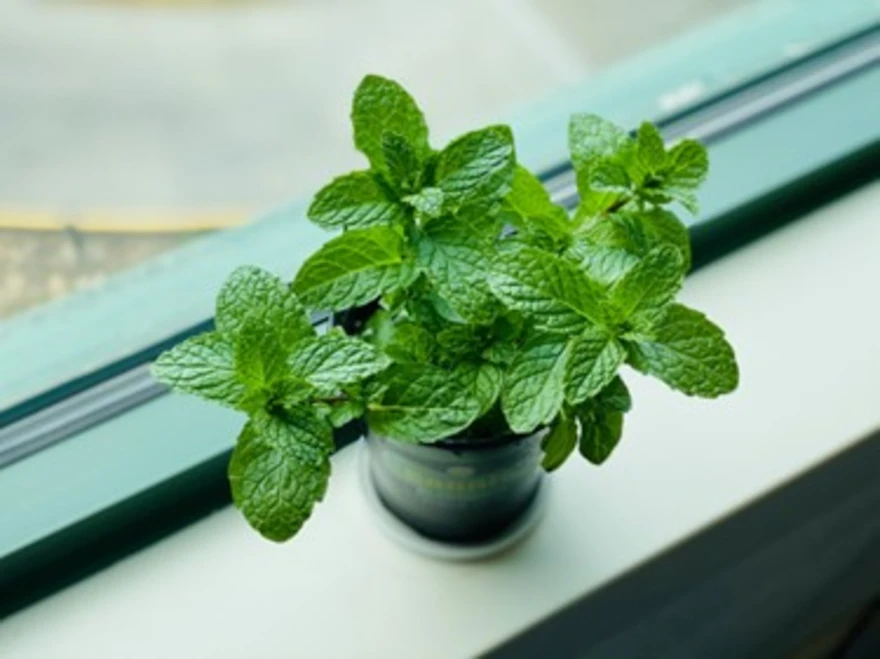
Mint Benefits: 9 Amazing Ways This Cooling Herb Supports Digestion, Skin & Fresh Breath
What Is Mint? Mint (genus Mentha) is a perennial herb belonging to the Lamiaceae family, comprising over 20 known species including peppermint, spearmint, and wild mint. Native to Europe and Asia, it is now cultivated globally for its medicinal and culinary value. Mint’s distinctive aroma comes from menthol, a natural compound that provides a cooling sensation and helps clear congestion. Its tender green leaves are often used fresh or dried to flavor beverages, salads, sauces, and desserts. In Ayurveda, pudina is classified as a ‘sheetala’ (cooling) herb, known to balance pitta dosha and support healthy digestion (agni). Whether in the form of mint leaves, mint water, or essential oil, this simple plant continues to play a vital role in natural healing and modern nutrition alike. Nutritional Values of Mint Though used in small quantities, mint leaves are surprisingly rich in essential nutrients that contribute to better health. Here’s what a 100-gram serving of fresh mint offers (approximate values): Calories: 44 kcal Water: 85% Protein: 3.3 g Dietary Fiber: 8 g Vitamin A: 23% of Daily Value (DV), supports vision and skin health Vitamin C: 20% of DV, supports immunity and collagen production Iron: 16% of DV, vital for red blood cell formation Folate: 6% of DV, supports cell growth and metabolism Calcium: 20% of DV, strengthens bones and teeth Antioxidants: Flavonoids, rosmarinic acid, and menthol which help protect cells from oxidative stress Because of this combination of nutrients and bioactive compounds, even small amounts of mint leaves can significantly enhance digestion, immunity, and freshness when added to your daily diet. 9 Mint Health Benefits: Why This Herb Is a Wellness Powerhouse 1. Aids Digestion and Reduces Bloating Menthol in mint relaxes the smooth muscles of the digestive tract, helping food move efficiently and relieving gas or bloating. Studies show that peppermint oil can reduce symptoms of irritable bowel syndrome (IBS) by calming intestinal spasms. 2. Freshens Breath Naturally Mint’s antibacterial properties inhibit harmful oral bacteria and provide a long-lasting cooling sensation. Chewing mint leaves or drinking mint tea helps neutralize bad breath and maintain oral hygiene. 3. Soothes Indigestion and Heartburn Drinking mint water or pudina tea after meals may promote bile flow and aid digestion of fatty foods, helping reduce post-meal discomfort. 4. Supports Respiratory Health The menthol in mint acts as a natural decongestant. It helps clear nasal passages, reduce throat irritation, and ease symptoms of the common cold or sinusitis. Inhalation of mint vapours can provide quick relief. 5. Promotes Healthy Skin Mint’s antibacterial and anti-inflammatory effects help combat acne, soothe irritation, and brighten dull skin. Homemade mint face packs or toners can calm redness and keep pores clean. 6. Relieves Headache and Stress Applying diluted peppermint oil to the temples or inhaling mint vapour can relax muscles and relieve tension headaches. The aroma itself induces a sense of calm and mental clarity. 7. Aids Weight Management Mint tea and infused water improve digestion, reduce cravings, and support metabolism. Staying hydrated with mint water helps reduce calorie intake while keeping you refreshed. 8. Enhances Brain Function and Focus Research suggests that smelling or consuming mint can enhance alertness, memory, and concentration by stimulating the central nervous system. 9. Supports Immunity and Detoxification Mint is loaded with antioxidants that protect cells from free radicals, strengthen immune response, and aid the body’s natural detox process. How to Use Mint for Maximum Benefits Adding mint (pudina) to your routine is simple and versatile. Here are some easy and effective ways to include it in your daily life: Mint Tea: Steep fresh or dried mint leaves in hot water for 5–7 minutes. This herbal tea soothes digestion, eases bloating, and refreshes the mind. Mint Water: Infuse water overnight with mint leaves, lemon slices, or cucumber for a detoxifying, hydrating drink. Culinary Uses: Add chopped mint leaves to salads, chutneys, soups, or yogurt for instant freshness and a burst of flavour. Mint Oil: Use diluted peppermint oil in aromatherapy or for topical relief from headaches and muscle tension. Skin Care: Mix crushed mint leaves with rose water or aloe vera to create a cooling face pack that calms acne and inflammation. Home Remedy for Cold: Inhale steam infused with mint leaves to relieve nasal congestion and sinus pressure. These simple applications combine both traditional Ayurvedic practices and modern wellness habits, letting you enjoy mint benefits in every season. Scientific Studies on Mint Benefits Several research studies have explored mint’s physiological and therapeutic properties: A meta-analysis published in the Journal of Clinical Gastroenterology (2014) found that peppermint oil capsules were significantly more effective than placebo in improving IBS symptoms and abdominal pain, confirming its short-term safety and effectiveness. NIH research on Mentha piperita (peppermint) shows strong antimicrobial and anti-biofilm properties against oral pathogens like Streptococcus mutans and Candida albicans. Studies indicate that peppermint oil and leaf extracts, especially when formulated in chitosan nano-gels, can effectively inhibit dental plaque and gingival inflammation, supporting their use in toothpaste and mouthwash formulations for improved oral hygiene. A 2023 randomized placebo-controlled trial published in Human Psychopharmacology found that drinking 200 mL of peppermint tea significantly improved memory, attention, and working memory performance while also increasing cerebral blood flow in the prefrontal cortex. The study concluded that peppermint enhances cognitive function and brain oxygenation, confirming its potential as a natural nootropic for healthy adults. These findings collectively validate what traditional systems like Ayurveda have long known: mint leaves are scientifically proven to aid digestion, boost immunity, and enhance overall wellbeing. Possible Side Effects and Precautions of Mint While mint is generally safe when consumed in moderate amounts, overuse or specific health conditions can cause side effects. Here are a few precautions to keep in mind: Acid Reflux (GERD): Mint may relax the esophageal sphincter, sometimes worsening acid reflux or heartburn symptoms. Allergies: People allergic to menthol or the Lamiaceae family (like basil or sage) may experience mild irritation or rashes. Pregnancy: Excess consumption of concentrated mint oil or strong peppermint tea is not recommended during pregnancy due to uterine-relaxing effects. Infants and Young Children: Avoid direct application of menthol oil on the face or chest, as it may cause breathing difficulties in infants. Medication Interactions: High doses of mint oil may interfere with certain medicines for blood pressure or diabetes. Essential Oils: Always dilute mint oil before topical use to prevent skin irritation or burning sensations. In general, fresh mint leaves used in food or tea are safe and beneficial for most people. Is Mint Safe for Everyone? For the majority of healthy adults, consuming mint leaves or mint water daily is safe and nourishing. However, individuals with acid reflux, gallbladder disease, or known allergies should use it cautiously. Children and pregnant women should consult a doctor before using concentrated mint oil or supplements. Moderation is key: a few fresh leaves in your meals or a cup of mint tea a day is all you need to enjoy its natural cooling and cleansing properties. Conclusion Fresh, fragrant, and full of healing potential, mint (pudina) supports healthy digestion, clear skin, and immune balance. Backed by both ancient Ayurveda and modern science, this versatile herb is a simple yet powerful addition to your daily wellness routine, whether through mint tea, infused water, or fresh leaves in your meals. At Metropolis Healthcare, makes it easier to stay proactive about your health. With 4000+ diagnostic tests, comprehensive full-body checkups, and specialty testing, we offer precise insights and peace of mind. Enjoy home sample collection from 10,000+ touchpoints, fast, accurate results, and and the convenience of booking through our website, app, WhatsApp, or phone. Backed by NABL & CAP accredited labs, Metropolis continues to set benchmarks in trusted diagnostics — helping you take every step toward better health with confidence. FAQs What Are the Benefits of Eating Mint Leaves Daily? Eating mint leaves daily supports digestion, freshens breath, boosts immunity, and provides antioxidants that protect against inflammation and infections. Can Mint Help with Weight Loss? Yes. Drinking mint water or mint tea aids digestion, improves metabolism, and helps curb cravings — all of which indirectly support healthy weight management. How Often Should You Drink Mint Tea for Digestion? One or two cups of mint tea daily, preferably after meals, are ideal for easing bloating and promoting smooth digestion. Can Mint Be Used for Skin Care? Absolutely. Mint’s antibacterial and cooling qualities help manage acne, calm irritation, and give the skin a refreshed glow when used in masks or toners. Where Can You Buy Fresh Mint or Mint Oil? Fresh mint leaves are widely available in supermarkets, local markets, and online grocery stores. Pure mint essential oil can be purchased from reputed Ayurvedic or organic brands. References https://pubmed.ncbi.nlm.nih.gov/24100754/#:~:text=Peppermint%20oil%20was%20found%20to,including%20antidepressants%20and%20antispasmodic%20drugs. https://pmc.ncbi.nlm.nih.gov/articles/PMC11420497/#sec2 https://pmc.ncbi.nlm.nih.gov/articles/PMC11973245/ https://www.healthline.com/nutrition/mint-benefits https://www.medicalnewstoday.com/articles/275944

Chakrasana Benefits: Step-by-Step Guide and Precautions
What is Chakrasana (Wheel Pose)? Chakrasana, also known as the wheel pose', is a deep backbend in yoga that forms the shape of a wheel when performed correctly. The word ‘Chakra’ means wheel in Sanskrit, symbolizing energy, movement, and balance. In this pose, the body arches backward with palms and feet pressing into the mat, creating a semicircle. Chakrasana is a powerful posture that enhances spinal flexibility, strengthens the back and arms, tones the abdomen, and stimulates the body’s energy centers. Regular practice rejuvenates both the body and mind, promoting vitality and mental clarity. Why Practice the Wheel Pose? Understanding the Intent Wheel pose is much more than a flexibility exercise; it’s a posture that opens the heart chakra (anahata) and energizes the entire system. Here’s why practicing Chakrasana is so transformative: Revitalizes the nervous system: This backbend stimulates the spinal nerves, improving overall energy flow and reducing fatigue. Balances the chakras: Especially the heart and throat chakras, helping release emotional stress and promoting self-expression. Enhances lung and heart function: The pose deepens breathing capacity, strengthens cardiac muscles, and improves circulation. Improves posture and spinal health: Counteracts the forward slump caused by prolonged sitting or screen time. Releases emotional tension: The heart-opening motion has a calming, liberating effect on stored stress, anxiety, and fear. Builds inner confidence: By mastering this challenging pose, practitioners cultivate courage, balance, and perseverance. A National Institutes of Health (NIH) review found that regular yoga practice lowers stress by improving brain activity, heart rate, and overall relaxation, confirming its measurable impact on both mind and body. Key Chakrasana Benefits You Should Know The benefits of Chakrasana (wheel pose) extend far beyond flexibility. It is a complete rejuvenating asana that simultaneously strengthens, stretches, and energizes the entire body. Major Physical Benefits of Chakrasana Enhances Spinal Strength and Flexibility Chakrasana lengthens and strengthens the spine, increasing mobility between vertebrae. It helps maintain the natural curvature of the spine and can gradually correct slouched posture. People who sit for long hours benefit immensely as the pose counteracts stiffness and back pain. Strengthens Core, Arms, and Legs During the pose, the body weight is supported by both arms and legs, which tones the shoulders, biceps, glutes, and thighs. The abdominal muscles remain engaged throughout, improving core stability and balance. Improves Lung Capacity and Oxygen Intake By expanding the chest cavity, Chakrasana allows deeper breathing and strengthens the lungs. This improves respiratory endurance, enhances stamina, and promotes better oxygenation of cells, which is which is vital for cardiovascular health. Stimulates the Endocrine and Digestive Systems The upward arch in the pose massages internal organs, activating glands like the thyroid and pituitary. This stimulation improves metabolism, digestion, and hormonal regulation. Increases Circulation and Energy Flow The inverted arch position encourages blood flow to the brain and face, supplying more oxygen and nutrients. Many practitioners experience enhanced alertness, focus, and a natural glow after practice. Supports Posture Correction and Joint Mobility Chakrasana strengthens small stabilizer muscles around the spine and joints, leading to better alignment and reduced strain on the neck, shoulders, and lower back. Mental & Energetic Benefits of Chakrasana Reduces Stress and Anxiety: The deep chest opening encourages full breathing, which activates the parasympathetic nervous system — reducing cortisol levels and mental tension. Improves Emotional Stability: Regular practice releases blocked emotions, promoting positivity and self-acceptance. Boosts Confidence and Vitality: Mastering a demanding pose like Chakrasana fosters self-belief and inner strength. Increases Mental Focus and Clarity: Enhanced oxygen flow to the brain sharpens cognition and concentration. Rebalances Energy Flow: The asana reactivates dormant energy pathways, leading to greater motivation and overall well-being. How to Do Chakrasana: Step-by-Step Guide Performing Chakrasana (wheel pose) requires mindful preparation, proper alignment, and steady breathing. The aim is not merely to bend backward but to build flexibility, strength, and balance through coordinated movement and breath. Preparation and Warm-Up for Wheel Pose Before attempting Chakrasana, it’s important to loosen the spine, shoulders, and hips. Warm-up postures ensure joint safety and reduce muscle stiffness. Begin with: Cat–Cow Pose (Marjaryasana–Bitilasana): Mobilizes the spine and improves flexibility. Bridge Pose (Setu Bandhasana): Strengthens the back and prepares you for the full backbend. Cobra Pose (Bhujangasana): Opens the chest and enhances upper body flexibility. Padmasana or Sukhasana breathing: Calms the mind and centers your focus before starting. Avoid practicing on a full stomach and always use a yoga mat for proper grip and cushioning. Step-by-Step Technique Start Position: Lie flat on your back with knees bent and feet hip-width apart. Keep your feet firmly grounded close to your hips. Arm Placement: Bend your elbows and place your palms beside your ears, fingers pointing toward your shoulders. Keep elbows parallel and shoulder-width apart. Inhale Deeply: Take a deep breath, press your palms and feet into the mat, and slowly lift your hips and chest upward. Form the Wheel: Straighten your arms and legs gradually to create a smooth arch. Keep your head gently dropped back, eyes looking toward the floor or ceiling. Hold the Pose: Maintain the position for 5–10 seconds initially, breathing deeply and evenly. With practice, you can increase the duration up to 30 seconds or more. Release the Pose: Exhale slowly, bend your elbows and knees, and gently lower your body to the floor, one vertebra at a time.. Rest in Shavasana for a few breaths to relax your back muscles. Correct Alignment & Technique Tips for Chakrasana Distribute weight evenly between hands and feet. Engage your core to protect the lower back. Keep knees and feet parallel to prevent strain. Open the chest without collapsing the shoulders. Maintain steady, rhythmic breathing throughout the pose. Variations & Modifications of the Wheel Pose Ardha Chakrasana (Half Wheel Pose): Performed in a standing position; beneficial for those with limited flexibility. One-Legged Wheel Pose: An advanced version that enhances balance and strength. Assisted Wheel Pose: Use yoga blocks or a partner for better alignment and support. Common Mistakes and How to Avoid Them Bending the elbows or knees unevenly Overarching the lower back without engaging the core Holding the breath during the pose Skipping warm-up stretches Precautions, Contraindications & Safety Tips Chakrasana is a rewarding yet intense pose. Avoid or modify it if you have: Back or neck injuries Recent abdominal surgery Heart or blood pressure issues Vertigo or wrist pain Safety Tips: Always warm up before attempting the pose. Keep movements slow and controlled. Practice under guidance if you’re a beginner. Avoid practicing immediately after meals. How Frequently Should You Practice Chakrasana? For best results, practice 3–4 times per week. Beginners should start with ardha chakrasana and progress gradually to full wheel pose. Benefits of Chakrasana in Daily Life / Posture Correction Chakrasana directly counters the effects of prolonged sitting. It strengthens spinal muscles, relieves backache, and improves alignment — crucial for those with desk jobs. It also enhances energy flow through the chakras, uplifting both body and mood throughout the day. Chakrasana for Different Age Groups & Levels Children: Improves flexibility and confidence. Adults: Reduces fatigue, back stiffness, and mental stress. Elderly (with supervision): Gentle ardha chakrasana helps maintain mobility without strain. How Chakrasana Can Complement Other Yoga Poses Chakrasana works synergistically with: Padmasana – calms the mind post-practice and balances energy Setu Bandhasana (Bridge Pose) – prepares the body for deeper backbends Adho Mukha Svanasana (Downward Dog) – improves shoulder mobility Paschimottanasana (Seated Forward Bend) – counter-stretches the spine Troubleshooting: What If I Can’t Get into Full Wheel Pose? If your shoulders or spine feel tight: Begin with bridge pose and gradually deepen your backbend. Use yoga blocks under hands for support. Focus on flexibility through daily chest-opening stretches. Never force your body; progress should be gradual. Real-World User Experiences & Tips “I started chakrasana to relieve my back stiffness from long office hours. Within two weeks, my posture improved and I felt more energized.” – Yoga Enthusiast “Ardha chakrasana was my starting point. It helped me build strength and confidence before moving into the full pose.” – Beginner Such experiences highlight how consistency and mindful breathing make all the difference. Conclusion: Bringing It All Together Chakrasana (wheel pose) symbolizes balance between strength, flexibility, and awareness. Regular practice enhances spinal health, posture, and mental clarity — nurturing both body and mind. As yoga builds inner resilience, complementing it with preventive health checks ensures holistic well-being and long-term vitality. At Metropolis Healthcare, you can access over 4,000 tests, including comprehensive full body checkups and advanced speciality diagnostics — all with accurate results, quick turnaround, and home sample collection through 10,000+ touchpoints nationwide. Book easily via our website, app, WhatsApp, or phone, and experience trusted care from NABL and CAP-accredited labs that help you stay aligned, inside and out. FAQs What are the benefits of Chakrasana for beginners? Beginners can expect improved flexibility, spine strength, and energy levels. Even partial attempts enhance posture and confidence. Is chakrasana good for back pain? Yes, when done correctly. It strengthens back muscles and increases spinal mobility. However, those with acute pain should begin with ardha chakrasana or consult a yoga instructor. How long do you hold wheel pose (chakrasana)? Start with 5–10 seconds and gradually increase to 30 seconds or more as endurance improves. Always maintain steady breathing. Can chakrasana help improve posture and flexibility? Absolutely. The pose realigns the spine, strengthens the back, and stretches chest muscles, promoting upright posture and greater flexibility. What is the difference between chakrasana and bridge pose? Bridge pose (setu bandhasana) is a partial backbend resting on shoulders, while Chakrasana is a full arch supported by both hands and feet, offering deeper spinal extension. Does chakrasana burn belly fat? Yes, indirectly. The pose engages abdominal muscles, improves digestion, and enhances metabolism, contributing to fat reduction over time when combined with a balanced diet. References https://pmc.ncbi.nlm.nih.gov/articles/PMC10919405/ https://www.healthline.com/health/fitness/chakrasana-benefits https://harithayogshala.com/blog/benefits-of-chakrasana-wheel-pose
Tea Tree Oil Benefits: 12 Amazing Uses for Skin, Hair & Antibacterial Care
What is Tea Tree Oil? Tea tree oil, scientifically known as Melaleuca alternifolia oil, is an essential oil extracted from the leaves of the tea tree native to Australia. For centuries, Indigenous Australians used crushed tea tree leaves for their antiseptic and healing properties. Modern extraction involves steam distillation, producing a clear to pale yellow oil with a characteristic earthy, medicinal scent. A National Institutes of Health (NIH) review notes that tea tree oil may help with acne and athlete’s foot when used topically, but evidence for other uses is limited. It should never be swallowed due to potential toxicity. This versatile essential oil is now a global skincare and wellness staple, used in soaps, shampoos, creams, and household cleaners for its purifying and protective effects. How Tea Tree Oil Works: Antimicrobial & Anti-inflammatory Properties Tea tree oil owes its powerful therapeutic properties to its chemical composition. The most active compound, terpinen-4-ol, has been scientifically shown to possess antibacterial, antifungal, and anti-inflammatory activity. It works by disrupting microbial cell membranes, reducing inflammation, and supporting wound healing. Research suggests tea tree oil can kill common pathogens such as Staphylococcus aureus, Propionibacterium acnes, and Candida albicans, making it one of the most potent natural antiseptics in aromatherapy and skincare. 12 Amazing Uses for Skin Tea tree oil offers wide-ranging benefits for skin health when used properly in diluted form. Below are twelve evidence-backed applications: Fights Acne and Pimples Tea tree oil’s antibacterial properties help kill acne-causing bacteria (Propionibacterium acnes) and reduce inflammation. Studies show that 5% tea tree oil gel is as effective as benzoyl peroxide for mild acne. With consistent use, it can visibly clear pimples and prevent new breakouts. Soothes Eczema and Dry Skin Thanks to its anti-inflammatory and moisturising effects, tea tree oil helps relieve dryness, itching, and redness associated with eczema. When blended with carrier oils like coconut or olive oil, it strengthens the skin barrier and reduces flare-ups naturally. Controls Oily Skin Tea tree oil balances sebum production and keeps pores unclogged, making it a gentle solution for oily or combination skin. Regular use helps mattify the skin without over-drying, maintaining a healthy, shine-free complexion. Reduces Itching from Insect Bites Its cooling, antiseptic nature calms the skin and reduces swelling after insect bites or stings. By minimising allergic reactions and preventing infection at the site, tea tree oil offers quick, natural relief from itching and redness. Speeds Up Wound Healing Tea tree oil boosts the activity of white blood cells, which play a key role in tissue repair and regeneration. Its antiseptic properties keep minor cuts and scrapes clean, helping them heal faster and lowering the risk of infection. Treats Fungal Skin Infections Common fungal conditions such as athlete’s foot, ringworm, and jock itch may respond well to tea tree oil. Its antifungal compounds, especially terpinen-4-ol, penetrate the skin barrier to inhibit fungal growth and soothe irritation. Soothes Razor Burns and Irritation After shaving, applying diluted tea tree oil can reduce redness, bumps, and minor cuts. It acts as an antiseptic to prevent infection and soothes irritation caused by friction or dull blades, leaving the skin smooth and refreshed. Helps in Managing Psoriasis Symptoms Tea tree oil’s anti-inflammatory action can help reduce the scaling and discomfort associated with psoriasis. When diluted and applied topically, it can soothe flare-ups, moisturise dry patches, and complement prescribed treatments. Lightens Blemishes and Scars Regular use of diluted tea tree oil may fade dark spots and acne scars over time. Its ability to speed up cell renewal and reduce inflammation promotes an even skin tone and visibly clearer complexion. Helps Prevent Blackheads By deeply cleansing pores and dissolving oil build-up, tea tree oil helps prevent blackheads and whiteheads. Its antimicrobial nature also curbs bacterial growth, ensuring the skin stays clear and fresh. Acts as a Natural Deodorant Tea tree oil neutralises odour-causing bacteria without blocking sweat glands, making it a clean and natural alternative to commercial deodorants. Mixing a few drops with coconut oil or aloe vera gel provides long-lasting freshness. Reduces Skin Inflammation Its anti-inflammatory and cooling effects make it ideal for calming skin irritation from minor rashes, sun exposure, or allergies. Applying diluted tea tree oil helps soothe redness and promote faster recovery of inflamed skin areas. 6 Amazing Uses for Hair & Scalp Beyond skincare, tea tree oil provides several benefits for scalp and hair health: Reduces Dandruff – Its antifungal properties combat Malassezia, the yeast that contributes to dandruff. Promotes Hair Growth – By improving scalp circulation and unclogging follicles, it may support healthier hair growth. Prevents Lice Infestation – Studies show tea tree oil can paralyse and kill lice when used with carrier oils or shampoos. Controls Oily Scalp – Balances sebum production and keeps the scalp fresh. Soothes Itchy Scalp – Its cooling, anti-inflammatory nature relieves itchiness and dryness. Removes Product Build-up – Acts as a natural cleanser to remove residue from styling products and pollution. 4 Antibacterial & Household Uses Tea tree oil’s germ-fighting properties extend beyond personal care. It can be a valuable addition to your household cleaning routine. Natural Disinfectant Spray – Combine with vinegar and water for a chemical-free surface cleaner that kills bacteria and viruses. Hand Sanitiser Ingredient – When mixed with aloe vera and alcohol, it enhances the antibacterial effect of homemade sanitisers. Mold and Mildew Remover – Acts as a natural mold deterrent when sprayed on bathroom tiles or damp areas. Deodorising Agent – A few drops added to laundry or room diffusers eliminate odours naturally. How to Use Tea Tree Oil Safely Although powerful, tea tree oil must always be used with care to avoid skin irritation. Step 1: Dilute Before Use Never apply pure tea tree oil directly. Mix 1–2 drops with a teaspoon of carrier oil such as coconut, jojoba, or almond oil. Step 2: Patch Test Before full application, test a small diluted amount on your inner arm. Wait 24 hours for any reaction. Step 3: Apply Correctly Use a clean cotton swab or fingertip to apply diluted oil to the targeted area. Avoid contact with eyes, mouth, and mucous membranes. Step 4: Frequency of Use Apply once or twice daily depending on skin tolerance. For hair, use 2–3 times weekly in shampoos or scalp oils. Step 5: Storage Store tea tree oil in a dark glass bottle, away from sunlight and heat, to maintain its potency. Choosing High-Quality Tea Tree Oil Always choose 100% pure, therapeutic-grade tea tree essential oil from a reputable source. Check for: Botanical name: Melaleuca alternifolia Testing: GC–MS (Gas Chromatography–Mass Spectrometry) verified for purity Packaging: Dark amber bottle to protect from oxidation Origin: Preferably Australian-sourced oil, known for higher terpinen-4-ol content Avoid products diluted with synthetic fragrances or blended oils. Potential Side Effects & Who Should Avoid It While generally safe when diluted, tea tree oil can cause irritation or allergic dermatitis in some individuals. Avoid use if you experience: Burning, redness, or rash after patch testing Pre-existing skin sensitivity or eczema flare-ups Who should avoid: Children under 6 years Pregnant or breastfeeding women (unless approved by a healthcare provider) Individuals allergic to eucalyptus or myrtle oils Never ingest tea tree oil. Even small amounts can cause confusion, drowsiness, or nausea. Tea Tree Oil Benefits: What the Research Really Shows Scientific studies support tea tree oil’s role as a natural antibacterial, antifungal, and anti-inflammatory agent. Clinical trials show effectiveness in: Acne management: Comparable to 5% benzoyl peroxide gels. Fungal infections: Topical 100% oil reduces nail fungus severity in some cases. Wound healing: Enhances white blood cell activity aiding tissue repair. However, results vary depending on formulation and concentration. While promising, tea tree oil should complement, not replace, prescribed treatments. Global & Local Considerations (Geo-Friendly Advice) In tropical and humid countries like India, proper storage and dilution are essential. High humidity can accelerate oxidation, reducing the oil’s effectiveness. Keep it: In a cool, dark place, ideally below 25°C Mixed freshly each time you apply Paired with lightweight carrier oils (like jojoba) to prevent greasiness in humid climates Those with oily or combination skin should use it sparingly, preferably as a spot treatment. Conclusion: Maximising the Benefits of Tea Tree Oil Tea tree oil is a versatile natural remedy known for its antibacterial, antifungal, and anti-inflammatory properties. When used in diluted form, it can help manage acne, dandruff, wounds, and everyday skin concerns safely and effectively. Always perform a patch test before use and store it in a cool, dark place to preserve its potency. For ongoing skin or scalp issues, timely diagnosis ensures the right care. Metropolis Healthcare offers 4,000+ tests, including full body checkups and specialized skin and allergy panels, with quick turnaround, accurate results, and 10,000+ home collection touchpoints. Tests can be conveniently booked through the website, app, call, or WhatsApp, ensuring reliable and accessible healthcare at your doorstep. FAQs Is tea tree oil good for skin everywhere? Yes, but results vary depending on skin type. It works best for oily or acne-prone skin. Always dilute before applying to sensitive or dry areas. Can you use tea tree oil on hair every day? No. Overuse can dry out the scalp. Limit use to two or three times weekly, mixed with shampoo or carrier oil. What concentration of tea tree oil should I use for acne? Studies suggest a 5% topical formulation is effective for acne. You can create this by mixing a few drops with a carrier oil or aloe vera gel. Is it safe to ingest tea tree oil? Absolutely not. Tea tree oil is toxic when swallowed and should only be used topically or aromatically. Can tea tree oil treat nail fungus? Yes, regular application can help reduce nail fungus symptoms, though complete cure may require several months and medical supervision. Does tea tree oil work the same in humid climates like India? It works well but oxidises faster. Store it in cool, dry conditions and apply in diluted form to avoid stickiness or irritation. How should I store tea tree oil? Keep it tightly sealed in a dark glass bottle, away from sunlight, heat, or humidity to preserve its active components. References https://www.nccih.nih.gov/health/tea-tree-oil https://www.healthline.com/nutrition/tea-tree-oil https://www.webmd.com/vitamins/ai/ingredientmono-113/tea-tree-oil

Truncus Arteriosus: Causes, Symptoms, and Treatment
What is Truncus Arteriosus? Truncus arteriosus is a rare but serious congenital heart defect in which a single large arterial trunk replaces the normal aorta and pulmonary artery. This causes oxygen-rich and oxygen-poor blood to mix before leaving the heart, reducing the amount of oxygen delivered to the body and placing significant strain on the baby’s circulation. Because the condition can quickly lead to heart failure and other severe complications, early diagnosis and prompt treatment are essential. This article outlines the causes, symptoms, diagnosis, treatment options, and long-term outlook to help parents and caregivers understand the condition and what to expect. Truncus Arteriosus vs. Normal Heart Anatomy In a healthy heart, the aorta and pulmonary artery carry blood away from the heart through two separate pathways, ensuring that the body receives oxygen-rich blood while the lungs receive oxygen-poor blood for reoxygenation. These distinct vessels keep circulation efficient and maintain proper oxygen supply. In truncus arteriosus, this process is disrupted because a single large vessel—the truncal artery—leaves the heart and carries mixed blood to the lungs, body, and coronary arteries. A ventricular septal defect (VSD) is almost always present, increasing the mixing of oxygen-rich and oxygen-poor blood. As a result, the body receives less oxygen than it needs, leading to the early symptoms often seen in the first weeks of life. Truncus Arteriosus Causes Truncus arteriosus develops during the first eight weeks of pregnancy, when the baby’s heart is forming. Normally, one fetal vessel divides into the aorta and pulmonary artery, but in this condition the separation fails, leaving a single common vessel. Genetic factors, family history, and certain environmental influences—such as infections, medications, or maternal health conditions—may increase the risk, though most cases occur without a clear cause. The condition affects about 1 in 10,000 births, making it rare. It is classified as a critical congenital heart defect because prompt medical treatment is essential for survival and healthy development. How Truncus Arteriosus Affects Blood Flow (Pathophysiology) Understanding how truncus arteriosus disrupts circulation explains why early treatment is critical. In this condition, both ventricles pump blood into a single truncal vessel, causing oxygen-rich and oxygen-poor blood to mix. As a result, the body receives less oxygen, leading to the bluish or grey tint seen in the skin, lips, and nails. Because there is no separate pulmonary artery, too much blood flows to the lungs, increasing pressure in the lung vessels and straining the heart. Blood Flow Pattern Normal Heart Truncus Arteriosus Right ventricle output Pulmonary artery Single truncal vessel Left ventricle output Aorta Single truncal vessel Blood mixing None Complete mixing Lung blood flow Normal pressure Often excessive This abnormal blood flow puts significant strain on the heart chambers and can rapidly lead to heart failure if untreated. Even the coronary arteries receive mixed blood, which may affect the heart’s own function. Truncus Arteriosus Symptoms in Newborns and Infants Recognising the symptoms of truncus arteriosus early helps ensure your baby receives timely medical care. Most signs appear within the first few weeks of life, as the heart struggles to deliver enough oxygen to the body. Symptoms to watch for include: Cyanosis: Bluish or grayish tint to the skin, lips, or nails Rapid or laboured breathing Poor feeding or frequent breaks during feeds Failure to thrive: Slow weight gain or poor growth Excessive fatigue or unusual sleepiness Frequent respiratory infections Signs of heart failure: Swelling in the hands, feet, or face Examination and Imaging Techniques to Diagnose Truncus Arteriosus Diagnosing truncus arteriosus involves specialised tests that assess the heart’s structure and function. Often, an abnormal heart murmur during a routine exam prompts further evaluation. Common diagnostic tests include: Echocardiogram: Detailed images of heart chambers and blood vessels Chest X-ray: Shows heart size and increased lung blood flow ECG: Evaluates heart rhythm and electrical activity Pulse oximetry: Measures blood oxygen levels Cardiac catheterisation: Assesses pressures inside heart chambers Cardiac MRI or CT: Provides detailed imaging of heart structure and vessel connections Truncus arteriosus occurs in about 7 per 100,000 live births, making up less than 1% of all congenital heart defects. According to the National Institutes of Health, without early surgery, over 80% of infants die within the first year, but with timely repair, long-term survival exceeds 80%. Truncus Arteriosus Treatment Treatment for truncus arteriosus requires early surgical repair, usually within the first few months of life. The goal is to create separate pathways so the lungs and body receive properly oxygenated blood. Surgeons close the VSD and use a conduit to connect the right ventricle to the pulmonary arteries, allowing oxygen-poor blood to reach the lungs while the remaining truncal vessel carries oxygen-rich blood to the body. Before surgery, babies may need medications to manage heart failure symptoms, reduce fluid buildup, support heart function, and improve growth. Long-Term Outlook After Truncus Arteriosus Repair The long-term outlook for children after truncus arteriosus repair has improved significantly with advances in surgical techniques and post-operative care. Modern survival rates exceed 85% when surgery is performed early in life at experienced centres. Survival Rates & Reintervention Expectations Most children will need additional procedures as they grow: Conduit replacement: The right ventricle–to–pulmonary artery conduit often needs replacement over time Valve repairs: The truncal valve may require repair or replacement later in life Arrhythmia treatment: Some children develop irregular heart rhythms that need management Timeline Expected Outcomes 5-year survival >85% with early repair Need for reintervention Most patients by adulthood Normal activities Possible with some restrictions Possible Complications if Untreated or Delayed Without surgical repair, truncus arteriosus can cause serious, life-threatening complications: Pulmonary hypertension: Critically high pressure in lung blood vessels Heart failure: The heart can no longer pump effectively Irreversible lung damage: Permanent changes in lung vessels Growth failure: Poor weight gain and delayed development Death in infancy: Most untreated babies do not survive the first year Living with Truncus Arteriosus (Children → Adults) Children who undergo successful truncus arteriosus repair can often lead healthy, active lives with regular cardiology follow-up. Most grow and develop normally, though some may need to avoid strenuous or competitive sports based on their heart function. Dental Care & Endocarditis Precautions Maintaining good dental hygiene is essential for children with repaired truncus arteriosus: Regular dental check-ups to prevent buildup and detect issues early Antibiotics before certain procedures to reduce endocarditis risk Daily brushing and flossing to lower infection risk Prompt treatment of dental problems to avoid complications Nutrition, Growth, and Development After Surgery Many children show better growth and development after successful repair. Feeding difficulties and high energy demands may cause poor weight gain before surgery, but most children catch up afterward with proper nutrition. Working with a paediatric nutritionist can help ensure adequate calories, and some children may need high-calorie formulas or supplements during recovery. Activity & Sports Participation Physical activity is important after truncus arteriosus repair, with some adjustments: Regular exercise supports heart health and overall fitness Cardiologist guidance helps determine safe activity levels Avoid high-impact or extreme sports that may strain the heart Teach children to recognize fatigue and rest when needed Transition to Adult Congenital Heart Care As children grow into adults, their care shifts to specialists in adult congenital heart disease to ensure continuity and expertise. Ongoing monitoring remains essential, as adults may develop conduit issues, arrhythmias, or heart failure. Regular follow-ups help detect and manage these problems early. Truncus Arteriosus and Pregnancy (Preconception Counselling) Women with repaired truncus arteriosus should receive specialised counselling before pregnancy: Pre-pregnancy evaluation to assess heart function and risks Genetic counselling to understand the chance of congenital heart disease in the baby High-risk obstetric care for close monitoring throughout pregnancy Delivery planning ensures a safe birth with appropriate medical support. How to Choose a Surgical Centre Choosing the right surgical centre is crucial for achieving the best results in truncus arteriosus repair. Look for: Extensive experience with complex congenital heart defects, including truncus arteriosus Transparent survival rates and outcomes for this specific surgery A multidisciplinary team of paediatric cardiologists, surgeons, and ICU specialists Comprehensive long-term follow-up programs for continued care Family support services to help you navigate treatment and recovery Questions to Ask Your Care Team Don’t hesitate to ask your care team important questions, such as: What experience do you have with truncus arteriosus repairs? What are your survival and complication rates? How often do children need further surgeries? What long-term care will my child need? What support resources are available for families? How are emergencies or post-surgery complications handled? When to Call the Doctor After Discharge After surgery, seek immediate medical attention if your baby shows: Difficulty or rapid breathing Blue colouring of the lips, skin, or nails Poor feeding or ongoing vomiting Swelling of the hands, feet, or face Fever or signs of infection at the incision site Irregular heartbeats or fainting Conclusion Truncus arteriosus is serious but treatable. With timely surgery and lifelong follow-up in a specialised congenital heart program, most children can grow, learn, and lead active lives. If your cardiologist recommends blood tests, genetic screening, or ongoing monitoring, choosing a reliable lab ensures faster results and confident decision-making throughout your child’s care. Metropolis Healthcare brings together 4000+ tests (including speciality testing) and comprehensive full body checkups, backed by home sample collection through 10,000 touchpoints for quick turnaround and accurate results. Booking is effortless; choose what’s convenient for you: website, call, app, or WhatsApp, and we’ll handle the rest so you can focus on your child’s recovery. FAQs Is truncus arteriosus curable? Surgery corrects the circulation and relieves symptoms, but lifelong follow-up is needed. Conduits and valves may require replacement over time. What is the survival rate after truncus arteriosus surgery? Contemporary series from major centres report ~90–95% survival to hospital discharge; longer-term survival into adulthood is common, with variation by patient factors and valve issues. Can truncus arteriosus be detected before birth? Yes. Many cases are suspected on prenatal ultrasound and confirmed by fetal echocardiography, which helps plan delivery and immediate care. Will my child need more surgeries as they grow? Often yes. As children grow, the RV-to-pulmonary conduit may need catheter-based or surgical replacement. Your team will time these safely. How long is the hospital stay after repair? Stay length varies by age, anatomy, and valve repair needs. Your surgeon will discuss an expected range based on your child’s plan and recovery. Is physical activity safe after truncus arteriosus surgery? Most everyday activities are fine once your cardiologist clears your child. Competitive sports depend on individual heart function and rhythm status. Does truncus arteriosus affect life expectancy? Many patients lead active lives into adulthood. Lifelong ACHD care helps maintain heart health and address conduit/valve issues as they arise. References https://www.ncbi.nlm.nih.gov/books/NBK534774/ https://www.mayoclinic.org/diseases-conditions/truncus-arteriosus/symptoms-causes/syc-20364247 https://my.clevelandclinic.org/health/diseases/14785-truncus-arteriosus https://www.hopkinsmedicine.org/health/conditions-and-diseases/truncus-arteriosus-ta





