Home Visit
 Upload






Preventive Healthcare
Hemolytic Uremic Syndrome: Causes, Signs & Lifesaving Treatments
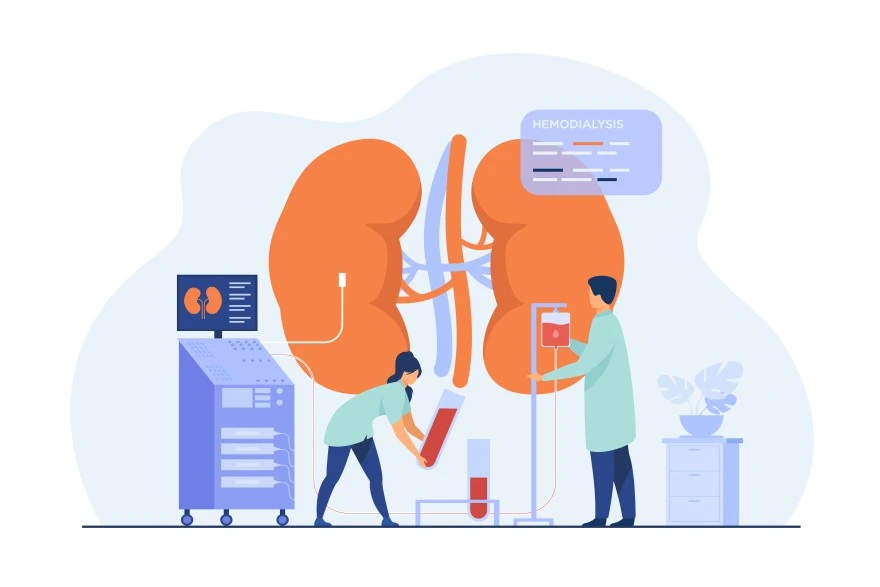
Table of Contents
- What is Hemolytic Uremic Syndrome (HUS)?
- How Hemolytic Uremic Syndrome Affects the Body
- Causes of Hemolytic Uremic Syndrome
- Risk Factors
- Signs & Symptoms of Hemolytic Uremic Syndrome
- Complications of Hemolytic Uremic Syndrome
- How Hemolytic Uremic Syndrome is Diagnosed
- Treatment & Lifesaving Measures
- Prevention of Hemolytic Uremic Syndrome
- Conclusion
- FAQs
What is Hemolytic Uremic Syndrome (HUS)?
Hemolytic Uremic Syndrome (HUS) is a rare but serious condition that causes destruction of red blood cells, low platelets (thrombocytopenia), and sudden kidney injury. Hemolytic uremic syndrome most often follows a bacterial infection (commonly E. coli) that releases toxins damaging blood vessel linings, especially in the kidneys. These damaged vessels cause tiny clots to form, leading to the breakdown of red cells, a drop in platelets, and reduced kidney filtration.
While it can affect anyone, Hemolytic uremic syndrome is most common in children under 5 years, older adults, and people with weakened immune systems. Early detection and treatment in hospital settings are crucial to prevent serious complications such as kidney failure, seizures, or multi-organ damage.
How Hemolytic Uremic Syndrome Affects the Body
When the toxin-triggered damage occurs in small blood vessels, the body’s red blood cells are destroyed as they pass through these narrowed vessels. This process, called microangiopathic Hemolytic anaemia, leads to fatigue and pallor.
At the same time, platelets are consumed to form small clots throughout the bloodstream, leading to thrombocytopenia and increased bleeding risk. The kidneys, which filter the blood, become blocked by these clots, resulting in acute kidney injury or even kidney failure.
In severe forms of Hemolytic uremic syndrome, other organs, such as the brain, pancreas, and heart, may also be affected due to reduced oxygen and blood flow.
Causes of Hemolytic Uremic Syndrome
According to the National Institutes of Health (NIH), most cases of Hemolytic uremic syndrome (HUS) are classified as either typical or atypical forms, depending on the underlying cause and trigger.
- Typical HUS (D+ HUS) – occurs after a diarrhoeal illness caused by E. coli O157:H7 or other Shiga-toxin-producing bacteria.
- Atypical HUS (aHUS) – results from genetic or autoimmune abnormalities in the body’s complement system (a part of the immune system that helps fight infections) or secondary causes such as medications, pregnancy, or autoimmune diseases.
Common Hemolytic uremic syndrome causes include:
- E. coli infection from undercooked meat, unpasteurised milk, or contaminated water
- Certain viral infections
- Genetic mutations affecting complement proteins
- Medications (e.g., some chemotherapy or immunosuppressive drugs)
- Autoimmune diseases (such as lupus)
- Pregnancy-related vascular changes
- Post-organ transplant immune reactions
Risk Factors
Anyone can develop HUS, but certain groups are more vulnerable due to age, immune status, or exposure to infection. Recognising these risks helps in early prevention and timely medical attention. People are more likely to develop Hemolytic uremic syndrome if they:
- Are young children, particularly under 5 years of age, whose immune and kidney systems are still developing.
- Are older adults or have weakened immunity from chronic illness, medication, or organ transplant.
- Have had a recent episode of bloody diarrhoea or gastroenteritis, especially caused by E. coli infection.
- Eat undercooked or raw beef, unpasteurised milk or juice, or contaminated fruits and vegetables.
- Have a family history of atypical Hemolytic uremic syndrome, linked to genetic complement pathway defects.
- Are pregnant or recently delivered, as hormonal and vascular changes can occasionally trigger postpartum Hemolytic uremic syndrome.
Signs & Symptoms of Hemolytic Uremic Syndrome
Hemolytic Uremic Syndrome (HUS) symptoms usually appear a few days after diarrhoea, vomiting, or fever. They develop as the body’s red blood cells and platelets decline, and kidney function worsens. Common Hemolytic uremic syndrome symptoms include:
- Pale or yellowish skin, fatigue, or unexplained weakness
- Reduced urination or dark-coloured urine
- Blood in urine
- Swelling of the face, hands, or feet
- Easy bruising, nosebleeds, or small purple skin spots (from thrombocytopenia)
- Abdominal pain, nausea, and vomiting
- Fever and irritability in children
- Confusion, seizures, or drowsiness in severe cases
Complications of Hemolytic Uremic Syndrome
Without timely treatment for Hemolytic uremic syndrome (HUS), it can cause serious and even life-threatening complications.
- Acute kidney injury leading to decreased urine output, fluid overload, and uremia.
- Chronic kidney disease or progression to end-stage renal disease requiring dialysis or transplantation.
- Hypertension and related neurological effects such as seizures or irritability due to kidney damage
- Neurological complications, including stroke, coma, or altered mental status.
- Cardiac abnormalities, including heart failure and pulmonary hypertension in severe cases.
- Pancreatitis or elevated liver enzymes
- Hemolytic anaemia with severe fatigue
- Death in advanced, untreated cases (though survival is high with modern care)
How Hemolytic Uremic Syndrome is Diagnosed
Doctors diagnose Hemolytic uremic syndrome through a combination of medical history, physical examination, and laboratory tests that assess red blood cell destruction, platelet levels, and kidney function. Diagnostic steps for Hemolytic uremic syndrome include:
- Complete Blood Count (CBC): Checks for anaemia and thrombocytopenia.
- Peripheral smear: Identifies fragmented red cells (schistocytes).
- Kidney function tests: Elevated urea and creatinine levels indicate impaired filtration.
- Urine tests: Detects blood or protein in urine.
- Stool test: Identifies E. coli or Shiga toxin.
- Complement levels (C3, C4): For suspected atypical Hemolytic uremic syndrome.
- Genetic testing: Confirms inherited complement mutations.
- Imaging (ultrasound): Assesses kidney size and blood flow
Treatment & Lifesaving Measures
The most efficient Hemolytic uremic syndrome treatment is hospital-based and focuses on stabilising the patient, supporting kidney and organ recovery, and preventing recurrence. Management differs slightly between typical Hemolytic uremic syndrome (infection-related) and atypical Hemolytic uremic syndrome (immune-mediated or genetic).
1. Hospitalisation & Supportive Care
The first priority in treating Hemolytic uremic syndrome (HUS) is to restore fluid and electrolyte balance and prevent further kidney damage.
- Fluid balance and electrolytes: Carefully monitored intravenous fluids maintain hydration and help restore circulation without overloading the kidneys.
- Blood transfusions: Given to correct anaemia and support oxygen delivery if red blood cells are severely destroyed.
- Blood pressure control: Essential to protect kidney and heart function.
- Nutritional support: A temporary low-protein, low-salt diet reduces the strain on injured kidneys.
- Monitoring urine output and weight: Helps clinicians assess kidney recovery and guide fluid management.
2. Dialysis
If kidney function worsens or urine output stops in Hemolytic uremic syndrome (HUS), dialysis becomes a lifesaving intervention. It helps remove toxins, balance electrolytes, and prevent dangerous fluid overload while the kidneys recover from injury. Most children and adults with Hemolytic uremic syndrome regain near-normal kidney function within a few weeks. However, some may experience chronic kidney impairment and require long-term follow-up with a nephrologist to monitor renal health and blood pressure.
3. Medications
For atypical Hemolytic uremic syndrome (aHUS) or non-E. coli forms, targeted medicines are used to control immune dysfunction and halt vascular injury:
- Eculizumab (monoclonal antibody): Blocks complement activation responsible for continued endothelial damage.
- Plasma exchange or infusion: Replaces defective complement proteins and removes harmful antibodies.
- Corticosteroids: Used when autoimmune processes are suspected.
- Antibiotics: Generally not recommended for E. coli-related HUS, as they may worsen toxin release, but may be indicated for other bacterial causes.
- Antihypertensive drugs: Control high blood pressure caused by kidney injury and fluid overload.
4. Monitoring & Follow-Up
Recovery from Hemolytic uremic syndrome requires continued medical supervision even after discharge. Regular follow-up helps detect late complications and ensure full recovery.
- Kidney function tests: (Serum creatinine, urea, and urine analysis) to assess ongoing recovery.
- Blood pressure checks: To monitor for post-Hemolytic uremic syndrome hypertension.
- Urine protein testing: Screens for early signs of chronic kidney disease.
- Paediatric nephrology reviews: Every 6–12 months for children recovering from Hemolytic uremic syndrome.
- Vaccination updates: Especially meningococcal vaccination before starting Eculizumab, as this drug can increase infection risk.
Prevention of Hemolytic Uremic Syndrome
While not all cases of Hemolytic uremic syndrome (HUS) can be prevented, especially genetic or immune-mediated types, the majority linked to E. coli infection are avoidable through hygiene and food safety measures.
- Wash hands thoroughly before eating or cooking.
- Avoid undercooked or raw meat — cook beef until juices run clear.
- Use separate chopping boards for raw meat and vegetables.
- Avoid unpasteurised milk or dairy products.
- Wash fruits and vegetables well under running water.
- Drink only safe, treated water when travelling.
- Avoid swallowing pool or lake water.
- Teach children good hygiene after using the toilet or handling animals.
Conclusion
Hemolytic uremic syndrome (HUS) is a serious but treatable condition when recognised early. Typical HUS follows E. coli diarrhoeal illness, while atypical Hemolytic uremic syndrome stems from genetic or immune factors. With modern advances such as eculizumab therapy, dialysis support, and accurate genetic testing, most patients recover well.
If you or a loved one develops signs such as reduced urination, blood in urine, unusual fatigue, or swelling, seek immediate medical attention. Metropolis Healthcare offers specialised diagnostic panels for renal function and infection screening, supported by 4,000+ tests, 10,000 home-collection points, and rapid digital reporting via app, website, and WhatsApp.
FAQs
What triggers Hemolytic uremic syndrome most commonly?
Most Hemolytic uremic syndrome (HUS) cases are triggered by E. coli O157:H7 infection, particularly after eating undercooked beef or contaminated food. Atypical forms of Hemolytic uremic syndrome can arise from genetic complement system abnormalities, autoimmune conditions, or certain medications.
Can Hemolytic uremic syndrome be fatal?
Yes, if untreated, Hemolytic uremic syndrome can cause kidney failure and multi-organ damage. However, with early hospitalisation and modern treatments, survival rates exceed 90%, especially in children.
How is Hemolytic uremic syndrome treated at home?
Hemolytic uremic syndrome cannot be managed at home. It requires immediate medical care, often hospitalisation, dialysis, and specialised monitoring. Home care focuses on post-recovery nutrition, hydration, and follow-up appointments under doctor supervision.
Are children more at risk for Hemolytic uremic syndrome?
Yes. Children under five are most vulnerable to Hemolytic uremic syndrome, as their immune and renal systems are still developing. They are also more prone to foodborne E. coli infections from improper hygiene or contaminated foods.
Can Hemolytic uremic syndrome cause long-term kidney problems?
Yes. Around 10–30% of Hemolytic uremic syndrome survivors may develop chronic kidney disease, high blood pressure, or proteinuria in later life. Regular nephrology follow-up and healthy lifestyle habits are essential for long-term kidney protection.
References
- https://my.clevelandclinic.org/health/diseases/16470-hemolytic-uremic-syndrome
- https://www.ncbi.nlm.nih.gov/books/NBK556038/ NCBI
- https://www.niddk.nih.gov/health-information/kidney-disease/children/hemolytic-uremic-syndrome NIDDK
- https://pubmed.ncbi.nlm.nih.gov/32310498/ PubMed
- https://www.indianpediatrics.net/aug2020/744.pdf indianpediatrics.net
- https://indianjnephrol.org/eculizumab-for-atypical-hemolytic-uremic-syndrome-guidance-for-developing-countries/ Indian Journal of Nephrology
- https://pubmed.ncbi.nlm.nih.gov/24526222/ PubMed
- https://www.icmr.gov.in/icmrobject/uploads/STWs/1725952348_nephrology_acute_kidney_injury.pdf