Home Visit
 Upload






Preventive Healthcare
National Vaccination Day 2026: Importance Of Immunization And Disease Prevention
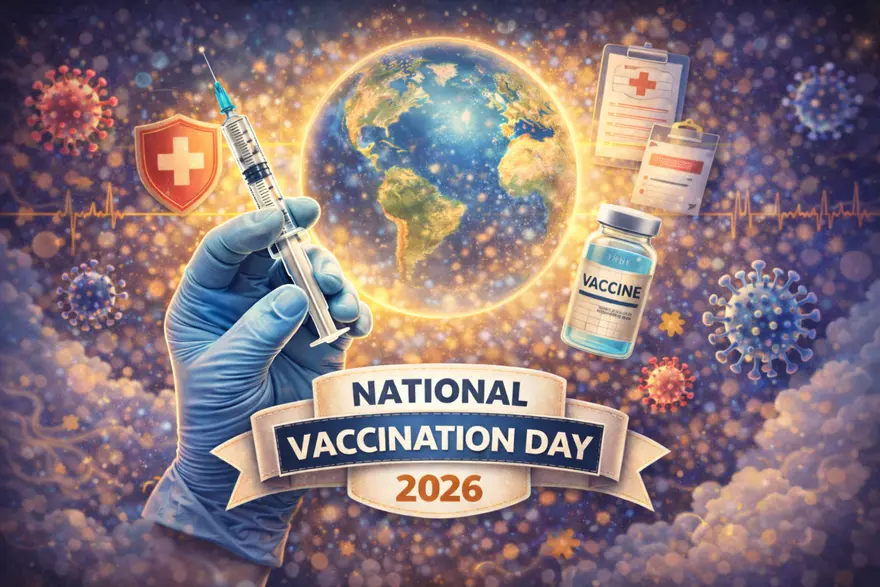
Table of Contents
National Vaccination Day highlights the vital role of vaccines in preventing diseases and protecting public health. Observed across India, the day reminds you that timely immunization helps reduce infectious diseases, lowers childhood mortality, and strengthens community health.
National Vaccination Day 2026 also emphasizes the impact of India’s Universal Immunization Programme (UIP), which provides free vaccines against 12 preventable diseases, including polio, measles, and rotavirus infection. These efforts have led to major achievements such as the elimination of polio in 2014 and significant improvements in immunization coverage. By training your immune system to recognise and fight harmful pathogens, vaccines remain one of the most effective and cost-efficient ways to prevent disease and protect people of all ages.
History And Evolution Of National Vaccination Day
National Vaccination Day reflects India’s continued commitment to strengthening immunization and preventing infectious diseases through large-scale public health initiatives.
- 1985: Universal Immunization Programme (UIP): Launched to expand vaccine coverage and protect children from several preventable diseases.
- March 16, 1995: Pulse Polio Programme: National Vaccination Day commemorates the first nationwide administration of the Oral Polio Vaccine to children under five.
- Nationwide Polio Campaigns: Mass immunization drives and strong community participation helped significantly reduce polio cases.
- 2014: India Declared Polio Free: Sustained vaccination efforts led to India being officially certified polio-free by the World Health Organization.
- 2017: Mission Indradhanush: Introduced to improve vaccination coverage among children and pregnant women, especially in underserved areas.
- Present Focus: The day now promotes awareness about routine immunization against multiple vaccine-preventable diseases across all age groups.
These milestones highlight the important role of coordinated public health efforts and immunization programmes in protecting communities and preventing diseases in India.
National Vaccination Day Theme For 2026
Each year, National Vaccination Day is observed with a theme that highlights the importance of immunization and encourages greater public participation in vaccination programmes.
- Theme For 2026: “Immunization For All Is Humanly Possible.” The theme emphasises the goal of making vaccines accessible to every individual, regardless of geography, income, or social background.
- Promoting Universal Vaccine Access: Encourages equitable access to vaccines across urban and rural communities.
- Raising Immunization Awareness: Highlights the importance of timely vaccination for children, adolescents, and adults.
- Encouraging Routine Vaccination: Reinforces the need to follow recommended immunization schedules to prevent infectious diseases.
- Strengthening Public Health Efforts: Supports national programmes aimed at improving vaccination coverage and disease prevention.
- Recognising Healthcare Workers: Acknowledges the role of frontline health workers and volunteers in implementing vaccination campaigns and protecting communities.
Overall, the 2026 theme reinforces the shared responsibility of governments, healthcare providers, and communities in ensuring wider access to life-saving vaccines.
How The National Vaccination Day Theme Is Chosen
The theme for National Vaccination Day is chosen by health authorities to reflect current public health priorities and vaccination goals. Each year, the theme focuses on raising awareness about the importance of immunization and encouraging greater participation in vaccination programmes.
Themes are designed to highlight key areas such as improving vaccine access, addressing vaccine hesitancy, promoting timely vaccination, and strengthening protection against vaccine-preventable diseases. They also emphasise the shared responsibility of individuals, communities, and healthcare systems in ensuring wider immunization coverage and protecting public health.
National Vaccination Day Date
National Vaccination Day is observed in India on 16 March each year. The day marks the launch of the Pulse Polio Programme in 1995, when the first nationwide dose of the Oral Polio Vaccine was administered to children to help eliminate polio.
This observance highlights the importance of immunization in preventing infectious diseases and protecting community health. Healthcare institutions, government agencies, schools, and public health workers often organise awareness campaigns and educational activities to encourage families to review vaccination schedules and support universal immunization efforts.
National Vaccination Day In 2026: Key Events
National Vaccination Day 2026 will be observed on Monday, 16 March 2026, with several initiatives aimed at strengthening immunization awareness and encouraging timely vaccination.
Key activities may include:
- Nationwide Vaccination Drives: Hospitals and public health centres may organise special vaccination campaigns, particularly for children who have missed scheduled doses.
- Community Awareness Programmes: Awareness campaigns, seminars, and digital initiatives may educate the public about the benefits of vaccines and disease prevention.
- Educational Outreach In Schools And Communities: Schools and community groups may conduct programmes to inform families about the importance of timely and complete immunization.
- Focus On Routine And Adult Vaccination: Healthcare professionals may highlight vaccines such as flu, pneumococcal, and shingles vaccines for individuals at higher risk.
- Public Health Discussions And Expert Sessions: Discussions and workshops may address vaccine hesitancy and promote evidence based preventive healthcare.
- Recognition Of Pulse Polio Achievements: Events may also commemorate the success of the Pulse Polio Programme and India’s milestone of becoming polio-free.
These initiatives aim to strengthen vaccination coverage and reinforce the importance of immunization in protecting public health.
Importance Of Immunization
Immunization plays a vital role in protecting individuals and communities from infectious diseases. Vaccines work by training your immune system to recognise and fight harmful viruses or bacteria without causing the illness itself. This helps prevent infections and reduces the risk of severe complications.
Through programmes such as India’s Universal Immunization Programme, millions of children and pregnant women receive protection against diseases like polio, measles, hepatitis B, and rotavirus infection. Immunization also contributes to lower childhood mortality, prevents disease outbreaks, and protects vulnerable populations through herd immunity.
By reducing the spread of infections and the need for complex medical treatments, vaccination remains one of the most effective and cost-efficient ways to safeguard long-term public health.
The Role Of Vaccines In Preventing Disease
Vaccines play a crucial role in protecting individuals and communities from infectious diseases by strengthening the immune system and preventing the spread of infections.
- Strengthen The Immune System: Vaccines safely train your immune system to recognise and fight harmful bacteria or viruses by producing protective antibodies without causing the disease.
- Provide Long Term Protection: Once vaccinated, your body can respond quickly if exposed to the same pathogen, reducing the risk of infection and severe complications.
- Prevent Serious Infectious Diseases: Vaccines help protect against several life threatening illnesses, including:
- Polio
- Measles and Rubella
- Diphtheria
- Pertussis (Whooping Cough)
- Tetanus
- Hepatitis B
- Rotavirus infection
- Pneumococcal disease
- Human Papillomavirus related cancers
- Promote Community Protection: When more people are vaccinated, herd immunity reduces the spread of infections and protects vulnerable individuals who cannot receive vaccines.
- Reduce Complications And Deaths: Vaccination significantly lowers the risk of severe illness, long term disability, and deaths caused by infectious diseases.
- Support Public Health And Healthcare Systems: By preventing infections, vaccines reduce the need for hospitalisation, medical treatment, and antibiotic use.
Overall, vaccines remain one of the most effective tools for preventing diseases and protecting long term public health.
How National Vaccination Day Impacts Public Health
National Vaccination Day plays an important role in strengthening public health by increasing awareness about immunization and promoting preventive healthcare practices. Observed on March 16, the day encourages nationwide vaccination campaigns that help improve immunization coverage, especially among children and vulnerable populations.
Public health initiatives organised on this occasion educate families about vaccination schedules, address misconceptions about vaccine safety, and encourage timely immunization. Programmes such as the Universal Immunization Programme ensure that vaccines reach millions of newborns and pregnant women each year, helping prevent diseases such as polio, measles, and hepatitis B.
Through coordinated efforts by healthcare workers, government agencies, and communities, National Vaccination Day helps strengthen herd immunity, reduce the spread of infectious diseases, and support healthier populations.
can you combine these options and create a new for the faq in bullet points -
Global Vaccination Campaigns And Their Reach
Global vaccination campaigns aim to expand immunization coverage and protect people from infectious diseases across all age groups.
- Expanding Vaccine Coverage: International programmes work to increase access to vaccines for children and adults worldwide.
- Large Scale Health Initiatives: Global partnerships support vaccination campaigns that protect against multiple infectious diseases.
- Protecting Vulnerable Populations: Mass immunization efforts help reduce child mortality and safeguard high risk groups.
- Preventing Disease Outbreaks: Coordinated vaccination drives help control and eliminate vaccine preventable diseases.
- Improving Access In Underserved Areas: Campaigns focus on reaching remote and underserved communities.
These global efforts help reduce disease spread and strengthen public health worldwide.
FAQs
How Can Vaccines Protect You And Others?
Vaccines train your immune system to fight infections and help reduce disease spread, protecting both you and vulnerable people through herd immunity.
How Does Vaccination Prevent Diseases?
Vaccines prevent diseases by training your immune system to recognise and fight harmful germs before you are exposed to them.
What Diseases Are Prevented By Vaccines?
Vaccines help prevent serious diseases such as polio, measles, rubella, diphtheria, tetanus, hepatitis B, rotavirus infection, pneumococcal disease, and HPV related cancers.
How Do Vaccination Campaigns Impact Global Health?
Vaccination campaigns improve global health by preventing disease outbreaks, reducing deaths, and protecting vulnerable populations through wider immunization coverage.