Home Visit
 Upload






Preventive Healthcare
Mother's Day 2026: Essential Health Checkups & Diagnostic Tests Every Woman Needs

Table of Contents
- What Is Mother’s Day?
- When Is Mother’s Day 2026 Celebrated?
- History And Origin Of Mother’s Day
- Why Mother’s Day Is Important
- Common Ways To Celebrate Mother’s Day
- Health And Wellness For Mothers
- Which Health Tests Are Recommended For Women?
- Age-Wise Health Checkups For Women
- How To Make Mother’s Day Meaningful
- Role Of Preventive Healthcare For Mothers
- Key Takeaways
- FAQs About Mother’s Day 2026
Mother’s Day is a time to celebrate the women who care, support, guide, and strengthen families every day. In 2026, Mother’s Day will be celebrated on Sunday, May 10. While flowers, cards, meals, and thoughtful gifts are lovely ways to show love, one of the most meaningful Mother’s Day gifts ideas is the gift of health.
Many women put their health last while caring for others. They may ignore tiredness, body pain, irregular periods, mood changes, poor sleep, or weight changes because daily life feels too busy. Regular health checkups can help detect hidden concerns early, even before symptoms become clear.
This Mother’s Day 2026, you can make the celebration more meaningful by encouraging your mother, grandmother, wife, sister, daughter, or yourself to take a proactive step towards better health.
What Is Mother’s Day?
Mother’s Day is a special day dedicated to honouring mothers and mother figures. It celebrates their love, care, sacrifices, strength, and role in shaping families and communities.
For many people, Mother’s Day is about gratitude. It is a day to pause, spend time together, and remind mothers that their wellbeing matters too.
When Is Mother’s Day 2026 Celebrated?
Mother’s Day 2026 will be celebrated on Sunday, May 10. In many countries, including India and the United States, Mother’s Day is observed on the second Sunday of May every year.
The date changes each year, but the meaning remains the same: celebrating mothers with love, respect, and care.
History And Origin Of Mother’s Day
The modern history of Mother’s Day is often linked to Anna Jarvis in the United States. She wanted to honour her mother and recognise the contribution of mothers to families and society. In 1908, the first formal Mother’s Day service was held, and in 1914, Mother’s Day became an official national observance in the United States.
Over time, Mother’s Day became popular across many countries. Today, people celebrate it through gifts, family gatherings, handwritten notes, meals, phone calls, and other thoughtful gestures.
Why Mother’s Day Is Important
Mother’s Day is important because it reminds you to:
- Appreciate the emotional, physical, and mental effort mothers put into family life
- Recognise that women’s health often gets ignored due to caregiving responsibilities
- Encourage mothers to take time for rest, joy, and self-care
- Start open conversations about preventive health and regular checkups
- Celebrate not only motherhood, but also the woman behind the role
A meaningful Mother’s Day theme for 2026 can be simple: care for the one who has always cared for you.
Common Ways To Celebrate Mother’s Day
There are many simple ways to celebrate Mother’s Day with warmth and thoughtfulness:
- Spend quality time with your mother or mother figure
- Cook her favourite meal or take her out for a relaxed meal
- Write a personal letter or card
- Plan a family video call if you live away
- Gift her something useful and thoughtful
- Create a memory album with family photos
- Help her take a break from daily responsibilities
- Book a preventive health checkup for her comfort and peace of mind
Among the many ways to celebrate Mother’s Day, supporting her health can be one of the most lasting gestures.
Health And Wellness For Mothers
Women’s health changes through different life stages. Hormones, pregnancy, childbirth, menopause, stress, nutrition, sleep, and lifestyle can all affect health.
Common health concerns in women may include:
- Anaemia
- Thyroid disorders
- Vitamin D or vitamin B12 deficiency
- Diabetes or prediabetes
- High cholesterol
- High blood pressure
- PCOS
- Fibroids
- Breast health concerns
- Cervical health concerns
- Bone weakness after menopause
- Heart health risks
Many of these conditions can be managed better when detected early. That is why preventive checkups are important, even when you feel well.
Which Health Tests Are Recommended For Women?
The right tests depend on age, symptoms, lifestyle, medical history, family history, and your doctor’s advice. However, the following checkups are commonly useful for women.
1. Blood Pressure Check
High blood pressure can remain silent for years. Regular monitoring helps assess the risk of heart disease, kidney problems, and stroke.
You may need more frequent checks if you have diabetes, obesity, stress, kidney disease, or a family history of hypertension.
2. Complete Blood Count
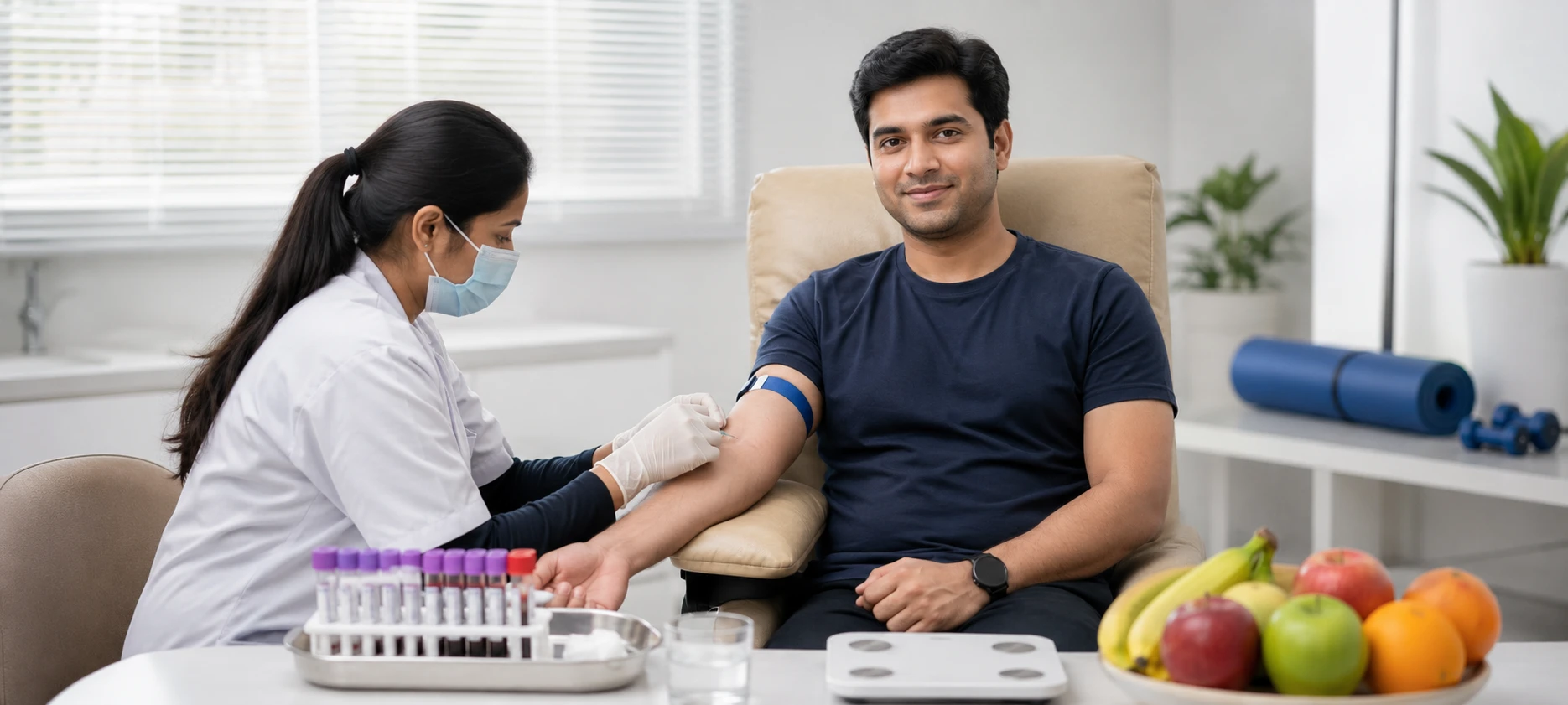
A complete blood count, or CBC, helps check haemoglobin, white blood cells, red blood cells, and platelets. It can help detect anaemia, infections, inflammation, and some blood-related concerns.
This test is especially useful if you often feel tired, weak, dizzy, breathless, or have heavy periods.
3. Blood Sugar Tests
Fasting blood sugar and HbA1c help screen for diabetes and prediabetes. Women with PCOS, excess weight, a sedentary lifestyle, previous gestational diabetes, or a family history of diabetes may need regular screening.
Early detection can help you make timely changes in food habits, activity, weight, and treatment.
4. Lipid Profile
A lipid profile checks cholesterol and triglyceride levels. It usually includes total cholesterol, LDL cholesterol, HDL cholesterol, and triglycerides.
Heart disease can affect women too, and risk may rise after menopause. A lipid profile helps assess heart health and supports early prevention.
5. Thyroid Profile
Thyroid disorders are more common in women. A thyroid profile may include TSH, T3, and T4. It can help detect hypothyroidism or hyperthyroidism.
You may need this test if you have weight changes, hair fall, irregular periods, tiredness, constipation, anxiety, palpitations, or fertility concerns.
6. Vitamin D And Vitamin B12 Tests
Low vitamin D and vitamin B12 levels can contribute to fatigue, bone pain, muscle weakness, low mood, tingling, numbness, and poor energy.
These deficiencies are common and can often be corrected with the right medical guidance.
7. Liver And Kidney Function Tests
Liver and kidney function tests help assess how well these important organs are working. They are often included in routine health packages and are useful for ongoing wellness monitoring.
These tests may be especially important if you take long-term medicines, have diabetes, high blood pressure, or a family history of kidney or liver disease.
8. Pap Smear And HPV Test
Cervical cancer screening helps detect early changes in the cervix. A Pap smear checks for abnormal cervical cells. An HPV test checks for high-risk human papillomavirus types linked to cervical cancer.
Your doctor can guide you on the right screening schedule based on your age, sexual history, previous reports, and risk factors.
9. Breast Screening
Breast health checks may include breast self-awareness, clinical breast examination, ultrasound, or mammography, depending on age and risk.
Women aged 40 and above may be advised to discuss mammography with their doctor. Screening may start earlier if there is a strong family history or other risk factors.
10. Pelvic Ultrasound
A pelvic ultrasound can help assess the uterus, ovaries, and surrounding structures. It may help detect fibroids, ovarian cysts, PCOS-related changes, endometrial concerns, and other gynaecological conditions.
It may be recommended if you have irregular periods, heavy bleeding, pelvic pain, bloating, or fertility concerns.
11. Bone Health Tests
Bone density can reduce after menopause due to hormonal changes. A DEXA scan may be advised for women after menopause or earlier if there are risk factors such as repeated fractures, long-term steroid use, low body weight, or vitamin D deficiency.
Calcium, vitamin D, and other related tests may also support bone health assessment.
12. Heart Health Tests
Apart from blood pressure and lipid profile, your doctor may advise ECG, hs-CRP, 2D echo, or other cardiac tests based on your symptoms and risk profile.
This is more relevant if you have chest discomfort, breathlessness, diabetes, high blood pressure, high cholesterol, obesity, smoking history, or a family history of heart disease.
13. Full Body Health Checkup
A full body checkup can help you review key health markers in one place. It may include blood counts, sugar levels, cholesterol, liver function, kidney function, thyroid profile, urine tests, vitamin levels, and other tests based on the package.
It is a practical option for mothers who have not had routine health screening for a long time.
Age-Wise Health Checkups For Women
In Your 20s
This is the time to build a health baseline. Useful checks may include:
- CBC
- Blood pressure
- Blood sugar if risk factors are present
- Thyroid profile if symptoms are present
- Vitamin D and B12
- STI screening when relevant
- Pap smear as advised by your doctor
- PCOS assessment if periods are irregular
In Your 30s
This is often a busy stage with work, family, pregnancy, parenting, and stress. Useful checks may include:
- CBC
- Thyroid profile
- Blood sugar and HbA1c
- Lipid profile
- Liver and kidney function tests
- Vitamin D and B12
- Pap smear or HPV test as advised
- Pelvic ultrasound if symptoms are present
- Breast examination
In Your 40s
Health risks may begin to rise in this decade, especially with stress, weight changes, hormonal shifts, and family history. Useful checks may include:
- Blood pressure
- CBC
- HbA1c
- Lipid profile
- Thyroid profile
- Liver and kidney function tests
- Pap smear or HPV test
- Breast screening
- Pelvic ultrasound if needed
- ECG if risk factors are present
In Your 50s
Menopause and post-menopause can affect bones, heart health, metabolism, sleep, and mood. Useful checks may include:
- Blood pressure
- Blood sugar and HbA1c
- Lipid profile
- Thyroid profile
- Bone density test if advised
- Vitamin D and calcium assessment
- Breast screening
- Cervical screening as advised
- Heart health evaluation
- Kidney and liver function tests
In Your 60s And Beyond
The focus is on maintaining strength, independence, mobility, and quality of life. Useful checks may include:
- Blood pressure monitoring
- Diabetes screening
- Lipid profile
- Kidney and liver function tests
- Bone density testing
- Eye and hearing checks
- Breast screening as advised
- Heart health tests
- Vitamin levels
- Cancer screening based on medical advice
How To Make Mother’s Day Meaningful
You do not need a grand plan to make Mother’s Day special. Thoughtfulness matters more than cost.
You can:
- Spend uninterrupted time with her
- Ask about her health and listen without dismissing her concerns
- Help her schedule a long-pending health checkup
- Create a calm day with rest, food, and family time
- Gift a wellness package, comfortable footwear, fitness tracker, or health journal
- Encourage her to restart a hobby
- Join her for a walk, yoga class, or doctor visit
- Make preventive health part of the family conversation
Unique gift ideas can include a memory book, a handwritten letter, a home-cooked meal, a relaxing wellness day, or a preventive health screening package.
Role Of Preventive Healthcare For Mothers
Preventive healthcare is not only about finding illness. It is about staying informed, building healthy habits, and reducing future risks.
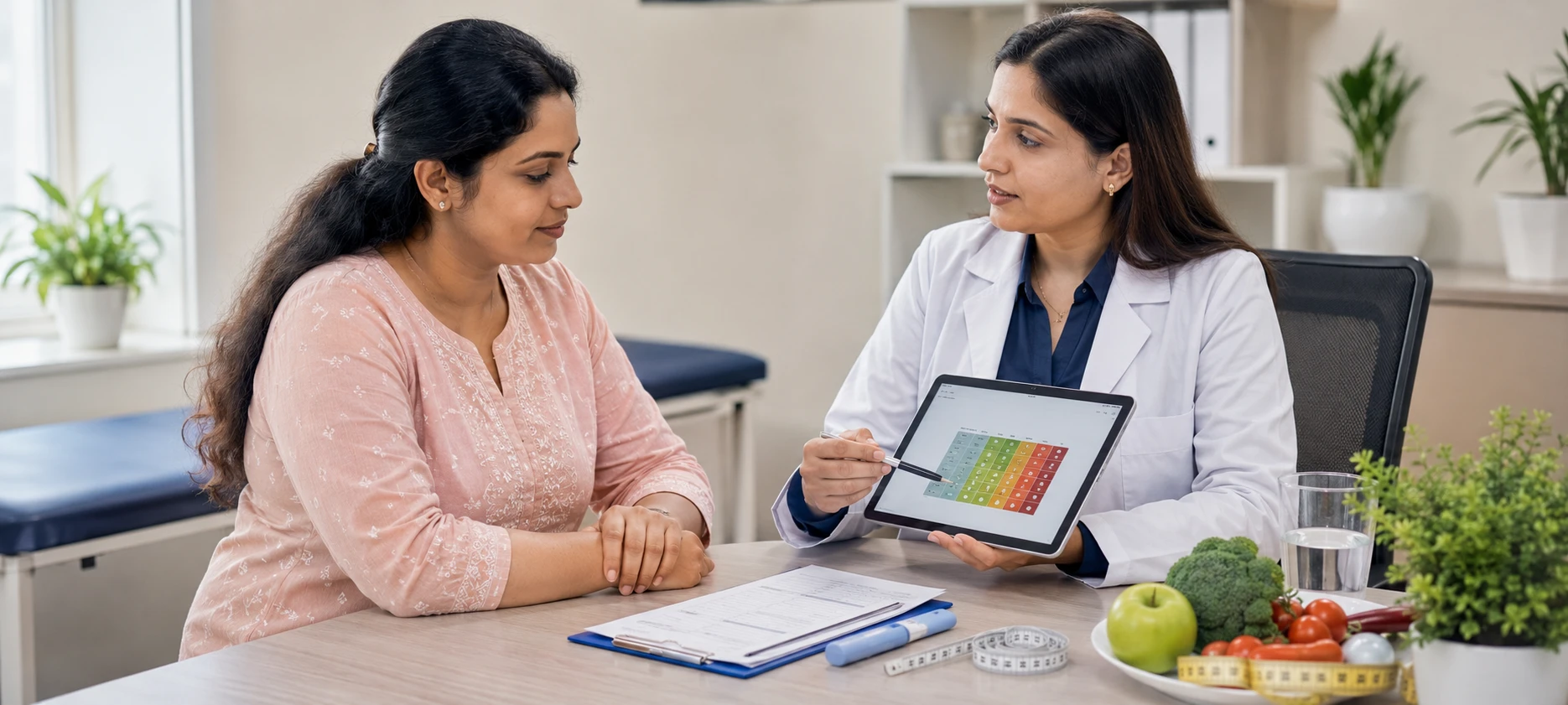
For mothers, regular health checkups can help detect changes in blood sugar, cholesterol, thyroid function, vitamin levels, haemoglobin, bone health, and organ function. This gives you and your doctor a clearer picture of health before problems become serious.
Metropolis Healthcare supports proactive health management with advanced diagnostic testing, 4,000 plus tests, full body health checkups, speciality testing, accurate results, quick turnaround time, and home sample collection. With easy booking through the website, app, call, and WhatsApp, you can help your mother prioritise her health with comfort and convenience.
This Mother’s Day 2026, celebrate her love by supporting her wellbeing.
Key Takeaways
- Mother’s Day 2026 will be celebrated on Sunday, May 10.
- The modern history of Mother’s Day is linked to Anna Jarvis and her wish to honour mothers.
- A meaningful Mother’s Day theme can focus on health, gratitude, and preventive care.
- Women should not wait for symptoms to begin routine health screening.
- Important tests may include CBC, blood sugar, HbA1c, lipid profile, thyroid profile, vitamin D, vitamin B12, Pap smear, HPV test, breast screening, pelvic ultrasound, and bone health tests.
- The right tests depend on age, symptoms, medical history, lifestyle, and doctor’s advice.
- A health checkup can be a thoughtful and practical Mother’s Day gift.
FAQs About Mother’s Day 2026
Why Is Mother’s Day So Early In 2026?
Mother’s Day is not unusually early in 2026. It falls on Sunday, May 10, because many countries celebrate it on the second Sunday of May. The exact date changes every year depending on the calendar.
Who Started Mother’s Day?
The modern Mother’s Day tradition is linked to Anna Jarvis. She organised a Mother’s Day observance in 1908 to honour her mother. The day later became an official observance in the United States in 1914.
How Can I Make Mother’s Day Special?
You can make Mother’s Day special by spending quality time with your mother, writing a heartfelt note, cooking for her, planning a relaxed family day, or helping her prioritise her health with a preventive checkup.
What Are Some Unique Gift Ideas?
Unique Mother’s Day gifts ideas include a memory album, handwritten letter, wellness hamper, comfortable walking shoes, hobby class, family experience, health journal, or preventive health checkup.
Which Health Checkup Is Best For Mothers?
There is no single best health checkup for every mother. A suitable package depends on age, symptoms, lifestyle, family history, and existing health conditions. Common tests include CBC, blood sugar, HbA1c, lipid profile, thyroid profile, vitamin levels, liver function, kidney function, and urine routine tests.
Are Health Checkups Needed If There Are No Symptoms?
Yes, routine screening can still be useful because conditions such as high blood pressure, diabetes, high cholesterol, anaemia, thyroid disorders, and vitamin deficiencies may not cause clear symptoms in the early stages.
When Should Women Start Breast Screening?
Women should discuss breast screening with their doctor based on age and risk. Many guidelines recommend mammography from age 40 for average-risk women, while women with a family history or higher risk may need earlier or more personalised screening.
How Often Should Women Get A Thyroid Test?
The frequency depends on symptoms, medical history, pregnancy plans, age, and previous thyroid results. Your doctor may advise testing if you have fatigue, weight changes, hair fall, irregular periods, palpitations, or mood changes.