Home Visit
 Upload






Preventive Healthcare
Chakrasana Benefits: Step-by-Step Guide and Precautions
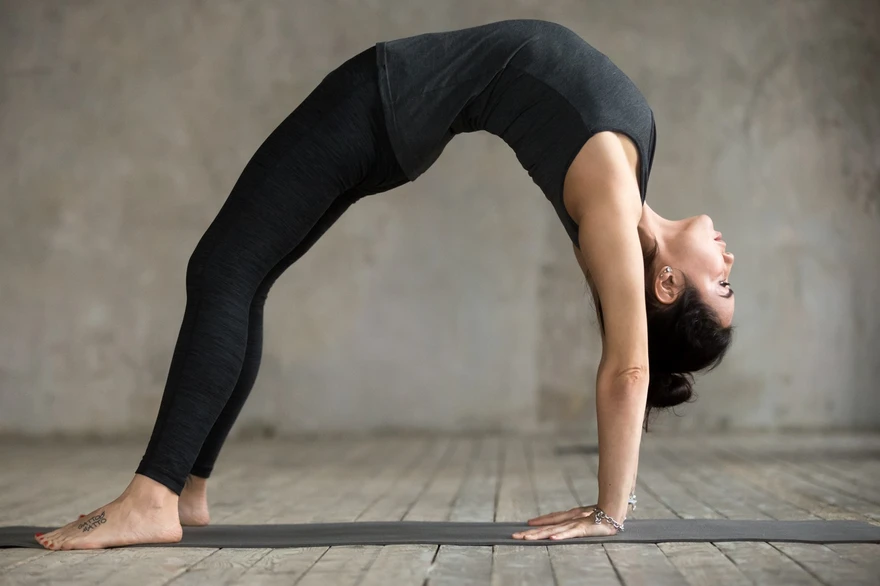
Table of Contents
- What is Chakrasana (Wheel Pose)?
- Why Practice the Wheel Pose? Understanding the Intent
- Key Chakrasana Benefits You Should Know
- How to Do Chakrasana: Step-by-Step Guide
- Variations & Modifications of the Wheel Pose
- Precautions, Contraindications & Safety Tips
- Benefits of Chakrasana in Daily Life / Posture Correction
- How Chakrasana Can Complement Other Yoga Poses
- Real-World User Experiences & Tips
- Conclusion: Bringing It All Together
- FAQs
- References
What is Chakrasana (Wheel Pose)?
Chakrasana, also known as the wheel pose', is a deep backbend in yoga that forms the shape of a wheel when performed correctly. The word ‘Chakra’ means wheel in Sanskrit, symbolizing energy, movement, and balance. In this pose, the body arches backward with palms and feet pressing into the mat, creating a semicircle.
Chakrasana is a powerful posture that enhances spinal flexibility, strengthens the back and arms, tones the abdomen, and stimulates the body’s energy centers. Regular practice rejuvenates both the body and mind, promoting vitality and mental clarity.
Why Practice the Wheel Pose? Understanding the Intent
Wheel pose is much more than a flexibility exercise; it’s a posture that opens the heart chakra (anahata) and energizes the entire system.
Here’s why practicing Chakrasana is so transformative:
- Revitalizes the nervous system: This backbend stimulates the spinal nerves, improving overall energy flow and reducing fatigue.
- Balances the chakras: Especially the heart and throat chakras, helping release emotional stress and promoting self-expression.
- Enhances lung and heart function: The pose deepens breathing capacity, strengthens cardiac muscles, and improves circulation.
- Improves posture and spinal health: Counteracts the forward slump caused by prolonged sitting or screen time.
- Releases emotional tension: The heart-opening motion has a calming, liberating effect on stored stress, anxiety, and fear.
- Builds inner confidence: By mastering this challenging pose, practitioners cultivate courage, balance, and perseverance.
A National Institutes of Health (NIH) review found that regular yoga practice lowers stress by improving brain activity, heart rate, and overall relaxation, confirming its measurable impact on both mind and body.
Key Chakrasana Benefits You Should Know
The benefits of Chakrasana (wheel pose) extend far beyond flexibility. It is a complete rejuvenating asana that simultaneously strengthens, stretches, and energizes the entire body.
Major Physical Benefits of Chakrasana
- Enhances Spinal Strength and Flexibility
Chakrasana lengthens and strengthens the spine, increasing mobility between vertebrae. It helps maintain the natural curvature of the spine and can gradually correct slouched posture. People who sit for long hours benefit immensely as the pose counteracts stiffness and back pain. - Strengthens Core, Arms, and Legs
During the pose, the body weight is supported by both arms and legs, which tones the shoulders, biceps, glutes, and thighs. The abdominal muscles remain engaged throughout, improving core stability and balance. - Improves Lung Capacity and Oxygen Intake
By expanding the chest cavity, Chakrasana allows deeper breathing and strengthens the lungs. This improves respiratory endurance, enhances stamina, and promotes better oxygenation of cells, which is which is vital for cardiovascular health. - Stimulates the Endocrine and Digestive Systems
The upward arch in the pose massages internal organs, activating glands like the thyroid and pituitary. This stimulation improves metabolism, digestion, and hormonal regulation. - Increases Circulation and Energy Flow
The inverted arch position encourages blood flow to the brain and face, supplying more oxygen and nutrients. Many practitioners experience enhanced alertness, focus, and a natural glow after practice. - Supports Posture Correction and Joint Mobility
Chakrasana strengthens small stabilizer muscles around the spine and joints, leading to better alignment and reduced strain on the neck, shoulders, and lower back.
Mental & Energetic Benefits of Chakrasana
- Reduces Stress and Anxiety: The deep chest opening encourages full breathing, which activates the parasympathetic nervous system — reducing cortisol levels and mental tension.
- Improves Emotional Stability: Regular practice releases blocked emotions, promoting positivity and self-acceptance.
- Boosts Confidence and Vitality: Mastering a demanding pose like Chakrasana fosters self-belief and inner strength.
- Increases Mental Focus and Clarity: Enhanced oxygen flow to the brain sharpens cognition and concentration.
- Rebalances Energy Flow: The asana reactivates dormant energy pathways, leading to greater motivation and overall well-being.
How to Do Chakrasana: Step-by-Step Guide
Performing Chakrasana (wheel pose) requires mindful preparation, proper alignment, and steady breathing. The aim is not merely to bend backward but to build flexibility, strength, and balance through coordinated movement and breath.
Preparation and Warm-Up for Wheel Pose
Before attempting Chakrasana, it’s important to loosen the spine, shoulders, and hips. Warm-up postures ensure joint safety and reduce muscle stiffness. Begin with:
- Cat–Cow Pose (Marjaryasana–Bitilasana): Mobilizes the spine and improves flexibility.
- Bridge Pose (Setu Bandhasana): Strengthens the back and prepares you for the full backbend.
- Cobra Pose (Bhujangasana): Opens the chest and enhances upper body flexibility.
- Padmasana or Sukhasana breathing: Calms the mind and centers your focus before starting.
Avoid practicing on a full stomach and always use a yoga mat for proper grip and cushioning.
Step-by-Step Technique
- Start Position:
Lie flat on your back with knees bent and feet hip-width apart. Keep your feet firmly grounded close to your hips. - Arm Placement:
Bend your elbows and place your palms beside your ears, fingers pointing toward your shoulders. Keep elbows parallel and shoulder-width apart. - Inhale Deeply:
Take a deep breath, press your palms and feet into the mat, and slowly lift your hips and chest upward. - Form the Wheel:
Straighten your arms and legs gradually to create a smooth arch. Keep your head gently dropped back, eyes looking toward the floor or ceiling. - Hold the Pose:
Maintain the position for 5–10 seconds initially, breathing deeply and evenly. With practice, you can increase the duration up to 30 seconds or more. - Release the Pose:
Exhale slowly, bend your elbows and knees, and gently lower your body to the floor, one vertebra at a time.. Rest in Shavasana for a few breaths to relax your back muscles.
Correct Alignment & Technique Tips for Chakrasana
- Distribute weight evenly between hands and feet.
- Engage your core to protect the lower back.
- Keep knees and feet parallel to prevent strain.
- Open the chest without collapsing the shoulders.
- Maintain steady, rhythmic breathing throughout the pose.
Variations & Modifications of the Wheel Pose
- Ardha Chakrasana (Half Wheel Pose): Performed in a standing position; beneficial for those with limited flexibility.
- One-Legged Wheel Pose: An advanced version that enhances balance and strength.
- Assisted Wheel Pose: Use yoga blocks or a partner for better alignment and support.
Common Mistakes and How to Avoid Them
- Bending the elbows or knees unevenly
- Overarching the lower back without engaging the core
- Holding the breath during the pose
- Skipping warm-up stretches
Precautions, Contraindications & Safety Tips
Chakrasana is a rewarding yet intense pose. Avoid or modify it if you have:
- Back or neck injuries
- Recent abdominal surgery
- Heart or blood pressure issues
- Vertigo or wrist pain
Safety Tips:
- Always warm up before attempting the pose.
- Keep movements slow and controlled.
- Practice under guidance if you’re a beginner.
- Avoid practicing immediately after meals.
How Frequently Should You Practice Chakrasana?
For best results, practice 3–4 times per week. Beginners should start with ardha chakrasana and progress gradually to full wheel pose.
Benefits of Chakrasana in Daily Life / Posture Correction
Chakrasana directly counters the effects of prolonged sitting. It strengthens spinal muscles, relieves backache, and improves alignment — crucial for those with desk jobs.
It also enhances energy flow through the chakras, uplifting both body and mood throughout the day.
Chakrasana for Different Age Groups & Levels
- Children: Improves flexibility and confidence.
- Adults: Reduces fatigue, back stiffness, and mental stress.
- Elderly (with supervision): Gentle ardha chakrasana helps maintain mobility without strain.
How Chakrasana Can Complement Other Yoga Poses
Chakrasana works synergistically with:
- Padmasana – calms the mind post-practice and balances energy
- Setu Bandhasana (Bridge Pose) – prepares the body for deeper backbends
- Adho Mukha Svanasana (Downward Dog) – improves shoulder mobility
- Paschimottanasana (Seated Forward Bend) – counter-stretches the spine
Troubleshooting: What If I Can’t Get into Full Wheel Pose?
If your shoulders or spine feel tight:
- Begin with bridge pose and gradually deepen your backbend.
- Use yoga blocks under hands for support.
- Focus on flexibility through daily chest-opening stretches.
- Never force your body; progress should be gradual.
Real-World User Experiences & Tips
“I started chakrasana to relieve my back stiffness from long office hours. Within two weeks, my posture improved and I felt more energized.” – Yoga Enthusiast
“Ardha chakrasana was my starting point. It helped me build strength and confidence before moving into the full pose.” – Beginner
Such experiences highlight how consistency and mindful breathing make all the difference.
Conclusion: Bringing It All Together
Chakrasana (wheel pose) symbolizes balance between strength, flexibility, and awareness. Regular practice enhances spinal health, posture, and mental clarity — nurturing both body and mind. As yoga builds inner resilience, complementing it with preventive health checks ensures holistic well-being and long-term vitality.
At Metropolis Healthcare, you can access over 4,000 tests, including comprehensive full body checkups and advanced speciality diagnostics — all with accurate results, quick turnaround, and home sample collection through 10,000+ touchpoints nationwide. Book easily via our website, app, WhatsApp, or phone, and experience trusted care from NABL and CAP-accredited labs that help you stay aligned, inside and out.
FAQs
What are the benefits of Chakrasana for beginners?
Beginners can expect improved flexibility, spine strength, and energy levels. Even partial attempts enhance posture and confidence.
Is chakrasana good for back pain?
Yes, when done correctly. It strengthens back muscles and increases spinal mobility. However, those with acute pain should begin with ardha chakrasana or consult a yoga instructor.
How long do you hold wheel pose (chakrasana)?
Start with 5–10 seconds and gradually increase to 30 seconds or more as endurance improves. Always maintain steady breathing.
Can chakrasana help improve posture and flexibility?
Absolutely. The pose realigns the spine, strengthens the back, and stretches chest muscles, promoting upright posture and greater flexibility.
What is the difference between chakrasana and bridge pose?
Bridge pose (setu bandhasana) is a partial backbend resting on shoulders, while Chakrasana is a full arch supported by both hands and feet, offering deeper spinal extension.
Does chakrasana burn belly fat?
Yes, indirectly. The pose engages abdominal muscles, improves digestion, and enhances metabolism, contributing to fat reduction over time when combined with a balanced diet.
References
https://pmc.ncbi.nlm.nih.gov/articles/PMC10919405/
https://www.healthline.com/health/fitness/chakrasana-benefits
https://harithayogshala.com/blog/benefits-of-chakrasana-wheel-pose