Home Visit
 Upload






Preventive Healthcare
Mint Benefits: 9 Amazing Ways This Cooling Herb Supports Digestion, Skin & Fresh Breath
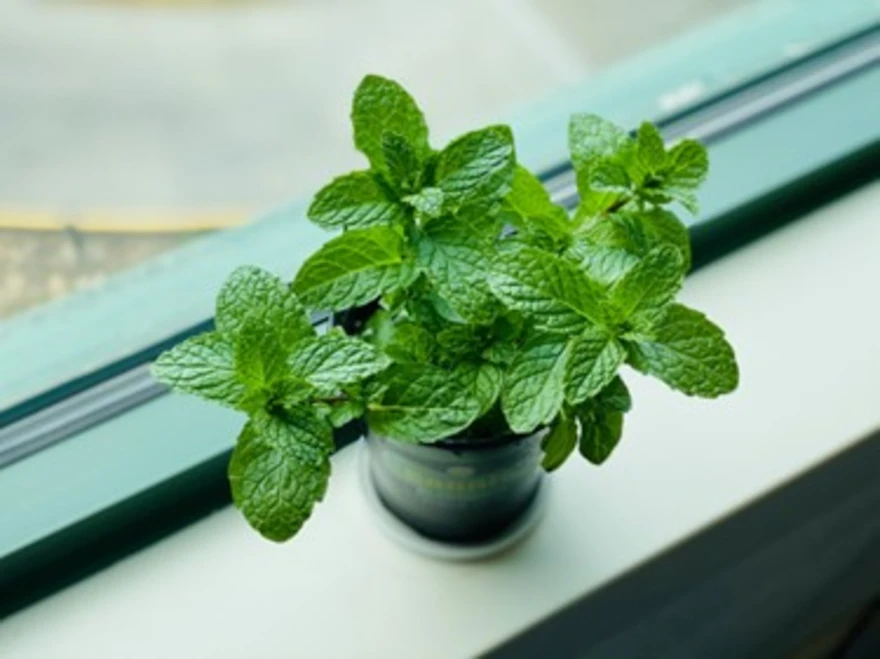
Table of Contents
What Is Mint?
Mint (genus Mentha) is a perennial herb belonging to the Lamiaceae family, comprising over 20 known species including peppermint, spearmint, and wild mint. Native to Europe and Asia, it is now cultivated globally for its medicinal and culinary value.
Mint’s distinctive aroma comes from menthol, a natural compound that provides a cooling sensation and helps clear congestion. Its tender green leaves are often used fresh or dried to flavor beverages, salads, sauces, and desserts.
In Ayurveda, pudina is classified as a ‘sheetala’ (cooling) herb, known to balance pitta dosha and support healthy digestion (agni). Whether in the form of mint leaves, mint water, or essential oil, this simple plant continues to play a vital role in natural healing and modern nutrition alike.
Nutritional Values of Mint
Though used in small quantities, mint leaves are surprisingly rich in essential nutrients that contribute to better health. Here’s what a 100-gram serving of fresh mint offers (approximate values):
- Calories: 44 kcal
- Water: 85%
- Protein: 3.3 g
- Dietary Fiber: 8 g
- Vitamin A: 23% of Daily Value (DV), supports vision and skin health
- Vitamin C: 20% of DV, supports immunity and collagen production
- Iron: 16% of DV, vital for red blood cell formation
- Folate: 6% of DV, supports cell growth and metabolism
- Calcium: 20% of DV, strengthens bones and teeth
- Antioxidants: Flavonoids, rosmarinic acid, and menthol which help protect cells from oxidative stress
Because of this combination of nutrients and bioactive compounds, even small amounts of mint leaves can significantly enhance digestion, immunity, and freshness when added to your daily diet.
9 Mint Health Benefits: Why This Herb Is a Wellness Powerhouse
1. Aids Digestion and Reduces Bloating
Menthol in mint relaxes the smooth muscles of the digestive tract, helping food move efficiently and relieving gas or bloating. Studies show that peppermint oil can reduce symptoms of irritable bowel syndrome (IBS) by calming intestinal spasms.
2. Freshens Breath Naturally
Mint’s antibacterial properties inhibit harmful oral bacteria and provide a long-lasting cooling sensation. Chewing mint leaves or drinking mint tea helps neutralize bad breath and maintain oral hygiene.
3. Soothes Indigestion and Heartburn
Drinking mint water or pudina tea after meals may promote bile flow and aid digestion of fatty foods, helping reduce post-meal discomfort.
4. Supports Respiratory Health
The menthol in mint acts as a natural decongestant. It helps clear nasal passages, reduce throat irritation, and ease symptoms of the common cold or sinusitis. Inhalation of mint vapours can provide quick relief.
5. Promotes Healthy Skin
Mint’s antibacterial and anti-inflammatory effects help combat acne, soothe irritation, and brighten dull skin. Homemade mint face packs or toners can calm redness and keep pores clean.
6. Relieves Headache and Stress
Applying diluted peppermint oil to the temples or inhaling mint vapour can relax muscles and relieve tension headaches. The aroma itself induces a sense of calm and mental clarity.
7. Aids Weight Management
Mint tea and infused water improve digestion, reduce cravings, and support metabolism. Staying hydrated with mint water helps reduce calorie intake while keeping you refreshed.
8. Enhances Brain Function and Focus
Research suggests that smelling or consuming mint can enhance alertness, memory, and concentration by stimulating the central nervous system.
9. Supports Immunity and Detoxification
Mint is loaded with antioxidants that protect cells from free radicals, strengthen immune response, and aid the body’s natural detox process.
How to Use Mint for Maximum Benefits
Adding mint (pudina) to your routine is simple and versatile. Here are some easy and effective ways to include it in your daily life:
- Mint Tea: Steep fresh or dried mint leaves in hot water for 5–7 minutes. This herbal tea soothes digestion, eases bloating, and refreshes the mind.
- Mint Water: Infuse water overnight with mint leaves, lemon slices, or cucumber for a detoxifying, hydrating drink.
- Culinary Uses: Add chopped mint leaves to salads, chutneys, soups, or yogurt for instant freshness and a burst of flavour.
- Mint Oil: Use diluted peppermint oil in aromatherapy or for topical relief from headaches and muscle tension.
- Skin Care: Mix crushed mint leaves with rose water or aloe vera to create a cooling face pack that calms acne and inflammation.
- Home Remedy for Cold: Inhale steam infused with mint leaves to relieve nasal congestion and sinus pressure.
These simple applications combine both traditional Ayurvedic practices and modern wellness habits, letting you enjoy mint benefits in every season.
Scientific Studies on Mint Benefits
Several research studies have explored mint’s physiological and therapeutic properties:
- A meta-analysis published in the Journal of Clinical Gastroenterology (2014) found that peppermint oil capsules were significantly more effective than placebo in improving IBS symptoms and abdominal pain, confirming its short-term safety and effectiveness.
- NIH research on Mentha piperita (peppermint) shows strong antimicrobial and anti-biofilm properties against oral pathogens like Streptococcus mutans and Candida albicans. Studies indicate that peppermint oil and leaf extracts, especially when formulated in chitosan nano-gels, can effectively inhibit dental plaque and gingival inflammation, supporting their use in toothpaste and mouthwash formulations for improved oral hygiene.
- A 2023 randomized placebo-controlled trial published in Human Psychopharmacology found that drinking 200 mL of peppermint tea significantly improved memory, attention, and working memory performance while also increasing cerebral blood flow in the prefrontal cortex. The study concluded that peppermint enhances cognitive function and brain oxygenation, confirming its potential as a natural nootropic for healthy adults.
These findings collectively validate what traditional systems like Ayurveda have long known: mint leaves are scientifically proven to aid digestion, boost immunity, and enhance overall wellbeing.
Possible Side Effects and Precautions of Mint
While mint is generally safe when consumed in moderate amounts, overuse or specific health conditions can cause side effects. Here are a few precautions to keep in mind:
- Acid Reflux (GERD): Mint may relax the esophageal sphincter, sometimes worsening acid reflux or heartburn symptoms.
- Allergies: People allergic to menthol or the Lamiaceae family (like basil or sage) may experience mild irritation or rashes.
- Pregnancy: Excess consumption of concentrated mint oil or strong peppermint tea is not recommended during pregnancy due to uterine-relaxing effects.
- Infants and Young Children: Avoid direct application of menthol oil on the face or chest, as it may cause breathing difficulties in infants.
- Medication Interactions: High doses of mint oil may interfere with certain medicines for blood pressure or diabetes.
- Essential Oils: Always dilute mint oil before topical use to prevent skin irritation or burning sensations.
In general, fresh mint leaves used in food or tea are safe and beneficial for most people.
Is Mint Safe for Everyone?
For the majority of healthy adults, consuming mint leaves or mint water daily is safe and nourishing. However, individuals with acid reflux, gallbladder disease, or known allergies should use it cautiously. Children and pregnant women should consult a doctor before using concentrated mint oil or supplements.
Moderation is key: a few fresh leaves in your meals or a cup of mint tea a day is all you need to enjoy its natural cooling and cleansing properties.
Conclusion
Fresh, fragrant, and full of healing potential, mint (pudina) supports healthy digestion, clear skin, and immune balance. Backed by both ancient Ayurveda and modern science, this versatile herb is a simple yet powerful addition to your daily wellness routine, whether through mint tea, infused water, or fresh leaves in your meals.
At Metropolis Healthcare, makes it easier to stay proactive about your health. With 4000+ diagnostic tests, comprehensive full-body checkups, and specialty testing, we offer precise insights and peace of mind. Enjoy home sample collection from 10,000+ touchpoints, fast, accurate results, and and the convenience of booking through our website, app, WhatsApp, or phone. Backed by NABL & CAP accredited labs, Metropolis continues to set benchmarks in trusted diagnostics — helping you take every step toward better health with confidence.
FAQs
What Are the Benefits of Eating Mint Leaves Daily?
Eating mint leaves daily supports digestion, freshens breath, boosts immunity, and provides antioxidants that protect against inflammation and infections.
Can Mint Help with Weight Loss?
Yes. Drinking mint water or mint tea aids digestion, improves metabolism, and helps curb cravings — all of which indirectly support healthy weight management.
How Often Should You Drink Mint Tea for Digestion?
One or two cups of mint tea daily, preferably after meals, are ideal for easing bloating and promoting smooth digestion.
Can Mint Be Used for Skin Care?
Absolutely. Mint’s antibacterial and cooling qualities help manage acne, calm irritation, and give the skin a refreshed glow when used in masks or toners.
Where Can You Buy Fresh Mint or Mint Oil?
Fresh mint leaves are widely available in supermarkets, local markets, and online grocery stores. Pure mint essential oil can be purchased from reputed Ayurvedic or organic brands.
References
https://pubmed.ncbi.nlm.nih.gov/24100754/#:~:text=Peppermint%20oil%20was%20found%20to,including%20antidepressants%20and%20antispasmodic%20drugs.
https://pmc.ncbi.nlm.nih.gov/articles/PMC11420497/#sec2
https://pmc.ncbi.nlm.nih.gov/articles/PMC11973245/
https://www.healthline.com/nutrition/mint-benefits
https://www.medicalnewstoday.com/articles/275944