Home Visit
 Upload








Web Stories





Latest Blogs

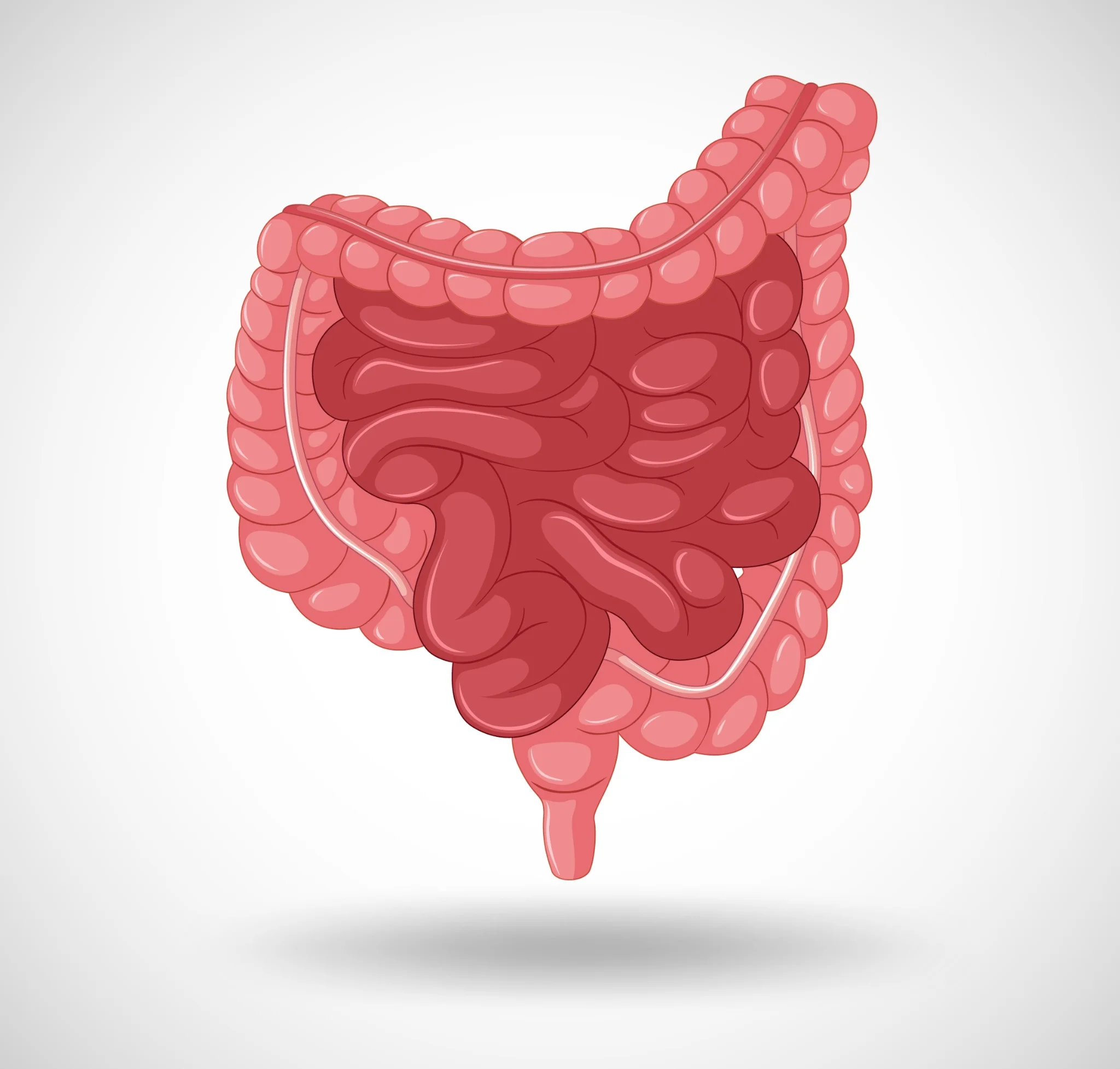
Rectal Ulcer: Causes, Symptoms, And Treatment
What Is a Rectal Ulcer? A rectal ulcer is essentially a wound or lesion that forms on the delicate tissue lining your rectum. The most common form is known as solitary rectal ulcer syndrome (SRUS), which typically presents as a single ulcer but may occasionally involve multiple lesions. The condition occurs when the rectal tissue becomes damaged or inflamed, leading to the formation of an open sore. These ulcers can vary in size from small, shallow wounds to deeper, more extensive lesions. Rectal ulcers can affect anyone, though they are most frequently diagnosed in adults aged 30 to 50. It’s important to understand that most rectal ulcers are non-cancerous (benign). However, they require proper medical evaluation to rule out other conditions and ensure appropriate treatment. The key is recognising the symptoms early and seeking professional medical guidance. Causes of Rectal Ulcers • Chronic straining during bowel movements: Excessive pressure from repeated straining damages the delicate rectal tissue. • Severe constipation: Hard stools and infrequent bowel movements create trauma to the rectal lining. • Rectal prolapse: When the rectum slips out of its normal position, it can lead to tissue damage and ulceration. • Pelvic floor dysfunction: Abnormal muscle coordination affects normal bowel function and can cause tissue injury. • Physical trauma: Manual stool removal, improper enema use, or insertion of foreign objects can damage rectal tissue. • Inflammatory bowel disease: Conditions like Crohn's disease or ulcerative colitis can cause rectal inflammation and ulceration. • Ischaemic injury: Reduced blood supply to rectal tissue can lead to tissue death and ulcer formation. • Sexually transmitted infections: Certain STIs can cause rectal inflammation and subsequent ulceration. • Frequent anal intercourse: Repeated trauma to the rectal area can result in tissue damage. Common Risk Factors for Rectal Ulcers Certain lifestyle factors and medical conditions can increase the risk of developing a rectal ulcer: • Chronic constipation lasting months or years: Creates ongoing pressure and strain on rectal tissues. • Low-fibre diet: Leads to hard stools that are difficult to pass and require excessive straining. • Sedentary lifestyle: Prolonged sitting weakens pelvic floor muscles and affects bowel function. • Dehydration: Insufficient fluid intake contributes to constipation and hard stools. • Frequent use of laxatives: Can lead to dependency and abnormal bowel patterns. • History of rectal prolapse: Previous prolapse increases the risk of tissue damage and ulceration. • Pelvic surgery: Previous operations can affect muscle function and bowel habits. • Advanced age: Older adults are more prone to constipation and pelvic floor weakness. • Pregnancy: Increased pressure on pelvic organs can contribute to constipation and straining. Symptoms of Rectal Ulcers Recognising rectal ulcer symptoms is essential for early diagnosis and treatment. The symptoms can vary in severity and may develop gradually: Rectal pain or discomfort: Often described as a dull ache or sharp pain, especially during bowel movements. Blood in stool: Bright red blood on toilet paper or mixed with stool may indicate rectal bleeding. Mucus discharge from the rectum: Thick, slimy discharge that may be clear, white, or blood-tinged. Painful bowel movements: Significant discomfort or burning sensation during defecation. Feeling of incomplete evacuation: Sensation that the bowel hasn't emptied completely after a bowel movement. Chronic constipation: Difficulty passing stools or infrequent bowel movements. Pelvic pressure or fullness: Uncomfortable sensation of pressure in the pelvic region. Fecal incontinence: Difficulty controlling bowel movements or accidental leakage. Some people with mild cases may experience minimal symptoms or none at all initially. However, as the condition progresses, rectal ulcer symptoms typically become more noticeable and bothersome. It's important to note that these symptoms can also indicate other serious conditions, making a proper medical evaluation essential. Examination and Imaging Tests to Identify Rectal Ulcers Several tests are used to differentiate rectal ulcers from other conditions such as hemorrhoids, anal fissures, or colorectal cancer. Your doctor will prescribe these based on your symptoms and physical examination. • Digital rectal examination: Your doctor physically examines the rectum using a gloved finger to feel for abnormalities. • Sigmoidoscopy: A flexible, lighted tube with a camera is used to examine the lower colon and rectum. • Colonoscopy: A comprehensive examination of the entire colon using a flexible endoscope with a camera. • Endoscopic biopsy: Small tissue samples are collected during endoscopy to confirm the diagnosis and rule out malignancy. • Defecography: Special X-ray imaging that shows how your rectum functions during bowel movements. • Anorectal manometry: Tests that measure muscle function and pressure in the anal and rectal areas. • MRI of the pelvis: Detailed imaging to assess pelvic floor anatomy and identify structural problems. • Anal ultrasound: Uses sound waves to produce detailed images of the anal and rectal structures. How Are Rectal Ulcers Diagnosed? The diagnosis of a rectal ulcer typically begins with a detailed medical history and physical examination. Your doctor will ask about your bowel habits, symptoms, and any factors that might contribute to the condition. They may ask questions about straining, constipation patterns, and any previous rectal problems. A digital rectal examination is usually the first diagnostic step, allowing your doctor to feel for ulcers, masses, or other abnormalities. However, according to the National Institutes of Health (NIH), a definitive diagnosis requires direct visualisation through sigmoidoscopy or colonoscopy. These procedures allow your doctor to visualize the ulcer, assess its size and location, and obtain tissue samples if necessary. During endoscopy, your doctor will look for the characteristic appearance of rectal ulcers, which often have a clean base with raised edges. They may also identify signs of solitary rectal ulcer syndrome, such as thickened rectal walls or abnormal tissue patterns. Additional tests like defecography or pelvic MRI may be needed to identify underlying causes such as rectal prolapse or pelvic floor dysfunction. Treatment Options for Rectal Ulcers Treatment for rectal ulcers depends on the severity of the condition and its underlying causes. Treatment options include: • Stool softeners and laxatives: Medications like docusate or polyethylene glycol to ease bowel movements. • Topical medications: Sucralfate enemas, corticosteroid suppositories, or mesalazine to promote healing. • Biofeedback therapy: Training to improve pelvic floor muscle coordination and bowel habits. • Pelvic floor physiotherapy: Specialised exercises to strengthen and coordinate pelvic muscles. • Behavioural modifications: Learning proper toileting posture and avoiding excessive straining. • Surgical interventions: Procedures like rectopexy for rectal prolapse or ulcer excision for severe cases. • Botulinum toxin injections: Used in selected cases to relax overactive pelvic floor muscles. Home Remedies and Lifestyle Changes Supporting medical treatment with home remedies and lifestyle modifications can significantly improve outcomes: • Increase dietary fibre gradually: Add 25-35 grams daily through natural sources like oats, beans, and vegetables. • Stay well-hydrated: Drink at least 8-10 glasses of water daily to keep stools soft. • Establish regular bowel habits: Try to have bowel movements at the same time daily, preferably after meals. • Avoid prolonged straining: Limit toilet time to 5-10 minutes, and don't force bowel movements. • Use proper toileting posture: Keep feet flat on the floor or a footstool, and lean slightly forward. • Practice stress management: Chronic stress can worsen digestive symptoms and delay healing. • Exercise regularly: Walking, swimming, or yoga can improve bowel function and pelvic floor strength. • Apply warm compresses: Gentle heat can help relieve discomfort and improve blood flow to the area. Prevention of Rectal Ulcers Preventing rectal ulcers focuses on maintaining healthy bowel habits and avoiding risk factors: • Maintain a high-fibre diet consistently: Include plenty of fruits, vegetables, whole grains, and legumes. • Drink adequate fluids daily: Water, herbal teas, and clear broths help maintain soft stools. • Exercise regularly: Regular physical activity supports healthy digestion and helps prevent constipation • Respond promptly to bowel urges: Don't delay when you feel the need to have a bowel movement. • Avoid excessive straining: Never force bowel movements or spend excessive time on the toilet. • Practice good anal hygiene: Clean gently with soft toilet paper or moistened wipes. • Manage underlying conditions: Treat inflammatory bowel disease, pelvic floor dysfunction, or other contributing factors. • Limit anal trauma: Use adequate lubrication and communicate during intimate activities. • Seek early treatment: Address constipation, rectal prolapse, or other bowel symptoms promptly. When to See a Doctor You should consult a doctor promptly if you experience persistent rectal pain, bleeding, or changes in bowel habits. Seek immediate medical attention if you notice signs of infection, like fever, or symptoms of bowel obstruction. Your doctor can properly evaluate your symptoms, perform necessary tests, and develop an appropriate treatment plan. Conclusion Understanding rectal ulcers empowers you to recognise symptoms early and seek appropriate care. While these conditions can be uncomfortable and concerning, the key to successful management lies in addressing underlying causes like chronic constipation, pelvic floor dysfunction, or abnormal bowel habits. Simple changes like increasing dietary fibre, staying hydrated, and avoiding excessive straining can make a significant difference in both treatment and prevention. At Metropolis Healthcare, we understand the importance of accurate diagnosis and timely management in conditions like rectal ulcer syndrome. Our comprehensive portfolio of more than 4,000 tests includes specialised investigations that support your doctor's diagnostic process. With our network of 220+ laboratories and over 10,000 touchpoints across India, we make essential diagnostic services accessible when and where you need them. Our qualified technicians provide convenient at-home sample collection, ensuring comfort during your health journey. FAQs What causes rectal ulcers? Rectal ulcers result from chronic straining during bowel movements, persistent constipation, rectal prolapse, pelvic floor dysfunction, trauma, inflammatory bowel disease, or sometimes unknown causes in solitary rectal ulcer syndrome. How are rectal ulcers treated? Treatment includes dietary changes, increased fibre intake, stool softeners, topical medications, biofeedback therapy, pelvic floor physiotherapy, and occasionally surgery for severe cases or underlying prolapse. Can rectal ulcers heal on their own? Some rectal ulcers may improve with lifestyle changes and conservative management, but most require medical treatment to heal completely and prevent complications or recurrence. How do you prevent rectal ulcers? • Eat a high-fibre diet with adequate fluids. • Exercise regularly and maintain a healthy weight • Avoid straining during bowel movements. • Treat constipation promptly • Practice good toilet habits References • https://my.clevelandclinic.org/health/diseases/21189-rectal-ulcers • https://www.mayoclinic.org/diseases-conditions/rectal-ulcer/symptoms-causes/syc-20377749 • https://journals.lww.com/md-journal/fulltext/2018/05040/solitary_rectal_ulcer_syndrome__a_systematic.18.aspx • https://pmc.ncbi.nlm.nih.gov/articles/PMC6819965/ • https://pmc.ncbi.nlm.nih.gov/articles/PMC3921483/
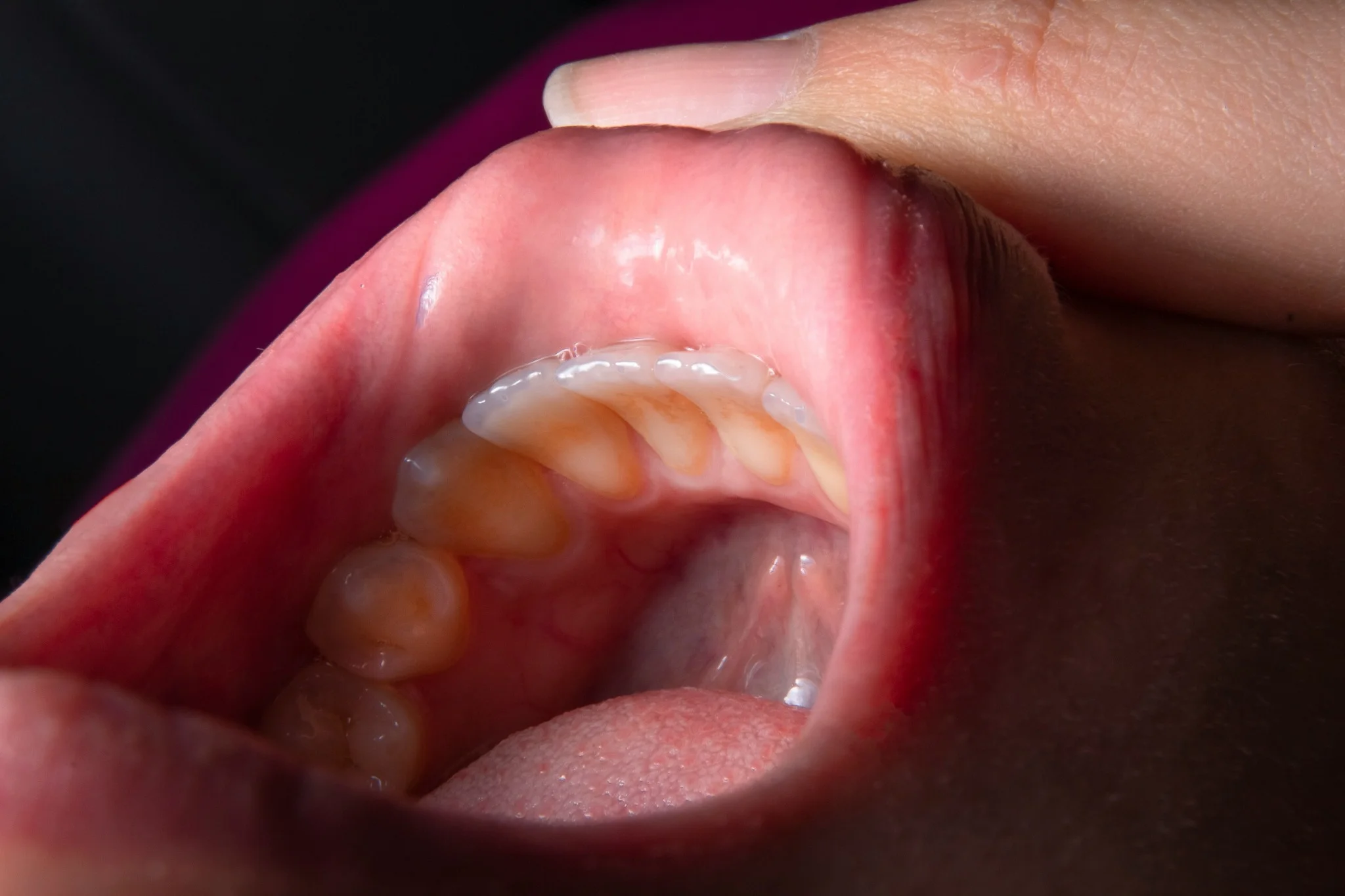
Soft Palate Cancer: Causes, Symptoms, And Treatment
What Is Soft Palate Cancer? Soft palate cancer occurs when abnormal cells begin to grow uncontrollably in the soft, flexible tissue at the back of the mouth. This cancer is relatively rare but can be serious if left untreated. Most cases begin in the squamous cells that line the oral cavity and oropharynx. Over time, the tumour can grow, cause swallowing difficulties, and spread to nearby lymph nodes or deeper parts of the throat. The Indian Council of Medical Research – National Cancer Registry Programme (ICMR–NCRP) report (2012–2016) indicates that oral cancer incidence is highest in India’s northeast region, with an Age-Adjusted Rate (AAR) of 19.0 per 100,000 in males and 15.0 per 100,000 in females. Early Signs of Soft Palate Cancer Early signs of soft palate cancer often resemble common throat infections. However, persistent symptoms that do not improve should not be ignored. Persistent sore throat: A constant throat irritation that doesn’t improve over time. Difficulty swallowing: A feeling of blockage or pain while swallowing food or liquids. Voice changes: Unexplained hoarseness or a nasal-sounding voice. Lump in the mouth or throat: A small growth or swelling felt at the back of the mouth. Ear pain: Referred pain in one ear without an ear infection. Unexplained weight loss: Gradual weight loss due to difficulty eating or swallowing. Recognising these early signs of soft palate cancer can significantly improve the chances of successful treatment. How Soft Palate Cancer Develops Soft palate cancer develops when genetic mutations cause cells in the soft palate to grow abnormally. These mutations can arise due to tobacco exposure, alcohol use, or viral infections such as HPV (Human Papillomavirus). Over time, the abnormal cells form a tumour that may invade deeper tissues, affecting speech, swallowing, and breathing. Risk Factors for Soft Palate Cancer Several lifestyle and health-related factors can increase the likelihood of developing soft palate cancer: Tobacco use: Smoking or chewing tobacco significantly increases cancer risk. Heavy alcohol consumption: Long-term alcohol use multiplies the harmful effects of tobacco. HPV infection: High-risk human papillomavirus strains, particularly HPV-16 and HPV-18, increase the risk of soft palate and oropharyngeal cancers. Poor oral hygiene: Chronic irritation and untreated infections may contribute to cell changes. Prolonged sun exposure: Primarily increases the risk of lip cancer rather than soft palate cancer. Weakened immune system: Conditions or medications that suppress immunity increase susceptibility. Avoiding these risk factors, especially tobacco and alcohol, can reduce your chances of developing soft palate cancer. Soft Palate Cancer Staging Soft palate cancer staging helps doctors understand how far the cancer has spread and determine the right treatment plan. Stage I: Small tumour limited to the soft palate. Stage II: Larger tumour but still confined to the soft palate. Stage III: Cancer spreads to nearby tissues or lymph nodes on one side. Stage IV: Advanced stage with spread to multiple lymph nodes, adjacent structures, or distant organs. Staging is usually determined using physical examinations, imaging tests such as CT scans, MRI, or PET scans, and a biopsy. Symptoms of Soft Palate Cancer Symptoms often develop gradually and may become more noticeable as the disease progresses. A persistent sore or ulcer on the soft palate that doesn’t heal. Pain while swallowing (odynophagia), often described as sharp or burning. A lump or thickened area at the back of the mouth or throat. Nasal-sounding speech or changes in voice quality. Difficulty breathing through the nose due to obstruction. Ear pain on one side, even without ear-related issues. Unexplained bleeding from the mouth or throat. Loose teeth or dentures that no longer fit well due to tissue changes Unintended weight loss from reduced eating or discomfort. If you experience multiple soft palate cancer symptoms, especially for more than two weeks, consult a specialist. Diagnosis of Soft Palate Cancer Early diagnosis is key to successful treatment. Your doctor will begin with a physical examination and may use an endoscope to look at the throat more closely. A biopsy is the most important test, as it confirms the presence of cancer and determines its type. Imaging tests such as CT scans, MRI, and PET scans help identify the tumour’s size, depth, and whether it has spread to lymph nodes or other organs. Blood tests, dental assessments, and swallowing evaluations may also be needed as part of the diagnostic process. Diagnostic and Imaging Tests for Soft Palate Cancer Several tests are used to evaluate the extent of the cancer: Biopsy: Confirms cancer and its grade. CT Scan: Shows tumour depth and spread. MRI Scan: Provides detailed imaging of soft tissues. PET Scan: Detects cancer spread and treatment response. Endoscopy: Allows direct visualization and biopsy of the tumour and surrounding tissues. These tests play an essential role in soft palate cancer staging and treatment planning. Treatment Options for Soft Palate Cancer Treatment depends on the cancer stage, overall health, and whether the cancer has spread. Common Treatment Approaches: Surgery Radiation therapy Chemotherapy Targeted therapy Speech, swallowing, and nutritional rehabilitation a. Surgical Treatment for Soft Palate Cancer Surgery aims to remove the tumour while preserving essential functions such as speech and swallowing. Smaller tumours may be removed with minimally invasive procedures. For larger tumours, reconstructive surgery may be needed to restore the shape and function of the soft palate. b. Radiation and Chemotherapy for Soft Palate Cancer Radiation therapy uses high-energy beams to target and destroy cancer cells. It may be used alone in early stages or combined with chemotherapy in advanced stages. Chemotherapy—often used concurrently with radiation therapy (chemoradiation)—helps shrink tumors, improve survival rates, and reduce recurrence risk. Some patients may also receive targeted therapy, such as cetuximab, depending on tumour biology and receptor status. c. Post-Treatment Care for Soft Palate Cancer After treatment, patients may require ongoing care to recover fully: Attend regular follow-up appointments, including physical examinations and imaging surveillance Speech, swallowing, and nutritional therapy Nutritional support to maintain a healthy weight Management of side effects such as dry mouth or difficulty swallowing Good post-treatment care helps improve long-term quality of life. Prognosis of Soft Palate Cancer The prognosis depends on factors such as the stage at diagnosis, HPV status, and the individual’s overall health and response to treatment. Early-stage cancers have a higher survival rate and better outcomes. HPV-positive oropharyngeal tumours generally respond better to treatment and have higher survival rates. With timely diagnosis and appropriate treatment, many people recover well and regain normal function. Conclusion Soft palate cancer can often be effectively managed when detected early, making timely diagnosis and awareness of symptoms extremely important. If you notice persistent throat discomfort, difficulty swallowing, or any early signs, seeking prompt medical evaluation can significantly improve outcomes. Understanding your risk factors and acting early helps ensure the best possible treatment response. At Metropolis Healthcare, you get access to 4,000+ tests, including specialised cancer diagnostics, full-body checkups, and expert biopsy evaluation, backed by NABL & CAP accredited quality. With trusted home sample collection across 10,000+ touchpoints, quick turnaround times, and highly accurate results, Metropolis makes healthcare accessible and reliable. You can book tests easily through the website, app, WhatsApp, or a simple call, ensuring convenience from start to finish. FAQs What are the early signs of soft palate cancer? Early signs include a persistent sore throat, difficulty swallowing, ear pain, and red or white patches on the soft palate or in the mouth. A lump at the back of the mouth may also appear. How is soft palate cancer staged? Staging is based on tumour size, spread to lymph nodes, and involvement of nearby tissues or organs. Tests such as biopsies, CT scans, MRI, and PET scans help determine the stage. Can soft palate cancer be prevented? Avoiding tobacco and alcohol, practising good oral hygiene, maintaining a healthy diet, and considering HPV vaccination can reduce the risk of developing soft palate cancer. What is the survival rate for soft palate cancer? Survival rates vary by stage. Early-stage cancers have a significantly better prognosis than advanced ones, and HPV-positive cancers often respond more favourably to treatment. What are the treatment options for soft palate cancer? Treatment includes surgery, radiation therapy, chemotherapy, and targeted therapy. Your doctor will recommend the best approach based on the stage and your overall health. References https://pmc.ncbi.nlm.nih.gov/articles/PMC8715693/ https://www.mayoclinic.org/diseases-conditions/soft-palate-cancer/symptoms-causes/syc-20354183 https://my.clevelandclinic.org/health/diseases/24791-soft-palate-cancer

Humanistic Therapy: A Compassionate Approach to Mental Health
What Is Humanistic Therapy? Humanistic therapy is a warm, person-centred approach to mental health that focuses on an individual’s inner potential, emotional understanding, and ability to grow. It views people as inherently capable of self-healing when provided with empathy, acceptance, and a safe, non-judgmental environment. Unlike directive or problem-focused therapies, humanistic therapy encourages you to explore your feelings, values, and identity at your own pace, fostering deep self-awareness and personal transformation. According to the National Institutes of Health (NIH), humanistic and existential therapies help clients make meaningful, self-directed choices by focusing on empathy, personal growth, and conscious decision-making. It is an approach that supports recovery effectively, especially when paired with traditional treatments. Core Principles of Humanistic Therapy The core principles of humanistic therapy revolve around the following ideas: Self-Actualisation: The belief that every person has the natural capacity to grow, evolve, and reach their fullest potential. Unconditional Positive Regard: Therapists offer complete acceptance and non-judgment, allowing clients to express themselves freely. Empathy: The therapist deeply understands and reflects the client’s emotional world from their perspective. Authenticity: The therapist remains genuine and transparent, fostering trust and open communication. Present-Moment Focus: Emphasis on experiencing thoughts and emotions in the “here and now” to encourage meaningful change. The Importance of Empathy in Humanistic Therapy Empathy is at the heart of humanistic therapy. By deeply understanding your emotional world, the therapist helps you feel seen, heard, and validated. This empathetic presence builds trust and allows you to open up, reflect, and process emotions with greater clarity, making healing more natural and meaningful. Types of Humanistic Therapy The primary types of humanistic therapy are as follows: Client-Centred Therapy: This approach, developed by Carl Rogers, emphasises unconditional positive regard, empathy, and a non-directive style. It helps individuals explore emotions freely while feeling fully accepted and understood. Gestalt Therapy: Gestalt therapy focuses on present-moment awareness and encourages clients to understand their thoughts, emotions, and behaviours as a unified whole. It uses experiential methods to help resolve unfinished emotional experiences. Existential Humanistic Therapy: This form helps clients explore meaning, freedom, and personal responsibility in their lives. It supports confronting fears, choices, and uncertainty to build authentic living. Transpersonal Therapy: Transpersonal therapy integrates psychological healing with spiritual growth and inner awareness. It encourages meditation, mindfulness, and intuitive exploration to expand self-understanding. Emotion-Focused Therapy (EFT): Rooted in humanistic and experiential principles, EFT helps individuals recognise, express, and transform difficult emotions in a safe therapeutic space. It strengthens emotional regulation and fosters healthier relational patterns. Techniques Used in Humanistic Therapy Many techniques are used to improve the well-being of an individual. The most prominent ones include: Active Listening: The therapist listens attentively and reflects the client’s feelings to promote deeper clarity and emotional understanding. This creates a safe space where clients feel genuinely heard and validated. Open-Ended Questioning: These questions encourage clients to explore their thoughts and emotions without restrictions. They help uncover deeper insights that support personal growth and self-awareness. Role-Playing and Experiential Exercises: Clients act out scenarios or emotions to express unresolved feelings and gain new perspectives. This technique helps bring hidden emotions into awareness for healing. Mindfulness and Present-Moment Awareness: Mindfulness exercises help clients stay connected to their current emotional experiences. This builds self-awareness and reduces overthinking or past-focused distress. Creative Expression (Art, Writing, Movement): Therapists may use drawing, journaling, or movement to help clients express emotions non-verbally. This opens alternative pathways for processing difficult feelings. Reflection and Self-Exploration: The therapist mirrors the client’s thoughts or emotions, helping them examine internal beliefs. This encourages deeper insight into personal patterns and behaviours. Efficacy of Humanistic Therapy Humanistic therapy is widely recognised for improving emotional well-being, strengthening resilience, and enhancing self-esteem, particularly in individuals seeking personal growth or meaning-oriented support. Research indicates that it benefits individuals seeking a holistic and compassionate approach to mental health. Because it focuses on the person rather than the problem, it is especially helpful for those navigating life transitions, emotional struggles, or identity-related challenges. Conditions Treated with Humanistic Therapy Humanistic therapy can be used to help alleviate symptoms of multiple health issues, such as: Anxiety: Helps reduce fear and worry by improving emotional awareness and self-acceptance. Depression: Encourages self-worth, emotional expression, and reconnecting with meaning. Relationship Issues: Improves communication, empathy, and emotional understanding. Grief & Loss: Provides a supportive space to process emotions and find acceptance. Low Self-Esteem: Builds confidence through self-acceptance and recognition of strengths. Stress & Burnout: Helps identify stressors and develop healthier coping strategies. Benefits of Humanistic Therapy Humanistic therapy promotes overall well-being and personal growth as it: Boosts self-awareness: Helps individuals understand emotions, values, and thoughts clearly. Improves emotional expression: Encourages healthy, open communication of feelings. Strengthens relationships: Builds empathy, authenticity, and better interpersonal connections. Enhances self-esteem: Promotes self-acceptance and confidence in personal abilities. Supports long-term growth: Encourages continuous personal development and resilience. Is Humanistic Therapy Right for You? You may benefit from humanistic therapy if you prefer a gentle, empathetic, and non-directive therapeutic style. It is well-suited for people who want to understand themselves more deeply, work through emotional barriers, or develop a stronger sense of identity and purpose. If you value connection, empathy, and personal exploration, this approach can be highly empowering. Humanistic Therapy vs. Other Therapies While cognitive behavioural therapy (CBT) focuses on correcting negative thoughts and psychodynamic therapy examines past conflicts, humanistic therapy prioritises the present moment and your innate capacity for growth. It does not prescribe solutions. Instead, it guides you in discovering answers from within, making the therapeutic process more collaborative and self-driven. Conclusion Humanistic therapy provides a compassionate and empowering space for individuals to understand their emotions, explore their identity, and work toward a more fulfilling life. Its focus on empathy, authenticity, and personal growth helps build stronger emotional foundations and healthier coping strategies. Alongside emotional well-being, staying proactive about physical health is equally important. Metropolis Healthcare supports your wellness journey with 4000+ tests, advanced speciality diagnostics, and full body checkups, all backed by strong home collection services across 10,000+ touchpoints. With convenient booking through the website, app, WhatsApp, or a quick call, and quick, accurate results, you get reliable support to stay consistent with your health goals. FAQs What is humanistic therapy? Humanistic therapy is a person-centred, growth-oriented approach that helps individuals understand their emotions, values, and identity. How does humanistic therapy work? It creates a supportive, empathetic space where you explore your experiences freely while the therapist listens, reflects, and encourages insight. What are the benefits of humanistic therapy? The benefits of humanistic therapy include better self-understanding, improved emotional regulation, stronger relationships, and higher self-esteem. What is the difference between humanistic therapy and CBT? CBT, or cognitive behavioural therapy, focuses on thoughts and behaviours, while humanistic therapy prioritises personal growth, emotional insight, and authenticity. How long does humanistic therapy take? Duration varies, but many people attend weekly sessions for several months, depending on their goals. Who can benefit from humanistic therapy? Individuals seeking personal growth, people facing emotional challenges, and anyone wanting deeper self-awareness can highly benefit from this therapy. References https://www.ncbi.nlm.nih.gov/books/NBK64939/ https://www.medicalnewstoday.com/articles/humanistic-therapy https://www.healthline.com/health/humanistic-therapy
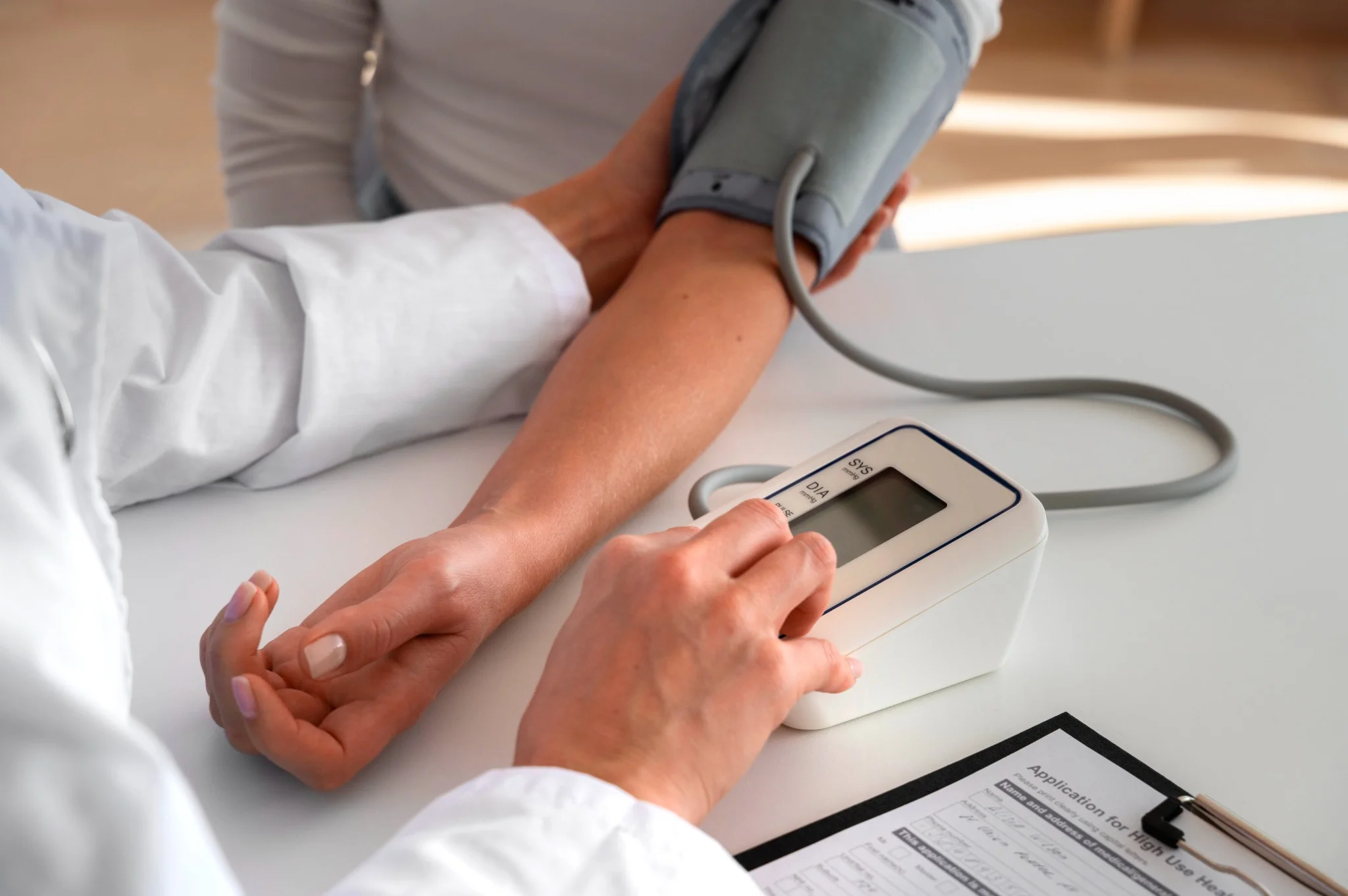
Prehypertension: Causes, Symptoms, and Management Tips
What Is Prehypertension? Prehypertension refers to blood pressure readings that are higher than normal but not yet classified as hypertension. The prehypertension range includes systolic blood pressure between 120 and 139 mmHg or diastolic blood pressure between 80 and 89 mmHg. When your blood pressure consistently falls within the prehypertension range, it signals increased strain on your arteries and heart. Unlike normal blood pressure (below 120/80 mmHg), prehypertension levels indicate your cardiovascular system is under greater strain than optimal, potentially leading to long-term complications Causes of Prehypertension Multiple factors contribute to the development of prehypertension, often working together to elevate your blood pressure readings: • Genetic predisposition: A family history of hypertension significantly increases your risk of developing prehypertension. • Excess body weight: Being overweight or obese places additional strain on your cardiovascular system. • Sedentary lifestyle: Lack of regular physical activity weakens your heart and blood vessels. • High sodium intake: Consuming more than 2,300 mg of sodium daily can elevate blood pressure levels. • Excessive alcohol consumption: Regular heavy drinking contributes to blood pressure elevation. • Chronic stress: Persistent stress triggers hormonal changes that affect blood pressure regulation. • Diet high in saturated and trans fats: Processed foods and unhealthy fats contribute to arterial stiffness and endothelial dysfunction • Underlying medical conditions: Diabetes, kidney disease, and sleep apnoea can elevate blood pressure. • Advancing age: Natural ageing processes affect blood vessel elasticity and function. • Smoking: Tobacco use damages blood vessels and increases cardiovascular risk. How Prehypertension Affects the Body Prehypertension places continuous strain on the cardiovascular system, triggering physiological changes that affect overall health. Persistently elevated pressure forces arteries to withstand greater force with each heartbeat, gradually causing arterial stiffening and early atherosclerosis. As arteries lose flexibility, blood flow becomes less efficient, making the heart work harder and potentially leading to left ventricular hypertrophy. The The kidneys may struggle to filter waste due to damaged vessels, and reduced cerebral blood flow can increase long-term cognitive decline risk.. Even without symptoms, people with prehypertension face significantly higher rates of cardiovascular events compared to those with normal blood pressure. Symptoms of Prehypertension Prehypertension usually develops silently, and most people experience no noticeable symptoms. Blood pressure in this range isn’t high enough to trigger the clear warning signs seen with hypertension. However, some individuals may notice: Mild headaches Occasional dizziness Subtle fatigue A feeling of pressure in the head or chest during stress or exertion This silent nature emphasises the importance of regular blood pressure checks, especially if you have risk factors like a family history, diabetes, or being overweight. Diagnosis of Prehypertension • Multiple readings: Doctors take several measurements on different occasions to confirm elevated readings. • Proper measurement technique: Using correctly sized cuffs and following standardised protocols ensures accuracy. • Assessment of risk factors: Evaluating family history, lifestyle factors, and existing medical conditions. • Physical examination: Checking for signs of cardiovascular complications or underlying conditions. • Medical history review: Understanding medications, symptoms, and previous blood pressure readings. Diagnostic Tests to Identify Prehypertension According to WHO and AHA guidelines, laboratory testing is recommended in patients with elevated blood pressure to screen for comorbidities and identify possible secondary causes. Some of the recommended tests are: • Office blood pressure measurement: Standard clinic readings using calibrated sphygmomanometers remain the gold standard for diagnosis. • Home blood pressure monitoring: Regular self-monitoring provides valuable data about your typical blood pressure patterns. • Ambulatory blood pressure monitoring: 24-hour monitoring devices track blood pressure changes throughout daily activities. • Blood tests: Tests such as the Kidney Function Test (KFT), Lipid Profile, and Fasting or Postprandial Glucose Tests help assess kidney function, cholesterol levels, and blood sugar to identify contributing factors. • Urinalysis: Testing for protein in urine, such as with the Urine Routine Test (Urine R/M Test) or Urine Protein-to-Creatinine Ratio (UPCR), can detect early kidney involvement. • Electrocardiogram (ECG): Assessing heart rhythm and detecting early signs of heart strain. Risk Factors for Prehypertension • Age: Risk increases progressively after age 35, with significant increases after age 55. • Gender: Men typically develop prehypertension earlier, while women's risk increases after menopause. • Family history: Having parents or siblings with hypertension doubles your risk. • Overweight and obesity: A body mass index (BMI) above 25 kg/m² significantly increases the risk of prehypertension. • Diabetes: Type 2 diabetes and prehypertension often occur together, creating compounded cardiovascular risk. • Physical inactivity: Less than 150 minutes of moderate exercise weekly increases risk. • Dietary factors: High-sodium, low-potassium diets contribute to blood pressure elevation. • Smoking: Tobacco use damages blood vessels and accelerates cardiovascular ageing. • Sleep disorders: Sleep apnoea and poor sleep quality affect blood pressure regulation. How to Manage Prehypertension Adopt the DASH (Dietary Approaches to Stop Hypertension) eating plan: Focus on fruits, vegetables, whole grains, lean proteins, and low-fat dairy products while limiting processed foods and added sugars. Reduce sodium intake to less than 2,300 mg daily: Read food labels carefully, choose fresh over processed foods, and use herbs and spices instead of salt for flavouring. Engage in regular physical activity: Aim for at least 150 minutes of moderate-intensity aerobic exercise weekly, such as brisk walking, cycling, or swimming, or 75 minutes of vigorous activity. Achieve and maintain a healthy body weight: Even modest weight loss of 5–10% of body weight can significantly lower blood pressure and cardiovascular risk. Limit alcohol consumption: Men should limit alcohol to no more than two standard drinks per day, and women to one per day. Quit tobacco use completely: Smoking cessation provides immediate cardiovascular benefits and long-term risk reduction for heart disease and stroke. Practice stress management techniques: Regular meditation, deep breathing exercises, yoga, or other relaxation methods help control stress-induced blood pressure spikes. Prioritise quality sleep: Aim for 7-9 hours of restful sleep nightly, as poor sleep quality contributes to blood pressure elevation. Dietary Changes to Control Blood Pressure • Reduce sodium intake: Read food labels carefully and choose fresh foods over processed options. • Increase potassium-rich foods: Include bananas, oranges, spinach, and sweet potatoes in your daily diet. • Choose whole grains: Replace refined grains with brown rice, quinoa, and whole wheat options. • Include lean proteins: Fish, poultry, legumes, and nuts provide protein without excessive saturated fat. • Eat plenty of fruits and vegetables: Aim for 5-9 servings daily to maximise nutrient intake. • Select low-fat dairy products: These provide calcium and protein while limiting saturated fat. • Limit processed foods: Reduce consumption of packaged snacks, fast food, and convenience meals. Exercise and Lifestyle Modifications • Aerobic exercise: Walking, swimming, cycling, or dancing to strengthen the heart muscle and improve circulation efficiency. • Strength training: Include resistance exercises twice weekly to build muscle and improve metabolism. • Flexibility and balance: Yoga or tai chi help reduce stress and improve overall physical fitness. • Daily activity changes: Take stairs instead of elevators, park further away, or walk during phone calls. • Sleep optimisation: Aim for 7-9 hours of quality sleep nightly to support blood pressure regulation. • Stress management: Practise deep breathing, meditation, or progressive muscle relaxation. Medications for Prehypertension Most people with prehypertension do not require medications initially. Doctors typically reserve drug therapy for high-risk individuals who have additional conditions like diabetes, chronic kidney disease, or existing coronary heart disease. In these cases, medications help prevent progression to hypertension and reduce cardiovascular complications. When medications are necessary, doctors often start with ACE inhibitors, angiotensin receptor blockers (ARBs), or thiazide diuretics. The choice depends on individual factors, including other health conditions, potential side effects, and drug interactions. Preventing Prehypertension • Maintain optimal weight: Keep your BMI within the healthy range through balanced nutrition and regular exercise. • Follow a heart-healthy diet: Emphasise whole foods, limit processed options, and control portion sizes. • Stay physically active: Make exercise a regular part of your routine from an early age. • Manage stress effectively: Develop healthy coping mechanisms for life's challenges and pressures. • Limit alcohol consumption: Keep intake within recommended guidelines for your gender and health status. • Monitor blood pressure regularly: Know your numbers and track changes over time. • Get adequate sleep: Prioritise 7-9 hours of quality sleep nightly for optimal health. What Is the Difference Between Prehypertension and Hypertension? The primary difference between prehypertension and hypertension lies in blood pressure measurements and associated risks. Prehypertension includes readings of 120–139/80–89 mmHg, while hypertension is diagnosed when blood pressure consistently measures 140/90 mmHg or higher. Hypertension carries significantly higher risks of immediate cardiovascular complications, including heart attack, stroke, and organ damage. It typically requires medication along with lifestyle modifications for effective management. In contrast, prehypertension often responds well to lifestyle changes alone, though it still increases your risk of developing full hypertension. Prehypertension and Other Conditions Prehypertension rarely occurs in isolation and frequently coexists with other metabolic conditions that compound cardiovascular risk. The condition often develops alongside type 2 diabetes, creating a dangerous combination that accelerates blood vessel damage and increases the likelihood of coronary artery disease. Research demonstrates that individuals with both prehypertension and diabetes face significantly higher risks of heart attack, stroke, and kidney disease compared to those with either condition alone. Additionally, prehypertension commonly accompanies obesity, sleep apnoea, and metabolic syndrome—a cluster of conditions including high blood sugar, excess abdominal fat, and abnormal cholesterol or triglyceride levels. Conclusion Understanding prehypertension empowers you to take proactive steps towards protecting your cardiovascular health before more serious complications develop. The prehypertension range serves as an early warning system, providing valuable time to implement lifestyle changes that can prevent progression to hypertension and reduce your risk of coronary heart disease. The key to successful management lies in consistent, sustainable lifestyle modifications rather than dramatic short-term changes. Focus on gradual improvements in diet, exercise, stress management, and other controllable factors while working closely with your doctor to monitor progress. At Metropolis Healthcare, we understand the importance of accurate, reliable diagnostic testing for managing conditions like prehypertension. Our comprehensive portfolio of more than 4,000 tests includes specialised cardiovascular assessments and routine health checkups designed to support your health journey. With our extensive network of over 10,000 touchpoints across India, we bring convenient, at-home sample collection directly to you, making it easier than ever to monitor your health regularly. FAQs What is prehypertension? Prehypertension is a condition where blood pressure readings fall between normal and high blood pressure ranges, specifically 120-139/80-89 mmHg, indicating increased cardiovascular risk. How can prehypertension be treated? Prehypertension is primarily managed through lifestyle modifications, including dietary changes, regular exercise, weight management, stress reduction, and limiting alcohol and tobacco use. Can prehypertension turn into hypertension? Yes, prehypertension can progress to hypertension without proper management, but lifestyle changes can prevent this progression and maintain healthy blood pressure levels. Is prehypertension dangerous? While not immediately dangerous, prehypertension increases the risk of developing hypertension, heart disease, stroke, and other cardiovascular complications if left unmanaged. How often should you check your blood pressure if you have prehypertension? If you have prehypertension: • Monitor blood pressure at least monthly at home using a validated device • Schedule professional checkups every 3-6 months with your doctor. • Track readings during different times of day to identify patterns • Maintain a blood pressure log to share with your doctor • Increase monitoring frequency if readings show upward trends References https://my.clevelandclinic.org/health/diseases/24502-prehypertension https://pubmed.ncbi.nlm.nih.gov/34495610/ https://www.ncbi.nlm.nih.gov/books/NBK538313/ https://www.ahajournals.org/doi/10.1161/01.hyp.0000167152.98618.4b https://www.health.harvard.edu/heart-health/prehypertension-does-it-really-matter

Vitamin Deficiency Anaemia: Causes, Symptoms, and Treatment
What Causes Vitamin Deficiency Anaemia? Several factors can lead to vitamin deficiency anaemia, ranging from dietary choices to underlying health conditions. Understanding these causes helps you identify potential risk factors and take preventive measures. • Insufficient dietary intake: Not consuming enough foods rich in vitamin B12 or folate can gradually deplete your body's stores. • Malabsorption disorders: Conditions like pernicious anaemia, celiac disease, and Crohn's disease prevent proper vitamin absorption from your digestive tract. • Autoimmune conditions: Your immune system may attack cells that help absorb vitamin B12, particularly in pernicious anaemia. • Certain medications: Some medicines used for cancer treatment, epilepsy, or other conditions can interfere with vitamin absorption and metabolism. • Heavy alcohol consumption: Excessive drinking impairs your body's ability to absorb and process folate effectively. • Increased nutritional demands: Pregnancy, breastfeeding, and periods of rapid growth require higher vitamin levels. • Chronic illnesses: Long-term digestive problems or previous gastrointestinal surgery can affect nutrient absorption. How Vitamin Deficiency Affects the Body When you have vitamin deficiency anaemia, your body struggles to produce adequate healthy red blood cells, which are essential for carrying oxygen throughout your system. This reduced oxygen delivery affects every organ and tissue, leading to the characteristic symptoms of fatigue and weakness that many people experience. Vitamin B12 plays a crucial role beyond red blood cell production — it is essential for proper nerve function. A B12 deficiency can therefore cause neurological symptoms, including tingling sensations, numbness in your hands and feet, confusion, and even memory problems. Over time, inadequate oxygenation combined with nerve dysfunction can significantly impact your quality of life and overall health. The process begins gradually, as your body initially uses stored vitamins to maintain normal function. However, once these reserves become depleted, symptoms develop progressively. Your red blood cells may become larger than normal but fewer in number, a condition called megaloblastic anaemia, which is characteristic of vitamin deficiency anaemia. Common Symptoms of Vitamin Deficiency Anaemia Physical Symptoms: • Persistent fatigue and weakness that doesn't improve with rest • Shortness of breath, especially during physical activity • Pale skin, particularly noticeable in the face, inner eyelids, or nail beds • Heart palpitations or rapid heartbeat • Dizziness or lightheadedness when standing up • Cold hands and feet due to poor circulation Digestive and Oral Symptoms: • Loss of appetite and unexplained weight loss • Nausea and indigestion • Diarrhoea or constipation • Sore, red, or swollen tongue • Mouth ulcers that heal slowly • Strange taste in your mouth Neurological symptoms (particularly with vitamin B12 deficiency): • Numbness or tingling in hands and feet • Balance problems and unsteady walking • Memory problems and confusion • Depression, irritability, or mood changes • Vision problems or blurred sight • Difficulty concentrating at work or school How Is Vitamin Deficiency Anaemia Diagnosed? Diagnosing vitamin deficiency anaemia involves a systematic approach that combines your medical history, physical examination, and specific laboratory tests. Your doctor will follow these steps: Comprehensive Medical History Review: Your doctor will ask about your symptoms, dietary habits, medical conditions, medications, and family history. They'll particularly focus on vegetarian diets, gastrointestinal problems, or previous surgeries that might affect nutrient absorption. Thorough Physical Examination: The examination includes checking for pale skin, examining your tongue and mouth for soreness or swelling, listening to your heart for irregular rhythms, and testing your reflexes and coordination for neurological changes. Initial Blood Tests: A complete blood count (CBC) test is typically the first diagnostic tool used. This test measures your red blood cell count, haemoglobin levels, and cell size, helping identify the characteristic large red blood cells associated with vitamin deficiency anaemia. Specialised Vitamin Level Testing: Direct measurement of vitamin B12 and folate levels in your blood provides definitive evidence of deficiency. These tests are crucial for determining which vitamin deficiency causes anaemia in your specific case. Additional Confirmatory Tests: If needed, your doctor may order tests for homocysteine and methylmalonic acid levels, which become elevated in vitamin deficiencies. Iron studies might also be performed to rule out iron deficiency anaemia. Diagnostic Tests to Identify Vitamin Deficiency Anaemia Several specific tests help confirm vitamin deficiency anaemia and determine its underlying cause. Understanding these tests can help you prepare for your medical appointments and better interpret your results. • Complete Blood Count (CBC Test): This fundamental test measures your red blood cell count, haemoglobin levels, and cell size, often showing larger-than-normal red blood cells in vitamin deficiency anaemia. • Blood smear examination: Microscopic analysis, such as Peripheral Blood Smear Examination (PBS), reveals the characteristic large, abnormal red blood cells called megaloblasts. • Serum vitamin B12 levels: Direct measurement of these vitamins in your bloodstream using tests such as the Vitamin B12 Test provides definitive evidence of deficiency. • Iron studies test: These tests help distinguish vitamin deficiency anaemia from iron deficiency anaemia, as the treatments differ significantly. • Homocysteine and methylmalonic acid levels: Tests such as the Homocysteine Reflex B12-Folate Serum or Methylmalonic Acid Quantitative Test (Serum) are used, as these substances become elevated when vitamin B12 deficiency is present. • Intrinsic Factor Antibody (IFA) Serum Test: This test helps identify pernicious anaemia, an autoimmune condition affecting B12 absorption. Depending on your symptoms and test results, additional tests may include endoscopy to examine your digestive system or genetic testing for inherited conditions affecting vitamin absorption. Treatment Options for Vitamin Deficiency Anaemia Treatment approaches vary depending on the severity of your deficiency and its underlying cause. For mild to moderate folate deficiency, oral folic acid supplements are typically effective. However, vitamin B12 deficiency often requires more intensive treatment, particularly when caused by malabsorption problems. If you have a severe vitamin B12 deficiency or conditions affecting absorption, your doctor may recommend B12 injections initially. These bypass digestive absorption issues and rapidly restore your vitamin levels. Once your levels normalise, you may continue with regular injections or switch to high-dose oral supplements, depending on your specific situation. Dietary modifications play an important supporting role in treatment. Including more vitamin-rich foods in your diet helps maintain adequate levels once supplementation corrects the deficiency. However, supplements remain necessary for many people, particularly those with absorption problems or dietary restrictions. When to See a Doctor Knowing when to seek medical attention for potential vitamin deficiency anaemia can prevent complications and ensure timely treatment. You should schedule a medical appointment if you experience persistent fatigue that doesn't improve with adequate rest and sleep. This is particularly important if fatigue occurs alongside other symptoms such as shortness of breath, heart palpitations, or noticeable paleness. These combinations often indicate anaemia requiring medical evaluation. According to the NHS, neurological symptoms, especially tingling or numbness in your hands and feet, memory problems, confusion, or balance difficulties, should be promptly checked by your doctor. These symptoms may indicate a vitamin B12 deficiency affecting your nervous system, and early treatment can prevent permanent damage. Certain groups face a higher risk of vitamin deficiency anaemia and should be particularly vigilant about symptoms. Older adults, people with digestive disorders, strict vegetarians, and pregnant women should discuss regular screening with their doctors. Early detection through routine blood tests can identify deficiencies before symptoms develop. Conclusion Vitamin deficiency anaemia is a manageable condition that responds well to appropriate treatment when diagnosed early. By understanding which vitamin deficiency causes anaemia (primarily B12 and folate deficiencies), you can take proactive steps to protect your health. The key lies in recognising symptoms, seeking timely medical evaluation, and following through with prescribed treatments. At Metropolis Healthcare, we understand the importance of accurate diagnosis in managing vitamin deficiency anaemia. Our comprehensive portfolio of over 4,000 tests includes complete blood count (CBC) tests, iron studies, and vitamin level assessments essential for diagnosing this condition. With our extensive network of more than 220 laboratories and 4,600+ service centres, we bring reliable diagnostic services directly to your doorstep through convenient home sample collection. FAQs What is vitamin deficiency anaemia? Vitamin deficiency anaemia occurs when your body cannot produce enough healthy red blood cells due to insufficient levels of vitamin B12 or folate, leading to reduced oxygen transport. How can you prevent vitamin deficiency anaemia? Prevention of vitamin deficiency anaemia involves: Eating a balanced diet rich in vitamin B12 and folate Taking supplements when necessary Limiting alcohol consumption Scheduling regular health checkups Managing underlying health conditions that affect nutrient absorption. Can vitamin deficiency anaemia be cured? Yes, vitamin deficiency anaemia is highly treatable and often completely reversible with appropriate vitamin supplementation and treatment of underlying causes when diagnosed early. What foods can help with vitamin deficiency anaemia? Foods that can help in vitamin deficiency anaemia are: Foods rich in vitamin B12: Meat, fish, eggs, milk, curd, paneer, cheese, and fortified breakfast cereals. Foods rich in folate: Spinach, methi, amaranth, broccoli, beans, chickpeas, lentils, sunflower seeds, whole grains, bananas Foods rich in vitamin C: Oranges, lemons, amla, tomatoes, kiwi, and guava. Foods rich in iron: Spinach, rajma, chana, masoor dal, dates, bajra, ragi, and fortified cereals. Can vitamin deficiency anaemia cause permanent damage? If left untreated, particularly B12 deficiency, it can lead to permanent nerve damage and cognitive problems, but most effects are reversible with prompt treatment. References https://www.mayoclinic.org/diseases-conditions/vitamin-deficiency-anemia/symptoms-causes/syc-20355025 https://my.clevelandclinic.org/health/diseases/17732-vitamin-deficiency-anemia#overview https://www.nhlbi.nih.gov/health/anemia/vitamin-b12-deficiency-anemia#What-causes-vitamin-B12%E2%80%93deficiency-anemia? https://www.nhs.uk/conditions/vitamin-b12-or-folate-deficiency-anaemia/complications/ https://medlineplus.gov/ency/article/000574.htm

Reactive Arthritis: Causes, Symptoms, and Treatment
What Is Reactive Arthritis? Reactive arthritis is an inflammatory condition that develops when your immune system overreacts to certain bacterial infections, typically affecting the genitourinary or gastrointestinal tract. It causes joint pain and swelling, most commonly in the knees, ankles, and feet. Previously known as Reiter’s syndrome, this condition involves an autoimmune response where the body mistakenly attacks healthy tissues in the joints, eyes, skin, and urinary tract. According to the NHS, reactive arthritis symptoms typically emerge 1-4 weeks after the triggering infection has occurred or resolved. The condition predominantly affects men between the ages of 20 and 50, though women and people of all ages can develop reactive arthritis. Research indicates that approximately 1–3% of people exposed to triggering bacteria develop this condition, making it relatively uncommon but significant for those affected. What Causes Reactive Arthritis? Reactive arthritis stems from specific bacterial infections that activate an abnormal autoimmune response in genetically susceptible individuals. The most common triggers include Chlamydia trachomatis, a sexually transmitted infection that represents the leading cause in many countries, and gastrointestinal bacteria such as Salmonella, Shigella, Yersinia, and Campylobacter. When exploring reactive arthritis causes, genetics plays a crucial role. The HLA-B27 gene significantly increases your risk of developing reactive arthritis following exposure to triggering bacteria. The inflammatory process occurs through molecular mimicry, where activated immune cells, particularly T lymphocytes, mistakenly attack the body’s own tissues after exposure to bacterial antigens. This explains why reactive arthritis symptoms can persist long after the original infection has cleared, sometimes lasting months or occasionally developing into chronic arthritis. Symptoms of Reactive Arthritis Recognising reactive arthritis symptoms early can help you seek appropriate medical care and begin effective treatment. The condition typically affects multiple body systems, creating a distinctive pattern of inflammation: Joint-Related Symptoms: • Pain and swelling in knees, ankles, heels, and feet • Lower back and buttock pain, often worse at night • Swelling of fingers or toes (dactylitis) • Heel pain and Achilles tendon inflammation • Morning stiffness lasting over an hour Eye and Skin Symptoms: • Conjunctivitis causing red, irritated eyes with sticky or watery discharge • Eye sensitivity to light (photophobia) • Mouth ulcers and painless sores • Scaly rashes on the palms and soles (keratoderma blennorrhagica) • Psoriasis-like skin lesions Urogenital Symptoms: • Burning sensation during urination • Increased urination frequency • Urethral discharge • Pelvic pain in women Diagnostic and Imaging Tests for Reactive Arthritis Diagnosing reactive arthritis requires a comprehensive approach combining clinical assessment with specific laboratory and imaging tests. These will help your doctor confirm the condition and rule out other forms of arthritis, like rheumatoid arthritis, lupus, or chronic arthritis: Essential Blood Tests: • CBC test to assess overall health and detect signs of inflammation or infection • ESR test to assess inflammation levels • C-reactive protein test indicating acute inflammatory activity • HLA-B27 test (Human Leukocyte Antigen B27) to assess genetic predisposition • Rheumatoid Factor (RF) Test and Anti-CCP Test to exclude rheumatoid arthritis Infection Screening: • Urinalysis (such as Urine Routine Test (Urine R/M Test)) to detect urogenital inflammation or infection • Stool cultures (such as the Culture & Sensitivity - Aerobic Bacteria Stool Test), identifying gastrointestinal bacterial triggers • Sexually transmitted infection testing (such as Chlamydia trachomatis DNA detection by real-time PCR, including urine or vaginal swab samples), particularly for Chlamydia trachomatis • Throat swabs may be performed when a streptococcal infection is suspected Advanced Imaging Studies: • X-rays of affected joints and spine to assess inflammation and damage • MRI scan provides detailed visualization of joint inflammation, synovitis, and early cartilage changes • CT scans are occasionally used to evaluate spinal involvement or complex joint changes. • Ultrasound to assess joint inflammation and tendon involvement How Is Reactive Arthritis Diagnosed? The diagnostic process for reactive arthritis follows a systematic approach that combines clinical evaluation with laboratory confirmation: Detailed Medical History Review: Your doctor will explore recent infections, particularly gastrointestinal illnesses, food poisoning episodes, or sexually transmitted infections occurring 1-4 weeks before joint symptoms began. Comprehensive Physical Examination: Clinical assessment focuses on identifying characteristic inflammation patterns, particularly asymmetrical involvement of large joints, like knees and ankles, along with evaluation of eye involvement and urogenital symptoms. Laboratory Test Analysis: Blood work identifies inflammatory markers through CBC test results and elevated ESR and CRP levels, and screens for HLA-B27 genetic predisposition that increases reactive arthritis risk. Infection Source Investigation: Testing determines triggering infections through urinalysis, stool cultures, and comprehensive STI screening to confirm bacterial aetiology and guide targeted treatment. Advanced Imaging Assessment: X-rays or MRI scans reveal characteristic inflammatory changes in the joints and spine while excluding other arthritis diagnoses through detailed tissue visualization. Symptom Pattern Recognition: Diagnosis relies on identifying the inflammatory arthritis, eye inflammation, and urogenital symptoms. Differential Diagnosis Exclusion: Your doctor systematically rules out alternative conditions such as rheumatoid arthritis, lupus, or septic arthritis through comprehensive testing and clinical evaluation. Treatment Options for Reactive Arthritis Effective treatment approaches vary based on symptom severity, affected body systems, and individual patient factors: Control inflammation and pain using NSAIDs first, and corticosteroids when symptoms are more severe. Treat any underlying infection with appropriate antibiotics, especially in cases related to chlamydia or other identifiable bacteria. Use long-term disease-modifying antirheumatic drugs (DMARDs) or biologics if symptoms persist or become chronic. Incorporate supportive therapies, including physical and occupational therapy, to maintain mobility and daily function. Ensure regular monitoring and follow-up to adjust therapy, track progress, and prevent long-term complications. Medications for Reactive Arthritis Medication selection for reactive arthritis depends on symptom severity and affected body systems: Anti-Inflammatory Medications: • NSAIDs (ibuprofen, naproxen, and indomethacin) reduce joint pain and inflammation. • Corticosteroid injections provide rapid relief for severely swollen joints. • Systemic corticosteroids are used for widespread inflammation unresponsive to NSAIDs. • Topical preparations for localized skin or eye involvement Targeted Therapies: • Antibiotics specifically chosen based on identified bacterial triggers • Sulfasalazine may be prescribed in chronic cases to reduce inflammation and prevent long-term joint damage • Biologic agents such as etanercept or infliximab for severe, treatment-resistant cases Lifestyle Changes for Managing Reactive Arthritis Implementing supportive lifestyle modifications enhances medical treatment effectiveness and improves your overall quality of life: Joint Protection Strategies: • Use assistive devices and ergonomic modifications to reduce joint stress. • Practice proper body mechanics during daily activities • Alternate periods of activity with adequate rest to prevent symptom flares • Apply heat therapy for morning stiffness and cold therapy for acute inflammation. Exercise and Physical Activity: • Engage in low-impact activities like swimming, walking, and tai chi. • Perform range-of-motion exercises to maintain joint flexibility • Strengthen supporting muscles through targeted resistance training • Work with physiotherapists to develop personalized exercise programs General Health Management: • Maintain a healthy body weight to reduce stress on weight-bearing joints • Follow a balanced, anti-inflammatory diet rich in omega-3 fatty acids • Ensure adequate sleep and stress management to support immune function • Avoid smoking and excessive alcohol consumption, which can worsen inflammation Prognosis for Reactive Arthritis The outlook for reactive arthritis varies significantly among individuals, but most people experience gradual improvement over time. Most patients experience significant symptom improvement within 3–5 months, though some may experience intermittent flares. Early diagnosis and appropriate reactive arthritis treatment significantly improve outcomes and reduce the risk of developing chronic arthritis. Factors influencing prognosis include genetic predisposition (HLA-B27 status), prompt treatment initiation, and adherence to prescribed therapy. Can Reactive Arthritis Be Prevented? While you cannot completely prevent reactive arthritis, you can significantly reduce your risk by avoiding triggering infections. Practice safe sex to prevent sexually transmitted infections like chlamydia, maintain proper food hygiene to avoid gastrointestinal infections, and seek prompt treatment for any bacterial infections. If you carry the HLA-B27 gene, discuss prevention strategies with your doctor, particularly if you have a family history of reactive arthritis or other inflammatory conditions. Conclusion Understanding reactive arthritis empowers you to recognise symptoms early and seek appropriate medical care when needed. This inflammatory condition, while challenging, responds well to comprehensive treatment that addresses both the underlying immune response and symptom management. The key to successful management lies in early recognition, accurate diagnosis through appropriate testing, and adherence to your prescribed reactive arthritis treatment plan. At Metropolis Healthcare, we understand the importance of accurate diagnostic testing in managing conditions like reactive arthritis. Our comprehensive portfolio of over 4,000 tests includes essential blood work, like the CBC test, inflammatory markers, and genetic testing that support precise diagnosis. With our extensive network of 220+ laboratories and home sample collection services across 10,000+ touchpoints in India, accessing the diagnostic tests you need has never been more convenient. FAQs What is the most common cause of reactive arthritis? Chlamydia trachomatis, a sexually transmitted infection, represents the leading cause of reactive arthritis, followed by gastrointestinal bacteria like Salmonella and Shigella. How long does reactive arthritis last? Reactive arthritis usually lasts between 6 and 12 months, depending on severity and the individual’s immune response. However, some may have intermittent flares or develop chronic arthritis requiring ongoing management. Is reactive arthritis curable? While there's no cure, reactive arthritis treatment effectively manages symptoms and prevents complications, with most patients achieving significant improvement over time. Can reactive arthritis go away on its own? Some mild cases may resolve without treatment, but medical intervention typically speeds recovery and prevents potential complications, like chronic arthritis. References https://www.ncbi.nlm.nih.gov/books/NBK499831/#article-28255.s11 https://www.nhs.uk/conditions/reactive-arthritis/ https://my.clevelandclinic.org/health/diseases/reactive-arthritis-reiters-syndrome https://rheumatology.org/patients/reactive-arthritis https://medlineplus.gov/ency/article/000440.htm
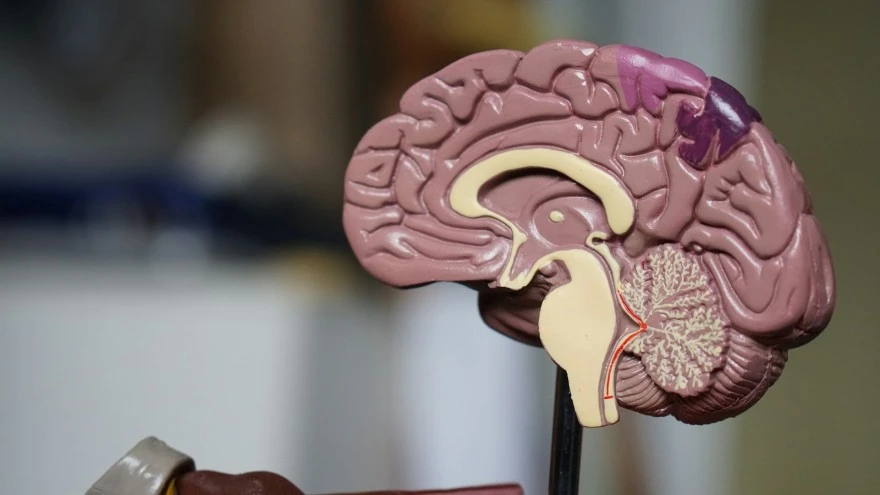
CSF Leak (Spinal / Skull): Symptoms, Diagnosis & Repair Options
What is a CSF Leak? A cerebrospinal fluid (CSF) leak occurs when the clear, protective fluid surrounding the brain and spinal cord escapes through a tear or hole in the dura mater — the tough outer membrane of the meninges. This clear, colourless fluid acts as a cushion and shock absorber for the central nervous system, delivering essential nutrients and removing waste products. When CSF escapes, it reduces the fluid volume and pressure within the skull and spinal canal, leading to a condition known as spontaneous intracranial hypotension. If left untreated, CSF leaks can cause severe symptoms and potentially life-threatening complications. Types of CSF Leak CSF leaks are classified into two main categories based on their location: Spinal CSF Leak: Occurs along the spinal column due to a tear or hole in the spinal dura mater. Cranial CSF Leak: Develops at the base of the skull, allowing fluid to escape through the nose, ear, or into surrounding tissues. Additionally, CSF leaks can be categorised by their underlying cause: Spontaneous (Primary) CSF Leak: Occurs without an identifiable cause, often associated with structural weaknesses in the dura mater. Nonspontaneous (Secondary) CSF Leak: Results from a known underlying condition, trauma, or medical intervention. CSF Leak Symptoms The symptoms of a CSF leak can vary significantly depending on the location of the leak, making accurate diagnosis challenging. Many patients are initially misdiagnosed with conditions like migraine or fibromyalgia due to overlapping symptoms. The most characteristic symptom of a spinal CSF leak is a severe orthostatic headache that worsens when standing or sitting upright and improves dramatically when lying down. Spinal CSF Leak Symptoms Severe headache that intensifies when upright and improves when lying flat Neck pain or stiffness that may radiate to the shoulders Tinnitus (ringing in the ears) or changes in hearing Dizziness or vertigo, particularly when standing Nausea and vomiting accompanying the headache Visual disturbances, including blurred or double vision Cognitive changes, such as difficulty concentrating or confusion In rare cases, patients may experience a thunderclap headache — a sudden, severe headache that peaks within seconds Pain that worsens with coughing, sneezing, or straining Numbness or tingling sensations in the arms or legs Cranial CSF Leak Symptoms Clear, watery drainage from the nose (rhinorrhea), often from one nostril Clear fluid drainage from the ear (otorrhoea), usually on one side Salty or metallic taste in the mouth due to CSF draining into the throat Increased risk of meningitis due to the opening allowing bacteria to enter the meninges Headache, though typically less severe than in spinal CSF leaks Causes of CSF Leak According to the Spinal CSF Leak Foundation, cerebrospinal fluid (CSF) leaks can occur due to several distinct causes, each affecting the body in different ways and requiring specific diagnostic approaches. Traumatic cause: Head or spinal injuries from accidents, falls, or assaults can cause tears in the dura mater, allowing CSF to leak. Basilar skull fractures are a common traumatic cause of cranial CSF leaks. Medical procedures: Iatrogenic CSF leaks can occur as complications of lumbar punctures, epidural injections, spinal surgeries, or sinus and skull base surgeries. Spontaneous causes: Some CSF leaks develop without apparent trauma or medical intervention. Structural weaknesses in the dura mater, such as meningeal diverticula or abnormal connections between the CSF space and veins (CSF-venous fistulas), can lead to spontaneous leaks. Risk Factors for CSF Leak Connective tissue disorders like Ehlers-Danlos syndrome and Marfan syndrome Previous head, spinal, or sinus surgeries that may have weakened the dura mater Obesity, which may increase intracranial pressure and stress on the dura mater Obstructive sleep apnoea, which can contribute to pressure fluctuations that stress the meninges Intracranial hypertension (increased pressure inside the skull) Irregular skull base anatomy creating structural vulnerabilities Recent spinal or epidural anaesthesia that punctured the dura mater History of head or neck trauma, even if the injury occurred in the past CSF Leak Diagnosis Methods Clinical evaluation and symptom assessment: Doctors carefully take a detailed medical history, focusing on the characteristic orthostatic headache pattern and any recent trauma or procedures. The positional nature of symptoms provides crucial diagnostic clues. Physical examination: Doctors assess for clear fluid drainage from the nose or ears, evaluate neurological function, and may perform tests to check for CSF characteristics in any visible drainage. Pledget study: Small cotton pledgets are placed in the nose to absorb any drainage, which is then tested for beta-2 transferrin or beta-trace protein, markers specific to CSF that confirm the presence of a cranial leak. Imaging studies: Various imaging modalities help locate the site of the leak and assess its severity. This is essential for planning appropriate CSF leak treatment. Intrathecal contrast studies: Contrast material is injected into the spinal canal, and imaging tests are performed to track where the contrast escapes, pinpointing the exact location of spinal leaks. Measurement of opening pressure: During lumbar puncture, the opening pressure of CSF is measured. Low pressure supports the diagnosis of CSF leak causing intracranial hypotension. Imaging & Diagnostic Tests for CSF Leak Imaging tests play a crucial role in diagnosing cerebrospinal fluid (CSF) leaks by helping to localise the site of leakage and assess the extent of the defect. MRI scan of the brain and spine: Reveals signs of intracranial hypotension such as brain sagging, subdural fluid collections, and enhancement of the meninges. MRI myelography can visualise CSF leaks along the spine. CT scan myelography: Computed tomography performed after intrathecal contrast injection provides detailed images showing the precise location of CSF leakage, particularly effective for spinal leaks. Radionuclide cisternography: A nuclear medicine study where a radioactive tracer is injected into the CSF space and tracked over time to identify abnormal CSF flow patterns and leak sites. Here are some of the tests related to CSF leak that you can book at Metropolis Healthcare: Routine Examination (CSF) Beta-trace protein (BTP) test: Detects CSF-specific protein in body fluids to confirm the presence of a CSF leak NMDA receptor antibody test (CSF and serum) CSF Index (CSF and serum) Treatment Options for CSF Leak Conservative measures: For minor leaks or post-lumbar puncture headaches, conservative treatments like bed rest, hydration, and caffeine can help promote healing and alleviate symptoms. Epidural blood patch: A small amount of the patient's own blood is injected into the epidural space, creating a clot that seals the leak. This is often effective for spinal CSF leaks. Epidural patching with fibrin glue: For leaks that don't respond to blood patches, a special glue can be injected to seal the hole or tear in the dura mater. Surgical repair: Persistent or large leaks may require surgical intervention to identify the exact location of the leak and repair the dural defect using sutures, patches, or grafts. Intrathecal saline infusion: In select cases, saline is infused into the spinal canal to temporarily restore CSF pressure and relieve symptoms while natural healing occurs. Conservative Treatment Strict bed rest in a flat position to reduce CSF pressure at the leak site Adequate hydration to promote CSF production and maintain fluid balance Caffeine intake, either orally or intravenously, can constrict cerebral blood vessels and reduce headache severity, aiding symptom relief Stool softeners to prevent straining during bowel movements, which can worsen the leak Analgesic medications to manage headache pain and associated symptoms Close monitoring for signs of improvement or progression Complications of Untreated CSF Leak Chronic debilitating headaches and neurological symptoms that significantly impact quality of life Acquired Chiari malformation, where the brain tissue herniates downward through the foramen magnum due to low CSF pressure Subdural haematoma formation may occur as the brain sags and stretches bridging veins due to low CSF pressure Meningitis or other central nervous system infections due to bacteria entering through the dural defect Cranial nerve palsies, causing symptoms like double vision, facial weakness, or hearing loss Cognitive impairment, memory difficulties, and changes in mental status In severe cases, cerebellar tonsillar descent or herniation can occur, which may be life-threatening Brain haemorrhage may rarely occur from vascular stretching and rupture secondary to brain displacement caused by severe intracranial hypotension Ischaemic stroke or seizures may occur rarely due to altered cerebral perfusion or venous congestion in intracranial hypotension Prevention of CSF Leak While not all CSF leaks are preventable, especially those related to spontaneous causes or predisposing conditions like connective tissue disorders, certain measures can lower the risk of developing a leak. It's essential to wear proper protective equipment and follow safety precautions to reduce the likelihood of head or spinal injuries during high-risk activities. Maintaining a healthy weight can help minimise excessive pressure on the spinal column and meninges. Individuals with obstructive sleep apnoea should seek treatment to manage their condition and avoid sudden pressure changes during sleep. Regular check-ups with a doctor can help identify and address any predisposing factors or early signs of a CSF leak before complications arise. Metropolis Healthcare offers a comprehensive portfolio of over 4,000 tests and profiles, ranging from routine diagnostics to highly specialised tests for cancer, neurological disorders, infectious diseases, and genetic conditions. With a team of qualified phlebotomists who make at-home visits for sample collection and advanced diagnostic labs that process these samples, Metropolis Healthcare ensures reliable results and personalised care. FAQs Can a CSF leak heal on its own? Some CSF leaks, particularly those affecting the spine, may resolve with conservative measures like bed rest. However, many cases require medical intervention or surgical repair. How serious is a CSF leak? CSF leaks can have serious consequences if left untreated, including persistent headaches, infections like meningitis, and potentially permanent neurological damage. What does CSF leak fluid look like? Fluid from a CSF leak is typically clear, watery, and odourless. It may drain from the nose (one nostril) or ear, depending on the leak's location. How long does CSF leak surgery take to heal? Recovery after surgical repair of a CSF leak varies depending on the site and extent of the repair, but most patients notice improvement within weeks, with full recovery typically within one to three months. Full recovery may take one to three months. What is the success rate of CSF leak repair? Surgical treatment of CSF leaks is generally highly successful, with most patients achieving symptom resolution and low rates of recurrence. Can CSF leak cause permanent damage? If a CSF leak is not addressed promptly, it can lead to permanent complications such as hearing loss, neurological deficits, or infection-related damage. References 1. https://my.clevelandclinic.org/health/diseases/16854-cerebrospinal-fluid-csf-leak 2. https://www.mayoclinic.org/diseases-conditions/csf-leak/symptoms-causes/syc-20522246 3. https://spinalcsfleak.org/about-spinal-csf-leaks/causes-of-spinal-csf-leak/ 4. https://www.ncbi.nlm.nih.gov/books/NBK538157/ 5. https://www.hopkinsmedicine.org/health/conditions-and-diseases/cerebrospinal-fluid-csf-leak 6. https://medlineplus.gov/ency/article/001068.htm