Home Visit
 Upload






Preventive Healthcare
Prehypertension: Causes, Symptoms, and Management Tips
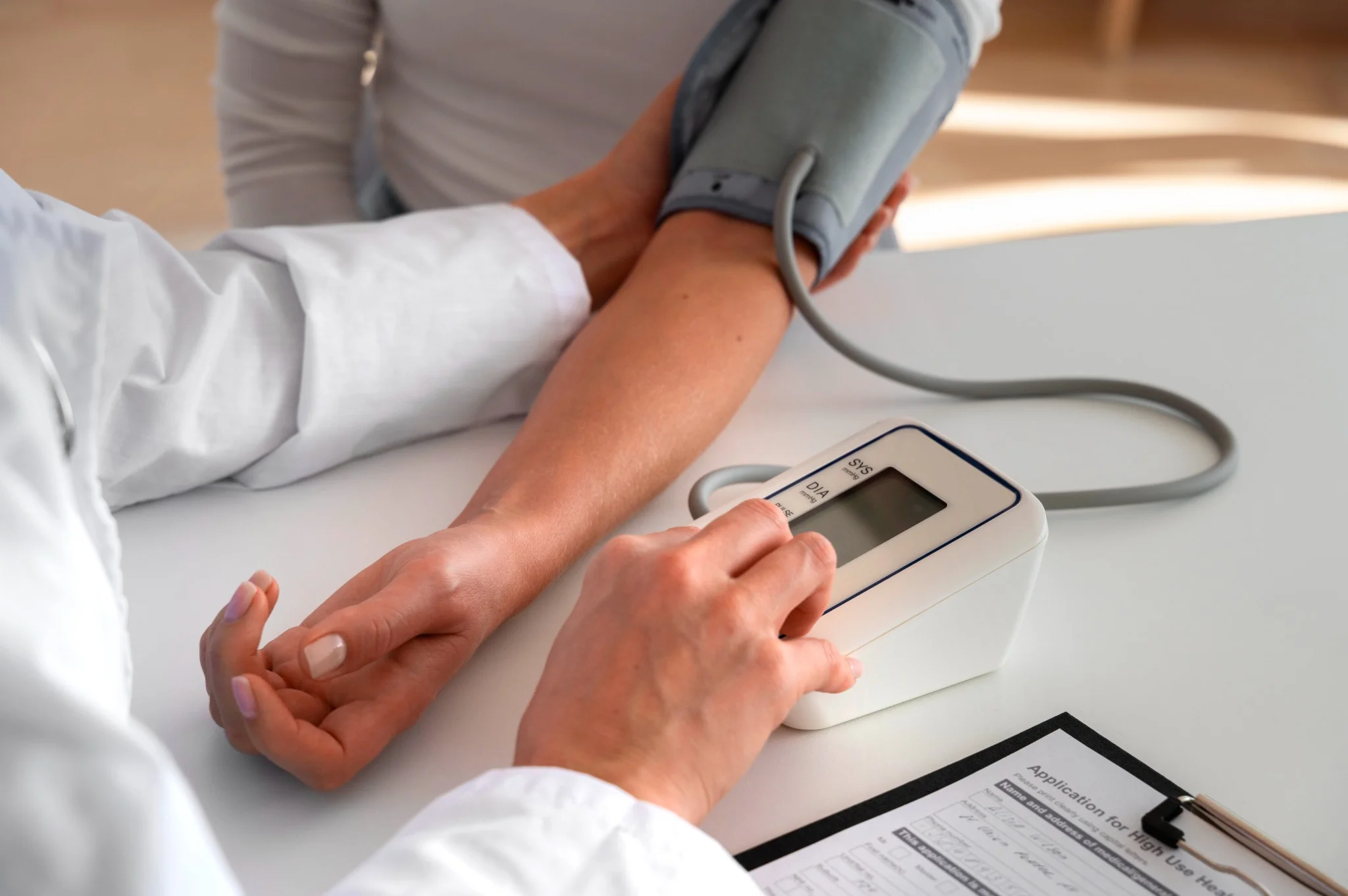
Table of Contents
- What Is Prehypertension?
- Causes of Prehypertension
- How Prehypertension Affects the Body
- Symptoms of Prehypertension
- Diagnosis of Prehypertension
- Diagnostic Tests to Identify Prehypertension
- Risk Factors for Prehypertension
- How to Manage Prehypertension
- Preventing Prehypertension
- What Is the Difference Between Prehypertension and Hypertension?
- Prehypertension and Other Conditions
- Conclusion
- FAQs
- References
What Is Prehypertension?
Prehypertension refers to blood pressure readings that are higher than normal but not yet classified as hypertension. The prehypertension range includes systolic blood pressure between 120 and 139 mmHg or diastolic blood pressure between 80 and 89 mmHg.
When your blood pressure consistently falls within the prehypertension range, it signals increased strain on your arteries and heart. Unlike normal blood pressure (below 120/80 mmHg), prehypertension levels indicate your cardiovascular system is under greater strain than optimal, potentially leading to long-term complications
Causes of Prehypertension
Multiple factors contribute to the development of prehypertension, often working together to elevate your blood pressure readings:
• Genetic predisposition: A family history of hypertension significantly increases your risk of developing prehypertension.
• Excess body weight: Being overweight or obese places additional strain on your cardiovascular system.
• Sedentary lifestyle: Lack of regular physical activity weakens your heart and blood vessels.
• High sodium intake: Consuming more than 2,300 mg of sodium daily can elevate blood pressure levels.
• Excessive alcohol consumption: Regular heavy drinking contributes to blood pressure elevation.
• Chronic stress: Persistent stress triggers hormonal changes that affect blood pressure regulation.
• Diet high in saturated and trans fats: Processed foods and unhealthy fats contribute to arterial stiffness and endothelial dysfunction
• Underlying medical conditions: Diabetes, kidney disease, and sleep apnoea can elevate blood pressure.
• Advancing age: Natural ageing processes affect blood vessel elasticity and function.
• Smoking: Tobacco use damages blood vessels and increases cardiovascular risk.
How Prehypertension Affects the Body
Prehypertension places continuous strain on the cardiovascular system, triggering physiological changes that affect overall health. Persistently elevated pressure forces arteries to withstand greater force with each heartbeat, gradually causing arterial stiffening and early atherosclerosis. As arteries lose flexibility, blood flow becomes less efficient, making the heart work harder and potentially leading to left ventricular hypertrophy.
The The kidneys may struggle to filter waste due to damaged vessels, and reduced cerebral blood flow can increase long-term cognitive decline risk.. Even without symptoms, people with prehypertension face significantly higher rates of cardiovascular events compared to those with normal blood pressure.
Symptoms of Prehypertension
Prehypertension usually develops silently, and most people experience no noticeable symptoms. Blood pressure in this range isn’t high enough to trigger the clear warning signs seen with hypertension. However, some individuals may notice:
- Mild headaches
- Occasional dizziness
- Subtle fatigue
- A feeling of pressure in the head or chest during stress or exertion
This silent nature emphasises the importance of regular blood pressure checks, especially if you have risk factors like a family history, diabetes, or being overweight.
Diagnosis of Prehypertension
• Multiple readings: Doctors take several measurements on different occasions to confirm elevated readings.
• Proper measurement technique: Using correctly sized cuffs and following standardised protocols ensures accuracy.
• Assessment of risk factors: Evaluating family history, lifestyle factors, and existing medical conditions.
• Physical examination: Checking for signs of cardiovascular complications or underlying conditions.
• Medical history review: Understanding medications, symptoms, and previous blood pressure readings.
Diagnostic Tests to Identify Prehypertension
According to WHO and AHA guidelines, laboratory testing is recommended in patients with elevated blood pressure to screen for comorbidities and identify possible secondary causes. Some of the recommended tests are:
• Office blood pressure measurement: Standard clinic readings using calibrated sphygmomanometers remain the gold standard for diagnosis.
• Home blood pressure monitoring: Regular self-monitoring provides valuable data about your typical blood pressure patterns.
• Ambulatory blood pressure monitoring: 24-hour monitoring devices track blood pressure changes throughout daily activities.
• Blood tests: Tests such as the Kidney Function Test (KFT), Lipid Profile, and Fasting or Postprandial Glucose Tests help assess kidney function, cholesterol levels, and blood sugar to identify contributing factors.
• Urinalysis: Testing for protein in urine, such as with the Urine Routine Test (Urine R/M Test) or Urine Protein-to-Creatinine Ratio (UPCR), can detect early kidney involvement.
• Electrocardiogram (ECG): Assessing heart rhythm and detecting early signs of heart strain.
Risk Factors for Prehypertension
• Age: Risk increases progressively after age 35, with significant increases after age 55.
• Gender: Men typically develop prehypertension earlier, while women's risk increases after menopause.
• Family history: Having parents or siblings with hypertension doubles your risk.
• Overweight and obesity: A body mass index (BMI) above 25 kg/m² significantly increases the risk of prehypertension.
• Diabetes: Type 2 diabetes and prehypertension often occur together, creating compounded cardiovascular risk.
• Physical inactivity: Less than 150 minutes of moderate exercise weekly increases risk.
• Dietary factors: High-sodium, low-potassium diets contribute to blood pressure elevation.
• Smoking: Tobacco use damages blood vessels and accelerates cardiovascular ageing.
• Sleep disorders: Sleep apnoea and poor sleep quality affect blood pressure regulation.
How to Manage Prehypertension
- Adopt the DASH (Dietary Approaches to Stop Hypertension) eating plan: Focus on fruits, vegetables, whole grains, lean proteins, and low-fat dairy products while limiting processed foods and added sugars.
- Reduce sodium intake to less than 2,300 mg daily: Read food labels carefully, choose fresh over processed foods, and use herbs and spices instead of salt for flavouring.
- Engage in regular physical activity: Aim for at least 150 minutes of moderate-intensity aerobic exercise weekly, such as brisk walking, cycling, or swimming, or 75 minutes of vigorous activity.
- Achieve and maintain a healthy body weight: Even modest weight loss of 5–10% of body weight can significantly lower blood pressure and cardiovascular risk.
- Limit alcohol consumption: Men should limit alcohol to no more than two standard drinks per day, and women to one per day.
- Quit tobacco use completely: Smoking cessation provides immediate cardiovascular benefits and long-term risk reduction for heart disease and stroke.
- Practice stress management techniques: Regular meditation, deep breathing exercises, yoga, or other relaxation methods help control stress-induced blood pressure spikes.
- Prioritise quality sleep: Aim for 7-9 hours of restful sleep nightly, as poor sleep quality contributes to blood pressure elevation.
Dietary Changes to Control Blood Pressure
• Reduce sodium intake: Read food labels carefully and choose fresh foods over processed options.
• Increase potassium-rich foods: Include bananas, oranges, spinach, and sweet potatoes in your daily diet.
• Choose whole grains: Replace refined grains with brown rice, quinoa, and whole wheat options.
• Include lean proteins: Fish, poultry, legumes, and nuts provide protein without excessive saturated fat.
• Eat plenty of fruits and vegetables: Aim for 5-9 servings daily to maximise nutrient intake.
• Select low-fat dairy products: These provide calcium and protein while limiting saturated fat.
• Limit processed foods: Reduce consumption of packaged snacks, fast food, and convenience meals.
Exercise and Lifestyle Modifications
• Aerobic exercise: Walking, swimming, cycling, or dancing to strengthen the heart muscle and improve circulation efficiency.
• Strength training: Include resistance exercises twice weekly to build muscle and improve metabolism.
• Flexibility and balance: Yoga or tai chi help reduce stress and improve overall physical fitness.
• Daily activity changes: Take stairs instead of elevators, park further away, or walk during phone calls.
• Sleep optimisation: Aim for 7-9 hours of quality sleep nightly to support blood pressure regulation.
• Stress management: Practise deep breathing, meditation, or progressive muscle relaxation.
Medications for Prehypertension
Most people with prehypertension do not require medications initially. Doctors typically reserve drug therapy for high-risk individuals who have additional conditions like diabetes, chronic kidney disease, or existing coronary heart disease. In these cases, medications help prevent progression to hypertension and reduce cardiovascular complications.
When medications are necessary, doctors often start with ACE inhibitors, angiotensin receptor blockers (ARBs), or thiazide diuretics. The choice depends on individual factors, including other health conditions, potential side effects, and drug interactions.
Preventing Prehypertension
• Maintain optimal weight: Keep your BMI within the healthy range through balanced nutrition and regular exercise.
• Follow a heart-healthy diet: Emphasise whole foods, limit processed options, and control portion sizes.
• Stay physically active: Make exercise a regular part of your routine from an early age.
• Manage stress effectively: Develop healthy coping mechanisms for life's challenges and pressures.
• Limit alcohol consumption: Keep intake within recommended guidelines for your gender and health status.
• Monitor blood pressure regularly: Know your numbers and track changes over time.
• Get adequate sleep: Prioritise 7-9 hours of quality sleep nightly for optimal health.
What Is the Difference Between Prehypertension and Hypertension?
The primary difference between prehypertension and hypertension lies in blood pressure measurements and associated risks. Prehypertension includes readings of 120–139/80–89 mmHg, while hypertension is diagnosed when blood pressure consistently measures 140/90 mmHg or higher.
Hypertension carries significantly higher risks of immediate cardiovascular complications, including heart attack, stroke, and organ damage. It typically requires medication along with lifestyle modifications for effective management. In contrast, prehypertension often responds well to lifestyle changes alone, though it still increases your risk of developing full hypertension.
Prehypertension and Other Conditions
Prehypertension rarely occurs in isolation and frequently coexists with other metabolic conditions that compound cardiovascular risk. The condition often develops alongside type 2 diabetes, creating a dangerous combination that accelerates blood vessel damage and increases the likelihood of coronary artery disease.
Research demonstrates that individuals with both prehypertension and diabetes face significantly higher risks of heart attack, stroke, and kidney disease compared to those with either condition alone. Additionally, prehypertension commonly accompanies obesity, sleep apnoea, and metabolic syndrome—a cluster of conditions including high blood sugar, excess abdominal fat, and abnormal cholesterol or triglyceride levels.
Conclusion
Understanding prehypertension empowers you to take proactive steps towards protecting your cardiovascular health before more serious complications develop. The prehypertension range serves as an early warning system, providing valuable time to implement lifestyle changes that can prevent progression to hypertension and reduce your risk of coronary heart disease.
The key to successful management lies in consistent, sustainable lifestyle modifications rather than dramatic short-term changes. Focus on gradual improvements in diet, exercise, stress management, and other controllable factors while working closely with your doctor to monitor progress.
At Metropolis Healthcare, we understand the importance of accurate, reliable diagnostic testing for managing conditions like prehypertension. Our comprehensive portfolio of more than 4,000 tests includes specialised cardiovascular assessments and routine health checkups designed to support your health journey. With our extensive network of over 10,000 touchpoints across India, we bring convenient, at-home sample collection directly to you, making it easier than ever to monitor your health regularly.
FAQs
What is prehypertension?
Prehypertension is a condition where blood pressure readings fall between normal and high blood pressure ranges, specifically 120-139/80-89 mmHg, indicating increased cardiovascular risk.
How can prehypertension be treated?
Prehypertension is primarily managed through lifestyle modifications, including dietary changes, regular exercise, weight management, stress reduction, and limiting alcohol and tobacco use.
Can prehypertension turn into hypertension?
Yes, prehypertension can progress to hypertension without proper management, but lifestyle changes can prevent this progression and maintain healthy blood pressure levels.
Is prehypertension dangerous?
While not immediately dangerous, prehypertension increases the risk of developing hypertension, heart disease, stroke, and other cardiovascular complications if left unmanaged.
How often should you check your blood pressure if you have prehypertension?
If you have prehypertension:
• Monitor blood pressure at least monthly at home using a validated device
• Schedule professional checkups every 3-6 months with your doctor.
• Track readings during different times of day to identify patterns
• Maintain a blood pressure log to share with your doctor
• Increase monitoring frequency if readings show upward trends
References
- https://my.clevelandclinic.org/health/diseases/24502-prehypertension
- https://pubmed.ncbi.nlm.nih.gov/34495610/
- https://www.ncbi.nlm.nih.gov/books/NBK538313/
- https://www.ahajournals.org/doi/10.1161/01.hyp.0000167152.98618.4b
- https://www.health.harvard.edu/heart-health/prehypertension-does-it-really-matter