Home Visit
 Upload






Preventive Healthcare
Tricuspid Valve Disease: Causes, Symptoms, And Treatment
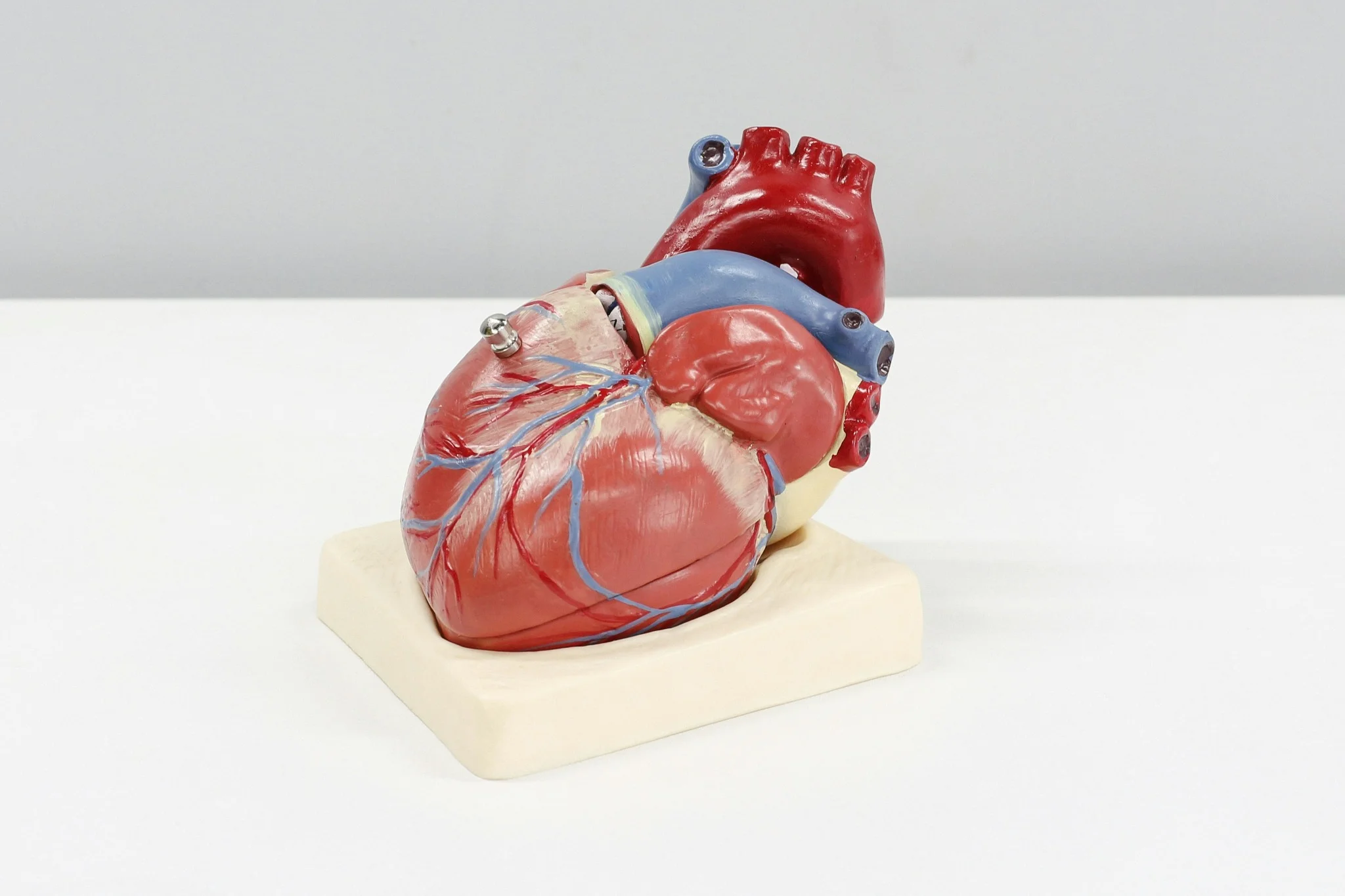
Table of Contents
- What Is Tricuspid Valve Disease?
- Role of the Tricuspid Valve in the Heart
- Types of Tricuspid Valve Disease
- Primary vs Secondary Tricuspid Valve Disease
- Causes of Tricuspid Valve Disease
- Risk Factors for Tricuspid Valve Disease
- Symptoms of Tricuspid Valve Disease
- Early vs Advanced Symptoms
- Tricuspid Valve Disease and Right-Sided Heart Failure
- How Tricuspid Valve Disease Is Diagnosed
- Echocardiography in Tricuspid Valve Disease
- Other Tests Used for Diagnosis
- Severity Grading of Tricuspid Valve Disease
- Treatment Options for Tricuspid Valve Disease
- Medications for Managing Tricuspid Valve Disease
- Surgical Treatment Options
- Tricuspid Valve Repair vs Replacement
- Minimally Invasive & Transcatheter Treatments
- Tricuspid Valve Disease in Pregnancy
- Tricuspid Valve Disease in Children
- Complications of Untreated Tricuspid Valve Disease
- Lifestyle Changes & Self-Care
- Prognosis & Life Expectancy
- When to See a Cardiologist
- Conclusion
- FAQs
What Is Tricuspid Valve Disease?
Tricuspid valve disease refers to any condition that impairs the normal function of the tricuspid valve—the valve located between the right atrium and right ventricle of the heart. This valve plays a crucial role in maintaining one-way blood flow from the right atrium to the right ventricle. When the tricuspid valve does not open or close properly, blood flow becomes inefficient, placing strain on the right side of the heart and potentially leading to right-sided heart disease.
Although tricuspid valve disease is less common than left-sided valve disorders, untreated disease can significantly impair heart function.
Role of the Tricuspid Valve in the Heart
The tricuspid valve directs deoxygenated blood from the right atrium into the right ventricle, which then pumps it to the lungs for oxygenation. With each heartbeat, the valve opens to allow blood flow and closes tightly to prevent backflow. Any structural or functional abnormality of this valve disrupts normal circulation, causing venous congestion and organ enlargement.
Types of Tricuspid Valve Disease
Tricuspid valve disease mainly occurs in two forms:
a. Tricuspid Regurgitation (TR)
Tricuspid regurgitation occurs when the valve does not close completely, allowing blood to leak backwards into the right atrium. This is the most common form of tricuspid valve disorder and often develops as a secondary condition due to enlargement of the right ventricle.
b. Tricuspid Stenosis (TS)
Tricuspid stenosis is a narrowing of the valve opening, which restricts blood flow from the right atrium to the right ventricle. This condition is less common and is often associated with rheumatic heart disease.
Primary vs Secondary Tricuspid Valve Disease
|
Feature |
Primary Tricuspid Valve Disease |
Secondary Tricuspid Valve Disease |
|
Cause |
Structural damage to the valve |
Enlargement of the right ventricle |
|
Common triggers |
Infection, congenital defects |
Left-sided heart disease, pulmonary hypertension |
|
Frequency |
Less common |
More common |
Causes of Tricuspid Valve Disease
Common causes of tricuspid valve disease include:
- Rheumatic heart disease
- Congenital abnormalities or birth defects
- Infective endocarditis
- Carcinoid syndrome
- Trauma or previous heart surgery
- Pacemaker or catheter-related injury
Risk Factors for Tricuspid Valve Disease
Key risk factors associated with Tricuspid valve disease are:
- History of rheumatic fever
- Chronic lung disease
- Pulmonary hypertension
- Previous heart valve surgery
- Intravenous drug use
- Presence of a heart murmur
Symptoms of Tricuspid Valve Disease
Most commonly observed symptoms of tricuspid valve disease include::
- Fatigue and weakness
- Swelling of legs, ankles, or abdomen
- Shortness of breath
- Palpitations
- Reduced exercise capacity or tolerance
Early vs Advanced Symptoms
|
Early Symptoms |
Advanced Symptoms |
|
Mild fatigue during exertion |
Severe weakness at rest |
|
Occasional shortness of breath |
Difficulty breathing when lying down |
|
Subtle leg swelling |
Significant fluid retention and weight gain |
|
Intermittent palpitations |
Persistent irregular heart rhythms |
Tricuspid Valve Disease and Right-Sided Heart Failure
Untreated tricuspid valve disease can progress to right-sided heart failure. When the right ventricle cannot pump effectively, blood backs up into the veins, causing fluid retention in the legs, abdomen, and other tissues—often worsening gradually and reducing day-to-day quality of life.
According to Circulation (American Heart Association), untreated moderate to severe tricuspid regurgitation is independently associated with increased morbidity and mortality with higher morbidity and mortality, highlighting the need for timely evaluation with comprehensive imaging, right ventricular function assessment, and appropriate surgical or transcatheter intervention in symptomatic patients.
How Tricuspid Valve Disease Is Diagnosed
Diagnosis of tricuspid valve disease involves the following steps:
- Physical examination and auscultation
- Medical history review
- Blood tests to assess overall health
- Imaging studies
Echocardiography in Tricuspid Valve Disease
Echocardiography is the primary diagnostic tool for tricuspid valve disease. It provides real-time images of valve structure, blood flow direction, and severity of regurgitation or stenosis. Doppler echocardiography helps quantify pressure changes and valve dysfunction accurately.
Other Tests Used for Diagnosis
- Cardiac MRI for detailed heart structure and right ventricle assessment
- Cardiac CT/CT angiography for 3D valve anatomy and procedural planning
- Right heart catheterisation to directly measure right-sided pressures and cardiac output
- Exercise stress test to assess functional capacity and symptom correlation
- Liver function tests (AST, ALT) may be ordered when liver congestion is suspected
- Renal Function Test (RFT), including GFR (Creatinine-based) and Cystatin C, when fluid overload or diuretics may affect kidney function
Severity Grading of Tricuspid Valve Disease
Severity is classified as mild, moderate, or severe based on echocardiographic parameters, symptom severity, and effects on heart chamber size and function. Accurate grading is essential for determining treatment strategy and follow-up frequency.
Treatment Options for Tricuspid Valve Disease
- Regular follow-up and monitoring for mild or asymptomatic disease
- Medications for symptom control
- Surgical or catheter-based intervention for severe cases
Medications for Managing Tricuspid Valve Disease
- Diuretics to reduce fluid overload
- Vasodilators (occasionally used to reduce right-sided pressures)
- Medications to manage heart rhythm
- Treatment of underlying conditions
Surgical Treatment Options
- Tricuspid valve repair
- Tricuspid valve replacement
- Combined valve surgery when needed
Tricuspid Valve Repair vs Replacement
|
Valve Repair |
Valve Replacement |
|
Preserves natural valve tissue |
Uses artificial or biological prosthetic |
|
Lower risk of complications |
May require anticoagulation |
|
Better long-term durability |
Suitable for severely damaged valves |
|
Preferred when technically feasible |
Necessary when repair isn't possible |
Minimally Invasive & Transcatheter Treatments
Advances in interventional cardiology now allow selected patients to undergo minimally invasive or transcatheter tricuspid valve procedures. These options reduce surgical risk and recovery time, especially in high-risk individuals.
Tricuspid Valve Disease in Pregnancy
Pregnancy naturally increases blood volume and cardiac workload. Women with tricuspid valve disease require close monitoring, as symptoms may worsen during pregnancy, particularly in moderate to severe disease.
Tricuspid Valve Disease in Children
In children, tricuspid valve disease is often congenital. Early diagnosis and regular follow-up are essential to prevent long-term complications and ensure normal growth and development.
Complications of Untreated Tricuspid Valve Disease
Complications of untreated tricuspid valve disease include:
- Progressive right-sided heart failure
- Liver dysfunction
- Arrhythmias
- Reduced life expectancy
Lifestyle Changes & Self-Care
Lifestyle modifications that support heart health include:
- Low-salt diet
- Regular medical follow-up
- Managing underlying conditions
- Avoiding excessive alcohol and smoking
Prognosis & Life Expectancy
Prognosis depends on disease severity, underlying cause, and timely treatment. Early diagnosis and appropriate management significantly improve long-term outcomes and quality of life.
When to See a Cardiologist
Consult a cardiologist promptly if you experience:
- Persistent swelling or breathlessness
- New or worsening fatigue
- Known valve disease with symptom progression
Conclusion
Early diagnosis and timely management of tricuspid valve disease can help prevent right-sided heart strain and complications like fluid buildup and heart failure. If you notice symptoms such as swelling, breathlessness, fatigue, or palpitations, a structured cardiac evaluation can guide the right treatment plan and improve long-term outcomes.
Metropolis Healthcare supports proactive heart health with 4,000+ tests, full body checkups, and specialty testing for deeper clinical insights. With home sample collection across 10,000+ touchpoints, you get quick turnaround and accurate results, plus easy booking via website, call, app, or WhatsApp—making it simpler to test early and act sooner.
FAQs
What causes tricuspid valve disease?
It may result from rheumatic fever, congenital defects, infections, or conditions affecting the right side of the heart.
Is tricuspid valve disease serious?
Yes, especially if untreated, as it can lead to right-sided heart failure.
Can tricuspid valve disease be cured?
While it may not always be cured, symptoms can be effectively managed with appropriate treatment.
Does tricuspid valve disease require surgery?
Only moderate to severe cases typically require surgical or catheter-based intervention.
How is tricuspid valve disease diagnosed?
Diagnosis is mainly done through echocardiography, supported by other cardiac tests.
What is the life expectancy with tricuspid valve disease?
With early diagnosis and treatment, many individuals have a good long-term outlook.
Can tricuspid valve disease be treated without surgery?
Yes, mild cases are often managed with medications and regular monitoring.
Is tricuspid valve disease common?
It is less common than left-sided valve disorders but increasingly recognised.
Can lifestyle changes help tricuspid valve disease?
Lifestyle changes support treatment by reducing symptom burden and slowing disease progression.
References
1. https://pmc.ncbi.nlm.nih.gov/articles/PMC5494422/
2. https://www.uofmhealth.org/our-care/specialties-services/tricuspid-valve-disease
3. https://www.sciencedirect.com/science/article/pii/S0033062008000844