Home Visit
 Upload






Preventive Healthcare
Tongue: Anatomy, Taste And Common Tongue Problems
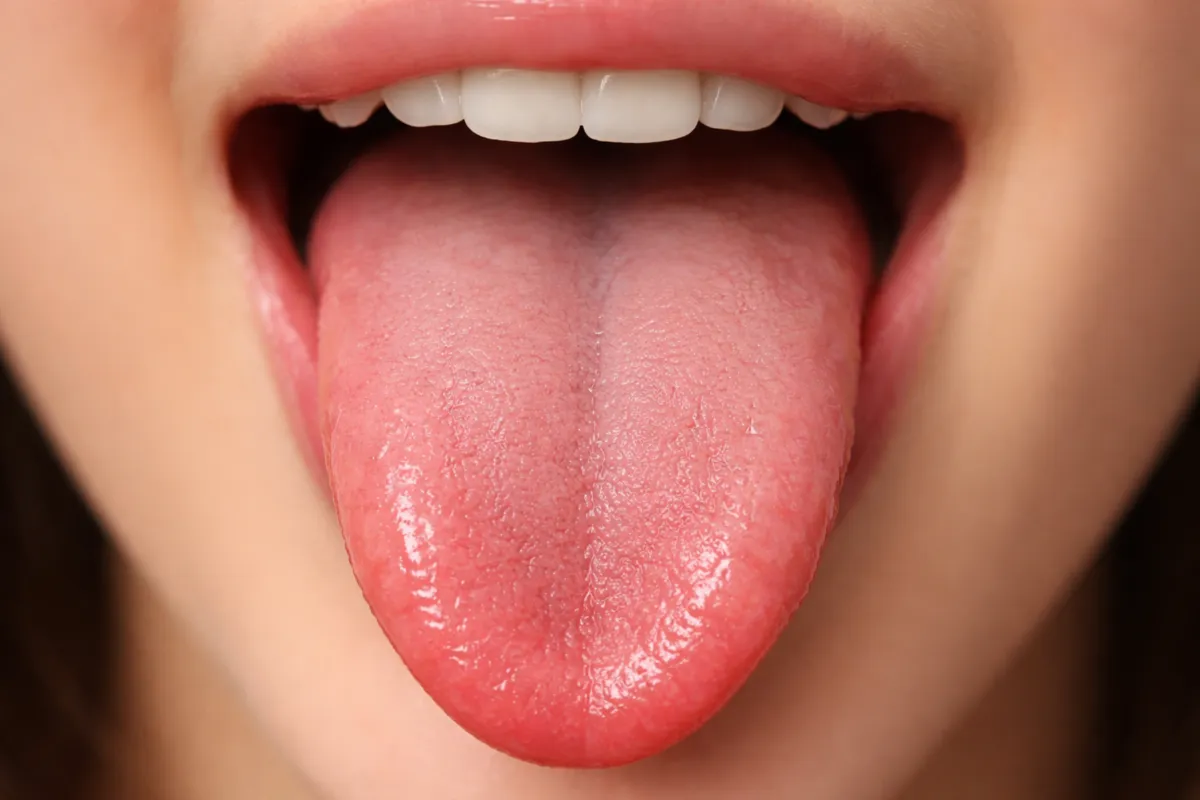
Table of Contents
- What Is Tongue?
- Where Is Tongue Located?
- Anatomy Of Tongue
- Parts Of Tongue
- Muscles Of Tongue
- Blood Supply Nerve Supply
- Papillae Of The Tongue
- Taste Buds And Taste Receptors
- How Taste Works
- Types Of Taste Sensations
- Functions Of The Tongue
- Common Tongue Symptoms
- Common Tongue Problems And Diseases
- Causes And Risk Factors For Tongue Problems
- How Tongue Problems Are Diagnosed
- Physical And Oral Examination
- Blood Tests, Swabs And Biopsy
- When Tongue Problems Need Imaging Or Specialist Review
- Treatment Options For Tongue Problems
- Medical Treatment
- Home Care And Oral Hygiene Tips
- When Tongue Problems Need Surgery
- How To Keep Your Tongue Healthy
- When To See A Doctor Or Dentist
- Conclusion
- FAQs
- References
What Is Tongue?
The tongue is a flexible muscular structure in your mouth. It moves food during chewing, shapes sounds for speech, and contains specialised surfaces that support taste.
Where Is Tongue Located?
Your tongue sits on the floor of your mouth and extends back into your throat. The front portion is the part you can see and move easily. The back portion sits nearer the throat and plays a bigger role in swallowing.
Anatomy Of Tongue
The tongue is made of muscles covered by a moist lining (mucosa). It has a textured upper surface and a smoother underside. It is also anchored by tissues that stabilise movement so you can chew and speak clearly.
Parts Of Tongue
- Tip (apex): Helps with fine movements, speech sounds, and positioning food.
- Body (front two thirds): The most mobile part, involved in chewing and speech.
- Root (back one third): Sits nearer the throat and supports swallowing.
Muscles Of Tongue
Tongue movement depends on two muscle groups:
- Intrinsic muscles change the tongue’s shape, such as making it thinner, thicker, curled, or flattened.
- Extrinsic muscles move the tongue as a whole, such as pushing it forward, pulling it back, or lifting it.
This muscle arrangement is why your tongue can make precise movements for speech and swallowing.
Blood Supply Nerve Supply
The tongue has a strong blood supply, which helps it heal quickly but can also make small ulcers feel more sensitive.
Several nerves supply the tongue, supporting touch, temperature, pain sensation, and taste. Different areas of the tongue contribute in different ways, but taste is not limited to a single “map” on the tongue.
Papillae Of The Tongue
Papillae are the tiny bumps you can see on the upper surface of your tongue. Different papillae types have different roles:
- Some papillae mainly support texture sensation, like touch and temperature.
- Other papillae contain taste buds, which detect flavours.
Taste Buds And Taste Receptors
Taste buds are clusters of specialised cells that send signals to your brain. They detect five basic taste qualities:
- Sweet
- Salty
- Sour
- Bitter
- Umami (savoury)
Taste buds are found on parts of the tongue that contain taste related papillae, and they also exist elsewhere in the mouth and throat.
How Taste Works
Taste is a combined experience. What you call “flavour” comes from:
- Taste bud signals
- Smell (especially when you chew)
- Texture and temperature
- Spices and irritation signals (for example, chilli heat)
That is why a blocked nose can reduce taste, even when your tongue is normal.
Types Of Taste Sensations
- Sweet: Often linked to sugars and some sweeteners
- Salty: Linked to salts and mineral content
- Sour: Linked to acids
- Bitter: Often linked to plant compounds and can act as a warning signal
- Umami: Linked to glutamate and certain nucleotides that create a savoury taste
Functions Of The Tongue
Your tongue supports several essential functions every day.
Role In Taste
It detects taste signals and helps your brain interpret flavour along with smell and texture.
Role In Speech
It helps form consonants and controls airflow and sound shaping. Changes in tongue movement, swelling, or pain can affect clarity.
Role In Chewing And Swallowing
Your tongue moves food onto your teeth, mixes it with saliva, forms a soft bolus, and pushes it back for swallowing. If the tongue is sore or dry, eating can feel difficult even when the rest of your mouth is healthy.
Common Tongue Symptoms
If you notice symptoms, focus on how long they last and whether they are changing. Common symptoms include:
- Pain or burning sensation
- Redness or swelling
- White patches or coating
- Ulcers or sores
- Changes in taste or reduced taste
- Cracks, grooves, or a “smooth” glossy surface
- A lump, thickened area, or patch that does not heal
- Bad breath or persistent unpleasant taste
If you are also dealing with sore throat symptoms, it can help your doctor understand whether the issue is local to the tongue or part of a wider mouth and throat infection.
Common Tongue Problems And Diseases
Many tongue conditions are benign, but some need evaluation.
- Mouth ulcers (aphthous ulcers): Painful shallow sores that often settle on their own.
- Oral candidiasis (thrush): White patches that may wipe off and leave redness underneath, more common after antibiotics, inhaled steroids, diabetes, or reduced immunity.
- Geographic tongue: Smooth red patches that can shift location over time, often harmless but may cause sensitivity to spicy or acidic foods.
- Inflammation of the tongue (glossitis): Can look red and swollen, and may relate to irritation, infection, dryness, or nutritional factors.
- Coated tongue and halitosis: Often linked to dry mouth, smoking, dehydration, or poor oral hygiene.
- White patches that do not rub off: Some are due to irritation, but persistent patches may need assessment to rule out conditions such as leukoplakia.
- Lumps or non healing ulcers: These always need timely medical or dental review.
If you have repeated throat infections such as tonsillitis, tongue discomfort may occur alongside fever, bad breath, and painful swallowing.
Causes And Risk Factors For Tongue Problems
Tongue problems usually have one of these drivers:
- Irritation: Sharp teeth edges, braces, ill-fitting dentures, burns from hot food, or frequent mouth breathing
- Infections: Viral, bacterial, or fungal causes
- Dry mouth: Dehydration, some medicines, smoking, or certain medical conditions
- Nutritional factors: Low iron, low folate, or low vitamin B12 can affect the tongue lining and cause soreness
- Tobacco and alcohol exposure: Increases risk of persistent mouth lesions
- Chronic conditions: Diabetes, immune suppression, reflux, and autoimmune conditions can contribute
- Stress and sleep disruption: Can worsen mouth ulcers and burning sensations in some people
How Tongue Problems Are Diagnosed
A clear diagnosis starts with a careful history and a focused mouth exam. You can help by noting when symptoms started, what makes them worse, and whether there are triggers such as spicy foods, new medicines, recent antibiotics, or dental issues.
Physical And Oral Examination
A doctor or dentist will look at:
- Colour changes, swelling, ulcers, and patch patterns
- Whether a patch wipes off or bleeds
- Dental irritation points
- Neck glands if there is infection concern
Blood Tests, Swabs And Biopsy
Depending on what your doctor sees, tests may include:
- A swab if fungal or bacterial infection is suspected
- Basic blood work if symptoms suggest an underlying deficiency or inflammation. Your doctor may recommend a cbc test and related nutrient markers when there are signs consistent with vitamin B12 deficiency or iron deficiency anemia.
- A biopsy if there is a persistent ulcer, lump, or suspicious patch that does not improve
When Tongue Problems Need Imaging Or Specialist Review
Most tongue problems do not need imaging. Imaging or referral is more likely if there is a deep lump, persistent swelling, or concern about spread beyond the surface tissues.
Treatment Options For Tongue Problems
Treatment depends on the cause. You should avoid self-medicating with repeated antibiotics or steroid mouth products unless prescribed, as they can worsen fungal infections or delay correct diagnosis.
Medical Treatment
Your doctor may prescribe:
- Antifungal medicines for confirmed thrush
- Antibiotics only when a bacterial infection is likely
- Anti-inflammatory or protective mouth gels for ulcers
- Management for reflux or dry mouth if those are contributing factors
- Supplements if blood tests confirm a deficiency
Home Care And Oral Hygiene Tips
These measures are often helpful and low risk:
- Drink water regularly and limit very hot drinks
- Brush your tongue gently with a soft toothbrush
- Use a mild saltwater rinse
- Avoid smoking and limit alcohol
- Reduce spicy, acidic, or very rough foods while the tongue is sore
- Check inhaler technique if you use steroid inhalers, and rinse your mouth after use
When Tongue Problems Need Surgery
Surgery is uncommon for tongue problems, but may be needed if:
- A biopsy confirms a lesion that requires removal
- There is a persistent growth or suspicious area
- A structural restriction affects function (for example, a very tight tongue tie), based on specialist assessment
How To Keep Your Tongue Healthy
A healthy tongue is usually pink, moist, and symmetrical. To protect it:
- Maintain daily oral hygiene, including tongue cleaning
- Stay hydrated and manage dry mouth triggers
- Get routine dental checks
- Eat a balanced diet with adequate protein, iron, folate, and vitamin B12
- Seek help early for patches, ulcers, or lumps that persist
When To See A Doctor Or Dentist
You should arrange an evaluation if you have:
- A tongue ulcer, lump, or patch that lasts more than two weeks
- Unexplained bleeding, numbness, or worsening pain
- Difficulty swallowing, speaking, or opening your mouth
- A persistent white or red patch, especially if it does not rub off
- Recurrent thrush or frequent mouth ulcers
- Unintentional weight loss, persistent hoarseness, or neck lumps
If you are anxious about symptoms, it is reasonable to seek advice sooner. Early assessment often brings reassurance, and if something needs treatment, acting early usually keeps care simpler.
Conclusion
Your tongue does a lot more than help you taste. It supports chewing, swallowing, and speech, and it can reflect changes in hydration, nutrition, infection, and general health. If symptoms persist beyond two weeks, or if you notice a new lump or non healing ulcer, you should get checked.
If your doctor recommends investigations, Metropolis Healthcare can support you with accurate, reliable testing and convenient booking. With 4,000+ tests, specialised panels, and strong home sample collection across 10,000 touchpoints, you can choose what suits you best. You can book through the website, app, call, or WhatsApp, with quick turnaround and consistent quality from NABL and CAP-accredited labs. You can also explore more Metropolis articles to stay informed about preventive health and early diagnosis.
FAQs
What Does A Healthy Tongue Look Like?
A healthy tongue is usually pink, moist, and evenly textured, with a thin surface coating. Mild variation is normal, but persistent thick coating, swelling, or patches should be checked.
What Causes White Patches On The Tongue?
White patches can occur due to thrush, irritation, or other surface changes. If patches do not wipe off or last more than two weeks, you should seek a dental or medical review.
Can Tongue Problems Indicate Vitamin Deficiency?
Yes. In some people, a sore or smooth tongue can be linked to nutritional deficiencies. A doctor can confirm this with appropriate blood testing and advise treatment.
Is Tongue Pain A Sign Of Cancer?
Most tongue pain is not cancer. Ulcers from irritation or infection are common. However, a non healing ulcer, lump, or persistent patch should always be evaluated promptly.
How Can I Improve My Sense Of Taste?
You can often improve taste by addressing dryness, nasal congestion, smoking, and oral hygiene. If taste change is sudden, persistent, or linked with other symptoms, medical review helps identify treatable causes such as infections or medication effects.
References
- Sanders I., Mu L. (2013). A Three-Dimensional Atlas Of Human Tongue Muscles. The Anatomical Record, 296(7), 1102-1114. PMID: 23650264
- Gravina S. A., Yep G. L., Khan M. (2013). Human Biology Of Taste. Annals Of Saudi Medicine, 33(3), 217-222. PMID: 23793421
- Kurihara K. (2015). Umami The Fifth Basic Taste: History Of Studies On Receptor Mechanisms And Role As A Food Flavor. BioMed Research International, 2015, 189402. PMID: 26247011
- Assimakopoulos D., Patrikakos G., Fotika C., Elisaf M. (2002). Benign Migratory Glossitis Or Geographic Tongue: An Enigmatic Oral Lesion. The American Journal Of Medicine, 113(9), 751-755. PMID: 12517366
- Vila T., Sultan A. S., Montelongo-Jauregui D., Jabra-Rizk M. A. (2020). Oral Candidiasis: A Disease Of Opportunity. Journal Of Fungi, 6(1), 15. PMID: 31963180
- Villa A., Woo S. B. (2017). Leukoplakia: A Diagnostic And Management Algorithm. Journal Of Oral And Maxillofacial Surgery, 75(4), 723-734. PMID: 27865803
- Chen G. Y., Tang Z. Q., Bao Z. X. (2022). Vitamin B12 Deficiency May Play An Etiological Role In Atrophic Glossitis And Its Grading: A Clinical Case-Control Study. BMC Oral Health, 22(1), 456. PMID: 36307840