Home Visit
 Upload






Preventive Healthcare
Colon Polyps: Types, Symptoms And Cancer Risk
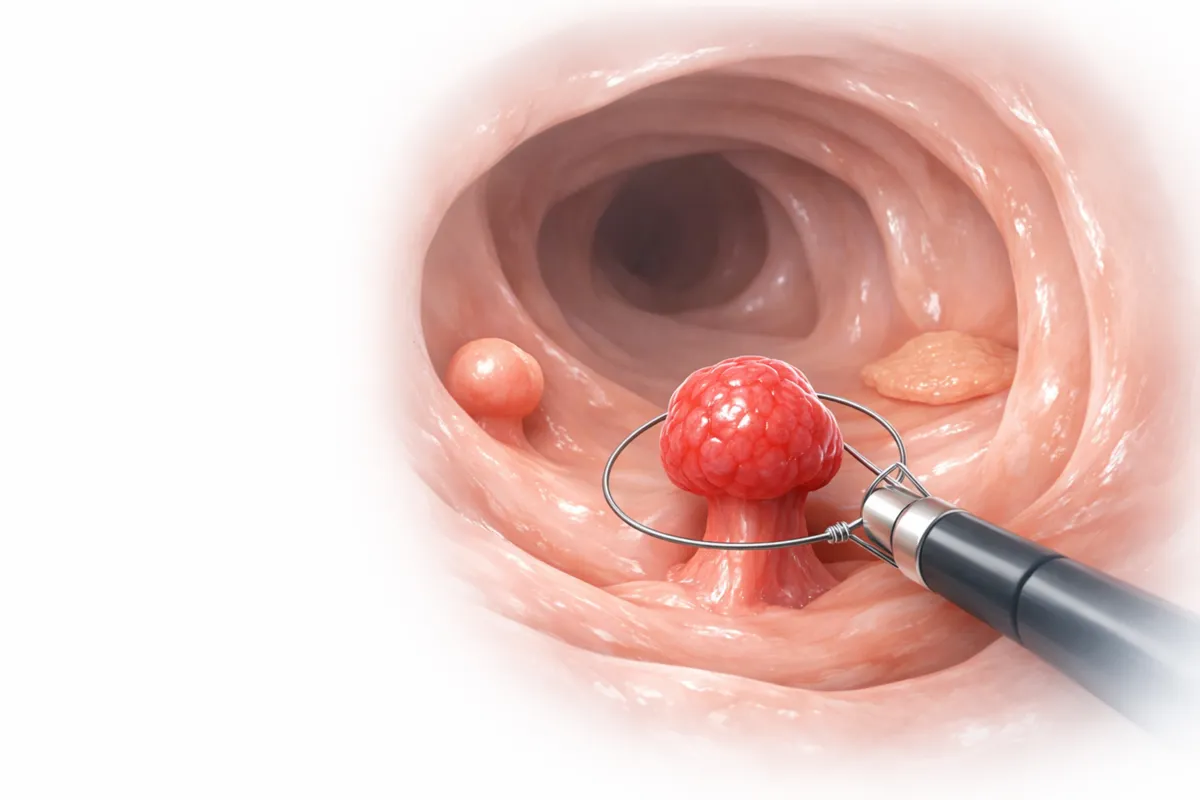
Table of Contents
- What Are Colon Polyps?
- Where Do Colon Polyps Form?
- How Common Are Colon Polyps?
- Types Of Colon Polyps
- Symptoms Of Colon Polyps
- Common Symptoms
- Can Colon Polyps Be Asymptomatic?
- Causes And Risk Factors
- Inherited Syndromes Linked To Colon Polyps
- How Colon Polyps Are Diagnosed
- Tests For Colon Polyps
- Colon Polyps And Cancer Risk
- Which Polyps Can Turn Into Cancer?
- How Long Does It Take For Polyps To Become Cancerous?
- Treatment Of Colon Polyps
- Follow-Up After Polyp Removal
- How Often Should Colonoscopy Be Repeated?
- Can Colon Polyps Be Prevented?
- Diet And Lifestyle Changes
- Screening And Early Detection
- When To See A Doctor
- Conclusion
- FAQ’s
- References
Colon polyps are common, especially as you get older. Most are not cancerous, and many never cause symptoms. The reassuring part is that polyps can usually be found early and removed safely, which is one of the most effective ways to reduce future risk.
This guide explains what colon polyps are, what symptoms to watch for, how doctors diagnose them, and what happens after removal.
What Are Colon Polyps?
Colon polyps are small growths that develop on the inner lining of your large intestine (colon) or rectum. They form when cells grow more quickly than they should.
Polyps can be:
- Small or large
- Flat (sessile) or on a stalk (pedunculated)
- Single or multiple
Most polyps are benign, but some types can change over time and become cancer.
Where Do Colon Polyps Form?
Colon polyps can develop anywhere in the colon or rectum. Doctors often describe location because it can affect:
- How easy a polyp is to detect during a procedure
- The type of polyp suspected
- Your follow-up plan after removal
How Common Are Colon Polyps?
Polyps are frequently found during routine screening tests. Your chances of having polyps generally increase with age, and many people only discover them during a screening colonoscopy because they feel completely well.
Types Of Colon Polyps
Doctors classify colon polyps based on how they look under the microscope. The type matters because it helps predict whether the polyp could become cancerous.
Common types include:
Hyperplastic Polyps
Usually small and typically low risk.
Adenomatous Polyps (Adenomas)
The most common pre-cancerous type. Many adenomas never turn into cancer, but they are removed because some can progress over time.
Serrated Polyps
Some serrated lesions can carry a meaningful cancer risk, particularly if they are larger or located in certain parts of the colon. They may be flatter and easier to miss, which is why high-quality screening is important.
Inflammatory Polyps
Often linked to long-standing inflammation in the bowel. These may not be pre-cancerous themselves, but the underlying condition can raise overall risk.
Hamartomatous Polyps
Often seen in specific inherited syndromes and may need specialist assessment depending on the context.
Symptoms Of Colon Polyps
Many people with colon polyps have no symptoms at all. When symptoms do occur, they are often caused by bleeding or by a larger polyp affecting bowel function.
Common Symptoms
Possible symptoms include:
- blood in stool
- A change in bowel habits, such as diarrhoea or constipation lasting more than a week
- Mucus in your stool
- Cramping or abdominal discomfort (more likely with larger polyps)
- Unexplained tiredness due to iron-deficiency anaemia from slow, ongoing bleeding
These symptoms can have many causes, most of which are not serious, but they do deserve proper evaluation.
Can Colon Polyps Be Asymptomatic?
Yes. This is very common. Polyps often do not cause pain or obvious changes, which is why screening plays such a major role in prevention and early detection.
Causes And Risk Factors
The exact cause is not always clear. Polyps are linked to changes (mutations) in the way cells grow and renew themselves. Some changes happen by chance, while others are influenced by lifestyle or inherited factors.
Risk factors include:
- Increasing age
- A personal history of polyps
- A family history of polyps or bowel cancer
- Obesity
- Smoking
- Heavy alcohol intake
- Diets low in fibre and high in processed foods
- Physical inactivity
- Type 2 diabetes
- Inflammatory bowel disease (such as ulcerative colitis or Crohn’s disease)
Having one or more risk factors does not mean you will develop polyps. It simply means your doctor may recommend earlier or more frequent screening.
Inherited Syndromes Linked To Colon Polyps
Some people inherit conditions that significantly increase the chance of developing multiple polyps and, in some cases, bowel cancer. These require specialist care and tailored surveillance.
Examples include:
- Familial Adenomatous Polyposis (FAP)
- MUTYH-Associated Polyposis (MAP)
- Peutz-Jeghers Syndrome
- Juvenile Polyposis Syndrome
- Serrated Polyposis Syndrome
If close relatives had polyps or bowel cancer at a younger age, your doctor may recommend genetic counselling or earlier testing.
How Colon Polyps Are Diagnosed
Colon polyps are most commonly found through screening or investigations for symptoms.
Common diagnostic approaches include:
- Colonoscopy (most direct test, and allows removal during the same procedure)
- Flexible sigmoidoscopy (examines the lower part of the colon)
- CT colonography (a scan-based alternative in selected situations)
- Stool-based screening tests (which can suggest bleeding or other changes but cannot remove polyps)
If a stool-based screening test is abnormal, your doctor will usually recommend a colonoscopy to investigate further.
Tests For Colon Polyps
Your clinician may use a combination of tests, depending on your symptoms and risk profile:
Colonoscopy with polypectomy
Polyps can often be removed immediately and sent to the lab for analysis.
Biopsy and histopathology
The removed tissue is examined to confirm the type of polyp and whether there are any pre-cancerous or cancerous changes.
Blood tests
If you have signs of slow bleeding or anaemia, your doctor may recommend tests such as a complete blood count and iron studies.
Colon Polyps And Cancer Risk
Most polyps do not become cancer. Risk depends on the polyp’s type, size, number, and microscopic features.
Finding and removing higher-risk polyps is a key step in preventing colorectal cancer.
Which Polyps Can Turn Into Cancer?
Polyps more likely to become cancerous include:
- Adenomas, especially larger ones or those with high-risk features
- Certain serrated lesions, particularly if large or located in the upper colon
Your doctor will explain what your specific results mean and what follow-up you need.
How Long Does It Take For Polyps To Become Cancerous?
When progression happens, it is usually slow. That is why routine screening and timely follow-up are so effective. The goal is to find and remove polyps well before they can cause harm.
Treatment Of Colon Polyps
The standard treatment is removal, most often during a colonoscopy. This is typically done using specialised tools passed through the scope.
Depending on the size and shape, removal may involve:
- Snaring the polyp
- Removing it in pieces (for larger lesions)
- Advanced endoscopic techniques for more complex polyps
- Surgery in a small number of cases if endoscopic removal is not suitable
After removal, the polyp is sent for lab testing to guide next steps.
Follow-Up After Polyp Removal
Follow-up depends on what was removed and what the lab report shows.
Your doctor may consider:
- The number of polyps
- Their size
- The polyp type (for example, adenoma vs serrated)
- Whether the polyp was completely removed
- Your personal and family history
How Often Should Colonoscopy Be Repeated?
There is no one-size-fits-all schedule. Some people can wait years, while others need earlier surveillance. Your clinician will recommend an interval based on your risk, using established clinical guidance.
Can Colon Polyps Be Prevented?
You cannot prevent every polyp, but you can reduce risk and improve early detection.
Diet And Lifestyle Changes
Helpful steps include:
- Eating more fibre-rich foods (vegetables, fruits, legumes, whole grains)
- Limiting processed and high-fat foods
- Staying physically active
- Working towards a healthy weight
- Avoiding smoking
- Keeping alcohol intake moderate
These changes support bowel health and overall wellbeing.
Screening And Early Detection
Screening is the most powerful prevention strategy because it can find polyps before symptoms start. If you are anxious about screening, it may help to remember that most people feel relieved once they know where they stand and what their plan is.
When To See A Doctor
Seek medical advice if you notice:
- Persistent changes in bowel habits
- Rectal bleeding
- Unexplained weight loss
- Ongoing abdominal pain
- Symptoms of anaemia such as unusual tiredness, weakness, or shortness of breath
Also speak to your doctor earlier if you have a strong family history of bowel polyps or bowel cancer.
Conclusion
Colon polyps are common, and in most cases, they are manageable. The key is timely detection and the right follow-up. If you have symptoms or you are due for screening, your doctor can guide you on the most appropriate next step.
To support your clinician’s evaluation, Metropolis Healthcare offers a wide range of diagnostic services, including 4,000+ tests and comprehensive health check-ups. If you need blood tests for anaemia or inflammation, or stool-based screening tests recommended by your doctor, you can book conveniently through the Metropolis website, app, call centre, or WhatsApp. With NABL and CAP-accredited labs, expert oversight, and home sample collection across 10,000 touchpoints, you can get accurate reports with a quick turnaround while staying comfortable at home. For more health guidance, explore other Metropolis articles on prevention, symptoms, and smart screening.
FAQ’s
Are Colon Polyps Always Cancerous?
No. Most colon polyps are benign. Some types have a higher risk of turning into cancer over time, which is why removal and follow-up are recommended.
Do Colon Polyps Cause Pain?
Most do not. Pain is more likely if a polyp is large or if there is another digestive condition present.
How Serious Are Adenomatous Polyps?
Adenomas are considered pre-cancerous, but many never become cancer. They are removed because some can progress if left untreated. Your lab report and follow-up plan will clarify your personal risk.
Can Colon Polyps Come Back After Removal?
Yes, new polyps can develop over time. That is why follow-up screening is important, even after successful removal.
At What Age Should Screening Start?
Screening depends on your risk factors and family history. Many expert groups recommend starting screening for average-risk adults from the mid-40s, and earlier if you have a strong family history or concerning symptoms. Your doctor can advise the right timing for you.
References
- Fearon E. R., Vogelstein B. (1990). A genetic model for colorectal tumorigenesis. Cell, 61(5), 759-767. PMID: 2188735
- Winawer S. J., Zauber A. G., Ho M. N., et al. (1993). Prevention of colorectal cancer by colonoscopic polypectomy. New England Journal of Medicine, 329(27), 1977-1981. PMID: 8247072
- Zauber A. G., Winawer S. J., O’Brien M. J., et al. (2012). Colonoscopic polypectomy and long-term prevention of colorectal-cancer deaths. New England Journal of Medicine, 366(8), 687-696. PMID: 22356322
- Gupta S., Lieberman D., Anderson J. C., et al. (2020). Recommendations for follow-up after colonoscopy and polypectomy: A consensus update by the US Multi-Society Task Force on Colorectal Cancer. Gastroenterology, 158(4), 1131-1153.e5. PMID: 32044092
- US Preventive Services Task Force; Davidson K. W., Barry M. J., Mangione C. M., et al. (2021). Screening for colorectal cancer: US Preventive Services Task Force recommendation statement. JAMA, 325(19), 1965-1977. PMID: 34003218
- Heitman S. J., Ronksley P. E., Hilsden R. J., et al. (2009). Prevalence of adenomas and colorectal cancer in average risk individuals: A systematic review and meta-analysis. Clinical Gastroenterology and Hepatology, 7(12), 1272-1278. PMID: 19523536
- Rex D. K., Ahnen D. J., Baron J. A., et al. (2012). Serrated lesions of the colorectum: Review and recommendations from an expert panel. American Journal of Gastroenterology, 107(9), 1315-1329. PMID: 22710576