Home Visit
 Upload






Preventive Healthcare
Renal Parenchymal Disease: Causes, Symptoms, Tests, And Treatment
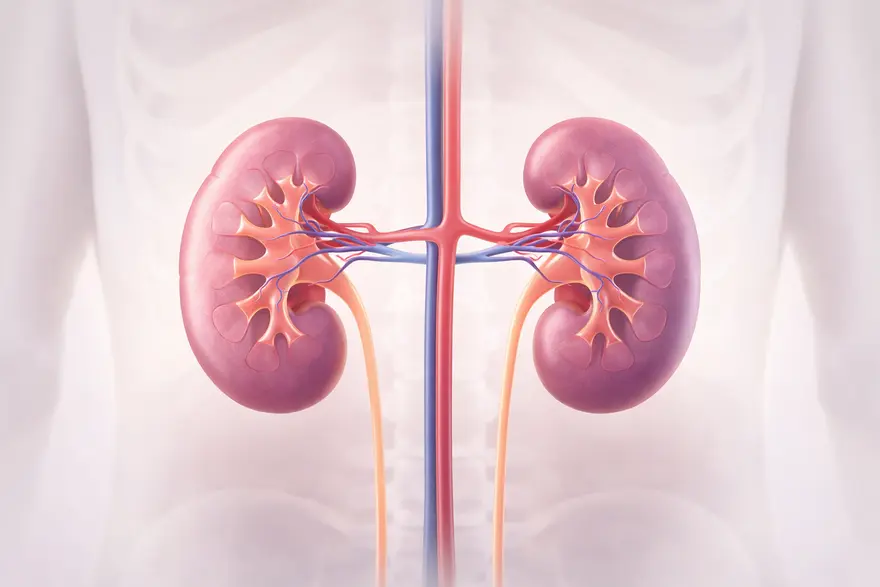
Table of Contents
- What Is Renal Parenchymal Disease?
- Causes Of Renal Parenchymal Disease
- Symptoms Of Renal Parenchymal Disease
- When You Should Seek Medical Help Quickly
- Diagnosis Of Renal Parenchymal Disease
- Imaging And Diagnostic Tests To Identify Renal Parenchymal Disease
- Treatment Options For Renal Parenchymal Disease
- Managing Renal Parenchymal Disease
- Can Renal Parenchymal Disease Be Prevented?
- Renal Parenchymal Disease And Its Impact On Kidney Function
- Complications Of Renal Parenchymal Disease
- FAQ
- A Reassuring Next Step
- References
Renal parenchymal disease is an umbrella term for damage to the working tissue of your kidneys (the parenchyma). This tissue includes the tiny filters and tubes that clean your blood and make urine. When the parenchyma is affected, your kidneys may not filter as efficiently, and over time this can contribute to chronic kidney disease (CKD).
In many people, renal parenchymal disease is linked to long term conditions such as diabetes or high blood pressure. It can also develop after infections, immune related inflammation, certain medicines, or inherited kidney conditions. The right treatment depends on the cause and how early the problem is detected.
What Is Renal Parenchymal Disease?
Renal parenchymal disease refers to conditions that affect the kidney parenchyma, which is the functional tissue that filters your blood and helps balance fluids and salts. This includes the glomeruli (tiny filters), tubules (small channels that process filtered fluid), and the interstitial tissue that supports them.
In everyday practice, the term is often used in imaging reports, particularly ultrasound, to describe changes like increased echogenicity (the kidney looks “brighter” than expected) or altered kidney size. These changes can be linked with many different conditions, so your doctor will usually combine imaging with blood and urine tests to understand what is happening.
Renal parenchymal disease can be:
- Acute, meaning it develops suddenly (for example, due to a severe infection, dehydration, or a medication reaction).
- Chronic, meaning it develops gradually over time and may contribute to chronic kidney disease (CKD).
Causes Of Renal Parenchymal Disease
Renal parenchymal disease is not one single illness. It is an umbrella term for many possible causes, including:
- Diabetes: High blood glucose can damage kidney filters over time.
- High Blood Pressure: Persistent high pressure can scar kidney tissue and reduce kidney function.
- Autoimmune Conditions: Conditions such as lupus can inflame kidney tissue.
- Glomerulonephritis: Inflammation of the kidney’s filtering units.
- Infections: Some bacterial or viral infections can affect the kidneys.
- Medications And Toxins: Certain drugs can strain the kidneys. High-dose, long-term NSAID use has been associated with faster CKD progression in some studies.
- Inherited Or Structural Conditions: Such as polycystic kidney disease or congenital kidney abnormalities.
- Kidney Stones Or Obstruction: These can affect drainage and lead to tissue stress.
You may be at higher risk if you live with diabetes, hypertension, cardiovascular disease, obesity, older age, or a family history of kidney disease.
Symptoms Of Renal Parenchymal Disease
Many people have no symptoms in early stages, especially if kidney function is only mildly affected. When symptoms appear, they can be non-specific and easy to miss.
Common symptoms can include:
- Feeling unusually tired or weak
- Swelling in ankles, feet, legs, or around the eyes
- Changes in urination (foamy urine, blood in urine, passing less or more urine than usual)
- Loss of appetite, nausea, or an unpleasant taste in the mouth
- Shortness of breath (sometimes due to fluid retention or anaemia)
- High blood pressure that is new or hard to control
- Itchy, dry skin
When You Should Seek Medical Help Quickly
Contact a doctor promptly if you notice blood in urine, rapidly worsening swelling, very low urine output, severe breathlessness, confusion, chest pain, or persistent vomiting. These symptoms do not always mean severe kidney disease, but they do need timely assessment.
Diagnosis Of Renal Parenchymal Disease
Diagnosis usually focuses on two things:
- How well your kidneys are working
- What is causing the damage
Your clinician may start with your medical history (including diabetes, blood pressure, infections, and medication use) and a physical exam. Then they typically recommend a combination of tests.
Key lab checks include:
Serum Creatinine And eGFR (Estimated Glomerular Filtration Rate)
eGFR estimates how effectively your kidneys filter waste. Many labs use creatinine-based equations such as CKD-EPI.
Urine Tests
These look for protein (albumin) and blood. Albumin-to-creatinine ratio (ACR) is a common way to measure albumin loss.
Electrolytes And Related Blood Tests
Depending on your situation, your doctor may check potassium, bicarbonate, haemoglobin (for anaemia), and other markers to understand how kidney changes are affecting your body.
Renal parenchymal disease is often linked with CKD risk assessment, which considers both eGFR and albuminuria. Large cohort analyses show that lower eGFR and higher albuminuria are associated with higher risk of adverse outcomes, which is one reason clinicians take these measures seriously.
Imaging And Diagnostic Tests To Identify Renal Parenchymal Disease
Imaging helps your clinician understand kidney structure and rule out blockage or stones.
Ultrasound
Ultrasound is commonly the first imaging test. It can assess:
- Kidney size
- Cortical thickness
- Echogenicity (brightness)
- Evidence of obstruction
Increased cortical echogenicity is commonly reported and can correlate with chronic tissue changes such as fibrosis and tubular atrophy, although ultrasound alone cannot reliably identify the exact underlying disease.
CT Or MRI
These may be recommended in selected situations, for example if your clinician needs a detailed view of anatomy, stones, masses, or complicated obstruction.
Kidney Biopsy
A biopsy is not needed for everyone. It may be advised when the cause is unclear, when there is significant proteinuria or blood in urine, or when your clinician suspects a condition that needs targeted treatment (such as specific glomerular diseases). A biopsy can provide definitive tissue-level information to guide management.
Treatment Options For Renal Parenchymal Disease
Treatment depends on the underlying cause, how advanced the disease is, and your overall health. The goals are usually to:
- Treat the cause (where possible)
- Slow progression
- Reduce symptoms and complications
- Protect your heart and blood vessels, which are closely linked with kidney health
Common treatment components include:
Managing Diabetes And Blood Pressure
- Tightening blood glucose control can reduce ongoing kidney stress.
- Keeping blood pressure in a healthy range is one of the most effective ways to protect kidney function long term.
Medication Adjustments
Your clinician may:
- Review pain medicines and advise safer options if needed, especially if NSAIDs are being used frequently.
- Prescribe treatments to reduce protein in urine, depending on your diagnosis and blood pressure.
Treating Immune Or Inflammatory Causes
If autoimmune disease is involved, your specialist may use corticosteroids or other immunosuppressive medicines. This is highly individual and needs close monitoring.
Diet And Fluid Planning
A renal diet approach may be recommended, often focusing on:
- Reduced salt intake
- Appropriate protein intake
- Managing potassium and phosphate if kidney function is reduced
Advanced Care If Kidney Failure Develops
If kidney function becomes severely reduced, your clinician may discuss kidney replacement therapy options such as dialysis or transplant evaluation. Many people never reach this stage, especially with early detection and good long-term control of risk factors.
Managing Renal Parenchymal Disease
Living with renal parenchymal disease can feel like a lot to carry, especially when you are waiting for results or trying to understand a new diagnosis. A structured plan helps you regain a sense of control.
Practical Steps That Often Help
- Take medicines exactly as prescribed and keep a list of all medicines and supplements.
- Monitor blood pressure at home if your clinician advises it.
- Stay active with gentle, regular movement that fits your energy levels.
- Aim for a healthy weight in a gradual, sustainable way.
- Avoid smoking and limit alcohol, as advised by your clinician.
Salt And Lifestyle Guidance
- The World Health Organization recommends less than 2,000 mg sodium per day, which is under 5 g salt per day for adults.
- The American Heart Association recommends no more than 2,300 mg sodium per day, with an optimal goal of 1,500 mg per day for most adults.
- The Indian Council of Medical Research encourages practical blood pressure habits such as regular exercise and cutting down on salt and fried foods.
Follow-Up And Monitoring
Your doctor may recommend repeating kidney tests over time. This matters because CKD is defined by persistence over at least 3 months, not a single abnormal report.
Can Renal Parenchymal Disease Be Prevented?
You cannot prevent every cause, but you can meaningfully reduce risk by addressing the most common drivers of kidney damage.
Prevention-focused habits include:
- Regular checks if you have diabetes or hypertension
- Consistent blood pressure control
- Safer use of pain medicines and avoiding unnecessary high-dose NSAIDs
- Maintaining healthy salt intake and balanced nutrition
- Staying active and smoke-free
- Getting early evaluation for recurrent urinary infections or kidney stone symptoms
Even if you already have renal parenchymal disease, these steps can still slow progression and reduce complications.
Renal Parenchymal Disease And Its Impact On Kidney Function
When kidney parenchyma is damaged, filtering becomes less efficient. Clinicians often track this using eGFR categories and albuminuria levels.
The KDIGO 2024 CKD guideline classifies eGFR (G1 to G5) and albuminuria (A1 to A3) to help estimate risk and guide monitoring and treatment intensity.
Complications Of Renal Parenchymal Disease
Not everyone develops complications, but possible issues include:
- Fluid retention and swelling
- High potassium levels
- Metabolic acidosis (acid build-up)
- Anaemia
- Bone and mineral imbalance
- Higher cardiovascular risk
This is why your clinician may check more than just creatinine and urine protein, especially if your kidney function is reduced.
FAQ
What Are The Symptoms Of Renal Parenchymal Disease?
You may have no symptoms at first. If symptoms develop, they often include tiredness, swelling in legs or around the eyes, changes in urination, nausea, itchy skin, and blood pressure changes. If you have sudden breathlessness, very low urine output, or blood in urine, seek medical advice promptly.
How Is Renal Parenchymal Disease Diagnosed?
Diagnosis usually involves blood tests (including creatinine and eGFR), urine tests (including ACR), and imaging such as ultrasound. In selected cases, a kidney biopsy may be recommended to confirm the cause and guide treatment.
Can Renal Parenchymal Disease Be Cured?
Some causes are reversible or treatable, especially if found early. In other cases, the focus is on slowing progression and preventing complications. With the right plan and regular follow-up, many people maintain stable kidney function for years.
A Reassuring Next Step
If you have been told you may have renal parenchymal disease, the most helpful step is a clear, test-led assessment of kidney function and the likely cause. Early answers reduce uncertainty and help you and your doctor make practical choices.
At Metropolis Healthcare, you can access a wide range of kidney-related investigations, including routine and speciality testing, with NABL and CAP-accredited quality systems. You can also choose home sample collection across a large network of touchpoints, with convenient booking via website, app, call, or WhatsApp, and reliable reporting to support timely clinical decisions.
References
- Kidney Disease: Improving Global Outcomes (KDIGO) CKD Work Group. (2024). KDIGO 2024 Clinical Practice Guideline For The Evaluation And Management Of Chronic Kidney Disease. Kidney International, 105(4S), S117–S314. PMID: 38490803
- Levey A. S., Stevens L. A., Schmid C. H., et al. (2009). A New Equation To Estimate Glomerular Filtration Rate. Annals Of Internal Medicine, 150(9), 604–61 PMID: 19414839
- Matsushita K., van der Velde M., Astor B. C., et al. (2010). Association Of Estimated Glomerular Filtration Rate And Albuminuria With All-Cause And Cardiovascular Mortality In General Population Cohorts: A Collaborative Meta-Analysis. The Lancet, 375(9731), 2073–2081. PMID: 20483451
- Nderitu P., Doos L., Jones P. W., Davies S. J., Kadam U. T. (2013). Non-Steroidal Anti-Inflammatory Drugs And Chronic Kidney Disease Progression: A Systematic Review. Family Practice, 30(3), 247–255. PMID: 23302818
- Page J. E., Morgan S. H., Eastwood J. B., et al. (1994). Ultrasound Findings In Renal Parenchymal Disease: Comparison With Histological Appearances. Clinical Radiology, 49(12), 867–870. PMID: 7828393
- Hull K. L., Adenwalla S. F., Topham P., Graham-Brown M. P. M. (2022). Indications And Considerations For Kidney Biopsy: An Overview Of Clinical Considerations For The Non-Specialist. Clinical Medicine (London), 22(1), 34–40. PMID: 34921054