Home Visit
 Upload






Preventive Healthcare
World Hemophilia Day 2026: Raising Awareness About Hemophilia and Its Management
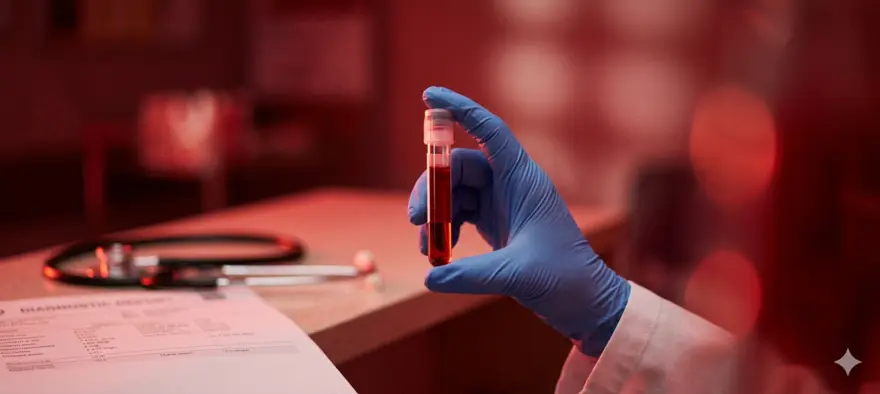
Table of Contents
- What Is World Hemophilia Day?
- When Is World Hemophilia Day 2026 Celebrated?
- The Theme of World Hemophilia Day 2026
- The History of World Hemophilia Day
- Key Aspects of World Hemophilia Day 2026
- Tests for Hemophilia
- Managing Hemophilia: Treatment and Daily Life
- How World Hemophilia Day Is Observed
- Key Takeaways
- Conclusion
- Frequently Asked Questions About World Hemophilia Day
- References
Every year, millions of people around the world live with a bleeding disorder that many have never heard of. Some go undiagnosed for years, unaware that their unexplained bruising, prolonged bleeding, or painful joints point to a condition that has a name, a treatment, and a growing global community behind it. World Hemophilia Day exists to change that.
What Is World Hemophilia Day?
World Hemophilia Day is a global observance held every year on 17th April to raise awareness about hemophilia, von Willebrand disease, and other inherited bleeding disorders. It was established by the World Federation of Hemophilia (WFH) and serves as a call to action for governments, healthcare providers, and communities to improve diagnosis, treatment, and care for those affected.
One of the most recognised traditions of the day is the "Light It Up Red" campaign, where iconic landmarks around the world are illuminated in red to show solidarity with the bleeding disorders community. From bridges in Australia to towers in Canada, the colour red becomes a powerful symbol of hemophilia awareness campaign efforts globally.
The day brings together patients, caregivers, medical professionals, researchers, and policymakers to advance the conversation around bleeding disorder awareness and push for more equitable access to care.
When Is World Hemophilia Day 2026 Celebrated?
World Hemophilia Day 2026 is celebrated on Friday, 17th April. The date was chosen to honour the birthday of Frank Schnabel, the founder of the World Federation of Hemophilia, who dedicated his life to building a global movement for people living with bleeding disorders. Each year on this date, the world reaffirms its commitment to better diagnosis, treatment, and support for those affected.
The Theme of World Hemophilia Day 2026
The theme of World Hemophilia Day 2026 is "Diagnosis: First Step to Care." It places the spotlight on one of the most pressing challenges in hemophilia management: the vast number of people who remain undiagnosed.
The WFH estimates that over 75% of people living with hemophilia worldwide have never received a formal diagnosis. Without a diagnosis, they cannot access treatment, support, or care. They may spend years attributing their symptoms to other causes, all while living with a manageable condition that is going unaddressed.
This theme calls on healthcare systems, communities, and individuals to recognise the signs of bleeding disorders earlier, improve access to diagnostic services, and ensure that a diagnosis is the beginning of a care journey, not the end of one.
Past themes reflect the WFH's evolving priorities in hemophilia care:
- 2025: "Access for All: Women and Girls Bleed Too"
- 2024: "Equitable Access for All: Recognising All Bleeding Disorders"
- 2023: "Access for All: Prevention of Bleeds as the Global Standard of Care"
The History of World Hemophilia Day
The story of hemophilia spans centuries of medical discovery, royal history, and global advocacy:
- 10th century - Early references to a condition causing uncontrolled bleeding in males appear in historical texts, described as "abulcasis," though treatment remained beyond reach due to limited medical knowledge
- 1803 - Dr. John Conrad Otto of Philadelphia begins formal research into "bleeders," concluding that the condition is passed from mothers to sons, laying the foundation for understanding its genetic nature
- 1937 - Hemophilia is formally classified as a genetic disorder of two types: Type A and Type B, based on the specific clotting factor affected
- 1963 - Frank Schnabel founds the World Federation of Hemophilia in Montreal, Canada, creating the first international platform for advocacy, research, and community support
- Late 19th to early 20th century - Hemophilia earns the name "the royal disease" after Queen Victoria is identified as a carrier, passing the gene to several European royal families across generations
- 1960s to 1980s - Development of clotting factor replacement therapy transforms hemophilia management, significantly reducing complications and improving life expectancy
- 1989 - The WFH officially establishes World Hemophilia Day on 17th April, marking Frank Schnabel's birthday, with the first global observance bringing together patients and advocates worldwide
- 2005 onwards - The "Light It Up Red" campaign gains international momentum, with landmarks across the globe lighting up in red each April 17th
- Present - Hemophilia and related bleeding disorders affect millions worldwide, with the WFH continuing to drive global awareness, research, and access to care through its annual campaigns and programmes
Key Aspects of World Hemophilia Day 2026
World Hemophilia Day 2026 draws attention to several important dimensions of hemophilia care:
- The diagnosis gap - Over 75% of people with hemophilia worldwide remain undiagnosed, making early identification the most urgent priority in global hemophilia care
- Health equity - Even in high-income countries, access to treatment is not universal. In low and middle-income countries, limited diagnostic resources and high treatment costs lead to preventable complications and mortality
- Women and girls - Bleeding disorders in women and girls are frequently dismissed or misattributed, leaving many without appropriate care for years
- Caregiver and family support - Families of those living with hemophilia face significant emotional, physical, and financial challenges that require dedicated support structures
- Research and innovation - Advances in gene therapy and non-factor treatments offer promising new directions for hemophilia management, making continued investment in research essential
- Policy advocacy - World Hemophilia Day encourages governments and health authorities to prioritise hemophilia treatment within national healthcare frameworks
When to Seek Medical Advice
You should consult a doctor if you or your child experiences any of the following:
- Bleeding that does not stop within a reasonable time after a minor cut or injury
- Swollen, warm, or painful joints that occur without injury
- Unexplained bruising that appears frequently or in unusual locations
- A family history of hemophilia or other bleeding disorders
- Unusually heavy menstrual periods that interfere with daily life
Early medical advice can make a meaningful difference. A prompt evaluation and accurate diagnosis open the door to effective management and a significantly improved quality of life.
Tests for Hemophilia
Diagnosing hemophilia involves a combination of clinical evaluation, blood tests, and in some cases genetic testing. A doctor will typically begin with a detailed medical and family history before recommending specific investigations.
Key diagnostic tests include:
- Complete Blood Count (CBC test) - A CBC test is often one of the first blood tests ordered. It provides an overview of blood cell counts and helps rule out other conditions that may cause bleeding or bruising
- Activated Partial Thromboplastin Time (aPTT) - This test measures how long it takes for blood to clot through the intrinsic pathway. A prolonged aPTT may indicate a clotting factor deficiency and is a key screening tool for hemophilia
- Prothrombin Time (PT) - PT measures clotting through the extrinsic pathway and helps distinguish between different types of clotting disorders
- Clotting Factor Assays - These specific blood tests measure the level of individual clotting factors such as factor VIII or factor IX, confirming the type and severity of hemophilia
- Von Willebrand Factor Tests - These assess the quantity and function of von Willebrand factor, helping diagnose von Willebrand disease
- Genetic Testing - DNA testing can confirm the specific gene mutation responsible for hemophilia, identify carriers within a family, and support family planning decisions
Diagnosis is best carried out by a haematologist or specialist in bleeding disorders who can interpret results in the context of a full clinical picture.
Managing Hemophilia: Treatment and Daily Life
While hemophilia cannot be cured, it can be managed effectively with the right combination of medical treatment, regular monitoring, and thoughtful lifestyle choices.
Factor Replacement Therapy
The primary treatment for hemophilia is replacing the missing clotting factor. This can be done on demand, to treat a bleed as it occurs, or prophylactically, meaning on a regular schedule to prevent bleeds from happening. Factor concentrates are administered intravenously and have significantly improved outcomes for people with hemophilia over recent decades.
Non-Factor Therapies
Newer treatments that work without directly replacing the missing clotting factor are now available for some patients. These include subcutaneous injections given less frequently, offering greater convenience and improved adherence, particularly for those who find intravenous treatment challenging.
Gene Therapy
Gene therapy is an emerging area of treatment for hemophilia that aims to introduce a functional copy of the affected gene into the body, enabling it to produce the missing clotting factor independently. While still relatively new, it represents a significant step forward in long-term management.
Physiotherapy and Joint Care
Repeated joint bleeds can cause long-term damage to the knees, elbows, and ankles. Physiotherapy plays an important role in maintaining joint health, improving mobility, and reducing the risk of permanent joint damage. A physiotherapist experienced in bleeding disorders can design a tailored exercise programme to strengthen muscles around vulnerable joints.
Lifestyle and Daily Management
Living well with hemophilia involves a number of practical adjustments:
- Wearing protective gear during physical activity to reduce the risk of injury
- Avoiding contact sports or high-impact activities that increase bleed risk
- Informing all healthcare providers, including dentists, about the diagnosis before any procedure
- Carrying a medical alert card or wearing a medical identification bracelet
- Maintaining a healthy weight to reduce pressure on joints
- Staying physically active through low-impact activities such as swimming or walking
- Attending regular haematology reviews to monitor clotting factor levels and adjust treatment as needed
How World Hemophilia Day Is Observed
Across India and around the world, 17th April is marked with a broad range of activities and campaigns:
- The "Light It Up Red" campaign illuminates iconic landmarks in red across dozens of countries as a visible symbol of solidarity with the bleeding disorders community
- The World Federation of Hemophilia organises international symposiums and webinars bringing together researchers, clinicians, patients, and advocates
- Free health camps and diagnostic drives are held to encourage early identification of bleeding disorders
- Awareness walks and community events bring patients and families together to share experiences and reduce stigma
- Seminars and educational programmes for healthcare providers focus on improving diagnostic accuracy and access to care
- Social media campaigns amplify the hemophilia awareness campaign globally, encouraging people to share their stories and support the cause
- Policy advocacy events engage governments and health authorities to strengthen national frameworks for hemophilia treatment and support
Key Takeaways
- World Hemophilia Day is observed every year on 17th April to raise awareness about hemophilia, von Willebrand disease, and other inherited bleeding disorders
- The day was established in 1989 by the World Federation of Hemophilia to honour the birthday of its founder, Frank Schnabel
- The theme for World Hemophilia Day 2026 is "Diagnosis: First Step to Care," highlighting that over 75% of people with hemophilia worldwide remain undiagnosed
- Hemophilia is an inherited bleeding disorder caused by a deficiency of clotting factor VIII (Type A) or factor IX (Type B)
- The condition predominantly affects males due to its link to the X chromosome, though women and girls can also be significantly impacted
- Common symptoms include prolonged bleeding, unexplained bruising, and painful joint swelling
- Diagnosis involves a combination of blood tests including a CBC test, aPTT, PT, and specific clotting factor assays
- Treatment options include factor replacement therapy, non-factor therapies, physiotherapy, and emerging gene therapies
- The "Light It Up Red" campaign is the signature global tradition of World Hemophilia Day, with landmarks lit in red to show solidarity
Conclusion
World Hemophilia Day is a reminder that awareness is the first and most powerful step towards better health outcomes. When people recognise the signs of a bleeding disorder and seek timely medical advice, they open the door to diagnosis, treatment, and a significantly improved quality of life. The 2026 theme, "Diagnosis: First Step to Care," captures this truth simply and clearly.
Taking care of your health means staying informed, not just when something feels wrong, but as a regular part of your wellbeing routine. Whether you have a family history of bleeding disorders or simply want a clearer picture of your overall health, routine blood tests are a straightforward and valuable starting point.
Metropolis Healthcare offers a wide range of diagnostic tests, including speciality haematology panels, with accurate results, quick turnaround times, and the convenience of home sample collection. Book easily through the website, app, call, or WhatsApp. Because understanding your health should never be complicated.
Frequently Asked Questions About World Hemophilia Day
Why Is World Hemophilia Day Important?
World Hemophilia Day is important because it addresses a condition that remains significantly underdiagnosed and undertreated across the world. The WFH estimates that more than 75% of people living with hemophilia have never received a formal diagnosis, meaning they are managing a serious condition without access to appropriate care. The day raises bleeding disorder awareness among the general public, encourages people to recognise symptoms and seek medical advice, advocates for better access to treatment in low and middle-income countries, supports patients and caregivers, and drives funding for research into improved therapies. Without sustained awareness efforts, the gap between those who need care and those who receive it is unlikely to close.
How Can Hemophilia Be Managed in Daily Life?
Hemophilia can be managed effectively with the right combination of medical treatment and practical lifestyle adjustments. Most people with hemophilia receive factor replacement therapy, either on demand to treat bleeds or on a regular prophylactic schedule to prevent them. Newer non-factor therapies and emerging gene therapies are also expanding the options available. In daily life, management involves attending regular haematology reviews, carrying a medical alert card, informing all healthcare providers about the diagnosis before any procedure, wearing protective gear during physical activity, and staying active through low-impact exercise such as swimming. Physiotherapy is also an important part of protecting joint health over the long term. With the right support and consistent care, many people with hemophilia lead full and active lives.
References
- World Federation of Hemophilia. World Hemophilia Day 2026. Available from: wfh.org
- World Federation of Hemophilia. Guidelines for the Management of Hemophilia. 3rd ed. Montreal: WFH; 2020.
- Srivastava A, Santagostino E, Dougall A, et al. WFH Guidelines for the Management of Hemophilia, 3rd edition. Haemophilia. 2020;26(S6):1-158. PMID: 32744769.
- Mannucci PM, Tuddenham EG. The hemophilias: from royal genes to gene therapy. N Engl J Med. 2001;344(23):1773-1779. PMID: 11396445.
- World Health Organization. Haemophilia and Other Inherited Bleeding Disorders. Geneva: WHO.
- Iorio A, Stonebraker JS, Chambost H, et al. Establishing the prevalence and prevalence at birth of hemophilia in males. Ann Intern Med. 2019;171(8):540-546. PMID: 31499529.
- Indian Council of Medical Research. Haemophilia: Diagnosis and Management Guidelines. New Delhi: ICMR.