Home Visit
 Upload






Preventive Healthcare
APTT Test: Procedure, Normal Range, Interpretation, and Results Explained
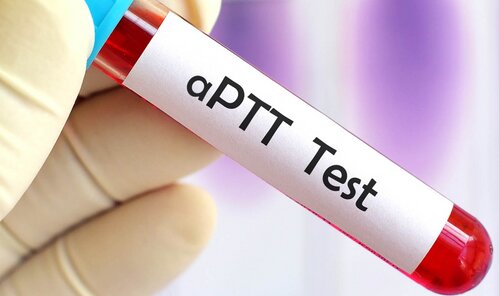
Table of Contents
- What is The APTT Test?
- How is a Blood Clot Formed?
- When is The APTT Test Recommended?
- How is The APTT Test Performed?
- How To Prepare For An APTT Test?
- What Are The Uses of the APTT Test?
- What Happens During the Test?
- What Are The Benefits of the APTT Test?
- Are There Any Risks For An APTT Test?
- How Accurate is The APTT Test?
- Results of The APTT test
- Conclusion
- FAQs
What is The APTT Test?
The activated partial thromboplastin time (APTT) test measures the amount of time it takes for a blood clot to form. The APTT blood test is used to monitor blood clotting in people with conditions such as haemophilia or von Willebrand's disease. It can also be used to monitor the effects of blood thinners such as heparin or warfarin (Coumadin).
Several factors can affect the APTT, including age, gender, race, and medication use. In most cases, the APTT is part of a complete blood count (CBC).
How is a Blood Clot Formed?
The clotting process occurs in two steps. First, platelets attach to the interior surface of your blood vessel walls. Then, the platelets release chemicals called clotting factors, which cause your blood to thicken and form a visible scab.
The APTT test is used to detect problems in the clotting process. These problems can occur due to:
- An issue with your blood's ability to form a clot, such as a lack of specific types of proteins called a coagulation factor.
- A lack of fresh or "proteolytic" thrombin in your blood, which is a protein that helps your blood clot.
- An issue with the platelets themselves, including an abnormally shaped or developed shape.
When is The APTT Test Recommended?
The APTT test is most often used to screen and monitor:
- Unexplained bruising or bleeding
- Thromboembolism (obstruction of a blood vessel by a blood clot)
- Recurrent miscarriages
- Chronic liver diseases
- If you have symptoms of lupus
This test is done to see if you have a certain type of blood cell disorder called autoimmune disease. These diseases include rheumatoid arthritis, lupus, and scleroderma.
An APTT blood test is commonly used to monitor D-dimer. It is a substance normally released by your body when you form a blood clot. D-dimer can be detected in your blood for up to a week after trauma, surgery, or a medical procedure.
It is a marker of your body's attempt to heal itself after the event.
How is The APTT Test Performed?
This test is performed in a doctor's office or a special lab. A small sample of blood is taken from a vein in your arm using a needle that has a tiny tube attached to it (the intravenous (IV) line).
Your doctor will ask you to change into a hospital gown so that blood can be collected.
You will be asked to lie down on your back with your feet elevated. Your doctor will place a small bandage on the area where the needle was inserted. The bandage will be removed after the test is finished.
Most blood tests are completed in a healthcare setting within 2 hours. The lab will call with the results.
The results are reported to your doctor.
How To Prepare For An APTT Test?
APTT test preparation is fairly straightforward. Here are some key points to keep in mind:
- Inform your doctor about all medications you're taking, especially blood thinners, as these can affect APTT test results.
- There's no need to fast before the test, unless specifically instructed by your healthcare provider.
- Stay hydrated and follow any specific pre-test instructions provided by your doctor or the lab.
What Are The Uses of the APTT Test?
The APTT test is a valuable tool in assessing blood clotting function. Its primary uses include:
- Evaluating the intrinsic and common coagulation pathways
- Monitoring heparin therapy, a commonly used anticoagulant medication
- Investigating unexplained or excessive bleeding, or clotting episodes
- Diagnosing bleeding disorders like hemophilia or clotting factor deficiencies
- Indirectly assessing liver function, as the liver produces most clotting factors
- Screening for the presence of clotting factor inhibitors, such as lupus anticoagulant
APTT test uses also extend to various clinical scenarios where understanding the blood's clotting ability is crucial for diagnosis, treatment, and monitoring.
What Happens During the Test?
During an APTT test, a healthcare professional will:
- Draw blood from a vein, usually in your arm, using a needle
- Collect the blood sample into a test tube containing an anticoagulant
- Send the sample to the lab for analysis
The entire APTT test process usually takes about 30 to 60 minutes to complete in the lab.
What Are The Benefits of the APTT Test?
The APTT test offers several key benefits:
- Provides critical insights into the blood's clotting ability, aiding in diagnosing bleeding disorders or excessive clotting
- Helps tailor anticoagulant therapy safely, preventing complications
- Minimally invasive and quick, requiring only a blood sample
- Can detect factor deficiencies or the presence of clotting inhibitors
- Enables early intervention in conditions affecting coagulation, potentially preventing life-threatening events like deep vein thrombosis or pulmonary embolism
APTT test benefits make it an essential diagnostic tool in various clinical settings, empowering healthcare providers to make informed decisions and provide targeted care.
Are There Any Risks For An APTT Test?
The APTT test risks are minimal, mostly associated with only the blood draw procedure: These include:
- Slight pain or bruising at the puncture site
- A small risk of infection at the puncture site
- Rarely, dizziness or fainting may occur
How Accurate is The APTT Test?
The APTT test is considered very accurate. The level of variation among different tests is very low. This means that the results of one test are likely to be the same as another test performed on the same blood sample. The Activated Partial Thromboplastin Time is a relatively accurate test for predicting the presence of blood clots. However, it is not 100% accurate, and there are also other factors that can influence the results. For example, medications such as heparin can cause the APTT to be falsely elevated.
Results of The APTT test
- A normal APTT result is less than or equal to 35 seconds.
The APTT normal range can vary from person to person. In healthy people, the APTT can be less than 35 seconds.
- The prolonged APTT blood test indicates the presence of a low level of inflammation in your body.
If the test is prolonged, this may mean that you have lupus or a condition called Sjogren's syndrome.
In general, prolonged results are not good for your health. - A PT/APTT ratio of greater than 1.0 is associated with underlying heart disease and abnormal cardiac function; a lower ratio is considered to be within normal limits. A lower PT/APTT ratio may be found in patients who are younger and have a higher resting pulse rate.
Conclusion
If you have unexplained bruising or bleeding, are at risk for thromboembolism, or have chronic liver disease, you may need to get an activated partial thromboplastin time (APTT) test. This test measures the amount of time it takes for blood to clot and can help detect problems with the clotting process. The test is quick and easy to perform and is usually part of a complete blood count (CBC) test.If you think you may have a clotting disorder or if you are taking blood thinners, talk to your doctor about getting an APTT test. This will make sure that you are getting the treatment you need.
FAQs
Is fasting required for the APTT test?
No, fasting is generally not required before an APTT test.
What happens if an APTT test is high?
If an APTT test report shows high results, it means it takes longer than normal for your blood to clot. This can indicate deficiencies or dysfunction in certain clotting factors, the presence of inhibitors, or the effects of anticoagulant therapy such as heparin.
What does a prolonged APTT test mean?
A prolonged APTT test suggests an increased risk of bleeding due to insufficient clotting factor activity or the presence of anticoagulants. It may indicate conditions like haemophilia, lupus anticoagulant, liver disease, or vitamin K deficiency.
Can the APTT test diagnose all bleeding disorders?
While the APTT test can detect many clotting factor deficiencies and some bleeding disorders, it does not cover all bleeding conditions.
How is the APTT test different from the PT test?
The APTT test measures the intrinsic and common clotting pathways, while the Prothrombin Time (PT) test measures the extrinsic and common pathways.
What medications can affect APTT test results?
Heparin and other anticoagulants can prolong the APTT. Other drugs that affect clotting or platelet function may also influence the results.
How often should I take the APTT test?
The frequency of APTT testing depends on your medical condition. For example, if you are on heparin therapy, you may need more frequent monitoring.
Can diet affect APTT test results?
Diet generally does not directly affect APTT test results. However, extreme vitamin K intake may influence clotting factors more related to the PT test than the APTT test.
Is the APTT test painful?
The APTT test involves a standard blood draw, which may cause brief discomfort or a slight sting. However, most people do not find it particularly painful.
What happens if my APTT test is abnormal?
If your APTT test result is abnormal, your healthcare provider will interpret it alongside your medical history and other tests.. Additional testing may be ordered to determine the underlying cause.