Home Visit
 Upload






Preventive Healthcare
World Parkinson's Day 2026: Understanding Parkinson's Disease and Its Impact
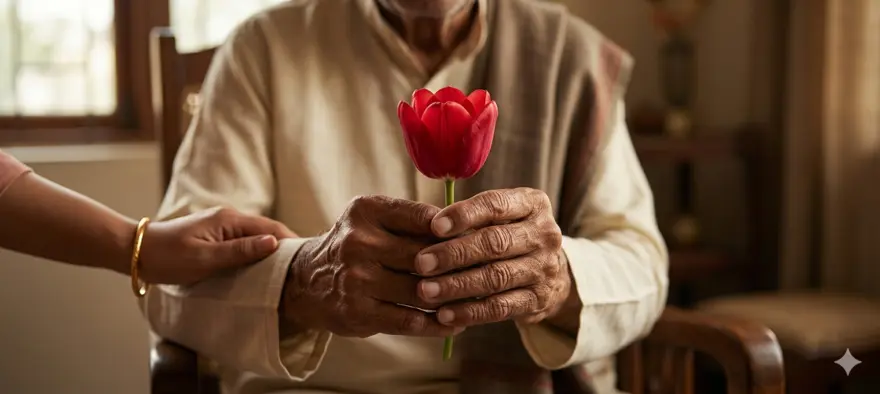
Table of Contents
- What Is World Parkinson's Day?
- When Is World Parkinson's Day 2026 Celebrated?
- The Theme of World Parkinson's Day 2026
- The History of World Parkinson's Day
- Key Importance of World Parkinson's Day
- Tests for Parkinson's Disease
- Treatment Options for Parkinson's Disease
- How World Parkinson's Day Is Observed
- Key Takeaways
- Conclusion
- Frequently Asked Questions About World Parkinson's Day
- References
For millions of people around the world, Parkinson's disease is a daily reality. It changes the way they move, speak, and go about their lives. World Parkinson's Day is a moment to pause, acknowledge their experience, and take meaningful steps towards greater awareness, earlier diagnosis, and better care.
What Is World Parkinson's Day?
World Parkinson's Day is a global observance held every year on 11th April to raise awareness about Parkinson's disease, one of the fastest-growing neurodegenerative diseases in the world. The day educates the public about the condition, encourages early diagnosis, and advocates for improved care and research.
The official symbol of World Parkinson's Day is the red tulip. It was established in 1980 by Dutch horticulturist J.W.S. Van der Wereld and has since become a universally recognised emblem of hope, solidarity, and the ongoing fight for better treatments.
Organisations such as the Movement Disorder Society (MDS) and health institutions across the world use this day to bring together neurologists, patients, caregivers, and researchers to advance the understanding of Parkinson's and strengthen support systems for those living with the condition.
When Is World Parkinson's Day 2026 Celebrated?
World Parkinson's Day 2026 is celebrated on Saturday, 11th April. The date marks the birth anniversary of Dr. James Parkinson, the British physician who first described the condition in 1817. Each year, this day serves as both a tribute to his foundational work and a call to action for greater neurodegenerative disease awareness worldwide.
The Theme of World Parkinson's Day 2026
The theme of World Parkinson's Day 2026 is "Bridge the Care Gap." It reflects a critical challenge that persists despite advances in medical research: many people living with Parkinson's still lack consistent access to specialist care, affordable treatment, and integrated support systems.
Bridging this gap means going beyond diagnosis. It means ensuring that every person affected by Parkinson's has access to neurological expertise, rehabilitation support, mental health care, and the resources they need to maintain their quality of life. The theme also calls on communities, policymakers, and healthcare providers to work together to make comprehensive Parkinson's care more equitable and accessible.
The History of World Parkinson's Day
The journey of understanding Parkinson's disease spans over two centuries of scientific progress:
- 1755 - Dr. James Parkinson is born on 11th April in London, England
- 1817 - Dr. Parkinson publishes An Essay on the Shaking Palsy, the first formal medical description of the condition, documenting symptoms such as tremors, postural instability, and slowness of movement
- 1870s to 1880s - French neurologist Jean-Martin Charcot expands on Parkinson's work and formally names the condition Parkinson's disease
- 1960s - Scientists discover that dopamine deficiency in the brain is central to the disease, marking a turning point in understanding its cause
- 1960s to 1980s - Development of levodopa therapy revolutionises treatment, offering patients significantly improved symptom management
- 1997 - World Parkinson's Day is officially established on 11th April to honour Dr. James Parkinson's birthday and promote global awareness
- 2005 - The red tulip is adopted as the international symbol of Parkinson's awareness
- 2016 onwards - Growing research focus on early detection, genetic factors, and the role of alpha-synuclein protein in disease progression
- Present - Parkinson's disease is recognised as the world's fastest-growing neurological disorder, affecting nearly 10 million people globally
Key Importance of World Parkinson's Day
World Parkinson's Day plays a vital role in shaping how society understands and responds to this condition:
- Raises neurodegenerative disease awareness by educating the public about Parkinson's symptoms, causes, and available care
- Encourages early diagnosis by helping people recognise warning signs and seek timely medical advice
- Reduces stigma associated with neurological and movement disorders
- Supports caregivers and families by acknowledging the emotional and physical demands of caring for someone with Parkinson's
- Drives research funding and scientific collaboration to accelerate the search for better treatments and ultimately a cure
- Advocates for equitable access to specialist care, rehabilitation, and support services for all patients regardless of geography or income
Tests for Parkinson's Disease
There is no single test that can definitively confirm Parkinson's disease. Diagnosis is primarily clinical, meaning it is based on a detailed assessment of symptoms, medical history, and neurological examination by a specialist. Additional investigations may be recommended to rule out other conditions.
Common diagnostic approaches include:
- Neurological examination - Assessment of tremors, muscle tone, movement speed, reflexes, walking pattern, and balance
- Medical history review - Evaluation of symptom onset, progression, family history, and medication use
- Response to medication - Improvement in symptoms with levodopa can support a Parkinson's diagnosis
- MRI brain scan - Used to exclude structural causes such as tumours or stroke
- CT scan - Considered when MRI is not available or suitable
- DaT SPECT scan - Assesses dopamine transporter activity in the brain and can support diagnosis in uncertain cases
- PET scan - Provides metabolic brain imaging to evaluate dopamine system function
- Blood tests - Used to rule out other medical conditions that may produce similar symptoms
Early consultation with a neurologist is important. A timely and accurate diagnosis allows treatment to begin sooner and supports better long-term outcomes.
Treatment Options for Parkinson's Disease
While Parkinson's disease cannot be cured at present, a range of treatments can significantly reduce symptoms and improve quality of life. Treatment is most effective when tailored to the individual's specific symptoms, stage of disease, and overall health.
Medications
Medications remain the most common approach to managing Parkinson's symptoms. Levodopa, often combined with carbidopa, is the most widely used and effective treatment for motor symptoms. Other medications help regulate dopamine activity or address non-motor symptoms such as mood, sleep, and digestion.
Surgical Treatment: Deep Brain Stimulation (DBS)
Deep Brain Stimulation is a surgical option for patients whose symptoms are not adequately controlled by medication. It involves implanting electrodes in specific areas of the brain to deliver controlled electrical impulses, helping to reduce tremors, stiffness, and involuntary movements.
Physiotherapy and Rehabilitation
Physiotherapy plays a central role in managing Parkinson's. It helps maintain mobility, improve balance, strengthen muscles, and reduce the risk of falls. Rehabilitation programmes often include gait training, speech therapy, occupational therapy, and cognitive support, all tailored to the patient's evolving needs.
Lifestyle Management
Lifestyle choices can meaningfully support symptom management alongside medical treatment:
- Regular aerobic exercise such as walking, swimming, or cycling
- A balanced diet rich in fruits, vegetables, whole grains, and healthy fats
- Consistent sleep routines
- Stress management practices
- Staying mentally active through reading, social engagement, and problem-solving activities
- Avoiding exposure to environmental toxins such as pesticides and heavy metals
How World Parkinson's Day Is Observed
Across India and around the world, World Parkinson's Day is marked with a wide range of activities:
- Global awareness campaigns featuring the red tulip as the symbol of Parkinson's solidarity
- Seminars, webinars, and conferences organised by neurological associations and health institutions
- Research paper presentations highlighting advances in Parkinson's diagnosis and treatment
- Free neurological health camps and consultation drives for early detection
- Awareness walks and community runs to show support for patients and caregivers
- Panel discussions on the theme of the year, focused on bridging care gaps and improving access
- Social media campaigns to amplify neurodegenerative disease awareness and reduce stigma
- Caregiver support sessions and family education workshops
Key Takeaways
- World Parkinson's Day is observed every year on 11th April, marking the birth anniversary of Dr. James Parkinson
- The theme for World Parkinson's Day 2026 is "Bridge the Care Gap," focusing on equitable access to comprehensive Parkinson's care
- The red tulip is the official symbol of Parkinson's awareness, representing hope and solidarity
- Parkinson's disease is a progressive dopamine deficiency disorder caused by the gradual degeneration of dopamine-producing neurons in the brain
- Nearly 10 million people worldwide are living with Parkinson's, making it the world's fastest-growing neurological disorder
- Early symptoms include tremors, slowness of movement, muscle stiffness, and changes in handwriting or voice
- There is no single test for Parkinson's; diagnosis is primarily clinical, supported by neurological examination and imaging
- Treatment includes medications, deep brain stimulation, physiotherapy, and lifestyle management
- While there is no cure, early diagnosis and the right care significantly improve quality of life
Conclusion
A Parkinson's diagnosis can feel overwhelming, but with early awareness, timely medical advice, and the right support, people living with the condition can continue to lead meaningful and fulfilling lives. World Parkinson's Day reminds us that staying informed and proactive about our health is one of the most powerful things we can do for ourselves and those we love.
Proactive health management starts with knowing your numbers. A preventive health checkup can offer valuable insight into your overall health and help identify risk factors before they become more serious concerns. When it comes to your health, acting early always makes a difference.
Metropolis Healthcare offers a comprehensive range of diagnostic tests and health packages, with accurate results, quick turnaround times, and the convenience of home sample collection. Book easily through the website, app, call, or WhatsApp, and take the first step towards staying informed about your health.
Frequently Asked Questions About World Parkinson's Day
What Is the Symbol for Parkinson's Day?
The official symbol for World Parkinson's Day is the red tulip. It was created in 1980 by Dutch horticulturist J.W.S. Van der Wereld, who developed a tulip variety and named it after Dr. James Parkinson. The red tulip was officially adopted as the international symbol of Parkinson's awareness in 2005 and is now recognised globally as a sign of hope, solidarity, and the commitment to finding better treatments for the condition.
Why Is Parkinson's Day Celebrated on April 11?
World Parkinson's Day is celebrated on 11th April because it marks the birth anniversary of Dr. James Parkinson, born on 11th April 1755 in London, England. Dr. Parkinson was the British physician who first formally described the condition in his 1817 publication, An Essay on the Shaking Palsy. Observing the day on his birthday is a tribute to his pioneering contribution to neurology and to the millions of people whose lives have been shaped by his work.
What Flower Represents Parkinson's?
The red tulip is the flower that represents Parkinson's disease awareness. Dutch horticulturist J.W.S. Van der Wereld cultivated a specific red and white tulip variety in 1980 and named it in honour of Dr. James Parkinson. The flower was formally recognised as the symbol of Parkinson's awareness at the World Parkinson Congress in 2005. Today, the red tulip appears in awareness campaigns, events, and fundraising initiatives around the world as a symbol of hope for patients, caregivers, and the wider Parkinson's community.
References
- Parkinson J. An Essay on the Shaking Palsy. London: Sherwood, Neely, and Jones; 1817.
- World Health Organization. Parkinson Disease. Geneva: WHO; 2023.
- de Lau LM, Breteler MM. Epidemiology of Parkinson's disease. Lancet Neurol. 2006;5(6):525-535. PMID: 16713924.
- Kalia LV, Lang AE. Parkinson's disease. Lancet. 2015;386(9996):896-912. PMID: 25904081.
- Bloem BR, Okun MS, Klein C. Parkinson's disease. Lancet. 2021;397(10291):2284-2303. PMID: 33848468.
- Movement Disorder Society. World Parkinson's Day. Available from: movementdisorders.org.
- Ministry of Ayush, Government of India. Parkinson's Disease Awareness. Available from: ayush.gov.in.