Home Visit
 Upload






Preventive Healthcare
Upper Respiratory Infection: Causes, Symptoms And Care
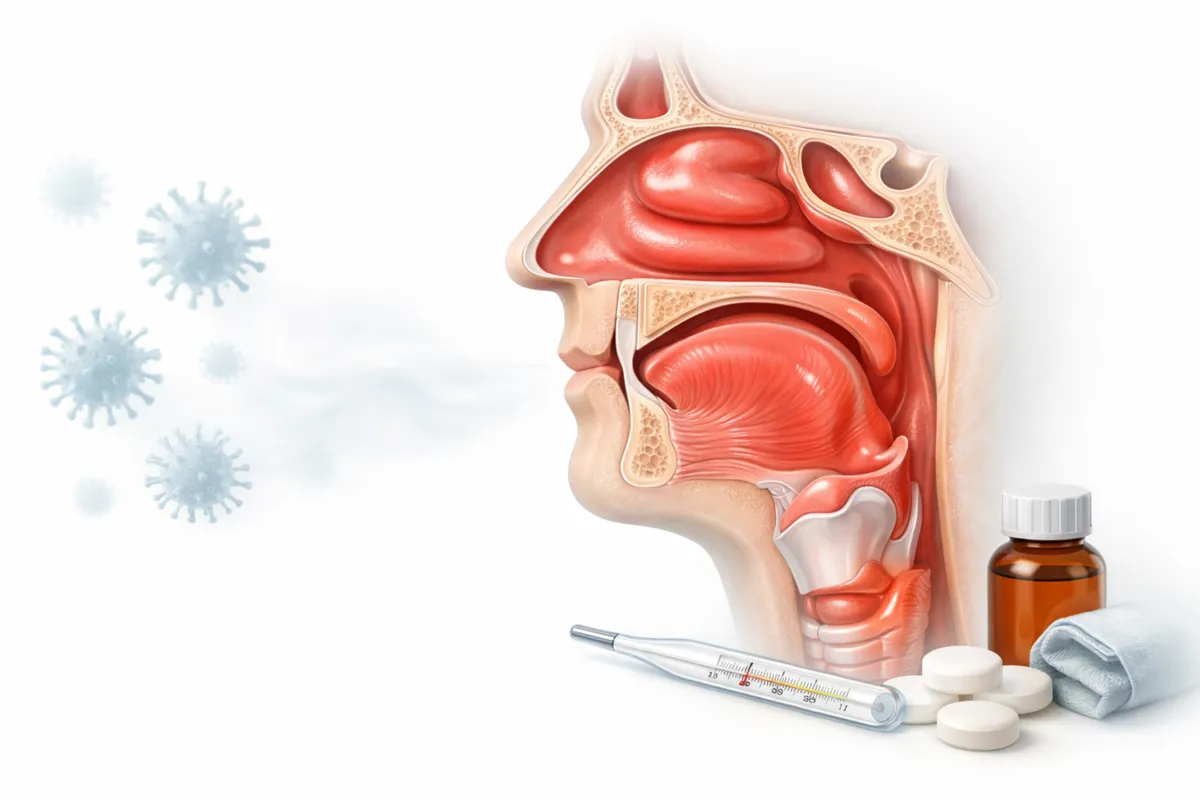
Table of Contents
- What Is An Upper Respiratory Infection (URI)?
- Which Parts Of The Body Are Affected?
- Common Types Of Upper Respiratory Infections
- Causes Of Upper Respiratory Infections
- How Upper Respiratory Infections Spread
- Symptoms Of Upper Respiratory Infection
- Common Symptoms
- Symptoms In Children Vs Adults
- How Long Do URI Symptoms Last?
- Upper Respiratory Infection Vs Lower Respiratory Infection
- When Is A URI Contagious?
- How Upper Respiratory Infections Are Diagnosed
- Do You Need Tests For A URI?
- Treatment And Care For Upper Respiratory Infection
- Home Care And Self-Care Tips
- Medications For Symptom Relief
- Are Antibiotics Needed?
- Care Tips For Children And Elderly
- Possible Complications Of URI
- How To Prevent Upper Respiratory Infections
- Hygiene And Lifestyle Measures
- Boosting Immunity
- When To See A Doctor
- Conclusion
- FAQ's
- References
An upper respiratory infection (URI) is a common illness that affects your nose, sinuses, throat, and voice box. Most URIs are caused by viruses and settle on their own with rest, fluids, and simple symptom relief.
If you are feeling anxious, it may help to remember this: In most people, a URI is uncomfortable but short-lived. Knowing what is normal, what helps, and when to seek care can make the experience much easier to manage.
What Is An Upper Respiratory Infection (URI)?
A URI is an infection in the upper part of your breathing system. You may also hear it called an upper respiratory tract infection. It is one of the most common reasons people seek medical advice worldwide.
In many cases, it is simply a common cold. Sometimes, a URI can be caused by bacteria, such as in certain cases of strep throat or sinus infections.
Which Parts Of The Body Are Affected?
A URI involves areas above your vocal cords, including:
- Nose (nasal passages)
- Sinuses (air-filled spaces around your nose)
- Throat (pharynx)
- Voice box (larynx)
Because these areas connect, irritation and swelling can move around. That is why you might start with a sore throat, then develop a blocked nose, and later notice a cough.
Common Types Of Upper Respiratory Infections
Common types of URIs include:
- Common cold (acute viral rhinitis): The most frequent type.
- Sinusitis: Infection or inflammation of the sinuses, often causing facial pressure and thicker mucus.
- Pharyngitis: Sore throat, which may be viral or bacterial.
- Laryngitis: Hoarseness or loss of voice.
- Influenza (flu), COVID-19, and RSV: These can start with upper respiratory symptoms and may also affect the lower airways in some people.
Causes Of Upper Respiratory Infections
Viruses cause most URIs. Many different viruses can trigger the same set of symptoms, which is why you can get colds more than once.
For the common cold specifically, rhinoviruses are a leading cause and have been shown to account for a large proportion of cases.
Less commonly, URIs can be caused by bacteria (for example, group A streptococcus in strep throat) or, rarely, fungi in people with significant immune suppression.
How Upper Respiratory Infections Spread
URIs are contagious. They spread mainly through:
- Breathing in virus particles released when someone coughs, sneezes, or talks.
- Touching contaminated surfaces and then touching your nose or eyes.
Studies show that respiratory viruses can contaminate everyday surfaces and transfer to fingers during normal activity, which supports good hand hygiene as a practical prevention step.
A systematic review of rhinovirus transmission also found evidence supporting airborne spread in indoor settings, which is one reason ventilation and staying home when unwell can reduce spread.
Symptoms Of Upper Respiratory Infection
Common Symptoms
Upper respiratory infection symptoms can vary, but you may notice:
- Runny or blocked nose
- Sneezing
- Sore or scratchy throat
- Cough
- Hoarse voice
- Mild fever
- Headache
- Feeling tired or run down
- Body aches
Symptoms In Children Vs Adults
Children often get URIs more frequently than adults and can become unwell more quickly due to smaller airways and lower reserves for fluids. In children, look out for:
- Poor feeding or reduced fluids
- Fast breathing or working harder to breathe
- Unusual sleepiness or irritability
- Fewer wet nappies or signs of dehydration
Older adults may also have less obvious early symptoms and can become dehydrated more easily.
How Long Do URI Symptoms Last?
Most viral URIs improve within 7 to 10 days, although a cough can linger longer as your airways recover.
A typical pattern is:
- Days 1 to 2: Sore throat, sneezing, feeling tired.
- Days 3 to 5: Nasal congestion peaks, cough may start or worsen.
- Days 6 to 10: Symptoms ease gradually, but cough or post-nasal drip may persist.
If your symptoms last beyond two weeks, or worsen after initially improving, it is sensible to speak with a doctor.
Upper Respiratory Infection Vs Lower Respiratory Infection
A URI affects the nose, sinuses, throat, and voice box.
A lower respiratory infection affects the airways and lungs (such as bronchitis or pneumonia). You should take lower respiratory symptoms seriously, especially if you have asthma, COPD, heart disease, or weakened immunity.
Signs that suggest a lower respiratory problem include:
- Shortness of breath
- Chest pain
- Wheezing
- A persistent high fever
- Feeling severely unwell or confused
When Is A URI Contagious?
You are usually most contagious early in the illness, including around the time symptoms begin. Viral load and symptoms often peak in the first few days, so it is wise to take precautions as soon as you notice signs of a cold.
Practical steps include staying home if possible, wearing a mask in close indoor settings, improving ventilation, and avoiding close contact with people at higher risk.
How Upper Respiratory Infections Are Diagnosed
Doctors usually diagnose a URI based on:
- Your symptom pattern and duration
- A physical examination of your throat, nose, and ears
- Your risk factors (age, pregnancy, chronic conditions, immune status)
Do You Need Tests For A URI?
Most mild URIs do not need tests. Testing may help when results would change care, for example:
- To confirm flu or COVID-19 when early treatment or isolation advice is needed
- To confirm strep throat before antibiotics
- When symptoms are severe, prolonged, or recurrent
- When a vulnerable person may have complications
A clinician may suggest a throat swab, nasal swab, or other investigations depending on your symptoms.
Treatment And Care For Upper Respiratory Infection
Upper respiratory infection treatment focuses on symptom relief and supporting recovery. There is no quick cure for the common cold, but you can feel significantly better with the right approach.
Home Care And Self-Care Tips
You can usually manage a viral URI at home with:
- Rest: Give your body time to recover.
- Fluids: Sip water, soups, and warm drinks to stay hydrated.
- Salt-water gargles: Helpful for sore throat.
- Saline nasal sprays or rinses: Useful for congestion and post-nasal drip.
- Humidified air: A cool-mist humidifier may ease nasal dryness and coughing at night.
If you are using honey for cough relief, it should only be used in children over 1 year old due to the risk of infant botulism in younger babies.
Medications For Symptom Relief
Over-the-counter medicines can help, but use them carefully and follow the label instructions.
Common options include:
- Paracetamol or ibuprofen for fever, headache, and body aches.
- Decongestants for a blocked nose (some are not suitable if you have high blood pressure, heart disease, or certain other conditions).
- Nasal decongestant sprays: These can work quickly, but do not use them for more than a few days, as overuse can cause rebound congestion.
Be cautious with multi-ingredient cough and cold products. They can lead to accidental double-dosing, especially if you also take separate pain relief medicines.
In children, evidence-based options are more limited, and many OTC cold medicines are not recommended for young children.
Are Antibiotics Needed?
Antibiotics do not treat viral infections, including the common cold. They should only be used when a clinician diagnoses a bacterial infection, such as:
- Confirmed strep throat
- Certain ear infections
- Selected cases of bacterial sinusitis
Unnecessary antibiotic use can cause side effects and contributes to antibiotic resistance, so it is best to use them only when they are genuinely needed.
Care Tips For Children And Elderly
If you are caring for a child or an older adult:
- Prioritise fluids and rest.
- Use fever and pain relief according to age-appropriate guidance.
- Avoid OTC cough and cold products in very young children, and do not assume adult products are safe at smaller doses.
- Monitor for worsening breathing, dehydration, persistent fever, or reduced alertness.
If you are unsure, it is safer to check with a doctor early.
Possible Complications Of URI
Most URIs resolve without complications. However, complications can occur, particularly in young children, older adults, and people with chronic illness or reduced immunity.
Possible complications include:
- Ear infections
- Sinus infections
- Worsening asthma or COPD symptoms
- Lower respiratory infection such as pneumonia
- Rarely, untreated bacterial infections can lead to problems such as scarlet fever. In very vulnerable people, severe infection can progress to sepsis, which needs urgent medical care.
How To Prevent Upper Respiratory Infections
Prevention reduces both your risk of getting ill and your risk of passing infection to others.
Hygiene And Lifestyle Measures
- Wash your hands regularly, especially after blowing your nose or being in public places.
- Avoid touching your face with unwashed hands.
- Clean high-touch surfaces when someone at home is unwell.
- Improve indoor ventilation where possible.
- Avoid close contact when you feel unwell, and consider a mask in crowded indoor spaces.
- Both surface contamination studies and transmission reviews support these practical measures.
Boosting Immunity
You cannot “boost” your immune system overnight, but you can support it consistently:
- Sleep well
- Eat a balanced diet with adequate protein, fruits, and vegetables
- Stay active
- Avoid smoking
- Manage stress where possible
These habits also help you recover more smoothly when you do get unwell.
When To See A Doctor
Seek medical advice if you notice any of the following:
- Difficulty breathing, wheezing, or chest pain
- High fever or fever that lasts more than a few days
- Symptoms that last longer than two weeks
- Symptoms that worsen after initial improvement
- Severe headache, stiff neck, or marked drowsiness
- Dehydration, especially in children or older adults
- You are pregnant, immunocompromised, or have significant chronic illness and your symptoms feel more than mild
Conclusion
A URI is usually a short-term viral illness that you can manage with rest, fluids, and targeted symptom relief. Most people recover well within about a week, and knowing when to seek help can give you reassurance and control.
If your symptoms persist, keep returning, or you need testing to rule out infections such as flu, COVID-19, or bacterial throat infection, reliable diagnostics can guide the next steps. Metropolis Healthcare supports you with NABL and CAP-accredited testing, 4,000+ tests including speciality testing and full body checkups, and convenient home sample collection across 10,000 touchpoints. You can book easily through the website, app, call, or WhatsApp, with a focus on accurate results and quick turnaround times.
FAQ's
Is An Upper Respiratory Infection Contagious?
Yes. Most URIs spread from person to person through the air and by contaminated hands or surfaces. You reduce spread by staying home when you can, improving ventilation, and washing your hands regularly.
How Is URI Different From The Flu?
A URI is a broad term. A common cold is a type of URI and often comes on gradually. Flu tends to start more suddenly and can cause more intense fever, body aches, and fatigue. Testing can help if the distinction affects treatment decisions.
Can A URI Go Away On Its Own?
Yes. Most viral URIs are self-limiting and improve with home care and time.
How Long Does An Upper Respiratory Infection Last?
Many people feel better in 7 to 10 days. A cough can linger for longer as your airways settle.
When Should Antibiotics Be Used?
Antibiotics are only useful for bacterial infections. A clinician may prescribe them for confirmed strep throat, many cases of ear infection, and some cases of bacterial sinusitis.
References
- GBD 2021 Upper Respiratory Infections Otitis Media Collaborators. (2025). Global, regional, and national burden of upper respiratory infections and otitis media, 1990-2021: a systematic analysis from the Global Burden of Disease Study 2021. Lancet Infectious Diseases, 25(1), 36-51. PMID: 39265593
- Heikkinen T., Järvinen A. (2003). The common cold. Lancet, 361(9351), 51-59. PMID: 12517470
- Mäkelä M. J., Puhakka T., Ruuskanen O., et al. (1998). Viruses and bacteria in the etiology of the common cold. Journal of Clinical Microbiology, 36(2), 539-542. PMID: 9466772
- Sur D. K. C., Plesa M. L. (2022). Antibiotic use in acute upper respiratory tract infections. American Family Physician, 106(6), 628-636. PMID: 36521460
- Andrup L., Krogfelt K. A., Hansen K. S., Madsen A. M. (2023). Transmission Route of Rhinovirus: The causative agent for common cold. A systematic review. American Journal of Infection Control, 51(8), 938-957. PMID: 36535318
- Winther B., McCue K., Ashe K., Rubino J. R., Hendley J. O. (2007). Environmental contamination with rhinovirus and transfer to fingers of healthy individuals by daily life activity. Journal of Medical Virology, 79(10), 1606-1610. PMID: 17705174
- DeGeorge K. C., Ring D. J., Dalrymple S. N. (2019). Treatment of the common cold. American Family Physician, 100(5), 281-289. PMID: 31478634
- Summerlin J., Eiland L. S. (2025). The use and safety of cough and cold medications in the pediatric population. Journal of Pediatric Pharmacology and Therapeutics, 30(1), 17-26. PMID: 39935563
- Graf P. (1997). Rhinitis medicamentosa: aspects of pathophysiology and treatment. Allergy, 52(Suppl 40), 28-34. PMID: 9353558
- Tanzi M. G., Gabay M. P. (2002). Association between honey consumption and infant botulism. Pharmacotherapy, 22(11), 1479-1483. PMID: 12432974