Home Visit
 Upload






Preventive Healthcare
Having Constant Body Pain & Aches? Some Health Issues You Should be Aware of
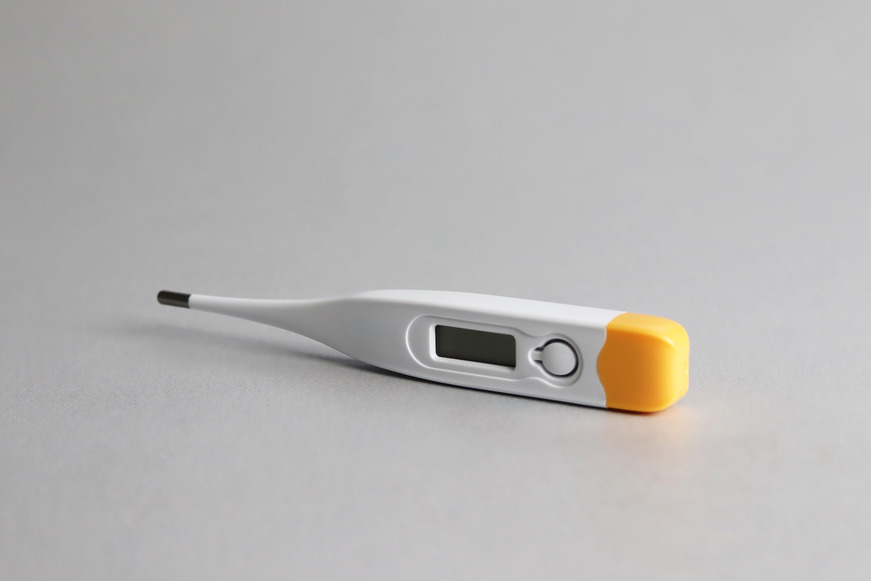
Table of Contents
Body ache, also known as body soreness or myalgia, is a common symptom that can range from mild to severe. It often occurs along with fever, making you feel unwell all over. While occasional muscle aches are usually nothing to worry about, persistent body pain and fever can indicate an underlying health issue that requires medical attention. In this article, we’ll explore the various body ache reasons, when to see a doctor, and how to find relief.
Body Pain and Fever: 20 Possible Causes
1. Stress
Chronic stress can lead to muscle tension and inflammation, causing body aches. When you're stressed, your body releases cortisol and other hormones that can make your muscles feel tight and sore. Stress can also weaken your immune system, making you more susceptible to infections that cause fever and body aches.
2. Dehydration
Not drinking enough fluids can cause electrolyte imbalances, leading to muscle cramps and body soreness. Fever increases fluid loss through sweating, which can worsen dehydration and aches. Staying hydrated is essential for overall health and can help alleviate body pain and fever.
3. Lack of Sleep
Sleep deprivation can cause body aches by increasing inflammation and pain sensitivity. Lack of sleep also impairs immune function, making you more vulnerable to infections that cause fever and body aches. Aim for 7-9 hours of quality sleep each night to support your body's recovery and pain relief.
4. Cold, Flu, or COVID-19
Viral infections like the common cold, influenza, and COVID-19 are among the most frequent causes of fever and body aches. When your immune system fights these pathogens, it releases inflammatory chemicals called cytokines, which can cause widespread muscle pain and fever.
Other symptoms may include runny or stuffy nose, sore throat, cough, or fatigue. Most viral illnesses resolve on their own with rest and self-care measures. However, if your symptoms are severe or persistent, consult your doctor.
5. Anaemia
Anaemia, or low red blood cell count, can cause fatigue and body aches. Red blood cells carry oxygen to your muscles. When you're anaemic, your muscles don't get enough oxygen, leading to pain and weakness. Iron-deficiency anaemia is the most common type. Eating iron-rich foods and taking supplements can help restore your red blood cell levels.
6. Low Vitamin D
Vitamin D plays a crucial role in bone and muscle health. Low vitamin D levels can cause bone pain, muscle weakness, and aches. Your body produces vitamin D when your skin is exposed to sunlight. You can also get it from certain foods and supplements. If you suspect a vitamin D deficiency, ask your doctor about getting a blood test.
7. Mononucleosis (Mono)
Mono, caused by the Epstein-Barr virus, is a common cause of fever and body aches in teens and young adults. Other symptoms include extreme fatigue, sore throat, swollen lymph nodes, or headache.
There's no specific treatment for mono. Getting plenty of rest, staying hydrated, and managing symptoms with over-the-counter pain relievers can help you recover.
8. Pneumonia
Pneumonia is a lung infection that can cause fever, chills, and muscle aches. Other symptoms may include cough, chest pain, and difficulty breathing. Pneumonia can be caused by bacteria, viruses, or fungi. Treatment depends on the type of pneumonia and its severity. If you have symptoms of pneumonia, see your doctor right away.
9. Fibromyalgia
Fibromyalgia is a chronic condition that causes widespread body aches, fatigue, and sleep problems. The exact cause is unknown, but it's thought to involve changes in how the brain and nervous system process pain signals. There's no cure for fibromyalgia, but a combination of medications, therapy, and lifestyle changes can help manage symptoms.
10. Chronic Fatigue Syndrome (CFS)
CFS is a complex disorder characterised by extreme fatigue, body aches, and other symptoms that don't improve with rest. The exact cause is unknown, but it may be triggered by viral infections or immune system problems. Treatment focuses on symptom management and improving quality of life.
11. Arthritis
Arthritis is inflammation of the joints, which can cause pain, stiffness, and aching. There are many types of arthritis, including osteoarthritis (wear and tear) and rheumatoid arthritis (autoimmune). Treatment may include pain medications, physical therapy, and lifestyle modifications.
12. Lupus
Lupus is a chronic autoimmune disease that can cause fever, body aches, joint pain, and fatigue. It occurs when the immune system mistakenly attacks healthy tissues. Treatment aims to control symptoms and prevent flares. If you have symptoms of lupus, see a rheumatologist for an evaluation.
13. Lyme Disease
Lyme disease is a bacterial infection spread by tick bites. Symptoms may include a bull's-eye rash, fever, body aches, and fatigue. If left untreated, Lyme disease can cause serious complications. Antibiotics are used to treat the infection. If you suspect Lyme disease, see your doctor for testing and treatment.
14. Histoplasmosis
Histoplasmosis is a fungal infection that can cause fever, cough, and body aches. It's caused by breathing in fungal spores found in bird and bat droppings. Most people don't get sick from histoplasmosis. But in some cases, it can cause severe symptoms, especially in people with weakened immune systems.
15. Multiple Sclerosis (MS)
MS is a chronic autoimmune disease that affects the central nervous system. Symptoms may include muscle weakness, numbness, and body aches. MS can also cause fatigue and difficulty with balance and coordination. There's no cure for MS, but treatments can help manage symptoms and slow disease progression.
16. Sepsis
Sepsis is a life-threatening condition caused by the body's extreme response to an infection. Symptoms include fever, chills, rapid breathing, and confusion. Sepsis can lead to organ failure and death if not treated promptly. If you suspect sepsis, seek emergency medical care immediately.
17. Cancer
Certain types of cancer and cancer treatments can cause fever and body aches. For example, lymphoma (cancer of the lymphatic system) can cause fever, night sweats, and body aches. Chemotherapy and radiation therapy can also cause flu-like symptoms. If you have unexplained fever and body aches, especially if you have a history of cancer, talk to your doctor.
18. Dengue, Chikungunya, and Malaria
These mosquito-borne illnesses can cause high fever, severe body aches, and other flu-like symptoms. They're common in tropical and subtropical regions. See a doctor if you develop symptoms after travelling to an area where these diseases are prevalent.
19. Common Fever
Fever is a natural response to infection or inflammation. It helps your body fight off invaders. Body aches often accompany fever due to increased inflammation and metabolic demands. Most fevers and aches resolve on their own or with over-the-counter medicine for fever and body pain within a few days.
20. Flu
Influenza, or the flu, is a viral infection that causes fever, chills, body soreness, and fatigue. It can be more severe than the common cold. Getting an annual flu vaccine can help prevent the flu or reduce its severity.
When Should You Be Serious?
Occasional body aches and pain can occur due to tiredness, overexertion, or minor infections. However, constant or unexplained pain should never be ignored. Persistent body soreness could indicate serious underlying health issues such as fibromyalgia, chronic fatigue syndrome, autoimmune diseases, or even neurological problems.
Warning signs that require immediate attention:
- Pain lasting more than two weeks without clear cause
- Severe pain that interferes with daily activities or sleep
- Body pain accompanied by fever, swelling, redness, or stiffness
- Muscle weakness or loss of sensation in any part of the body
- Sudden, sharp, or radiating pain
- Unintentional weight loss along with pain
- Pain that worsens progressively over time
If you experience any of these symptoms, it’s important to consult a healthcare provider for timely evaluation and treatment.
Diagnosis & Tests
During the initial assessment, your doctor will:
- Ask about your symptom history, medical history, and recent exposure to infections
- Conduct a physical exam focusing on signs of infection or other body ache reasons
To determine the underlying cause, your doctor may order:
- Blood Tests: To check for infections, autoimmune markers, vitamin deficiencies, or inflammation levels (such as CRP and ESR)
- Imaging Tests: X-rays, MRIs, or CT scans help detect joint issues, muscle injuries, or nerve compression
- Nerve Conduction Studies: These assess nerve function if neuropathic pain is suspected
- Urine Tests: Useful to detect underlying kidney infections or metabolic disorders that may cause body pain
- Autoimmune Panel: Tests like ANA (antinuclear antibody) can identify conditions like lupus or rheumatoid arthritis
- Infectious Disease Screening: Especially if pain is accompanied by fever or a history of recent travel
- Physical and Neurological Exams: To check muscle strength, reflexes, and range of motion.
Doctors may also recommend specialised tests depending on suspected conditions like thyroid dysfunction, vitamin D deficiency, or chronic fatigue syndrome.
Medicine for Fever and Body Pain
Treating body pain and fever typically involves addressing both the symptoms and the underlying cause. Over-the-counter medications can offer quick relief, but long-term management depends on the root diagnosis. Commonly used over-the-counter medicine for fever and body pain includes:
- Paracetamol (Acetaminophen): Often recommended for mild to moderate body pain and fever. It’s considered safe when used at appropriate doses.
- Non-Steroidal Anti-Inflammatory Drugs (NSAIDs): Medicines like ibuprofen and naproxen can reduce pain, fever, and inflammation. However, prolonged use should be monitored due to potential side effects like stomach irritation.
- Muscle Relaxants: Useful for body aches related to muscle strain or spasms
- Antibiotics: Prescribed if bacterial infections are causing fever and body pain
- Antiviral Drugs: Used when viral infections like dengue, flu, or chikungunya are involved
- Pain Relievers for Chronic Conditions: For long-standing pain, doctors may suggest medications like low-dose antidepressants, anticonvulsants, or stronger pain relievers under close supervision
- Supplements: Vitamin D, calcium, or magnesium supplements may be advised if deficiencies are contributing to the pain.
Important usage tips:
- Always follow dosing instructions carefully to avoid side effects or toxicity, especially in children or those with liver/kidney issues
- Use NSAIDs cautiously if you have conditions like stomach ulcers or kidney problems
- Avoid self-medicating and promptly seek medical care if your symptoms are severe, persist despite treatment, or come with warning signs like breathing difficulty
- Get medical help if your fever is very high or doesn't respond to medicine for fever and body pain within 24-48 hours
- Get ample rest, stay well-hydrated, and closely monitor symptoms
- Avoid overheating and wear comfortable clothing to help regulate body temperature
Conclusion
Body aches and fever can have many possible causes, from stress and lack of sleep to serious illnesses like pneumonia and sepsis. While most cases of body soreness resolve on their own with rest and self-care, it's important to see a doctor if your symptoms are severe, persistent, or accompanied by other concerning symptoms.
At Metropolis Healthcare, we understand the importance of accurate diagnosis in managing body aches and fever. Our team of qualified phlebotomists can collect blood samples from the comfort of your home, which are then processed in our state-of-the-art labs. With a wide range of pathology tests and health check-up packages, we can help identify the underlying cause of your symptoms and guide you towards appropriate treatment.