Home Visit
 Upload






Preventive Healthcare
12 Menstrual Cup Tips: Size, Use, Cleaning And Comfort
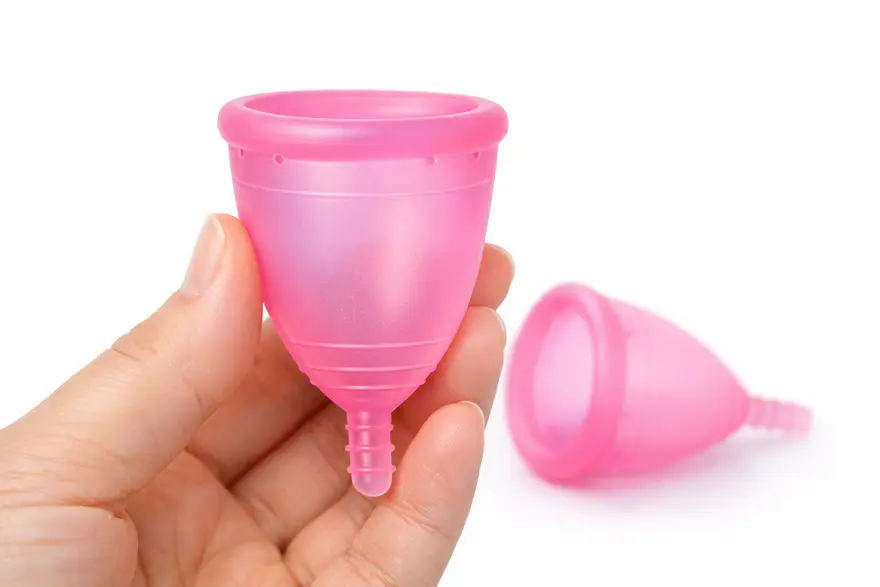
Table of Contents
- What Is A Menstrual Cup?
- How A Menstrual Cup Works
- Benefits Of Using A Menstrual Cup
- How To Choose The Right Menstrual Cup Size
- 12 Practical Menstrual Cup Tips For Beginners
- How To Use A Menstrual Cup Step By Step
- Best Menstrual Cup Folds To Try
- How To Clean A Menstrual Cup
- How Long Can You Wear A Menstrual Cup?
- Common Menstrual Cup Problems And Solutions
- Is A Menstrual Cup Safe?
- Menstrual Cup And IUDs
- Who Should Avoid Or Be Careful Using A Menstrual Cup
- Tips For Menstrual Cup Comfort At Work Or Travel
- When To See A Doctor
- Menstrual Cup Vs Pads, Tampons, And Discs
- Conclusion
- FAQs
- References
A menstrual cup is a small, flexible cup that sits inside the vagina and collects period blood instead of absorbing it. Most reusable cups are made of medical-grade silicone or similar materials, and many can be worn for up to 8 to 12 hours depending on your flow and the product instructions.
If you are new to cups, the learning curve is real, but it usually gets easier after a few cycles. The right size, a good fold, clean handling, and a little patience can make a big difference.
What Is A Menstrual Cup?
A menstrual cup is a bell-shaped period product that you insert into the vagina during your period. Unlike pads or tampons, it collects menstrual fluid rather than absorbing it.
Most cups are reusable, which is one reason they are popular among people looking for more sustainable period care options. Some disposable versions also exist, but reusable cups are far more common.
How A Menstrual Cup Works
Once inserted, the cup opens inside the vagina and sits below or around the cervix, depending on your anatomy and the cup shape. When positioned correctly, it forms a seal with the vaginal walls and collects your flow.
Because it collects rather than absorbs, some users find that cups cause less dryness than tampons. They can also be a useful option for people who want longer wear time between changes.
Benefits Of Using A Menstrual Cup
Menstrual cups have a few practical advantages:
- They can be reused for years with proper care
- They can work out cheaper over time than pads or tampons
- Many offer up to 12 hours of protection, depending on flow and brand instructions
- They often hold more fluid than a tampon
- They create less waste than many disposable products
For many users, one of the biggest benefits is convenience. Once you get used to it, a cup can fit easily into your routine, including overnight use, workdays, travel, and exercise. It is also one of the better-known reusable menstrual products for people who want a lower-waste period care option.
How To Choose The Right Menstrual Cup Size
Choosing the right menstrual cup size matters more than many beginners expect. A cup that is too large, too firm, too short, or too long may leak or feel uncomfortable.
When choosing a cup, consider:
- Your flow, whether light, moderate, or heavy
- Your age and whether you have given birth vaginally
- Whether your cervix sits high or low during your period
- Whether you prefer a softer or firmer cup
- Whether the stem feels too long or too short
If you are unsure, starting with a smaller or softer cup can feel less intimidating. Many people also need some trial and error before they find their best fit.
12 Practical Menstrual Cup Tips For Beginners
- Read The Brand Instructions First
Cups vary in shape, firmness, capacity, and care instructions. Always start with the instructions that come with your specific cup. - Start On A Lighter Day If Possible
It can feel easier to practise insertion and removal on a lighter day of your period or at the very start of your menstrual cycle when you are not rushing. - Wash Your Hands Every Time
Clean hands are one of the most important parts of safe cup use. - Try A Smaller Or Softer Cup If You Are New
A softer or smaller cup may feel easier to fold, insert, and remove when you are still learning. - Use Water Or Water-Based Lubricant
A small amount around the rim can make insertion easier, especially in the beginning. - Angle The Cup Towards Your Tailbone
Do not push the cup straight upwards. A slightly backward angle usually feels more natural. - Check That The Cup Has Opened Fully
If the cup stays folded, it is more likely to leak. Run a clean finger around the base if needed to check that it has opened. - Do Not Pull Only On The Stem
The stem helps you locate the cup, but removal should be done by pinching the base to break the seal first. - Break The Seal Before Removal
Trying to pull the cup out without releasing suction can feel uncomfortable and may make removal harder. - Expect A Learning Curve
It is common to need two or three periods, sometimes more, to feel fully confident. - Empty It More Often On Heavy Days
Even if your cup is labelled for up to 12 hours, heavy flow days may require earlier emptying. - Keep A Backup Pad Or Liner At First
This can reduce stress while you are still figuring out your fold, fit, and timing.
How To Use A Menstrual Cup Step By Step
Using a menstrual cup becomes easier when you break it down into simple steps.
- Wash your hands well.
- Fold the cup using a method that feels manageable.
- Relax your pelvic muscles and find a comfortable position, such as squatting, sitting on the toilet, or standing with one leg raised.
- Insert the folded cup at an angle towards your tailbone.
- Let it open inside. You can gently rotate it or run a finger around the base if needed.
- Check that it feels comfortable. You should not feel it once it is in place properly.
- To remove it, wash your hands, locate the base, pinch it to break the seal, and ease it out slowly.
- Empty the cup into the toilet, rinse or wash as directed, and reinsert it.
Best Menstrual Cup Folds To Try
Different folds work for different people. The best one is often the one you can hold steadily while inserting.
C-Fold: Fold the cup in half so the rim forms a C shape. This is simple, but the insertion point is wider.
Punch-Down Fold: Push one side of the rim down into the cup. This creates a smaller insertion point and is often easier for beginners.
7-Fold: Fold one top corner diagonally down so the rim looks like the number 7. Many users find this gives a good balance between control and ease.
How To Clean A Menstrual Cup
Good cleaning is a basic part of feminine hygiene when using any internal period product.
During your period, empty the cup, rinse it, and wash it as directed by the brand. At the end of the cycle, sanitise it according to the product instructions. Many guidance sources recommend boiling the cup for a short period after the period ends, as directed by the manufacturer.
Let it dry completely before storing it in a breathable pouch or container. Avoid airtight plastic boxes if your cup brand advises against them.
How Long Can You Wear A Menstrual Cup?
Many menstrual cups can be worn for up to 8 to 12 hours, depending on the product and your flow. That does not mean you should automatically leave it in for the full 12 hours every time. On heavy days, you may need to empty it sooner.
Overnight use is usually possible for many users, as long as you follow the brand guidance and your cup does not overfill.
Common Menstrual Cup Problems And Solutions
Leaking
Leaks often happen because the cup did not fully open, the size is not right, the cup is sitting beside the cervix rather than below it, or it is overflowing on heavy days.
Cup Feels Uncomfortable
This can happen if the cup is too low, too firm, or the stem is irritating. Sometimes trimming the stem helps, but do this only if the brand instructions allow it.
Trouble Removing The Cup
Usually this improves with practice. Bear down gently with your pelvic muscles, reach for the base, and break the seal before removal.
Cup Keeps Sitting Too High
The cup cannot get lost, but it may ride higher than expected. A longer cup or a different shape may help if this keeps happening.
Removal Feels Messy
Try removing it in the shower at first, or over the toilet while leaning forward.
Is A Menstrual Cup Safe?
For most users, menstrual cups are generally considered safe when used and cleaned correctly. Reviews of published studies have found them to be an effective period management option, with safety outcomes broadly comparable to other menstrual products.
That said, safe use still matters. Wash your hands, clean the cup properly, and do not ignore pain, fever, rash, foul-smelling discharge, or other worrying symptoms. Rare complications, including irritation or infection, can happen if hygiene is poor or the cup is not used correctly.
Menstrual Cup And IUDs
Some people use a menstrual cup and an IUD together, but this needs a little extra care. There is some evidence of a possible association between menstrual cup use and IUD expulsion, although the evidence is limited and not fully settled.
If you have an IUD, speak to your doctor or gynaecologist about whether a cup is suitable for you. Breaking the seal fully before removal is especially important.
Who Should Avoid Or Be Careful Using A Menstrual Cup
You may need extra caution, or a different period product, if you:
- Recently gave birth
- Recently had a miscarriage, abortion, or pelvic procedure
- Have severe pelvic pain or pain with insertion
- Have a latex allergy and the cup contains latex
- Keep getting infections or cannot comfortably use internal period products
- Have an IUD and have not discussed cup use with a clinician
A cup is not the right choice for everyone, and that is completely fine.
Tips For Menstrual Cup Comfort At Work Or Travel
Using a cup outside the house becomes easier with a little preparation.
- Empty it before long meetings or travel
- Carry a small bottle of water if you may need to rinse it in a toilet cubicle
- Keep tissues or unscented wipes with you if needed
- Store the cup in its pouch, not loose in a bag
- Wear a liner if you are still learning your timing
If you need to empty it in a public restroom, you can wipe the cup carefully and reinsert it, then wash it more thoroughly when you have access to a private sink.
When To See A Doctor
See a doctor if you have:
- Ongoing pain with insertion or removal
- Repeated leaks despite trying the right size and technique
- Fever, rash, or feeling unwell during your period
- Foul-smelling discharge
- New pelvic pain
- Very heavy periods, dizziness, or fatigue
If your bleeding is unusually heavy, your doctor may want to evaluate the cause and may advise tests such as a cbc test. If you also have burning while passing urine, fever, or symptoms that suggest a urinary tract infection, get medical advice rather than assuming the cup is the cause.
Menstrual Cup Vs Pads, Tampons, And Discs
Pads are external and easy to use, but they may feel bulky for some people. Tampons are familiar and convenient, but they absorb fluid rather than collecting it. Menstrual discs also collect period blood, but they sit differently and are shaped more like a disc than a cup.
A cup can be a very good option if you want longer wear time, lower waste, and a reusable product. But the best product is still the one you can use safely and comfortably.
Conclusion
A menstrual cup can be a practical, economical, and comfortable period product once you find the right fit and technique. The first few tries may feel awkward, but that does not mean you are doing it wrong. Most people improve with practice, patience, and a little troubleshooting.
Focus on the basics: the right size, clean hands, a beginner-friendly fold, gentle removal, and proper cleaning. If something still feels painful or consistently does not work, do not force it. A different size, a different shape, or a different period product may suit you better.
If you have very heavy bleeding, severe period pain, or menstrual symptoms that disrupt daily life, timely medical advice matters. Metropolis Healthcare offers a wide range of diagnostic tests and convenient home sample collection, which can help support evaluation when your doctor recommends testing.
FAQs
Is A Menstrual Cup Painful To Use?
It should not be painful once inserted properly. Some beginners notice temporary discomfort while learning, but ongoing pain usually suggests an issue with size, firmness, angle, or removal technique.
Can Virgins Use A Menstrual Cup?
Yes, a person can use a menstrual cup even if they have never had penetrative sex. A smaller or softer cup may feel easier to learn with.
How Do I Know My Menstrual Cup Size Is Right?
A good fit usually feels comfortable, opens properly, and does not leak repeatedly. If the cup feels too low, too firm, too long, or keeps leaking despite correct use, a different size or shape may suit you better.
Can I Sleep With A Menstrual Cup?
Many people can sleep with a menstrual cup, as many brands allow up to 8 to 12 hours of wear. Heavy flow may still require earlier emptying.
How Long Does A Menstrual Cup Last?
That depends on the product and the manufacturer’s instructions. Many reusable cups last several years with proper care, and some are marketed for up to 10 years.
References
- van Eijk AM, Zulaika G, Lenchner M, Mason L, Sivakami M, Nyothach E, Unger H, Laserson KF, Phillips-Howard PA. Menstrual cup use, leakage, acceptability, safety, and availability: A systematic review and meta-analysis. Lancet Public Health. 2019;4(8):e376-e393. PMID: 31324419.
- Centers for Disease Control and Prevention. Healthy Habits: Menstrual Hygiene. Updated May 7, 2024. Guidance includes handwashing, daily cleaning during use, and boiling reusable cups after the period as directed.
- UNFPA, UNHCR, UNICEF. Menstrual Cup Specifications. 2020. Product guidance includes washing and sterilisation instructions and a typical maximum wear window of 8 to 12 hours, depending on flow and product instructions.
- Bowman N, Thwaites A. Menstrual cup and risk of IUD expulsion: A systematic review. Contracept Reprod Med. 2023;8(1):2. PMID: 36670496. Evidence suggests a possible association between menstrual cup use and IUD expulsion, although the evidence remains limited.
- Brown JE, Keder LM, McNicholas C, Peipert JF. Menstrual cup use and intrauterine device expulsion in a copper IUD trial. Contraception. 2024;129:110358. PMID: 38431257. Newer data suggest higher odds of expulsion with some copper IUD and cup combinations.
- WebMD Editorial Contributors. Are Menstrual Cups Safe? How They Work, Pros and Cons. Medically reviewed April 27, 2025. Includes practical guidance on cup sizes, insertion folds, wear time, and use by people who have never had sex.