Home Visit
 Upload






Preventive Healthcare
Chili Flakes: Benefits And 13 Easy Ways To Use In Everyday Meals
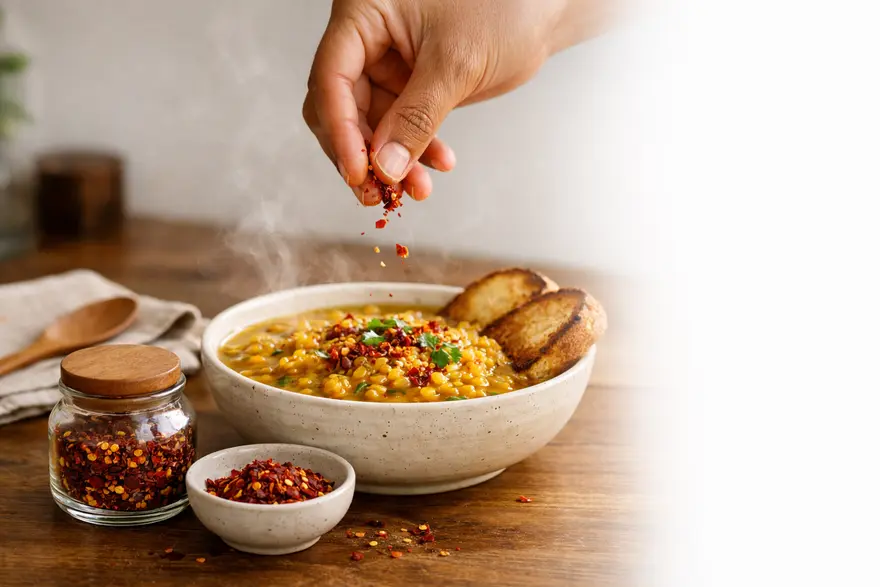
Table of Contents
- What Are Chili Flakes?
- How Chili Flakes Enhance Flavour
- Are Chili Flakes Healthy?
- Nutritional Snapshot Of Chili Flakes
- Benefits Of Chili Flakes
- 13 Easy Ways To Use Chili Flakes
- Best Dishes That Pair Well With Chili Flakes
- How Much Chili Flakes Should You Use?
- Best Time To Add Chili Flakes While Cooking
- Are Chili Flakes Good For Weight Management?
- Who Should Avoid Excess Chili Flakes?
- Common Mistakes When Using Chili Flakes
- How To Store Chili Flakes Properly
- Chili Flakes Vs Chilli Powder
- Conclusion
- FAQs
- References
Chili flakes are one of the easiest ways to make simple food more lively. A pinch can bring warmth, depth, and a sharper finish to everything from eggs and dal to pasta, stir fries, and roasted vegetables.
They are useful because they do not just add heat. They also help you adjust the spice level of a dish without changing the whole recipe. That makes them one of the most practical pantry staples for everyday cooking.
What Are Chili Flakes?
Chili flakes are made by drying chillies and crushing them into small flakes. They usually include both the flesh and the seeds, which is why they often taste hot and slightly smoky at the same time.
The heat level depends on the type of chilli used. Some blends are mild and fruity, while others are sharp and fiery. That is why one brand or homemade batch can taste quite different from another.
How Chili Flakes Enhance Flavour
Chili flakes add immediate heat, but they also do more than that. They can make a dish taste brighter, fuller, and more aromatic. When used well, they lift simple food without making it feel heavy.
They are especially useful among spicy food ingredients because they work in two ways. You can cook them into a dish for deeper warmth, or sprinkle them at the end for a sharper kick.
Are Chili Flakes Healthy?
Chili flakes can fit into a healthy diet when used in sensible amounts. They are a seasoning, not a superfood, but they do bring flavour with very few calories. That can help when you want food to taste satisfying without depending on rich sauces, extra butter, or too much cheese.
They also contain capsaicin, the compound that gives chillies their heat. Capsaicin has been studied for its small effects on appetite, energy expenditure, and fat oxidation. Still, the effect is modest, and chili flakes alone will not change your health in a dramatic way.
Nutritional Snapshot Of Chili Flakes
Because chili flakes are used in tiny amounts, they do not contribute much in terms of calories or major nutrients per serving. What they mainly offer is flavour, along with small amounts of plant compounds naturally present in chillies.
That is why it makes more sense to think of them as a flavour booster than as a nutritional powerhouse.
Benefits Of Chili Flakes
Add Flavour Without Many Calories
A little chili flakes goes a long way. You can make food taste bolder without adding much energy to the meal.
May Help Make Simple Meals More Satisfying
Plain eggs, dal, soup, toast, or vegetables can feel more interesting with a light sprinkle of chilli flakes. That can make simple home-cooked food easier to enjoy.
Contain Capsaicin And Antioxidant Compounds
Chillies naturally contain capsaicin and other plant compounds. These are part of the reason chillies are studied in nutrition science, although that does not mean every spicy meal becomes a health remedy.
May Support Appetite Control In Some Meals
Some research suggests capsaicin may slightly reduce appetite in certain settings. In real life, the effect tends to be small, but it may still help some people enjoy lighter meals.
Can Be A Handy Alternative To Rich, Heavy Sauces
If you like bold food, chilli flakes can help you rely less on creamy or sugary flavourings. That can be useful when you want a cleaner-tasting plate.
May Slightly Increase Heat Sensation And Metabolic Response
Chilli can create a warming sensation, and capsaicin has shown modest thermogenic effects in studies. Still, this is not a shortcut to fat loss.
Useful For Home Cooking Variety
A basic pantry can go a long way when you know how to season well. Chili flakes help you create variety without buying many specialty products.
13 Easy Ways To Use Chili Flakes
Sprinkle Over Eggs: Add a pinch to omelettes, scrambled eggs, or boiled eggs for a quick lift.
Add To Pasta Sauces: A little chili flakes in tomato sauce gives pasta a warmer, fuller flavour.
Mix Into Stir Fries: They work well in quick vegetable or noodle stir fries where you want heat without extra sauce.
Use In Soups And Broths: Add a small amount to lentil soup, tomato soup, or clear broths for warmth.
Add To Pizza Or Toast: This is one of the most common uses. Chili flakes work especially well on pizza, cheese toast, and garlic toast.
Stir Into Dal Or Lentils: Many Indian cooking spices are layered during cooking, and chili flakes can be a simple finishing touch for dal, lentils, or khichdi.
Use In Marinades: Mix them into curd-based or oil-based marinades for paneer, tofu, chicken, or vegetables.
Mix Into Salad Dressings: A pinch in lemon dressing or yoghurt dressing can add depth without making the salad too heavy.
Add To Roasted Vegetables: Toss cauliflower, carrots, potatoes, or pumpkin with a little chili flakes before roasting.
Sprinkle Over Avocado Toast Or Sandwiches: It gives everyday sandwiches and toast a clean, spicy edge.
Use In Homemade Chaat Or Snacks: Bhel, roasted makhana, roasted chana, or homemade popcorn can all benefit from a little heat.
Add To Yoghurt Dips Or Chutneys: A small amount in hung curd dip, mint yoghurt, or tomato chutney works very well.
Infuse Into Oil Carefully: Warm chili flakes briefly in oil to flavour the oil, but do not burn them or they can turn bitter.
Best Dishes That Pair Well With Chili Flakes
Chili flakes pair especially well with:
- Pasta and noodle dishes
- Soups and stews
- Eggs and toast
- Roasted vegetables
- Dal, lentils, and simple rice dishes
- Chaat and light snack mixes
They are one of the easiest seasonings to keep on hand when you want food to taste lively without becoming complicated.
How Much Chili Flakes Should You Use?
Start small. For many dishes, even a quarter teaspoon can be enough. If you are cooking for more than one person, it is often better to add less during cooking and keep extra on the table.
Spice tolerance varies a lot. What feels pleasantly warm to one person may feel too hot to another. The smart approach is to build gradually.
Best Time To Add Chili Flakes While Cooking
If you add them early, the heat becomes more infused and rounded. If you add them midway, the flavour blends into the dish. If you add them at the end, the taste feels sharper and more direct.
So the best time depends on the result you want. For curries, soups, and sauces, earlier works well. For eggs, pizza, salads, and toast, finishing at the end usually gives a brighter effect.
Are Chili Flakes Good For Weight Management?
Chili flakes do not cause weight loss on their own. But they can fit into a sensible weight loss diet plan because they add strong flavour with very few calories.
They may also help some people enjoy simpler meals without relying too much on rich toppings or heavy sauces. That said, the effect is supportive at best, not transformational.
Who Should Avoid Excess Chili Flakes?
You may need to be careful with chili flakes if you:
- Get heartburn or acid reflux
- Have gastritis or a sensitive stomach
- Notice diarrhoea or abdominal discomfort after spicy foods
- Have irritable bowel symptoms triggered by spice
- Are cooking for young children or people with very low spice tolerance
For some people, spicy food is absolutely fine. For others, even a small amount can be uncomfortable. Your own tolerance matters more than generic advice.
Common Mistakes When Using Chili Flakes
One common mistake is adding too much at once. Dry chillies can become much hotter than expected.
Another mistake is burning them in very hot oil. This can make them taste bitter rather than pleasantly smoky.
It is also easy to assume all chili flakes have the same strength. They do not. Homemade, store-bought, mild, and extra-hot varieties can behave very differently.
Finally, stale chili flakes lose aroma over time. They may still be hot, but they stop tasting fresh.
How To Store Chili Flakes Properly
Keep chili flakes in an airtight container in a cool, dry place away from direct sunlight and moisture. A tightly closed glass jar works well.
They usually keep their best flavour for months, but the aroma fades gradually. If they smell dull and dusty rather than fresh and peppery, it may be time to replace them.
Chili Flakes Vs Chilli Powder
Chili flakes and chilli powder are not the same thing.
Chili flakes are coarse, visible, and often used for texture as well as heat. Chilli powder is much finer and blends more smoothly into cooking. Flakes are better for finishing and visual appeal. Powder is better when you want the spice to disappear into the dish.
Conclusion
Chili flakes are a simple ingredient, but they do a lot. They add heat, sharpen flavour, and make everyday meals feel more interesting without much effort.
Used sensibly, they can be a helpful part of home cooking and a practical way to enjoy bold food without depending on rich extras. The key is moderation. A little can improve a dish, but too much can overwhelm both the flavour and your digestion.
If spicy foods regularly trigger acidity, indigestion, or bowel discomfort, it is worth paying attention to that pattern. And if you are trying to make more informed food and health choices, Metropolis Healthcare’s health content and diagnostic services can support your wider wellness journey.
FAQs
Are Chili Flakes Good For Digestion?
They are not automatically good for digestion in everyone. Some people tolerate spicy foods well, while others get heartburn, stomach pain, or diarrhoea. If chilli flakes upset your stomach, it is better to cut back.
Can Chili Flakes Boost Metabolism?
They may have a small effect on thermogenesis because of capsaicin, but the effect is modest. Chili flakes are not a reliable weight-loss tool on their own.
Are Chili Flakes Spicy For Everyone?
No. Spice tolerance varies widely. The same amount can feel mild to one person and very hot to another.
Can Chili Flakes Be Used Daily?
Yes, many people use them daily in small amounts. But daily use only makes sense if they suit your digestion and do not trigger discomfort.
Do Chili Flakes Lose Heat When Cooked?
They can taste a little softer and more blended when cooked, but they do not completely lose their heat. Long cooking changes the way the spice feels rather than removing it entirely.
References
- Ludy MJ, Moore GE, Mattes RD. The effects of capsaicin and capsiate on energy balance: critical review and meta-analyses of studies in humans. Chem Senses. 2012;37(2):103-121. PMID: 22038945.
- Irandoost P, Lotfi Yagin N, Namazi N, Keshtkar A, Farsi F, Mesri Alamdari N, Vafa M. The effect of Capsaicinoids or Capsinoids in red pepper on thermogenesis in healthy adults: A systematic review and meta-analysis. Phytother Res. 2021;35(3):1358-1377. PMID: 33063385.
- Xiang Y, Xu X, Zhang T, Wu X, Fan D, Hu Y, Ding J, Yang X, Lou J, Du Q, Xu J, Xie R. Beneficial effects of dietary capsaicin in gastrointestinal health and disease. Exp Cell Res. 2022;417(2):113227. PMID: 35644413.
- Gonlachanvit S, Fongkam P, Wittayalertpanya S, Kullavanijaya P. Effects of chili on postprandial gastrointestinal symptoms in diarrhoea predominant irritable bowel syndrome: evidence for capsaicin-sensitive visceral nociception hypersensitivity. Aliment Pharmacol Ther. 2009;29(1):79-88. PMID: 18647268.
- National Health Service. Good Foods To Help Your Digestion. NHS. Reviewed January 5, 2023.
- National Health Service. Indigestion. NHS. Reviewed May 5, 2023.
- National Health Service. Heartburn And Acid Reflux. NHS. Reviewed November 20, 2023.