Home Visit
 Upload






Preventive Healthcare
Is Banana Good For Weight Loss? Benefits, Myths, And The Right Way To Eat It
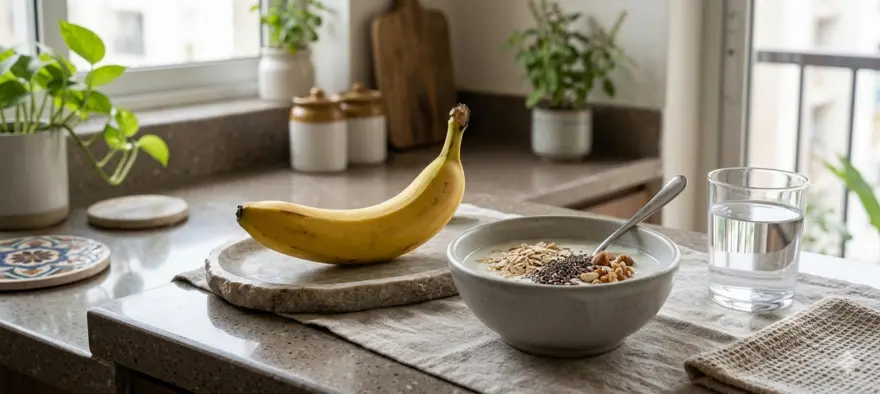
Table of Contents
- Is Banana Good For Weight Loss?
- Banana Nutrition At A Glance
- Benefits Of Bananas For Weight Loss
- Does Banana Increase Weight?
- Green Banana Vs Ripe Banana For Weight Loss
- How Many Bananas Can I Eat A Day?
- The Right Way To Eat Bananas For Weight Loss
- Can Bananas Help Burn Belly Fat?
- Banana Smoothies For Weight Loss
- Banana Vs Other Fruits For Weight Loss
- Myths About Banana And Weight Loss
- Bananas And Digestive Health
- Can Bananas Cause Allergy? Symptoms And When To Get Tested
- Who Should Be Careful With Bananas?
- Bananas, Blood Sugar, And Weight Loss Plans
- Conclusion
- FAQs
- References
If you are trying to lose weight, you may have wondered whether banana is a good choice or a food to avoid. The short answer is yes. Banana can be part of a healthy weight loss plan when you eat it in the right amount and in the right context.
A banana is easy to carry, naturally sweet, filling, and far better than many processed snacks. At the same time, no single food causes weight loss on its own. Your overall eating pattern, activity level, sleep, and portion sizes still matter most.
Is Banana Good For Weight Loss?
Yes, banana for weight loss can work well for many people.
A medium banana is moderate in calories, contains fibre, and can help you feel satisfied between meals. It is also easy to use as a planned snack instead of biscuits, sweets, or deep-fried foods. That is one reason banana often fits well into a calorie-conscious eating pattern.
The key is moderation. Eating one banana as part of a balanced diet is very different from eating several high-calorie snacks during the day and then blaming the banana.
Banana Nutrition At A Glance
Banana gives you more than just natural sweetness. A medium banana usually provides around 105 calories, about 3 grams of fibre, natural carbohydrates, potassium, and vitamin B6.
Its nutrition also changes slightly as it ripens. A firmer green banana contains more resistant starch. A ripe yellow banana contains more natural sugars and tastes sweeter. Both can fit into a healthy diet, but the best choice depends on your appetite, digestion, and how you usually eat it.
Benefits Of Bananas For Weight Loss
The benefits of banana for weight loss are mostly about convenience, fullness, and better snack choices.
- Banana contains fibre, which may help you feel full for longer.
- Banana is portion-friendly because one medium fruit is easy to track.
- Banana can replace cakes, pastries, chips, and other processed snacks.
- Banana works well before or after exercise when you want quick energy.
- Banana pairs easily with yoghurt, nuts, seeds, or peanut butter for better satiety.
- Banana is simple to include in breakfast, smoothies, or an afternoon snack.
- Banana may support digestive comfort in some people because it is easy to digest.
Does Banana Increase Weight?
No, banana does not automatically increase weight.
Weight gain usually happens when you regularly eat more calories than your body needs. A banana on its own is not the problem. In fact, banana is often a better option than many packaged snacks and desserts.
The confusion often comes from the fact that banana is sweeter and a little higher in carbohydrates than some other fruits. That does not make it unhealthy. It simply means portion and meal balance matter. If you eat a banana within your daily needs, it is unlikely to be the reason you gain weight.
Green Banana Vs Ripe Banana For Weight Loss
Green banana and ripe banana can both fit into a weight loss plan, but they are not exactly the same.
A green or less ripe banana contains more resistant starch. This may help with fullness and may lead to a steadier blood sugar response for some people. A ripe banana is softer, sweeter, and easier for many people to digest.
If your goal is satiety, a slightly firm banana may work better. If your goal is taste, workout fuel, or easy digestion, a ripe banana may be more practical. You do not need to force yourself to eat green banana if you dislike it. The better choice is the one you can use consistently in a balanced diet.
How Many Bananas Can I Eat A Day?
There is no one answer that suits everyone, but these points can help:
- For many people, 1 medium banana a day fits comfortably into a healthy diet.
- If you are very active, you may include banana more often as part of meals or workout snacks.
- If you are also eating several other fruits each day, keep your total intake balanced.
- If you have diabetes or are closely watching carbohydrate intake, portion size and food pairing matter more.
- If you have kidney disease or have been told to restrict potassium, ask your doctor before eating banana often.
So, if you are asking, how many bananas can I eat a day, the answer depends on your total diet, your health conditions, and your activity level. For most people, one banana a day is a reasonable amount.
The Right Way To Eat Bananas For Weight Loss
The way you eat banana matters more than the banana itself.
- Eat banana as a planned snack, not as mindless extra eating.
- Pair banana with protein or healthy fat, such as curd, Greek yoghurt, nuts, seeds, or peanut butter.
- Add banana to breakfast with oats or yoghurt instead of sugary cereals.
- Use banana to replace desserts or packaged snacks when cravings strike.
- Choose a smaller or medium banana if you are watching portions.
- Avoid turning banana into a high-calorie treat with sugar, cream, chocolate syrup, or ice cream.
- If you use banana in smoothies, keep the rest of the ingredients simple.
Can Bananas Help Burn Belly Fat?
No, banana does not burn belly fat directly.
No food can target fat loss from one area of the body. If you lose body fat overall through a calorie deficit, regular movement, and healthy habits, your waistline may reduce too. Banana can support that process by helping you choose a more filling, nutritious snack, but it is not a belly-fat remedy.
Banana Smoothies For Weight Loss
Banana smoothies can help, but only if you make them carefully.
- Use 1 small or medium banana, not several.
- Add protein such as plain yoghurt, curd, milk, or protein powder if suitable for you.
- Add fibre with oats, chia seeds, or flaxseeds.
- Keep the smoothie unsweetened.
- Avoid ice cream, extra sugar, chocolate spread, sweet syrups, or too much peanut butter.
- Treat it as a meal component or planned snack, not an extra drink on top of meals.
A good banana smoothie can be balanced. A large café-style smoothie can become very high in calories very quickly.
Banana Vs Other Fruits For Weight Loss
Banana is healthy, but it is not the only fruit that works for weight loss.
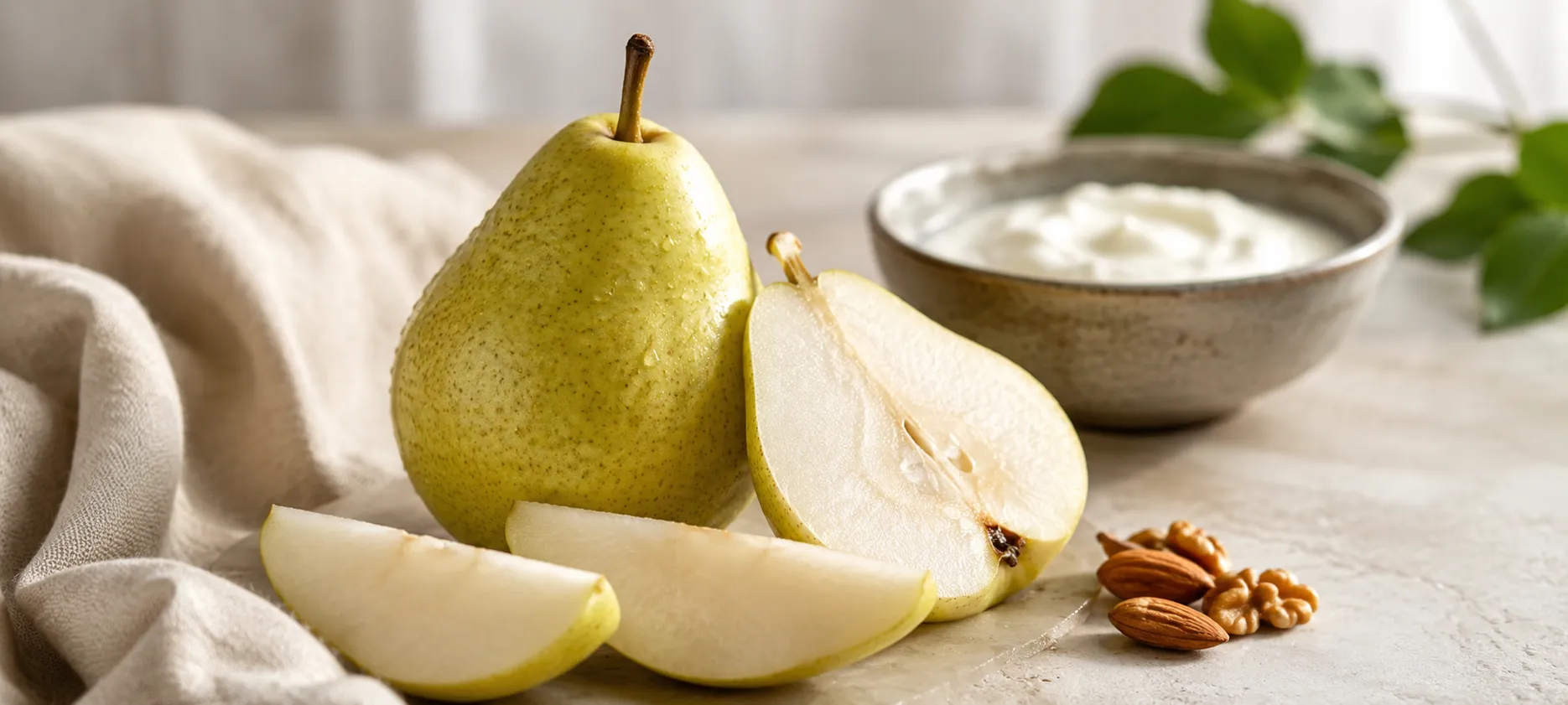
Berries, apples, pears, and oranges may offer fewer calories per serving or more fibre relative to their size. That can make them useful if you want a larger volume of fruit for fewer calories. Still, banana remains a strong option because it is convenient, filling, and easy to pair with other foods.
So, banana does not have to be better or worse than every other fruit. It simply needs to fit your portion needs and your overall diet.
Myths About Banana And Weight Loss
Many people still believe things about banana that are not true. Here are some common myths.
- Myth: Banana always makes you fat
False. Banana can fit into a calorie-controlled diet. - Myth: Banana is too sugary for weight loss
Not necessarily. Banana contains natural sugar, but it also contains fibre and useful nutrients. - Myth: You should never eat banana at night
False. Timing matters less than your total calorie intake and portion size. - Myth: Green banana is always good and ripe banana is always bad
False. Green banana and ripe banana both have a place. The better choice depends on your tolerance, appetite, and how you eat it. - Myth: Banana alone can help you lose weight
False. Banana can support your plan, but it cannot replace a balanced diet and active lifestyle.
Bananas And Digestive Health
Banana can also support digestive health in a few ways.
- Banana contains fibre, which supports bowel regularity.
- Less ripe banana contains more resistant starch, which may support gut health.
- Banana is often easy to digest and may suit people who want a simple snack.
- Some people find banana soothing when they want a light food option.
- Others may notice bloating or heaviness, especially if they eat too much at once.
Your response can be personal. If banana suits your digestion and helps you stay full, it can be a helpful part of your routine.
Can Bananas Cause Allergy? Symptoms And When To Get Tested
Banana allergy is possible, but it is not very common.
Some people get mild itching or tingling in the mouth after eating banana. This can happen as part of oral allergy syndrome. Others may develop skin rash, swelling, tummy symptoms, wheezing, or more serious allergic reactions.
Seek medical advice if you notice repeated symptoms after eating banana. Get urgent help if you have trouble breathing, throat swelling, dizziness, or signs of anaphylaxis. Do not try to self-diagnose with home tests. A proper medical assessment is the safer option.
Who Should Be Careful With Bananas?
Banana is healthy for many people, but a few groups may need extra care.
You may need to be more mindful if:
- You have diabetes and need to watch meal composition and portion size.
- You suspect a banana allergy.
- You have kidney disease and have been advised to limit potassium.
- You do better with lower-sugar fruit choices during certain parts of the day.
- You are following a medically supervised weight-loss plan with specific carbohydrate goals.
For most healthy people, moderate banana intake is not a problem.
Bananas, Blood Sugar, And Weight Loss Plans
Banana contains natural sugars, but that does not mean it must be avoided. The effect on your blood sugar depends on ripeness, portion size, and what you eat with it. A firmer banana may suit some people better than a very ripe one. Pairing banana with yoghurt, nuts, or seeds may also help you feel fuller.
If you are following a structured GLP-1 Diet or taking GLP-1 Agonists, banana is not automatically off-limits. In many cases, the better question is whether it suits your appetite, digestion, and overall meal balance. If you are tracking metabolic health more closely, a GLP 1 Test Package or a GLP-1 Monitor Package may help you keep an eye on key health markers as part of a wider weight-management plan.
Conclusion
So, is banana good for weight loss? Yes, it can be.
Banana is not a miracle food, but it is also not a food you need to fear. It can support weight loss when you eat it in moderation, pair it wisely, and include it in a balanced diet. A banana as a planned snack is usually a much better choice than many processed alternatives.
If you are trying to manage your weight, it also helps to stay informed about your overall health. Routine blood tests, preventive screening, and full body checkups can give you a clearer picture of blood sugar, cholesterol, thyroid function, and other markers linked to weight and metabolism. Metropolis Healthcare supports proactive wellness with 4,000+ tests, reliable reports, expert-led diagnostics, and convenient home sample collection through a strong network of touchpoints. You can book easily through the website, app, call, or WhatsApp, making regular health monitoring simpler and more accessible.
FAQs
Is Banana Good For Weight Loss?
Yes. Banana can be part of a healthy weight loss plan because it offers fibre, moderate calories, and good satiety when eaten in the right portion.
Does Banana Increase Weight?
No. Banana does not directly increase weight. Weight gain depends on your total calorie intake and overall eating pattern.
How Many Bananas Can I Eat A Day?
For many people, 1 banana a day is reasonable. The right amount depends on your calorie needs, activity level, fruit intake, and health conditions.
Does Eating Banana At Night Make You Fat?
No. Eating banana at night does not automatically make you fat. What matters more is your total intake across the day.
Are Bananas High In Sugar For Weight Loss?
Banana does contain natural sugar, but it also contains fibre and useful nutrients. Portion size and food pairing matter more than fear of the fruit itself.
Can Bananas Help Burn Belly Fat?
No. Banana does not burn belly fat directly. It may support overall weight management as part of a balanced plan.
Are Bananas Good For Digestion?
Yes, for many people. Banana contains fibre, and less ripe banana contains resistant starch, which may support gut health.
What Are The Signs Of Banana Allergy?
Possible signs include itching in the mouth, rash, swelling, stomach upset, wheezing, or more serious allergic reactions. Seek urgent help for breathing difficulty or throat swelling.
Are GLP-1 Medicines Not Suitable With Bananas?
Banana is not specifically incompatible with GLP-1 medicines. The main issue is whether banana fits your portion needs, digestion, and overall diet plan while on treatment.
References
- U.S. Department of Agriculture. SNAP-Ed Connection: Bananas, Nutrition Information. Medium banana listed at about 105 calories, 27 g carbohydrate, 3 g dietary fibre, and 14 g sugars.
- Harvard T.H. Chan School of Public Health. The Nutrition Source: Bananas. Notes that one medium ripe banana provides about 110 calories, 3 g fibre, potassium, vitamin B6, and other micronutrients.
- Harvard T.H. Chan School of Public Health. The Nutrition Source: Fiber. Notes that resistant starch is found in unripe bananas and acts as a prebiotic fibre source.
- Phillips KM, et al. Dietary fiber, starch, and sugars in bananas at different stages of ripeness in the retail market. Reported that starch in bananas decreases substantially as fruit ripens, with corresponding changes in sugars and fibre profile. Available via PubMed Central.
- Mayo Clinic News Network. Go Bananas For... Bananas. Notes that as bananas ripen, the total carbohydrate does not necessarily increase, but blood sugar may rise a little faster with very ripe bananas compared with less ripe bananas.
- Centers for Disease Control and Prevention. Healthy Habits: Fruits and Vegetables to Manage Weight. States that most fruits and vegetables are naturally low in fat and calories, and that their water and fibre can help you feel full while eating fewer calories.
- World Health Organization. Healthy Diet. Recommends that carbohydrates in the diet come primarily from whole grains, vegetables, fruits, and pulses, supporting fruit as part of a balanced eating pattern.
- NHS. Food Allergy. Lists symptoms such as rash, swelling, coughing, wheezing, tummy pain, diarrhoea, and oral allergy syndrome after certain fruits or vegetables.
- Anaphylaxis UK. Banana Allergy. Notes that banana allergy reactions often involve itching and swelling of the mouth and throat, but can occasionally be serious.
- NHS. Anaphylaxis. States that anaphylaxis is a life-threatening allergic reaction that happens very quickly and needs urgent medical help.
- Cleveland Clinic. GLP-1 Diet: What To Eat & Avoid. Advises that a GLP-1 eating pattern generally includes nutrient-dense foods such as fruits and vegetables, rather than banning specific fruits like banana.