Home Visit
 Upload






Preventive Healthcare
10 Fruits For Weight Loss: Best Low-Calorie Fruits To Add To Your Diet
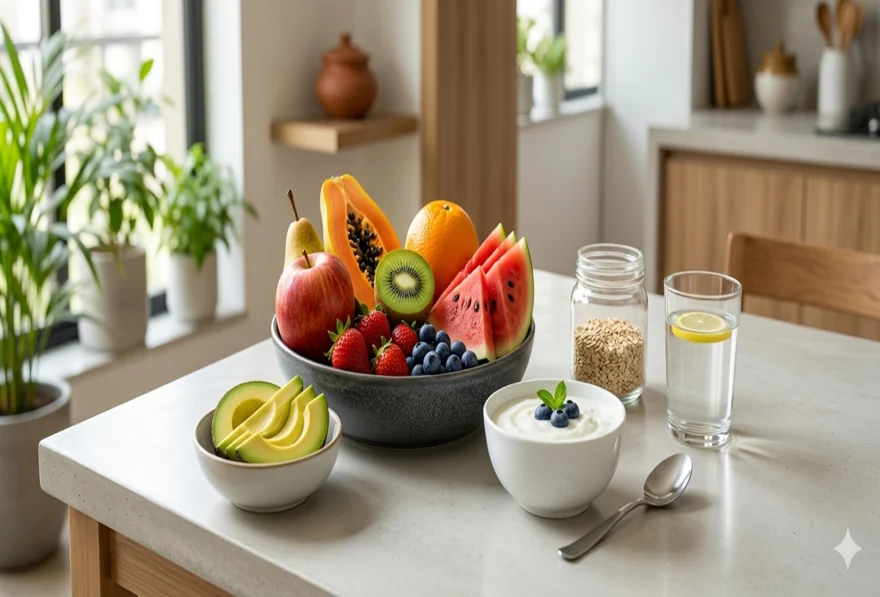
Table of Contents
- Introduction To Fruits For Weight Loss
- Why Choose Fruits For Weight Loss?
- How Fruits Support Healthy Weight Management
- Top 10 Fruits For Weight Loss
- Which Fruits Are Best For Different Weight-Loss Goals?
- Are Fruits Enough For Weight Loss On Their Own?
- How To Add Fruits To Your Diet Food For Weight Loss
- A Simple 7-Day Fruit-Inclusive Plan For Weight Loss
- Fruits To Be Mindful Of During Weight Loss
- Can Fruit Cause Weight Gain If You Eat Too Much?
- Allergy And Digestive Considerations Before Increasing Fruit Intake
- Benefits Of A Fruit-Rich Diet For Weight Loss
- How To Combine Fruits With A Balanced Weight-Loss Routine
- When To Monitor Your Health During A Weight-Loss Journey
- Conclusion
- FAQs
- References
If you are trying to lose weight, fruit can be one of the easiest foods to add to your routine. It is naturally sweet, easy to carry, and far better than many processed snacks when you want something light between meals.
Still, it helps to be realistic. Fruits for weight loss can support your progress, but they do not melt fat on their own. The real benefit comes from using them wisely as part of a balanced eating plan, regular activity, and sustainable habits.
Introduction To Fruits For Weight Loss
Fruit works well in a weight-loss plan because many fruits are rich in fibre, full of water, and naturally lower in calories than biscuits, desserts, or fried snacks. They can help you feel satisfied without making your meals too heavy.
That is why fruits good for weight loss are usually the ones that help with fullness, portion control, and better food choices through the day. Whole fruit is usually the smarter choice because it keeps its fibre and takes longer to eat.
Why Choose Fruits For Weight Loss?
There are several reasons fruits for weight loss are so popular.
First, many fruits are naturally lower in calories than packaged snack foods. Second, they contain fibre, which can help you stay full for longer. Third, many are high in water, which adds volume to your snack or meal without adding too many calories.
When you choose fruit regularly, you may also find it easier to cut back on sweets, sugary drinks, and heavy snacks. That is why fruits good for weight loss can fit naturally into an everyday routine.
How Fruits Support Healthy Weight Management
Fruit supports healthy weight management in simple ways.
It can help you feel full between meals. It can replace more calorie-dense snacks. It can add nutrients to your day without making your meals overly rich. It can also help you build a more balanced plate.
That said, whole fruit and fruit juice are not the same. Juice is easy to drink quickly and usually contains less fibre. If your goal is satiety, whole fruit is the better option.
Top 10 Fruits For Weight Loss
1. Apple
Apples are one of the easiest fruits for weight loss to include in your day. They are filling, portable, and rich in fibre.
You can eat one as a mid-morning snack or slice it into curd or oats for a simple meal.
2. Pear
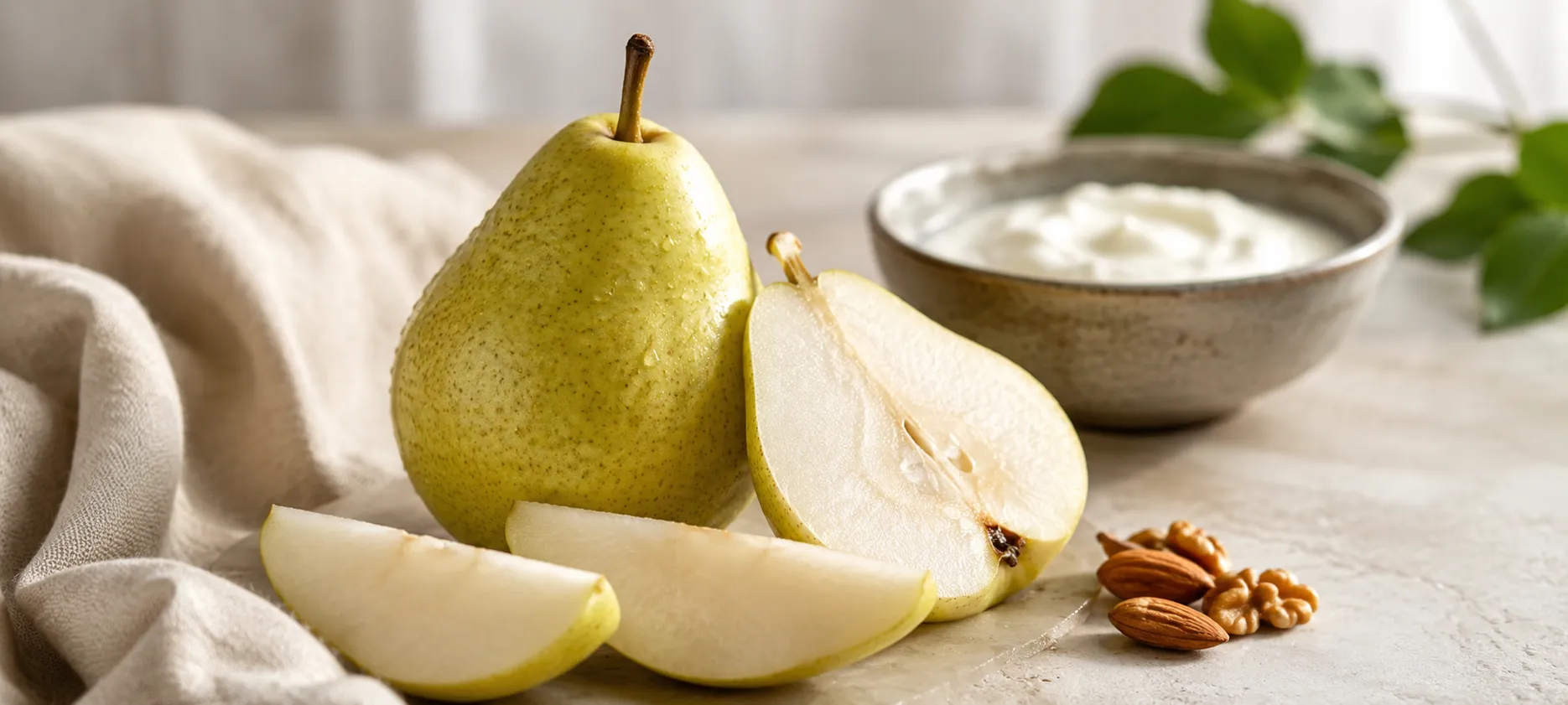
Pears are another excellent choice if you want fruits good for weight loss. They are rich in fibre and can help you feel satisfied for longer.
A pear works well as an afternoon snack when you want something sweet but light.
3. Strawberry
Strawberries are low in calories and easy to add to breakfast bowls, curd, or salads. They also bring colour and freshness to your meals.
If you often crave desserts, strawberries can be a lighter option that still feels satisfying.
4. Blueberry
Blueberries are small, but they can fit well into a balanced weight-loss plan. They are easy to portion and work well in smoothies, oats, or plain yoghurt.
They are a practical choice when you want something sweet without reaching for a processed snack.
5. Orange
Oranges are refreshing, easy to carry, and usually more filling when you eat them whole rather than as juice. Their fibre and water content make them a smart snack option.
If you need a simple diet food for weight loss, a whole orange can be a far better choice than packaged juice.
6. Grapefruit
Grapefruit is often mentioned in lists of fruits for weight loss because it is light and refreshing. It can fit well into breakfast or a snack plate.
But there is one important caution. Grapefruit can interact with some medicines. If you take regular prescription medicines, ask your doctor or pharmacist before adding it often to your routine.
7. Watermelon
Watermelon is high in water and can be very refreshing in hot weather. It feels light, which makes it useful when you want a snack that does not feel heavy.
Portion still matters, but it can be a good swap for calorie-dense sweets or desserts.
8. Papaya
Papaya is easy to digest for many people and works well as part of breakfast or a light evening snack. It is naturally sweet and often easy to include in Indian meal patterns.
If you are looking for diet food for weight loss that feels simple and familiar, papaya is a practical option.
9. Kiwi
Kiwi is rich in fibre and can add variety to your fruit intake. It works well in fruit bowls, curd, or as a small stand-alone snack.
It is especially useful if you want variety and do not want to keep rotating the same fruits every day.
10. Avocado
Avocado is different from many other fruits because it is higher in calories and contains more healthy fats. That does not make it a bad choice.
In fact, small portions of avocado can help make meals feel more satisfying. You can add a few slices to toast, salads, or grain bowls. The key is portion control.
Which Fruits Are Best For Different Weight-Loss Goals?
Best Fruits To Keep You Full
If fullness is your main goal, choose apples, pears, avocado, and berries. These can help you stay satisfied for longer and may reduce the urge to snack on less helpful foods.
Best Water-Rich Fruits For Light Snacking
If you want lighter snacks, watermelon, orange, papaya, and other melon varieties can work well. These are especially useful on hot days when you want something fresh.
Best Fruits For Fibre Intake
If you want to improve fibre intake, apples, pears, kiwi, and berries are strong choices. Fibre is one reason fruits good for weight loss can be so useful in a balanced routine.
Are Fruits Enough For Weight Loss On Their Own?
No. Fruit can help, but it is not enough on its own.
A fruit-only plan may sound appealing, especially if you are searching for a fruit diet for weight loss in 7 days, but it is not a balanced long-term approach. You still need enough protein, healthy fats, whole grains, pulses, and vegetables to support your energy, muscle health, and overall nutrition.
Fruit should support your diet, not replace everything else in it.
How To Add Fruits To Your Diet Food For Weight Loss
The easiest way to use fruit well is to make it replace less helpful foods, not simply add it on top of everything else.
You can:
- Eat fruit as a snack instead of biscuits or sweets
- Add fruit to breakfast with oats, curd, or eggs on the side
- Pair fruit with nuts or seeds for better staying power
- Choose whole fruit over juice
- Keep cut fruit ready so healthy choices feel easy
When you build meals this way, fruit becomes part of practical diet food for weight loss rather than a random extra.
A Simple 7-Day Fruit-Inclusive Plan For Weight Loss
If you were looking for a fruit diet for weight loss in 7 days, this balanced version is a safer and more useful approach.
- Day 1: Add apple slices to breakfast and have papaya as an evening snack.
- Day 2: Eat a pear between meals and add berries to curd.
- Day 3: Choose orange as a mid-morning snack and watermelon in the afternoon.
- Day 4: Add kiwi to breakfast and keep a small fruit bowl for the evening.
- Day 5: Pair strawberries with plain yoghurt or curd.
- Day 6: Include papaya after breakfast and an apple later in the day.
- Day 7: Use a mixed fruit bowl with controlled portions and keep the rest of your meals balanced.
This kind of plan works better because it keeps fruit inside a realistic eating pattern.
Fruits To Be Mindful Of During Weight Loss
Fruit is healthy, but some forms need a little more care.
Dried fruits are easy to overeat because they are small and concentrated. Fruit juice is less filling than whole fruit. Canned fruit in syrup can carry extra sugar. Fruit desserts with cream, ice cream, or sweet syrups can quickly become high-calorie foods.
So yes, fruit can support weight loss, but how you eat it matters.
Can Fruit Cause Weight Gain If You Eat Too Much?
Any food can contribute to weight gain if portions are too large and your total calorie intake stays high.
That does not mean you need to fear fruit. For most people, whole fruit is a far better choice than processed snacks. The answer is not to avoid fruit, but to keep portions sensible and your meals balanced.
Allergy And Digestive Considerations Before Increasing Fruit Intake
Most people tolerate fruit well, but a few may notice problems.
Some fruits may trigger itching in the mouth or throat, especially if you have pollen-related allergies. Others may cause bloating, acidity, or loose motions if you suddenly increase your intake a lot. Acidic fruits may also bother you if you already struggle with reflux.
If fruit causes swelling, rash, breathing trouble, repeated stomach upset, or itching after eating, seek medical advice. In some cases, an allergy assessment may be needed. Symptoms such as itching or tingling after certain raw fruits can happen in oral allergy syndrome.
Benefits Of A Fruit-Rich Diet For Weight Loss
A fruit-rich diet can support your goals in several ways:
- It can help you feel fuller between meals
- It can reduce reliance on processed snacks
- It can improve fibre intake
- It can support hydration
- It can make meal planning easier
- It can add variety and nutrients to your routine
- It can make healthy eating feel more enjoyable
How To Combine Fruits With A Balanced Weight-Loss Routine
Fruit works best when it fits into a wider plan.
Keep moving regularly. Eat balanced meals. Sleep well. Stay hydrated. Watch portion sizes. Use fruit to support your routine, not to distract from the rest of it.
If you are already following a medically guided GLP-1 Diet, fruit can still be part of your meals and snacks, depending on your tolerance and overall plan.
You may also have read about the benefits of banana as a quick snack. Banana can absolutely fit into a healthy routine too. The key is to focus on your full day of eating, not to label one fruit as good and another as bad.
When To Monitor Your Health During A Weight-Loss Journey
If you are trying to lose weight and also have diabetes, thyroid issues, cholesterol concerns, fatty liver, or PCOS, it may help to track your health markers from time to time.
This can include blood sugar, lipid profile, liver function, and thyroid testing where appropriate. If you are following a structured medical plan, packages such as a GLP 1 Test Package or GLP-1 Monitor Package may be relevant if your doctor advises ongoing monitoring.
Conclusion
The best fruits for weight loss are the ones you enjoy, can eat regularly, and can fit into a balanced way of eating. Apples, pears, berries, citrus fruits, watermelon, papaya, kiwi, and even avocado can all play a useful role when portions are sensible and your meals stay balanced.
If you want to take a more proactive approach to your health while working on your weight goals, Metropolis Healthcare can support you with 4,000+ tests, full body checkups, home sample collection, and easy booking through the website, app, call, or WhatsApp. That way, you can pair healthy habits with preventive health screening and stay informed about your health markers over time.
FAQs
Are Fruits Good For Weight Loss?
Yes, fruits can be very helpful in a weight-loss plan. Many are lower in calories, rich in fibre, and easier to snack on than processed foods.
Can I Lose Weight With A Fruit-Only Diet?
You may lose some weight in the short term, but a fruit-only diet is not balanced and is hard to sustain. It can also leave you low in protein and other nutrients.
What Is The Best Fruit For Weight Loss In 7 Days?
There is no single best fruit. Apples, pears, berries, oranges, papaya, and watermelon are all good options. The better question is whether you can include them consistently in a balanced plan.
Are Fruits For Weight Loss Low In Calories?
Many are, but not all fruits are equally low in calories. Watermelon and berries tend to be lighter, while avocado and dried fruits are more energy-dense. Both can still fit into a healthy plan if portions are sensible.
Which Fruits Keep You Full For Longer?
Apples, pears, berries, and avocado often help with fullness because of their fibre, water, or fat content.
Is Fruit Juice As Good As Whole Fruit For Weight Loss?
Usually not. Whole fruit is more filling and gives you more fibre. Juice is easier to drink quickly and may not keep you satisfied for as long.
Should I Avoid Fruits If I Am Following GLP-1 Medication?
Not necessarily. Many people can still eat fruit while using GLP-1 Agonists. The right choice depends on your appetite, digestion, blood sugar goals, and your doctor’s advice. Grapefruit is a separate issue because it can interact with some medicines.
References
- World Health Organization. Healthy Diet. 2026.
- National Institute of Diabetes and Digestive and Kidney Diseases. Eating & Physical Activity To Lose Or Maintain Weight. 2026.
- NHS. The Eatwell Guide. Updated 2025.
- Centers for Disease Control and Prevention. Healthy Habits: Fruits And Vegetables To Manage Weight. 2025.
- U.S. Food and Drug Administration. Grapefruit Juice And Some Drugs Don’t Mix. 2021.
- Dreher ML. Whole Fruits and Fruit Fiber Emerging Health Effects. Nutrients. 2018;10(12). PMID: 30487459.
- Bertoia ML, Mukamal KJ, Cahill LE, Hou T, Ludwig DS, Mozaffarian D, Willett WC, Hu FB, Rimm EB. Changes in Intake of Fruits and Vegetables and Weight Change in United States Men and Women Followed for Up to 24 Years: Analysis from Three Prospective Cohort Studies. PLoS Med. 2015;12(9):e1001878. PMID: 26394033.
- National Institute of Allergy and Infectious Diseases. Characterizing Food Allergy & Addressing Related Disorders. 2024.