Home Visit
 Upload






Preventive Healthcare
GLP-1 Diet: Foods to Eat & Avoid for Better Results
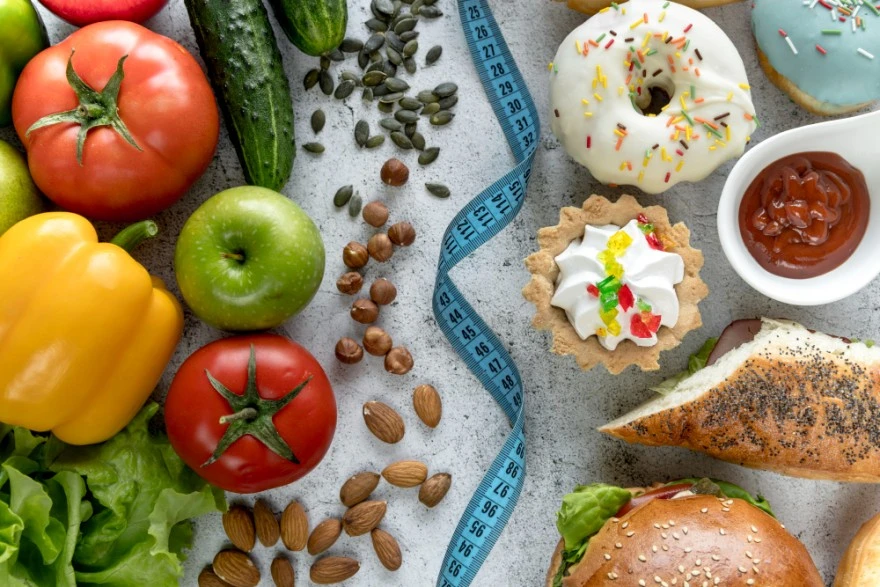
Table of Contents
- What Is a GLP-1 Diet?
- Why Nutrition Matters While Taking GLP-1 Medications?
- How GLP-1 Medications Affect Appetite and Digestion?
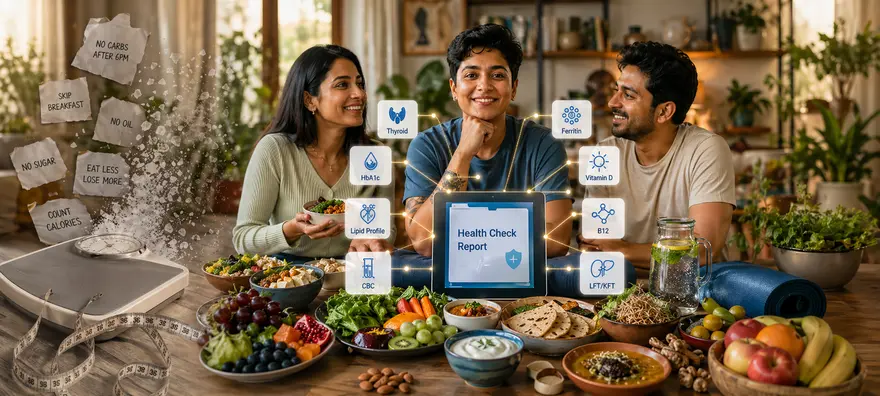
- Tests To Monitor GLP-1 To Control Blood Sugar
- Goals of a GLP-1 Diet
- Best Foods to Eat on a GLP-1 Diet
- Foods to Limit or Avoid While on GLP-1 Medications
- Sample GLP-1 Friendly Meal Plan
- Tips for Managing Common Side Effects Through Diet
- Exercise and Lifestyle Habits to Complement the GLP-1 Diet
- When to Consult a Doctor or Dietitian
- Conclusion
- FAQs
What Is a GLP-1 Diet?
A GLP-1 diet is an eating approach designed to complement the effects of glucagon-like peptide-1 (GLP-1) receptor agonists, a class of medications used to manage type 2 diabetes and obesity. This diet focuses on foods that support stable blood sugar levels, enhance satiety, and minimise gastrointestinal side effects, thereby helping you achieve better medication results and overall metabolic health.
The diet emphasises lean proteins, fibre-rich vegetables, healthy fats, and whole grains, while limiting processed foods and those that may worsen side effects, such as high-fat or sugary items. The goal is a sustainable, balanced diet that works in collaboration with GLP-1 therapies.
Why Nutrition Matters While Taking GLP-1 Medications?
According to the National Institutes of Health (NIH), proper nutrition is essential when taking GLP-1 medications because these medicines can significantly impact stomach emptying, digestion, and nutrient absorption. Making the right dietary choices can help manage common side effects, like nausea and stomach discomfort, ensure consistent blood sugar control, and support sustainable weight loss.
Moreover, a well-planned GLP-1 diet plan can help preserve lean muscle mass, prevent nutrient deficiencies, and maintain long-term health improvements while on these medications.
How GLP-1 Medications Affect Appetite and Digestion?
-
Increase satiety: GLP-1 medications activate satiety centres in the brain, making you feel full sooner and reducing overall calorie intake.
-
Delay gastric emptying: They slow down the rate at which food leaves the stomach, leading to prolonged feelings of fullness and improved post-meal blood sugar levels.
-
Reduce hunger hormones: GLP-1 lowers levels of ghrelin, the 'hunger hormone', helping to decrease cravings and appetite.
-
Decrease appetite-related brain signals: The medications interact with brain regions that regulate eating behaviour, further curbing appetite.
-
Impact on gastrointestinal motility: By inhibiting gut motility, GLP-1 can cause side effects, like nausea, bloating, and sometimes constipation.
-
Influence insulin and glucagon: They stimulate insulin release and suppress glucagon after meals, optimising blood sugar management, especially in people with type 2 diabetes.
Tests To Monitor GLP-1 To Control Blood Sugar
Regular medical monitoring is crucial to ensure both the safety and effectiveness of treatment. Key tests your doctor may recommend include:
-
Glycated Haemoglobin (HbA1c): Reflects average blood glucose over the past 2–3 months; critical for evaluating long-term diabetes control.
-
Glucose Fasting Test: Measures current blood sugar to observe day-to-day fluctuations.
-
Kidney Function Tests: Important for monitoring renal health, as GLP-1 medications can impact kidney function.
-
Liver Function Tests: Helps detect liver stress or abnormalities.
-
Thyroid Function Tests: Recommended due to potential thyroid-related risks with some GLP-1 medications.
-
Lipid Profile: Assesses cardiovascular risk, which is often elevated in people with type 2 diabetes.
-
Complete Blood Count (CBC): Evaluates overall blood health and helps identify any underlying issues.
Goals of a GLP-1 Diet
-
Support weight loss: Emphasise foods that are filling but low in calories to enhance the weight loss effects of GLP-1 medications, particularly for those with obesity.
-
Manage blood sugar: Choose foods with a low glycaemic index (GI) to prevent blood sugar spikes and maintain stable glucose levels.
-
Prevent side effects: Include easily digestible foods and avoid triggers for nausea or bloating to minimise gastrointestinal discomfort.
-
Preserve muscle mass: Prioritise adequate protein intake to avoid muscle loss during weight reduction.
-
Promote overall health: To incorporate a variety of nutrient-dense foods and GLP-1 foods to avoid for a balanced diet that supports overall well-being.
-
Encourage sustainable habits: Focus on long-term, enjoyable dietary changes rather than restrictive or fad diets.
Best Foods to Eat on a GLP-1 Diet
-
Lean proteins support satiety, help preserve muscle mass, and are less likely to cause digestive upset.
-
Fibre-rich vegetables promote fullness, regulate digestion, and help manage blood sugar levels.
-
Healthy whole grains provide sustained energy, fibre, and nutrients for steady blood glucose.
-
Healthy fats support the absorption of fat-soluble vitamins and further increase meal satisfaction without causing rapid gastric emptying.
-
Hydrating foods maintain hydration, support digestion, and may help minimise constipation.
Lean Proteins
-
Grilled or tandoori chicken
-
Fish (rohu, pomfret)
-
Eggs
-
Low-fat dairy (Greek yoghurt, cottage cheese/paneer)
-
Lentils like moong dal, masoor dal, and toor dal
-
Plant-based proteins (tofu)
-
Legumes like sprouted moong or chana salad
Fibre-Rich Vegetables
-
Broccoli, cauliflower, cabbage
-
Spinach, lettuce, fenugreek (methi), mustard greens (sarson)
-
Green beans
-
Bell peppers, zucchini
-
Carrots
-
Okra (bhindi), bottle gourd (lauki)
Healthy Whole Grains
-
Quinoa, Barley
-
Brown or red rice
-
Sorghum (jowar)
-
Oats
-
Millets (Ragi, Bajra)
-
Whole wheat roti or pasta
Healthy Fats
-
Avocado
-
Olive oil
-
Nuts (almonds, walnuts)
-
Seeds (chia, flaxseed, sunflower)
-
Fatty fish (salmon, tuna, hilsa)
-
Coconut
Hydrating Foods
-
Cucumbers & leafy greens (lettuce, spinach)
-
Watermelon, oranges
-
Buttermilk (chaas)
-
Tomatoes
-
Strawberries
-
Soups and coconut water
-
Lemon water (with a dash of cumin & mint)
Foods to Limit or Avoid While on GLP-1 Medications
-
High-fat fried foods increase the risk of nausea, delay gastric emptying further, and may worsen GLP-1 side effects.
-
Sugary snacks and drinks cause rapid blood glucose spikes and undermine weight loss goals.
-
Alcohol can irritate the stomach, affect blood sugar control, and worsen dehydration or GLP-1 symptoms.
-
Carbonated beverages may increase bloating, gas, and discomfort due to slowed gastric emptying.
-
Highly processed foods are often low in nutrients and high in sugar or unhealthy fats, and can increase cravings or digestive problems.
High-Fat Fried Foods
-
Fried chicken
-
Samosas, pakoras, puris/bhature
-
French fries
-
Potato chips
-
Fast-food items
Sugary Snacks and Drinks
-
Sweets (gulab jamun, jalebi, etc.)
-
Candy, pastries
-
Regular soda or sweetened juices
-
Sweetened teas
-
Ice cream
Alcohol
-
Beer
-
Wine
-
Spirits and hard liquor (vodka, whisky, rum)
Carbonated Beverages
-
Soda
-
Sparkling water with added sugar
-
Energy drinks
Highly Processed Foods
-
Packaged chips
-
Instant noodles
-
Processed or frozen food
-
Biscuits and namkeens
-
Sugar-laden breakfast bars
Sample GLP-1 Friendly Meal Plan
|
Meal |
Foods Included |
|
Breakfast |
Moong dal chilla with mint chutney and a small bowl of papaya |
|
Mid-Morning Snack |
Roasted chana or a handful of unsalted mixed nuts (almonds, walnuts) |
|
Lunch |
Grilled tandoori chicken or paneer tikka, mixed vegetable sabzi, and a small serving of brown rice or millet (bajra/jowar) roti |
|
Snack |
Greek yoghurt with chia seeds and a few cucumber slices |
|
Dinner |
Palak dal with a side of sautéed or steamed vegetables and a small millet or whole wheat roti |
|
Hydration |
Water, and herbal teas throughout the day |
Tips for Managing Common Side Effects Through Diet
-
Eat small, frequent meals to reduce nausea and fullness.
-
Increase fibre intake gradually to help manage constipation without causing bloating.
-
Drink plenty of water to prevent dehydration and support digestion.
-
Limit spicy, greasy, and very sweet foods if you experience nausea or diarrhoea.
-
Chew food thoroughly and eat slowly to aid digestion and reduce discomfort.
Exercise and Lifestyle Habits to Complement the GLP-1 Diet
-
Incorporate regular physical activity through walking, cycling, or swimming, aiming for at least 150 minutes of moderate activity per week.
-
Prioritise consistency in routine and sleep patterns to support metabolism and appetite regulation.
-
Manage stress with relaxation techniques such as deep breathing, meditation, or yoga.
-
Stay hydrated and track your meals, symptoms, and activity to identify patterns and adjust your plan as needed.
-
Avoid smoking and limit alcohol for overall health and better medication outcomes.
When to Consult a Doctor or Dietitian
It's essential to work closely with your healthcare team when starting a GLP-1 diet plan. Consult your doctor if you experience severe or persistent side effects, struggle to control your blood sugar, or have concerns about nutrient deficiencies.
A registered dietitian can provide personalised guidance on creating a balanced, sustainable Ozempic diet plan or Wegovy meal plan that aligns with your unique needs and preferences. They can also help you navigate challenges, like dining out, managing cravings, and adapting your diet as you progress in your weight loss journey.
Conclusion
Adopting a GLP-1 diet focused on nutrient-dense, minimally processed foods can significantly enhance the effectiveness of your GLP-1 medication, leading to better blood sugar control, weight loss, and overall health. Prioritise lean proteins, fibre-rich vegetables, healthy fats, and whole grains, while avoiding anti-GLP-1 foods. With these, you can support your body's natural appetite regulation and digestion processes. Remember, small, consistent changes in your eating habits can lead to significant long-term improvements in your metabolic health and quality of life.
At Metropolis Healthcare, we understand the importance of personalised care in managing conditions like type 2 diabetes and obesity. With our extensive network of over 220 laboratories and 4600+ service centres across India, we offer convenient at-home sample collection and reliable diagnostic services to help you monitor your health journey. Our user-friendly Metropolis Healthcare App ensures you have easy access to your test results, empowering you to make informed decisions about your well-being.
If you're concerned about conditions like your diabetes or obesity or are considering starting a GLP-1 medication treatment, explore our website to learn more about our reliable pathology services and health checkup packages.
FAQs
1. What should I eat the first week on GLP-1 medication?
Focus on bland, easily digestible foods like lean proteins, cooked vegetables, and simple whole grains to minimise nausea and stomach discomfort. Eat small, frequent meals and stay hydrated.
2. Can I drink coffee while taking GLP-1 medications?
Yes, you can drink coffee in moderation. However, be mindful of added sugars and high-fat creamers, which can spike blood sugar and contribute to digestive issues.
3. Do I need to count calories on a GLP-1 diet?
While calorie counting isn't necessary, being mindful of portion sizes and choosing nutrient-dense, low-calorie foods can support your weight loss and help you feel full on fewer calories.
4. Are cheat meals okay while on GLP-1 medication?
Occasional small treats can be part of a balanced approach. However, frequently indulging in high-fat, sugary foods may hinder progress and worsen side effects. Focus on nourishing foods to eat on GLP-1 medication most of the time.
5. How much protein should I eat on a GLP-1 diet?
Aim for about 1.2 grams per kilogram of body weight to support muscle maintenance and satiety. Choose lean sources and spread intake evenly throughout the day.