Home Visit
 Upload






Preventive Healthcare
10 Home Remedies for Knee Pain: Simple Ways to Reduce Pain & Inflammation
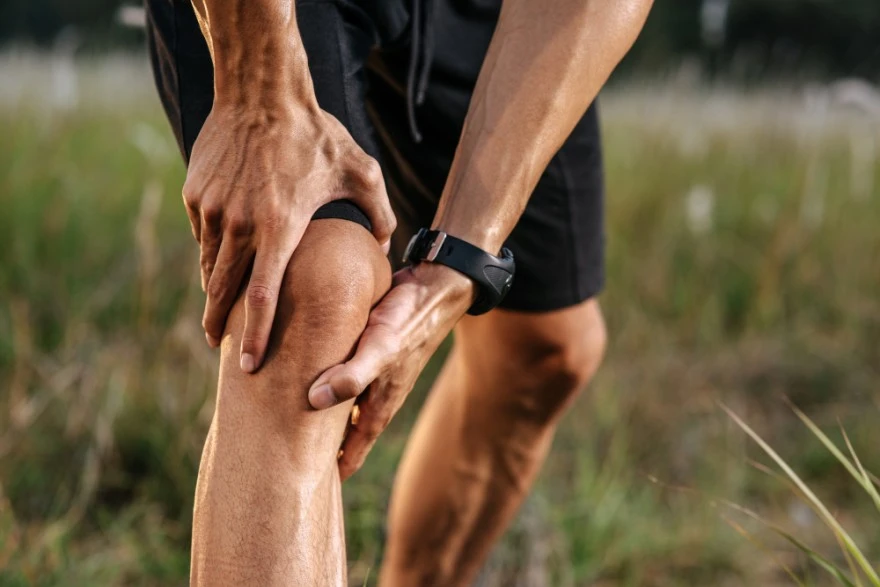
Table of Contents
What Causes Knee Pain?
The knee joint is complex, containing bones, cartilage, ligaments, tendons, and synovial fluid that work together to provide smooth movement. Understanding the root causes of knee pain helps you choose the most effective home remedies for knee joint pain.
Osteoarthritis is the most common cause of chronic knee pain, resulting from progressive cartilage degeneration, subchondral bone changes, and synovial inflammation. This degenerative condition alters joint lubrication and increases inflammatory mediators in synovial fluid, leading to stiffness and discomfort. Other frequent causes include overuse injuries from repetitive activities, ligament sprains, muscle imbalances, and referred pain from hip or back problems.
Excess body weight significantly contributes to knee pain by placing additional stress on the joint during daily activities. Poor posture and improper movement patterns can also exacerbate existing conditions. Many cases of mild to moderate knee pain respond well to conservative home treatments, making these remedies valuable first-line approaches.
10 Home Remedies for Knee Pain
While medical evaluation is essential for persistent or severe symptoms, many effective home remedies for knee pain can significantly reduce discomfort and improve mobility. Here are ten practical, evidence-supported strategies you can safely implement at home.
1. Regular Exercise and Physical Activity
Consistent, controlled movement is one of the most effective ways to manage knee pain. Daily activity helps maintain joint lubrication, strengthen muscles, and improve overall mobility. Studies show that studies show that 20–30 minutes of low-impact activity at least 3–5 days per week improves knee pain and function within 6–12 weeks. Low-impact exercises such as walking, stationary cycling, mini-squats, step-ups, and straight-leg raises promote stability without placing excessive load on the joint. The key is to start slowly, stay consistent, and avoid movements that trigger sharp pain.
2. Targeted Strengthening Exercises
Strengthening the muscles around the knee—particularly the quadriceps, hamstrings, and hip stabilisers—provides critical structural support. When these muscles are strong, they help absorb shock and distribute body weight more evenly, reducing strain on the knee joint. Exercises like wall sits, seated straight-leg raises, and resistance band movements can be done at home and adjusted to suit your fitness level. Over time, improved muscle tone helps minimise joint pain during everyday activities such as climbing stairs or standing for long periods.
3. Water-Based Therapy
Aquatic therapy (hydrotherapy) is beneficial for individuals with limited mobility, obesity, or severe knee osteoarthritis. Warm water reduces pressure on weight-bearing joints due to its natural buoyancy, allowing gentle movement without discomfort. Activities such as water walking, swimming, or leg exercises in the pool improve strength and flexibility while easing stiffness. This is particularly helpful for people with osteoarthritis or chronic knee conditions.
4. Knee Braces and Support
Knee braces and compression sleeves are effective adjunctive therapies that provide joint stability and proprioceptive feedback, particularly for mild to moderate osteoarthritis or ligament laxity. A well-fitted brace helps stabilise the joint, reduce excessive movement, and provide compression to limit swelling. They are especially useful during physical activities such as walking or exercising, when the knee needs added support. Braces come in various forms—compression sleeves, hinged supports, and patellar-tracking braces—so choose one that matches your needs or seek guidance from a healthcare professional.
5. The RICE Method
RICE—Rest, Ice, Compression, and Elevation—remains the standard early management approach for acute knee pain or injury. Rest prevents further strain while still allowing gentle movement. Applying ice packs for 15–20 minutes helps reduce inflammation and numb pain. Compression wraps or sleeves support the joint and decrease swelling. Elevating the leg above heart level promotes fluid drainage, making it useful after sprains, falls, or flare-ups of chronic knee problems.
6. Hot and Cold Therapy
Alternating heat and cold is another effective way to relieve knee discomfort. Heat therapy relaxes tight muscles, improves blood flow, and eases stiffness—ideal before exercise or stretching. Cold therapy, on the other hand, reduces inflammation, swelling, and acute pain. Alternating heat (15–20 minutes) and cold (10–15 minutes) therapy may reduce stiffness and swelling, but avoid in acute inflammatory phases unless advised by a clinician, especially for arthritis or strain-related body pain.
7. Therapeutic Massage
Gentle massage helps release muscle tension around the knee and improves circulation to the area. Simple techniques include gliding strokes along the thigh, circular motions around the knee, and light tapping to stimulate blood flow. Massage helps relax tight muscles that may be pulling on the knee joint, making it a useful addition to an exercise or stretching routine. It can be done at home or by a trained therapist.
8. Weight Management
Maintaining a healthy weight plays a crucial role in reducing knee pain, particularly for those with osteoarthritis. Extra body weight significantly increases the pressure on knee joints—every pound lost takes roughly four pounds of stress off the knees. Even modest weight loss can ease discomfort, improve mobility, and slow joint degeneration, making it one of the most impactful long-term strategies for knee health.
9. Over-the-Counter Anti-Inflammatory Medication
Topical or oral NSAIDs (e.g., ibuprofen, diclofenac, or naproxen) may relieve pain and swelling when used short-term as per medical advice. Topical formulations are preferred to minimise systemic side effects from knee pain and swelling by reducing inflammatory chemicals in the body.
As per ICMR and ACR guidelines, topical NSAIDs are first-line, followed by oral NSAIDs or acetaminophen when indicated and tolerated for symptomatic relief. These medications should always be taken as directed, and long-term use should be avoided without medical supervision, especially for individuals with stomach, kidney, or heart conditions.
10. Proper Posture and Body Mechanics
Daily posture and movement patterns have a direct impact on knee health. Sitting for long periods, slouching, or lifting incorrectly can strain the knees. Maintaining proper alignment when standing, walking, or exercising helps reduce unnecessary pressure. Setting up an ergonomic workspace, taking movement breaks, and being mindful of knee alignment during activities all contribute to long-term joint protection.
What to Avoid in Knee Pain?
When managing knee pain at home, certain activities and behaviours can worsen your condition:
- Avoid complete immobilisation or prolonged rest, as this can increase stiffness
- Avoid high-impact or twisting activities (e.g., running on hard surfaces or jumping) until rehabilitation restores strength and stability
- Avoid carrying excessive weight that places unnecessary stress on joints
- Don't ignore persistent or worsening pain that may indicate serious underlying conditions
- Avoid using improper form during exercise, which can cause additional injury
- Don't remain in one position for extended periods without movement
How to Prevent Knee Pain: 12 Simple Strategies
Preventing knee pain proves more effective than treating existing problems. These twelve strategies help maintain healthy knee joints:
- Maintain regular physical activity to strengthen supporting muscles
- Perform daily stretching exercises for flexibility and range of motion
- Keep your body weight within healthy ranges
- Wear shock-absorbing footwear or orthotic inserts to maintain knee alignment and reduce joint load
- Use correct form during exercise and sports activities
- Warm up before exercise and cool down afterwards
- Gradually increase exercise intensity rather than making sudden changes
- Incorporate quadriceps and hip strengthening into your routine
- Maintain good posture during daily activities
- Take regular breaks during prolonged sitting or standing
- Modify activities that consistently cause knee pain
- Stay hydrated and include omega-3 fatty acids, calcium, vitamin D, and antioxidants in your diet to support joint health
When to See a Doctor for Knee Pain?
While home remedies for knee pain can be highly effective, certain situations require professional medical evaluation:
- Persistent pain lasting more than 2–3 weeks or worsening despite rest and home treatment
- Severe pain significantly limiting daily activities
- Signs of infection including significant swelling, redness, or warmth
- Difficulty bearing weight or knee instability
- Popping or clicking sounds accompanied by pain
- Pain following traumatic injury
- Night pain that disrupts sleep
- Inadequate relief from consistent home remedies
- New or worsening symptoms with existing knee problems
- Fever accompanying knee pain
Conclusion
Managing knee pain effectively requires patience, consistency, and the right combination of home remedies. These natural approaches can provide substantial relief whilst supporting your overall joint health and mobility. Remember that persistent or severe symptoms warrant professional evaluation to ensure appropriate treatment.
At Metropolis Healthcare, we understand the importance of accurate diagnosis in managing joint pain effectively. With our comprehensive portfolio of more than 4,000 tests, including specialised arthritis panels and inflammatory markers, you can access precise diagnostics that guide effective treatment decisions. Our convenient home sample collection service, spanning over 10,000 touchpoints across India, ensures you receive expert care without leaving your home.
For optimal knee health management, consider booking your diagnostic tests today and take the first step towards pain-free movement.
FAQs
Can Knee Pain Be Cured with Home Remedies?
The effectiveness of home remedies for knee joint pain depends largely on the underlying cause and severity. Many cases resulting from muscle weakness, poor posture, or overuse respond excellently to consistent home-based treatments. Simple exercise programmes can produce significant, sustained reductions in knee pain. However, structural damage like torn ligaments or severe cartilage loss may require professional intervention.
How Long Should I Use a Cold Compress for Knee Pain?
Cold therapy should be applied for 10-15 minutes at a time, with at least 2-3 hours between applications. This prevents skin damage whilst maximising anti-inflammatory benefits. You can repeat cold applications several times daily during acute pain episodes. Always place a thin cloth between the ice pack and your skin to prevent frostbite. If you experience increased pain or skin changes, discontinue use immediately.
What is the Best Remedy for Knee Pain?
The most effective remedy varies depending on your specific condition, but regular exercise consistently ranks as the top home treatment for knee pain. Combining strengthening exercises with weight management, proper posture, and occasional anti-inflammatory medication provides comprehensive relief for most people. The key lies in consistency and choosing remedies that address your particular symptoms and underlying causes.
How Can I Prevent Knee Pain?
Prevention focuses on maintaining strong supporting muscles, healthy body weight, and proper movement patterns. Regular low-impact exercise, daily stretching, appropriate footwear, and gradual activity increases form the foundation of knee health. Avoiding prolonged static positions and maintaining good overall fitness significantly reduces your risk of developing knee pain.
References
• https://www.icmr.gov.in/icmrobject/uploads/STWs/1726645313_10_osteoarthritis.pdf
• https://www.ncbi.nlm.nih.gov/pmc/articles/PMC6287833/
• https://www.arthritis.org/health-wellness/about-arthritis/where-it-hurts/when-knee-pain-may-mean-arthritis
• https://www.hopkinsmedicine.org/health/conditions-and-diseases/knee-pain-and-problems