Home Visit
 Upload






Preventive Healthcare
Salpingitis: Medical Information & Health Facts
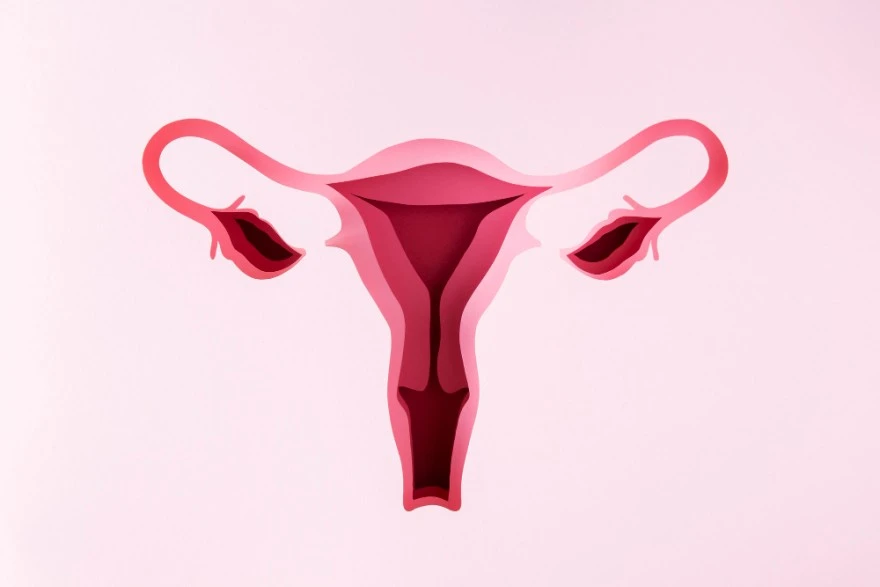
Table of Contents
- What Is Salpingitis?
- Symptoms of Salpingitis
- What Causes Salpingitis?
- Risk Factors for Developing Salpingitis
- How is Salpingitis Diagnosed?
- How is Salpingitis Treated?
- Can Salpingitis Cause Infertility?
- Prevention and Risk Mitigation for Salpingitis
- Complications of Untreated Salpingitis
- Conclusion
- FAQs
What Is Salpingitis?
Salpingitis refers to infection and inflammation of one or both fallopian tubes, which transport eggs from the ovaries to the uterus. Salpingitis is a form of pelvic inflammatory disease (PID), a broader term that also includes infection of the uterus, ovaries, and surrounding pelvic tissues that can affect one or both fallopian tubes simultaneously.
When salpingitis develops, your fallopian tubes become swollen and may secrete excess fluid. Inflammation can lead to adhesions (scar tissue) within or around the tubes, which may permanently affect their structure and function. In severe cases, the tubes may fill with pus, leading to complications like tubo-ovarian abscesses.
Salpingitis occurs in two main forms: acute, with sudden symptoms, and chronic, when inflammation persists or recurs after incomplete treatment. Acute salpingitis presents with sudden, severe symptoms, whilst chronic salpingitis develops gradually after an untreated acute infection. Without proper treatment, this condition can lead to serious complications including hydrosalpinx—fluid accumulation in the fallopian tubes.
Symptoms of Salpingitis
Recognising salpingitis symptoms early enables prompt treatment and better outcomes. However, many women experience no symptoms initially, discovering the condition only during fertility investigations.
When present, salpingitis symptoms typically include:
- Lower abdominal or pelvic pain, often bilateral
- Abnormal vaginal discharge with unusual colour or odour
- Painful urination and frequent bathroom visits
- Fever and general feeling of being unwell
- Nausea and vomiting episodes
- Painful sexual intercourse (dyspareunia)
- Abnormal bleeding between menstrual periods
- Severe pain during ovulation and menstruation
- Lower back pain and bloating
What Causes Salpingitis?
The primary salpingitis causes involve bacterial infections that travel upward through your cervix and uterus before reaching the fallopian tubes. Sexually transmitted infections represent the most common culprits.
Chlamydia and gonorrhea account for the majority of salpingitis cases. These bacteria typically enter through unprotected sexual contact with an infected partner. Once present, they can cause endometritis (uterine lining infection) before progressing to the fallopian tubes.
Other organisms such as Mycoplasma genitalium, Ureaplasma urealyticum, and anaerobes (e.g., Bacteroides) may also contribute. Less commonly, salpingitis may follow postpartum infection, miscarriage, or intrauterine procedures such as IUD insertion, especially without aseptic precautions, though these scenarios remain rare.
Risk Factors for Developing Salpingitis
Several factors increase your likelihood of developing salpingitis:
- Being sexually active, particularly with multiple partners
- Having unprotected sexual intercourse without barrier methods
- Previous sexually transmitted infection history
- Sexual partner with multiple partners or untreated STIs
- Young age combined with active sexual history
- Previous episodes of pelvic inflammatory disease
- Recent gynaecological procedures or childbirth
How is Salpingitis Diagnosed?
Diagnosing salpingitis begins with comprehensive clinical evaluation. Your healthcare provider will discuss your symptoms, sexual history, and conduct a physical examination.
Since many salpingitis cases remain asymptomatic, diagnosis may be made during fertility evaluations or imaging for pelvic pain, as mild cases can remain asymptomatic. The condition shares symptoms with other reproductive tract infections, making additional testing essential for accurate diagnosis.
Is Salpingitis Contagious?
Whilst salpingitis itself isn't directly transmissible, the underlying bacterial infections causing it—particularly chlamydia and gonorrhea—spread easily through sexual contact. If your salpingitis stems from an STI, you can transmit these bacteria to sexual partners through unprotected intercourse.
Tests Used to Diagnose Salpingitis
- Pelvic examination: Checks for cervical motion tenderness, uterine or adnexal tenderness, and discharge
- Blood tests: Detect elevated white cell counts, C-reactive protein (CRP), and erythrocyte sedimentation rate (ESR), indicating inflammation
- Vaginal/cervical/mucus swabs: Identify causative bacteria via culture
- Transvaginal ultrasound: May show thickened, fluid-filled fallopian tubes (hydrosalpinx) or tubo-ovarian abscess formation
- Hysterosalpingography (HSG): Performed in infertility workups to detect tubal blockages after infection resolution—not used during acute infection
- Laparoscopy: Gold standard for direct visualisation of inflamed tubes, often with biopsy
- Endometrial biopsy: Samples uterine lining for endometritis supporting salpingitis diagnosis
How is Salpingitis Treated?
Effective salpingitis treatment centres on antibiotic therapy to eliminate bacterial infections causing inflammation. The specific antibiotic regimen depends on identified organisms, infection severity, and individual patient factors.
Treatment usually begins with broad-spectrum antibiotics covering Chlamydia trachomatis, Neisseria gonorrhoeae, Mycoplasma genitalium, and anaerobes. Combination antibiotic therapy often ensures comprehensive bacterial coverage. Antibiotic courses typically last 10–14 days, depending on the severity and clinical response.
Completing the full prescribed antibiotic course remains crucial, even when symptoms improve. This prevents antibiotic resistance and ensures complete infection eradication. Sexual partners from the past 60 days should be evaluated and treated to prevent reinfection and transmission.
Supportive care measures including pain management with over-the-counter medications, adequate rest, and proper hydration help alleviate symptoms during recovery.
Can Salpingitis Cause Infertility?
Unfortunately, untreated salpingitis can significantly impact fertility. During acute salpingitis, fallopian tubes become swollen with inner walls potentially sticking together, creating permanent adhesions even after infection resolution. Chronic forms cause persistent inflammation and tissue damage, reducing the tubes' ability to transport eggs and sperm effectively.
Epidemiologic studies suggest that approximately one in eight women with a history of PID develop tubal damage leading to infertility, underscoring the importance of early treatment. When both tubes sustain damage, infertility likelihood increases substantially.
Prevention and Risk Mitigation for Salpingitis
- Use barrier contraception consistently during all sexual encounters
- Maintain monogamous relationships or limit sexual partners
- Ensure partners receive STI testing before unprotected contact
- Get regular STI screenings, especially if sexually active
- Seek prompt treatment when diagnosed with STIs
- Avoid douching or use of harsh cleansers, which disrupt the protective vaginal microbiome and increase infection risk
- Practice good genital hygiene habits
Can Salpingitis Be Prevented?
Yes, salpingitis can be prevented through proactive reproductive health measures. Primary prevention involves practising safe sex by consistently using barrier contraception, which significantly reduces STI acquisition risk.
Maintaining monogamous relationships or limiting sexual partners decreases exposure opportunities. Regular STI screening proves particularly important for sexually active individuals, as early detection and treatment of chlamydia and gonorrhea infections prevent progression to salpingitis.
Open communication with healthcare providers about sexual history and risk factors enables personalised prevention strategies and appropriate screening schedules.
Complications of Untreated Salpingitis
- Chronic pelvic pain affecting daily activities
- Tubal factor infertility due to scarring and blockages
- Increased ectopic pregnancy risk
- Tubo-ovarian abscesses requiring surgical intervention
- Hydrosalpinx (fluid-filled fallopian tubes), which can interfere with embryo implantation and increase IVF failure risk
- Recurrent pelvic inflammatory disease episodes
- Chronic endometritis and ongoing reproductive issues
How Long Does It Take to Recover from Salpingitis?
Most patients show symptom improvement within 48–72 hours of starting antibiotics; however, follow-up evaluation after 2–3 days is essential to ensure clinical response.
However, tissue healing and inflammation reduction may take several weeks to months. Some women experience lingering symptoms like mild pelvic discomfort during this healing period.
Most patients show symptom improvement within 48–72 hours of starting antibiotics; however, follow-up evaluation after 2–3 days is essential to ensure clinical response. Regular follow-up appointments help monitor recovery progress and address any persistent symptoms.
Conclusion
Understanding salpingitis empowers you to recognise symptoms early and seek appropriate treatment. This pelvic inflammatory disease, though serious, responds well to prompt antibiotic therapy when caught early. Remember that prevention through safe sexual practices and regular STI screening offers the best protection for your reproductive health.
Are you experiencing concerning symptoms or need comprehensive reproductive health screening? At Metropolis Healthcare, we provide reliable diagnostic testing through our network of over 220 laboratories and 4,600+ service centres across India. Our qualified technicians offer convenient at-home sample collection, with results delivered through our user-friendly Metropolis Healthcare app.
FAQs
What is the most common symptom of salpingitis?
Lower abdominal pain affecting both sides represents the most frequently reported salpingitis symptom. However, many women experience no symptoms initially.
How long does it take to recover from salpingitis?
Most patients experience symptom improvement within 48-72 hours of starting antibiotic treatment, with complete recovery occurring within 1-2 weeks. Tissue healing could take longer.
Can salpingitis be treated with antibiotics?
Yes, antibiotic therapy targeting chlamydia, gonorrhea, and other causative bacteria effectively eliminate infections when taken as prescribed for the full treatment duration.
Can salpingitis lead to infertility?
Untreated salpingitis can cause fallopian tube scarring and blockages, potentially leading to infertility. However, early diagnosis and appropriate treatment significantly reduce this risk and help preserve fertility potential.
How can salpingitis be diagnosed?
Healthcare providers diagnose salpingitis through pelvic examinations, laboratory tests for bacterial infections, and imaging studies like transvaginal ultrasound.
References
• https://pmc.ncbi.nlm.nih.gov/articles/PMC9507332/
• https://www.betterhealth.vic.gov.au/health/conditionsandtreatments/salpingitis
• https://emedicine.medscape.com/article/275463-overview