Home Visit
 Upload






Preventive Healthcare
Beyond the Still Image: What Is Fluoroscopy, and How Does It Work?
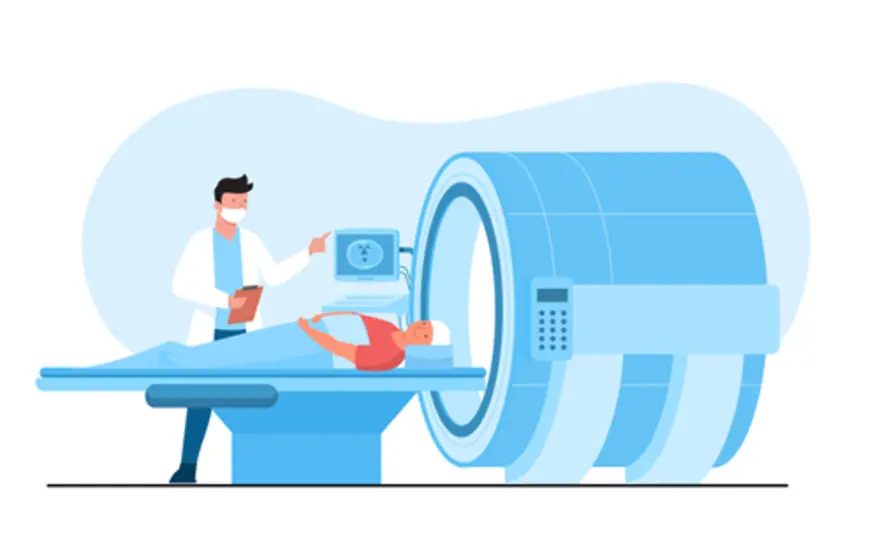
Table of Contents
- What Is Fluoroscopy?
- Why Fluoroscopy Is Done
- Fluoroscopy vs. Regular X-ray: Key Differences
- How to Prepare for a Fluoroscopy Test
- Step-by-Step Fluoroscopy Procedure
- What to Expect After the Test
- Fluoroscopy Test Results
- Risks of Fluoroscopy
- Fluoroscopy During Pregnancy: Safety Considerations
- Who Should Avoid Fluoroscopy
- Cost of Fluoroscopy in India
- Conclusion
- FAQs
- References
What Is Fluoroscopy?
Fluoroscopy is an imaging technique that uses a continuous X-ray beam to produce real-time, moving images of internal body structures. Unlike a regular X-ray, which produces a single, static image, fluoroscopy provides a live, video-like view of internal organs and structures. This allows healthcare providers to observe the movement of organs, the flow of contrast agents through blood vessels and the placement of medical devices—all in real time. This innovative technology has revolutionised the way we diagnose and treat various medical conditions.
Why Fluoroscopy Is Done
The uses of fluoroscopy span numerous areas of diagnosis and treatment. This imaging technique helps doctors visualise internal structures and guide medical procedures in real time, making it a valuable tool for both routine and complex care.
Common Uses Include:
- Digestive tract evaluations: Tests such as a barium swallow or barium enema allow doctors to study how food and fluids move through the oesophagus, stomach, intestines, and colon.
- Cardiac and vascular imaging: Procedures like cardiac catheterisation or angiography help assess blood flow, detect blockages, and guide interventions in the heart and arteries.
- Catheter and stent guidance: Fluoroscopy assists in placing and adjusting catheters or stents accurately within blood vessels, the urinary tract, or bile ducts.
- Orthopaedic procedures: Surgeons use fluoroscopy to guide joint replacements, fracture repairs, and other bone procedures with precision and safety.
- Reproductive system imaging: Hysterosalpingograms allow visualisation of the uterus and fallopian tubes for fertility assessments or structural evaluations.
- Spinal and nerve interventions: Myelography and fluoroscopy-guided injections help assess the spinal cord, nerve roots, and joints while ensuring accurate placement of therapeutic injections.
- Functional assessments: Tests such as the sniff test or other dynamic imaging procedures evaluate the real-time movement and function of organs such as the diaphragm, bladder, or gastrointestinal tract.
Fluoroscopy vs. Regular X-ray: Key Differences
|
Feature |
Fluoroscopy |
Regular X-ray |
|
Image Type |
Real-time moving images (video) |
Single, still images (photographs) |
|
Function |
Dynamic assessment guides procedures. |
Static diagnosis of structure |
|
Application |
Functional studies, interventions |
Anatomy review, initial diagnosis |
|
Radiation Exposure |
Typically higher (due to longer exposure duration) |
Lower (brief exposure) |
|
Visualisation |
Shows organ motion (e.g., heart, GI) |
Shows organ structure only |
|
Recording |
Often recorded for later review |
Usually, a single image is stored. |
How to Prepare for a Fluoroscopy Test
To ensure a successful fluoroscopy procedure, it's essential to prepare adequately:
- Inform your healthcare provider about all medications and allergies.
- Disclose if you are or may be pregnant.
- Fast for several hours beforehand if instructed, especially for GI studies.
- Remove jewellery and wear comfortable clothing; you may need to wear a hospital gown.
- Follow specific instructions for any contrast agents (such as barium) you may need to ingest or receive.
Step-by-Step Fluoroscopy Procedure
Step 1: Preparation
Before the fluoroscopy procedure, you will be asked about your medical history and any allergies, especially to contrast material. You may need to change into a gown and remove jewellery and other metal objects. Depending on the body part being examined, instructions regarding eating, drinking, or taking medication may be provided.
Step 2: Positioning
You will be positioned on a table under the fluoroscopy machine. The technologist may use pillows or supports to help you maintain the correct posture for optimal imaging. Sometimes, you may be asked to change position during the test to get different views.
Step 3: Imaging
During the fluoroscopy procedure, a continuous X-ray beam passes through your body part of interest. A contrast dye may be administered to enhance image clarity of organs or blood vessels. The radiologist or provider will observe live images on a monitor, guiding procedures or making diagnostic assessments in real time.
Step 4: Completion
Once the images are captured or the procedure is finished, the X-ray equipment is turned off. You may be monitored briefly if you received contrast dye or underwent an intervention. In most cases, you can resume normal activities quickly.
What to Expect After the Test
- You may return to regular activities unless advised otherwise.
- If contrast dye was used, drink plenty of fluids to help flush it from your system.
- Mild discomfort or side effects, such as nausea or bloating, may occur with GI studies.
- Fluoroscopy results are reviewed by a radiologist and then shared with your referring healthcare provider.
- Follow-up instructions may be given if a device was placed or an intervention performed.
Fluoroscopy Test Results
The radiologist analyses the real-time images for abnormalities, such as blockages, abnormal movement, or misplaced devices. Fluoroscopy results may be available soon after the test or sent to your healthcare provider for further discussion. The findings help guide diagnosis and next steps in treatment.
Risks of Fluoroscopy
Although fluoroscopy is generally safe, there are some fluoroscopy risks to consider:
- Exposure to ionising radiation may slightly increase cancer risk over time.
- Allergic reaction to contrast dye (if used).
- Side effects from contrast dye, such as nausea or, rarely, kidney problems.
- Skin irritation or tissue damage may occur in rare cases of prolonged exposure.
- Risks related to invasive procedures performed under fluoroscopic guidance (infection, bleeding).
Fluoroscopy During Pregnancy: Safety Considerations
Fluoroscopy uses X-rays, which can pose risks to a developing foetus, especially during early pregnancy. It is important for pregnant individuals to inform their healthcare provider before the procedure. Alternative imaging methods may be considered unless fluoroscopy is essential for diagnosis or treatment.
To minimise foetal exposure, additional shielding is recommended. According to the Atomic Energy Regulatory Board (AERB), a lead apron (0.25 mm lead equivalent) can reduce radiation exposure by more than 90%. The risks and benefits should always be carefully weighed to ensure both effective diagnosis and safety for the mother and baby.
Who Should Avoid Fluoroscopy
Certain individuals may need to avoid fluoroscopy or take special precautions:
- Pregnant individuals, unless the procedure is medically necessary
- People with known allergies to contrast dye (unless pre-treated or using alternatives)
- Individuals with severe kidney impairment (if contrast dye is needed)
- Those with a history of severe radiation sensitivity or previous adverse reactions to imaging studies.
Cost of Fluoroscopy in India
The cost of fluoroscopy procedures in India varies depending on the type of procedure and the healthcare facility. Common fluoroscopy procedures include barium swallow, gastrointestinal tract examinations, and joint injections. The procedure cost typically ranges from ₹1,500 to ₹7,000.
For example, a standard diagnostic fluoroscopy can cost around ₹2,000 to ₹5,000 in urban diagnostic centres, while more complex or interventional fluoroscopy procedures may reach up to ₹7,000 or more. Prices differ based on the city, hospital, and specific clinical requirements.
Also Read: MRI Scan Explained: Uses, Benefits, And Procedure Details
Conclusion
Fluoroscopy is a vital imaging tool that allows doctors to observe the body's internal structures and functions in real time. It is essential for both diagnosing conditions and guiding a variety of medical procedures, providing insights that help in precise treatment planning.
At Metropolis Healthcare, we understand the importance of accurate diagnostic testing in guiding effective treatment decisions pre- or post-fluoroscopy procedures. As India’s trusted diagnostics brand, we offer NABL- & CAP-accredited labs across 28 states and 7 union territories across the country. With expert pathologists, reliable reports, and convenient options like home sample collection and online access to results, Metropolis Healthcare makes diagnostic testing simple, accessible, and trustworthy.
FAQs
Is fluoroscopy painful?
Fluoroscopy itself is not painful, as it is an imaging technique. Some discomfort may occur if the procedure involves injections, placement of devices, or ingestion of contrast materials.
How long does a fluoroscopy test take?
Most fluoroscopy exams last from 15 minutes to over an hour, depending on the complexity and the body part being studied. Interventions may take longer.
Is fluoroscopy safe?
When performed appropriately and medically necessary, fluoroscopy is considered safe. Radiation risk is minimised by limiting exposure time and using protective measures. The benefits generally outweigh the fluoroscopy risks, especially when guiding lifesaving procedures.
Can I eat or drink after fluoroscopy?
For most fluoroscopy tests, you may eat or drink normally after the procedure unless instructed otherwise by your provider. If you received contrast dye for a GI study, you may be advised to drink extra fluids.
References
- https://www.aerb.gov.in/images/PDF/DiagnosticRadiology/RADIATION-PROTECTION-IN-DIAGNOSTIC-RADIOLOGY.pdf
- https://watchdoq.com/blog/post/diagnostic-test-costs-in-india-(2025):-comprehensive-price-comparison-across-top-labs
- https://my.clevelandclinic.org/health/diagnostics/21992-fluoroscopy
- https://medlineplus.gov/lab-tests/fluoroscopy/