Home Visit
 Upload






Medicine
Zerodol Tablet: What It Treats And Key Precautions
Table of Contents
- What Is Zerodol Tablet?
- Composition Of Zerodol Tablet
- How Zerodol Tablet Works?
- What Does Zerodol Tablet Treat?
- Zerodol Tablet For Joint And Muscle Pain
- Zerodol Tablet For Dental Pain And Injury
- Zerodol Tablet For Post-Surgical Pain
- Dosage Of Zerodol Tablet
- How To Take Zerodol Tablet Safely?
- Side Effects Of Zerodol Tablet
- Common Side Effects
- Serious Side Effects
- Key Precautions Before Taking Zerodol
- Zerodol Tablet In Pregnancy And Breastfeeding
- Quick Facts
- Who Should Avoid Zerodol Tablet?
- Drug Interactions Of Zerodol Tablet
- Alcohol And Zerodol Tablet
- Zerodol Tablet Vs Other Painkillers
- What Tests Should Be Done In Case Of A Zerodol Tablet Overdose?
- When To See A Doctor?
- FAQ's
- A Reassuring Note From Metropolis Healthcare
- References
If you have been prescribed Zerodol Tablet, you are likely looking for clear, reassuring information on what it is for and how to use it safely. Zerodol is a prescription pain-relieving medicine that helps reduce inflammation, swelling, and discomfort in many joint and muscle conditions. It should always be taken exactly as your doctor advises.
What Is Zerodol Tablet?
Zerodol Tablet is a prescription medicine commonly used to relieve pain and inflammation. It belongs to a group of medicines called nonsteroidal anti-inflammatory drugs (NSAIDs). It is often prescribed for short-term relief in painful inflammatory conditions affecting joints, muscles, and soft tissues.
You may also come across searches such as “Zerodol 90”. Brand names and strengths can vary by formulation and market, so the safest approach is to check the exact name and strength on your strip or prescription and follow your doctor’s directions.
Composition Of Zerodol Tablet
Most commonly, Zerodol Tablet contains aceclofenac 100 mg (an NSAID). Some related Zerodol brand variants may contain additional ingredients, such as:
- Zerodol-P: aceclofenac + paracetamol
- Zerodol SP: aceclofenac + serratiopeptidase
- Zerodol MR: aceclofenac + a muscle relaxant (such as tizanidine)
Because the ingredients can differ, precautions and side effects can also differ. Always confirm which exact Zerodol your doctor has prescribed.
How Zerodol Tablet Works?
Aceclofenac works by reducing the production of prostaglandins, which are chemical messengers involved in pain, inflammation, and swelling. By lowering prostaglandins, Zerodol can help ease pain and improve movement when inflammation is a key driver of symptoms.
What Does Zerodol Tablet Treat?
Doctors prescribe Zerodol Tablet to help manage pain and inflammation in conditions such as:
- Osteoarthritis, rheumatoid arthritis, and ankylosing spondylitis
- Low back pain and neck pain linked to inflammation or strain
- Sprains, strains, and sports injuries
- Dental pain (when inflammation is involved)
- Painful inflammatory conditions of the ear, nose, and throat
- Post-procedure or post-surgical pain (when appropriate)
Zerodol is not a cure for the underlying condition. It supports symptom control so you can stay comfortable while your body heals or while a longer-term care plan is in place.
Zerodol Tablet For Joint And Muscle Pain
If you are dealing with joint pain, Zerodol may be used to reduce inflammation and improve day-to-day mobility, especially in arthritis and flare-ups of musculoskeletal pain. Using it as prescribed, for the shortest duration needed, helps reduce avoidable side effects.
Zerodol Tablet For Dental Pain And Injury
Zerodol may be used for toothache or pain after dental work when inflammation is contributing to discomfort. It is still important to treat the cause, such as infection, decay, or gum disease, rather than relying only on pain relief.
Zerodol Tablet For Post-Surgical Pain
After certain procedures, your doctor may prescribe Zerodol for short-term pain relief. If you have a history of stomach ulcers, bleeding, kidney disease, or you are on blood thinners, your doctor may choose a different approach or add protective measures.
Dosage Of Zerodol Tablet
Your Zerodol Tablet dosage depends on your age, symptoms, medical history, and other medicines you take. Many prescriptions use a fixed-strength tablet (often aceclofenac 100 mg), but the timing and duration are individualised.
Do not increase the dose, take it more frequently, or extend the course on your own, even if pain returns. If you are still uncomfortable, speak with your doctor so the root cause and safer options can be considered.
How To Take Zerodol Tablet Safely?
- Take it with food or milk to reduce stomach irritation.
- Swallow the tablet whole with water.
- Take it at the same time each day if prescribed regularly.
- Avoid combining it with other NSAIDs unless your doctor specifically advises.
- Use the lowest effective dose for the shortest possible duration.
Side Effects Of Zerodol Tablet
Like all NSAIDs, Zerodol can cause side effects, and most are mild and settle once your body adjusts. However, some need prompt medical attention.
Common Side Effects
You may notice:
- Nausea or vomiting
- Indigestion, heartburn, or stomach discomfort
- Diarrhoea
- Loss of appetite
- Dizziness or feeling sleepy (more likely with certain combination variants)
If these persist or interfere with eating, sleep, or daily activity, speak with your doctor.
Serious Side Effects
Stop the medicine and seek urgent medical advice if you notice:
- Black stools, vomiting blood, or severe stomach pain (possible gastrointestinal bleeding)
- Shortness of breath, facial swelling, widespread rash, or wheezing (possible allergy)
- Marked reduction in urine output, swelling of feet, or sudden weight gain (possible kidney stress)
- Yellowing of eyes or skin, severe fatigue, or persistent nausea (possible liver irritation)
- Chest pain, sudden weakness, severe headache, or speech changes (urgent evaluation needed)
NSAIDs are associated with an increased risk of upper gastrointestinal bleeding, although the risk varies between individual NSAIDs and your personal risk factors.
Key Precautions Before Taking Zerodol
Tell your doctor before starting Zerodol if any of the following apply:
- You have a history of stomach ulcers, gastritis, or gastrointestinal bleeding
- You have kidney disease, liver disease, heart disease, uncontrolled high blood pressure, or asthma triggered by painkillers
- You are dehydrated, unwell with vomiting or diarrhoea, or have poor oral intake
- You take medicines that affect bleeding or the kidneys
- You are older than 65, as side effects can be more likely
Aceclofenac and other NSAIDs can affect platelet function and bleeding tendency, especially when combined with alcohol or anticoagulants.
Zerodol Tablet In Pregnancy And Breastfeeding
If you are pregnant, planning pregnancy, or breastfeeding, do not take Zerodol unless your doctor specifically advises it.
Pregnancy: NSAIDs are generally avoided in later pregnancy due to risks such as reduced fetal kidney function, low amniotic fluid, and premature constriction of the ductus arteriosus.
Breastfeeding: Many NSAIDs result in low infant exposure via breast milk, but the safest choice depends on the specific NSAID, the baby’s age, and your medical history. Your doctor will guide you.
Quick Facts
- Medicine class: NSAID
- Common salt composition: Aceclofenac (often 100 mg)
- Primary role: Reduces pain, inflammation, and swelling
- How to take: Usually with food
- Key safety message: Prescription-only medicine, best used short term under medical supervision
Who Should Avoid Zerodol Tablet?
Zerodol may not be suitable if you:
- Have active stomach ulcers or a history of significant gastrointestinal bleeding
- Have severe kidney disease or severe liver disease
- Have had a serious allergic reaction to NSAIDs in the past
- Are in the later stages of pregnancy, unless your specialist advises otherwise
Your doctor may also avoid it or monitor more closely if you have diabetes, high blood pressure, heart disease, or you are on multiple long-term medicines.
Drug Interactions Of Zerodol Tablet
Zerodol can interact with several medicines. Tell your doctor if you take:
- Blood thinners or antiplatelet medicines (higher bleeding risk)
- Steroids or certain antidepressants (can increase stomach bleeding risk)
- Methotrexate (toxicity risk can rise)
- Tacrolimus or ciclosporin (kidney risk can increase)
- Lithium or digoxin (levels may be affected)
- Diuretics, ACE inhibitors, or ARBs (kidney risk can increase, especially in certain combinations)
Never start, stop, or combine medicines without medical advice when you are using an NSAID.
Alcohol And Zerodol Tablet
Alcohol can irritate your stomach lining and, when combined with NSAIDs, may increase the chance of stomach bleeding and worsening indigestion. It is sensible to avoid alcohol during the course, unless your doctor advises otherwise.
Zerodol Tablet Vs Other Painkillers
Pain relief is not one-size-fits-all. Your doctor chooses based on the type of pain, inflammation, and your risk factors.
- Paracetamol: Often preferred for fever and mild pain when inflammation is not the main issue.
- NSAIDs (like aceclofenac): Helpful when inflammation is driving pain and stiffness, but can affect the stomach, kidneys, and bleeding risk.
- Topical pain relief: May suit localised muscle or joint pain with fewer whole-body side effects.
- Stronger prescription pain relief: Sometimes used for severe pain, but may carry sedation and dependence risks.
If you are unsure why Zerodol was chosen for you, ask your doctor. A brief conversation can prevent unsafe self-medication.
What Tests Should Be Done In Case Of A Zerodol Tablet Overdose?
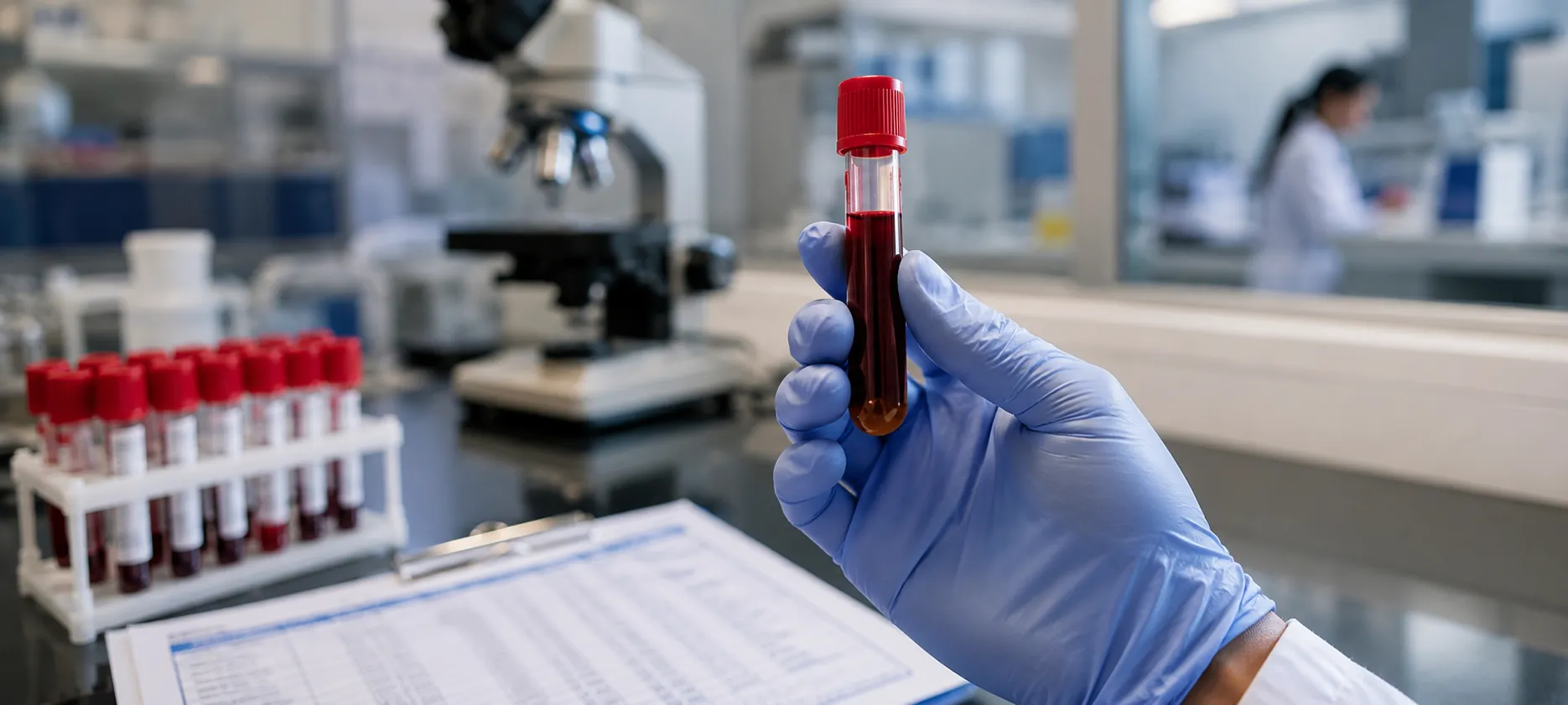
If an overdose is suspected, seek emergency care immediately. Doctors may monitor you with a blood test that can include kidney function, electrolytes, and an lft test, along with a complete blood count and other checks based on symptoms. These assessments help detect complications early and guide supportive treatment.
When To See A Doctor?
Contact your doctor promptly if:
- Your pain is not improving after a short course
- You develop persistent stomach pain, vomiting, or severe indigestion
- You notice swelling, reduced urination, or unusual fatigue
- You develop rash, wheezing, or facial swelling
- You have black stools or vomit that looks like coffee grounds
If you have any signs of bleeding, severe allergy, chest pain, or stroke-like symptoms, seek urgent emergency care.
FAQ's
Is Zerodol Tablet Safe For Daily Use?
It can be safe for some people when used exactly as prescribed, but daily or long-term use increases the risk of stomach bleeding and kidney issues. If you need pain relief most days, you deserve a review to identify the cause and a safer long-term plan.
Can Zerodol Tablet Damage The Stomach?
Yes, like other NSAIDs it can irritate the stomach lining and increase the risk of ulcers and bleeding, especially at higher doses or with longer use. Taking it with food and following your prescribed duration helps reduce risk.
How Long Does Zerodol Tablet Take To Work?
Many people feel some relief within a few hours, but the full anti-inflammatory benefit may take a little longer depending on the condition being treated. If pain is severe or worsening, consult your doctor rather than adding extra doses.
Can Zerodol Tablet Be Taken On An Empty Stomach?
It is usually better to take it with food or milk to reduce stomach upset and heartburn. If you have been told to take it differently, follow your doctor’s advice.
Is Zerodol Tablet An Antibiotic?
No. Zerodol Tablet is a pain-relieving anti-inflammatory medicine, not an antibiotic. It does not treat bacterial infections.
A Reassuring Note From Metropolis Healthcare
Pain can be exhausting, especially when it affects your sleep, work, and mobility. The right medicine can help you feel better, but safe use matters just as much as pain relief. If your doctor recommends monitoring while you are on anti-inflammatory medicines, Metropolis Healthcare can support you with accurate reports, home sample collection with strong coverage across 10,000 touchpoints, and convenient booking via website, app, call, or WhatsApp. With 4,000+ tests and full body checkups, you can stay on top of your health with confidence.
References
Vane J. R., Botting R. M. (1998). Mechanism of action of nonsteroidal anti-inflammatory drugs. American Journal of Medicine, 104(3A), 2S-8S. PMID: 9572314
Iolascon G., Giménez S., Mogyorósi D. (2021). A Review of Aceclofenac: Analgesic and Anti-Inflammatory Effects on Musculoskeletal Disorders. Journal of Pain Research, 14, 3651-3663. PMID: 34876850
Lanas A., García-Rodríguez L. A., Arroyo M. T., et al. (2006). Risk of upper gastrointestinal ulcer bleeding associated with selective cyclo-oxygenase-2 inhibitors, traditional non-aspirin non-steroidal anti-inflammatory drugs, aspirin and combinations. Gut, 55(12), 1731-1738. PMID: 16687434
Bloor M., Paech M. (2013). Nonsteroidal anti-inflammatory drugs during pregnancy and the initiation of lactation. Anesthesia & Analgesia, 116(5), 1063-1075. PMID: 23558845
Koren G., Florescu A., Moldovan Costei A., et al. (2006). Nonsteroidal antiinflammatory drugs during third trimester and the risk of premature closure of the ductus arteriosus: A meta-analysis. Annals of Pharmacotherapy, 40(5), 824-829. PMID: 16638921
Lapi F., Azoulay L., Yin H., et al. (2013). Concurrent use of diuretics, angiotensin converting enzyme inhibitors, and angiotensin receptor blockers with non-steroidal anti-inflammatory drugs and risk of acute kidney injury: Nested case-control study. BMJ, 346, e8525. PMID: 23299844
Schafer A. I. (1999). Effects of nonsteroidal anti-inflammatory therapy on platelets. American Journal of Medicine, 106(5B), 25S-36S. PMID: 10390125
Sriuttha P., Sirichanchuen B., Permsuwan U. (2018). Hepatotoxicity of Nonsteroidal Anti-Inflammatory Drugs: A Systematic Review of Randomized Controlled Trials. International Journal of Hepatology, 2018, 5253623. PMID: 29568654
Gupta M., D Cruz S., Nada R., Aggarwal P. (2013). Aceclofenac-induced acute tubulointerstitial nephritis in a patient with diabetes. BMJ Case Reports, 2013, bcr2013009217. PMID: 23682087