Home Visit
 Upload






Medicine
Ketorol DT: Uses, Side Effects And Safe Use Tips
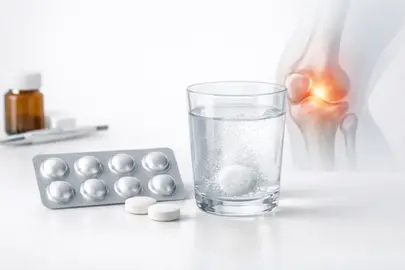
Table of Contents
- What Is Ketorol DT?
- Composition Of Ketorol DT
- How Ketorol DT Works
- Uses Of Ketorol DT
- Dosage Of Ketorol DT
- How To Take Ketorol DT Safely
- Side Effects Of Ketorol DT
- Precautions Before Using Ketorol DT
- Ketorol DT In Pregnancy And Breastfeeding
- Who Should Avoid Ketorol DT?
- Drug Interactions Of Ketorol DT
- Alcohol And Ketorol DT
- What To Do In Case Of Ketorol DT Overdose
- Ketorol DT Vs Other Painkillers
- Duration Of Use: Why Short Term Only
- When To See A Doctor
- Key Takeaways
- How Metropolis Healthcare Can Support You
- FAQs
- References
When you are dealing with sudden, moderate to severe pain, your doctor may prescribe Ketorol DT for short term relief. Ketorol DT contains ketorolac, a prescription-only painkiller from the NSAID group. It can be very effective when used correctly, but it needs extra care because the risk of serious side effects increases with higher doses and longer use.
This guide is for general awareness and does not replace medical advice. Use Ketorol DT only under clinician guidance.
Seek urgent medical care immediately if you notice black stools, vomiting blood, severe or persistent stomach pain, facial swelling, wheezing or breathlessness, fainting, chest pain, sudden weakness/speech trouble, or markedly reduced urine output.
What Is Ketorol DT?
Ketorol DT is a dispersible tablet formulation of ketorolac (often listed as ketorolac tromethamine), a non-steroidal anti-inflammatory drug (NSAID). “DT” typically refers to a formulation designed to disperse in water, which can make administration easier for some people.
Doctors prescribe ketorolac for short-term relief of moderate to severe pain, for example after a procedure, acute dental pain, or acute injury-related pain. It is not intended for mild aches or chronic pain lasting weeks to months.
Composition Of Ketorol DT
Active Ingredient
Ketorol DT contains ketorolac (commonly as ketorolac tromethamine), the active pain-relieving component.
Medicine Class
Ketorolac is an NSAID. NSAIDs reduce pain and inflammation by reducing prostaglandins, chemical messengers that contribute to pain, swelling, and fever.
How Ketorol DT Works
During injury or inflammation, your body produces prostaglandins, which amplify pain signals and inflammation. Ketorolac reduces prostaglandin production, helping to reduce pain and inflammation.
Because ketorolac is a stronger NSAID option, it can also increase risk of stomach lining injury/bleeding, kidney stress, and bleeding tendency in some people. This is the main reason it is restricted to short courses and careful dosing.
Uses Of Ketorol DT
Ketorol DT is generally used for short-term treatment of moderate to severe acute pain where simpler analgesics may not be enough.
- Post-operative pain (as part of a clinician-guided plan)
- Dental pain after procedures (for example, extractions)
- Acute musculoskeletal pain from sprains or strains
- Menstrual cramps in selected cases when your doctor considers it appropriate
Ketorol DT For Severe Pain
Ketorol DT may be chosen when pain is intense and rapid relief is needed for a limited period. If you are not improving as expected, do not increase the dose yourself. Your doctor may need to reassess the cause and adjust treatment.
Ketorol DT For Menstrual Pain
Some clinicians prescribe ketorolac for severe menstrual cramps when simpler measures fail. If periods are consistently very painful, heavy, or disruptive, consider evaluation for underlying causes rather than repeated short courses of strong NSAIDs.
Dosage Of Ketorol DT
Your dose depends on age, kidney function, medical history, and pain severity. Always follow your prescription label exactly.
In many adult regimens, ketorolac is prescribed in low doses at intervals such as every 4 to 6 hours as needed, with a strict maximum daily limit. Total treatment duration is deliberately limited (often up to about 5 days in adults), because serious adverse events become more likely with higher doses and longer use.
If you are older, underweight, dehydrated, or have kidney disease, your doctor may prescribe a lower dose or avoid ketorolac.
How To Take Ketorol DT Safely
- Take with or after food to reduce stomach irritation.
- If advised for your product, disperse the tablet in a small glass of water, stir, and drink immediately. Follow the specific instructions on your strip/bottle.
- Do not take more often than prescribed and do not extend the course on your own.
- Avoid combining with other NSAIDs (ibuprofen, diclofenac, naproxen, aspirin for pain) unless your clinician explicitly advises.
- If you feel dizzy, drowsy, or have visual disturbance, avoid driving or operating machinery until you feel normal.
- If you miss a dose and still need pain relief, take it when you remember unless your next dose is due soon. Do not double.
Side Effects Of Ketorol DT
Many people tolerate short courses well, but side effects can occur. Mild effects often improve after stopping the medicine. Contact your clinician if symptoms persist or worry you.
Common Side Effects
- Nausea or vomiting
- Stomach discomfort, indigestion, or heartburn
- Diarrhoea
- Dizziness, drowsiness, or headache
- Reduced appetite
Serious Side Effects: Stop And Seek Urgent Care
- GI bleeding: black, tarry stools; vomiting blood; severe or persistent abdominal pain
- Severe allergy: facial/lip swelling, wheeze, breathlessness, widespread hives, blistering rash
- Kidney problems: very reduced urine output, swelling of feet/face, unusual fatigue
- Possible cardiovascular/neurological emergency: chest pain, sudden weakness, severe headache, speech changes
Large observational studies support strict limits on duration because risks of gastrointestinal bleeding and acute kidney injury increase with longer exposure.
Precautions Before Using Ketorol DT
Tell your doctor before starting if you have (or have had):
- Stomach ulcer, GI bleeding, severe acidity, or inflammatory bowel disease
- Kidney disease, low urine output history, or dehydration (vomiting/diarrhoea/poor intake)
- Liver disease
- Asthma triggered or worsened by painkillers/NSAIDs
- High blood pressure, heart disease, or prior stroke
- Bleeding disorders or easy bruising
- Regular alcohol intake
- Older age (side effects are more likely)
In higher-risk patients, your doctor may consider monitoring tests (for example kidney function or haemoglobin) if clinically indicated.
Ketorol DT In Pregnancy And Breastfeeding
If you are pregnant, trying to conceive, or breastfeeding, take Ketorol DT only if your doctor specifically recommends it.
- Pregnancy: NSAIDs (including ketorolac) are generally avoided in later pregnancy due to fetal kidney and circulation risks.
- Breastfeeding: Small amounts of ketorolac can pass into breast milk. Evidence suggests low transfer after usual oral dosing, but many clinicians avoid it in breastfeeding—especially with newborns or premature infants—unless the benefit clearly outweighs risk. Wischnik A., Manth S. M., Lloyd J., et al. (1989). PMID: 2787750
Who Should Avoid Ketorol DT?
Ketorolac is typically avoided (or used only under strict specialist supervision) if you have:
- Active stomach ulcer or recent gastrointestinal bleeding
- Advanced kidney disease or high risk of kidney failure (including dehydration)
- Bleeding disorders or active bleeding
- Known allergy to ketorolac or other NSAIDs
- Recent major heart surgery such as CABG (your clinician will guide)
It is also generally not indicated for children and adolescents; any use in minors should be clinician-led and exceptional.
Drug Interactions Of Ketorol DT
Tell your clinician about all medicines and supplements. Important interactions include:
- Blood thinners/antiplatelets (higher bleeding risk)
- Steroids (higher ulcer and bleeding risk)
- Other NSAIDs (additive kidney and stomach risk)
- Diuretics and some blood pressure medicines (kidney risk can increase)
- Lithium and methotrexate (toxicity risk may increase)
- Some antidepressants (may increase bleeding risk in combination with NSAIDs)
If you are unsure, ask your doctor or pharmacist before combining medicines.
Alcohol And Ketorol DT
Avoid alcohol while taking Ketorol DT. Alcohol increases stomach irritation and bleeding risk and can worsen dizziness or drowsiness.
What To Do In Case Of Ketorol DT Overdose
If you suspect an overdose, seek urgent medical care immediately, even if you feel well. Do not wait for symptoms.
Possible Tests (Depending On Timing And Symptoms)
- Kidney function tests (urea/creatinine) and electrolytes
- Complete blood count (to assess anaemia/bleeding)
- Liver function tests if clinically indicated or multiple medicines were taken
- Evaluation for GI bleeding (based on symptoms; may include stool testing and clinical assessment)
- Vital signs monitoring; ECG or other monitoring if clinically indicated
Ketorol DT Vs Other Painkillers
Ketorolac is often reserved for acute situations because it can provide strong NSAID analgesia, but it is not the safest option for extended use.
- Paracetamol is commonly used for mild to moderate pain and fever and is usually gentler on the stomach.
- Other NSAIDs may suit milder inflammatory pain but may be insufficient for severe acute pain.
- Opioids may be used for severe pain but bring different risks (sedation, constipation, dependence).
Your doctor selects an option based on pain severity, cause, and your risk factors.
Duration Of Use: Why Short Term Only
Ketorolac is restricted to short courses because serious adverse events become more likely with longer use and higher exposure. Population studies and clinical experience support strict limits (often around 5 days in adults). Reinhart D. I. (2000). PMID: 10877042
If pain persists, it is safer to reassess the cause than to continue ketorolac on your own.
When To See A Doctor
Contact your doctor promptly if:
- Pain is not improving within the expected timeframe
- You develop persistent vomiting, severe acidity, or worsening stomach pain
- You feel faint, unusually weak, or short of breath
Seek emergency care if you notice:
- Black stools or vomiting blood
- Sudden vision change, weakness, facial droop, or speech difficulty
- Severe breathlessness, facial swelling, or widespread rash
- Markedly reduced urine output
Key Takeaways
- Ketorol DT is used for short-term management of moderate to severe acute pain, not long-term daily pain.
- Treatment duration is deliberately limited (commonly up to 5 days in adults), because risks rise with longer use.
- Take it exactly as prescribed and do not combine it with other NSAIDs unless your doctor specifically advises.
- Stop the medicine and seek urgent help for signs of GI bleeding (black stools, vomiting blood), severe allergy (facial swelling, breathlessness), or kidney problems (reduced urine, swelling).
How Metropolis Healthcare Can Support You
If your clinician recommends monitoring while you are using NSAIDs (especially if you have risk factors), laboratory tests can help assess kidney function, haemoglobin, and other safety parameters when clinically indicated. Metropolis Healthcare offers a wide range of pathology services, including 4,000+ tests, supported by NABL and CAP-accredited laboratories, with options such as home sample collection and convenient booking via website, app, call, or WhatsApp.
FAQs
Is Ketorol DT Safe For Daily Use?
No. Ketorol DT is not meant for daily long-term use. It is generally reserved for short-term acute pain. If you need pain relief frequently, you should discuss safer longer-term options and evaluation of the cause with your clinician.
Can Ketorol DT Cause Stomach Bleeding?
Yes. GI bleeding and ulceration are known serious risks with ketorolac and other NSAIDs. Risk increases with higher doses, longer duration, older age, alcohol use, smoking, and prior ulcer/bleeding history.
Is Ketorol DT Stronger Than Paracetamol?
Ketorolac is often used for more intense pain than paracetamol alone. However, the safest choice depends on your health profile and the cause of pain, not only perceived “strength.”
Can Ketorol DT Be Taken On An Empty Stomach?
It is better to take it with or after food to reduce stomach irritation. If you took it on an empty stomach and develop significant stomach pain, nausea, or acidity, contact your clinician for advice.
How Long Does Ketorol DT Take To Work?
Many people start to feel relief within about an hour, though timing varies depending on dose, formulation, food intake, and individual response. Brocks D. R., Jamali F. (1992). PMID: 1458761
References
- Strom B. L., Berlin J. A., Kinman J. L., et al. (1996). Parenteral ketorolac and risk of gastrointestinal and operative site bleeding. JAMA, 275(5), 376–382. PMID: 8569017
- Feldman H. I., Kinman J. L., Berlin J. A., et al. (1997). Parenteral ketorolac: The risk for acute renal failure. Ann Intern Med, 126(3), 193–199. PMID: 9027269
- Rodríguez L. A. G., Jick H. (1998). Risk of hospitalization for upper gastrointestinal tract bleeding associated with ketorolac, other NSAIDs, and other analgesics. Arch Intern Med, 158(1), 33–39. PMID: 9437376
- Reinhart D. I. (2000). Minimising the adverse effects of ketorolac. Drug Safety, 22(6), 487–497. PMID: 10877042
- Brocks D. R., Jamali F. (1992). Clinical pharmacokinetics of ketorolac tromethamine. Clin Pharmacokinet, 23(6), 415–427. PMID: 1458761
- Wischnik A., Manth S. M., Lloyd J., et al. (1989). The excretion of ketorolac tromethamine into breast milk after multiple oral dosing. Eur J Clin Pharmacol, 36(5), 521–524. PMID: 2787750
- Sinha V. R., Trehan A. (2009). Ketorolac tromethamine formulations: An overview. Expert Opin Drug Deliv, 6(9), 961–975. PMID: 19663721