Home Visit
 Upload






Preventive Healthcare
Zone Diet Explained: How to Balance Your Macros
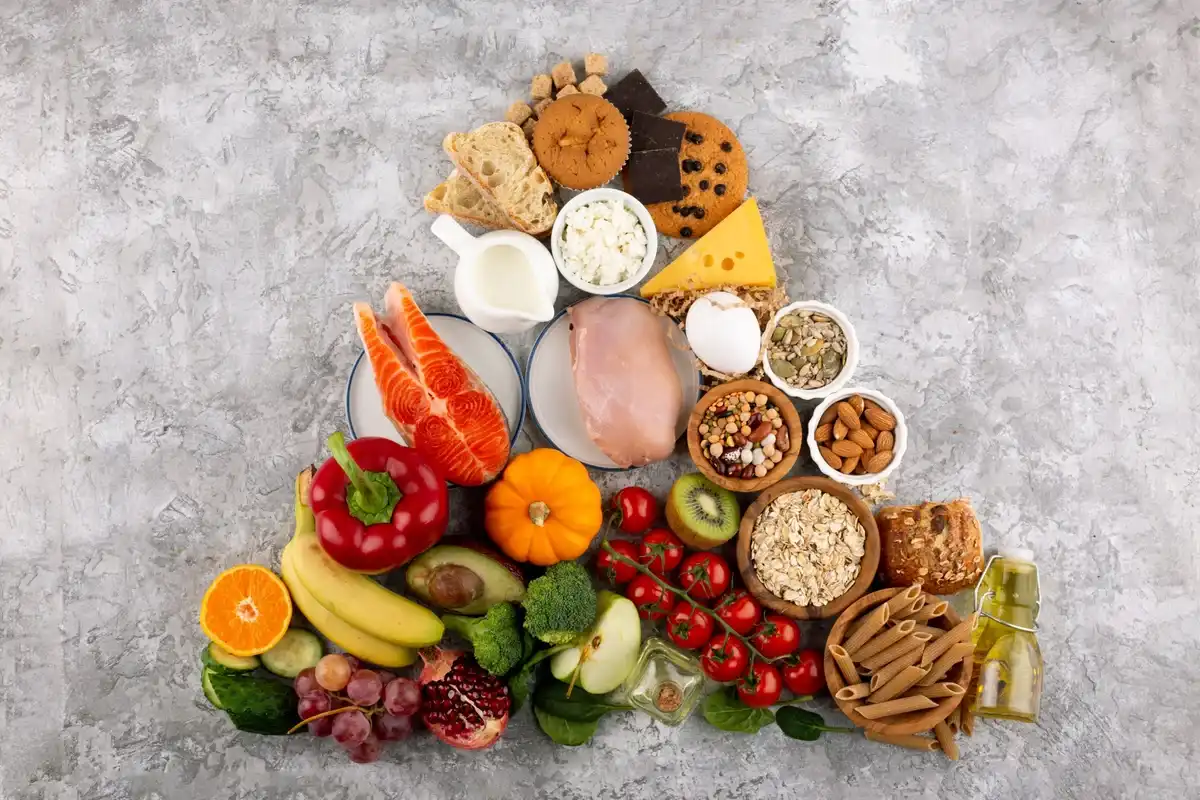
Table of Contents
- What Is the Zone Diet?
- How the Zone Diet Works
- Benefits of the Zone Diet
- Zone Diet Food List: What to Eat
- Foods to Avoid on the Zone Diet
- How to Calculate Zone Blocks
- Sample 7-Day Zone Diet Meal Plan (Non-Veg)
- Sample 7-Day Zone Diet Meal Plan (Veg)
- Snacks Allowed on the Zone Diet
- Possible Side Effects & Risks
- Who Should Avoid the Zone Diet?
- Tips to Follow the Zone Diet Successfully
- When to Consult a Nutritionist
- Scientific Evidence Behind the Zone Diet
- Conclusion
- FAQs
The zone diet has gained popularity as a structured approach to eating that promises to optimise your body’s hormonal responses through careful macronutrient balance. This weight-loss nutrition plan focuses on maintaining a specific ratio of carbohydrates, protein, and fat at every meal.
Understanding how the zone diet works can help you make informed decisions about whether this balanced diet plan aligns with your health goals and lifestyle.
What Is the Zone Diet?
The zone diet is a structured eating pattern that emphasises consuming approximately 40% of calories from carbohydrates, 30% from protein, and 30% from fat at each meal and snack. Developed by biochemist Dr. Barry Sears in the 1990s, this hormonal balance diet aims to keep your body in a metabolic "zone", where blood sugar levels and inflammation remain well controlled.”
The zone diet plan differs from other approaches by focusing on the quality and timing of macronutrients rather than focusing solely on calorie restriction. This balanced diet plan prioritises low-glycaemic carbohydrates, lean proteins, and monounsaturated fats to create what proponents claim is an optimal hormonal environment for weight management and overall health.
How the Zone Diet Works
The zone diet operates on the principle that controlling macronutrient balance and meal timing can influence your body's hormonal responses, particularly insulin levels. By maintaining consistent protein-to-carbohydrate ratios throughout the day, this weight management plan aims to prevent significant blood sugar spikes that can trigger fat storage and inflammation.
The zone diet meal plan requires eating three main meals and two snacks daily, each following the 40-30-30 ratio. This regular eating schedule helps maintain stable blood glucose levels while minimising excessive hunger between meals. The approach suggests that keeping insulin and glucagon hormones balanced allows your body to use stored fat for energy more effectively.
The 40-30-30 Rule Explained
The foundation of any successful zone diet plan rests on understanding the specific macronutrient distribution:
- 40% carbohydrates from low-glycaemic sources
- Non-starchy vegetables like broccoli, spinach, and peppers
- Fruits such as berries, apples, and oranges
- Limited whole grains and legumes
- 30% high-quality protein
- Lean poultry, fish, and egg whites
- Low-fat dairy products
- Plant-based options like tofu within carbohydrate limits
- 30% healthy fats
- Monounsaturated fats from olive oil, nuts, and avocados
- Omega-3-rich sources such as fatty fish
- Limited saturated fats
- Per-meal application
- The ratio applies to every eating occasion, not daily averages
- Structured "blocks" help calculate appropriate portions
Anti-inflammatory Principles of the Zone Diet
A central claim of the zone diet is its potential to reduce diet-related inflammation through careful food selection. The zone diet foods emphasise low-glycaemic carbohydrates and omega-3 fatty acids while limiting refined sugars and processed oils that may promote inflammatory responses.
Dr. Sears theorises that excessive high-glycaemic carbohydrates and omega-6 rich fats can elevate insulin levels and create an unfavourable balance of hormone-like compounds called eicosanoids.
The zone diet's benefits may include better control of chronic, low-grade inflammation associated with obesity, insulin resistance, and cardiovascular disease, though these specific mechanisms remain subjects of ongoing scientific debate.
Benefits of the Zone Diet
Research on the Zone Diet’s benefits presents mixed findings, with some studies showing modest improvements in certain health markers:
- Structured weight-management support
- Controlled portions through the block system
- Higher protein intake may enhance satiety
- Regular meal timing helps prevent overeating
- Potential blood sugar improvements
- Low-glycaemic carbohydrates may help stabilise glucose levels
- Balanced macronutrients may help moderate insulin responses
- Beneficial for individuals with insulin resistance
- Cardiovascular risk factor improvements
- Some studies show modest improvements in triglyceride levels
- The emphasis on healthy fats aligns with heart-health guidelines
- Weight loss may contribute to better blood pressure control
- Enhanced meal planning structure
- Clear guidelines for portion control
- Simplified decision-making around food choices
- Regular eating schedule promotes consistency
Zone Diet Food List: What to Eat
The zone diet foods focus on high-quality, minimally processed options that support the 40-30-30 macronutrient balance:
- Protein sources (30% of calories)
- Skinless chicken and turkey breast
- Fish and seafood, especially salmon and sardines
- Egg whites and low-fat dairy
- Lean cuts of beef and pork
- Carbohydrate sources (40% of calories)
- Leafy greens, broccoli, cauliflower, and peppers
- Berries, apples, pears, and citrus fruits
- Limited portions of oats, quinoa, and sweet potatoes
- Beans and lentils in moderation (depending on carbohydrate limits)
- Fat sources (30% of calories)
- Extra virgin olive oil and olives
- Nuts, seeds, and nut butters
- Avocados and avocado oil
- Fatty fish for their omega-3 content
Foods to Avoid on the Zone Diet
The zone diet meal plan restricts several food categories that may disrupt the intended hormonal balance. High-glycaemic carbohydrates can cause rapid blood sugar spikes, whilst certain fats may promote inflammation according to zone diet principles.
- High-glycaemic carbohydrates
- White bread, pasta, and refined cereals
- Potatoes, corn, and other starchy vegetables
- Sugary drinks, sweets, and processed snacks
- White rice and instant oats
- Certain fats and oils
- Processed vegetable oils high in omega-6
- Trans fats and hydrogenated oils
- Excessive saturated fats from fatty meats
- Processed and packaged foods
- Ready meals and fast food
- Processed meats with additives
- Foods containing added sugars and artificial ingredients
How to Calculate Zone Blocks
Understanding zone blocks helps you implement the zone diet plan practically in daily meal planning:
- Determine your protein needs based on activity level
- Sedentary individuals: approximately 1.1 blocks per meal
- Moderately active: 1.3-1.5 blocks per meal
- Very active: 1.7+ blocks per meal
- Calculate corresponding carbohydrate blocks
- Match protein blocks with equal carbohydrate blocks
- Each block corresponds to specific gram amounts of macronutrients
- Add appropriate fat blocks
- Include one fat block per protein/carbohydrate block
- Adjust based on natural fat content in protein choices
- Plan five eating occasions each day
- Three meals and two snacks
- Space meals 4-5 hours apart
Zone Blocks Chart (Protein, Carbs, Fats)
|
Macronutrient |
Amount per Block |
Food Examples |
|
Protein |
7g |
30g chicken breast, 45g fish, 1 egg white |
|
Carbohydrates |
9g |
1 cup leafy greens, 1/2 apple, 1/3 cup oats |
|
Fat |
1.5g |
1/3 tsp olive oil, 3 olives, 1 tsp nuts |
Sample 7-Day Zone Diet Meal Plan (Non-Veg)
|
Day |
Breakfast |
Lunch |
Snack |
Dinner |
Evening Snack |
|
1 |
Egg white omelette with vegetables |
Grilled chicken salad |
Apple with almonds |
Salmon with steamed broccoli |
Greek yoghurt |
|
2 |
Chicken and vegetable scramble |
Fish with quinoa |
Berries with cottage cheese |
Lean beef stir-fry |
Protein smoothie |
|
3 |
Chicken breast with spinach |
Tuna salad wrap |
Nuts with fruit |
Grilled cod with roasted vegetables |
Hard-boiled egg |
|
4 |
Fish and vegetable hash |
Chicken soup |
Cheese with cucumber |
Chicken meatballs |
Protein bar (low-sugar, balanced option) |
|
5 |
Egg whites with peppers |
Salmon quinoa bowl |
Apple with nut butter |
Chicken with green beans |
Greek yoghurt |
|
6 |
Greek yoghurt breakfast bowl |
Fish tacos |
Berries with almonds |
Lean pork with salad |
Protein shake |
|
7 |
Chicken and vegetable frittata |
Tuna stuffed avocado |
Cottage cheese |
Salmon with asparagus |
Mixed nuts |
Sample 7-Day Zone Diet Meal Plan (Veg)
|
Day |
Breakfast |
Lunch |
Snack |
Dinner |
Evening Snack |
|
1 |
Tofu scramble with vegetables |
Lentil soup with salad |
Apple with almonds |
Quinoa stuffed peppers |
Greek yoghurt |
|
2 |
Protein smoothie bowl |
Chickpea salad |
Berries with cottage cheese |
Tofu stir-fry |
Nuts and fruit |
|
3 |
Egg white omelette |
Bean and vegetable curry |
Cheese with cucumber |
Tempeh with greens |
Protein bar (low-sugar, balanced option) |
|
4 |
Quinoa breakfast bowl |
Vegetable soup |
Apple with nut butter |
Lentil shepherd's pie |
Greek yoghurt |
|
5 |
Tofu and spinach scramble |
Chickpea quinoa salad |
Berries with almonds |
Bean-stuffed aubergine |
Protein smoothie |
|
6 |
Protein pancakes |
Lentil vegetable stew |
Cottage cheese snack |
Tofu curry with vegetables |
Mixed nuts |
|
7 |
Vegetable frittata |
Quinoa Buddha bowl |
Nuts with fruit |
Tempeh with roasted veg |
Greek yoghurt |
Snacks Allowed on the Zone Diet
Zone Diet meal plans include two daily snacks maintaining the same macronutrient balance:
- Quick protein-rich options
- Greek yoghurt with berries
- Hard-boiled eggs with vegetables
- Cottage cheese with fruit
- Protein smoothies with minimal ingredients
- Balanced combinations
- Apple slices with almond butter
- Vegetable sticks with hummus
- Mixed nuts with fresh fruit
- Cheese with cucumber slices
Possible Side Effects & Risks
Like any restrictive eating plan, the zone diet may present certain challenges and potential side effects:
- Initial adjustment period
- Fatigue as the body adapts to the new macronutrient ratios
- Temporary digestive changes due to increased fibre intake
- Hunger between meals during adaptation phase
- Nutritional considerations
- Potential micronutrient deficiencies without careful planning
- Limited food variety may affect long-term adherence
- A higher protein intake may place strain on the kidneys in susceptible individuals
- Practical challenges
- Complex meal planning and block calculations
- Difficulty dining out or in social situations
- Higher food costs due to emphasis on quality proteins
Who Should Avoid the Zone Diet?
According to a study by the Indian Journal of Medical Research, certain individuals should exercise caution or avoid extreme-weight loss diets altogether, including the zone diet:
- People with medical conditions requiring specific dietary modifications
- Individuals with kidney disease due to higher protein requirements
- Those with eating disorders or restrictive eating histories
- Pregnant or breastfeeding women without medical supervision
- Children and adolescents, as their bodies are still growing and developing
- Athletes with very high caloric needs
Tips to Follow the Zone Diet Successfully
Implementing the zone diet effectively requires planning and preparation:
- Start with structured meal planning and preparation
- Batch cook proteins and vegetables in advance
- Pre-portion snacks according to block requirements
- Keep emergency zone-friendly foods available
- Master the block calculation system
- Use smartphone apps or online calculators initially
- Practice estimating portions until it becomes intuitive
- Focus on the ratio concept rather than perfect precision
- Gradually transition to avoid shock
- Slowly increase protein intake over several days
- Reduce refined carbohydrates progressively
- Allow time for taste preferences to adapt
- Stay hydrated and monitor energy levels
- Drink sufficient water throughout the day
- Adjust portions if experiencing persistent fatigue
- Consult a qualified nutritionist or dietitian for personalised guidance
When to Consult a Nutritionist
Professional guidance becomes essential when implementing any significant dietary change, particularly the zone diet's structured approach. A qualified nutritionist can help personalise the zone diet plan based on your individual health status, activity level, and nutritional needs. They can also monitor your progress and adjust macronutrient ratios if needed. Consider seeking professional advice if you have underlying health conditions, take medications that might be affected by dietary changes, or experience persistent side effects during implementation.
Scientific Evidence Behind the Zone Diet
Current research on the zone diet presents mixed results regarding its specific claims. Some studies suggest modest benefits for weight loss and certain cardiovascular risk factors when compared to higher-carbohydrate diets. However, many researchers argue that any benefits may stem from overall calorie restriction and improved food quality rather than the specific 40-30-30 ratio.
The anti-inflammatory claims remain scientifically debated, with limited high-quality studies supporting the unique mechanisms proposed by Dr. Sears. Most nutrition experts emphasise that various balanced eating patterns can achieve similar health benefits when they emphasise whole foods, appropriate portions, and regular physical activity.
Conclusion
The zone diet offers a structured approach to macronutrient balance that may support weight management and overall health for some individuals. Its emphasis on low-glycaemic carbohydrates, lean proteins, and healthy fats aligns with many evidence-based nutrition principles. However, the specific 40-30-30 ratio and anti-inflammatory claims require more robust scientific validation.
Metropolis Healthcare's comprehensive portfolio of more than 4,000 tests includes specialised panels that can help track your metabolic health, inflammatory markers, and nutritional status as you implement dietary changes. With our convenient home sample collection network spanning more than 10,000 touchpoints across India, you can easily monitor how your chosen eating plan affects your health markers without disrupting your routine.
FAQs
What is the Zone Diet and how does it work?
The Zone Diet balances meals at roughly 40% carbohydrates, 30% protein, and 30% fat to control blood sugar and reduce inflammation.
Is the Zone Diet good for weight loss?
Yes, it can support steady, sustainable weight loss by improving satiety and portion control.
What foods can you eat on the Zone Diet?
Lean proteins, low-glycaemic fruits and vegetables, healthy fats like nuts and olive oil, and limited whole grains.
Is the Zone Diet similar to Keto?
No. The Zone Diet allows moderate carbs, while Keto is very low-carb and high-fat.
How many calories do you eat on the Zone Diet?
Calories vary by individual needs; the diet focuses on macro balance rather than strict calorie counting.
Are Zone Diet blocks hard to calculate?
They can take practice initially but become easy with planning or tracking tools.
Is the Zone Diet safe long-term?
Yes, when followed with a variety of whole foods, it is generally considered sustainable.
Can vegetarians follow the Zone Diet?
Yes. Plant proteins like tofu, paneer, legumes, and dairy can be used to meet requirements.
References
-
https://pmc.ncbi.nlm.nih.gov/articles/PMC6366252/
-
https://www.webmd.com/diet/zone-what-it-is
-
https://pubmed.ncbi.nlm.nih.gov/12569110/