Home Visit
 Upload






Preventive Healthcare
Powassan Virus: Tick-Borne Illness Signs & Prevention
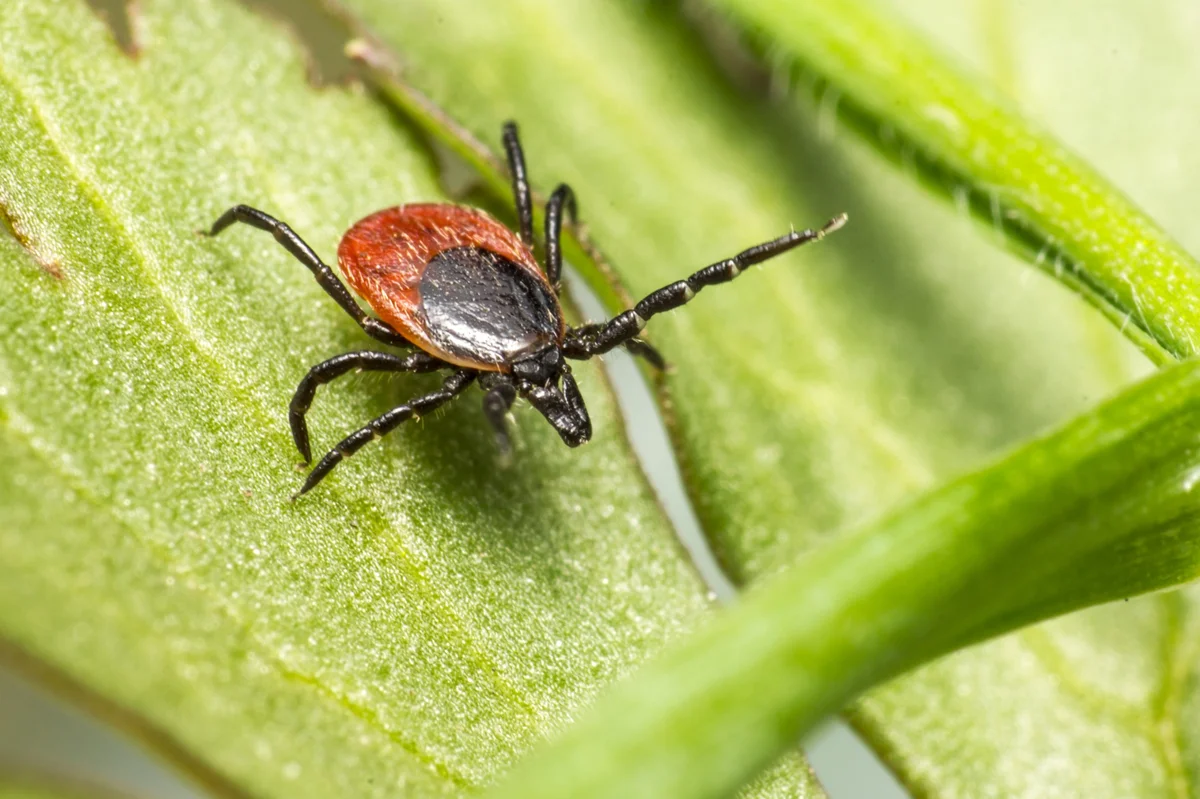
Table of Contents
- What Is Powassan Virus?
- How Powassan Virus Spreads
- Where Is Powassan Virus Found?
- Powassan Virus Symptoms
- Causes & Pathophysiology
- Is Powassan Virus Related to Lyme Disease?
- Complications of Powassan Virus
- When to See a Doctor
- How Powassan Virus Is Diagnosed
- Tests for Powassan Virus
- Treatment Options for Powassan Virus
- Recovery Time & Long-Term Effects
- Powassan Virus Prevention
- Conclusion
- FAQs
Powassan virus is a rare but potentially serious tick-borne illness that has gained increased attention from health authorities worldwide. This viral encephalitis can progress from mild symptoms to severe neurological complications, making early recognition crucial for effective management.
Understanding Powassan virus symptoms, causes, and prevention strategies empowers you to protect yourself and your loved ones during outdoor activities.
What Is Powassan Virus?
Powassan virus is a flavivirus belonging to the same family as dengue fever, West Nile virus, and Zika virus. First identified in 1958 in Powassan, Ontario, this rare tick disease affects the central nervous system and can cause severe viral encephalitis (brain inflammation). The virus exists in two genetically distinct lineages: the prototype Powassan virus (lineage 1) and deer tick virus (lineage 2), though both cause clinically similar infections.
Unlike many other tick-borne pathogens, Powassan virus can be transmitted remarkably quickly after tick attachment. This characteristic makes it particularly concerning for outdoor enthusiasts and those living in endemic areas. The infection ranges from completely asymptomatic cases to life-threatening neurological disease requiring intensive medical care.
How Powassan Virus Spreads
- Transmitted through bites from infected Ixodes ticks (blacklegged or deer ticks)
- Groundhog ticks and squirrel ticks also carry the virus but rarely bite humans
- Ticks acquire the infection when feeding on infected small mammals and rodents
- No person-to-person transmission occurs under normal circumstances
- Transmission may occur within as little as 15 minutes after tick attachment
- Peak transmission occurs during warmer months, when ticks are most active
Powassan Virus Transmission Timeline
- Initial attachment: Infected tick attaches to skin surface
- 15 minutes onwards: Virus transmission becomes possible
- Within hours: High probability of infection if tick remains attached
- 1-4 weeks post-bite: Incubation period before symptoms develop
- Peak onset: Most symptoms appear within first two weeks
- Asymptomatic cases: Many infections never produce noticeable symptoms
Where Is Powassan Virus Found?
Powassan virus infections primarily occur in the Northeastern United States, the Great Lakes region, and parts of Canada. States like New York, Pennsylvania, Wisconsin, and Maine report the highest number of cases annually. The virus also circulates in certain areas of Russia and other northern regions where suitable tick vectors exist.
According to the Centers for Disease Control and Prevention (CDC), approximately 45 cases of Powassan virus were reported in the United States in 2025, though actual infection rates may be higher due to asymptomatic cases. Cases peak during late spring through mid-fall, coinciding with increased outdoor activities and tick activity periods.
Powassan Virus Symptoms
- Fever and severe headaches
- Nausea and persistent vomiting
- Muscle weakness and general fatigue
- Confusion and altered mental status
- Difficulty speaking clearly
- Loss of coordination and balance
- Memory problems and cognitive difficulties
- Seizures in severe cases
Early vs Late Symptoms of Powassan Virus
|
Symptom Stage |
Early Symptoms |
Late/Severe Symptoms |
|
Timeline |
1-4 weeks post-bite |
Advanced infection stage |
|
Manifestations |
Fever, headache, fatigue |
Seizures, paralysis, coma |
|
Severity |
Mild to moderate |
Severe, life-threatening |
|
Neurological signs |
Minimal or absent |
Prominent and progressive |
Causes & Pathophysiology
Powassan virus causes infection when introduced through infected tick saliva during feeding. Once in the bloodstream, the virus can cross the blood-brain barrier and infect neural tissue, leading to inflammation of brain and spinal cord structures. This viral encephalitis develops when the immune system's inflammatory response damages nervous tissue while attempting to clear the infection.
The virus replicates within neural cells, causing direct cellular damage and triggering widespread inflammation. In severe cases, this process leads to brain swelling, increased intracranial pressure, and potentially fatal complications. Individual immune responses largely determine whether infections remain asymptomatic or progress to severe neurological disease.
Is Powassan Virus Related to Lyme Disease?
While Powassan virus and Lyme disease are both transmitted by the same tick species (Ixodes scapularis), they represent completely different infections. Lyme disease results from bacterial infection with Borrelia burgdorferi, whereas Powassan virus is caused by a flavivirus. The diseases present with distinct symptom patterns, require different diagnostic approaches, and respond to entirely different treatment strategies.
Importantly, both infections can occur in the same geographic regions, and individuals may potentially be exposed to both pathogens simultaneously. This overlap emphasises the importance of comprehensive tick prevention measures in endemic areas.
Complications of Powassan Virus
- Viral encephalitis with severe brain inflammation
- Meningitis affecting protective brain membranes
- Permanent neurological deficits and cognitive impairment
- Seizure disorders requiring long-term management
- Focal paralysis or muscle weakness
- Speech and swallowing difficulties
- Memory loss and personality changes
When to See a Doctor
- Develop fever after recent tick exposure in endemic areas
- Experience severe headaches with neurological symptoms
- Notice confusion, difficulty speaking, or memory problems
- Have seizures or loss of consciousness
- Develop muscle weakness or coordination problems
- Experience persistent vomiting accompanied by altered mental status
How Powassan Virus Is Diagnosed
Powassan virus diagnosis typically involves several steps to confirm infection and assess nervous system involvement:
- Clinical evaluation assessing symptoms and tick exposure history
- Laboratory testing using blood and cerebrospinal fluid samples
- Serological tests detecting virus-specific antibodies
- Molecular testing identifying viral genetic material
- Imaging studies evaluating brain inflammation and swelling
- Differential diagnosis excluding other neurological conditions
Tests for Powassan Virus
- Enzyme-linked immunosorbent assay (ELISA) for antibody detection
- IgM Total Test measuring acute infection antibodies
- Real-time PCR detecting viral RNA in blood or cerebrospinal fluid
- Immunohistochemistry (IHC) test identifying viral antigens in tissue
- JEV RNA Detection by Real-time PCR for related flavivirus exclusion
- Lumbar puncture examining cerebrospinal fluid characteristics
Treatment Options for Powassan Virus
Currently, no specific antiviral medications or vaccination exists for Powassan virus treatment. Medical management focuses on supportive care to manage symptoms and prevent complications. Treatment approaches include controlling fever, maintaining adequate hydration, managing seizures with anticonvulsant medications, and providing respiratory support when necessary.
Healthcare providers monitor neurological function closely and implement interventions to reduce brain swelling when present. Pain management, nutritional support, and rehabilitation services play vital roles in recovery. Early recognition and prompt medical intervention significantly improve outcomes, particularly for patients developing viral encephalitis.
Intensive Care Management for Severe Cases
- Continuous neurological monitoring and assessment
- Intracranial pressure management with medications or surgical intervention
- Mechanical ventilation for respiratory failure
- Seizure control using anticonvulsant protocols
- Maintaining fluid and electrolyte balance
- Prevention of secondary infections and complications
Recovery Time & Long-Term Effects
Recovery from Powassan virus varies significantly depending on infection severity and individual factors. Mild cases may resolve within weeks without lasting effects, while severe viral encephalitis can require months of rehabilitation. Approximately 10–15% of patients with severe disease experience long-term neurological complications, including memory problems, muscle weakness, and coordination difficulties.
Some individuals develop persistent headaches, fatigue, or mood changes that may last for years. Regular follow-up with neurologists and rehabilitation specialists helps optimise recovery and manage ongoing symptoms. Early intervention and comprehensive supportive care generally improve long-term outcomes.
Powassan Virus Prevention
- Use EPA-approved insect repellents containing DEET, picaridin, or permethrin
- Wear long-sleeved shirts and long trousers in wooded areas
- Tuck trousers into socks to prevent tick access
- Choose light-coloured clothing to easily spot ticks
- Stick to centre of trails and avoid brushy vegetation
- Perform thorough tick checks after outdoor activities
- Shower within two hours of coming indoors
- Check pets regularly for ticks before bringing them inside
Conclusion
Understanding Powassan virus empowers you to take proactive steps to protect yourself and your family from this rare tick-borne disease. While infections remain uncommon, the potential for serious complications makes prevention and early recognition essential.
At Metropolis Healthcare, we support your health journey with comprehensive diagnostic services designed around your needs. Our extensive network of over 220 laboratories and 4,600 service centres ensure access to advanced testing when you need it most. With convenient home sample collection across more than 10,000 touchpoints across India, we make quality healthcare accessible and comfortable.
FAQs
What is Powassan virus and how dangerous is it?
Powassan virus is a rare tick-borne infection that can cause inflammation of the brain and nervous system. While many infections are mild, severe cases can be life-threatening and may lead to long-term neurological damage or death.
What are the first signs of Powassan virus?
Early symptoms include fever, headache, fatigue, vomiting, and muscle weakness. In serious cases, confusion, seizures, or difficulty speaking may develop.
How fast can you get Powassan virus from a tick?
Transmission can occur very quickly — sometimes within 15 minutes of a tick bite — much faster than for Lyme disease.
Is Powassan virus curable?
There is no specific cure or antiviral treatment. Care is supportive and may include hospitalisation, fluids, breathing support, and treatment of complications.
How common is Powassan virus?
It is very rare, with only a small number of cases reported each year, mainly in North America (including parts of the U.S. and Canada).
Can Powassan virus be prevented?
Yes. Prevention focuses on avoiding tick bites through repellents, protective clothing, regular tick checks, and prompt removal.
Are ticks that carry Powassan virus also Lyme-carrying ticks?
Yes. The same black-legged ticks (deer ticks) that transmit Lyme disease can also carry Powassan virus.
Can Powassan virus spread from person to person?
No. It does not spread through casual contact and is transmitted primarily through tick bites.
References
- https://www.cdc.gov/powassan/index.html
- https://pmc.ncbi.nlm.nih.gov/articles/PMC6739672/
- https://www.cdc.gov/powassan/data-maps/current-year-data.html
- https://my.clevelandclinic.org/health/diseases/25092-powassan-virus